Ever walked out of a barbershop thinking, “This looked way better on the photo,” and instantly regretted the cut the moment you saw yourself in the mirror?
The truth is, most disappointing haircuts don’t come from bad barbers; they come from a mismatch. A great hairstyle on the wrong face shape can completely change how it looks on you.
The moment of confusion hits when you realize the haircut isn’t bad, but it just doesn’t suit you the way it suits the person in the photo. That’s why the same reference can look completely different to two people.
Once you understand your face shape, every haircut becomes intentional and not experimental.
How to Find a Haircut that Suits You?
A good hairstyle depends on several personal factors, such as your face shape, hair texture, density, and lifestyle. These elements decide how a haircut looks on you and how easy it is to maintain.
- Face shape: The base of every hairstyle. It decides how a haircut frames your features and creates balance or imbalance.
- Hair texture: Straight, wavy, curly, or coily hair changes how a cut sits. Straight hair looks structured but can go flat, while wavy and curly hair add natural volume.
- Hair density: Thick hair holds volume and shape easily, while thin hair often needs shorter or layered cuts to avoid looking flat.
- Hairline shape: Your hairline affects how styles like fringes and slick backs look. A receding hairline may need softer, more balanced cuts.
- Forehead size: Larger foreheads suit fringe or front texture, while smaller foreheads work better with styles that keep hair off the face.
- Lifestyle: Your haircut should match your routine. Low-maintenance cuts need little styling, while structured styles require daily effort.
- Maintenance level: Some styles need frequent trims and styling, while others grow out easily and stay neat for longer.
Quick Face Shape Guide
Finding your face shape can make it easier to choose a hairstyle that suits your features. Compare your facial proportions with the descriptions below to identify the closest match.
| Face Shape | How to Recognize It |
|---|---|
| Oval | The face is slightly longer than it is wide, with balanced features and a gently rounded jawline. |
| Square | Forehead, cheeks, and jaw are similar in width, with a strong, well-defined jawline. |
| Round | The face is nearly equal in width and length, with fuller cheeks and soft curves. |
| Oblong | The face is longer than it is wide, with straight sides and evenly balanced widths. |
| Heart | The forehead is wider than the jaw, and the face narrows toward a smaller chin. |
| Diamond | Cheekbones are the widest part of the face, while the forehead and jaw are narrower. |
Hairstyles for Men with an Oval Face
Oval faces are naturally well-proportioned with a balanced forehead, cheekbones, and jawline, making them highly versatile and suitable for a wide range of hairstyles.
1. Textured Crop

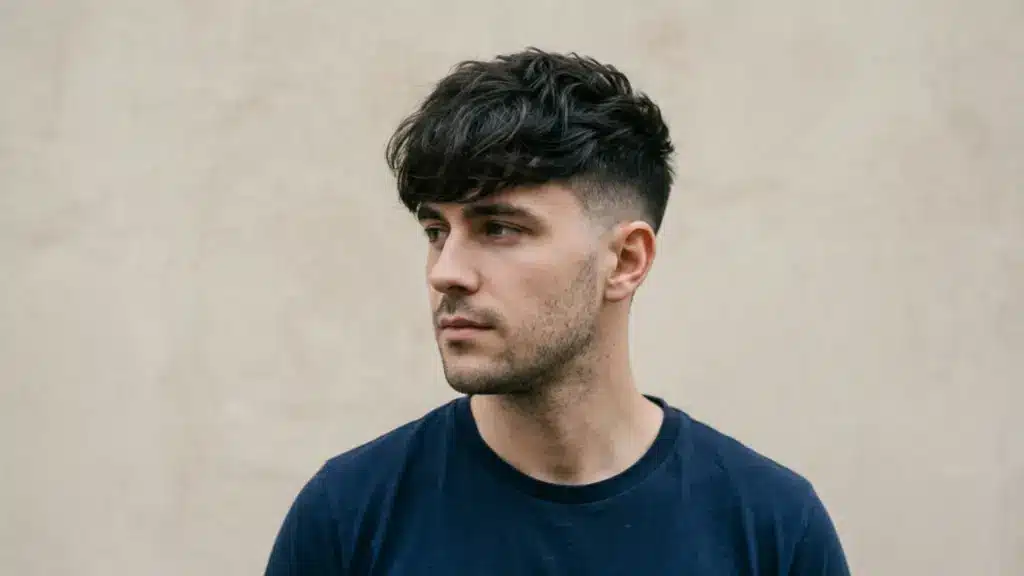
A textured crop is a modern hairstyle that combines short sides with layered hair on top. Added texture creates movement and definition, giving the haircut a clean yet contemporary appearance.
Layered sections help create volume and make the hair appear fuller. Easy styling requirements make this haircut a practical choice for everyday wear and busy lifestyles.
Versatility is another advantage, as the textured crop works well with most hair types and suits both professional and casual settings.
2. Quiff Cut
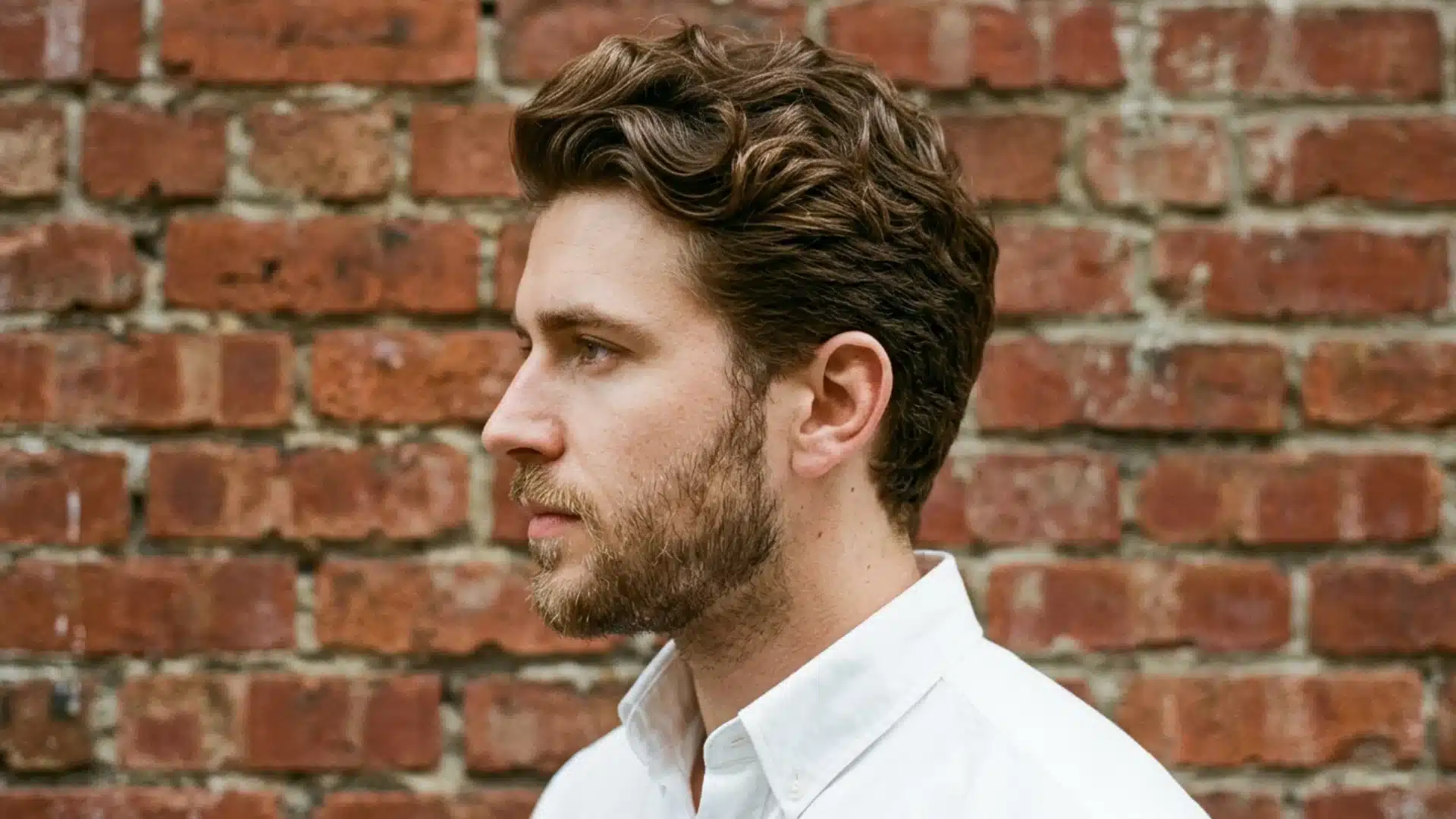
A quiff cut has shorter sides paired with longer hair on top. Hair is styled upward and slightly backward to create height, structure, and visual balance.
Extra volume on top helps define the overall look. The hairstyle can appear polished for formal occasions or textured for a more relaxed appearance.
Flexibility makes the quiff one of the most popular men’s hairstyles. Modern variations allow it to suit different hair types, lengths, and personal styles.
3. Slick-Back
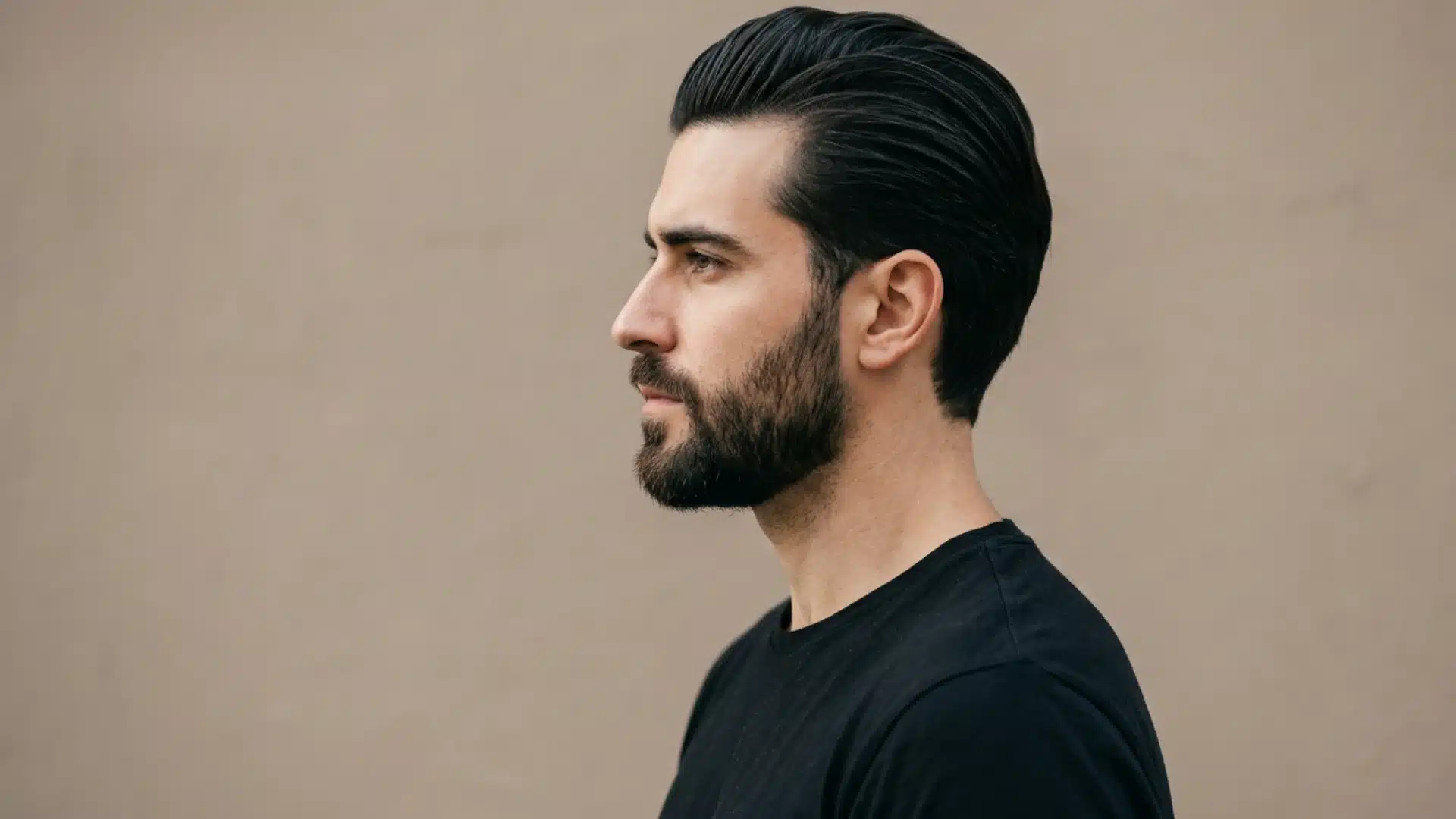
A slick-back hairstyle keeps the hair swept neatly away from the face. Clean lines and a smooth finish create a refined and sophisticated appearance.
Medium-to-long hair on top generally works best for achieving this look. Styling products such as pomade help maintain hold, shine, and control throughout the day.
Strong facial features often become more noticeable with this hairstyle. Professional settings and formal occasions particularly complement its polished aesthetic.
4. Side part
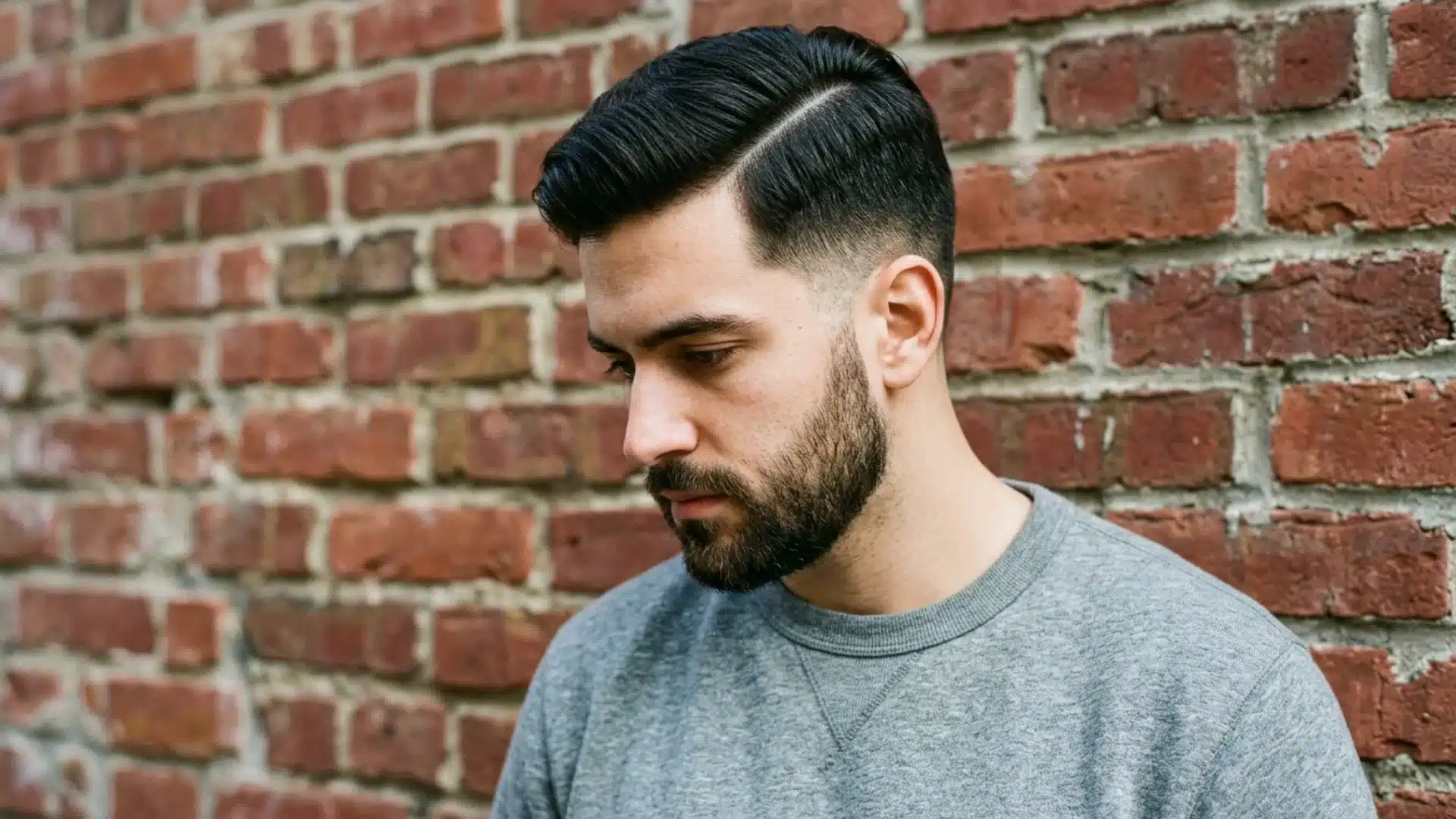
A side part creates a structured appearance by dividing the hair neatly to one side. Clean lines give the hairstyle a timeless and professional look.
Balanced proportions make the style suitable for many face shapes and hair textures. Simple styling techniques help maintain a neat appearance throughout the day.
Long-lasting popularity comes from its versatility and elegance. Formal events and casual situations can both suit a well-executed side part.
5. Buzz cut
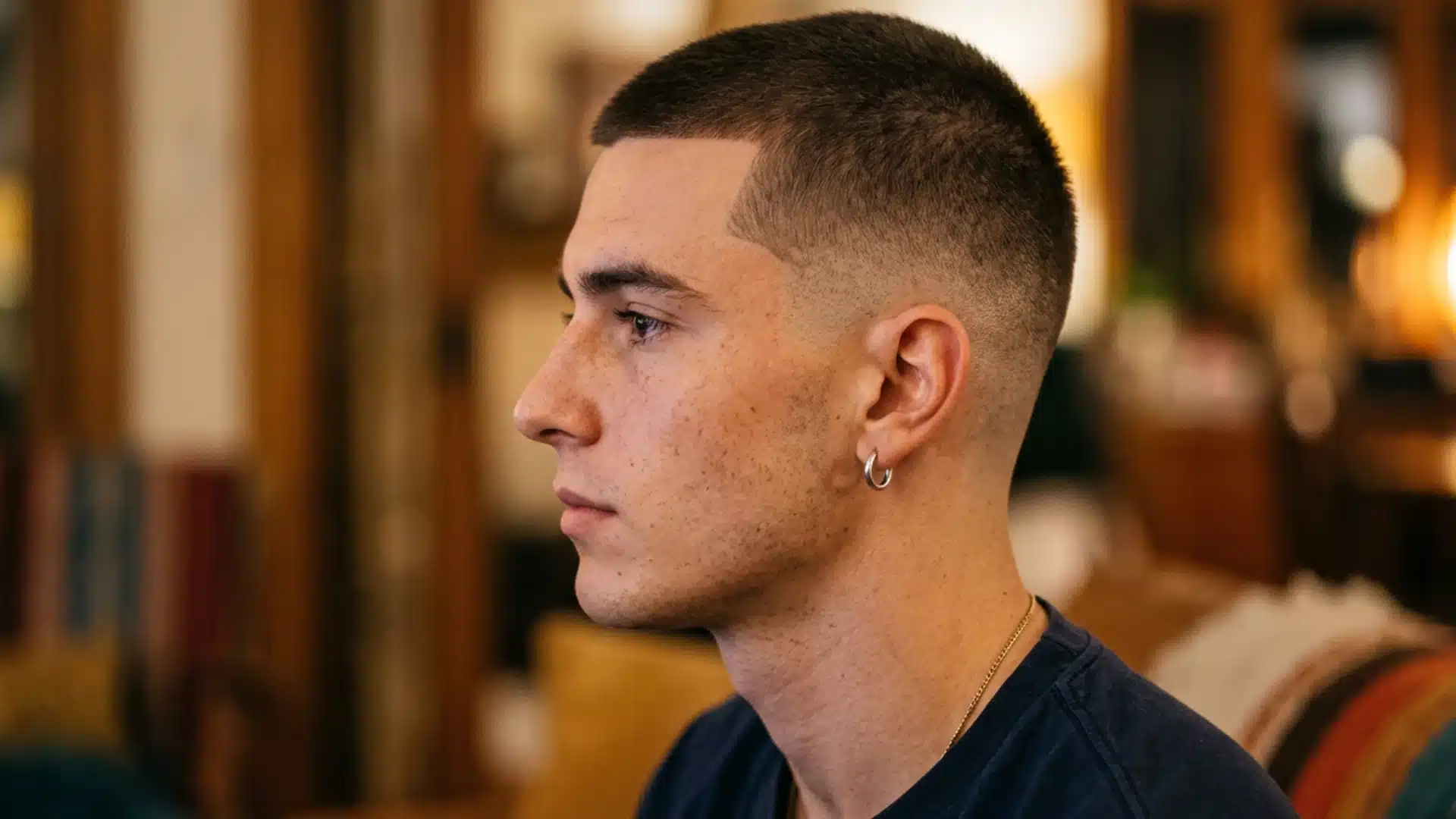
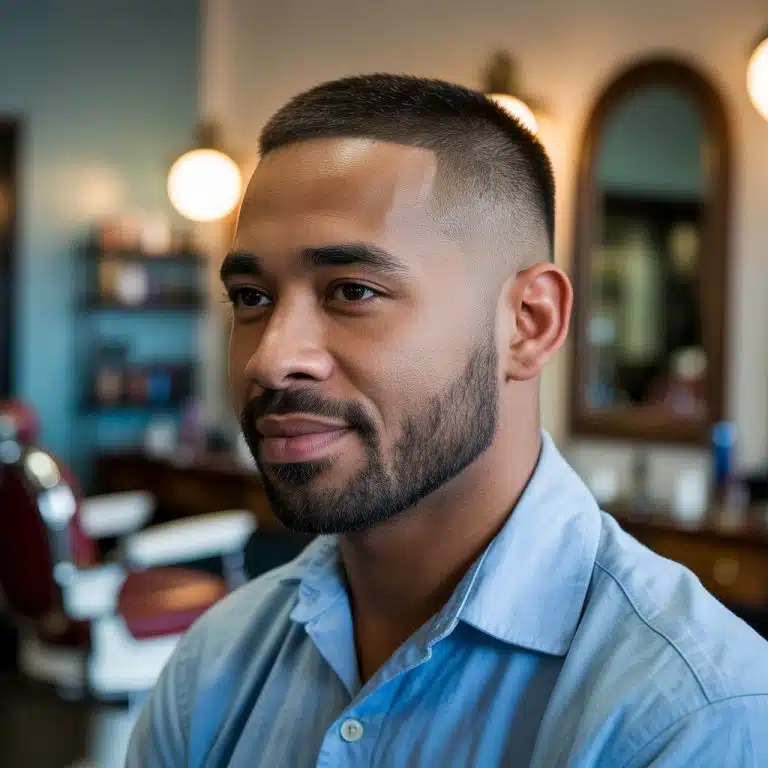
A buzz cut is an ultra-short hairstyle that keeps the hair evenly trimmed across the head for a clean, low-maintenance look.
Its simplicity draws attention to facial features such as the jawline, cheekbones, and eyes, creating a sharp and confident appearance. It requires minimal styling and is ideal for those who prefer a practical yet timeless haircut.
There are more variations than most people expect. See the full guide to types of buzz cuts if you want to compare styles before committing.
Hairstyles for Men with a Round Face
Men with round faces typically benefit from hairstyles that add height, angles, and structure. The goal is to create the appearance of a longer, more defined face while avoiding excessive width on the sides.
6. High Fade Textured Top
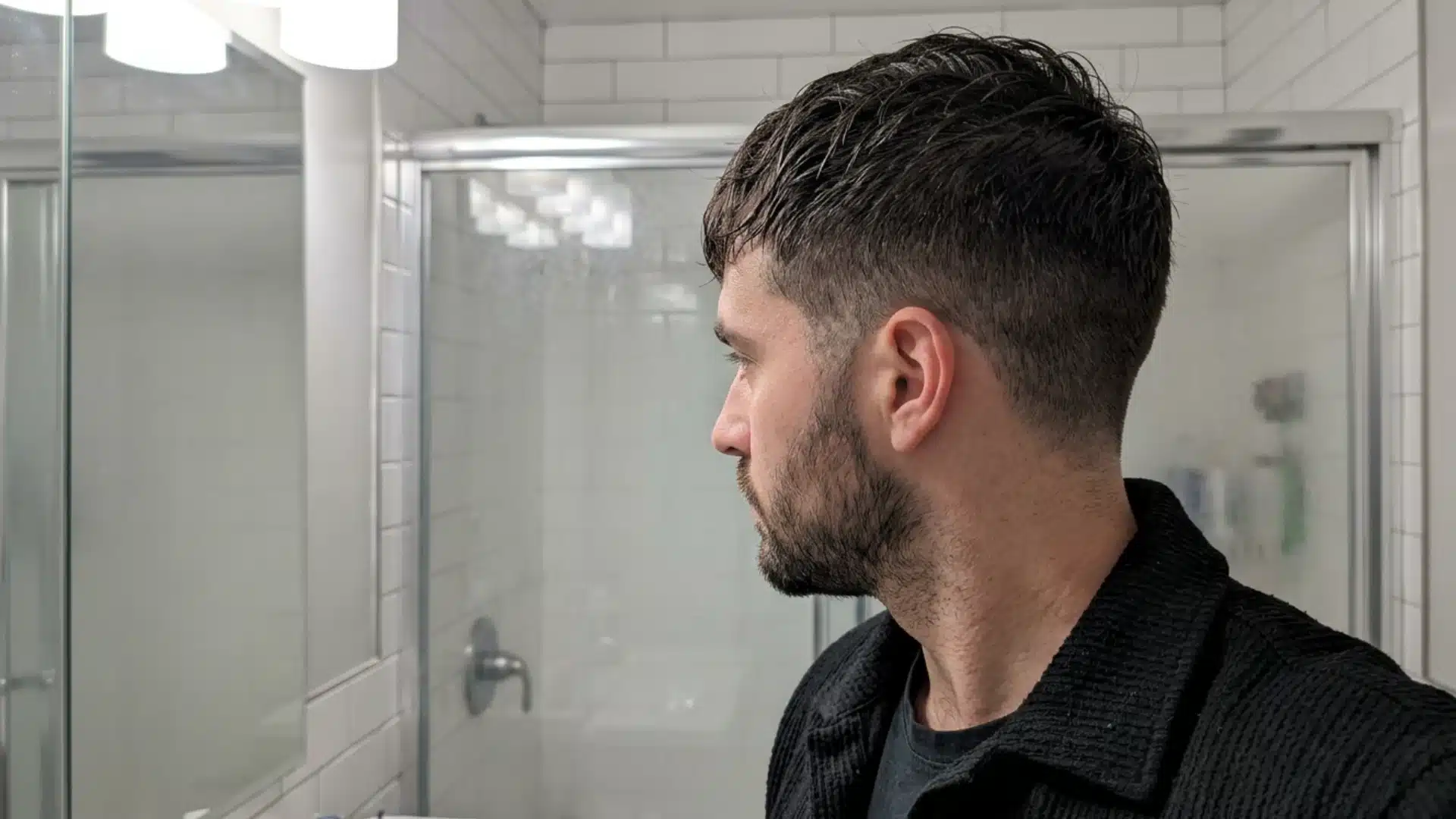
A high fade with a textured top combines closely faded sides with longer hair above. Strong contrast creates a modern look that immediately draws attention upward.
Textured layers add movement, volume, and depth to the hairstyle. Natural separation prevents the haircut from appearing overly formal or rigid.
Contemporary styling makes this option popular among men seeking versatility. Casual and professional environments can both suit this balanced combination of structure and texture.
7. French Crop
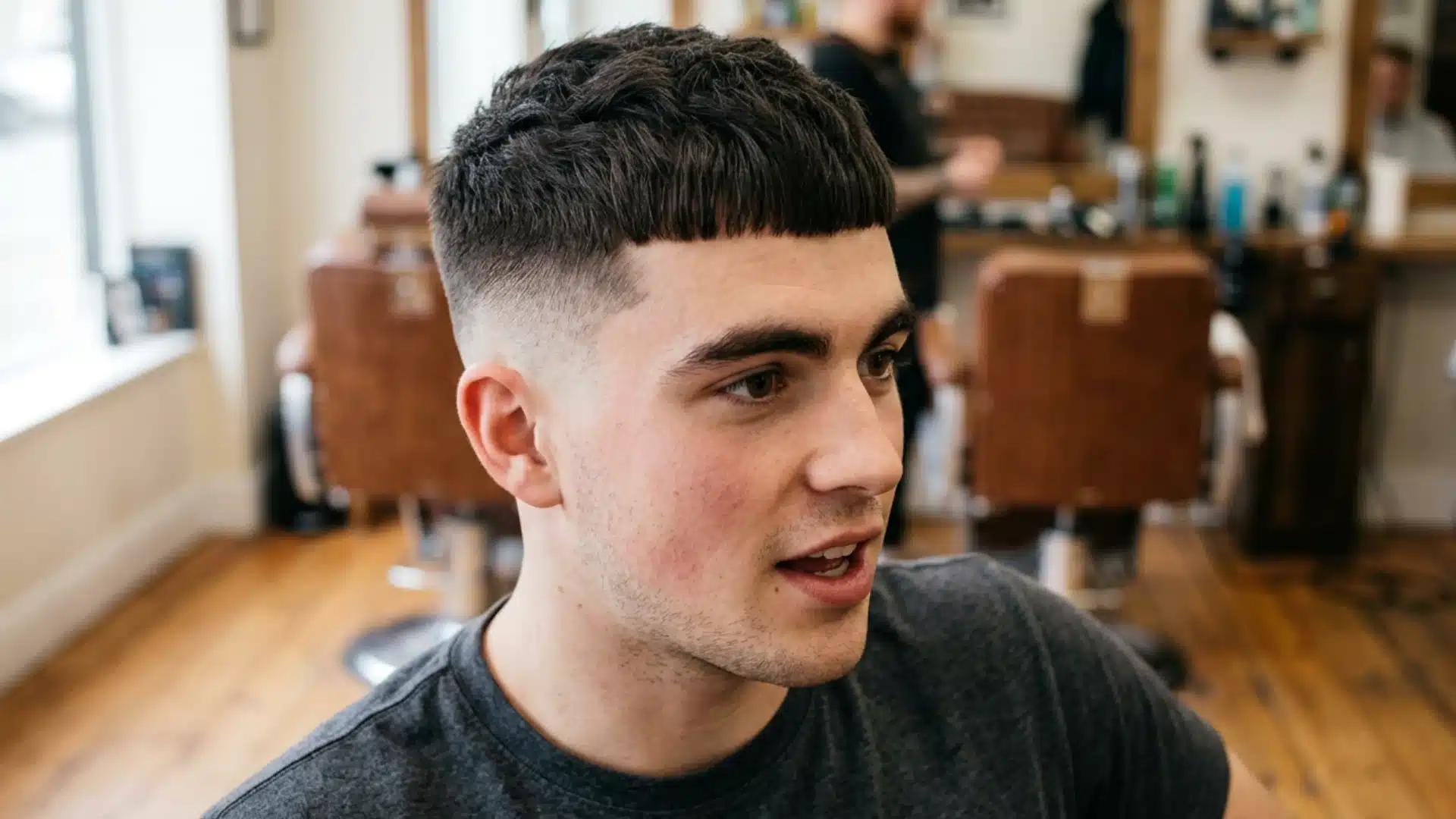
A French crop features a short, textured top with a fringe positioned across the forehead. Faded or tapered sides help create a clean and modern finish.
Low-maintenance styling requirements make the haircut convenient for everyday wear. Short length keeps the hairstyle neat while still offering visual interest.
Wide compatibility with different hair types increases its popularity. Modern appearance and practicality make the French crop a reliable option for many men.
8. Faux Hawk
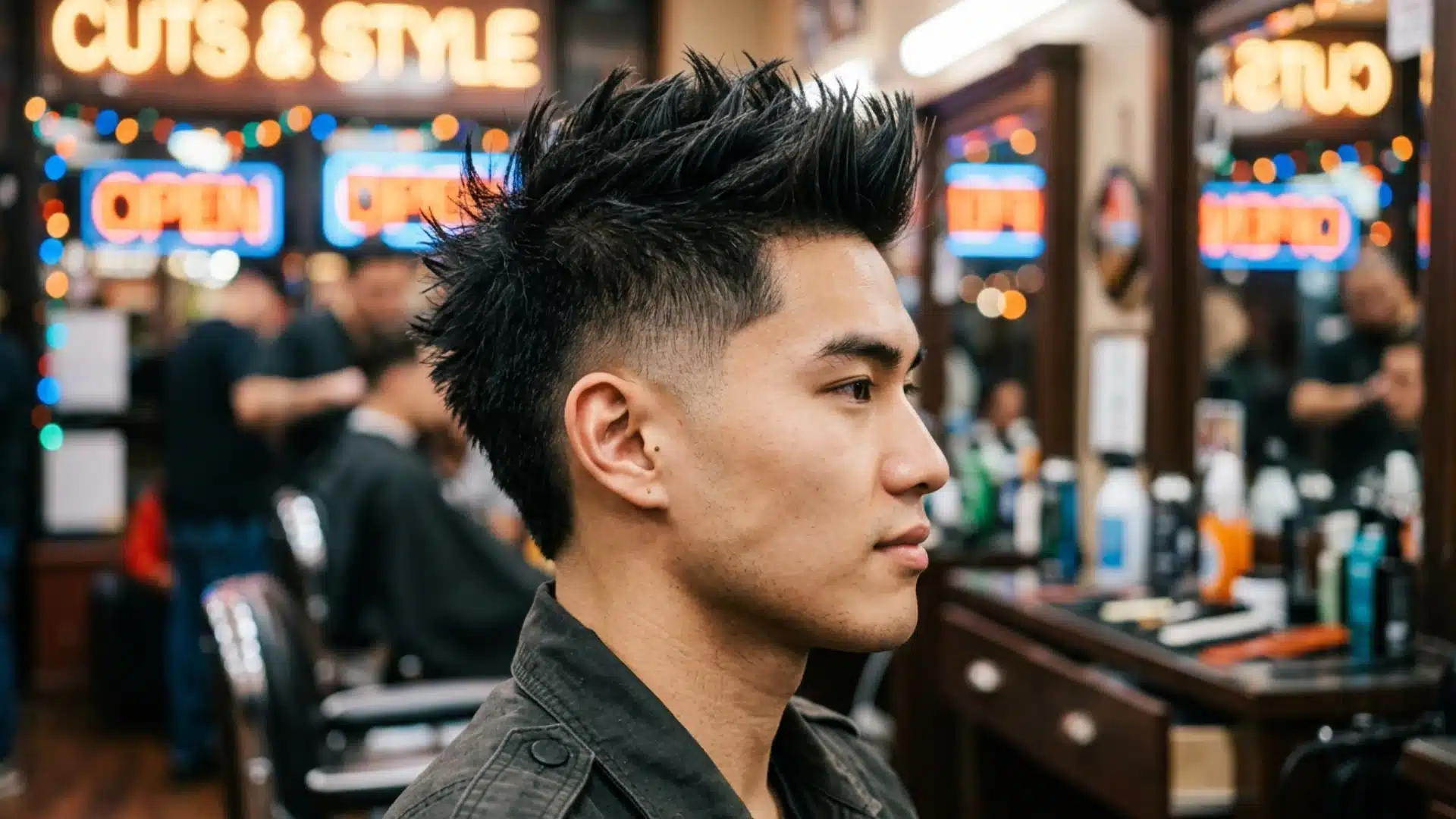
A faux hawk keeps hair longer through the center while gradually shortening the sides. Strategic shaping creates height and adds an energetic, modern appearance.
Extra volume along the middle section helps the hairstyle stand out. Flexible styling options allow the look to appear bold or more understated.
Modern appeal makes the faux hawk suitable for various personal styles. Everyday wear remains possible without the dramatic commitment of a traditional Mohawk.
9. Pompadour
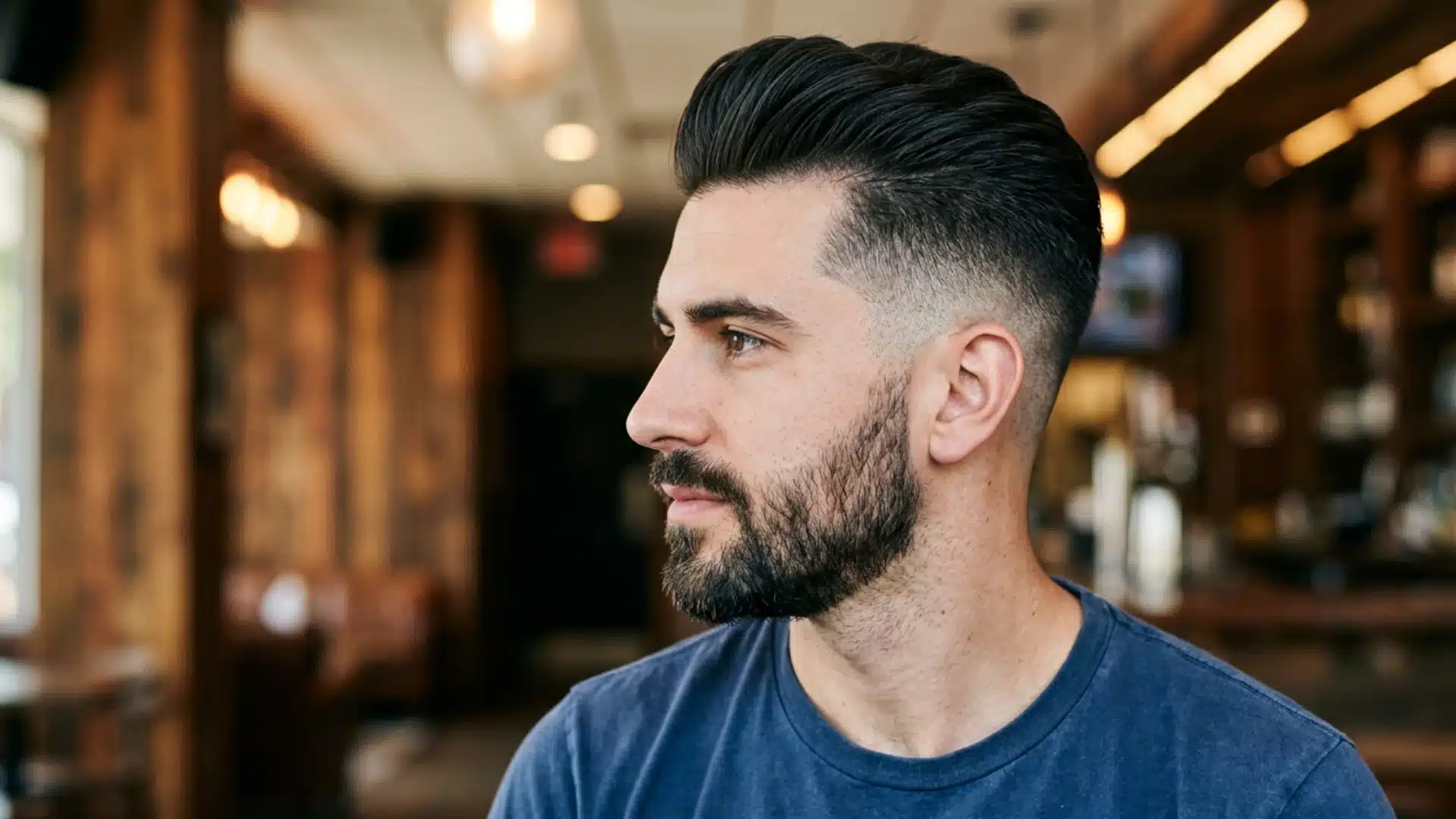
A pompadour features longer hair at the front, swept upward and back to create height and volume. The sides are kept shorter to highlight the contrast and emphasize the structured top section.
The style delivers a classic, bold appearance often linked with confidence and grooming. Height at the front enhances facial structure and adds a refined look suitable for modern styling.
Regular product use helps maintain hold, shine, and long-lasting shape throughout the day. This balance helps the hairstyle stand out while maintaining a clean shape.
Hairstyles for Men with a Square Face
Men with square faces have strong jawlines and balanced proportions, making them well-suited to a wide range of hairstyles.
10. Ivy League Side Part
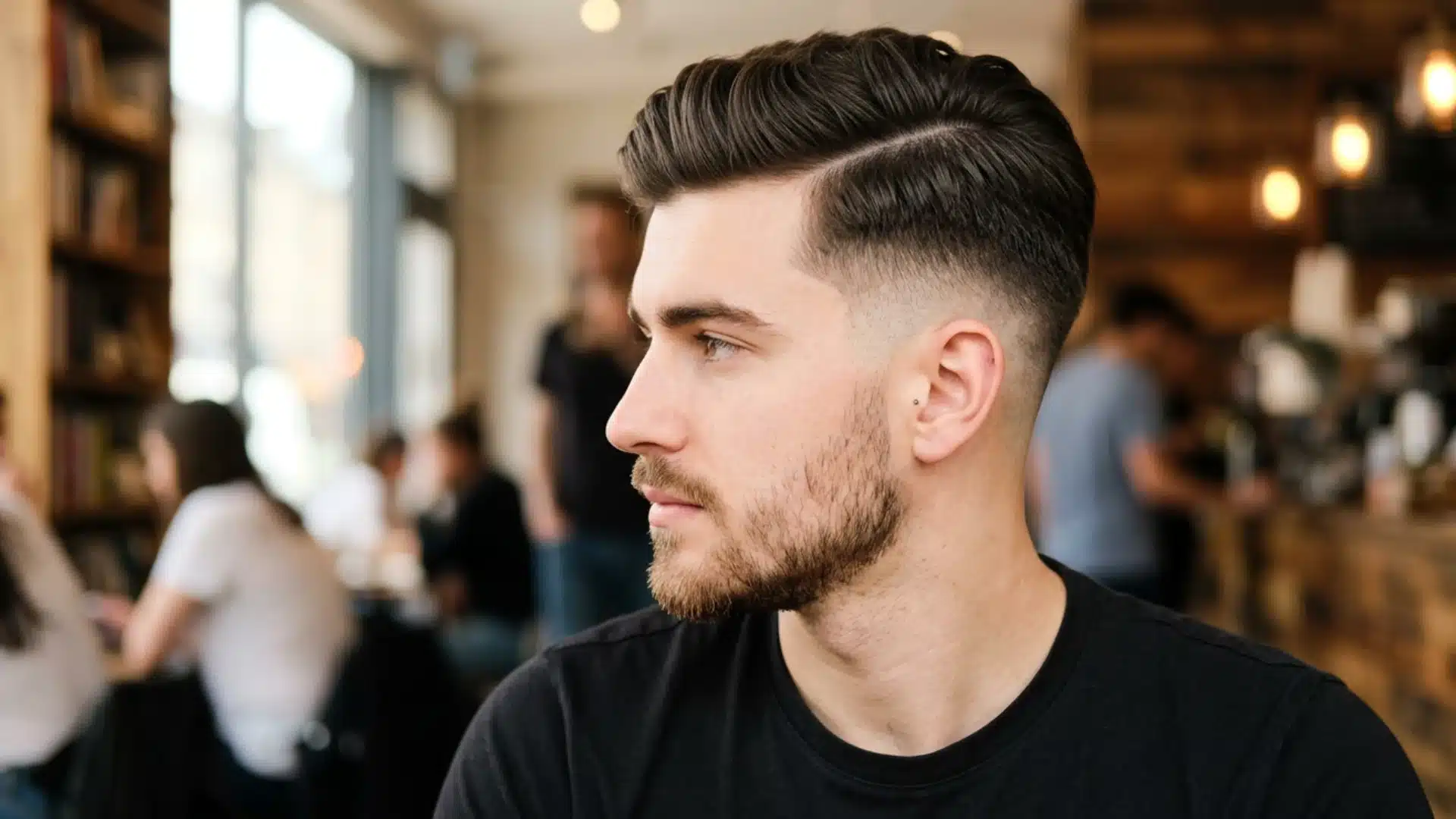
Ivy League side part remains one of the most adaptable hairstyles due to its clean separation and structured finish. The natural division of hair creates an instant sense of order that suits most face shapes.
Sharpness in the parting line helps define facial features without making the style look overly rigid. Subtle tapering or fading around the sides further enhances the overall balance.
Professional settings often favor this hairstyle because of its polished appearance. Everyday wear also benefits from its low-effort maintenance and timeless appeal.
11. A Crew Cut
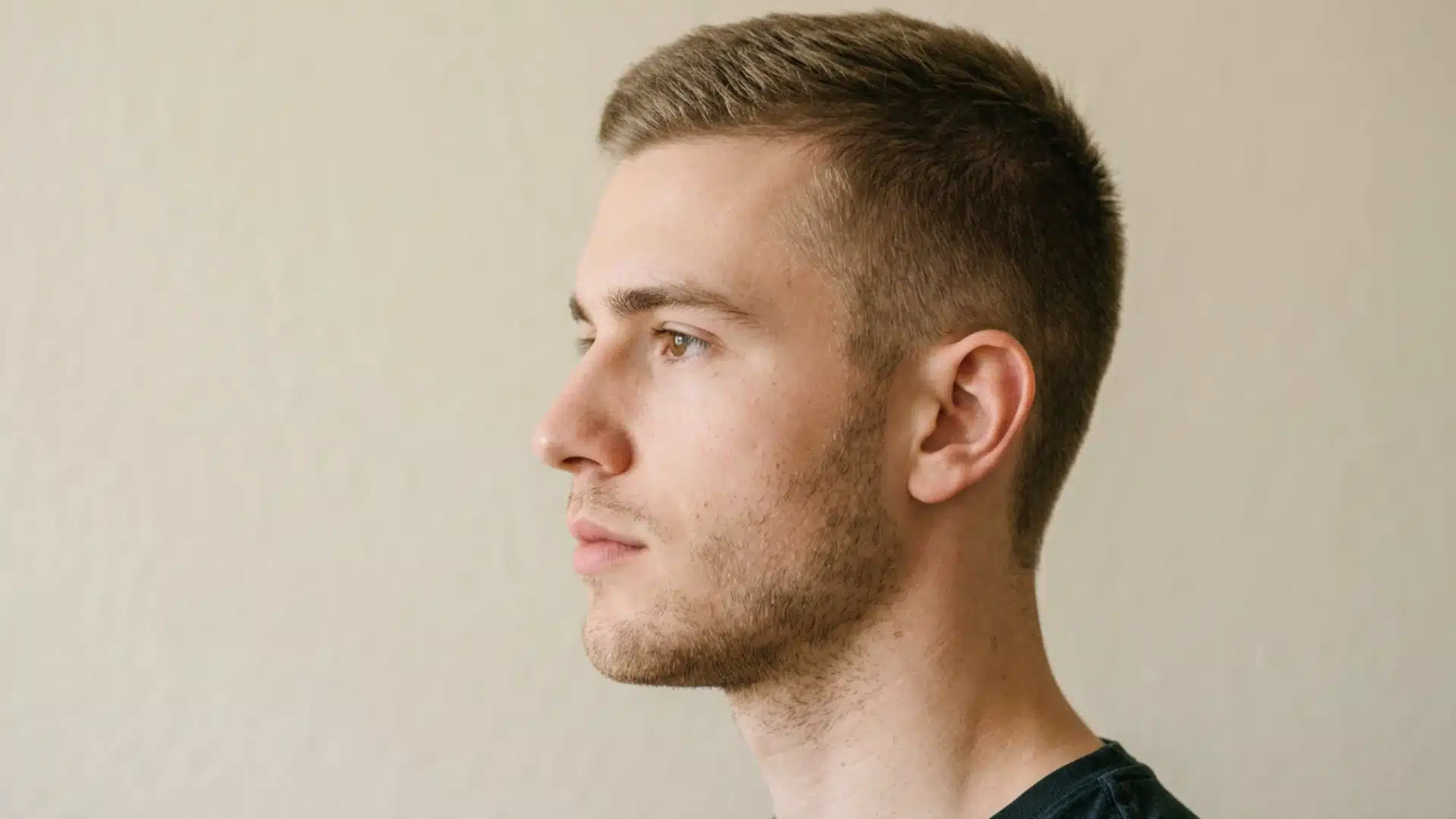
Crew cuts offer a minimal yet stylish approach that focuses on simplicity and structure. Short length ensures practicality while maintaining a refined appearance.
An even distribution of hair length on top provides a subtle shape without requiring extensive styling. Clean edges around the sides reinforce the neat overall look.
Active lifestyles often pair well with this haircut thanks to its low-maintenance nature. Consistent shape retention makes it reliable from one trim to the next.
12. Textured Top with Mid Fade
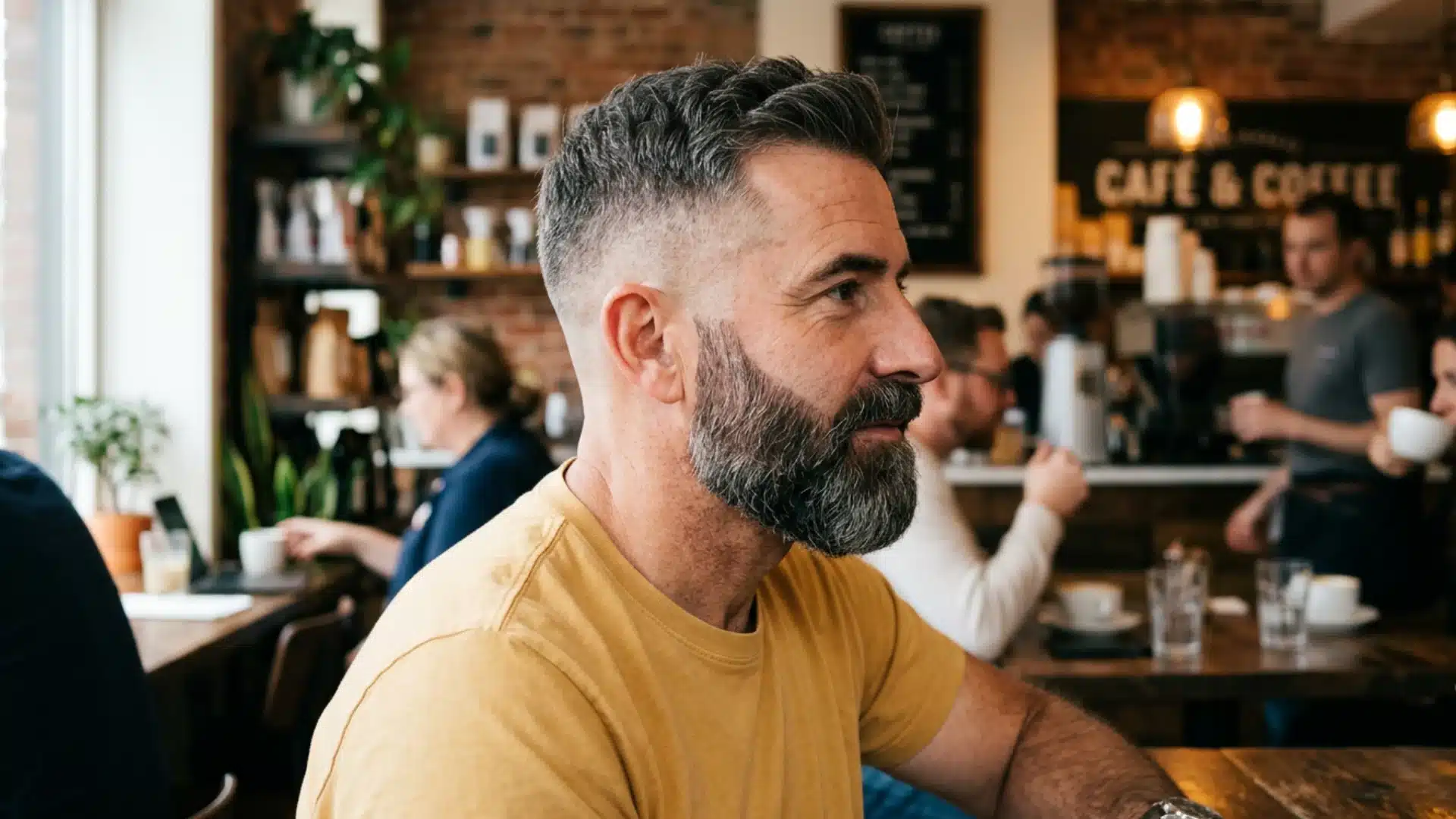
The layered texture on top creates movement that contrasts effectively with the faded sides. The mid fade provides a smooth gradient that enhances the haircut’s modern structure.
Volume placement on the crown adds height without overwhelming facial proportions. Controlled layering ensures the style remains balanced from all angles.
Styling products can be used to enhance definition and separation. Versatility allows the look to shift between casual messiness and refined finish.
13. Slicked Back Undercut
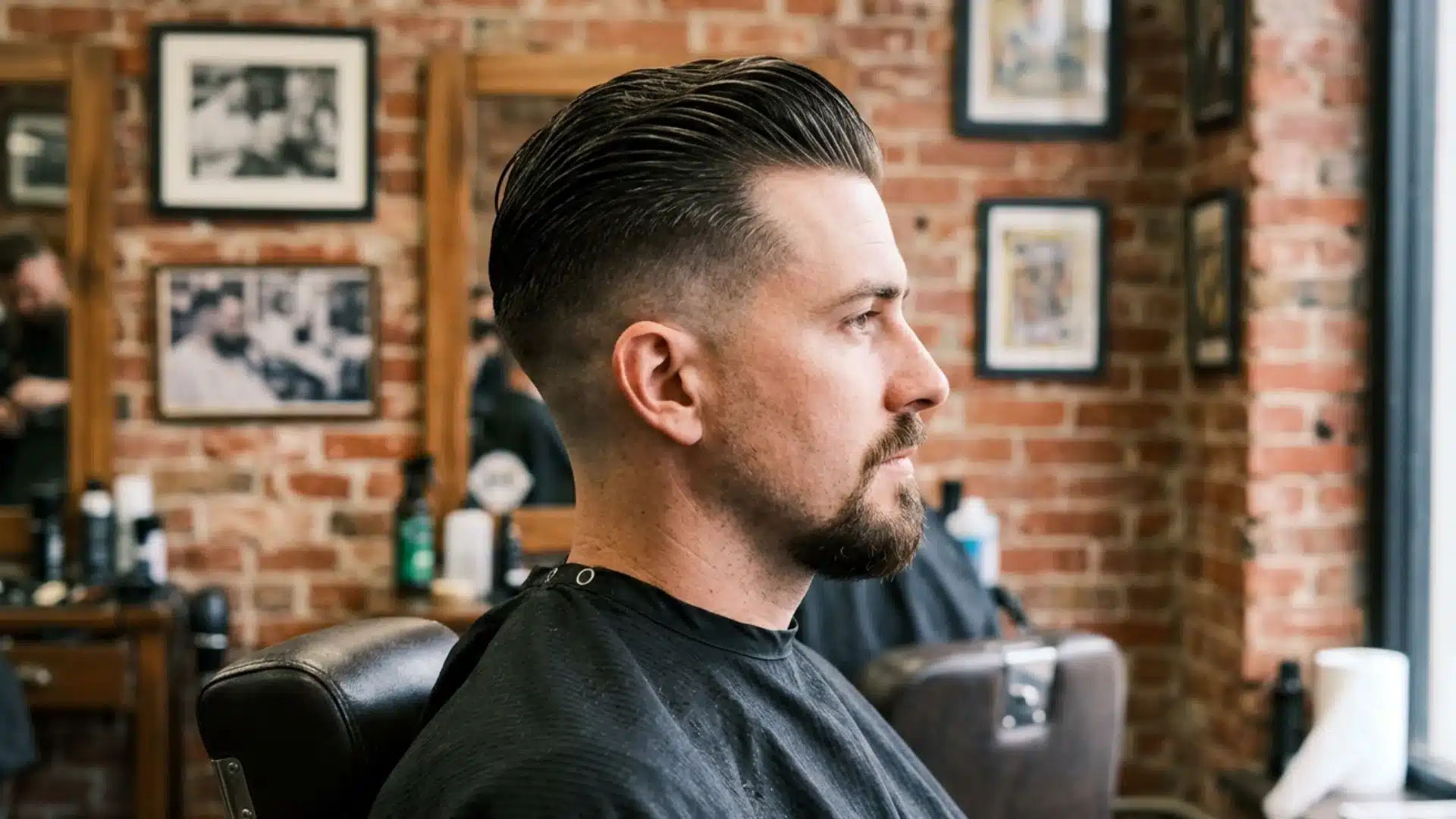
Strong contrast between long top hair and shaved sides defines this hairstyle. The slicked-back direction emphasizes smoothness and controlled structure.
Facial features become more prominent due to the pulled-back styling. Clean lines along the sides intensify the bold aesthetic.
Styling products play an essential role in maintaining hold and shine. Regular upkeep ensures the undercut remains sharp and well-defined.
Hairstyles for Men with an Oblong Face
Men with oblong (rectangular) faces benefit from hairstyles that add width and reduce the appearance of excessive length.
14. Side-Swept Fringe

Diagonal hair flow across the forehead softens facial angles effectively. The fringe direction adds movement and breaks up symmetry in a natural way.
Layering around the front helps maintain lightness and prevents heaviness. Subtle volume at the roots enhances overall balance.
Casual styling often works best with this haircut due to its relaxed structure. Adjustability allows easy transition between messy and controlled looks.
15. Textured Crop with Side Volume
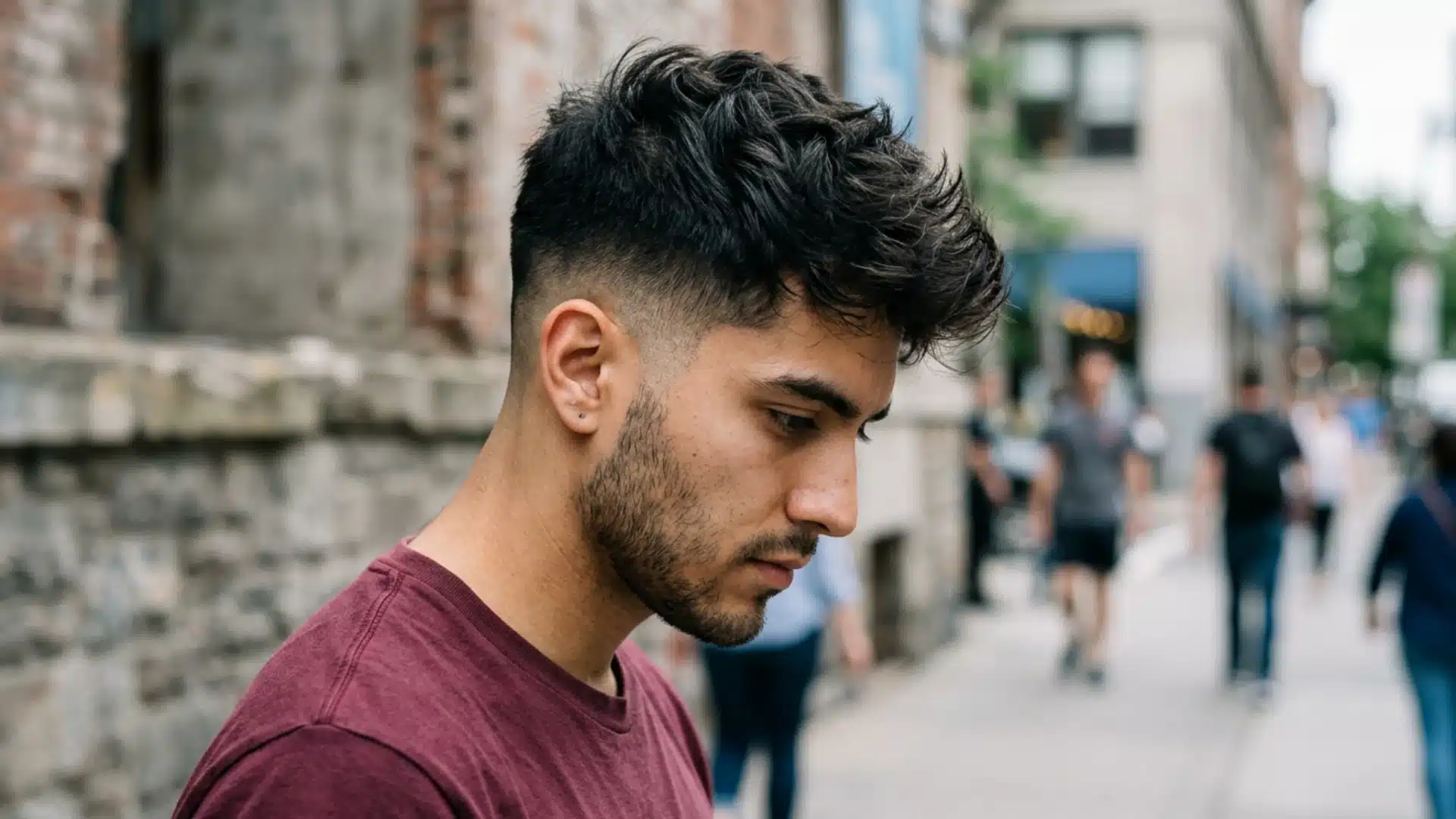
Extra width created by side volume helps balance elongated facial proportions. Choppy texture on top introduces controlled randomness to the style.
Short length keeps maintenance simple while still offering strong visual appeal. Layer distribution ensures the hair does not appear flat.
Modern grooming trends favor this combination for its versatility. Product use can increase definition without reducing natural movement.
16. Natural Loose Styles
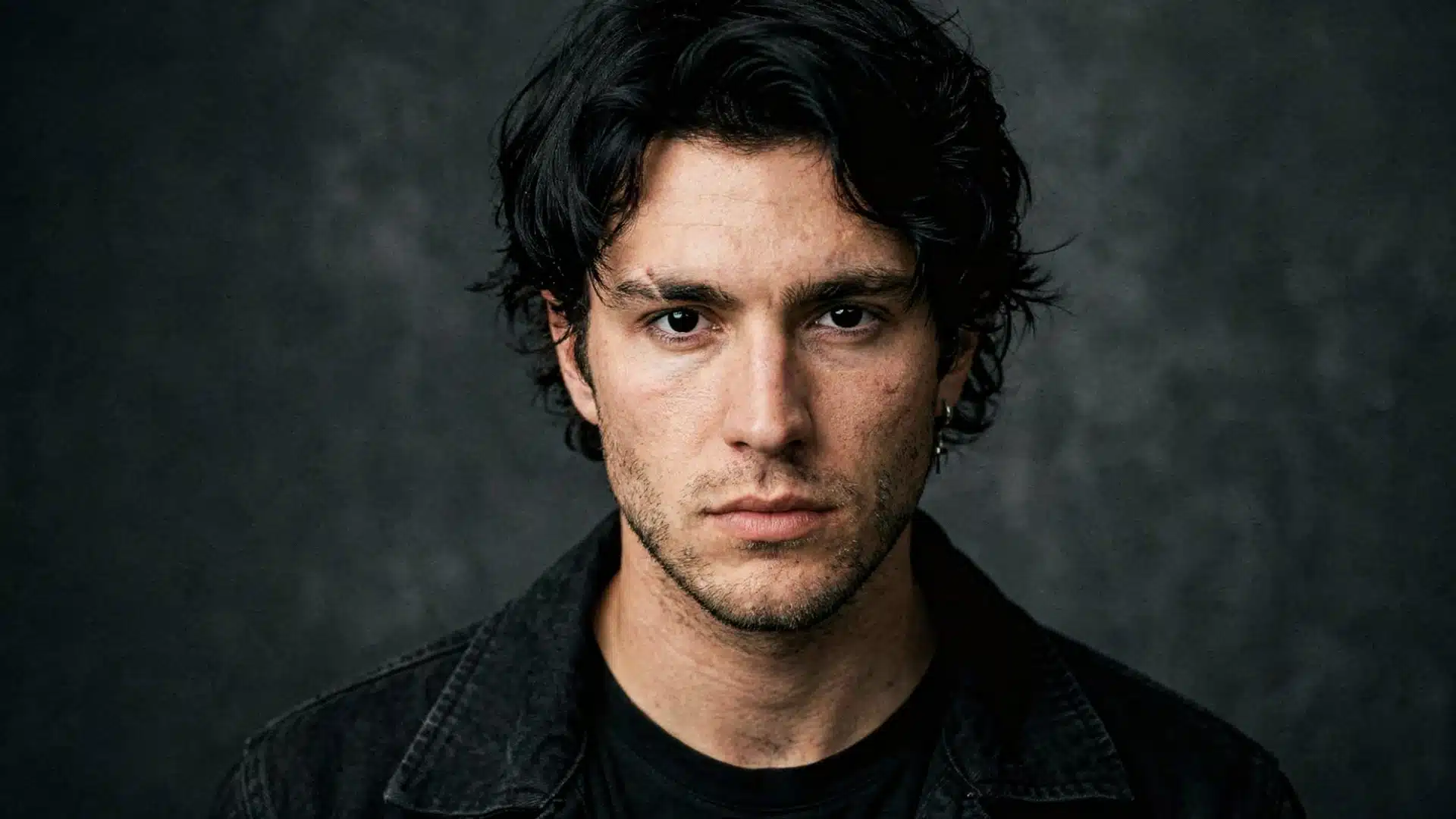
Natural texture remains the main focus of this hairstyle approach. Hair is allowed to fall freely without forced structuring or rigid shaping.
Soft movement creates a relaxed and approachable aesthetic overall. Minimal product use naturally promotes a lightweight, breathable feel.
Daily wear becomes effortless due to reduced styling requirements. Organic flow significantly enhances individuality and natural character.
17. Medium-Textured Cuts

Balanced length allows texture to be visible without overpowering the overall look. Layers create depth while maintaining a controlled silhouette.
Natural movement enhances dimension across different sections of the hair. Medium length provides enough flexibility for varied styling.
Styling options range from casual tousled finishes to neater arrangements. Adaptability makes this cut suitable for a range of environments.
18. Soft Layered Crop
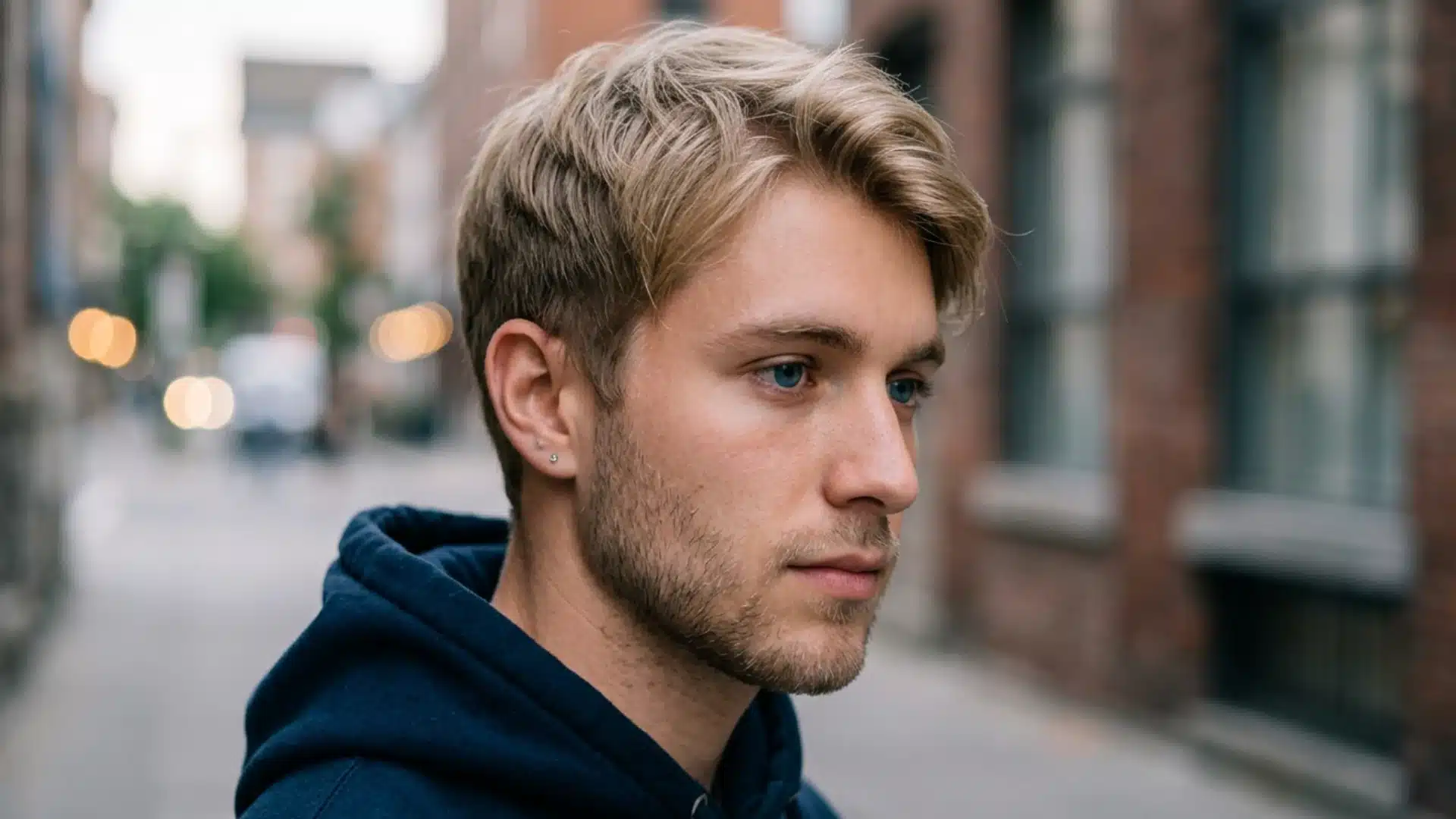
Gentle layering introduces subtle variation without harsh transitions, keeping the haircut soft and balanced. Short structure maintains a clean, manageable shape that works well for everyday wear.
Lightweight feel ensures comfort throughout the day while preserving natural movement. Blended layers create a smooth visual flow that avoids heaviness.
Low-maintenance styling makes it highly practical, and soft edges lend a relaxed, effortless look suitable for most hair types. The result is an easy-to-manage hairstyle that adds shape and dimension with a relaxed appearance.
19. Long Fringe
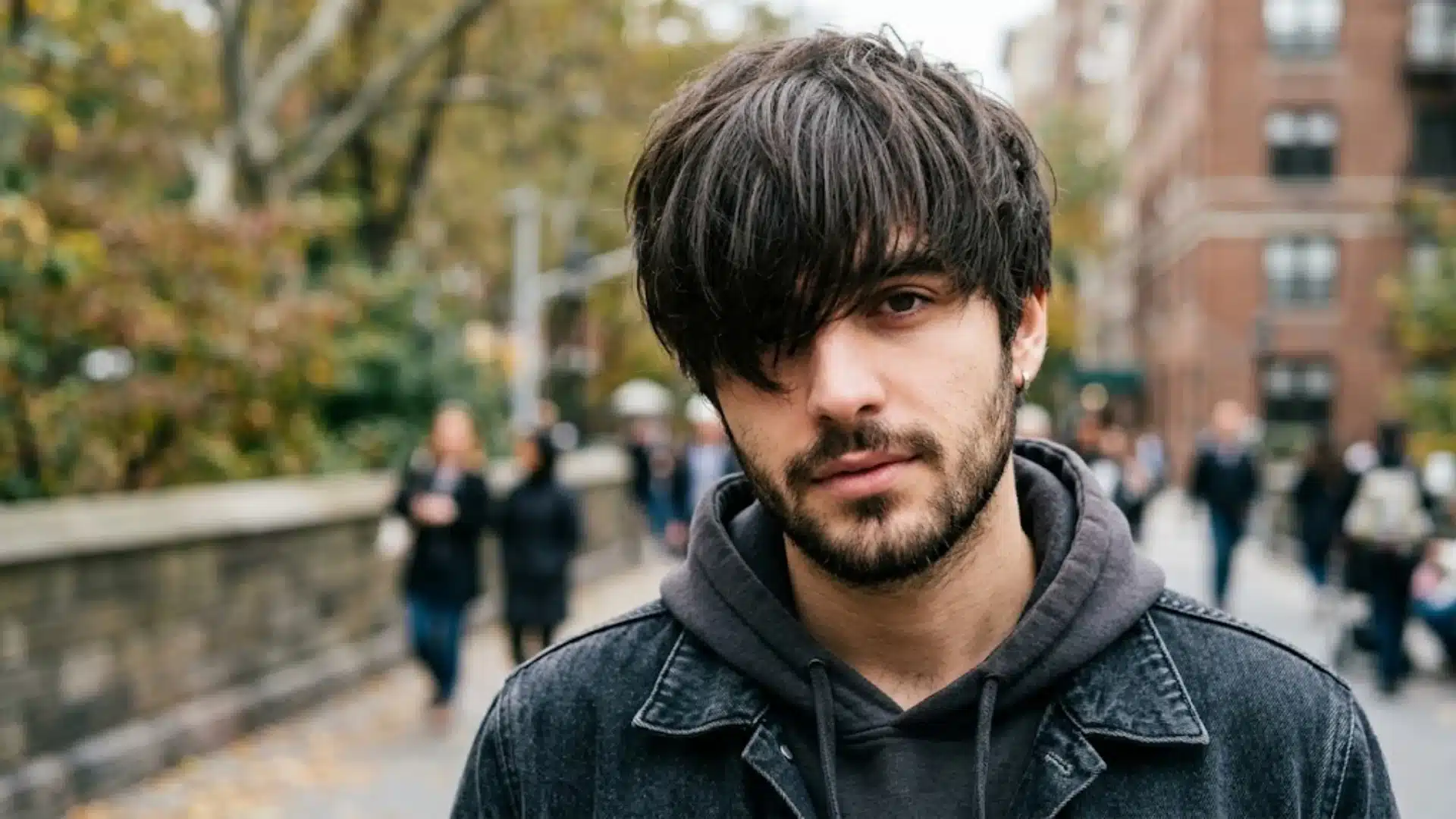
An extended front length creates a strong framing effect that naturally enhances facial features. Movement in the fringe adds softness and a slightly dynamic appearance.
Styling flexibility allows it to be worn straight, swept sideways, or loosely parted for different looks. Direction changes can shift the overall mood from casual to refined.
Front density improves structure and personality, while regular trimming helps maintain balanced proportions and prevents the style from becoming overgrown.
Hairstyles for Men with a Diamond Face
Choosing the right hairstyle for a diamond face shape is all about balancing strong cheekbones and a narrower forehead and jawline.
20. Textured Crop
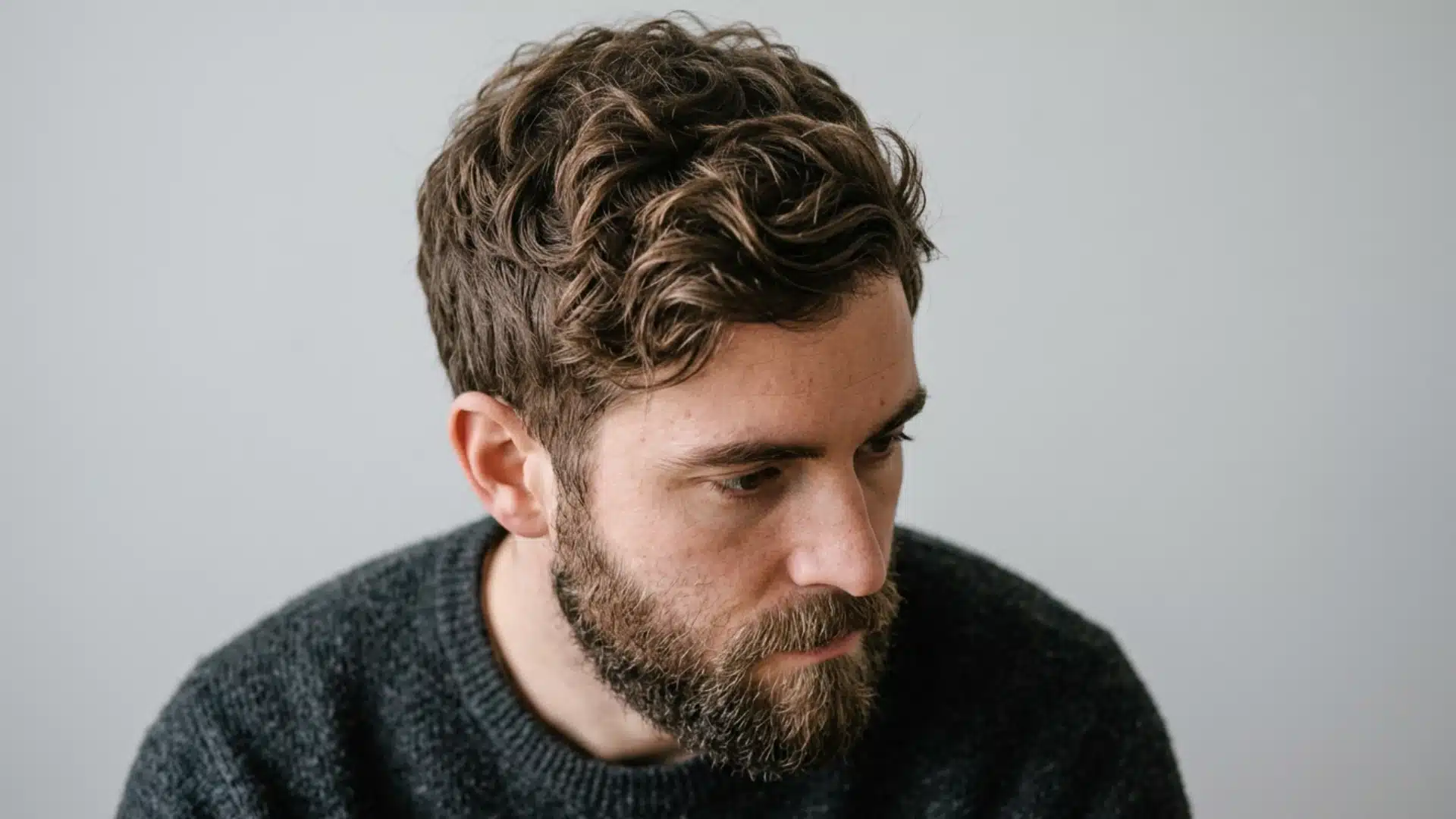
Short layered sections create controlled texture and definition, giving the hairstyle a modern edge. Clean edges maintain a structured silhouette while preventing the look from becoming messy.
Subtle variation in length adds depth and natural movement on top. This prevents flatness and keeps the style visually interesting.
Minimal styling effort is needed for maintenance, and the natural finish makes it suitable for a wide range of hair types and lifestyles.
21. Side Part with Volume

Lift at the roots adds noticeable height and enhances overall visual balance. A defined parting line keeps the structure sharp and organized.
Balanced volume ensures neither side feels too heavy, maintaining symmetry. Controlled shaping improves the overall polish of the look.
Styling products help maintain hold and elevation throughout the day. The result is a versatile hairstyle that works equally well in professional and casual environments.
22. Loose Fringe Styles

Soft front layering creates a relaxed and naturally unstructured appearance. Hair falls effortlessly, enhancing a light and easy styling approach.
Subtle separation between strands adds texture and movement without effort. This allows the fringe to adapt easily to different hair types and densities.
Low-maintenance styling keeps daily grooming simple and quick. The overall look feels casual, making it ideal for relaxed and everyday fashion preferences.
23. Curtain Bang Wolf Cut
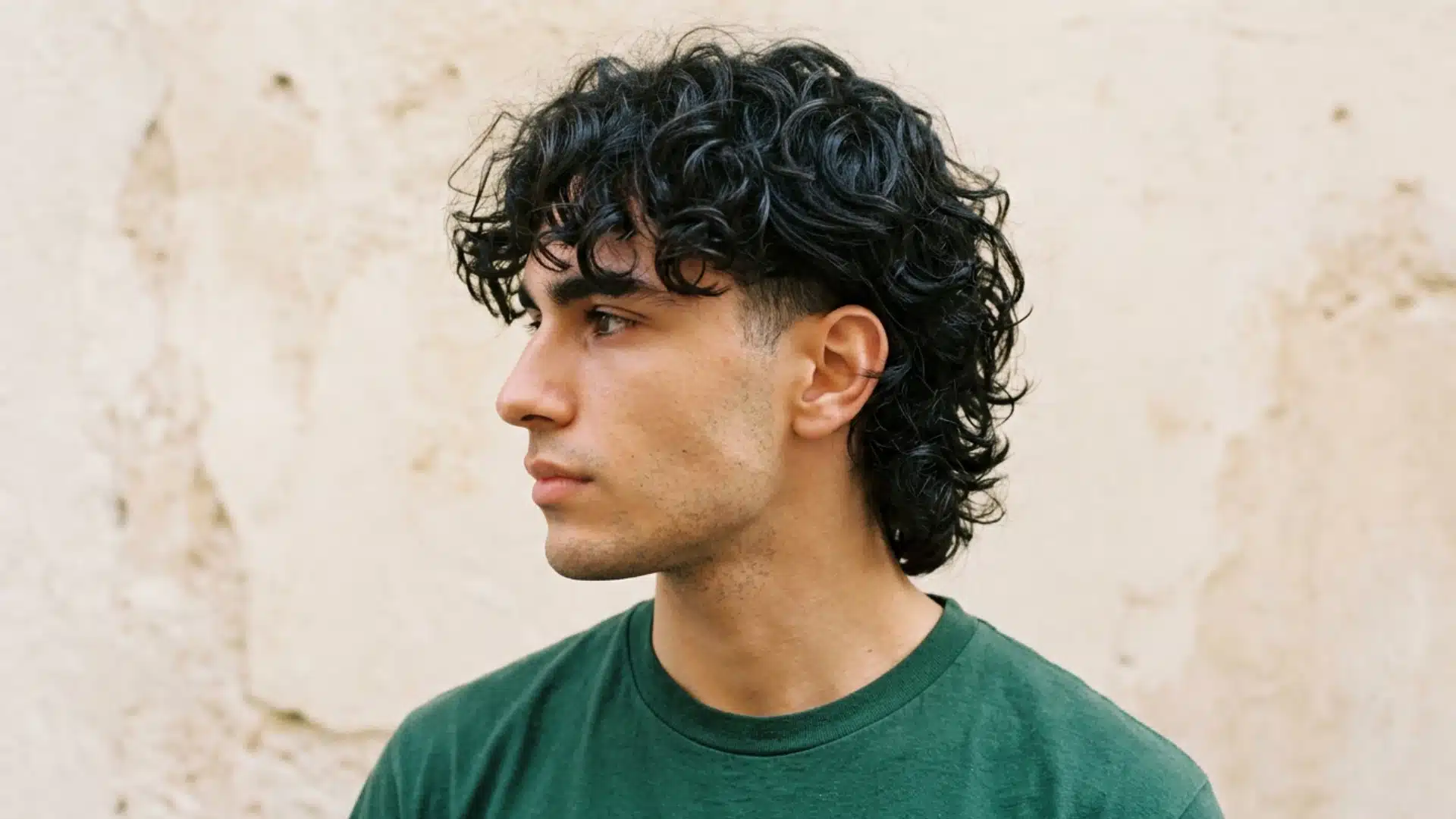
Layered structure builds volume throughout the hairstyle while maintaining a soft, lived-in feel. Curtain bangs frame the face and add gentle balance to facial features.
Tapered ends introduce a slightly edgy yet controlled finish that enhances modern appeal. Movement across layers adds depth and dimension without heaviness.
The combination of shaggy texture and framing elements creates a versatile style that can easily shift between messy and refined looks.
How to Explain Your Haircut to Your Barber
Most bad haircuts happen because people give vague instructions. Instead of saying “just make it look good” or “short on the sides,” be specific about three things:
1. Fade Type (Sides & Back): Tell your barber exactly where you want the fade to start:
- Low Fade: Starts near the ears; subtle and clean.
- Mid Fade: Starts around the temples; balanced and versatile.
- High Fade: Starts higher on the head; sharper and more modern.
Example:
“I’d like a mid fade, blended smoothly into the top.”
2. Length on Top: Use measurements or guard numbers so there’s no guesswork.
- 1–2 inches: short and easy to manage
- 3–4 inches: versatile styling options
- 4+ inches:longer, textured styles
Example:
“Leave about 3 inches on top and just trim the ends.”
3. Texture & Finish: Describe how you want the haircut to look when styled.
- Natural – Soft, relaxed appearance
- Messy/Textured – More volume and movement
- Structured/Clean – Sharp, controlled shape
- Layered – Adds texture and reduces bulk
Example:
“Keep the top textured and slightly messy rather than slick and structured.”
A Complete example:
“I’d like a low fade that starts just above the ears. Leave about 3–4 inches on top, trim only what’s necessary, and add texture for a natural, slightly messy look. Blend everything smoothly and keep the edges clean.”
Rule: The more specific you are about the fade, length, and texture, the more likely your barber will deliver exactly the haircut you want.
Understanding the broad range of types of men’s haircuts before settling on one can help you make a more informed decision at the barber.
How Hair Texture Changes Your Haircut
Understanding your hair texture helps you choose a haircut that works with your natural hair pattern rather than fighting against it. The same haircut can look very different depending on whether your hair is straight, wavy, curly, thick, or fine.
| Hair Type | Best Characteristics |
|---|---|
| Straight | Shows haircut shape clearly but may need layers for added movement. |
| Wavy | Naturally versatile, with built-in texture and volume. |
| Curly | Adds fullness and volume; benefits from proper shaping and layering. |
| Thick | Holds structure well but may require layering to reduce bulk. |
| Fine | Often looks best with shorter, textured styles that create volume. |
How to Style and Maintain Your Haircut
Keeping your haircut looking fresh is not just about the cut itself: it’s about daily styling habits, basic care, and regular maintenance.
- Wash Properly: Wash your hair 2–3 times a week with a mild shampoo to remove dirt and product buildup without stripping natural oils, helping maintain a healthy scalp environment.
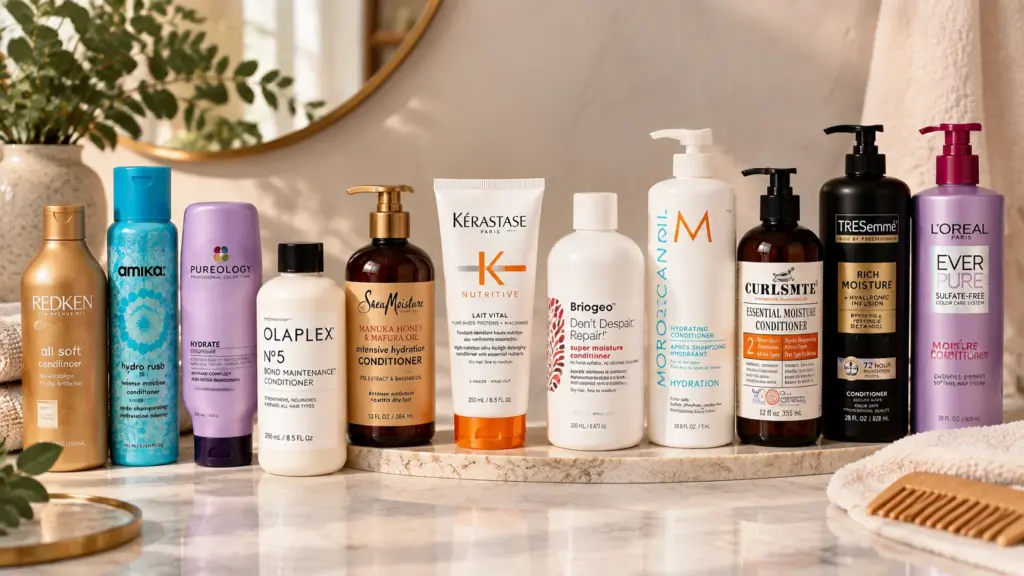
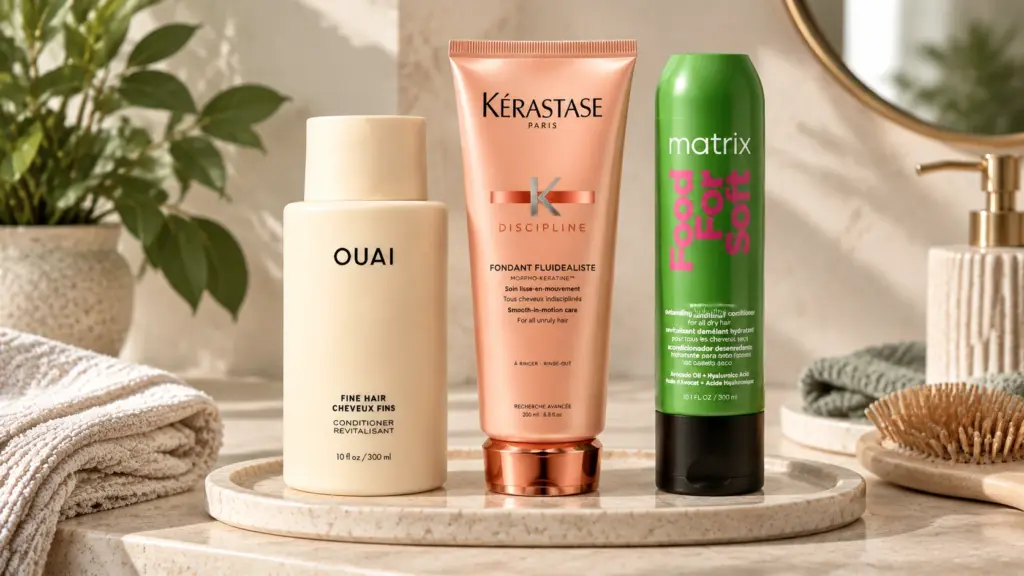
- Use Conditioner: Apply conditioner regularly to keep hair soft, manageable, and easier to style throughout the day while reducing dryness and unwanted frizz.
- Choose Products Wisely: Select styling products based on your desired look, such as matte clay for texture or pomade for a sleek finish, for the best styling results.
- Style Lightly: Use a small amount of product and distribute it evenly to avoid making your hair look heavy or greasy while maintaining a natural appearance.
- Shape the Front: Focus on styling the front section first, then adjust the rest of your hair to balance and add volume for a polished overall look.
- Trim Regularly: Schedule haircuts every 3–5 weeks to maintain shape, definition, and a clean appearance while preventing your style from looking overgrown.
- Limit Heat: Reduce excessive heat styling and use a medium or cool blow-dryer setting to help prevent damage and preserve hair strength over time.
- Avoid Product Buildup: Using too much styling product can weigh hair down and reduce its natural movement and texture, making styles harder to manage.
- Stay Consistent: Following a regular care and styling routine helps keep your haircut looking fresh for longer and easier to maintain daily.
For a broader look at what consistent hair and scalp care actually prevents, the CDC covers scalp and hair hygiene guidelines in its personal hygiene recommendations.
What If You Fall Between Face Shapes?
Most people don’t fit perfectly into just one face shape, but they are usually a mix of two. This is completely normal, and it actually makes choosing a hairstyle more flexible than restrictive.
- If you are an oval-square mix, your face has both balanced proportions and a defined jawline. In this case, the goal is to balance structure with softness, so you don’t overemphasize sharpness or lose definition.
- For a round-heart combination, the focus should be on improving jaw definition while managing a wider forehead. Hairstyles that add subtle structure and reduce top heaviness work best here.
- If you have a diamond-oval blend, your cheekbones may be slightly prominent, but overall proportions stay fairly balanced. The goal is to soften the cheekbones while keeping the forehead and jawline in harmony.
The simple rule is to always prioritize your most dominant feature. Instead of trying to force a single category, focus on what stands out most and choose hairstyles that balance that area.
Conclusion
A great hairstyle is about creating balance and proportion rather than just following trends. It works with your unique facial structure, hair type, and personal style.
Once you understand your face shape, choosing a haircut becomes much easier. Instead of guessing which style might suit you, you can focus on options that naturally complement your features.
Whether you have an oval, round, square, heart, diamond, or mixed face shape, the right haircut can enhance your strengths and create a more balanced overall appearance.
Before your next barber visit, use this guide to identify your face shape, understand what styles work best for you, and communicate your preferences more clearly.
What hairstyle works best for your face shape? Share your experience in the comments below; we’d love to hear your thoughts and favorite haircut choices.
Frequently Asked Questions
Does Hair Color Affect How a Hairstyle Looks on My Face Shape?
Yes, significantly. Lighter shades make the face look fuller, while darker shades create a slimmer, more defined appearance. Choosing a color that suits your skin tone improves overall balance beyond the haircut.
Should I Choose a Different Hairstyle as My Face Shape Changes With Age?
Yes. Aging changes facial structure, such as fat shifting, jawlines softening, and hair density decreasing. This affects how face shape looks and how hairstyles sit. Updating your haircut ensures it still suits your current features.
Can Wearing Hats or Helmets Regularly Affect My Hairstyle Choice?
Yes. Hats and helmets flatten volume and disrupt high-style looks like quiffs or pompadours. Shorter cuts like crops, crew cuts, or buzz cuts work better since they hold shape and reset easily after removal.
Does Beard Shape Change Which Hairstyle Works Best for My Face?
Yes. Beard shape changes overall face proportions. A full beard adds width and length to the jaw, while a shorter beard creates sharper definition. Your hairstyle should balance your beard to maintain overall facial symmetry.