Classic haircuts for men have stood the test of time because they are built on balance, structure, and adaptability rather than short-lived trends.
If you prefer a clean, low-maintenance look or a more styled, statement cut. Classic styles offer reliable options that suit different face shapes, hair types, and lifestyles.
A well-chosen classic style grows out neatly, requires less effort to maintain, and helps you look put-together without spending too much time on styling products or tools.
This guide breaks down the most popular classic haircuts, how to choose the right one for your features, and what to consider before your next barbershop visit.
What are Classic Haircuts?
Classic haircuts for men are traditional styles with short-to-medium tapered sides and a longer top, designed to suit most face shapes and hair types.
They cover a wide range, from the close-cropped crew cut to the voluminous pompadour, and they hold their shape well between appointments.
The right classic haircut depends on two things: your face shape and your hair texture.
Both determine which cuts actually flatter you, and which just happen to look good in a photo on someone else.
Short Classic Haircuts for Men
Shortcuts are the most forgiving in terms of maintenance. They grow out cleanly, work across most types of men’s haircuts, and are easy to communicate with any barber worldwide.
1. Buzz Cut
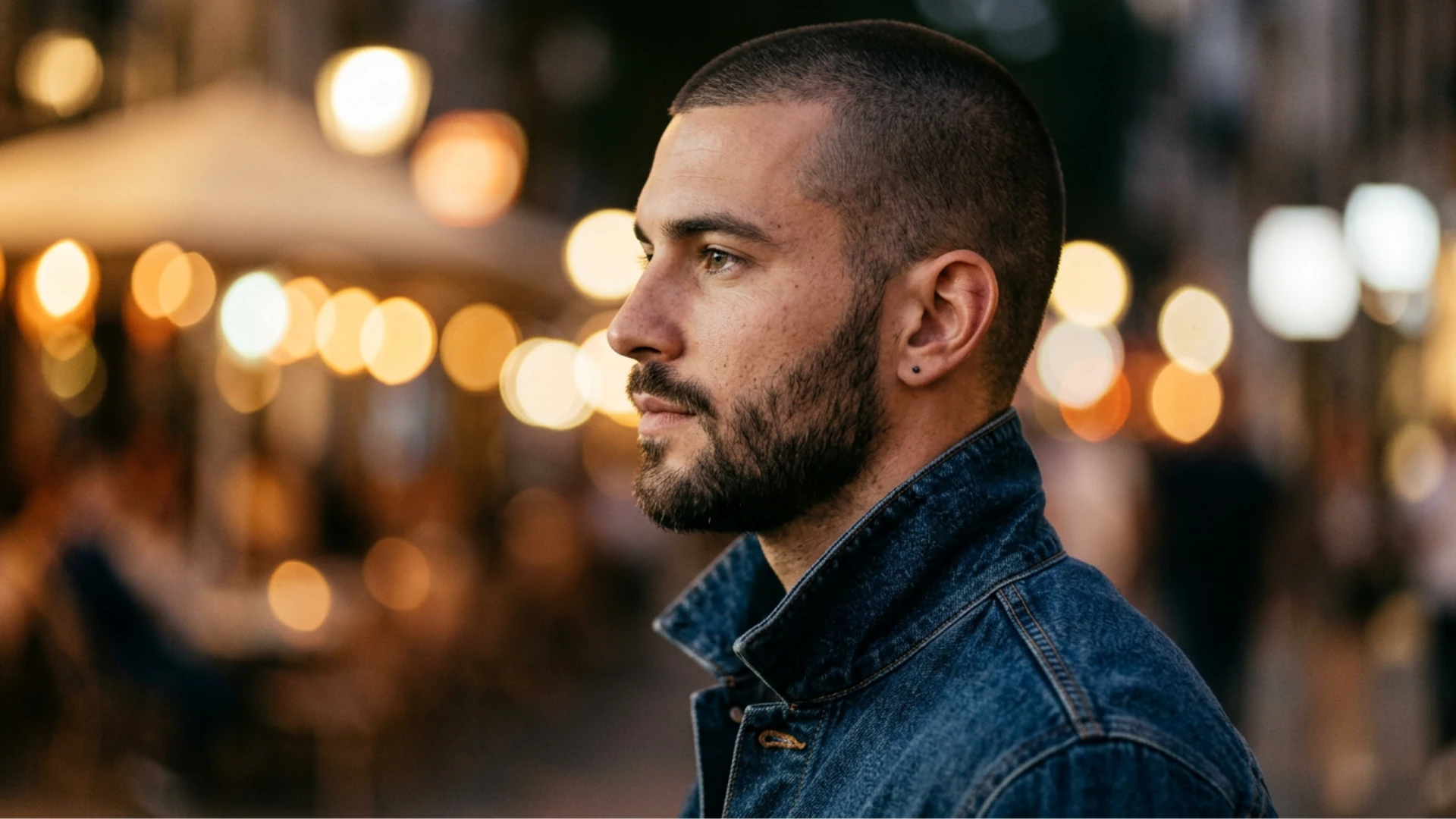
Best For: Oval, Square, and Round Faces
The shortest cut on this list. Clippers run over the entire head at a uniform length, typically between a #1 and #4 guard. There’s no styling required and no bad hair days. Works with all hair textures.
It works especially well for men who want a clean, low-maintenance look that still feels sharp and intentional.
It also highlights facial structure and bone definition, making it a strong choice for athletic or angular face shapes.
2. Crew Cut
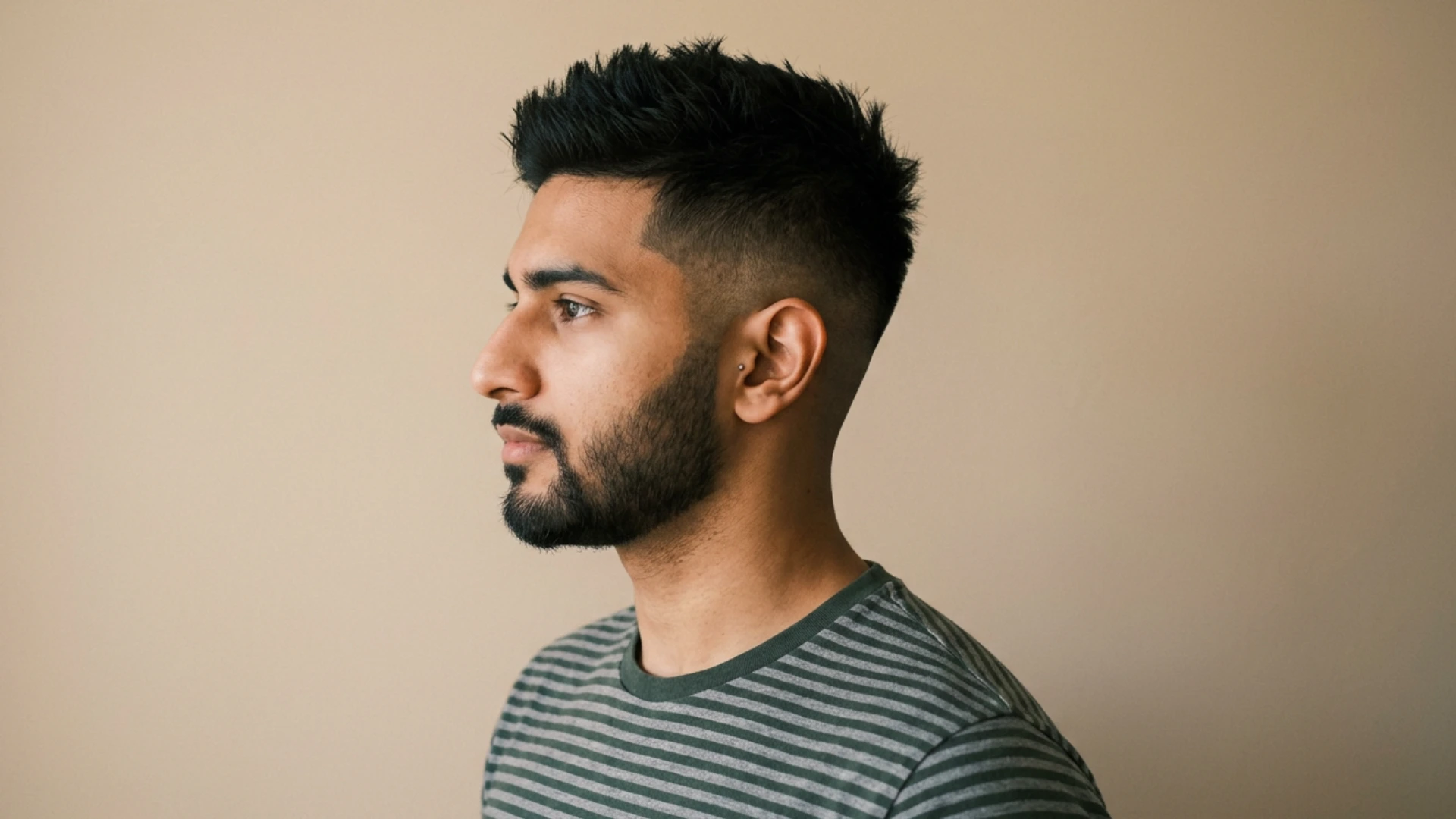
Best For: Oval and Square Faces
Short tapered sides and slightly longer hair on top, styled flat or with minimal product. The crew cut originated among Ivy League rowing teams and became a civilian staple after World War II.
Its short sides and modest top length allow for minimal styling while still providing shape.
It works well in both professional and casual environments and grows out evenly, which means fewer awkward stages between haircuts.
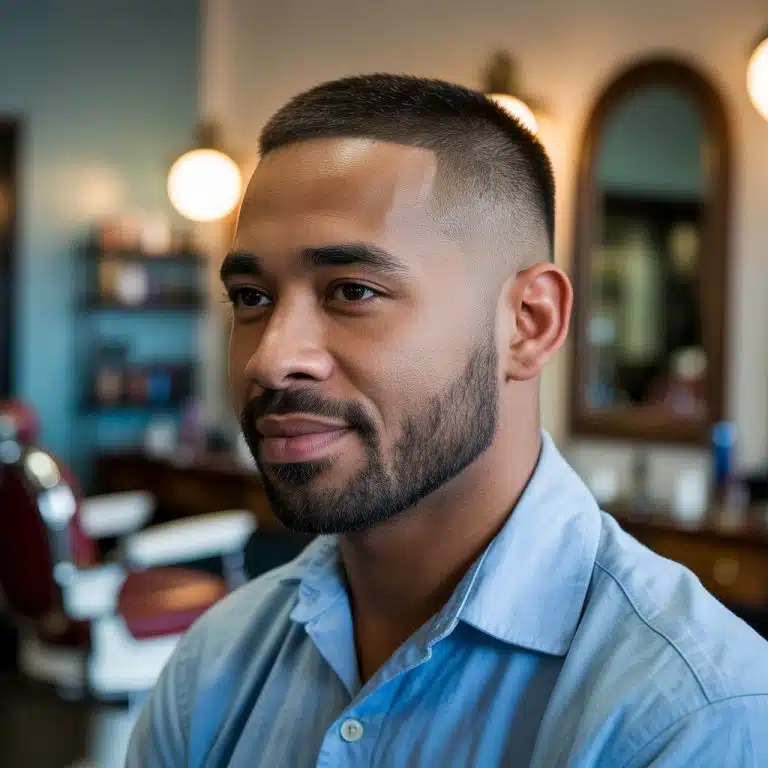
3. High and Tight
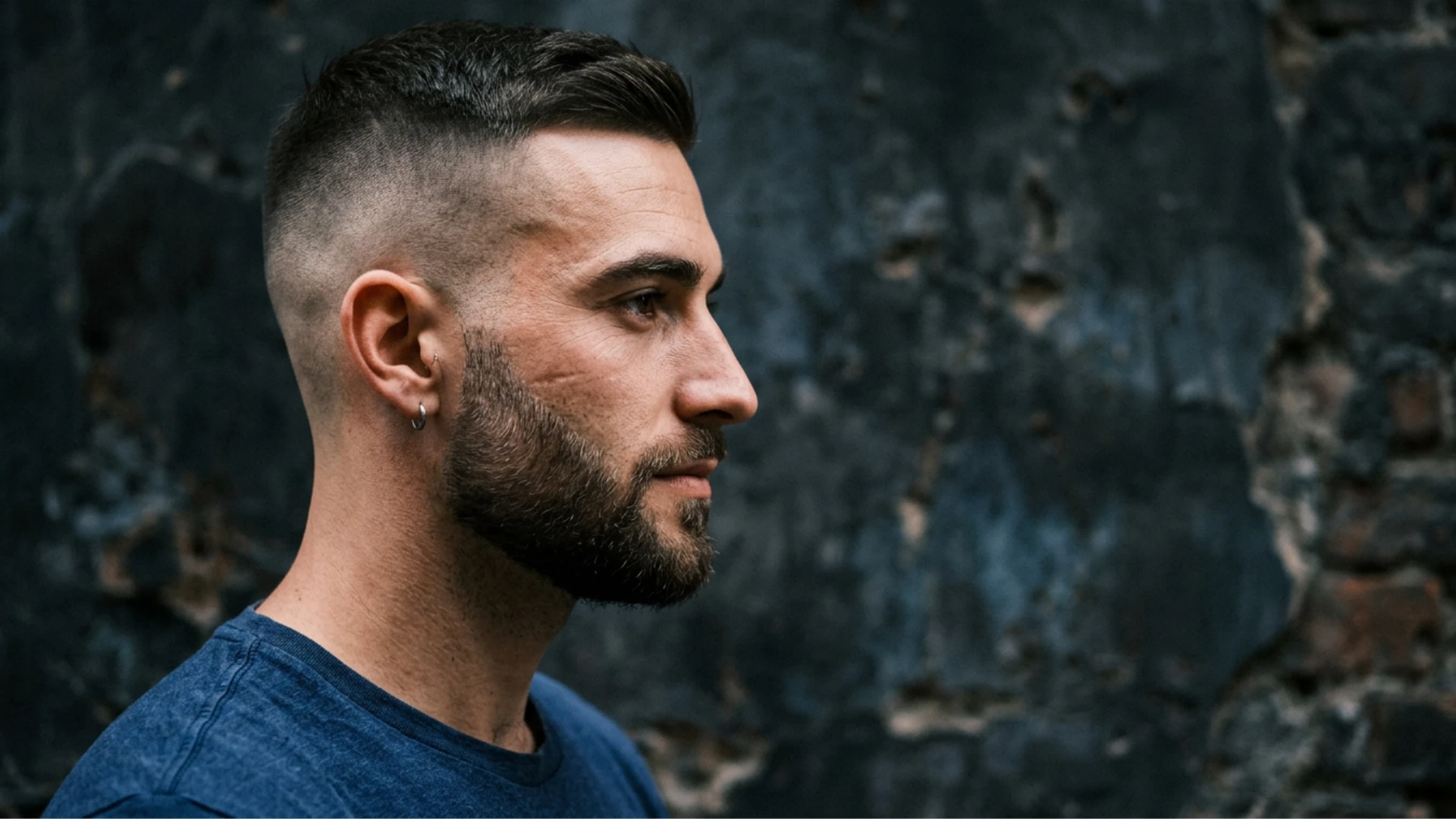
Best For: Square and Diamond Faces
The sides and back are faded close to the skin, starting high above the temples. The top stays short, usually under an inch. It’s a stricter, sharper cut than the crew cut and projects a very clean finish.
It is often chosen for its clean, structured finish that stays neat for weeks. Because the top is kept very short, it requires almost no maintenance and suits men who prefer a bold, no-fuss haircut.
4. Military Taper
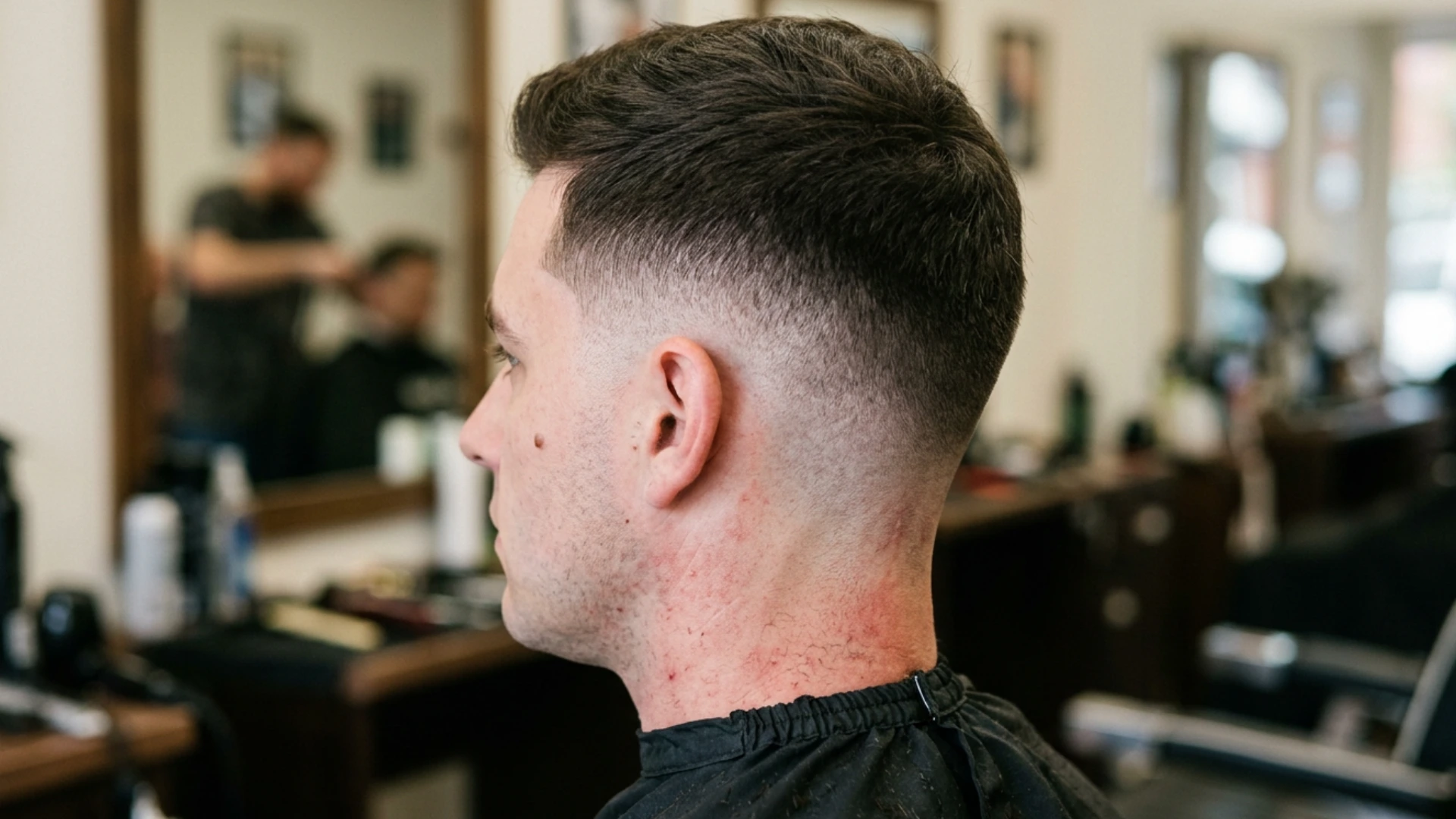
Best For: Oval, Square, and Oblong Faces
Similar to the high and tight but without skin fading. The sides taper gradually with clippers rather than fade to bare skin, giving a slightly softer look that works in both professional and casual settings.
It maintains a clean outline while avoiding harsh fades. This makes it suitable for professional settings where a neat but not overly aggressive haircut is preferred. It also grows out more naturally than skin fades.
5. French Crop
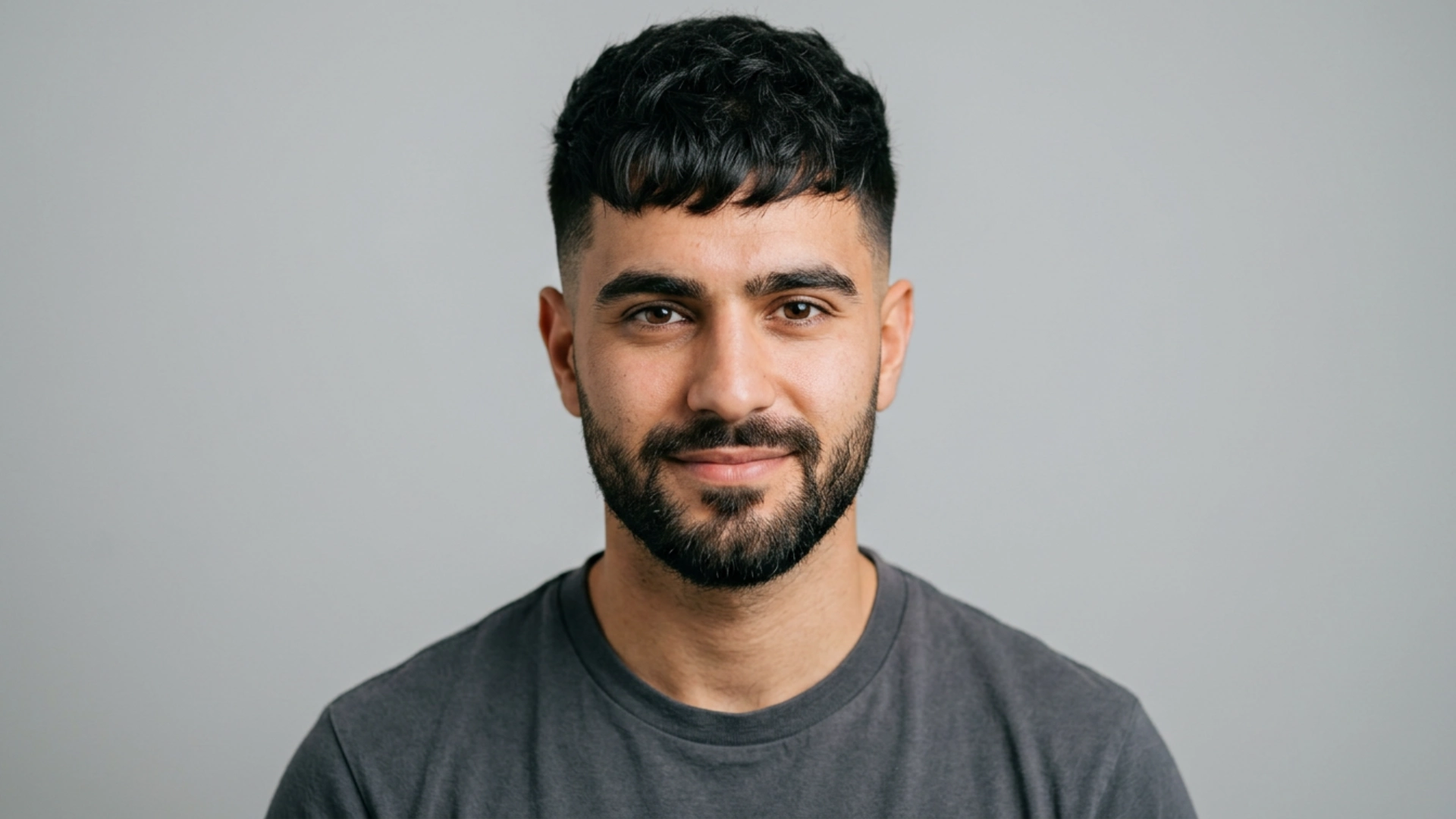
Best For: Oblong and Oval Faces
Short sides with a textured fringe cut forward across the forehead. The front section adds some horizontal weight, making it a strong pick for men with longer faces.
The forward-swept front adds structure while the short sides keep the overall look balanced.
It is especially useful for men with thinning hair or receding hairlines because the fringe helps create the illusion of density and fullness.
6. Butch Cut
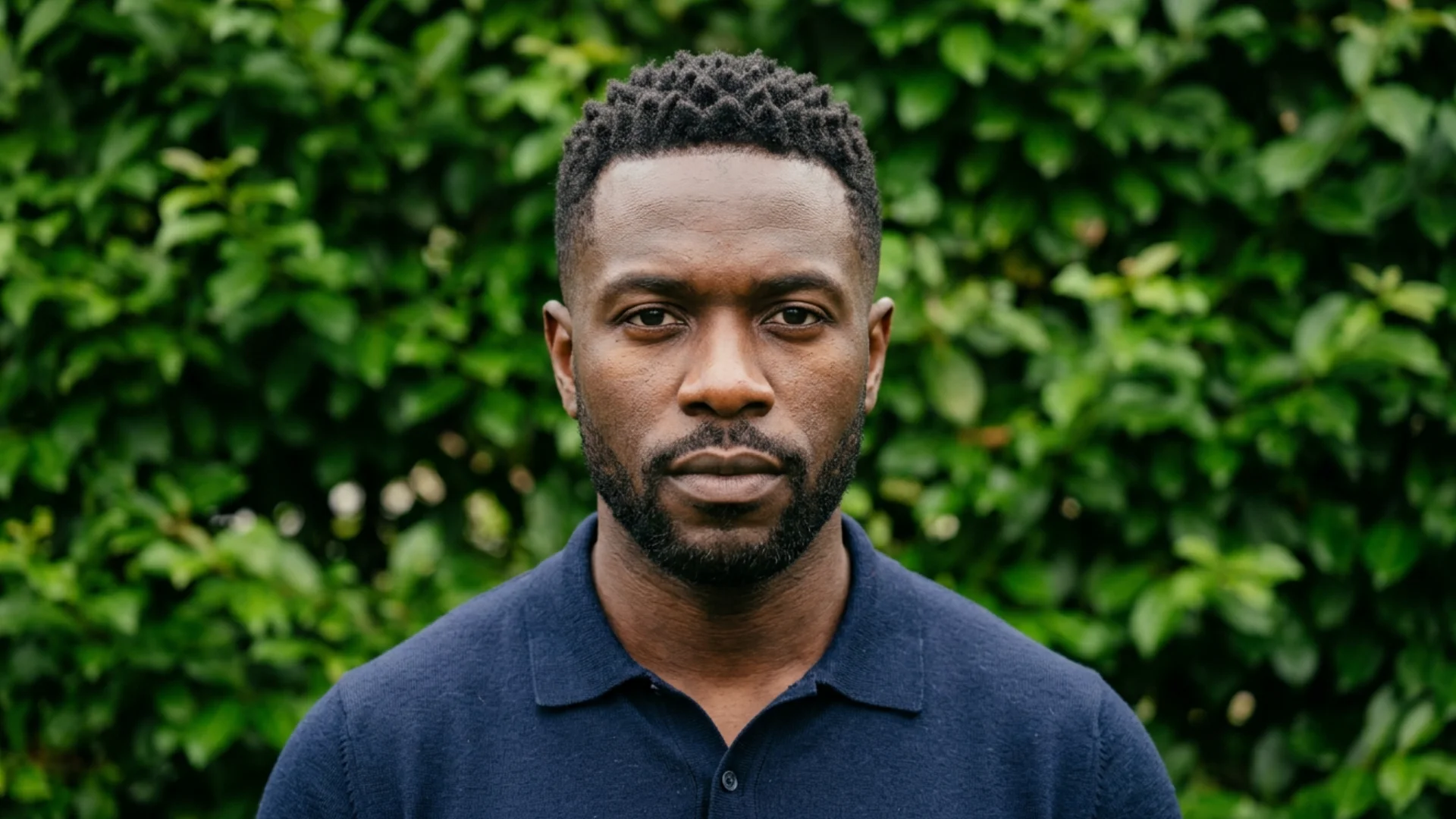
Best For: Oval, Round, and Square Faces
Slightly longer than a buzz cut, cut uniformly with a #3 or #4 guard. The result is a short, even hair cover that still has a little texture. Low effort, always neat.
It creates a uniform, even appearance that works well for men who prefer simplicity with slight texture. It is also a strong option for hot climates due to its lightweight, breathable nature.
7. Ivy League Cut
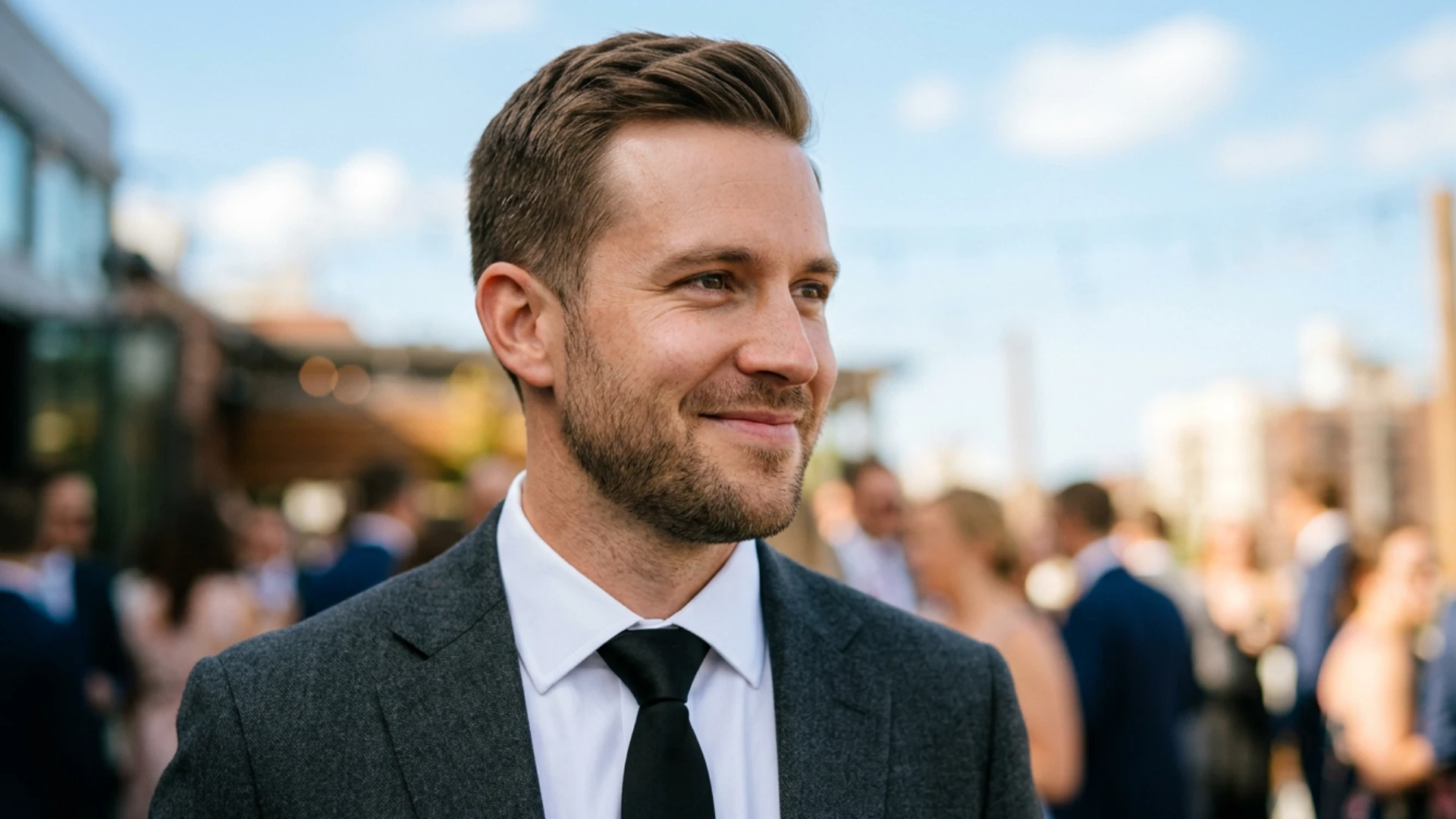
Best For: Most Face Shapes
A longer version of the crew cut, with enough length on top to comb to one side. It needs about 1.5 to 2.5 inches on top and sits at the cleaner end of the classic spectrum.
It offers a polished yet flexible appearance that can be styled differently depending on the occasion. It is especially popular among professionals who want a clean, academic, and slightly elevated look.
8. Caesar Cut
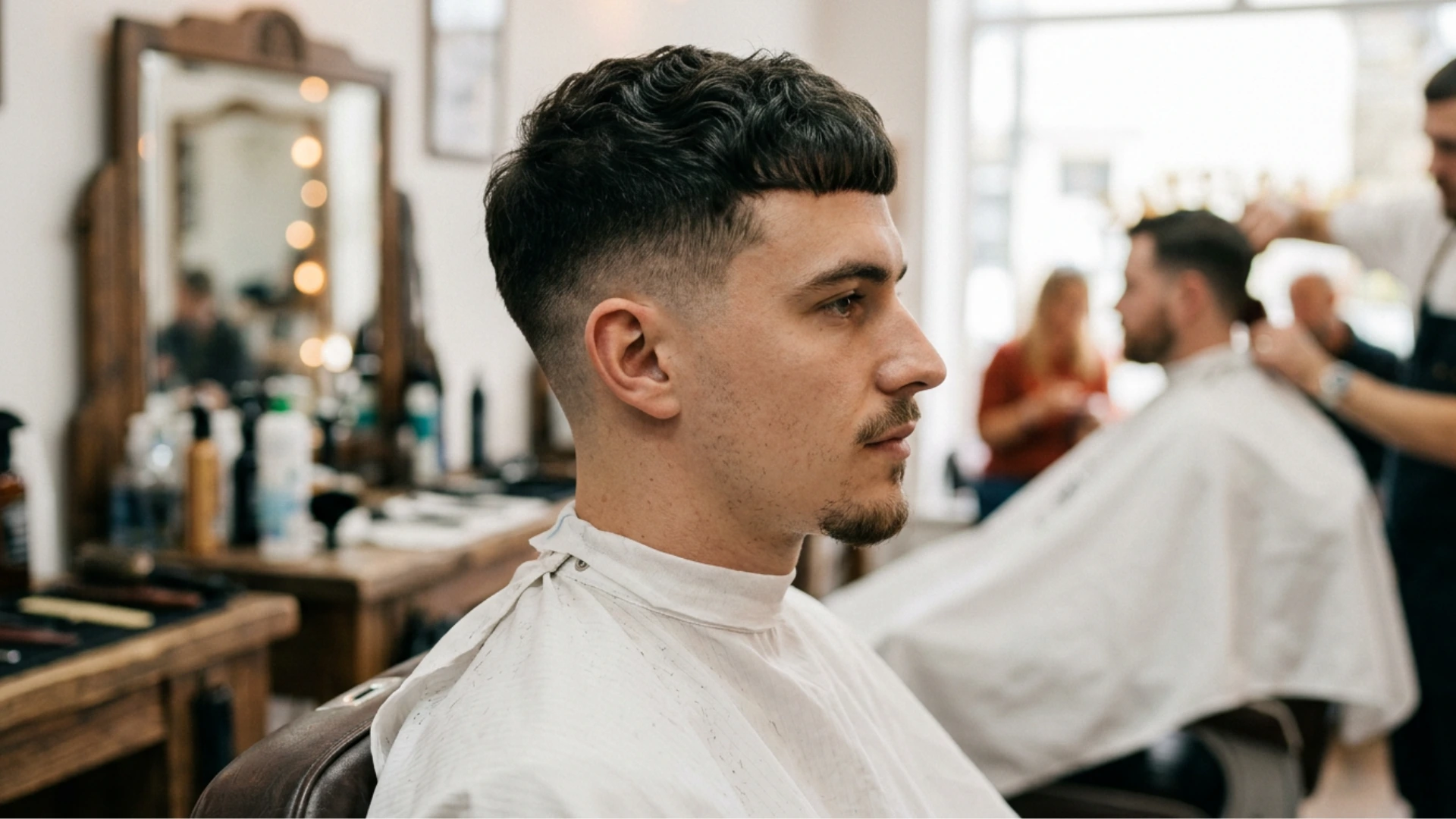
Best For: Oval and Round Faces
Short all over, with a blunt horizontal fringe cut forward across the forehead. The sides are closely cropped and tapered.
The style is easy to maintain and provides consistent shape, even as it grows out slightly between trims.
It’s one of the more structured shortcuts, with a distinctive fringe line that adds character without length. Works with thick, coarse hair. It works particularly well for men who prefer a strong, geometric hairline.
Medium Classic Haircuts for Men
Medium cuts give you more flexibility. You can style them polished for work or let them sit loose on weekends, and the cut won’t look out of place either way.
9. Side Part
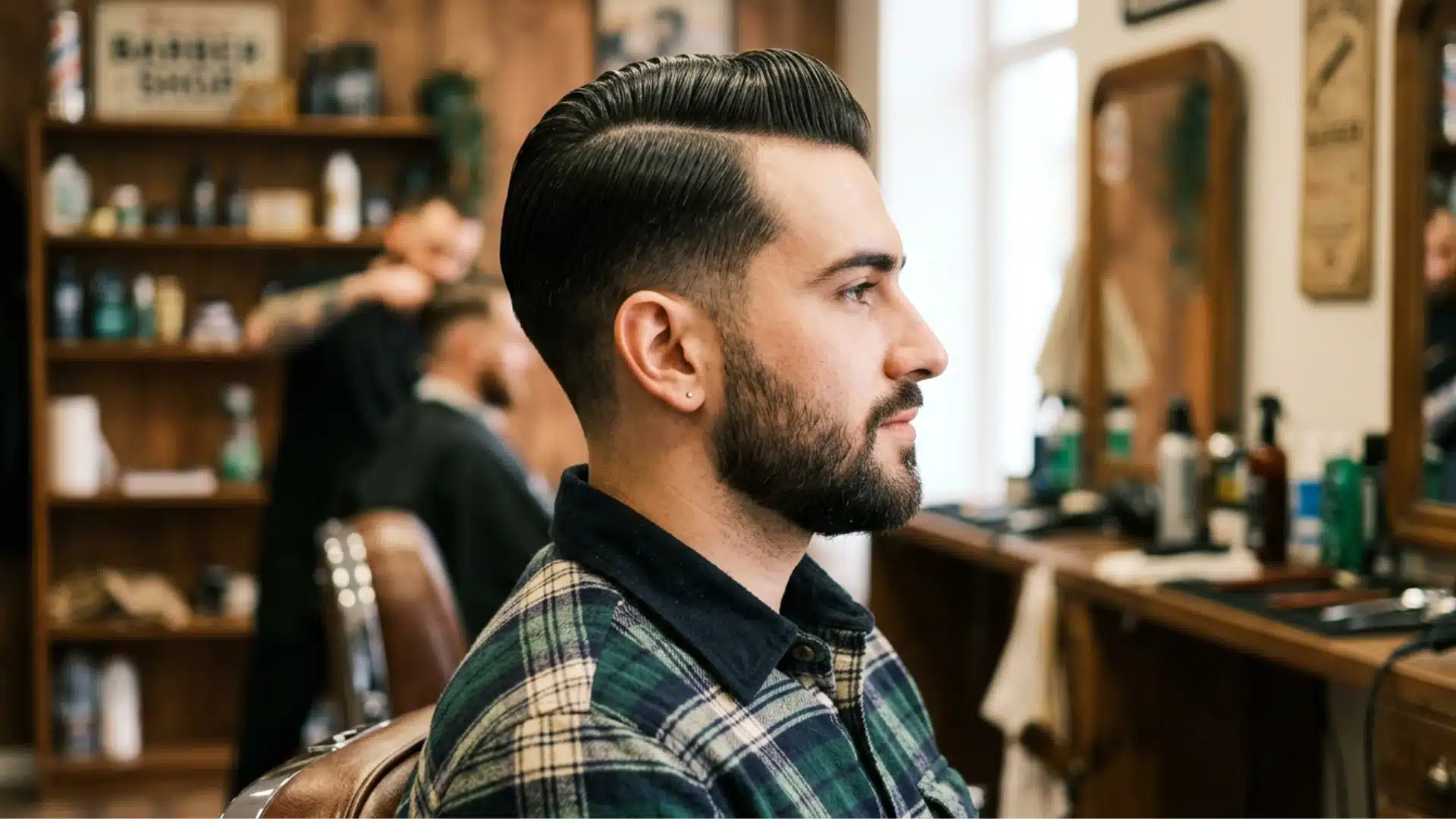
Best For: Round, Oval, and Oblong Faces
Hair is longer on top and combed cleanly to one side along a natural or defined part. The sides taper short.
A classic side part requires a low-hold pomade or matte clay, along with a comb. Works with straight and fine hair.
It relies on natural parting and controlled styling, making it adaptable for both formal and casual looks. It is especially effective for men with straight or slightly wavy hair who want a controlled finish.
10. Slick Back
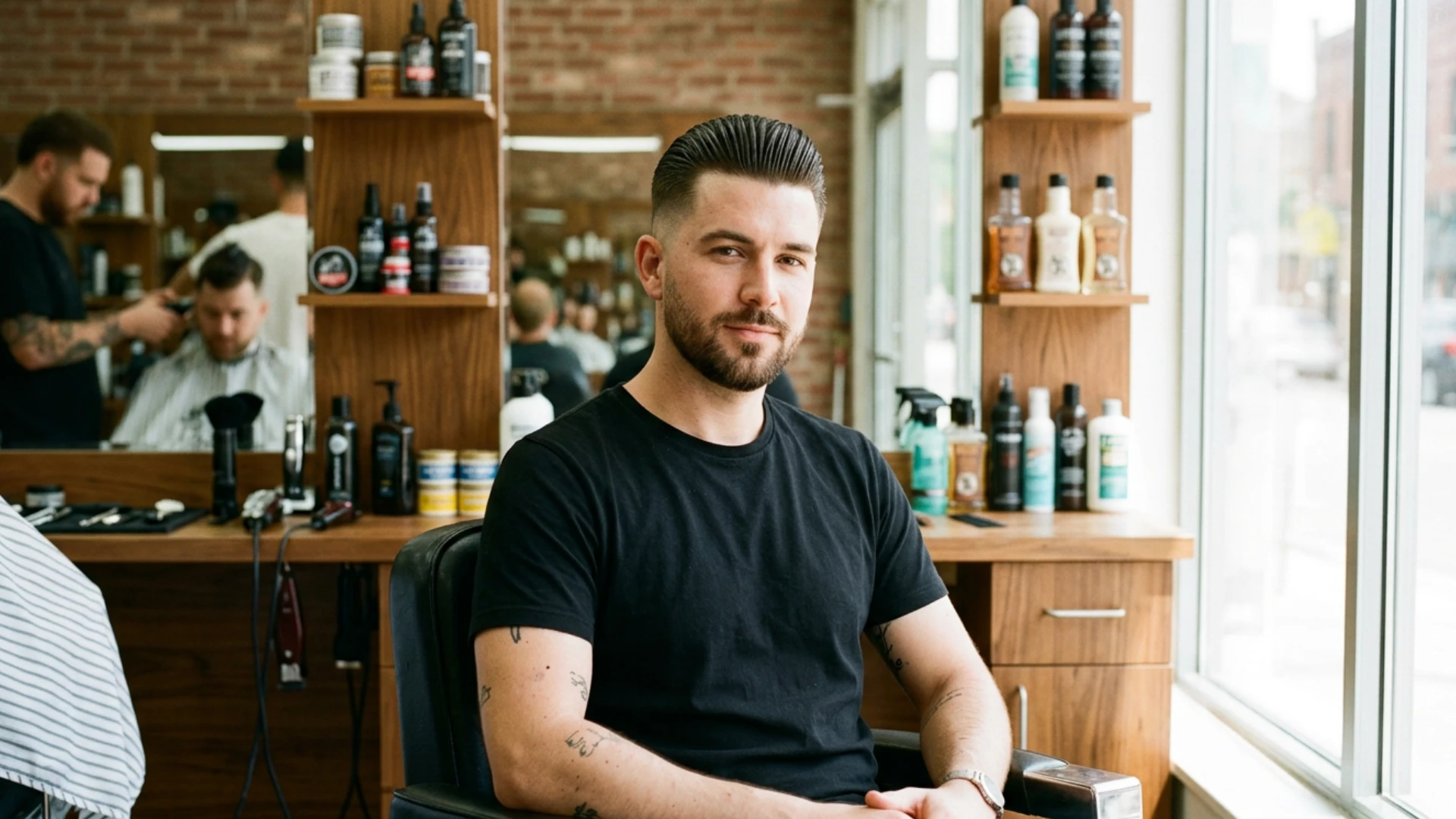
Best For: Oval and Square Faces with Straight Hair
All hair is combed straight back from the forehead using a medium-to-strong hold pomade. The sides stay neat and short. Works best with straight hair; curls make it harder to hold the smooth finish throughout the day.
It keeps all hair directed backward, creating a sleek silhouette that works best with straight hair.
While it requires styling products, it delivers a strong, polished appearance that has remained popular across generations.
11. Classic Taper Cut
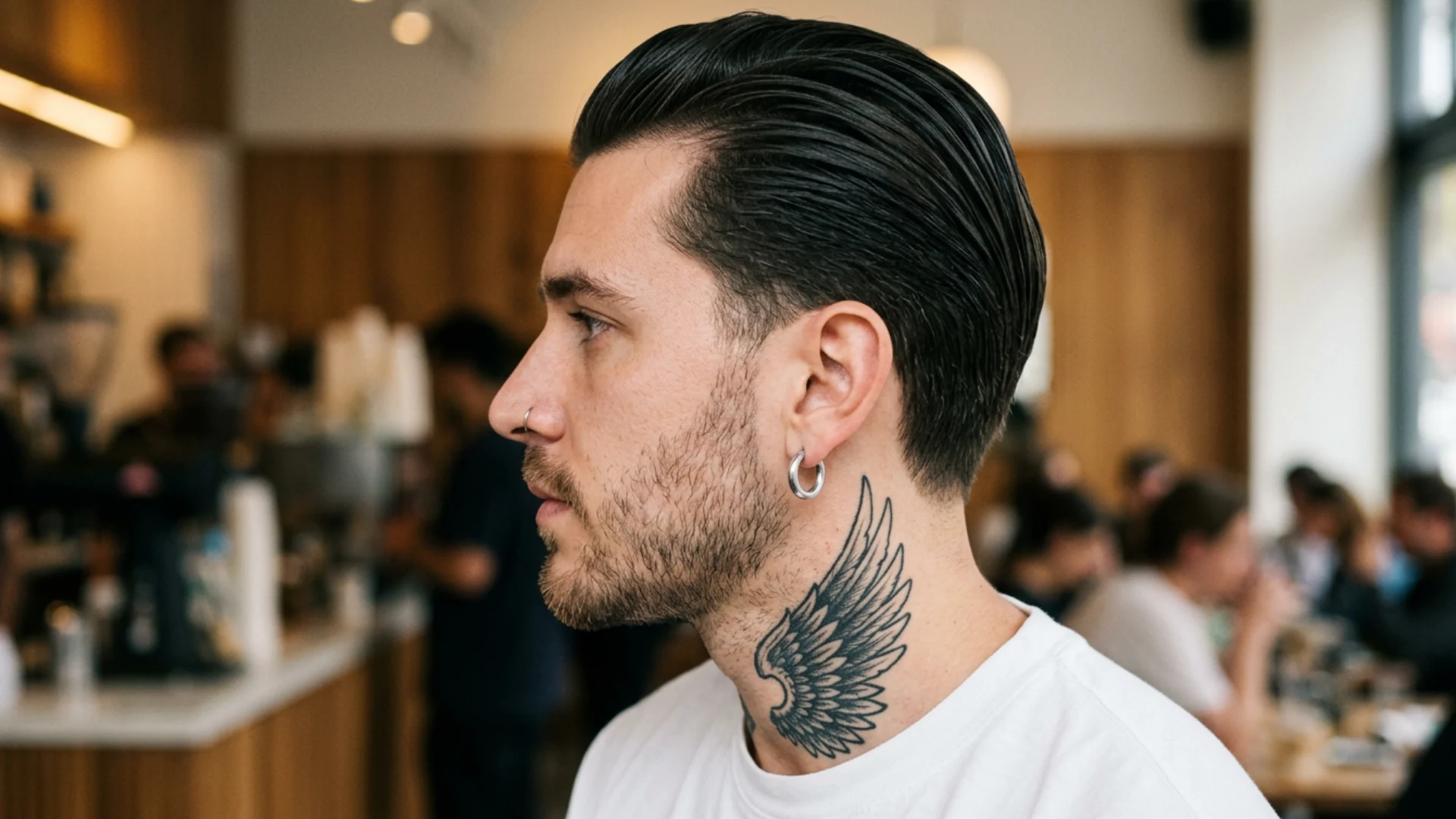
Best For: Most Face Shapes, Particularly Oval and Square
A gradual shortening of hair from the top of the head down the sides and neckline, with no hard fade lines. It’s subtle and refined, easy to adapt from formal to casual.
It avoids sharp contrasts, giving it a natural and refined appearance. This makes it highly versatile for different professions and lifestyles, as it works equally well in formal office environments and relaxed settings.
12. Comb over

Best For: Oval and Round Faces
Longer hair on one side is swept across the top, creating a clean, deliberate sweep rather than the old concealment style. Modern comb-overs pair well with low and mid fades. Fine to medium hair works well here.
It creates a clean flow across the top while keeping the sides controlled. It is particularly effective for men with thinning areas who still want a structured and confident hairstyle.
13. Classic Quiff
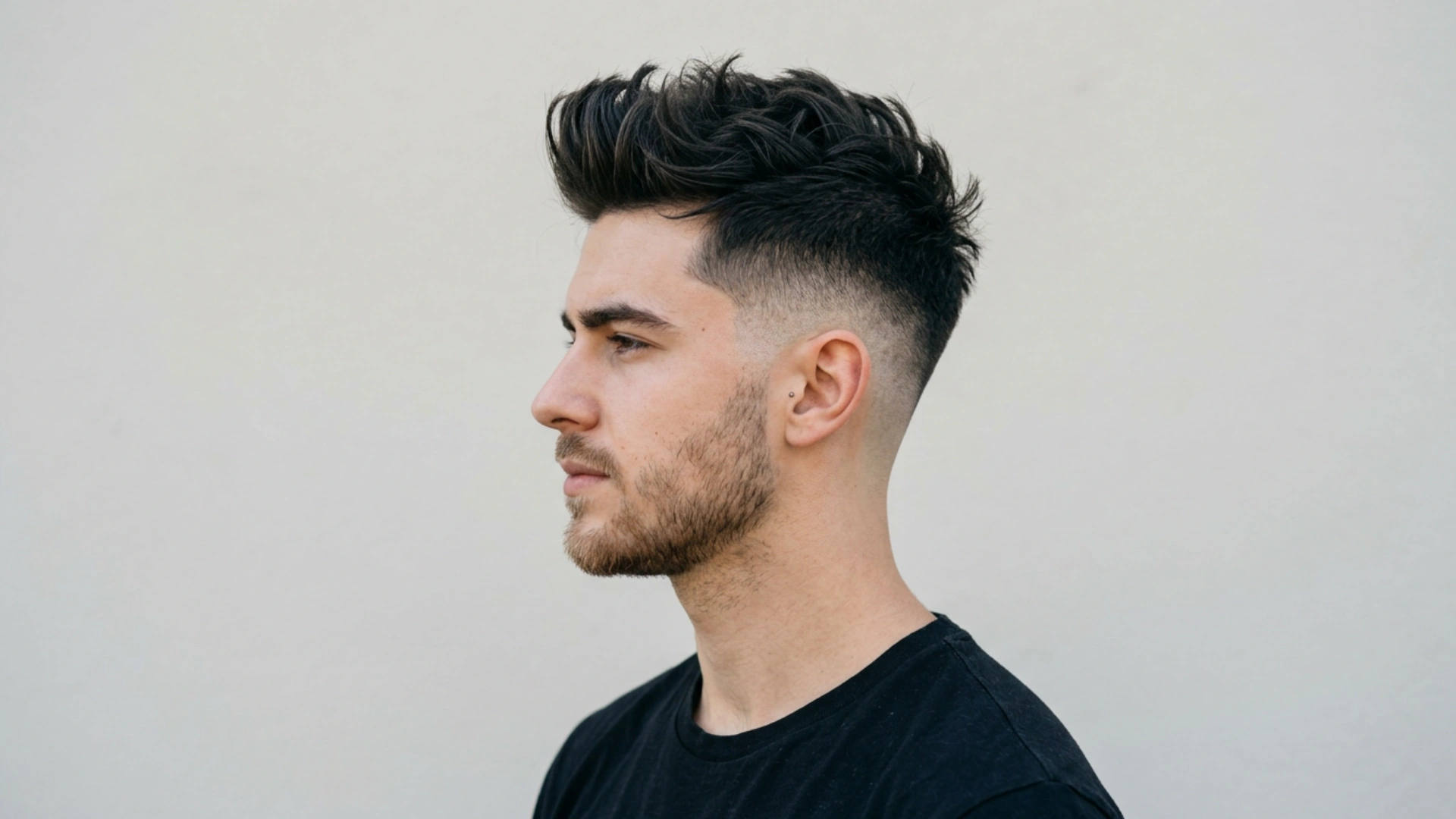
Best For: Round and Oval Faces
Hair at the front is pushed up and slightly back, creating height. It’s lighter and less structured than a pompadour.
Medium-hold clay and a blow-dryer are enough to build the shape. Works with straight and wavy hair.
It is less rigid than a pompadour, making it more wearable for everyday life. The style suits men who want a bit of lift and personality without committing to a highly structured look.
14. Textured Crop

Best For: Oval, Round, and Square Faces
Short sides with a choppy, textured top that moves naturally. It’s one of the most requested cuts in a barbershop for good reason: it suits most face shapes, grows out cleanly, and barely needs product. Works with most textures.
It uses choppy layers to create a relaxed, lived-in appearance. The cut works well for most hair types and requires minimal product, making it ideal for men who prefer a casual yet stylish look.
15. Bro Flow

Best For: Oval and Oblong Faces
Medium-length hair, grown out past the ears and allowed to fall naturally around the face. It’s low-maintenance in the sense that it requires no daily styling, but it needs regular trims to avoid losing its shape.
It frames the face softly and works especially well for men with natural waves. While low-maintenance in styling, it requires regular trims to maintain shape and prevent uneven bulk.
16. Classic Undercut
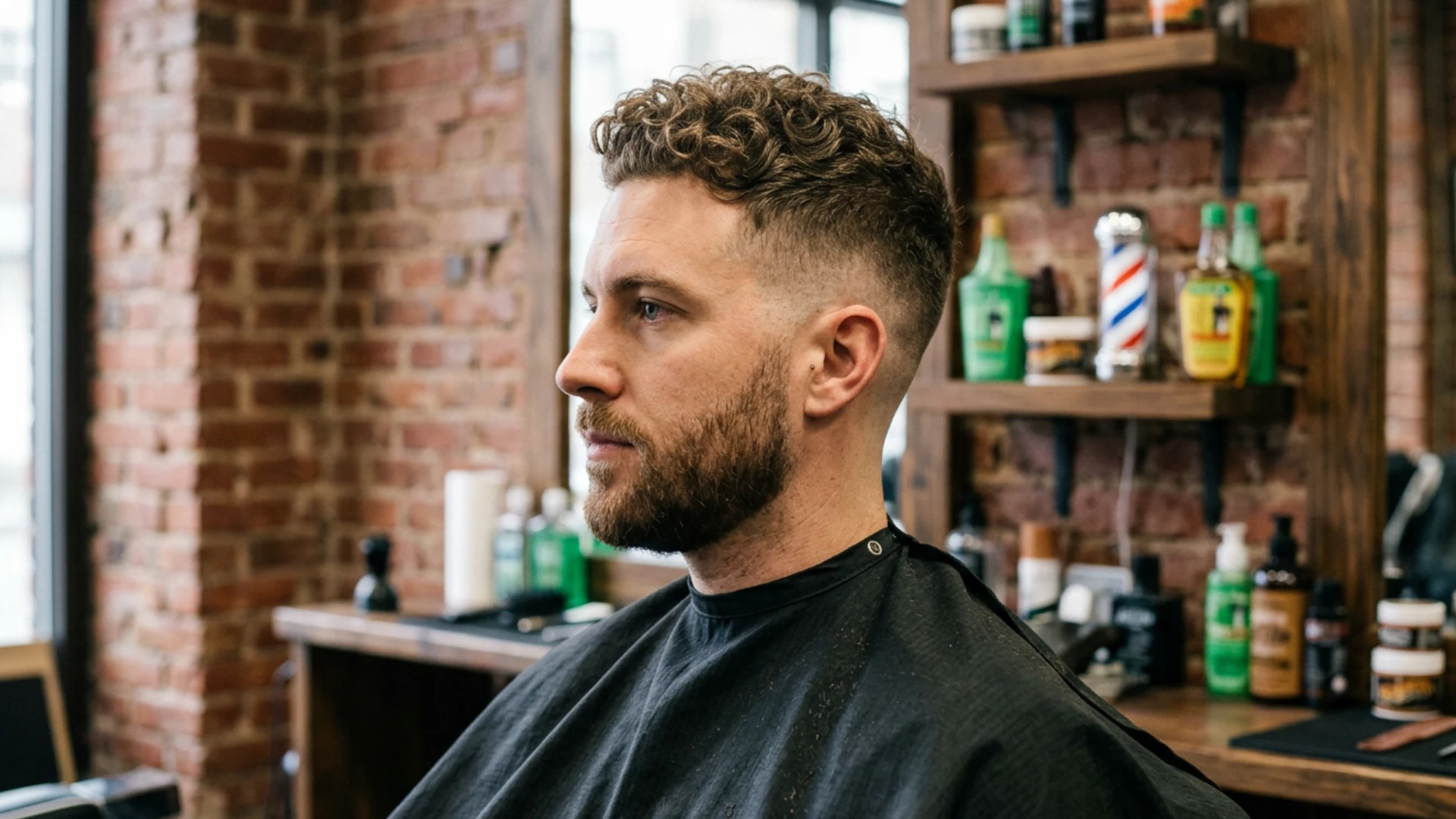
Best For: Oval, Square, and Heart-Shaped Faces
Closely clipped sides with a longer top that can be styled back, to the side, or with texture.
The undercut gained mainstream traction again in the early 2010s and works as a base for several other cuts on this list.
It allows for multiple styling options, from slicked back to textured finishes. This flexibility makes it a popular choice for men who want a bold yet adaptable haircut that can shift between formal and casual looks.
Volume and Statement Classic Haircuts for Men
These cuts carry more visual weight. They work best when your hair has enough density to hold the shape and when you’re willing to spend a few extra minutes in the morning.
17. Pompadour
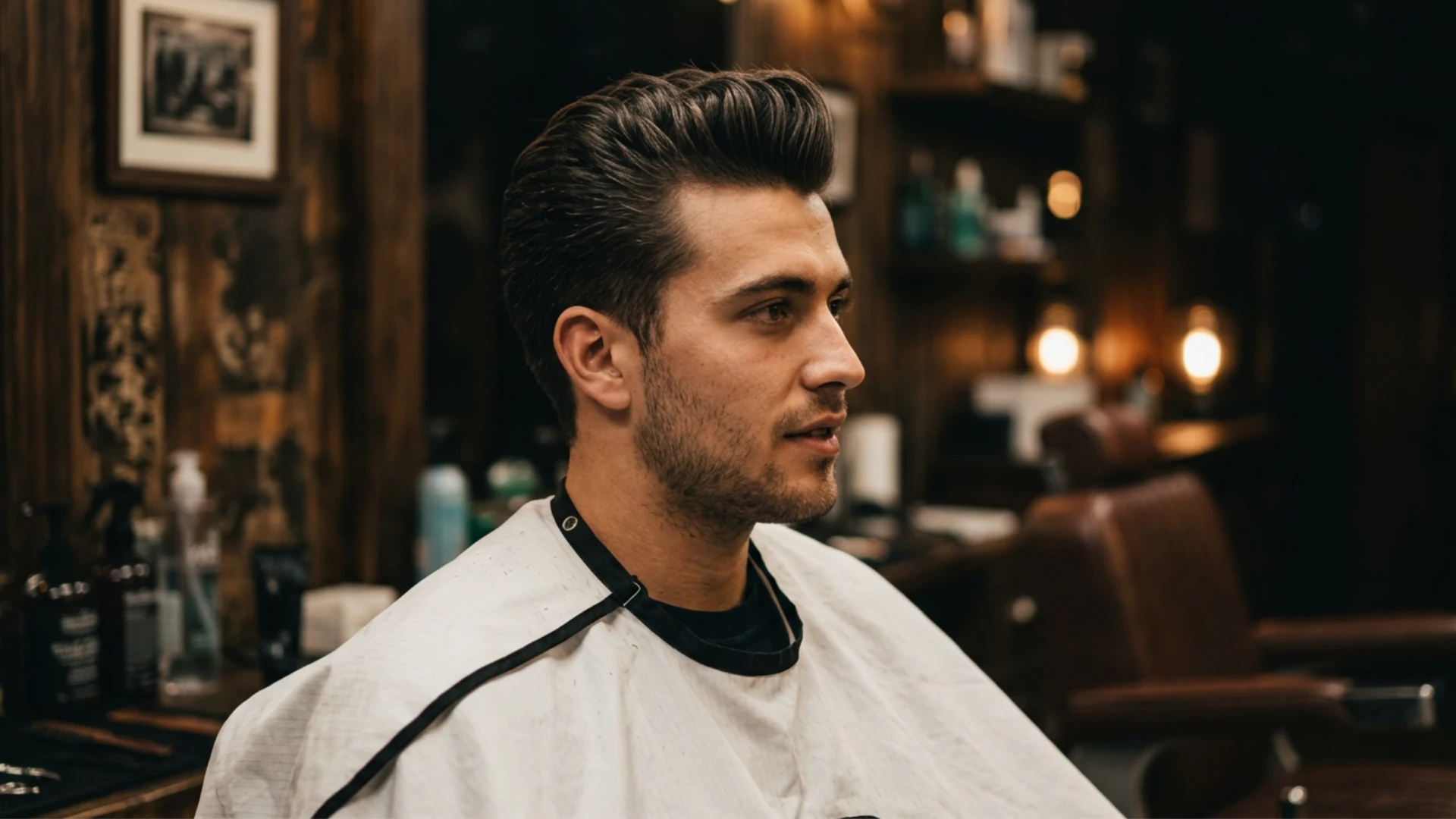
Best For: Oval and Oblong Faces
Hair is swept up and back from the forehead with strong-hold pomade, creating a voluminous front section. The sides stay short. It’s still one of the boldest traditional cuts you can wear. Suits thick, straight-to-wavy hair.
It requires consistent styling but rewards effort with a bold, classic silhouette. It suits thick hair best and remains a statement look for men who want a confident, standout appearance.
18. Fade Pompadour
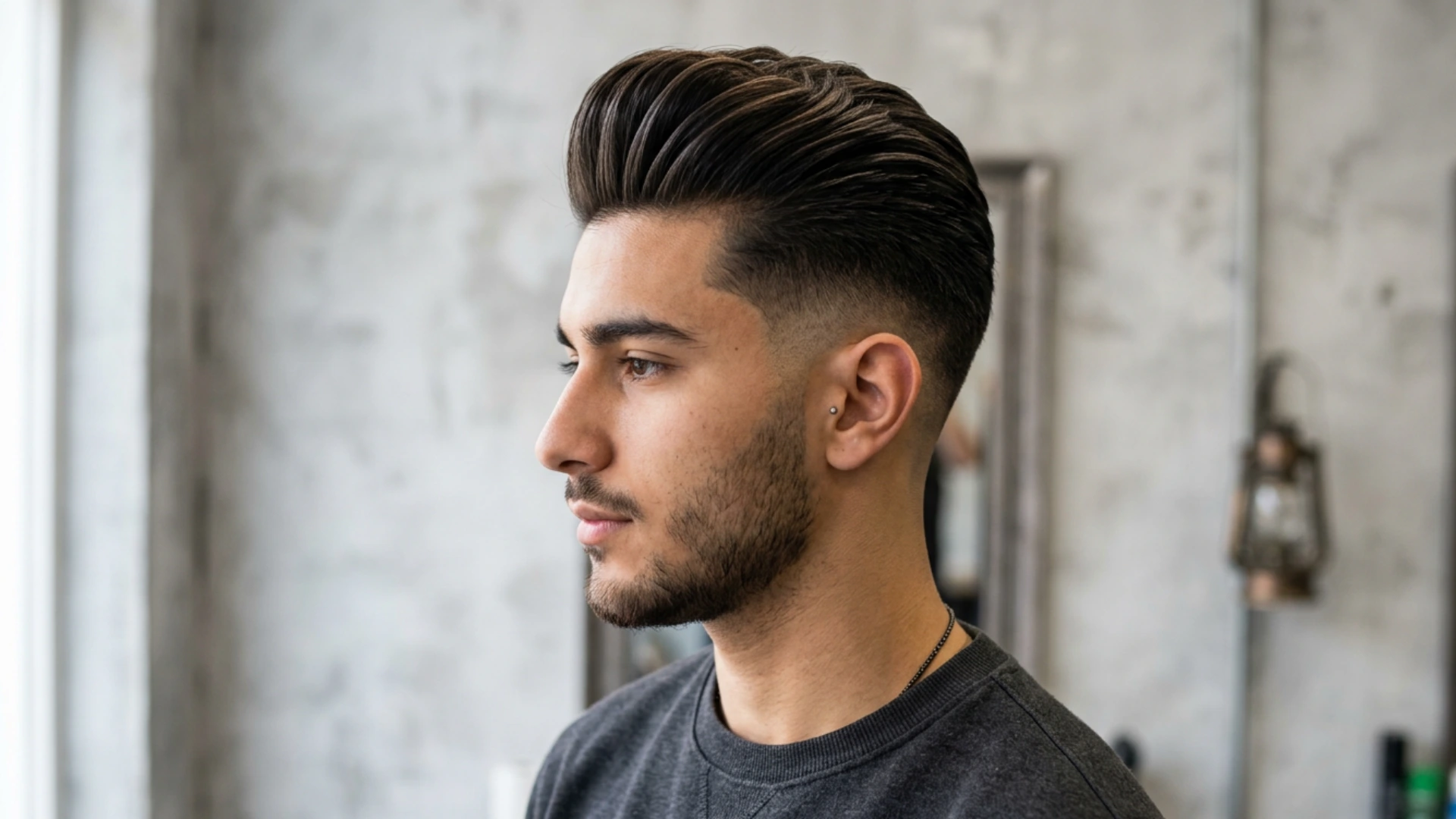
Best For: Oval and Square Faces
The pompadour silhouette with a modern mid- or high-fade on the sides. The fade creates a sharper contrast between the top volume and the sides than a standard taper does. Best with thick hair.
The contrast enhances the top volume and creates a cleaner, more contemporary finish. It is ideal for men who want a mix of vintage structure and modern barbering detail.
19. Ducktail
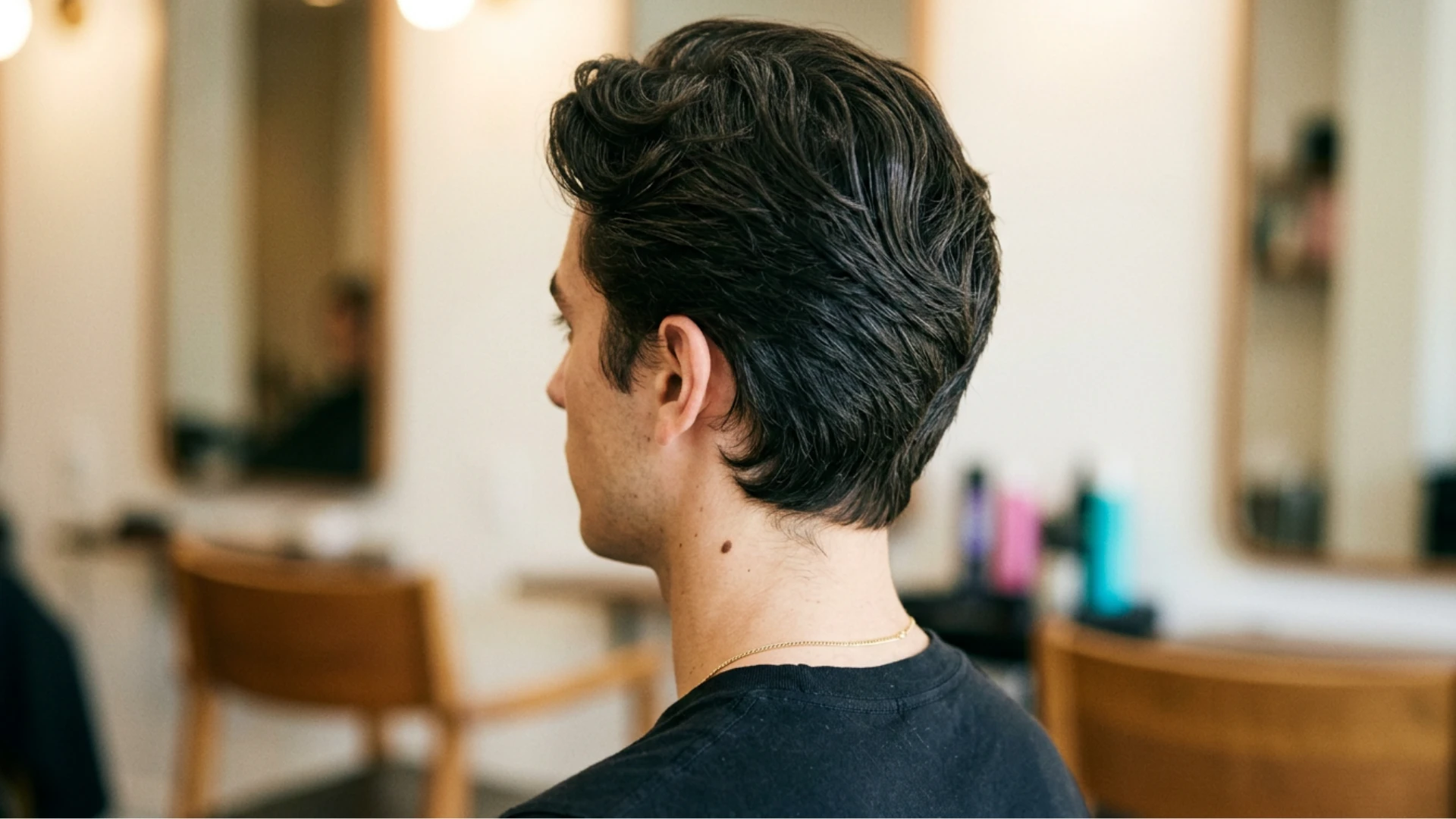
Best For: Oval and Oblong Faces
Medium-length hair on top is combed back on both sides and swept to a point at the nape of the neck, resembling a duck’s tail.
It’s one of the more niche classic cuts, tied to 1950s rockabilly style, but it still turns heads.
It carries a strong retro identity and is often associated with rockabilly culture. While niche, it remains a bold choice for men who want a unique and expressive look.
20. Flat Top
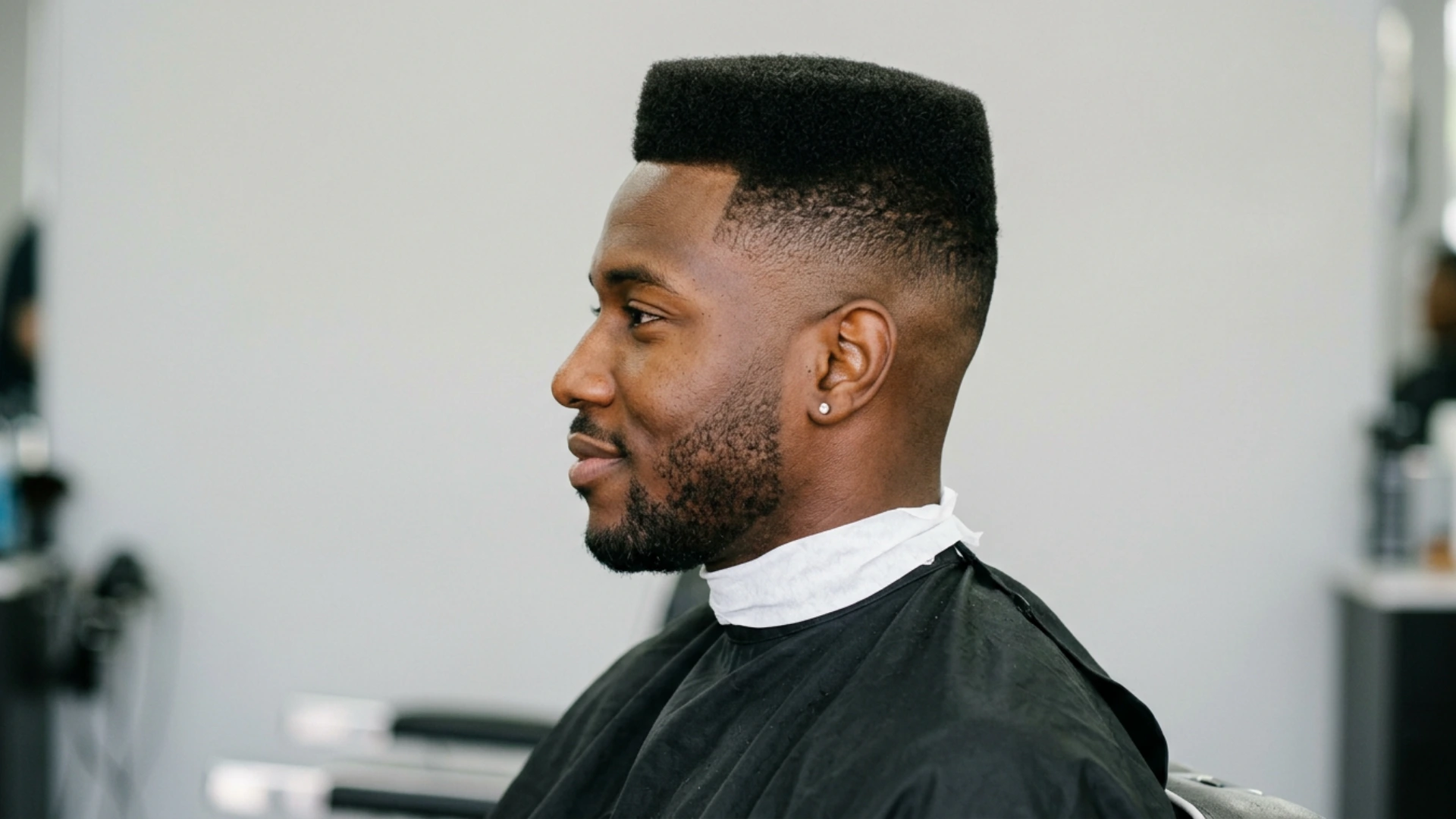
Best For: Round and Square Faces
The top is cut level and horizontal using clippers and a comb, creating a flat geometric surface. The sides stay short. It’s a bold silhouette that requires regular shaping to stay clean. Works best with thick, coarse hair.
The flat, level surface on top creates a strong visual structure that immediately stands out. It works best with thick, coarse hair that can hold its upright form.
21. Rockabilly Cut
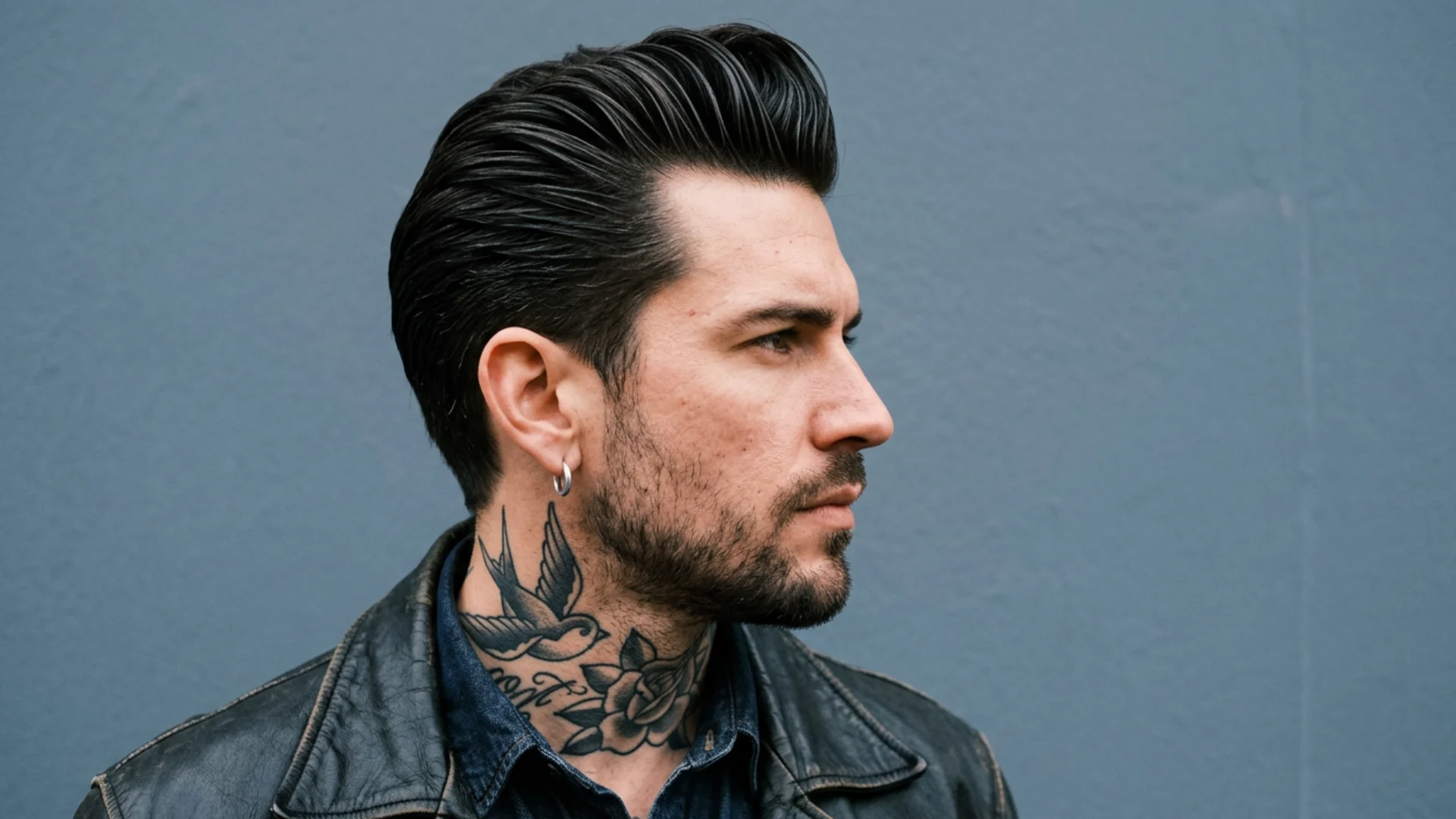
Best For: Oval and Oblong Faces
A looser, more dramatic version of the pompadour with added height and volume. The back may also be combed back fully in a slick-back style. Strong-hold pomade is non-negotiable.
It emphasizes volume and movement, often styled with strong-hold products for maximum lift.
It is a statement hairstyle rooted in vintage culture but still popular among modern enthusiasts of classic barbering.
22. Harvard Clip

Best For: Oval, Square, and Round Faces
Also called the Princeton cut, this is a refined version of the Ivy League with a slightly higher crown volume and cleaner side part. It’s the most polished cut in this section and reads as quiet, understated class.
It maintains a clean side part while allowing subtle volume on top. This makes it ideal for men who want a professional, understated style that still carries structure and intention.
23. Classic Brushback
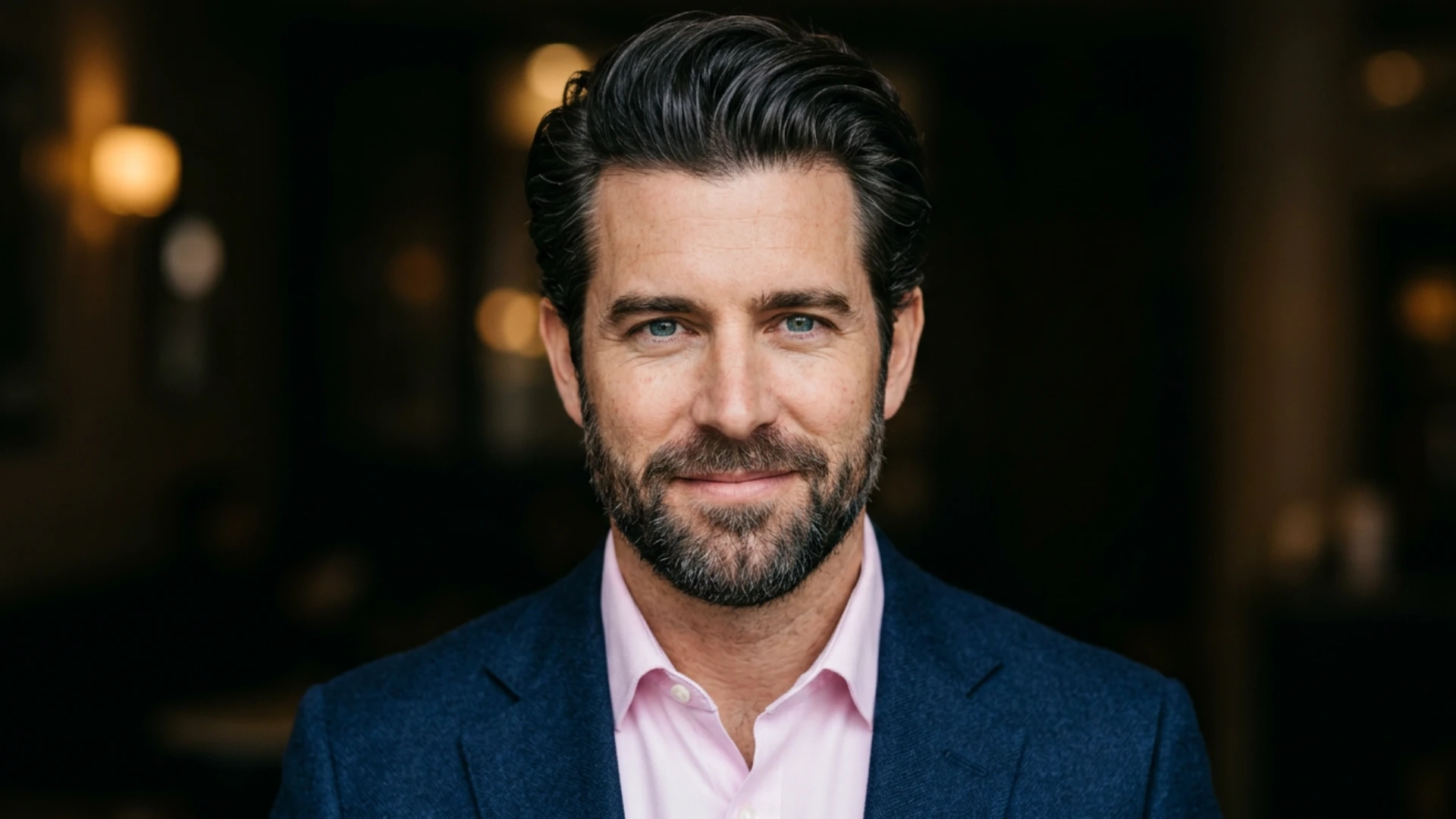
Best For: Oval and Square Faces
All hair is combed back from the forehead without the structured lift of a pompadour. The result is smooth, relaxed, and low-shine compared to a slick back. Works with medium-to-thick straight hair.
Hair is directed backward without a heavy structure, creating a softer finish. It works well for medium-to-thick hair and is suitable for men seeking a clean yet less rigid everyday hairstyle.
Longer Classic Haircuts for Men
These cuts need more length to execute, which means more time to grow if you’re starting short. The payoff is a style with natural movement and versatility across settings.
24. Classic Shag
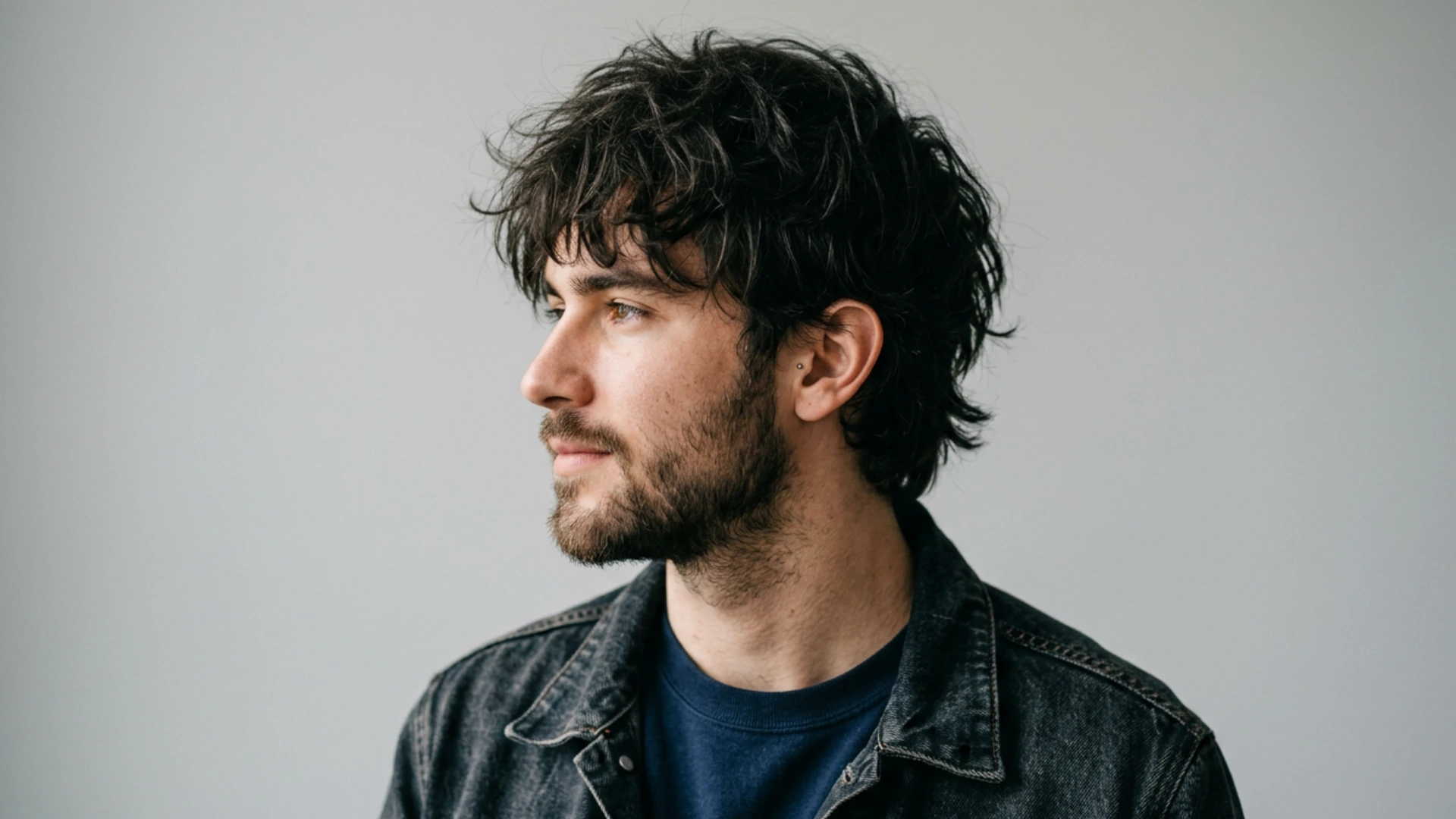
Best For: Oval and Oblong Faces
Layered, textured hair with a slightly disheveled finish. The layers create movement, and the cut softens around the face.
Not the most polished look on this list, but one of the most relaxed and wearable. Suits wavy and curly hair.
It creates a relaxed, slightly messy appearance that feels effortless. This style works especially well for wavy or curly hair and is ideal for men who prefer a casual, expressive look.
25. Curtain Bangs

Best For: Oval, Square, and Heart-Shaped Faces
Medium-length hair parted near the center, with sections falling softly on either side of the face.
It’s a relaxed, frame-forward style that suits men with good natural texture. Works with straight, wavy, and loose curly hair.
This creates a balanced, slightly retro appearance that has regained popularity in modern styling. It works best with natural texture and adds dimension without requiring heavy styling.
26. Classic Layered Cut
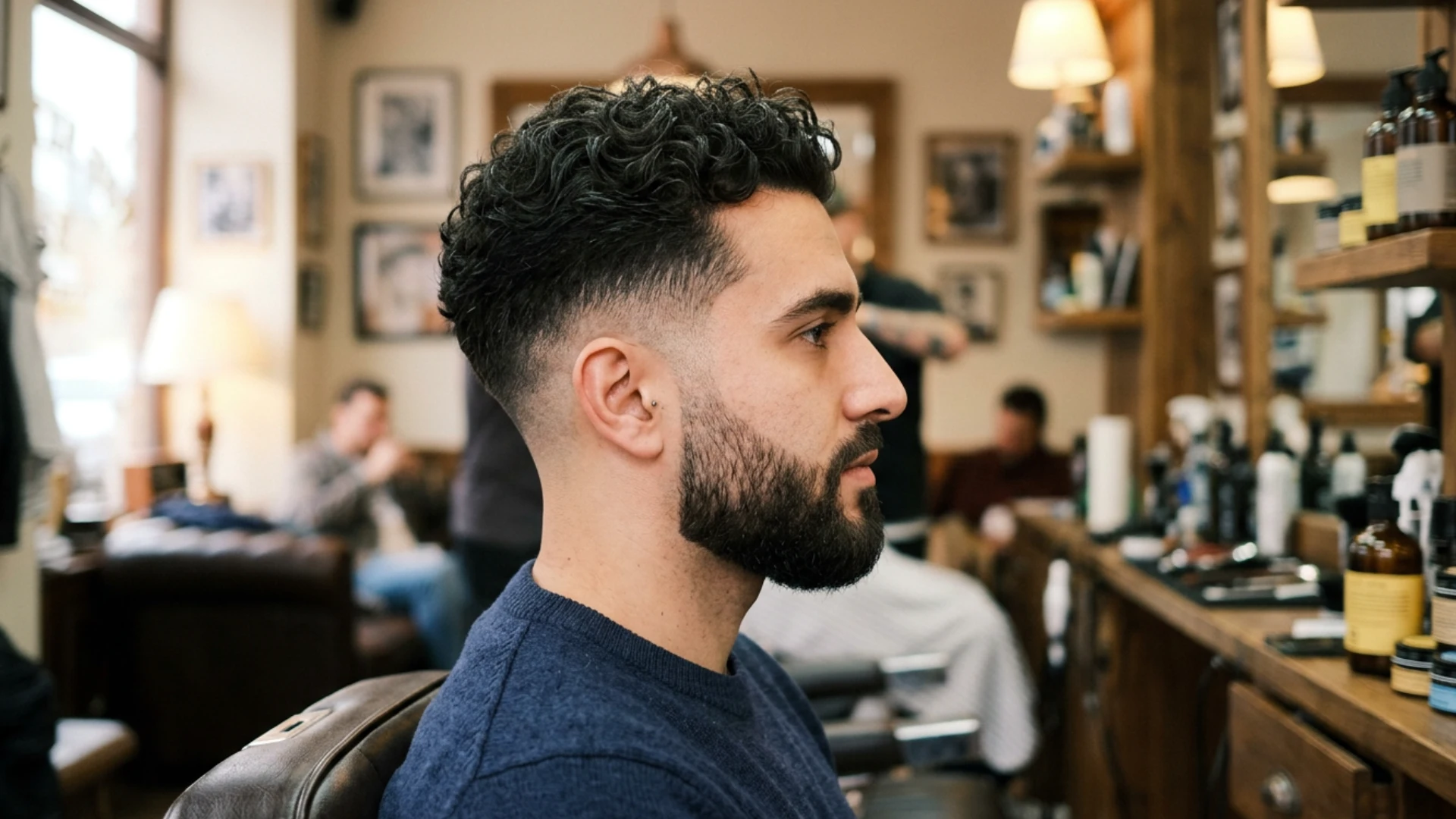
Best For: Oval and Oblong Faces
Layers cut throughout the top and sides to reduce bulk and add movement. It’s subtle; you often can’t tell there are layers until the hair moves.
Most useful for thick hair that tends to sit heavy without some internal structure.
It is especially useful for thicker hair types that need structure without losing volume. The layering is subtle but effective, creating a balanced shape that adapts well to different styling approaches.
27. Side Sweep

Best For: Oval and Heart-Shaped Faces
Longer hair on top, swept entirely to one side; scissors, no clippers. The sides stay medium-length rather than faded or tapered short.
It suits men with thicker, wavy hair and gives a deliberately relaxed, low-effort finish.
It creates a natural, flowing look without sharp structure or fades. This makes it ideal for men who prefer an effortless appearance that still feels intentional and well-groomed.
Modern Takes on Traditional Men’s Haircuts
These are classic cuts updated with sharper techniques. The structure is familiar; the detail is more up to date.
28. Taper Fade
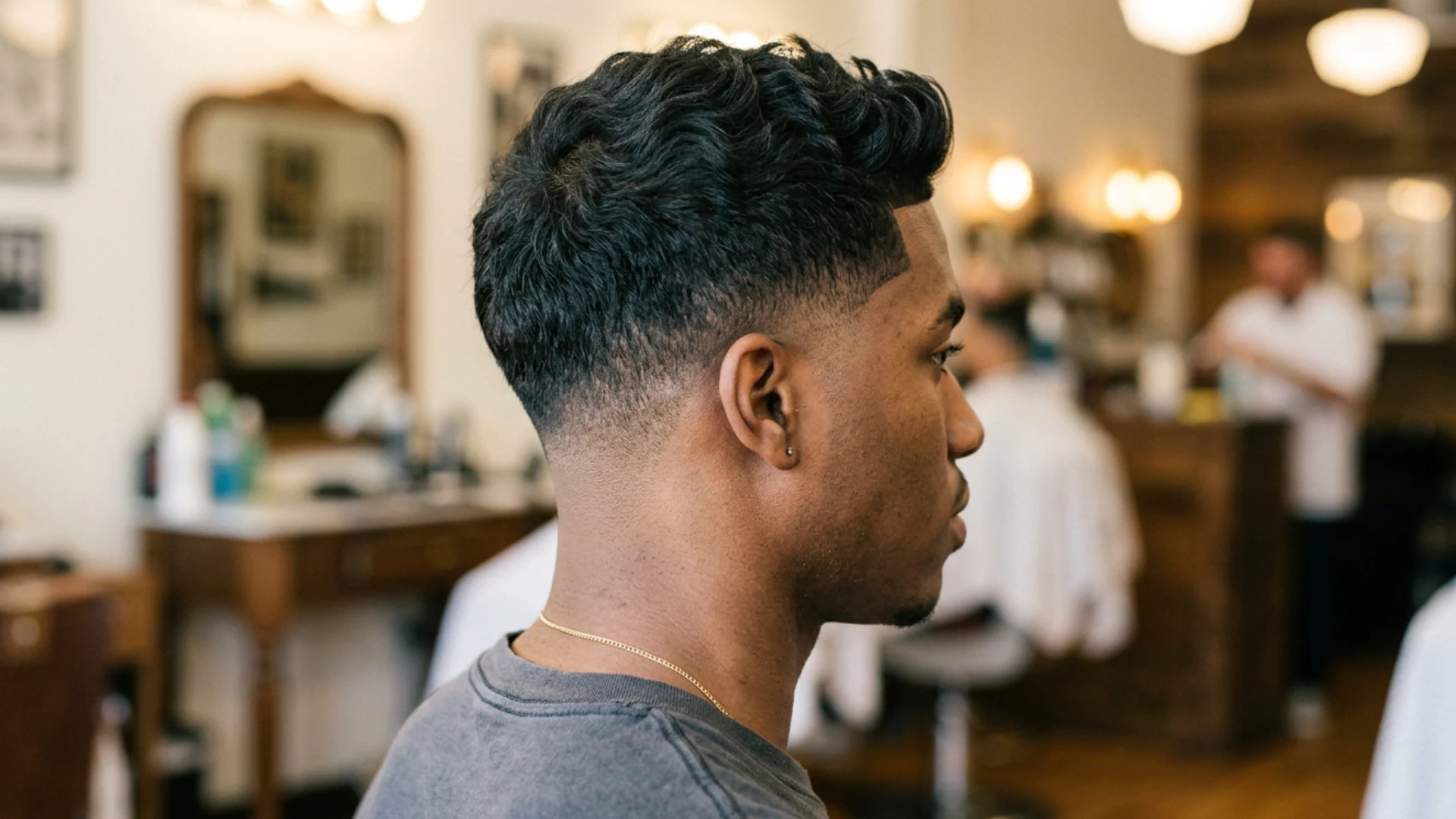
Best For: Every Face Shape
The taper is combined with a fading technique that blends into bare skin or very close-cropped hair. The result is cleaner and more defined than a standard taper.
It pairs with almost any top style and is one of the most popular combinations in modern barbering. You can read more about fade haircut types before deciding which version suits your head shape.
29. Skin Fade Side Part
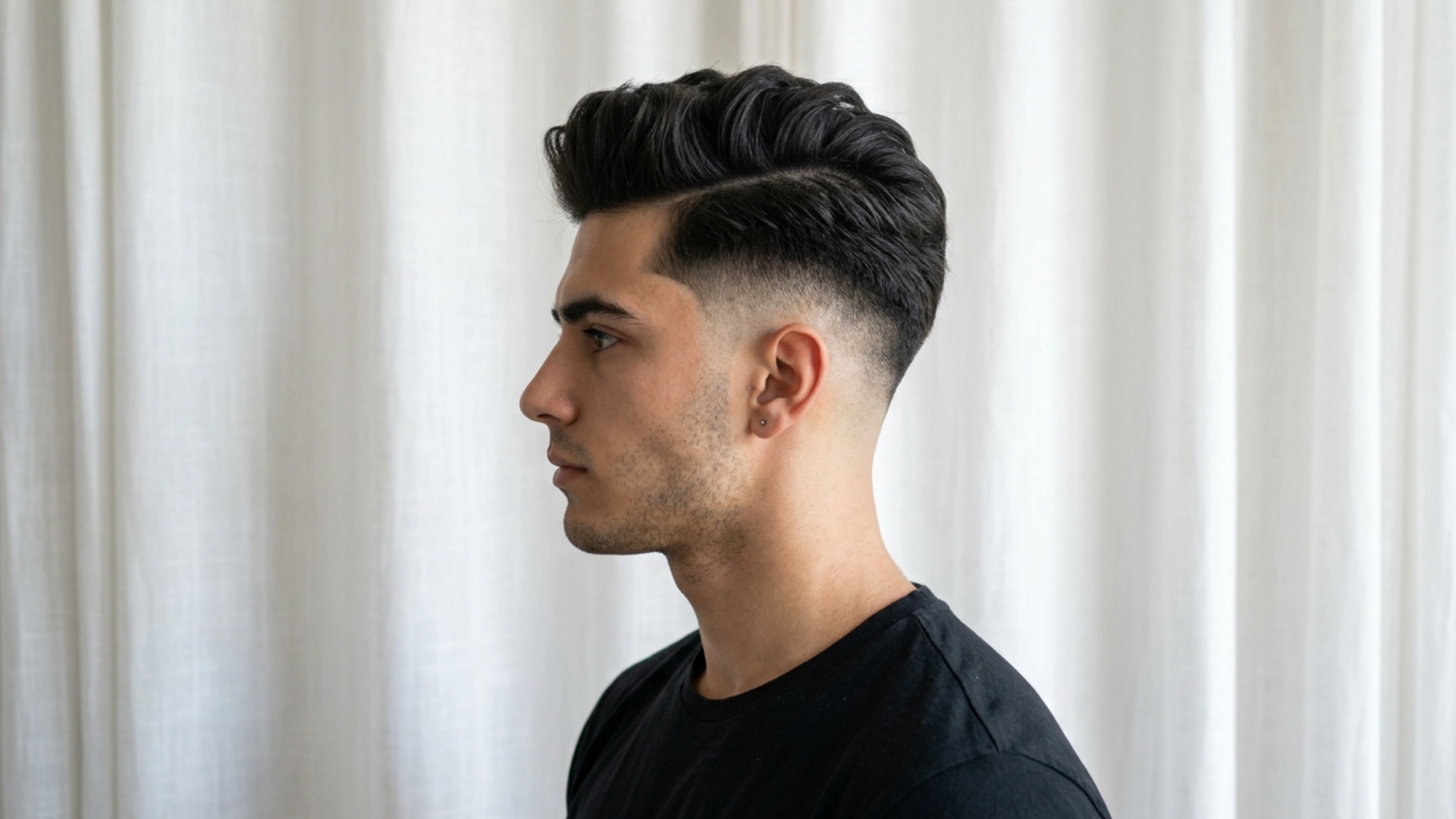
Best For: Oval, Square, and Round Faces
The side part is updated with a skin fade on the sides rather than a scissor taper. The contrast is sharper, the silhouette cleaner. The skin fade side part combines classic styling with modern contrast.
The sharp fade enhances the definition of the part while giving the overall cut a cleaner edge. It is a strong choice for men who want a polished yet contemporary hairstyle.
30. Disconnected Undercut
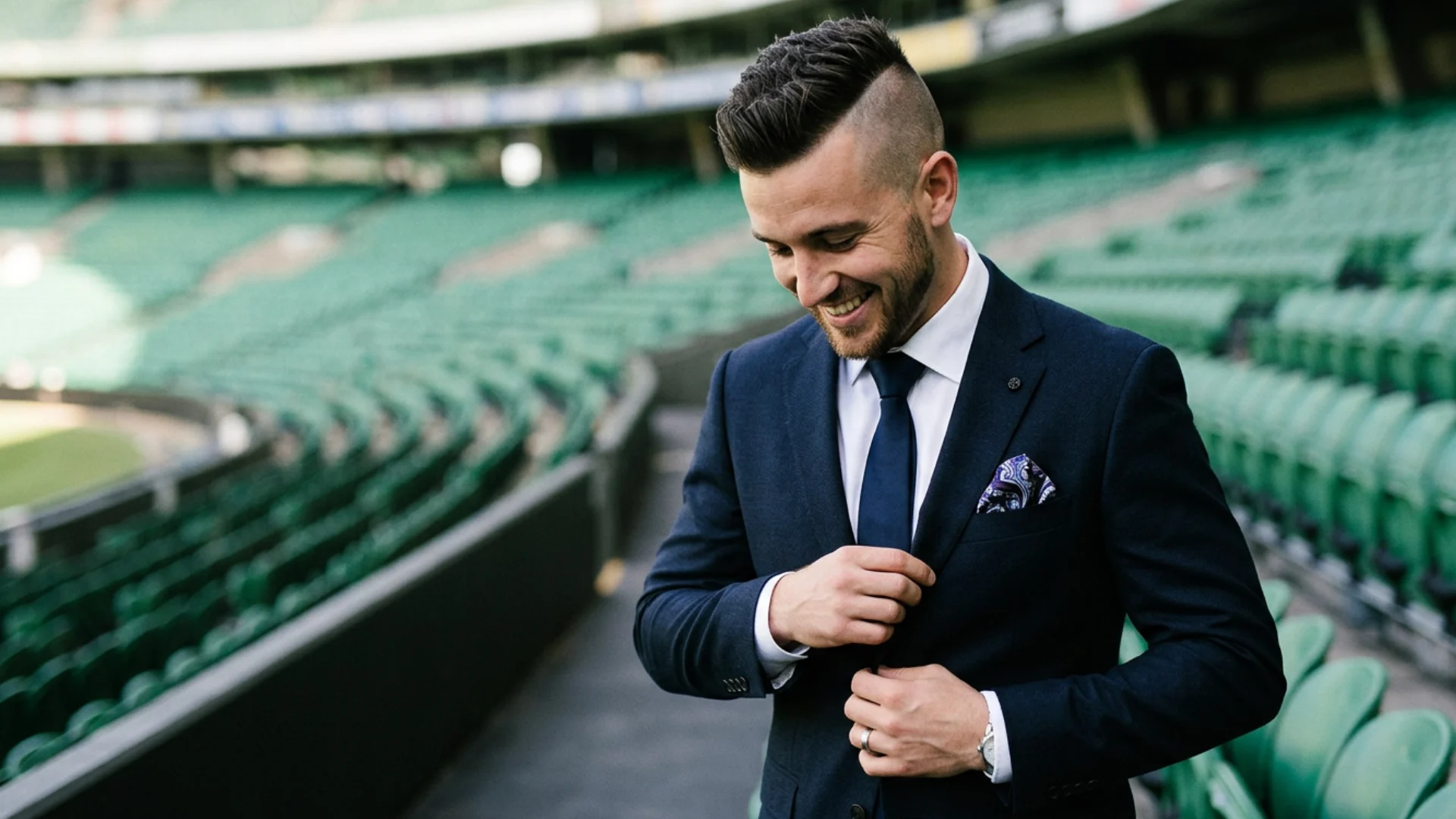
Best For: Oval and Square Faces with Thick Hair
The disconnected undercut emphasizes contrast by separating the long top from the short sides with a visible line. This creates a bold, dramatic appearance that immediately stands out.
It is best suited for men who want a fashion-forward, high-impact hairstyle. It requires confidence to carry and regular upkeep to maintain its sharp contrast and defined structure.
31. Hard Part Comb over
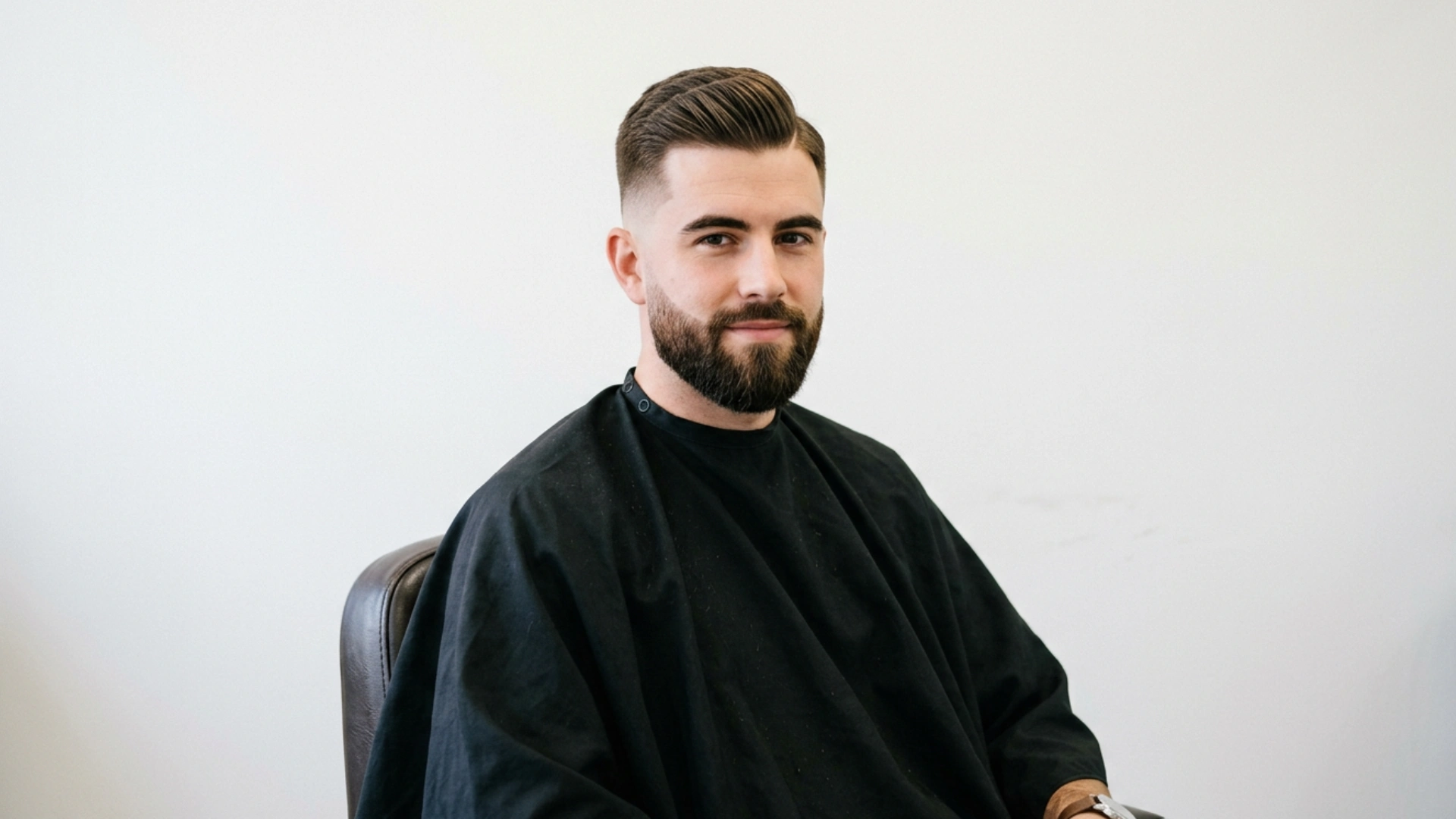
Best For: Oval and Round Faces
A razor-cut line creates a sharp, precise part on one side, with the hair combed cleanly across the top. The razor line makes the part look intentional rather than incidental. Works with straight to medium-density hair.
This cut adds structure and clarity to the style, making the part more pronounced. It works well for straight or medium-density hair and delivers a clean, modern finish.
How to Pick a Classic Haircut for Your Face Shape
Getting the right cut is partly about the style itself and partly about how it sits on your particular structure. Here’s a quick reference before your next barbershop visit.
| Face shape | Key features | Best classic cuts |
|---|---|---|
| Oval | Face slightly longer than wide, balanced proportions | Almost any cut works; side part, pompadour, and crew cut are especially strong |
| Round | Similar width and length, soft angles | Add height on top: quiff, pompadour, high and tight, side part |
| Square | Strong jawline, forehead, and jaw roughly equal in width | Soften with texture: crew cut, French crop, Ivy League, taper cut |
| Oblong / Rectangle | Longer than wide, similar width throughout | Avoid tall volume; French crop, curtain bangs, side sweep, and bro flow work well |
| Heart | Wide forehead, narrow chin | Add width lower: medium-length cuts, low fades, textured crops |
| Diamond | Wide cheekbones, narrower forehead, and jaw | Add width at top and chin: side part, French crop, classic shag |
Hair Type Considerations
Straight hair holds shape well and is a strong candidate for styles like slick backs, side parts, pompadours, and hard parts. It generally looks clean and structured with minimal effort.
Wavy hair adds natural texture and movement, making it ideal for quiffs, brushbacks, shags, and textured crops. It gives a more relaxed, effortless finish to most classic styles.
Thick hair can carry volume-heavy cuts like French crops, pompadours, and flat tops, but it often benefits from internal thinning to reduce bulk and prevent the style from puffing out.
Fine hair works best with lighter products and shorter overall length. Side parts, crew cuts, and Ivy League cuts are reliable choices because they create the appearance of more density.
Curly hair should embrace its natural texture, with French crops, textured crops, and longer styles like the shag or bro flow working especially well across most curl patterns.
How to Maintain a Classic Haircut
Most classic cuts look their sharpest in the first week. Keeping that sharpness across a four-to six-week cycle is where the real maintenance habits matter.
- Follow a Regular Trim Schedule: Get touch-ups every 2–6 weeks, depending on the style, to keep the shape sharp and clean.
- Wash Hair Properly: Shampoo 3–4 times a week to avoid stripping natural oils that help maintain structure and texture.
- Use the Right Products: Choose pomade, clay, or paste based on your style to maintain hold without weighing hair down.
- Style Consistently: Comb or set your hair daily to keep the cut aligned with its intended shape.
- Protect While Sleeping: Use a satin pillowcase or gently comb hair before bed to reduce friction and mess.
- Control Humidity Effects: Use light, weather-resistant styling products to prevent frizz and shape loss.
- Keep Neckline Clean: Regularly clean up edges between barber visits to maintain a fresh look.
Washing your hair every day can remove the natural oils that keep it healthy and styled. The CDC’s scalp hygiene advice notes that sebum, your scalp’s natural oil, helps protect both hair and skin from infection.
What to Tell Your Barber
Clear communication helps your barber deliver the haircut you want. Before the haircut starts, cover these four points.
1. Name the Style or Bring Photos
Tell your barber the haircut you want, or bring one or two reference photos showing the front and side.
Example:“I’d like a textured crop like this, with the fade from the second photo.”
2. Choose the Fade
Specify the fade you want:
- Low fade: Subtle transition.
- Mid fade: Balanced look.
- High fade: Strong contrast.
Also mention whether you prefer a skin fade or a taper.
Example:“I’d like a mid skin fade with a smooth blend.”
3. Specify the Length on Top
Avoid saying “just trim it.” Instead, give an approximate length.
- 1–2 inches: Short and low maintenance.
- 3–4 inches: Versatile.
- 4+ inches: Longer styling options.
Example:“Leave about 3 inches on top.”
4. Describe the Finish
Explain how you want the final haircut to look.
- Natural
- Textured
- Messy
- Structured
You can also mention details like the neckline or sideburn length.
Example:“Keep the top textured with a tapered neckline.”
Example Request:
“I’d like a textured crop with a low skin fade, about 3 inches on top, plenty of texture, medium sideburns, and a tapered neckline.”
The more specific you are about the style, fade, length, and finish, the easier it is for your barber to achieve the look you want.
Conclusion
Classic haircuts for men have stayed relevant for one reason: they were designed around head shape, not around what was trending in a given decade.
What matters when choosing is an honest self-assessment. Measure your face shape, consider your hair texture, and think about how much time you actually spend in front of a mirror each morning.
A cut that requires ten minutes of product work is only a good cut if you’re genuinely going to put in that time. Pick the one that fits your real routine, communicate it clearly to your barber, and maintain it consistently.
Which cuts from this list are you bringing to your next appointment? Drop it in the comments below.
Frequently Asked Questions
How Often Should You Get a Classic Haircut Trimmed?
It depends on the specific cut. Skin fades need a touch-up every 2 to 3 weeks, while longer medium cuts like the Ivy League or quiff can go 4 to 5 weeks without losing their shape. As a general rule, the shorter and sharper the cut, the more frequent the trims.
Can Classic Men’s Haircuts Work with Curly or Coily Hair?
Yes, and several work particularly well with curls. The French crop, textured crop, and classic shag all suit curly and coily textures because they work with the hair’s natural movement rather than against it. The key is finding a barber who is comfortable cutting curly hair dry, as wet cutting can result in unexpected shrinkage.
What Hair Product Works Best for Most Classic Styles?
A matte clay or paste covers the widest range of classic cuts because it adds hold without shine, making it suitable for most everyday settings. Pomade is better for high-shine styles like the slick back and pompadour. If you’re unsure, start with a light matte paste and adjust from there.
Is a Classic Haircut Suitable for Thinning Hair?
Several classic cuts are well-suited to thinning hair. The textured crop, crew cut, and buzz cut all create the appearance of density by reducing contrast between thinner and fuller areas. Longer cuts that expose the crown or temples tend to draw attention to thinning, so keeping overall length shorter usually reads as more intentional and well-groomed.