Most people think choosing between acrylic and dip powder nails is simple until they’re sitting in the salon chair trying to decide.
Both promise long-lasting wear, beautiful finishes, and stronger-looking nails, yet they deliver very different results once you start living with them.
One offers dramatic length, endless shaping possibilities, and a sturdy foundation for detailed nail art. The other focuses on lightweight comfort, a more natural appearance, and fewer maintenance appointments.
The challenge is that many salon menus don’t clearly explain where those differences actually matter. That leaves clients relying on guesswork, trends, or whatever they’ve tried before.
Understanding how each option performs in real life can save you money, maintenance headaches, and disappointment later.
In this blog, we’ll compare application, cost, durability, nail health, appearance, maintenance requirements, and which option suits different lifestyles best.
What are Acrylic Nails?
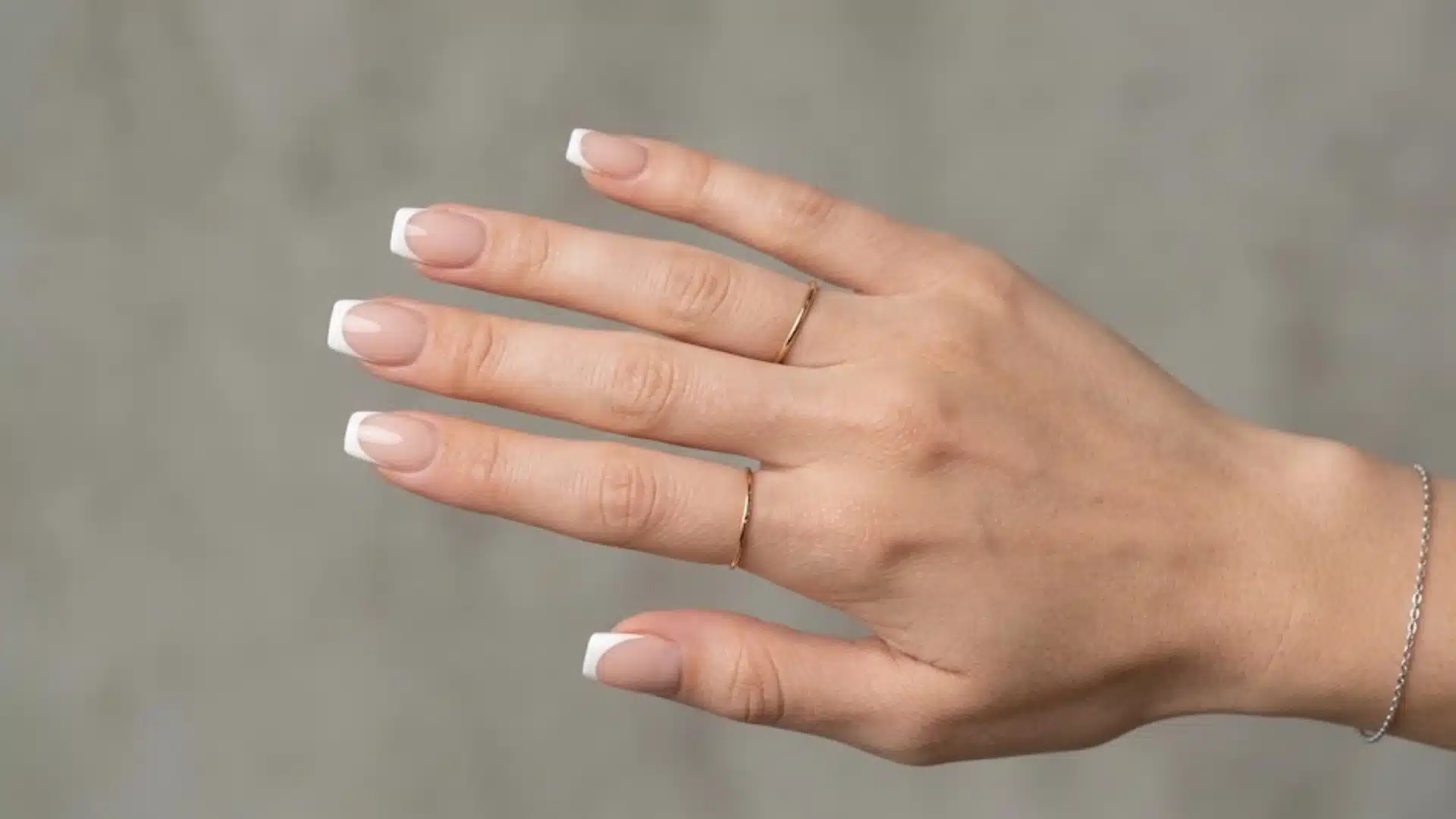
Acrylic nails are nail extensions made by mixing a liquid monomer with a powder polymer. When the two combine, the mixture becomes a moldable paste.
A nail technician applies it directly over the natural nail or a nail tip, then shapes it before it hardens. The whole process happens in the open air, no lamp required.
The result is a firm, durable extension that holds its shape well. Acrylics can be filed into any shape you want, from square to coffin to extreme stiletto.
They’re the go-to for clients who want real length or structure they can’t get from their natural nails.
The liquid monomer does have a strong smell. If you’re sensitive to chemical odors, that’s worth knowing before you book.
What are Dip Powder Nails?
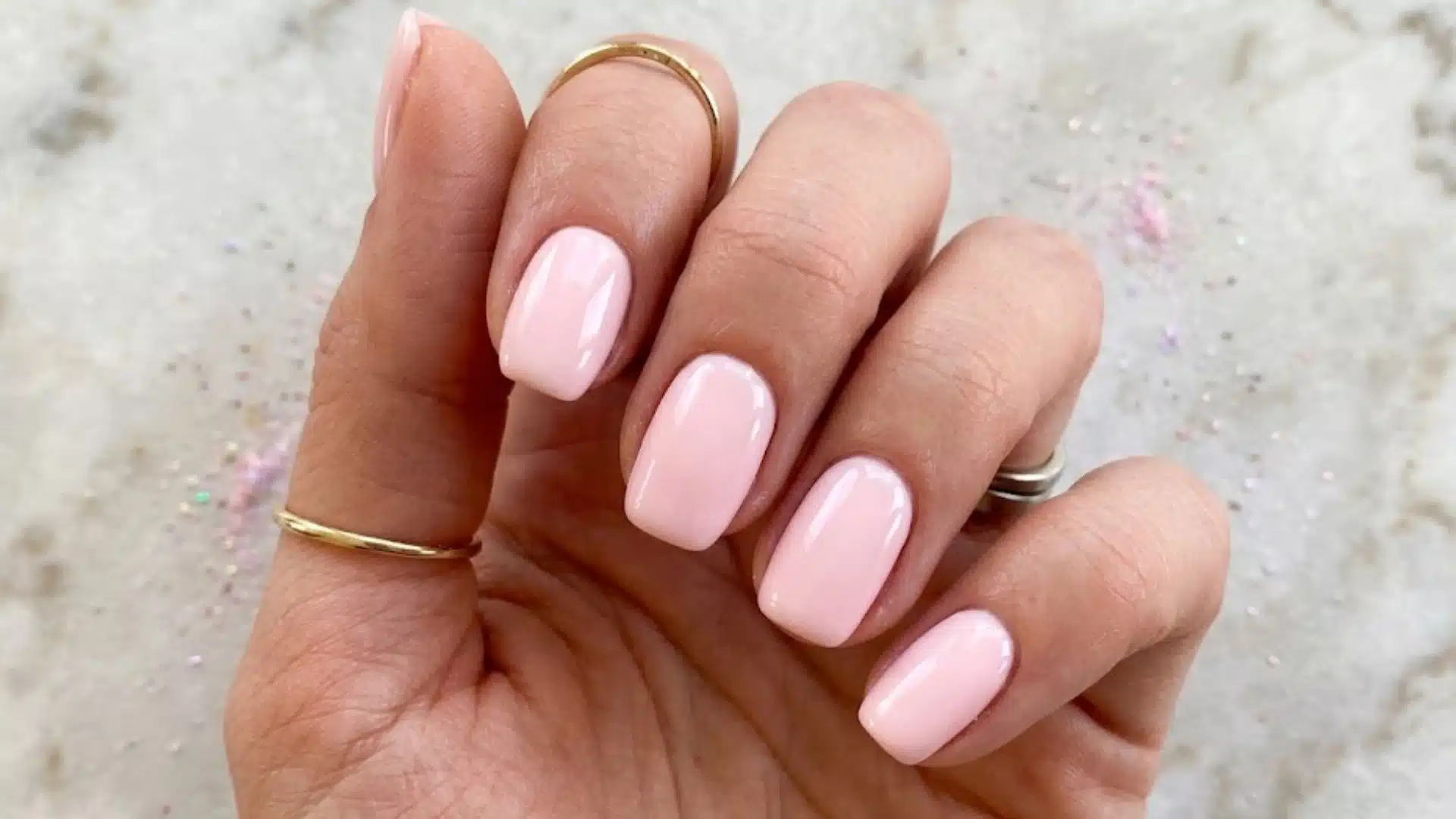
Dip powder nails work differently. A base coat goes on first, then the nail gets dipped into colored powder. That process repeats a couple of times until the color reaches the right depth.
A sealant coat finishes everything off and dries without any lamp.
The finish is thinner than acrylics. It sits closer to the natural nail, which gives it a more polished than sculpted look. Many people describe dip as feeling lighter on the hand.
You may see it called SNS nails at some salons. SNS is a brand name, but it uses the same dip powder technique.
DIY dip kits exist, and the process is simpler than acrylics, but a good salon application still makes a visible difference in how the layers sit.
Acrylic vs Dip Nails: Application Process Compared
Acrylics require more time and precision to apply, while dip powder offers a faster, lower-maintenance process with minimal odor, making it a popular choice for those seeking durable nails with quicker application.
| Factor | Acrylics | Dip powder |
|---|---|---|
| Application time | 45 to 60 minutes | 30 to 45 minutes |
| UV lamp needed | No | No |
| Odor during application | Strong (monomer) | Minimal |
| Skill level required | Professional recommended | DIY possible, salon preferred |
| Length extensions | Yes, with tips or forms | Only with nail tips |
| At-home friendly | Not really | More manageable |
Acrylics take longer because shaping and smoothing the paste requires more precision.
Dip is faster and lower-maintenance during application, which is part of why it’s grown so popular for people who want a quick turnaround without sacrificing wear time.
Dip vs Acrylic: Which Costs More?

A standard full set of acrylics at most US salons runs between $30 and $60. Fills come in at $20 to $40 every two to three weeks. At a mid-range salon, you might spend around $120 to $150 over three months just on maintenance.
Dip powder full sets fall between $40 and $65. Fills are less frequent, which can offset the slightly higher starting price. Over the same three-month period, dip often works out to less overall spend.
Several things affect what you’ll actually pay at checkout:
- Location: Nail salon prices vary significantly by region, with salons in major metropolitan areas typically charging higher rates due to increased rent, labor costs, and local demand.
- Nail length and shape: Longer nail extensions and specialty shapes such as coffin, stiletto, almond, or ballerina require additional time, skill, and materials, increasing the overall service cost.
- Nail art: Custom nail art, including simple accents, intricate hand-painted designs, rhinestones, or chrome finishes, often adds between $5 and $15 per nail.
- Salon tier: Pricing differs greatly between budget-friendly walk-in salons and upscale nail studios, where premium products, advanced techniques, and enhanced customer experiences justify higher rates.
- Add-ons: Optional services such as gel top coats, cuticle treatments, paraffin wax dips, strengthening treatments, and nail repairs can noticeably increase the final appointment bill.
Acrylic vs Dip Nails: Which Lasts Longer?
Acrylics tend to need a fill every two to three weeks. As your natural nail grows out, a gap forms between the acrylic and the cuticle. That gap needs to be filled in at the salon, or the set starts to look grown-out fast.
A full set typically lasts six to eight weeks with two to three fill cycles before a full soak-off is recommended. For more on what that timeline actually looks like day-to-day, acrylic nail longevity tips cover it well.
Dip powder tends to hold up for three to four weeks before a fill or fresh set is needed.
It resists chipping better than acrylics for overlay applications, meaning nails without extensions. For pure structural strength on long extensions, acrylics still have the edge.
| Nails | Acrylics | Dip powder |
|---|---|---|
| Time before fill | 2 to 3 weeks | 3 to 4 weeks |
| Total set lifespan | 6 to 8 weeks | 3 to 4 weeks per set |
| Chip resistance | Moderate | Better for overlays |
| Strength for extensions | Stronger | Lighter but less sturdy |
Dip vs Acrylic: Which is Better for Nail Health?
Acrylics use a liquid monomer that can contain methyl methacrylate or ethyl methacrylate. Older or lower-quality products may include additional harsh ingredients.
The nail plate gets filed down before application, which thins the natural nail over time with repeated use.
Dip powder generally uses fewer harsh chemicals. There’s no monomer involved, and many formulas skip ingredients like formaldehyde, toluene, and DBP.
All nail enhancements carry some risk of damage when removed incorrectly, regardless of the system used.
The removal process matters as much as the application. Both acrylics and dip require an acetone soak to be removed properly. Peeling or forcing either type off is where most nail damage actually happens.
If you want to skip the salon for removal, removing acrylics without acetone has some gentler at-home options worth reading through.
After a long-running set of either type, give your nails a break. Cuticle oil applied daily, even during wear, helps keep the nail bed in better condition between sets.
Acrylic vs Dip Nails: Appearance, Finish & Nail Art
When it comes to aesthetics, acrylic and dip nails differ the most, and this is where many people should base their decision. Acrylics are the better choice for those who love dramatic, eye-catching designs.
They can support significant length extensions, making them ideal for long nails.
Their thicker, more rigid structure also provides a strong foundation for 3D nail art, including sculptural flowers, embedded gems, textured finishes, and intricate raised designs.
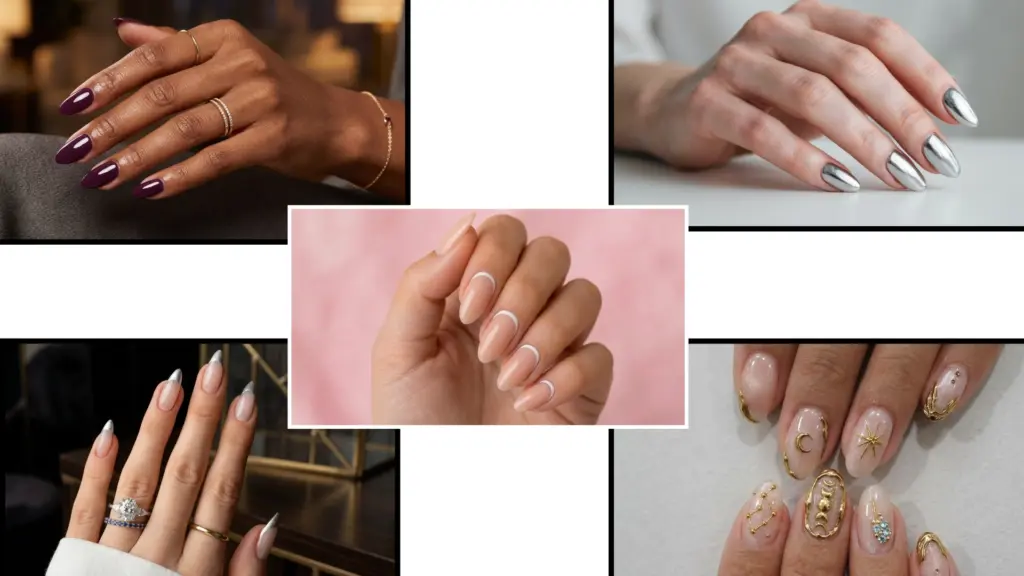
Acrylics are also excellent for maintaining extreme shapes such as coffin, stiletto, almond, and sharp square styles, while delivering crisp, precise French tips.
Dip nails, on the other hand, are better suited for a more natural appearance.
Their thinner, lighter finish makes enhancements less noticeable, while the powder formula creates rich, glossy solid colors with minimal effort.
They are especially well-suited for shorter overlays and offer a low-maintenance option with less visible lifting between appointments.
Pros and Cons of Acrylic Nails
Acrylic nails are great for length and bold designs, but they need careful upkeep and can feel heavy if applied too thick.
| Pros | Cons |
|---|---|
| Great for adding length | Can feel heavy on nails |
| Strong and long-lasting | Needs regular fill-ins |
| Works well for bold shapes | Removal can weaken nails |
| Gives more design freedom | Strong smell during application |
| Good for weak or short nails | Can damage nails if applied poorly |
Which One Should You Choose?
The best pick depends on the length, style, feel, and finish you want from your manicure.
- Long extensions: Choose acrylics. They give more structure and support, which makes them better for longer nail lengths and dramatic shapes.
- Bold nail shapes: Choose acrylics. They work well for coffin, stiletto, almond, and square shapes that need a stronger base.
- Detailed nail art: Choose acrylics. They give more room for 3D designs, gems, charms, and creative looks that need a firm surface.
- Natural, lightweight look: Choose dip nails. They feel lighter on the nails and usually give a softer finish that looks more natural.
- Less filing: Choose dip nails. They usually need less shaping and drilling than acrylics, which can feel gentler during the salon process.
- Busy lifestyle: Choose dip nails. They usually hold up well for everyday wear and can be a good option for people who want fewer salon visits.
- Frequent nail changes: Choose dip nails. They are a practical choice for those who like switching colors often without committing to long extensions.
- Damaged or very short nails: Choose acrylics. They can create a completely new shape and length, helping nails look longer while they grow out.
Pros and Cons of Dip Nails
Dip nails offer a natural look and long wear, but they may not provide the same flexibility for length and custom shapes as acrylics.
| Pros | Cons |
|---|---|
| Lightweight feel on the nails | Limited options for adding length |
| Often looks more natural | Fewer shape customization options |
| Long-lasting wear | Removal takes time and patience |
| No strong liquid odor during application | Repeated dipping can raise hygiene concerns in some salons |
| Usually requires less filing during application | Can crack if exposed to a strong impact |
Conclusion
Acrylic and dip powder nails both offer impressive durability and a polished finish, but the right choice depends on your priorities.
If you love dramatic length, bold shapes, and detailed nail art, acrylics provide the structure and flexibility needed to bring those designs to life.
If you prefer a lightweight feel, a more natural appearance, and fewer maintenance appointments, dip powder may be the better fit.
Neither option is universally better; each excels in different situations, lifestyles, and beauty preferences. The key is understanding how much upkeep you’re willing to commit to and the look you want to achieve.
Armed with that knowledge, you’ll be able to walk into your next appointment feeling confident about your decision rather than overwhelmed by choices.
Which side are you on: acrylics or dip powder? Share your experience in the comments below and join the conversation.
Frequently Asked Questions
Can You Paint over Acrylic or Dip Nails?
Yes, regular polish can go over both. Use a gentle remover later, and avoid picking at the color if it starts lifting.
Can Acrylic or Dip Nails Cause Allergies?
Yes, some people may react to nail products. Redness, itching, swelling, or burning means the product should be removed safely.
Can You Switch from Acrylic to Dip Nails?
Yes, but the old set should be removed first. This gives the nail tech a clean base and helps avoid trapped product.