
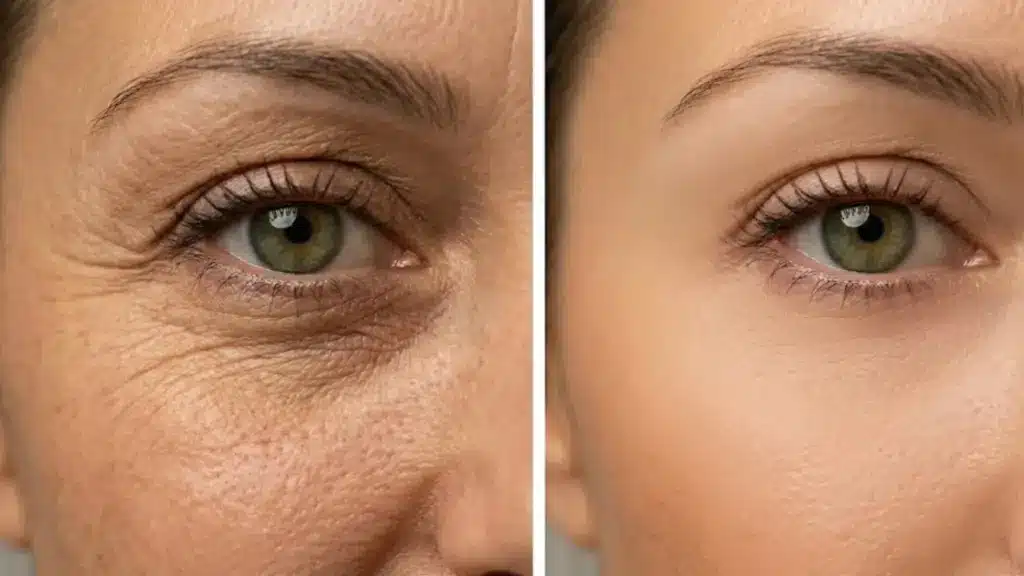
Under-eye wrinkles form when collagen and elastin break down in the thin skin below the eyes. Age, sun exposure, dryness, and repeated facial movement can make them show faster.
Getting rid of under-eye wrinkles depends on how deep they are. Fine lines may improve with retinol, hyaluronic acid, and daily SPF. Deeper lines may need Botox, fillers, laser resurfacing, or lower eyelid surgery.
I still remember noticing my first under-eye line in harsh bathroom light. It caught me off guard. I looked tired, even after a good night’s sleep.
At first, I assumed it was temporary, but the line stayed. That small change made me pay closer attention to how delicate the skin around the eyes really is
That moment changed how I looked at eye care. The good news is that most under-eye wrinkles can be softened with the right plan.
Why Do Under-Eye Wrinkles Show Up First?
The under-eye area is often the first place where fine lines start to show. This happens because the skin there is very thin and delicate. It also has fewer oil glands, so it can lose moisture faster than other parts of the face.
- Thin under-eye skin: This area has less padding and support, so even small changes in texture can appear as visible fine lines.
- Sun exposure: UV rays slowly break down collagen and elastin, which can make under-eye wrinkles look deeper over time.
- Dryness: When the skin lacks moisture, the under-eye area can look tight, dull, and more lined than usual.
- Facial movement: Smiling, squinting, blinking, and laughing fold the same delicate skin many times throughout the day.
- Sleep habits: Poor sleep can make the skin look tired, puffy, and less smooth, which can highlight fine lines.
- Eye rubbing: Rubbing or pulling at the eyes can stretch delicate skin and make creases more noticeable.
- Collagen loss: As collagen drops with age, the skin becomes less firm, and lines settle in more easily.
These changes do not happen overnight. They build slowly through daily habits, skin aging, and outside damage. That is why gentle care, sun protection, and steady moisture can make a real difference.
Types of Under-Eye Wrinkles
Not all under-eye wrinkles develop for the same reason. Understanding the type can help you choose the most appropriate skincare or treatment approach.
| Type | What It Looks Like | Common Cause |
|---|---|---|
| Static Wrinkles | Visible even when the face is relaxed. | Collagen and elastin loss, thinner skin, and dryness. |
| Dynamic Wrinkles | Appear during smiling, squinting, or laughing and may deepen over time. | Repeated facial muscle movements. |
| Wrinkle Folds | Deeper grooves beneath the eyes that remain visible at rest. | Volume loss, aging, and reduced structural support around the eyes. |
The type of wrinkle matters because fine lines may respond to skincare, while deeper folds often require professional treatment.
Professional Treatments for Under-Eye Wrinkles
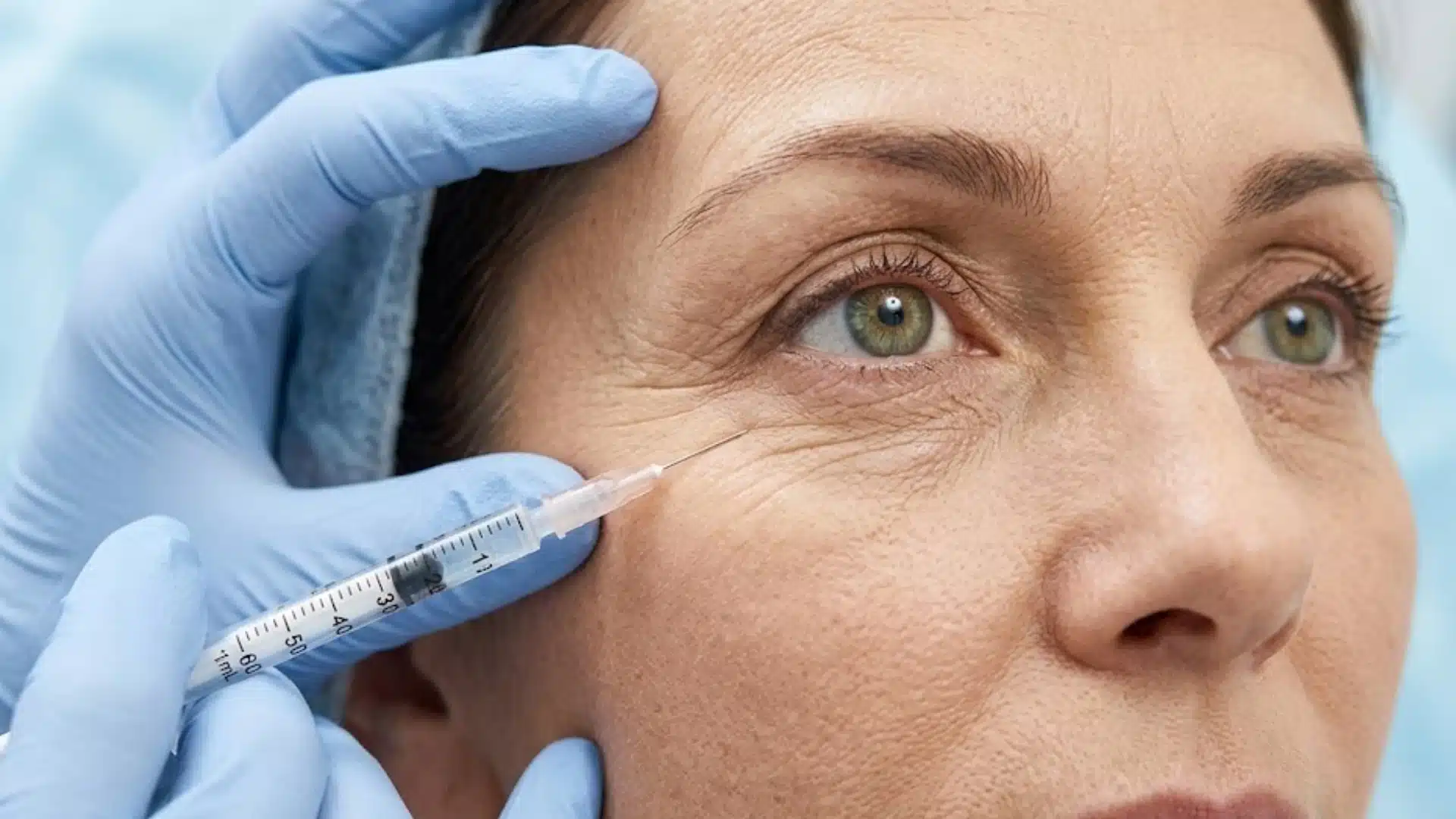
Under-eye wrinkles can be treated in different ways, depending on skin texture, depth, dryness, and the extent of change the area needs.
1. Injectables
Injectables can help soften wrinkles caused by repeated facial movement. These are often used when lines appear from squinting, smiling, or tightening the muscles around the eyes.
A trained provider may use small amounts of Botox or a similar option near the eye area. The goal is not to freeze the face.
It is the relaxation of the movement that makes lines look deeper. Results are temporary, so follow-up treatments are usually needed.
2. Laser Treatments
Laser treatments work by targeting the skin’s surface and deeper layers to support smoother texture.
Some lasers remove damaged outer skin, while others heat the lower layers to support collagen growth. This can help with fine lines, uneven tone, and rough texture around the eyes.
The under-eye area is delicate, so the treatment must be done carefully. Redness, swelling, and downtime can happen, depending on the type of laser used.
3. Microneedling
Microneedling uses tiny needles to create controlled micro-injuries in the skin. This process encourages the skin to repair itself and produce more collagen over time.
It may help soften fine under-eye lines and improve texture. Some providers combine it with radiofrequency for stronger results.
Since the eye area is sensitive, treatment depth matters a lot. It should be done by someone trained to work safely around delicate skin.
4. Chemical Peels
Chemical peels use skin-safe acids to remove dull, damaged surface cells. Light peels may help under-eye wrinkles by improving texture and making fine lines look softer.
They can also help with mild discoloration and dryness-related dullness. Strong peels are usually not used near the eyes unless performed by a skilled provider.
The skin may peel, feel tender, or look red for a few days after treatment.
5. Dermal Fillers
Dermal fillers can help when under-eye wrinkles appear worse due to hollowing or volume loss.
A filler can smooth the transition between the lower eyelid and cheek, making the area look less shadowed. This treatment is not right for every under-eye concern.
Puffiness, loose skin, or poor placement can make results look uneven. That is why choosing an experienced injector matters more than chasing a quick fix.
Disclaimer: The most appropriate treatment depends on the cause of your under-eye wrinkles, your skin type, and your medical history. Consult a board-certified dermatologist or qualified cosmetic professional to determine which treatment is safest and most suitable for your skin.
How to Get Rid of Under-Eye Wrinkles with Skincare?
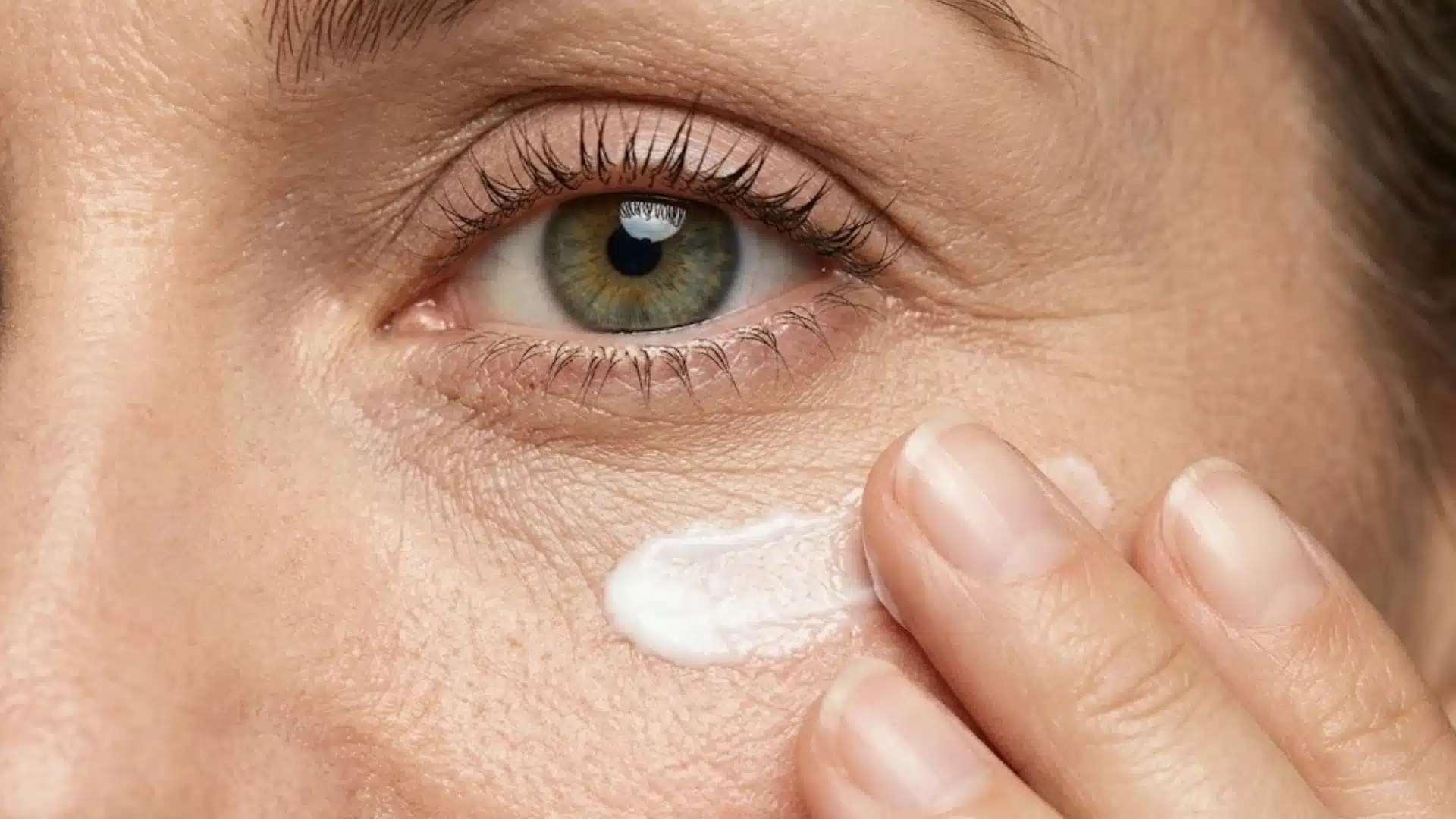
A simple skincare routine can soften dry lines, support firmness, and make the under-eye area look smoother with steady use.
- Sunscreen every morning: UV rays can break down collagen and make under-eye wrinkles look deeper, so daily sunscreen is one of the best steps.
- Moisturizer for dry lines: A gentle moisturizer helps soften the look of fine lines by keeping the thin under-eye skin smooth and comfortable.
- Retinol or retinal at night: These ingredients can support skin renewal and collagen over time. Retinol is well-established for improving skin texture, but it should be introduced slowly around the eye area and applied outside the orbital bone to avoid irritation.
- Hyaluronic acid for plumper skin: Hyaluronic acid pulls water into the skin, which can make dry under-eye lines look less sharp.
- Peptides for skin support: Peptides can help support the skin barrier and firmness, making the under-eye area look steadier with regular use. Copper peptides and Matrixyl 3000 are common options when retinol feels irritating.
- Vitamin C for daytime care: Vitamin C helps protect against daily stress on the skin and can support a brighter, smoother-looking under-eye area.
Daily Habits that Help Under-Eye Lines Look Softer
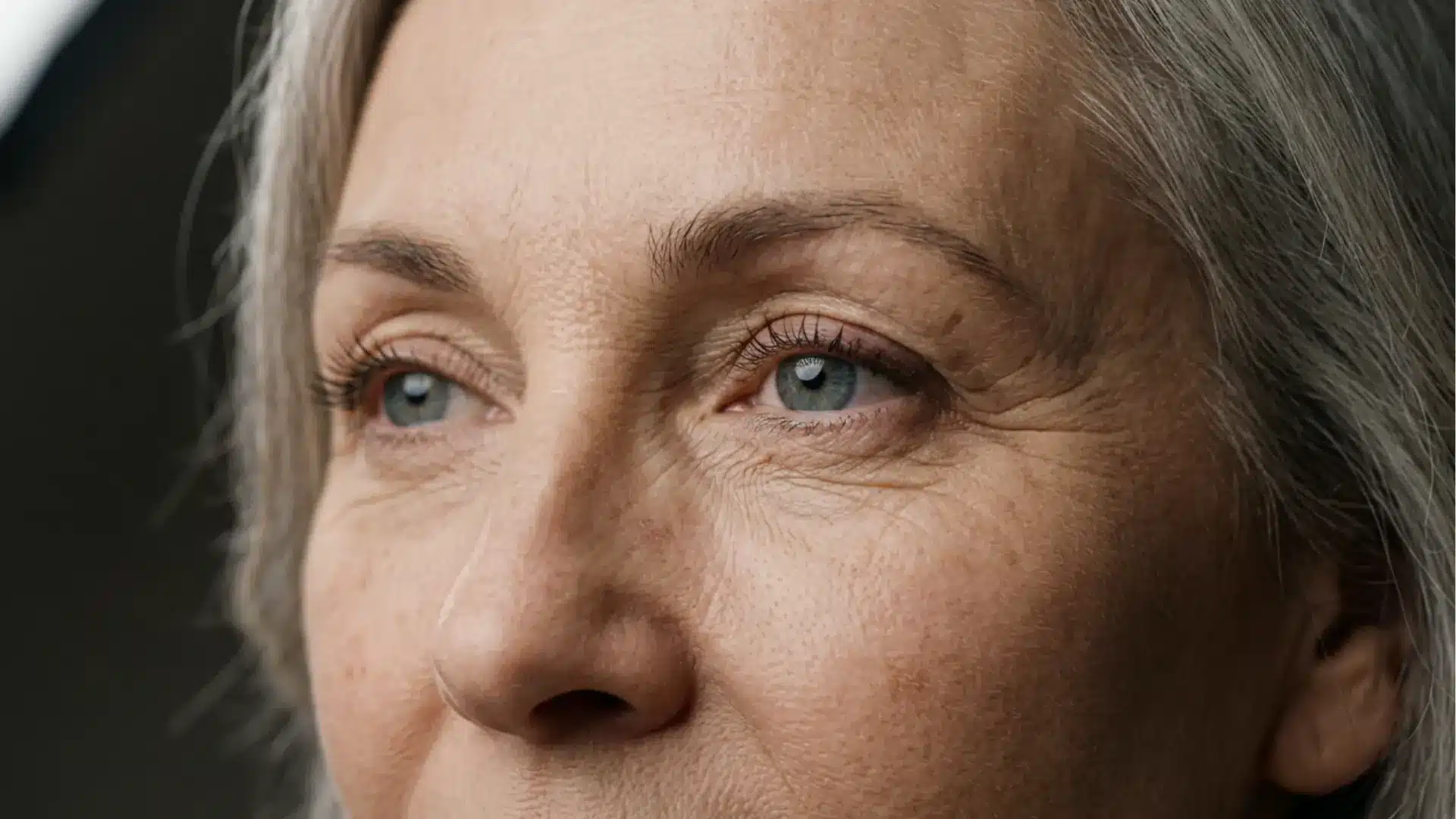
Skincare matters, but daily habits can also affect how the under-eye area looks. Small changes can help keep the skin looking smoother and less tired over time. They are part of the plan. For a broader approach to skin care, read our guide to clear skin.
- Sleep: Getting enough rest gives the skin time to recover and can reduce the tired appearance that often makes fine lines stand out more.
- Hydration: Well-hydrated skin tends to look smoother and more comfortable, while dehydration can make under-eye lines appear more noticeable.
- Less salt and alcohol: Too much salt and alcohol can contribute to puffiness and dryness, which may make the under-eye area look older.
- Sunglasses: Wearing sunglasses helps reduce sun exposure and limits squinting, both of which can contribute to wrinkle formation.
- No harsh rubbing: Pulling or rubbing the eyes can stress delicate skin and make creases more visible over time.
- Gentle makeup removal: Carefully removing makeup helps avoid unnecessary friction and keeps the under-eye area in better condition.
- Managing allergies: If itchy eyes are a frequent problem, treating allergies can help reduce rubbing and irritation around the eyes.
These habits may seem simple, but they support healthier-looking skin every day. When combined with a good skincare routine, they can help keep under-eye lines from becoming more noticeable.
When to See a Dermatologist
Many under-eye concerns can be managed with good skincare and healthy habits, but some situations are worth discussing with a dermatologist.
Deep lines that do not improve with skincare may require professional treatment. Sudden swelling around the eyes should not be ignored, especially if it appears without a clear reason.
Ongoing irritation, redness, burning, or discomfort can also signal that a product or ingredient is not suitable for the skin.
Dark circles combined with puffiness may sometimes be linked to allergies, lifestyle factors, or other underlying issues that need proper evaluation.
People with very sensitive skin may benefit from expert guidance before trying active ingredients.
Pregnancy is another time when professional advice can help, as certain skincare ingredients and treatments may not be recommended during this period.
Mistakes That Make Under-Eye Wrinkles Worse
Small daily habits can make under-eye wrinkles appear deeper over time, especially when the skin barrier is constantly stressed.
- Rubbing the eye area: Scrubbing during makeup removal creates repeated friction on thin skin. Use micellar water or oil cleanser, then wipe gently.
- Using a strong face retinol: Regular face retinol may be too strong under the eyes. Choose eye-specific formulas or apply them outside the orbital bone.
- Skipping separate SPF: Foundation with SPF is usually applied too thinly. Use a separate sunscreen around the eyes for better daily protection.
- Sleeping face-down: Pressing the face into a pillow can create repeated compression lines. Sleeping on the back may reduce this stress.
- Ignoring irritation: Redness, flaking, or stinging can weaken the skin barrier. Stop the product early instead of pushing through discomfort.
Conclusion
Under-eye wrinkles are manageable when you match the approach to the type and depth. Fine lines and dehydration lines need hydration, retinol, and consistent SPF.
Moderate creasing often responds well to a good eye cream combined with one in-office treatment. Deeper structural changes may need a combination of laser, filler, and in some cases a surgical consult.
The people who get the best results are not always the ones who spend the most. They are the ones who start with the basics, stay consistent, and escalate only when the mirror tells them to.
Have you found a routine or treatment that made a visible difference for your under-eye area? Drop it in the comments. Your experience might save someone else months of trial and error.
Frequently Asked Questions
Can Under-Eye Wrinkles Go Away on Their Own?
Dehydration lines can improve with water, rest, and moisturizer. Static wrinkles, set crow’s feet, and deeper lines usually need active treatment.
At What Age Should I Start Treating Under-Eye Wrinkles?
Start prevention in your twenties with SPF and moisturizer. Begin active treatments when fine lines appear, depending on skin type, sun exposure, and genetics.
Does Drinking More Water Actually Reduce Under-Eye Wrinkles?
Water can soften dehydration lines if dryness is the cause. It will not reverse collagen-loss wrinkles because those come from bigger structural changes.