Loose skin can show up for many reasons. Aging, weight loss, pregnancy, sun damage, and natural changes in collagen can all make the skin look softer or less firm than before.
It can happen on the face, neck, arms, stomach, thighs, or other areas, and the right fix is not the same for everyone.
A skin-tightening procedure may help improve firmness, shape, and overall skin texture, but the best choice depends on your skin quality, budget, comfort level, and how much downtime you can handle.
Ahead, you will learn about non-surgical and surgical options, how well they usually work, who may be a good fit, what recovery can look like, and how to choose a treatment that makes sense for your body and your goals.
What is a Skin Tightening Procedure?
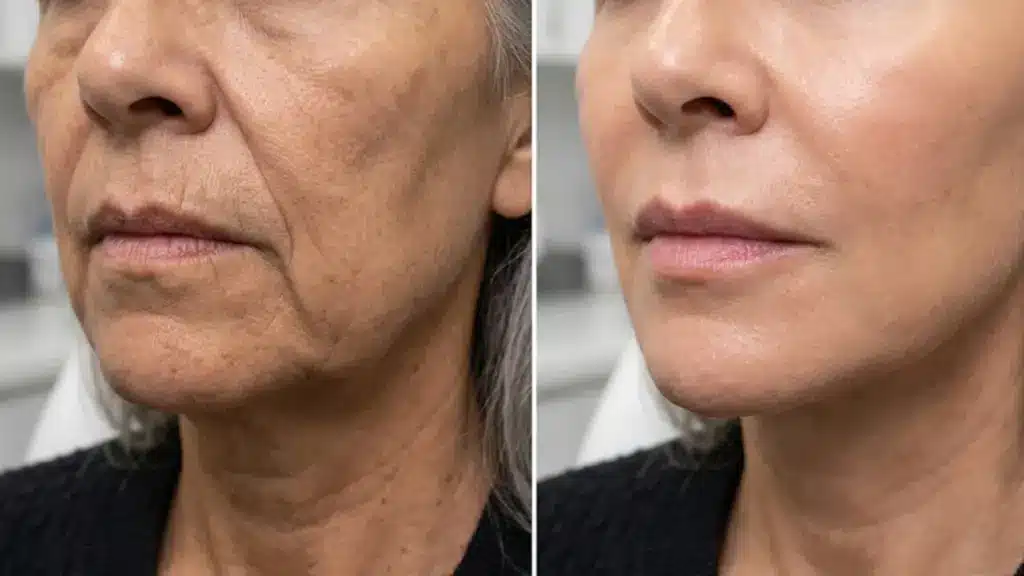
A skin-tightening treatment is any method used to make loose or soft skin look firmer.
It can be done with energy-based devices, small in-office treatments, or surgery, depending on how much loose skin is present.
Collagen and elastin matter because they help skin stay firm, smooth, and flexible. As these proteins weaken with age, weight changes, sun exposure, or pregnancy, the skin may not bounce back as well.
Firming skin is not the same as removing extra skin. Non-surgical treatments usually aim to support collagen and improve mild looseness.
Surgery can cut away excess skin when it hangs or folds. Results vary because every person has different skin thickness, age, healing speed, lifestyle, and treatment goals.
Non-Surgical Skin Tightening Options
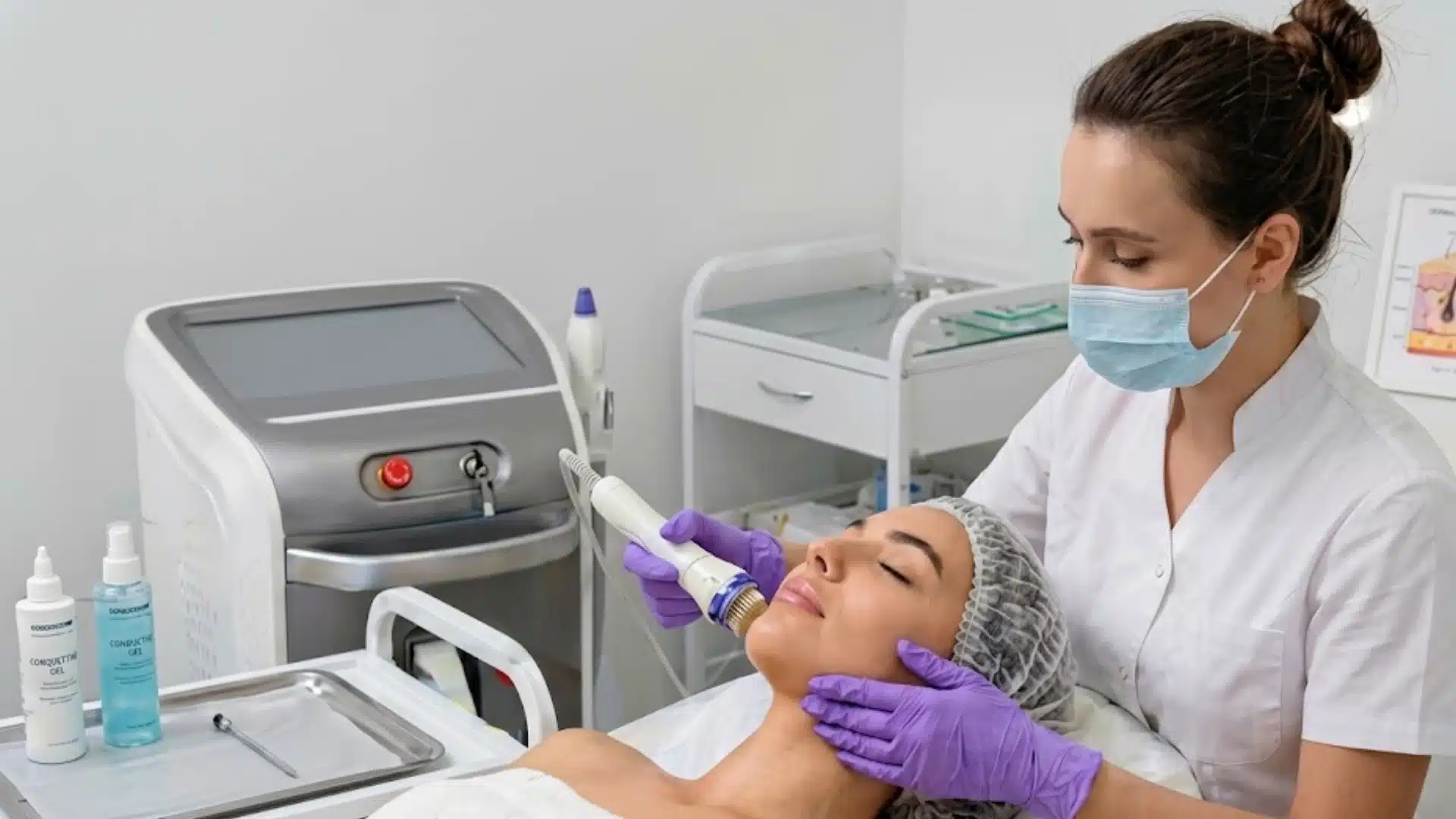
Not everyone needs surgery to improve loose skin. Several non-surgical treatments can help support collagen production, improve firmness, and create a smoother appearance with little to no downtime.
1. Ultrasound Treatments
Ultrasound treatments use focused sound waves to heat deeper layers of the skin without damaging the surface. This controlled heat encourages the body to produce more collagen over time.
These treatments are often used on the face, neck, jawline, and chest. Results develop gradually over several weeks or months as new collagen forms.
Ultrasound treatments are usually best for mild to moderate skin looseness and appeal to people who want little downtime.
2. Radiofrequency Treatments
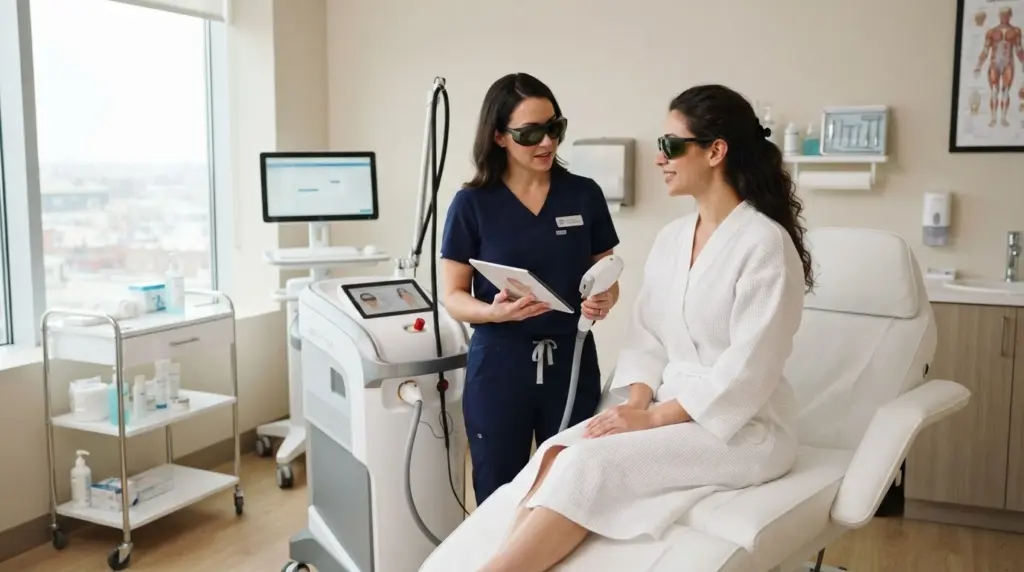
Radiofrequency treatments use heat energy to warm the deeper layers of the skin. The heat triggers collagen production and can help improve skin firmness over time.
These treatments are commonly used on the face, neck, stomach, arms, and thighs. Most sessions are relatively comfortable and require little recovery.
While results are not immediate, many people notice gradual improvements in skin texture and tightness after a series of treatments.
3. RF Microneedling
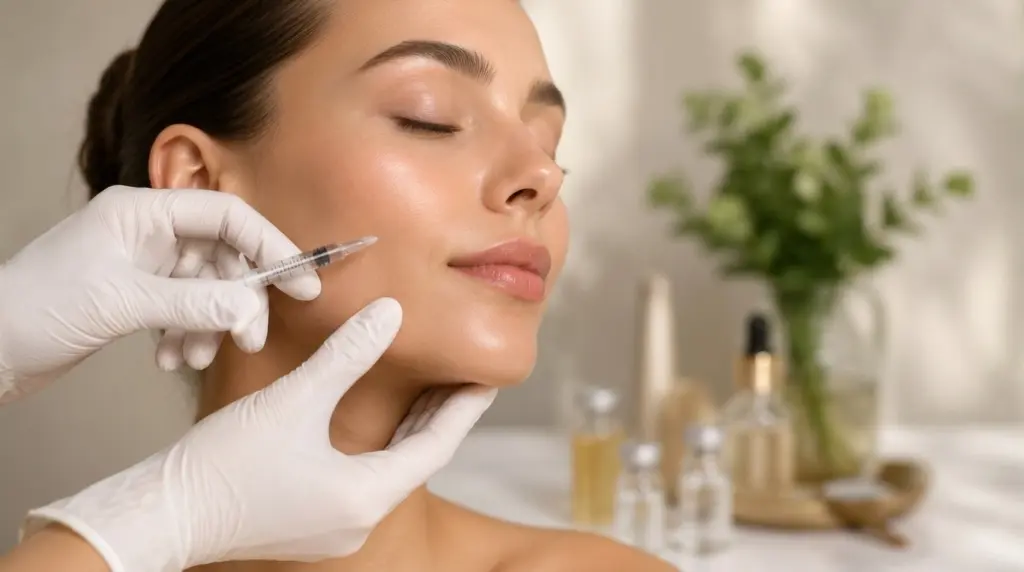
RF microneedling combines tiny needles with radiofrequency energy. The needles create small channels in the skin while the heat reaches deeper layers to support collagen remodeling.
This approach can help improve skin firmness, texture, fine lines, and certain scars at the same time.
Mild redness and swelling are common for a few days after treatment. Results often improve gradually as the skin heals and produces new collagen.
4. Laser Tightening
Laser tightening uses light energy to heat the skin and stimulate collagen production. Different laser systems target different skin concerns, but many are designed to improve firmness while also addressing uneven texture.
These treatments are often used on the face, neck, and body.
Recovery varies depending on the laser type, though many options involve only mild redness or swelling. Results usually appear gradually as collagen levels increase.
If you’ve already read about laser stretch mark removal, you’ll find the post-treatment care guidelines fairly similar.
5. Chemical Peels
Chemical peels use special solutions to remove damaged outer layers of skin and encourage new skin growth.
While they are not designed to tighten loose skin in the same way as ultrasound or radiofrequency treatments, they can improve skin texture, tone, and overall appearance.
Deeper peels may also support some collagen renewal. Recovery depends on the strength of the peel and can range from a few days of flaking to several weeks of healing.
6. Laser Resurfacing
Laser resurfacing removes damaged skin cells while stimulating collagen production beneath the surface. It is commonly used to improve wrinkles, sun damage, uneven texture, and mild skin laxity.
Depending on the treatment depth, recovery can range from a few days to a few weeks.
As the skin heals, many people notice a smoother, firmer-looking texture. Results often continue to improve for several months after treatment.
How Effective are Skin Tightening Treatments?
Skin-tightening results depend on how loose the skin is, where it appears, and how well the skin can still respond to collagen repair.
Some people only need a soft firming effect, while others may need a treatment that changes the skin more directly.
- Mild looseness: Non-surgical treatments may be enough when the skin still has good bounce. These options can help the skin look firmer and smoother without a long recovery.
- Moderate looseness: Device-based treatments can help, but the results are usually slower and more subtle. More than one session may be needed.
- Severe loose skin: Surgery usually provides the most dramatic change because it can remove excess skin rather than just firm it.
Collagen-based treatments do not work right away. The skin needs time to heal, rebuild, and tighten from within. This is why full results can take weeks or months, even when the treatment is working well.
Who is a Good Candidate for Non-Surgical Treatments?
Non-surgical skin tightening works best for people with mild to moderate skin laxity. If your skin still has some elasticity (it bounces back after a gentle pinch), there’s usually enough collagen-producing capacity for these treatments to make a real difference.
Good candidates typically:
- Have early to moderate signs of sagging on the face, neck, arms, or stomach
- Want little to no downtime and prefer to avoid surgery
- Have realistic expectations for gradual improvement over weeks or months
- Are in good general health with no active skin infections in the treatment area
These treatments are generally not performed on people who are pregnant or have certain medical conditions that affect healing. A provider will assess your specific situation before recommending a device or protocol.
Surgical Skin Tightening Procedure Options
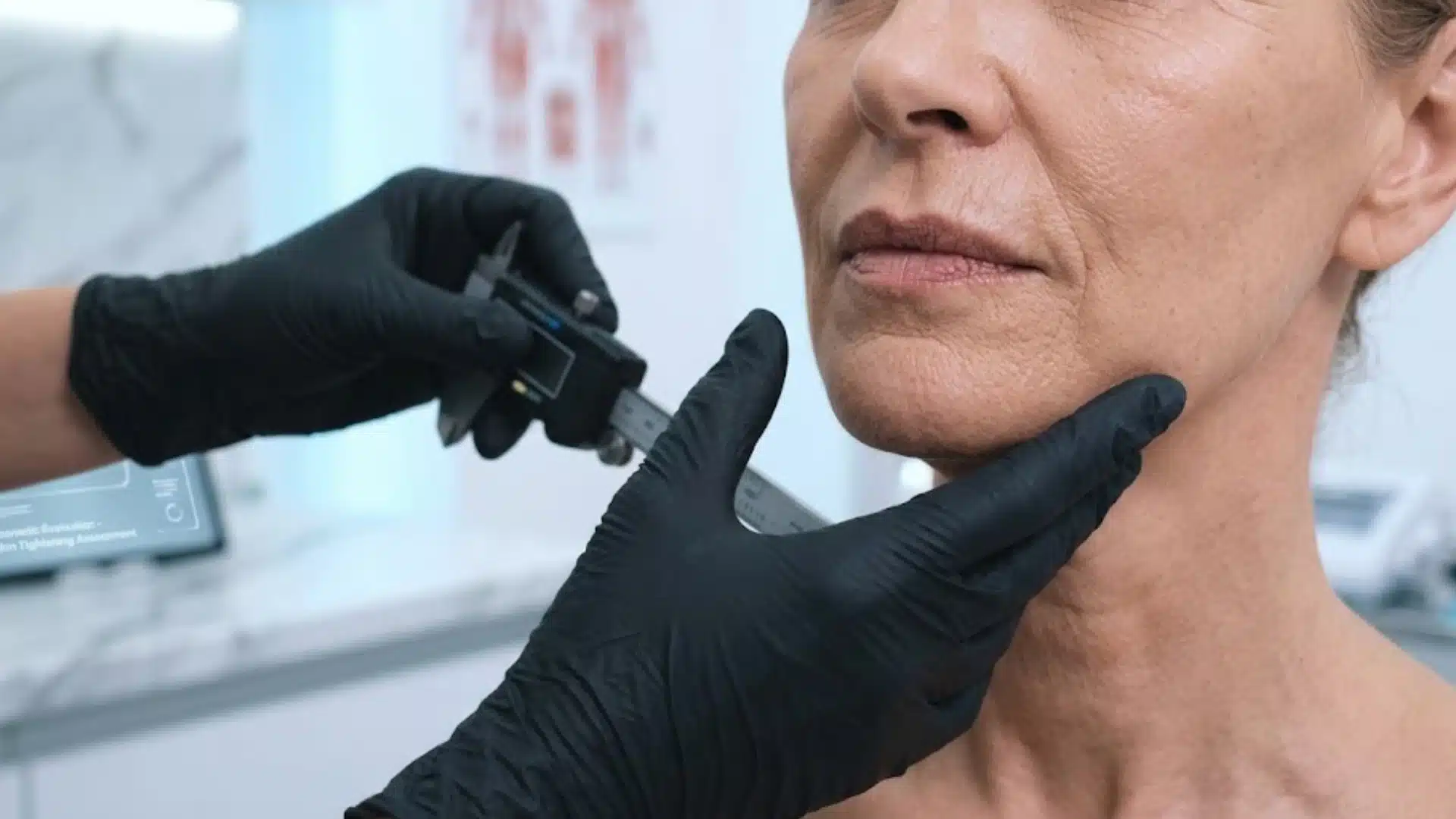
Surgery may be a better choice when loose skin is more noticeable, hangs in folds, or cannot improve enough with device-based treatments.
1. Facelift
A facelift is used to tighten loose skin on the lower face, jawline, and sometimes the mid-face. It can help with sagging cheeks, jowls, and deeper folds around the mouth.
During the procedure, excess skin is removed, and underlying tissue may be lifted to achieve a smoother shape.
Recovery often takes a few weeks, with swelling and bruising expected at first. Results are usually more visible than those of non-surgical treatments.
2. Neck Lift
A neck lift targets loose skin, banding, and extra fullness around the neck and under the chin. It can help create a cleaner jawline and a firmer neck shape.
The procedure may involve removing extra skin, tightening neck muscles, or reducing fat in the area.
Recovery can include swelling, tightness, and bruising for a short time. It is often chosen when creams or devices cannot sufficiently reduce neck laxity.
3. Arm Lift
An arm lift, also called brachioplasty, removes loose skin from the upper arms. It is often chosen after major weight loss or aging, when the skin hangs from the underside of the arms.
The surgeon removes extra skin and may reshape the arm for a firmer look.
Recovery usually involves swelling, soreness, and limited arm movement for some time. Scarring is possible, but the trade-off may be worth it for heavier loose skin.
4. Tummy Tuck
A tummy tuck removes loose skin from the stomach area and can also tighten weakened abdominal muscles. It is often chosen after pregnancy, weight loss, or major body changes.
This option can help when the skin folds, hangs, or does not respond to workouts or non-surgical treatments.
Recovery is longer than with most other skin-tightening options. Swelling, soreness, and limited movement are common during the first few weeks.
5. Body Lift
A body lift is a more extensive surgery used to remove loose skin from areas such as the abdomen, hips, thighs, buttocks, or lower back.
It is often considered after major weight loss, when loose skin appears in several areas at once. The goal is to improve body shape by removing extra skin and lifting the tissue.
Recovery can take several weeks and may feel more intense than smaller procedures. Results can be very noticeable when done for the right candidate.
Non-Surgical vs Surgical: How to Decide
The choice between non-surgical and surgical skin tightening usually comes down to three things: how much laxity is present, how much downtime you can realistically manage, and what kind of results you’re expecting.
| Factor | Non-surgical | Surgical |
|---|---|---|
| Laxity level | Mild to moderate | Moderate to severe |
| Downtime | Hours to a few days | 2 to 6 weeks |
| Results timeline | Gradual, 3 to 6 months | More immediate, visible in weeks |
| Longevity | 6 to 18 months, maintenance needed | Several years |
| Risk level | Low, rare side effects | Higher, including surgical risks |
| Cost | Lower per session, adds up with repeat | Higher upfront |
| Scarring | None | Possible, varies by procedure |
Some people start with non-surgical treatments in their 30s or early 40s to slow progression, then consider surgery later if laxity becomes more significant.
Others, especially after major weight loss or pregnancy, find that surgery is the only approach that will give them the change they want. Neither path is wrong. They just serve different situations.
What to Expect After Skin Tightening Treatment?
Recovery depends on the type of treatment, skin sensitivity, and the depth of the treatment. Good aftercare helps calm the skin and protect results.
- Downtime level: Some non-surgical treatments have no real downtime, while others may need a few quiet days for the skin to settle.
- Common side effects: Redness, swelling, tenderness, and mild bruising can happen after many treatments, especially those that use heat or needles.
- Surgical recovery: Surgery usually requires a longer healing period, with more swelling and soreness, and limited movement during the first few weeks.
- Sun protection: Treated skin can be more sensitive to sunlight, so daily sunscreen and shade are important while the skin heals.
- Gentle skincare: Simple cleansers, light moisturizers, and calm routines are best. Harsh scrubs, strong acids, and retinoids should usually be paused until the provider says they are safe.
How to Choose the Right Skin Tightening Treatment?
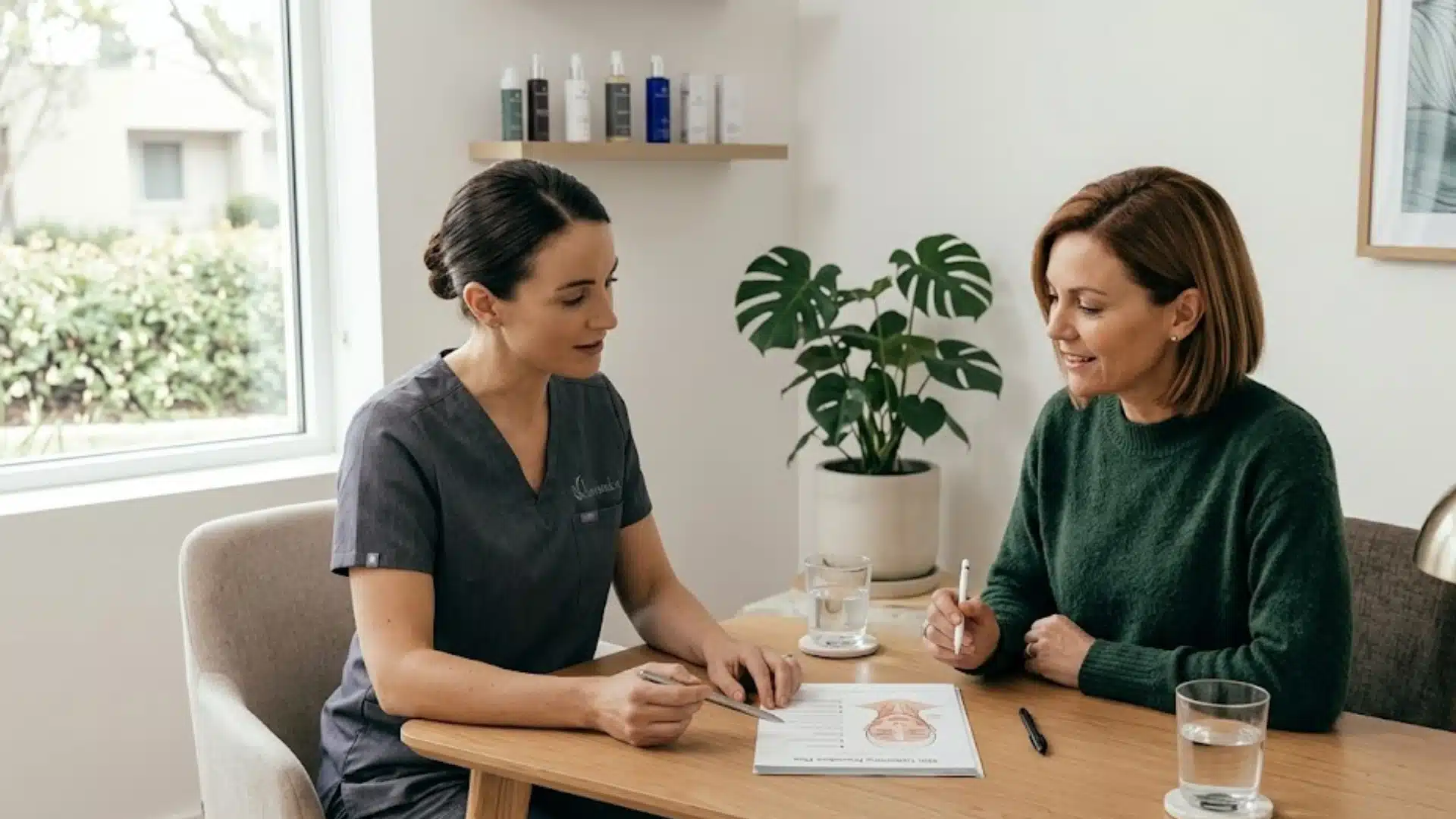
The right choice depends on the treatment area, skin condition, comfort level, recovery time, budget, and the expected level of change.
- Area being treated: Smaller areas like the face, jawline, and neck may respond well to device-based treatments. Larger areas like the stomach, arms, or thighs may need stronger options.
- Amount of loose skin: Mild looseness may improve with non-surgical treatments. Moderate looseness may require repeated sessions, while severe loose skin often requires surgery.
- Budget: Non-surgical treatments may cost less per visit, but several sessions can add up. Surgery usually costs more upfront.
- Pain tolerance: Some treatments feel warm or slightly prickly. Others, especially surgery, can involve more discomfort during healing.
- Downtime: Many non-surgical options need little rest. Surgery can require weeks of recovery and limits on daily movement.
- Risk level: Every treatment has some risk, including swelling, bruising, burns, scars, or uneven results. A trained provider can lower these risks.
- Long-term expectations: Non-surgical results are usually gradual and subtle. Surgery often gives a bigger change and may last longer.
Conclusion
Skin tightening treatments can help improve loose or softer skin, but the best choice depends on how much change is needed.
Non-surgical options are often better for mild looseness, small areas, and anyone who wants less downtime. These treatments can support collagen production and gradually improve firmness.
Surgical options are usually better when loose skin is more visible, heavy, or hanging in folds.
A skin-tightening procedure should always be chosen with your skin type, budget, recovery time, and long-term goals in mind.
The safest step is to speak with a qualified dermatologist or plastic surgeon before booking anything, especially if surgery or deeper treatments are being considered.
Which treatment would you feel most comfortable trying first? Share your thoughts in the comments and tell us what you want to know next.
Frequently Asked Questions
Can Skin Tightening Treatments Be Combined with Other Cosmetic Treatments?
Yes, some treatments can be combined with fillers, Botox, resurfacing, or skincare plans. The right mix depends on the concern, treatment area, and timing. A provider may suggest spacing treatments apart so the skin can heal well.
What Age is Best for Skin Tightening Treatments?
There is no fixed age. Some people start in their 30s for early firmness concerns, while others consider it later after weight changes, pregnancy, or visible aging. Skin condition matters more than age alone.
Are At-Home Skin Tightening Devices Worth Trying?
At-home devices may provide mild improvement with regular use, but they are usually less effective than in-office treatments. They may help with maintenance, not major loose skin. Follow the directions carefully to avoid irritation or burns.