I still cringe thinking about the winter I “cleaned up” my own brows with the wrong tool and spent the next two months hiding under a heavy fringe.
Accidentally shaved off part of your eyebrow or wondering if your brows will ever look the same after a bad waxing appointment?
If you’re asking how long eyebrows take to grow back, the good news is that eyebrow hair usually grows back, but the timeline depends on what caused the hair loss.
Shaving, plucking, waxing, and certain medical conditions can all affect how quickly your brows return.
In this blog, you’ll learn the typical eyebrow regrowth timeline, what affects it, and what you can realistically expect based on your own situation.
How Long Do Eyebrows Take to Grow Back?
The time it takes for eyebrows to grow back depends on the cause of the hair loss.
Shaved or threaded eyebrows typically become fuller within 4-8 weeks, while waxed brows often take 6-8 weeks.
If you’ve over-plucked your eyebrows, regrowth may take 2-6 months, depending on whether the hair follicles are healthy.
Eyebrows affected by a minor injury usually recover within 24 months. However, if hair loss is caused by a medical condition, regrowth can take several months or longer and may require treatment.
Consistency in care and avoiding excessive grooming can also support healthier regrowth over time, along with proper nutrition and hydration.
Understanding the Eyebrow Hair Growth Cycle
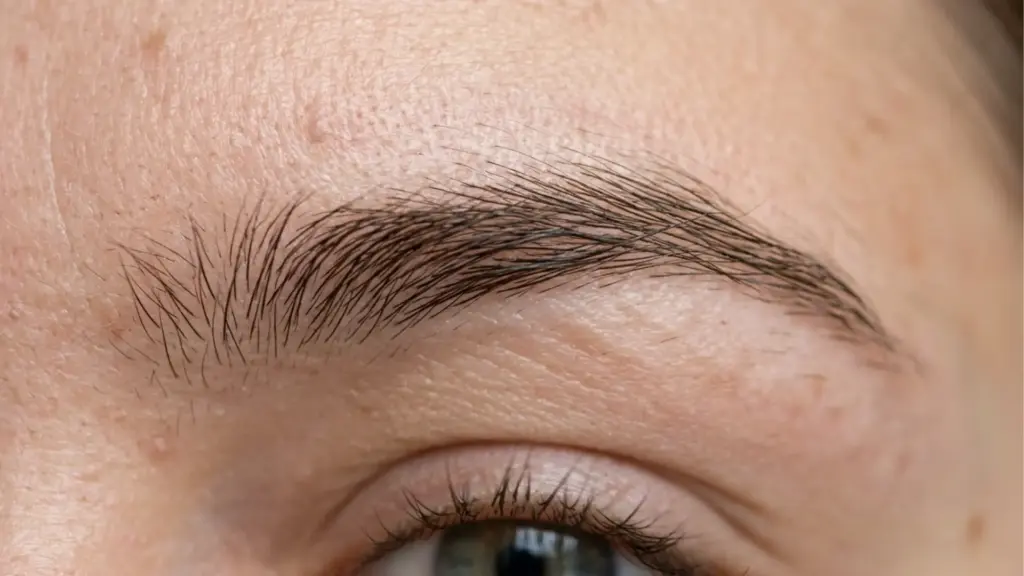
Eyebrow hair grows in a natural cycle, just like the hair on your scalp. Knowing how this cycle works can help you understand why eyebrow regrowth takes time and why some hairs grow back sooner than others.
- Anagen (Growing Phase): This is the active growth stage, during which new eyebrow hairs develop from the hair follicles. It usually lasts a few weeks.
- Catagen (Transition Phase): Hair growth slows down, and the follicle begins preparing for the resting stage.
- Telogen (Resting & Shedding Phase): The hair rests before naturally falling out, making room for a new hair to grow.
Because eyebrow hairs spend much less time in the growing phase than scalp hair, they stay naturally shorter and take longer to fully grow back after hair loss.
Eyebrow Regrowth Timeline Week by Week
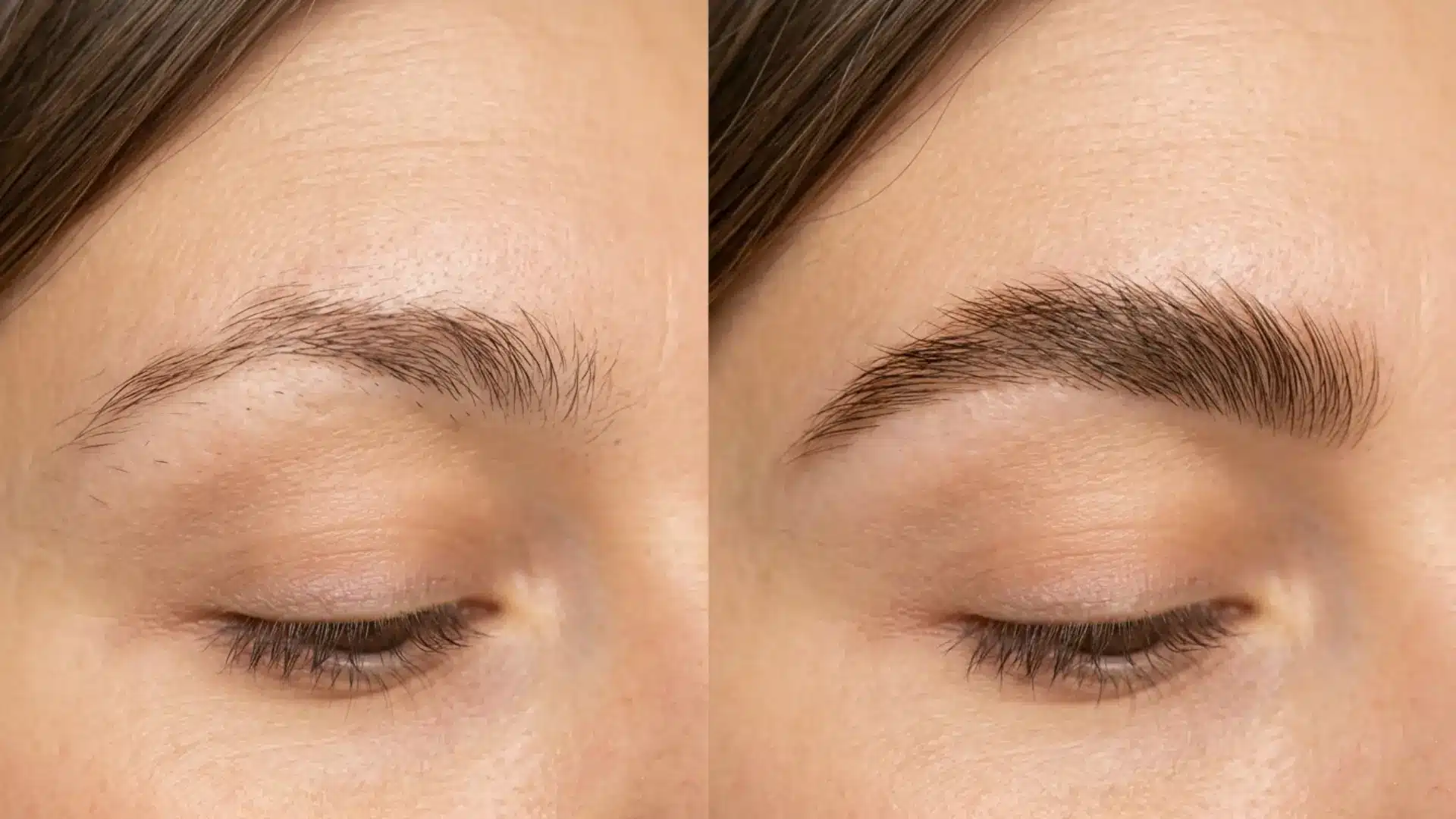
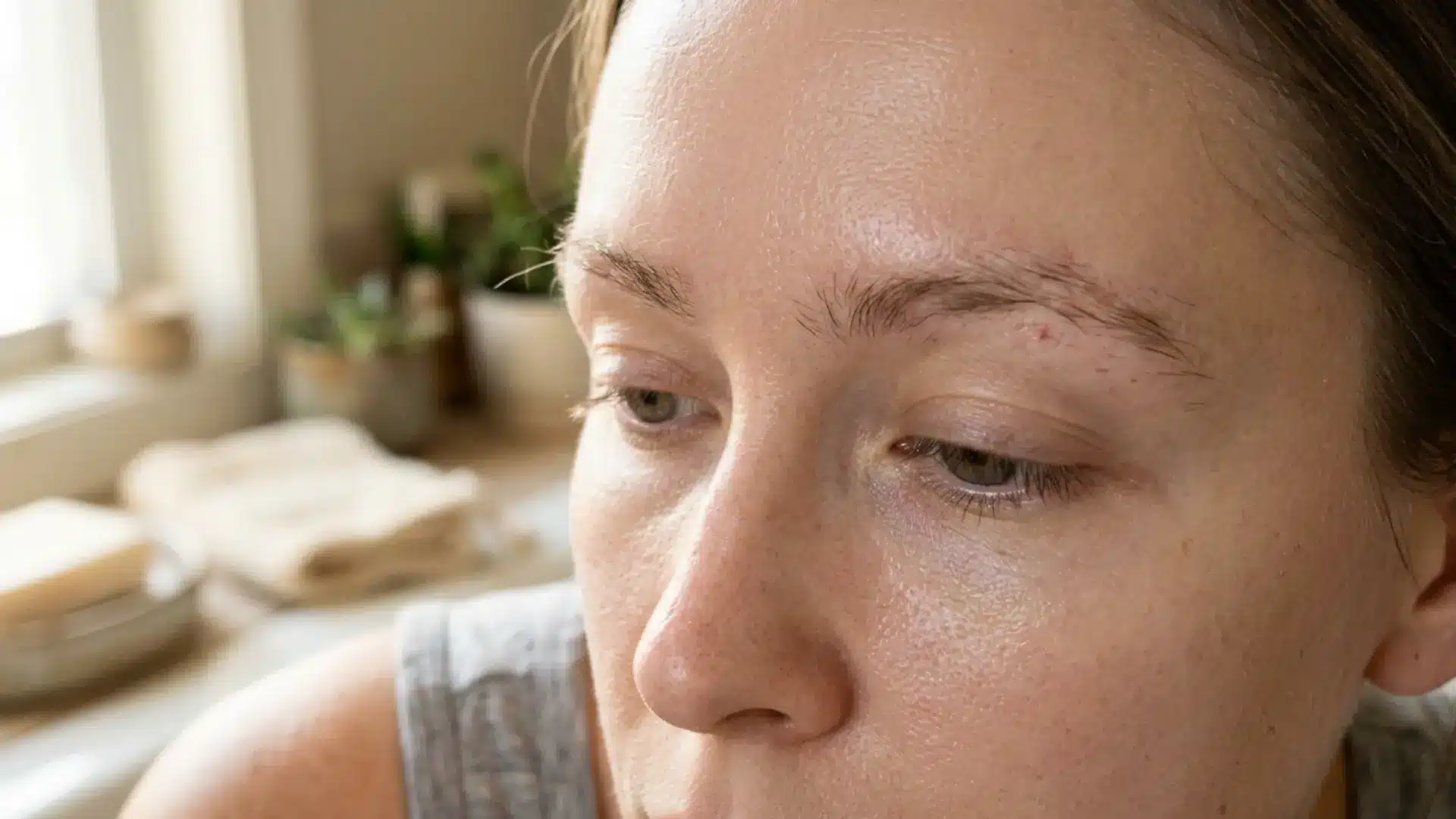
Eyebrow regrowth does not happen overnight. The process moves in slow, visible stages depending on hair cycle, follicle health, and grooming habits.
1. Week 1-2: Early Recovery Phase
During the first two weeks, eyebrow regrowth is usually not clearly visible. The hair follicles are still in a resting or early growth stage, so the skin may look the same as before.
In some cases, tiny fine hairs may begin to appear, but they are very light and easy to miss. The brows can still look patchy, especially if over-plucking or waxing caused damage.
This stage is mostly about healing beneath the surface. Keeping the area clean and avoiding further hair removal helps support healthy regrowth.
2. Week 3-4: Noticeable Fuzz Appears
By weeks three and four, small fine hairs start becoming more visible. This is often the first stage where regrowth can be noticed in the mirror.
The hairs may look uneven or soft, and they do not yet follow a defined brow shape. Some areas may grow faster than others, creating a slightly patchy appearance. This is completely normal.
At this stage, it is important to avoid tweezing or shaping too early, as the brows are still filling in and need time to develop density.
3. Week 5-8: Visible Filling Phase
Between five and eight weeks, eyebrow regrowth becomes more noticeable and fuller. Many people see a clearer shape forming during this stage.
The hairs start to thicken and darken, making the brows look more balanced. However, growth may still be uneven, with some areas remaining sparse.
This phase depends heavily on genetics and past grooming habits. Healthy hair follicles will respond faster, while previously over-plucked areas may still look thin.
4. Months 2–6: Full Regrowth Development
From two to six months, eyebrows continue to fill in and regain their natural shape. This is when most of the final results become visible.
Hair thickness improves, and sparse gaps often reduce significantly. However, if follicles were damaged or there is an underlying health issue, regrowth may be slower or incomplete.
At this stage, brows usually look much closer to their original density.
Real User Experiences on Eyebrow Regrowth
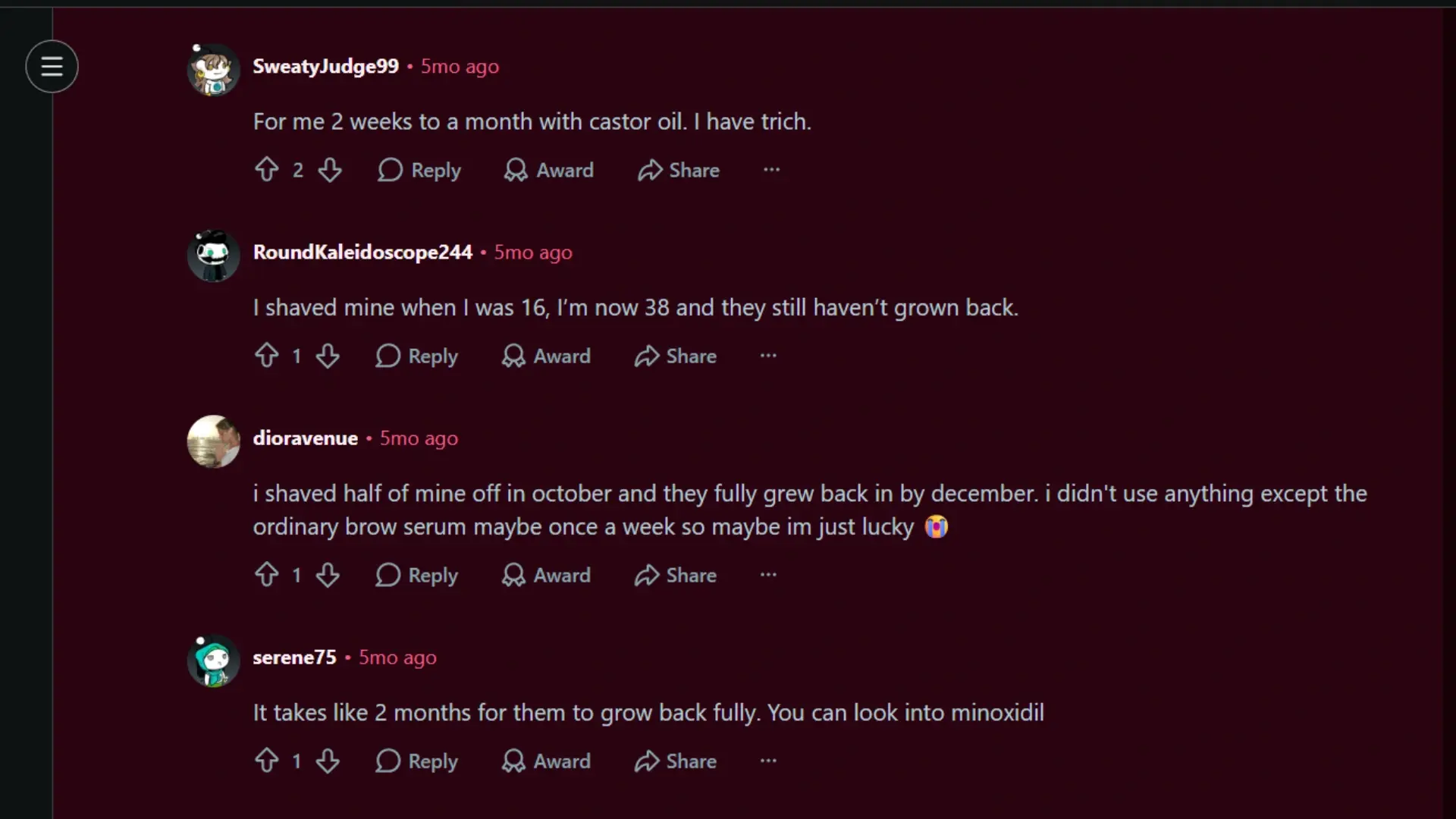
The Reddit discussion shows that eyebrow regrowth varies widely from person to person.
Some users say they noticed new growth within 2 weeks to 2 months, while others report that a partially shaved eyebrow grew back completely in about 2 months with minimal use of a brow serum.
Others mention using products such as castor oil or minoxidil, although experiences vary.
One commenter reports little or no regrowth even after many years, highlighting that factors such as hair follicle health and individual biology can greatly affect how long eyebrows take to grow back.
Why Your Eyebrows Might Be Growing Back Slowly?
If your eyebrows seem to be taking longer than expected to grow back, several factors could be affecting the process. Here are some of the most common reasons for slow eyebrow regrowth.
- Years of Over-Plucking: Repeatedly plucking the same hairs over a long period can weaken or damage the hair follicles, making new hairs grow back more slowly or, in some cases, not at all.
- Age: Hair growth naturally slows as you get older. Eyebrow follicles may produce thinner hairs and take longer to complete each growth cycle.
- Nutrient Deficiencies: Low levels of iron, zinc, protein, vitamin D, or biotin (if you’re deficient) can affect healthy hair growth and slow eyebrow regrowth.
- Stress: Physical or emotional stress can push hair follicles into a resting phase, leading to increased shedding and delayed new growth.
- Hormonal Changes: Hormonal shifts caused by pregnancy, menopause, or thyroid problems can affect the speed and thickness of eyebrow regrowth.
- Skin Conditions: Conditions such as eczema, psoriasis, and seborrheic dermatitis can irritate the skin around the eyebrows and interfere with healthy hair growth.
- Certain Medical Conditions: Health issues such as thyroid disorders and alopecia areata can lead to eyebrow thinning or patchy hair loss that may require medical treatment.
If your eyebrows are growing back slowly, don’t panic. Most cases improve with time, proper nutrition, and gentle care.
A quick note: this section touches on medical causes of hair loss for general information only. It isn’t a substitute for a diagnosis, so see a licensed doctor or dermatologist if you’re concerned.
Does Hair Grow Back Faster After Shaving Your Eyebrows?
No, shaving your eyebrows does not make them grow back faster, thicker, or darker.
Shaving only cuts the hair at the skin’s surface and does not affect the hair follicle underneath, where growth actually happens.
As the hair grows back, it may feel slightly rougher or appear thicker because the cut end is blunt, but the hair itself has not changed.
Your eyebrows will continue growing at their normal rate, following their natural hair growth cycle.
Regrowth speed stays linked to genetics, hormones, and overall health. Good skincare and proper nutrition can support healthier growth, but shaving itself does not influence the follicle or change the growth pattern.
Can Over-Plucked Eyebrows Grow Back?
Yes, over-plucked eyebrows can often grow back, but the timeline depends on how long and how often you’ve been plucking them.
If you’ve only been over-plucking for a few months, most hairs usually return within a few months once you stop tweezing.
However, if you’ve been removing the same hairs for years, the follicles may become damaged, slowing and reducing the completeness of regrowth. In some cases, certain hairs may never return.
The best approach is to stop plucking, avoid irritating the area, and give your eyebrows several months to recover naturally before considering other treatments.
If regrowth genuinely stalls after a few months, semi-permanent options like microblading or eyebrow tattooing are worth researching, since they can restore shape without waiting on follicles that may no longer respond.
What Can Help Eyebrows Grow Back?
While you can’t dramatically speed up eyebrow growth, a few healthy habits can support stronger, healthier regrowth and help protect your hair follicles.
- Eat Enough Protein: Hair is made of protein, so eating enough protein supports healthy hair growth.
- Correct Nutritional Deficiencies: If you’re low in iron, zinc, vitamin D, or other key nutrients, treating the deficiency may improve regrowth.
- Keep the Skin Healthy: Moisturize the skin around your eyebrows and avoid harsh products that can cause irritation.
- Use Brow Serums Carefully: Some eyebrow serums containing peptides or prostaglandin-based ingredients may help some people appear the have fuller brows.
- Be Patient: Eyebrow hair grows slowly, so noticeable improvement often takes several weeks to a few months.
Healthy eyebrows take time to return. Consistent care and patience usually give the best results, especially if your hair follicles are still healthy.
Things That Won’t Make Eyebrows Grow Faster
Eyebrow regrowth is governed by the hair follicle cycle and cannot be sped up by common grooming myths or quick fixes. Many people try different tricks, expecting faster results, but most only affect the appearance of the brows, not the actual growth rate.
| Factors | Why It Doesn’t Work |
|---|---|
| Shaving eyebrow hair | Only cuts hair at the surface, follicle remains unchanged |
| Frequent plucking or waxing | Removes hair but does not improve growth speed |
| Brushing brows repeatedly | Improves shape, not follicle activity |
| Applying random oils or DIY mixtures | No proven effect on the growth cycle |
| Using makeup or brow pencils | Only creates visual fullness, not real regrowth |
| Over-massaging the area | May improve circulation slightly, but does not speed growth |
When Should You See a Doctor
Most eyebrows grow back with time, but some situations may need medical attention. It’s a good idea to see a healthcare professional if you notice any of the following:
- Sudden eyebrow hair loss without an obvious reason.
- Patchy bald spots that continue to spread.
- Hair loss with fatigue, weight changes, or other symptoms that could suggest a thyroid or hormonal problem.
- Redness, itching, pain, or scarring around the eyebrows.
- Little or no regrowth after 6–12 months, even after stopping plucking or waxing.
Getting an early diagnosis can help identify any underlying condition and improve your chances of restoring healthy eyebrow growth.
Conclusion
If you’re wondering how long eyebrows take to grow back, the answer depends on what caused the hair loss.
Most people notice new growth within a few weeks, while fuller eyebrows often return over the following months.
Since eyebrow hair grows more slowly than scalp hair, patience is an important part of the process. If your eyebrows were shaved or only lightly over-plucked, they will usually grow back on their own with time.
However, if you’ve seen little or no regrowth after six months, or your eyebrow loss happened suddenly without an obvious cause, it’s a good idea to speak with a healthcare professional.
Have you been through an eyebrow regrowth journey? Share your experience in the comments; your timeline and tips could help others wondering how long it takes for eyebrows to grow back.
Frequently Asked Questions
Can Eyebrows Grow Back After Years of Plucking?
Sometimes. Mild follicle damage may recover over several months, while long-term over-plucking can permanently reduce growth.
Why is One Eyebrow Growing Back Faster than the Other?
Each hair follicle follows its own growth cycle, so uneven regrowth is completely normal.
How Can I Make My Eyebrows Grow Back Naturally?
Avoid plucking, eat a balanced diet with enough protein and iron, care for the skin beneath your brows, and give the follicles time to complete their natural growth cycle.