
I had a client on my old swim team who scrubbed her face twice a day, convinced that harder work meant faster results. Her blackheads didn’t budge; if anything, her skin got angrier.
That’s usually the moment I explain that blackheads aren’t caused by dirt, so no amount of cleansing or scrubbing will clear them from the outside. These stubborn clogged pores form when oil and dead skin cells build up inside pores.
Salicylic acid has become a popular solution for blackheads because this oil-soluble BHA can exfoliate inside pores and help clear congestion.
However, results depend on using the right concentration, product type, and routine. While it can reduce existing blackheads and help prevent new buildup, it does not permanently stop pores from becoming clogged.
What Causes Blackheads and Why Salicylic Acid Helps
Blackheads form when excess oil, dead skin cells, and impurities collect inside pores, creating a plug that darkens when exposed to air.
However, not every tiny dark spot is a blackhead; sebaceous filaments are natural pore structures that help move oil to the skin’s surface and often return after removal. Regular face washing may remove surface dirt but cannot deeply clear pore buildup.
Physical scrubs and pore strips only work on the surface. Salicylic acid gets inside the pore itself, gently exfoliating dead skin buildup and helping loosen trapped oil, which improves the look of congested skin over time.
How Salicylic Acid Works on Blackheads

Salicylic acid targets blackheads at their source by working inside clogged pores. Its ability to penetrate oil, remove buildup, and support clearer-looking skin makes it a popular choice for managing pore congestion.
1. Penetrates Oil-Filled Pores
Salicylic acid is an oil-soluble BHA that can travel through excess sebum, unplugging blocked pores as it reaches the deeper areas where blackheads develop.
Once inside the pore, it helps loosen the mixture of oil and dead skin cells responsible for blockages. Before use, pores may contain hardened debris; with consistent application, this buildup becomes easier to clear.
2. Breaks Down Dead Skin Cell Buildup
Dead skin cells can combine with oil to create stubborn pore plugs that lead to blackheads. Salicylic acid works as a chemical exfoliant by dissolving the bonds between these cells and helping remove trapped buildup.
Unlike rough physical scrubs, it exfoliates gently while improving skin texture and helping pores stay clearer over time.
3. Helps Reduce Future Congestion
Regular use of salicylic acid helps keep pores cleaner by reducing the buildup of oil and dead skin cells that contribute to blackheads.
It supports smoother skin and helps manage recurring congestion. However, it does not permanently stop blackheads because pores naturally continue to produce oil and shed skin cells.
4. Improves Skin Texture Over Time
By reducing pore buildup and supporting gentle exfoliation, salicylic acid can help improve uneven texture caused by congestion.
With consistent use, areas prone to blackheads may appear smoother and stay clearer over time without relying on aggressive extraction methods
Using salicylic acid consistently can improve the look of blackheads by addressing pore buildup from within. Choosing the right strength and routine helps maintain smoother skin without unnecessary irritation.
Choosing the Right Salicylic Acid Product for You
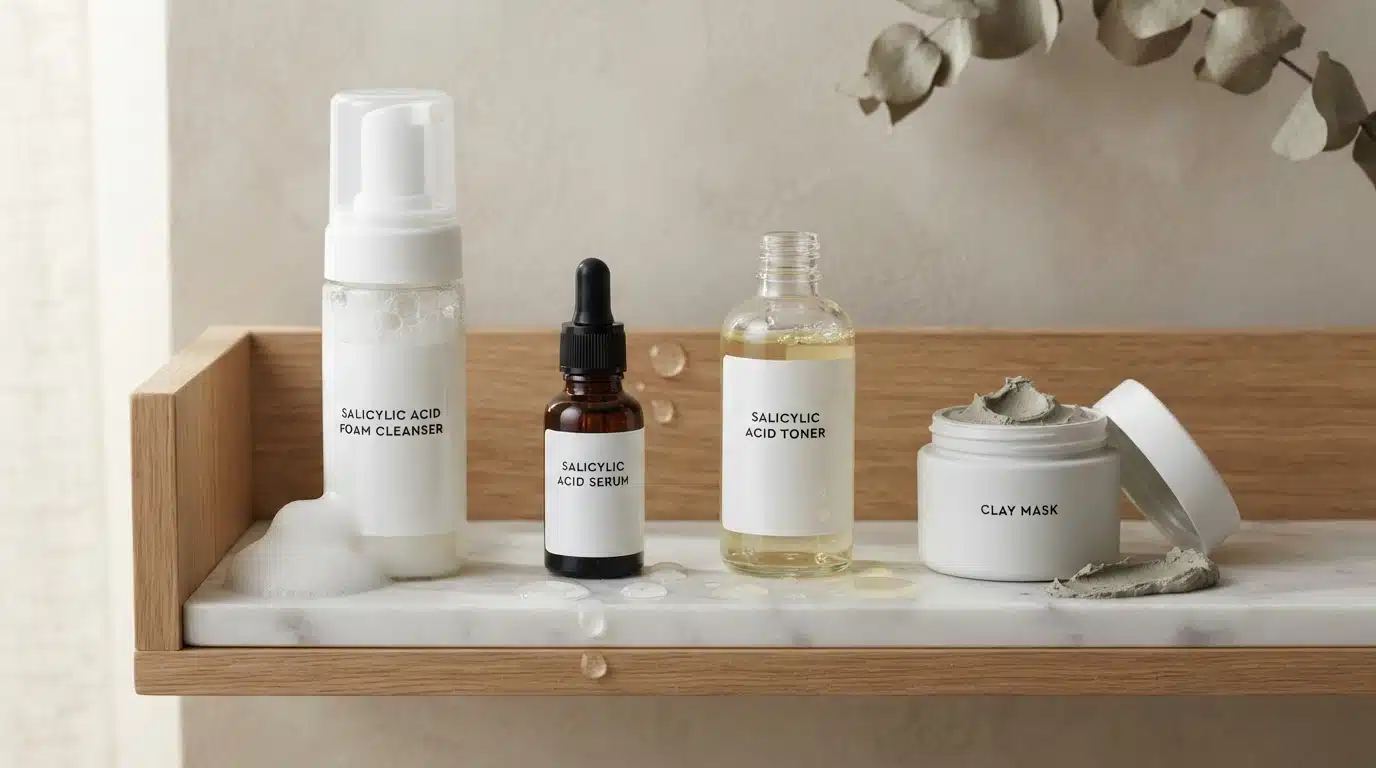
Salicylic acid comes in different formats, and each works best for specific skin needs. Choosing the right one helps manage blackheads while keeping irritation under control.
| Product Format | Best For | How It Helps |
|---|---|---|
| Salicylic Acid Cleanser | Beginners and sensitive skin | Removes oil and buildup with less irritation since it is rinsed off. |
| Salicylic Acid Serum | Persistent blackheads | Stays on longer to target clogged pores in areas like the nose and chin. |
| Salicylic Acid Toner | Oily, congested skin | Helps control oil, clear buildup, and smooth uneven texture. |
| Salicylic Acid Mask | Occasional pore care | Provides deeper exfoliation when skin feels clogged or congested. |
Choosing the right salicylic acid format makes the routine easier to maintain. Pick a product based on your skin tolerance, ongoing pore concerns, and how often you plan to use it.
What Percentage of Salicylic Acid Should You Use?
The right concentration depends on your skin’s tolerance and the severity of congestion. Beginners and sensitive skin types may do better with 0.5–1% salicylic acid, as lower strengths can provide gentle exfoliation with less risk of dryness or irritation.
For most blackhead concerns, 2% salicylic acid is a common choice because it offers stronger pore-clearing action without moving into unnecessarily harsh territory.
Higher concentrations are not always better and may increase peeling, redness, or barrier disruption, especially with frequent use. Start conservatively and increase only if your skin tolerates it well.
How to Add Salicylic Acid to Your Skincare Routine
A good salicylic acid routine does not need several complicated steps. The focus should be on applying the ingredient correctly while protecting the skin barrier.
1. Morning Routine
A simple morning routine can support the skin while preparing it for the day.
- Gentle cleanser: Remove excess oil without stripping moisture.
- Hydrating products: Support skin comfort and prevent dryness.
- Moisturizer: Helps maintain a healthy skin barrier.
- Sunscreen: Protects skin during daily exposure.
If the salicylic acid product is designed for morning use, apply it according to the product instructions before moisturizer and sunscreen.
2. Night Routine
Nighttime can be a convenient option because the routine is usually simpler.
- Cleanse the skin: Remove sunscreen, makeup, and daily buildup.
- Apply salicylic acid treatment: Use the recommended amount on clean skin.
- Follow with moisturizer: Reduce dryness and support hydration.
How Often Should You Use It?
The right frequency depends on your skin tolerance and how your skin responds to exfoliation.
- Beginner schedule: Start with salicylic acid 2–3 times weekly to help your skin adjust gradually.
- Increase frequency: If your skin feels comfortable without irritation, slowly increase usage based on your needs.
- Signs of overuse: Reduce frequency if you notice redness, peeling, excessive dryness, burning, or increased sensitivity.
I had another client from the same swim team who assumed nightly use would clear her skin faster. Two weeks in, she was flaking and raw, and we had to dial all the way back to twice a week before her skin recovered. Slower almost always wins here.
Note: Patch test before use and avoid mixing multiple exfoliating acids or strong actives together to prevent irritation and support a healthy skin barrier.
A well-balanced salicylic acid routine focuses on consistency rather than excessive use. Choosing the right frequency, supporting hydration, and protecting your skin can lead to smoother, clearer-looking pores over time.
Is It Normal for Blackheads to Look Worse at First?
Yes, for some people. When you first introduce salicylic acid, existing congestion beneath the surface can become more visible as cell turnover speeds up. Dermatologists sometimes call this an adjustment or “purging” period, and it’s different from the product actually causing new blackheads.
The distinction matters: purging tends to show up in areas where you already had congestion and settles down within a few weeks of steady, moderate use.
A true reaction to the product looks different; it shows up as widespread redness, burning, or breakouts in new areas, and it doesn’t improve with time. If irritation gets worse rather than better after 3 to 4 weeks, stop and reassess the product or frequency rather than pushing through.
In my practice, this is the point where most people quit right before they’d see a result. If your skin isn’t raw or broken, and the congestion is in a spot you already knew about, it’s usually worth riding out another week or two
Salicylic Acid Routine Based on Your Skin Type
Salicylic acid can work for different skin types, but the ideal routine depends on how your skin reacts to exfoliation. Choosing the right frequency and formula helps manage blackheads without disturbing skin balance.
| Skin Type | How to Use Salicylic Acid | Key Tips |
|---|---|---|
| Oily Skin | Helps manage excess oil and frequently clogged pores. | Choose lightweight formulas and avoid excessive exfoliation. |
| Dry Skin | Use gentle formulas and apply less often. | Pair with hydrating products to support the skin barrier. |
| Sensitive Skin | Start with lower strengths and use them gradually. | Patch test first and avoid combining strong actives. |
| Combination Skin | Adjust application based on different areas of your face. | Focus on oily zones while reducing use on dry areas. |
A skin-type-based approach allows salicylic acid to deliver pore-clearing benefits while maintaining comfort. Adjusting your routine according to your skin’s response leads to more sustainable results.
How Long Does Salicylic Acid Take To Work On Blackheads?
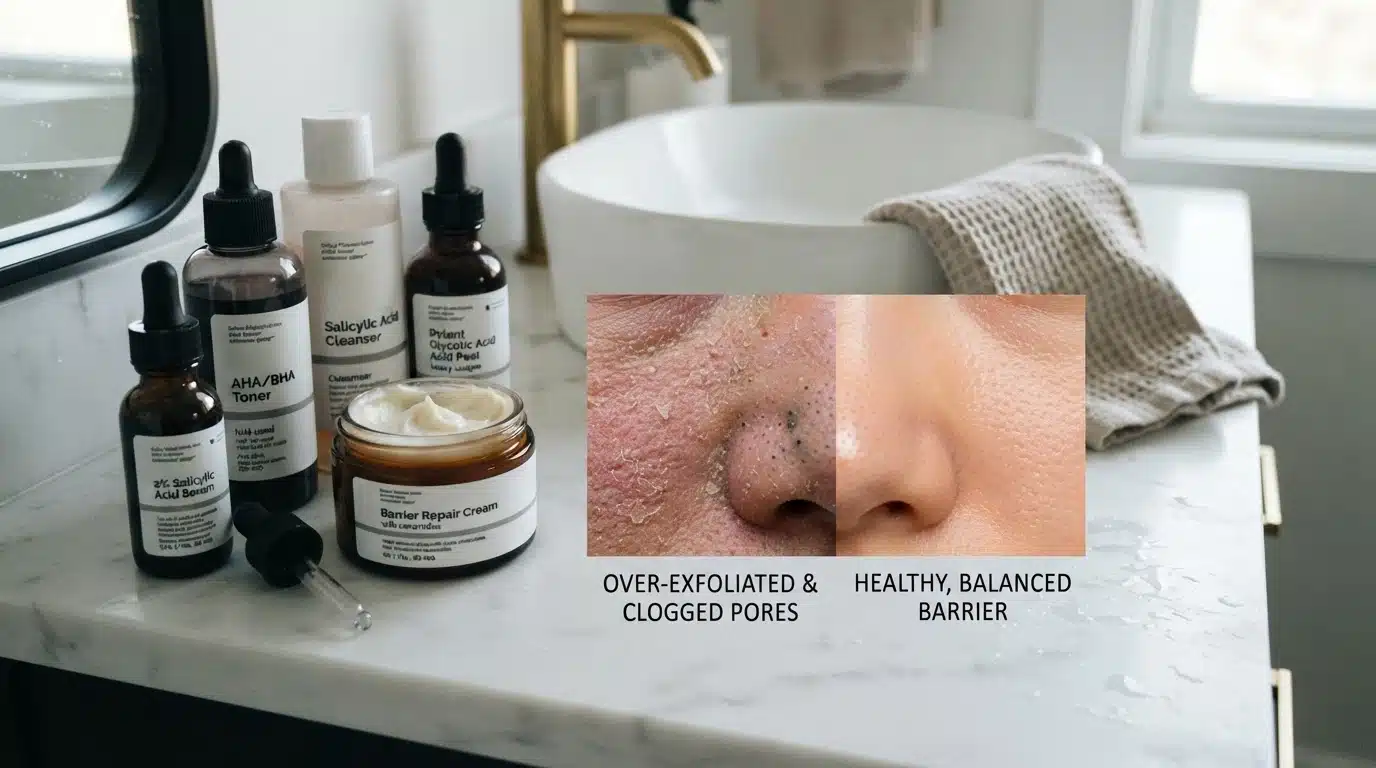
Salicylic acid does not clear blackheads instantly because clogged pores develop gradually and need consistent care.
Some people may notice smoother skin texture or less surface buildup within the first few uses, but visible changes in blackheads usually take several weeks of regular application.
The results depend on the product strength, skin type, frequency of use, and how deeply clogged the pores are. Using too much will not speed up the process and may cause irritation, making the routine harder to maintain.
With consistent use, salicylic acid can help manage recurring congestion and improve the appearance of blackheads over time. If results don’t improve after regular use, you may need the adjust the product type or your overall routine.
Ingredients You Can and Cannot Mix with Salicylic Acid
Combining salicylic acid with suitable skincare ingredients can improve results, while using certain actives together may increase irritation.
Understanding ingredient compatibility helps create a balanced routine.
| Ingredient | Compatibility | Notes |
|---|---|---|
| Niacinamide | Generally suitable | Helps support skin balance |
| Hyaluronic acid | Suitable | Adds hydration |
| Retinol | Use carefully | May increase dryness when combined |
| Vitamin C | Depends on tolerance | Some users prefer separating applications |
| Other exfoliating acids | Use caution | May increase irritation risk |
Choosing compatible ingredients allows salicylic acid to work effectively while protecting your skin barrier. A thoughtful combination can improve comfort, hydration, and overall skincare results.
Common Mistakes When Using Salicylic Acid for Blackheads
Using salicylic acid correctly helps prevent irritation and supports better blackhead management. Avoid these common mistakes to keep your skin healthy and balanced.
- Using too frequently: Overusing salicylic acid can cause dryness, redness, and irritation. Follow a suitable schedule based on your skin’s tolerance.
- Skipping moisturizer: Not moisturizing after use can weaken the skin barrier and increase dryness. Hydration helps maintain skin comfort.
- Applying on damaged skin: Avoid applying salicylic acid on irritated, peeling, or broken skin to prevent discomfort and sensitivity.
- Expecting overnight results: Salicylic acid needs consistent use and time to improve blackheads. Visible changes usually require patience and regular application.
- Using multiple exfoliants together: Combining several exfoliating products can cause over-exfoliation. Introduce active ingredients gradually to avoid stressing the skin.
Using salicylic acid with care and consistency allows it to support clearer-looking pores while reducing the risk of unwanted irritation.
Final Verdict
Salicylic acid can be a helpful addition to a blackhead-focused skincare routine when used correctly.
It works by exfoliating inside pores, reducing buildup, and improving the appearance of congestion. Choosing the right strength, product type, and frequency is essential for achieving balanced results without irritation.
While salicylic acid for blackheads can help manage clogged pores, it does not permanently prevent them from forming. Understanding your skin type and avoiding common mistakes can make your routine more effective.
Have you tried salicylic acid before? Share your experience and skincare tips in the comments below.
Frequently Asked Questions
Can Salicylic Acid Help with Enlarged Pores?
Salicylic acid cannot physically shrink pores but can help remove buildup inside them, making pores appear smoother and less noticeable.
Can I Use Salicylic Acid Before Makeup?
Yes, you can use salicylic acid before makeup if your skin tolerates it. Let the product absorb fully, then apply moisturizer before makeup.
Is Salicylic Acid Suitable for Teenagers?
Salicylic acid is commonly used by teenagers for oily skin and clogged pores. Start with gentle formulas and use them less often.
Should I Stop Using Salicylic Acid When Blackheads Disappear?
No, stopping completely may allow buildup to return. Maintenance use with suitable frequency can help manage recurring congestion and support clearer-looking skin.