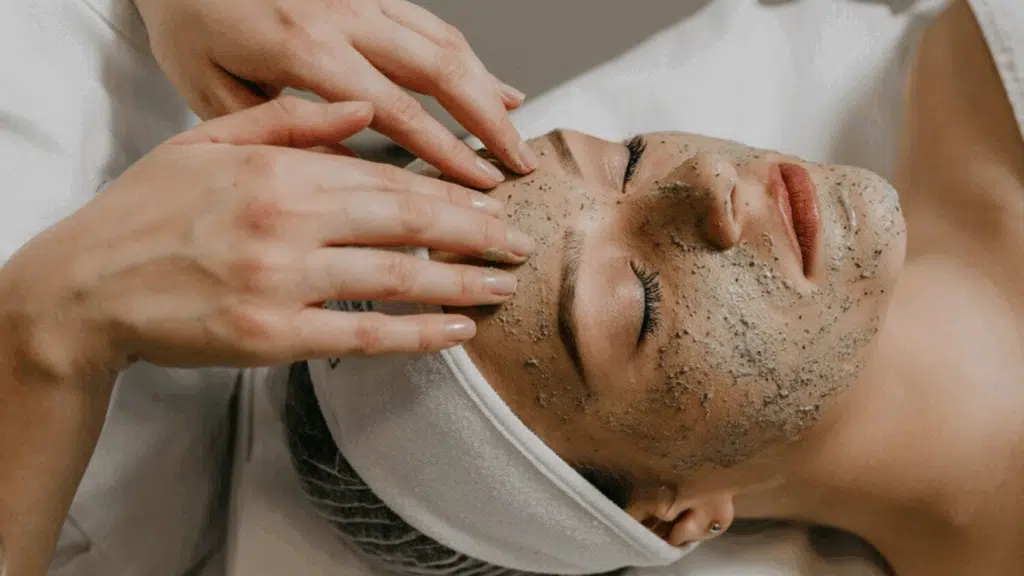
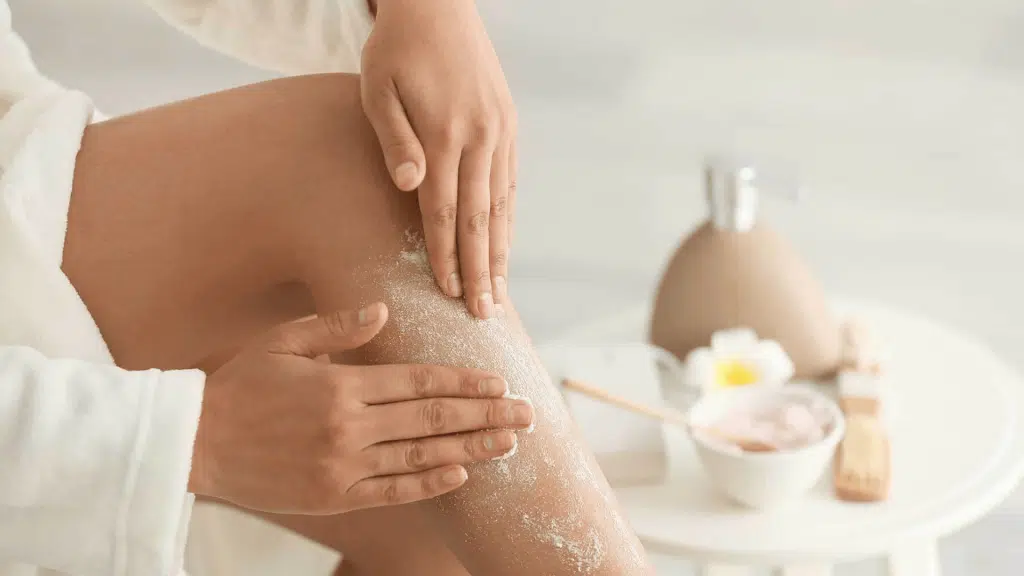
I’ve always wondered if I should use a body scrub before or after shaving.
Some people say exfoliating first prepares the skin and makes hair removal easier, while others believe scrubbing afterward gives the smoothest finish.
Over time, I’ve experimented with both approaches and noticed that the timing can completely change the results.
The way your skin feels, how easily the razor glides, and how long your shave lasts all depend on when you exfoliate.
In this blog, I’ll share what really happens when you scrub before shaving and what changes when you scrub after.
You’ll also learn what skincare experts recommend and how to choose the method that suits your skin type best.
The goal is to help you achieve soft, healthy, irritation-free skin every time.
Understanding the Role of Body Scrub in Skincare
A body scrub helps remove dead skin cells, unclog pores, and create a smoother skin surface. This simple step can make a big difference in how your skin looks and feels.
By gently exfoliating, you allow moisturizers and other products to absorb more effectively while also reducing the risk of ingrown hairs. When it comes to shaving, timing plays an important role.
Using a scrub before shaving can help lift trapped hairs for a closer shave, while using it afterward can leave the skin feeling extra smooth.
The right choice often depends on your skin type, hair texture, and personal comfort.
Understanding how exfoliation supports the shaving process will help you build a routine that delivers lasting smoothness and keeps your skin healthy, soft, and free from unnecessary irritation.
Why Scrubbing Before Shaving Boosts Results
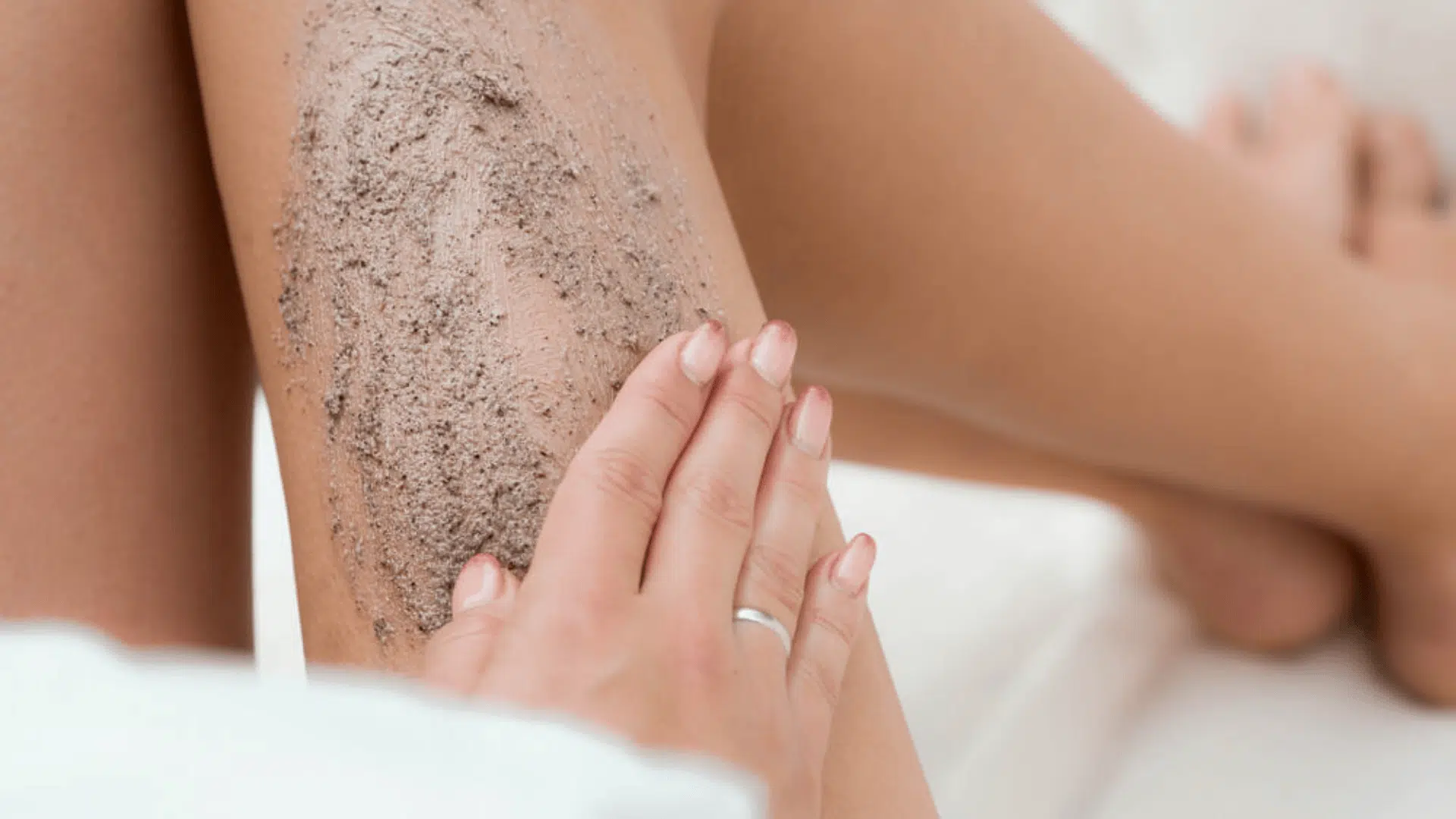
Exfoliating before shaving does more than just smooth your skin. It works to remove the layer of dead skin cells that can trap hair, allowing each strand to stand upright for a cleaner cut.
Pre-shave exfoliation also reduces buildup on the blade, which keeps it sharper for longer and improves its ability to cut hair at the root.
Additionally, removing surface debris helps prevent pore blockage, lowering the chances of irritation or breakouts. For most skin types, this step improves both comfort and shaving results
Key advantages:
- Extends the smooth feel of your shave by slowing the regrowth texture.
- Reduces the risk of razor skipping or uneven cutting.
- Improves penetration of after-shave moisturizers for better hydration.
Why Scrubbing After Shaving Can Improve Smoothness
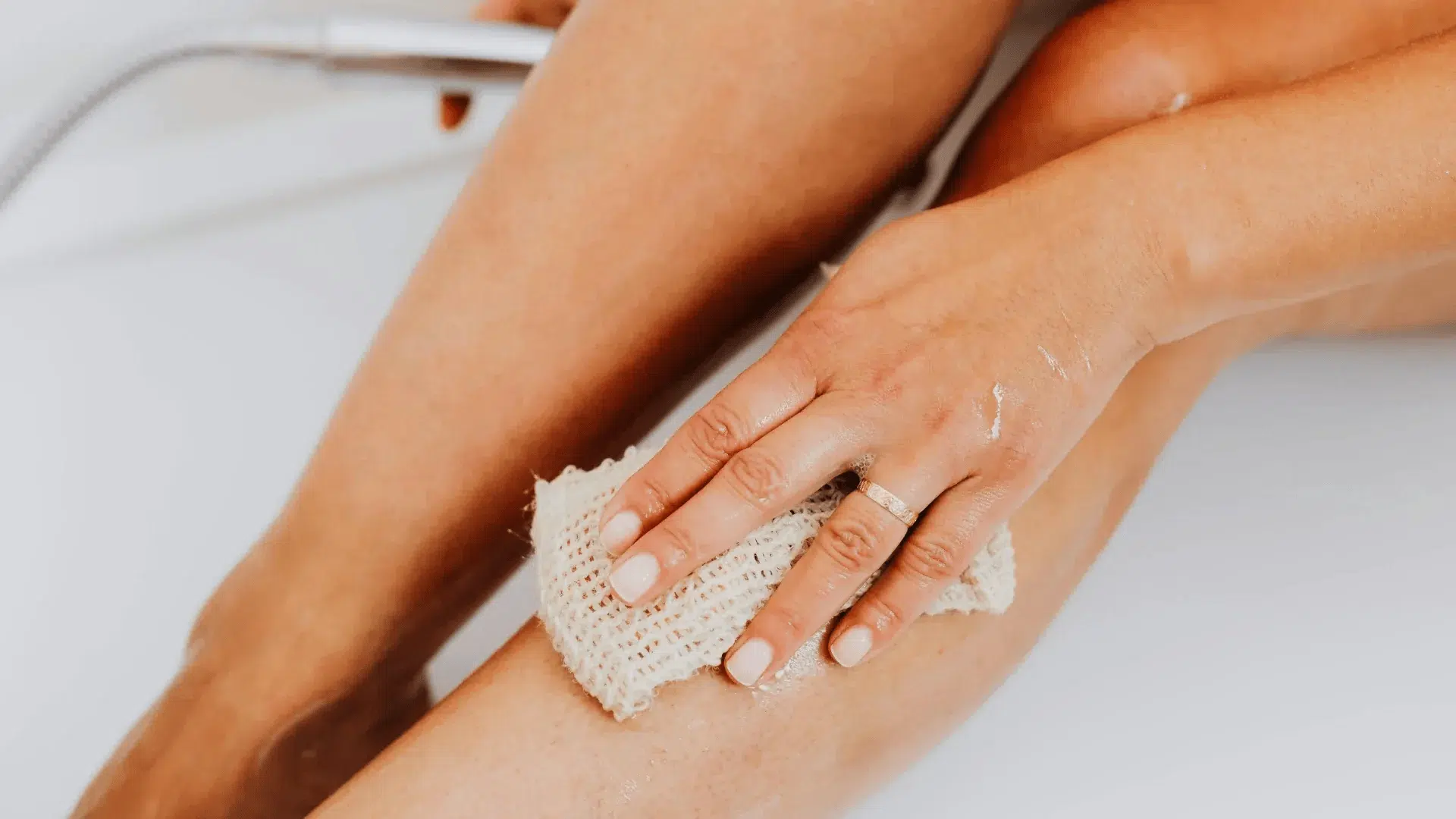
Using a body scrub after shaving goes beyond just cleaning the skin. It works to remove any residue from shaving cream, natural oils, and loose skin cells that may remain after hair removal.
The gentle buffing action smooths the skin’s surface, giving it a refreshed and silky feel. Post-shave exfoliation also stimulates microcirculation, which can promote a healthy glow and improve skin vitality.
Choose a scrub with fine, rounded exfoliants and hydrating ingredients like shea butter or coconut oil to minimize irritation. Follow with a rich moisturizer to keep skin hydrated and strengthen its barrier.
Key advantages:
- Improves the performance of body lotions and oils applied afterward.
- Encourages a more balanced, even-looking skin texture over time.
- Leaves skin feeling fresh, light, and touchably smooth.
Scrubbing Before vs. After Shaving: Which Works Best for You?
Choosing between scrubbing before or after shaving depends on your skin type, sensitivity, and desired results.
Each method offers unique benefits, from preparing the skin for a closer shave to adding a polished finish.
| FACTOR | SCRUB BEFORE SHAVING | SCRUB AFTER SHAVING |
|---|---|---|
| Hair Removal Ease | Lifts hair for a closer shave | No effect on the shaving process |
| Ingrown Hair Risk | Reduced | Slightly reduced |
| Irritation Risk | Low if gentle | Higher due to a fresh shave |
| Skin Smoothness | Immediate improvement | Polished feel after shave |
| Best For | Most skin types | Normal to tough skin types |
Ideal Shaving Routine for Sensitive Skin

Sensitive skin requires a careful approach to shaving to avoid irritation, redness, and bumps. The right routine focuses on gentle preparation, protective shaving, and thorough hydration.
Step 1: Gentle Pre-Shave Scrub
For sensitive skin, start with a mild, fine-grain scrub that avoids harsh particles. Use gentle, circular motions to buff away dead skin without causing redness or irritation.
This step helps lift hair away from the skin’s surface, making it easier for the razor to cut smoothly. By reducing friction, you minimize the risk of razor burn and bumps.
Avoid hot water at this stage, as it can dry out the skin. Instead, use lukewarm water to soften hair and prepare your skin for a comfortable shave.
Step 2: Shave with Moisturizing Gel
Choose a moisturizing shave gel or cream that is fragrance-free and designed for sensitive skin. It forms a protective layer between the blade and your skin, allowing the razor to glide without pulling.
Always shave in the direction of hair growth to minimize irritation and reduce the risk of ingrown hairs. Rinse the blade often to maintain its sharpness and prevent buildup.
If your skin feels tender, use short, gentle strokes. This approach keeps the skin calm, helps prevent razor burn, and reduces the chance of cuts or redness.
Step 3: Hydrate Immediately
After shaving, your skin is more sensitive and prone to dryness, making hydration crucial. Gently pat it dry with a soft towel, avoiding any rubbing that could cause irritation.
Apply a fragrance-free, hypoallergenic moisturizer while the skin is still slightly damp to lock in moisture and protect the barrier. Choose formulas with soothing ingredients like aloe vera, ceramides, or glycerin to calm redness and promote healing.
For added comfort, use a cool compress before moisturizing. This step keeps your skin smooth, soft, and comfortable for hours after shaving.
Mistakes to Avoid When Combining Scrubbing and Shaving

Combining scrubbing and shaving can give great results, but only if done correctly. Small mistakes can lead to irritation, dryness, or uneven results.
- Scrubbing too hard can cause micro-tears, increasing vulnerability to razor burn and discomfort. Use gentle, circular motions to exfoliate effectively without damage. Let the scrub do the work, not your force.
- Skipping Moisturizer: After scrubbing, hydrate to restore your skin’s barrier. Without it, dryness and flakiness can develop. Apply a nourishing, fragrance-free moisturizer post-shaving to lock in moisture and maintain smooth, calm skin.
- Using harsh ingredients like walnut shells can scratch skin and cause irritation, especially after shaving. Choose gentler exfoliants like sugar or jojoba beads for safer, milder exfoliation.
- Shaving on Dry Skin: Running a razor over unprepared, dry skin can cause cuts, redness, and severe irritation. Always ensure your skin is softened with water and protected by a quality shave gel or cream before shaving.
- Exfoliating Too Often: Daily scrubbing can strip the skin’s natural oils, leading to dryness and sensitivity. Aim to exfoliate two to three times a week, adjusting based on your skin type and how it responds to the routine.
Conclusion
From my own experience, timing your body scrub can completely change the results of your shave.
Scrubbing before shaving helps lift hair, smooth the surface, and reduce ingrown hairs, while scrubbing after can give an extra polished feel when done gently.
I have found that pre-shave exfoliation works best for my skin most days, but post-shave scrubbing is a nice treat when my skin feels resilient.
The key is listening to your skin, using gentle products, and always following up with hydration.
A little care in your routine can mean the difference between irritation and lasting smoothness.