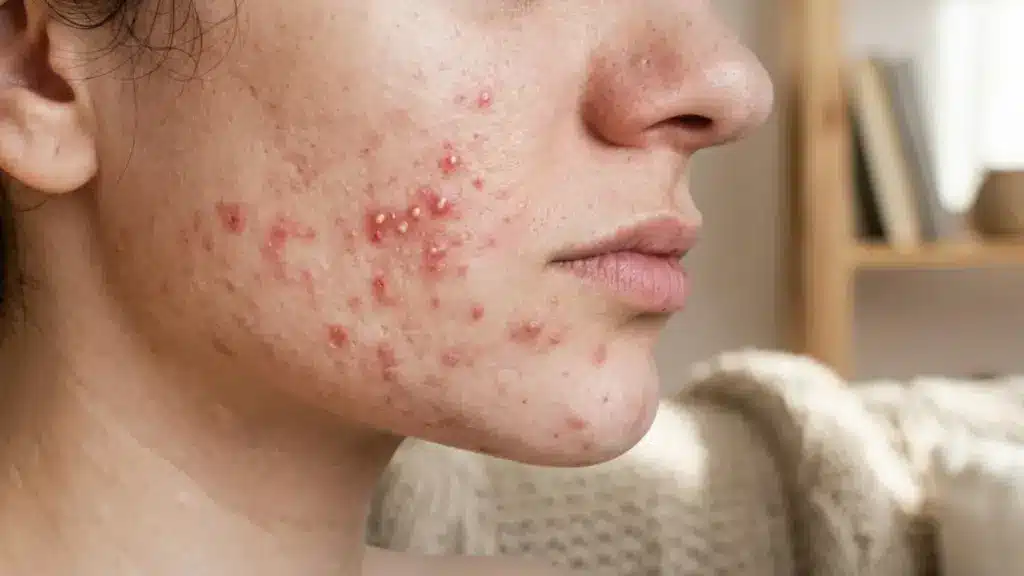
Getting ready for an event or waking up before a vacation only to find a fresh breakout on your chin is a frustratingly familiar experience for many people.
What makes it worse is that it tends to return to the exact same spot, making it feel personal, almost deliberate.
It is something many people deal with repeatedly, often without understanding why it keeps returning to the same spot.
It may seem like a simple skin issue, but the pattern behind it can be more complex than it appears. From daily habits to internal changes, several factors quietly influence it.
That lingering question of why the chin becomes a problem zone is what leads many to search for answers.
Once the connection between triggers and breaking out on the chin becomes clearer, managing the situation starts to feel less confusing and far more under control.
Why is Breaking Out on the Chin so Common?
Breaking out on the chin is something many people notice keeps coming back, no matter what they try.
I have seen this pattern often, where the same area flares up again and again, making it feel stubborn and hard to manage.
This happens because the chin is one of the most common zones for recurring acne, and many individuals deal with repeated breakouts in this exact spot.
From what I have learned through experience and observation, it is linked to specific triggers like hormones, lifestyle habits, or even small daily actions that go unnoticed.
The key is to recognize that this type of acne follows a pattern, and identifying those triggers is the first step toward a solution.
It is worth noting upfront: not every bump on the chin is acne. Ingrown hairs (especially in people who shave), perioral dermatitis, and rosacea can all mimic the appearance of a breakout.
Types of Chin Breakouts People Commonly Deal With
Chin breakouts do not all look or behave the same. It can range from mild surface bumps to deeper, painful lesions, and recognizing these differences helps in choosing the right approach.
- Whiteheads (Closed Comedones): Small, flesh-colored or white bumps that stay under the skin. These form when pores get clogged with oil and dead skin, but remain closed at the surface.
- Blackheads (Open Comedones): Open pores filled with oil and debris that turn dark due to oxidation, not dirt. These are flat and less inflamed but can be stubborn. When breaking out on the chin with blackheads, buildup and excess oil are usually the main triggers.
- Papules: Red, inflamed bumps without a visible head, which occur when clogged pores become irritated.
- Pustules: Similar to papules but with a visible white or yellow center filled with pus. These are more noticeable and can be tempting to pick.
- Cystic Acne: Deep, painful lumps under the skin that do not come to a head easily. These are often linked to hormonal changes and can last longer than other types.
- Nodules: Large, solid, and painful bumps deep within the skin, and unlike cysts, they are harder and do not contain pus.
What Causes Breaking out on the Chin

The chin area is sensitive to both internal and external factors, which is why flare-ups tend to repeat in the same spot. It is usually a result of patterns, not chance.
1. Hormonal Fluctuations
Hormones are the most common driver of chin acne, particularly in women between the ages of 25 and 45.
The chin and jawline sit in what dermatologists call a hormone-responsive acne zone: an area with a higher concentration of androgen-sensitive sebaceous glands compared to other parts of the face.
When androgen levels shift, these glands ramp up oil production, and the chin is often the first place it shows.
As a licensed aesthetician, I have seen clients track their cycle and identify that breakouts appear almost precisely in the 7-10 days before their period.
Keeping a simple calendar note of breakout timing alongside your cycle is one of the most underused tools for hormonal acne.
2. Stress and Lifestyle Habits
During busy weeks, late nights, and poor sleep, breakouts tend to appear more frequently.
Stress increases cortisol levels, which can trigger more oil production and inflammation in the skin. This creates the perfect condition for acne to develop.
Even small habits like inconsistent routines or lack of rest can add up over time. What most people do not realize is that poor sleep alone elevates cortisol and slows down skin healing.
Paying attention to these patterns has helped me understand how closely lifestyle and skin health are connected.
3. Diet Triggers People Often Overlook
Certain foods like dairy, sugar, and oily meals seem to trigger the breaking out on the chin for many people.
These foods may increase oil production or cause inflammation in the body, which reflects on the skin. However, this is not universal, and not everyone will react the same way.
In my experience, tracking food habits alongside breakouts can help identify personal triggers and make better choices without over-restricting diet.
4. Touching Face and Hygiene Habits
I have noticed that resting the chin on hands or frequently touching the area can transfer dirt and bacteria to the skin.
Phone screens, pillowcases, and masks also contribute if they are not cleaned regularly. This type of acne is sometimes called mechanical acne.
It can easily be mistaken for hormonal acne because it keeps recurring in the same spot.
Chin straps from helmets or masks that sit on the chin for hours are a common culprit that goes unnoticed.
If you wear gear regularly and notice breakouts primarily where the strap sits, mechanical friction is likely a contributing factor.
Toothpaste is another overlooked trigger. Fluorinated toothpaste and some mouthwashes can irritate the skin around the mouth and chin during brushing, particularly in people with sensitive or acne-prone skin.
If breakouts cluster specifically around the mouth and lower chin, this is worth eliminating as a variable by switching to a fluoride-free formula for four to six weeks.
5. Skincare Products That Made It Worse
Heavy creams or products with pore-clogging (comedogenic) ingredients can trap oil and cause breakouts on the chin.
Layering too many active ingredients like benzoyl peroxide, AHA, retinol, and vitamin C all at once is something I see frequently, especially with people who have been down a rabbit hole of skincare recommendations online.
Each product is individually reasonable; combined, they can strip the skin barrier and trigger reactive breakouts. The skin needs balance, not overload.
What is often overlooked is how you apply foundation, like dirty brushes or sponges touching the chin, can transfer bacteria and worsen breakouts.
6. Genetics
Genetics is one of the most underacknowledged drivers of acne.
If a parent had persistent or severe acne, your skin’s likelihood of following a similar pattern increases, particularly in terms of oil production, pore size, and inflammatory response.
This does not mean clear skin is impossible; it means some people need to be more consistent and patient than others, and sometimes require professional help sooner.
Chin Acne vs. Jawline Acne: Is There a Difference?
Chin acne and jawline acne share many hormonal causes, but the location and severity can sometimes point to different underlying patterns.
| Chin Acne | Jawline Acne |
|---|---|
| Usually appears on the chin tip and below the mouth. | Spreads along the jaw toward the ears and sometimes the neck. |
| Commonly linked to hormonal fluctuations and clogged pores. | More strongly associated with adult hormonal acne patterns. |
| Often appears as painful cystic pimples or deep, inflamed bumps. | May involve larger, more persistent breakouts. |
| Typically stays concentrated in one smaller area. | Can cover a wider area across the jawline and lower face. |
| Usually responds well to targeted acne treatments and skincare routines. | May require hormonal evaluation if breakouts continue onto the neck. |
| Less commonly linked to underlying hormonal conditions. | Can be associated with symptoms like irregular periods or excess hair growth linked to PCOS. |
What Actually Helps Chin Breakouts
Managing chin acne effectively comes down to using proven methods that target oil, bacteria, and clogged pores. Cleveland Clinic highlights that both clinical treatments and safe home care can support clearer skin when used correctly and patiently.
- Benzoyl Peroxide For Active Breakouts: Helps kill acne-causing bacteria and reduce inflammation, making it effective for treating visible pimples and preventing them from worsening.
- Salicylic Acid To Unclog Pores: Works by exfoliating inside the pores, helping remove excess oil and dead skin buildup that leads to breakouts.
- Consistent Cleansing Routine: Washing the face gently twice daily removes dirt, oil, and bacteria, helping prevent clogged pores and repeated acne.
- Use of Non-Comedogenic Products: Skincare and makeup labeled non-comedogenic help reduce pore blockage and lower the chances of new breakouts.
- Warm Compress For Inflamed Pimples: Applying a warm compress can help reduce swelling and support natural drainage of pimples without forcing them.
- Ice Application For Swelling: Ice can calm redness and inflammation, especially for painful or swollen chin breakouts.
- Diluted Tea Tree Oil: Known for its antibacterial properties, it may help with mild acne when used carefully and patch tested first.
- Aloe Vera For Soothing Skin: Helps calm irritation and reduce redness, making it useful for sensitive or inflamed areas.
- Maintaining Skin Balance: Managing oil, bacteria, and irritation together helps reduce the frequency of breaking out on the chin over time.
Disclaimer: Skin reactions to acne treatments can vary based on skin sensitivity, allergies, hormone levels, and existing skin conditions. Overusing active ingredients or combining certain treatments incorrectly may cause irritation, dryness, or worsening breakouts. Persistent, painful, or cystic chin acne may require evaluation from a licensed dermatologist, especially if breakouts are recurring or linked to hormonal symptoms.
What Doesn’t Work or Can Worsen Chin Breakouts
Breaking out on the chin often gets prolonged when the skin barrier is damaged or when treatments are used incorrectly. I have noticed that avoiding these mistakes can prevent unnecessary irritation and setbacks.
- Harsh scrubbing and overwashing: These can strip the skin, causing irritation and increasing oil production, which leads to more breakouts.
- Frequently switching products: Changing treatments too often prevents the skin from adjusting and reduces effectiveness.
- Using pore-clogging products: Oil-based or comedogenic cosmetics and skincare can block pores and trigger new acne.
- Picking or squeezing pimples: This increases inflammation, spreads bacteria, and can lead to scarring.
- Relying only on surface treatments for deep acne: Hormonal or cystic acne often needs more than just topical products.
- Using unproven home remedies: Ingredients like toothpaste or lemon can irritate or damage the skin rather than help it.
- Believing common acne myths: Focusing on incorrect causes instead of real triggers delays proper treatment and improvement.
Real User Insights on Chin Acne Struggles
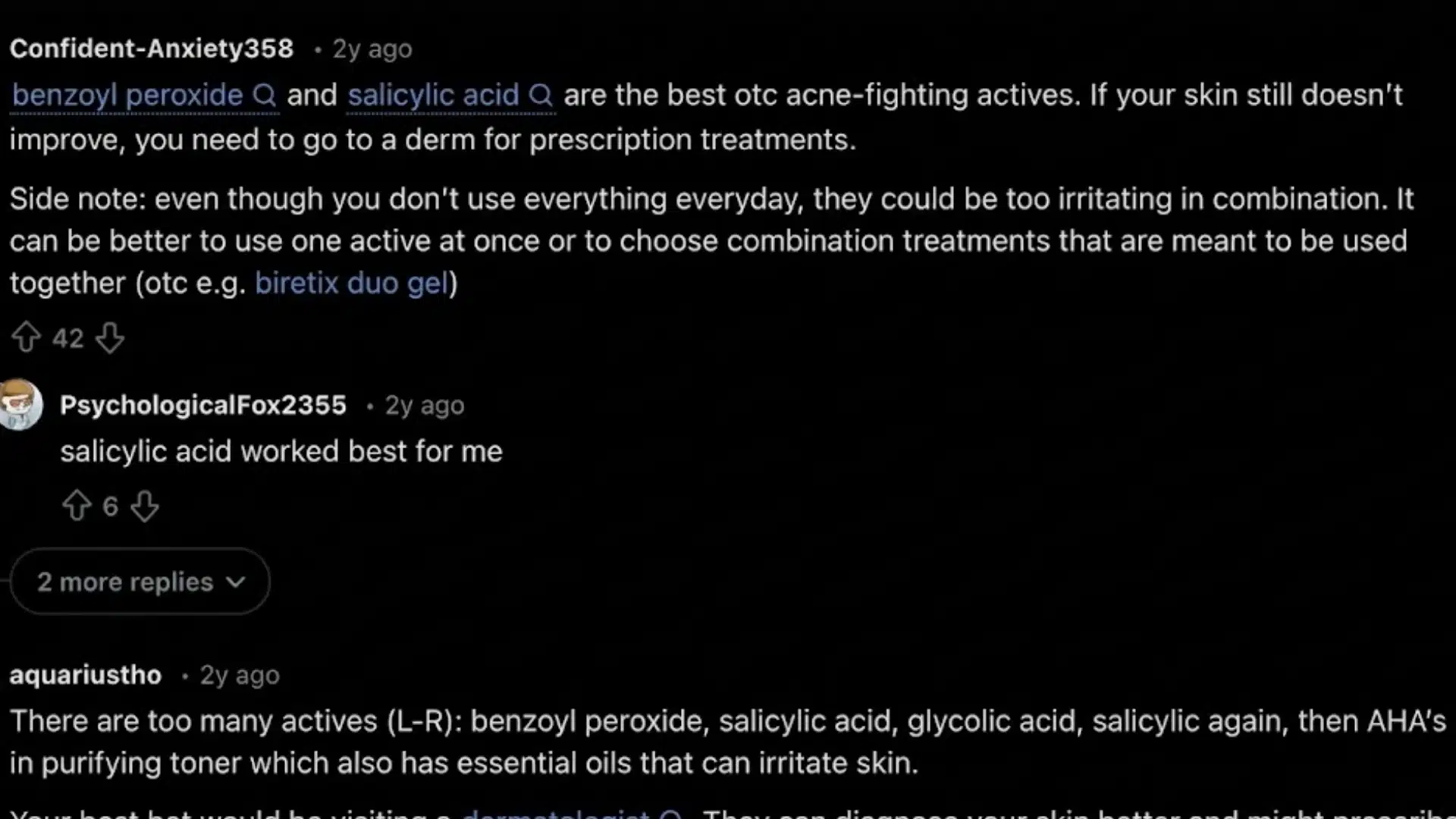
Many Reddit users dealing with chin acne share a similar pattern of frustration despite using multiple skincare products.
One common takeaway is that using too many active ingredients at once can actually make breakouts worse instead of better.
Users often point out that ingredients like benzoyl peroxide and salicylic acid work, but only when used in a simple, balanced routine.
Another recurring theme is that chin acne is often linked to hormones, meaning topical products alone may not fully solve the issue.
Several users noticed improvements only after simplifying their routine, switching moisturizers, or addressing internal factors like diet, supplements, or hormonal imbalance.
Overall, real experiences suggest that less is more, and sometimes the solution goes beyond skincare products.
When Breaking out on Chin Might Need Professional Help
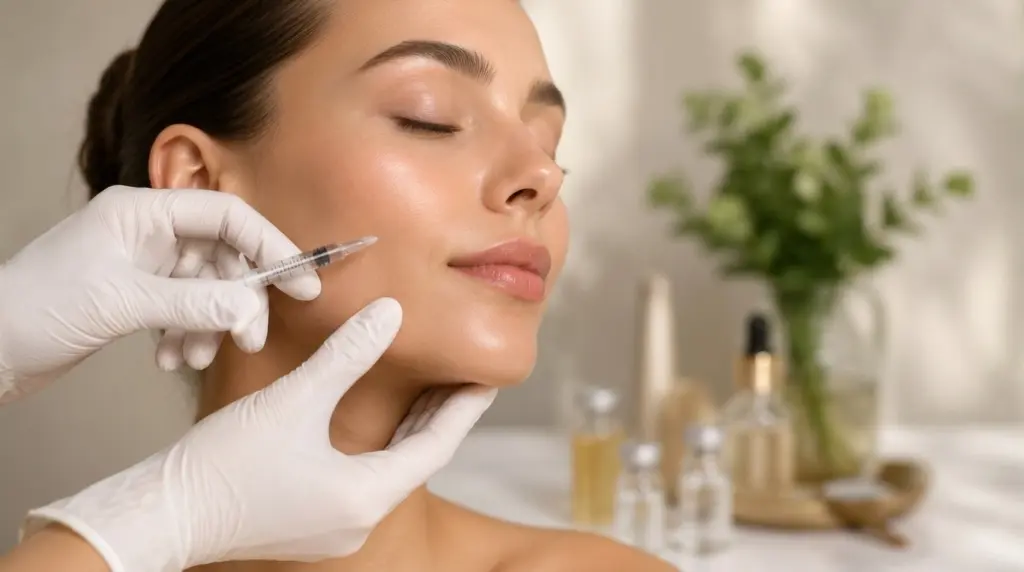
Chin breakout may require professional care when it becomes persistent, painful, or does not respond to consistent home treatment.
As per the American Academy of Dermatology, if acne continues despite trying multiple treatments or keeps coming back in the same area, it is a sign that a dermatologist can help create a more effective plan.
Deep, painful breakouts like cysts or nodules, along with ongoing inflammation or dark spots, often need targeted medical treatment rather than over-the-counter products.
From what I have seen, dermatologists may suggest options like prescription creams, oral medications, or hormonal support, depending on the cause.
They can accurately diagnose the type of acne and recommend treatments such as topical retinoids like tazarotene, combination therapies, or prescription options tailored to the skin’s needs.
Seeking help early can prevent scarring and reduce long-term skin concerns of breaking out on the chin.
Daily Habits That Can Help Prevent Chin Breakouts
Preventing chin acne often comes down to small daily habits that are easy to overlook. Breaking out on the chin is usually linked to repeated patterns, and simple changes in routine can make a noticeable difference.
- Keep your hands away from your chin: Touching the chin transfers dirt, oil, and bacteria, which can clog pores and trigger acne.
- Stick to a simple skincare routine: Using a gentle cleanser, light moisturizer, and targeted treatment helps maintain balance without irritating the skin.
- Change pillowcases regularly: Clean pillowcases reduce the buildup of oil, sweat, and bacteria that come in contact with the skin daily.
- Stay hydrated: Drinking enough water supports overall skin health and helps maintain proper oil balance.
- Avoid overloading skin with products: Using too many products can overwhelm the skin and lead to irritation or clogged pores.
- Track patterns like diet, stress, and cycle: Noticing when breakouts occur helps identify triggers and manage them more effectively.
- Choose Makeup Brands For Sensitive Skin: Using products labeled for sensitive or acne-prone skin helps reduce irritation and lowers the risk of clogged pores and breakouts on the chin.
Conclusion
Breaking out on the chin can feel frustrating, but in most cases, it follows clear patterns rather than happening randomly.
The most consistent thing I have seen across years of working with clients, from competitive swimmers dealing with chlorine-damaged skin to adults navigating hormonal shifts in their 30s, is that clarity comes from slowing down, not speeding up.
Simple routines, small daily habits, and understanding personal triggers work better than copying trends that may not suit your skin.
Patience is key, as visible changes do not happen overnight. Paying attention to patterns like stress, diet, or routine helps in managing future breakouts more effectively.
Try making small changes, stick with what works, and stay consistent.
Have you noticed any specific patterns behind your chin breakouts, or found something that actually helped? Share your experience in the comments.
Frequently Asked Questions
Is Chin Acne Related to PCOS?
Yes, chin acne can be linked to PCOS due to hormonal imbalance, especially increased androgens. However, not all chin acne means PCOS; a proper medical evaluation is needed for confirmation.
Are Expensive Skincare Products Necessary?
No, expensive skincare products are not always necessary; effective ingredients and consistency matter more than price. Many affordable options with proven ingredients can work just as well for managing acne.
What is the Difference Between a Boil and a Pimple?
A boil is a deeper, painful infection caused by bacteria and often filled with pus. A pimple is a surface-level acne lesion caused by clogged pores and inflammation.
How Long Do Pimples Last?
Most pimples last between a few days and about a week. Deeper or cystic acne can take longer to heal, especially without proper treatment or if frequently irritated.