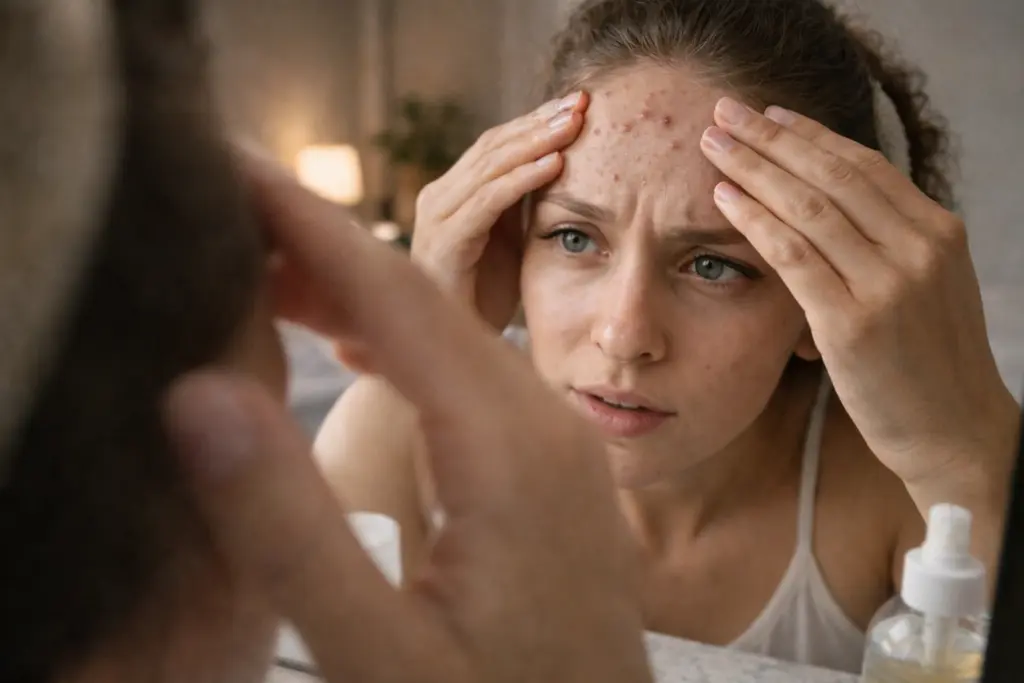
Forehead acne is one of the most common skin problems, and it can appear for many reasons. Sometimes it starts because of extra oil on the skin.
Other times, sweat, stress, hormone changes, skin care habits, or even the products used in the hair can play a part. That is why the cause is not always easy to spot right away.
If you have been asking why I’m breaking out on my forehead, this blog will help make it easier to understand.
It will explain what forehead breakouts can look like, what may be triggering them, and which daily habits might be making them worse.
It will also go over simple treatment options that can help calm the skin, and when it may be a good idea to get extra help for acne that does not go away.
Why the Forehead Breaks Out More Than Other Areas
The forehead tends to break out more easily than other parts of the face because it sits in the T-zone. This area includes the forehead, nose, and chin, and it usually produces more oil than the cheeks or temples.
The skin here has a larger number of sebaceous glands, which produce sebum to keep the skin soft and protected.
When these glands produce too much oil, that oil can mix with dead skin cells, sweat, and dirt inside the pores. Once the pore becomes blocked, bacteria can grow in the trapped buildup, leading to inflammation.
Since the forehead has more oil-producing glands than many other areas, it often reacts faster and shows breakouts more clearly.
This is why acne on the forehead can seem more common, more stubborn, and sometimes harder to ignore.
What Forehead Acne Can Look Like
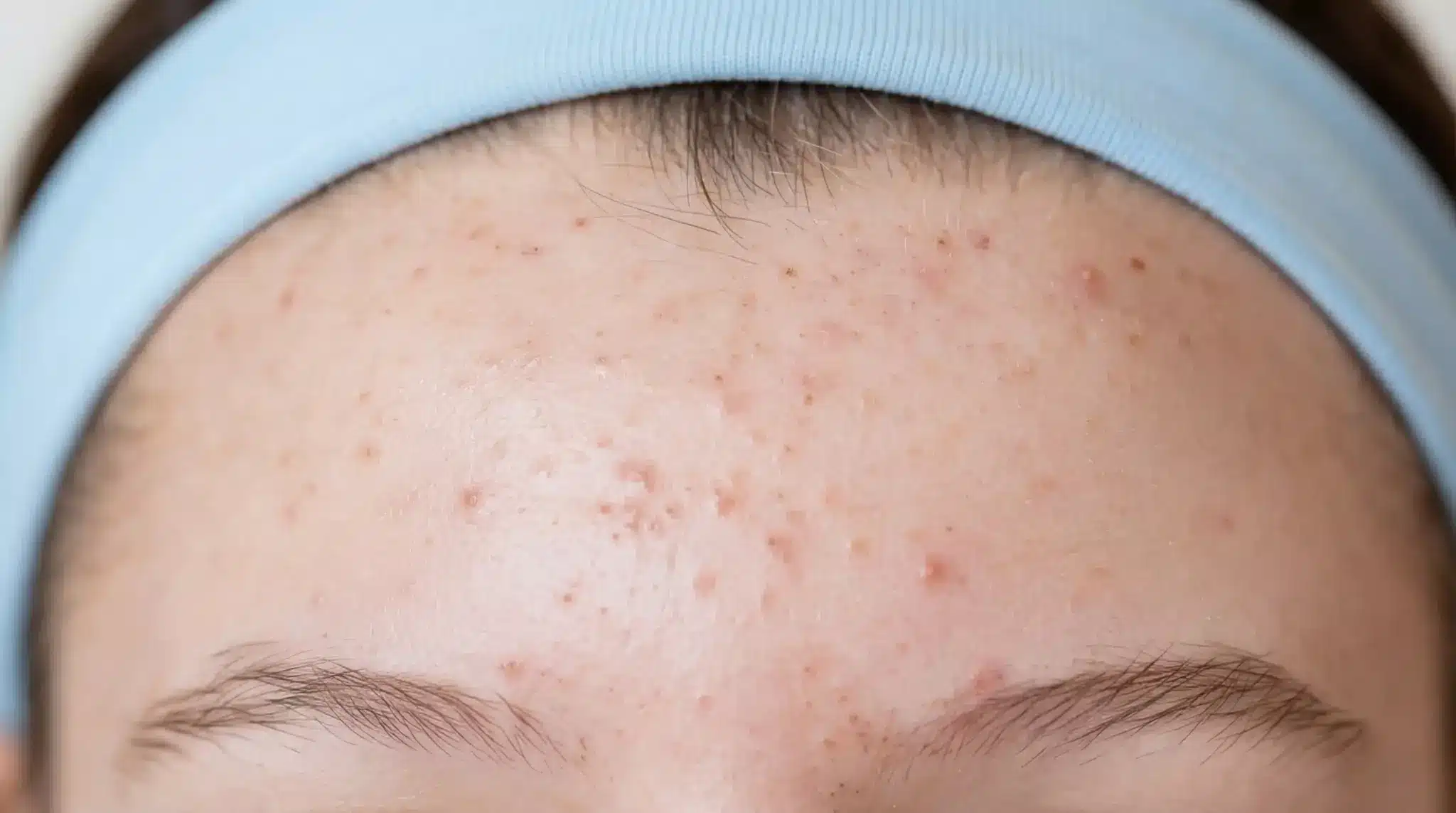
Forehead acne does not always look the same from person to person. The appearance can change depending on how blocked or irritated the pores become, and several types may appear together at the same time.
| Type of Forehead Acne | How It Usually Looks |
|---|---|
| Small Bumps | Tiny raised bumps spread across the forehead that make the skin feel rough or uneven. |
| Whiteheads | Clogged pores that close at the surface, creating small white or flesh-colored spots. |
| Blackheads | Open clogged pores that darken after exposure to air and appear as tiny black dots. |
| Red Pimples | Inflamed red spots that stand out more clearly and may feel sensitive or irritated. |
| Swollen Acne Spots | Larger painful bumps that can feel sore, swollen, or tender to the touch. |
| Mixed Breakouts | A combination of bumps, blackheads, whiteheads, and inflamed pimples appears at the same time. |
Common Causes of Forehead Breakouts
Forehead breakouts often happen due to a mix of skin behavior, daily habits, and outside factors that slowly clog pores and irritate the skin over time.
- Extra oil production: The forehead tends to produce more oil, which can mix with dead skin and easily clog pores.
- Sweat and heat: Sweat can trap dirt and oil on the skin, especially in hot weather or after workouts.
- Hair products: Oils, gels, and sprays can transfer onto the forehead and clog pores near the hairline.
- Dirty surfaces: Hats, pillowcases, and even phones can carry dirt and bacteria that touch the skin.
- Makeup residue: Not properly removing makeup can leave a buildup that blocks pores overnight.
- Hormone changes: Shifts in hormones can increase oil production, leading to more frequent breakouts.
How to Treat Forehead Acne
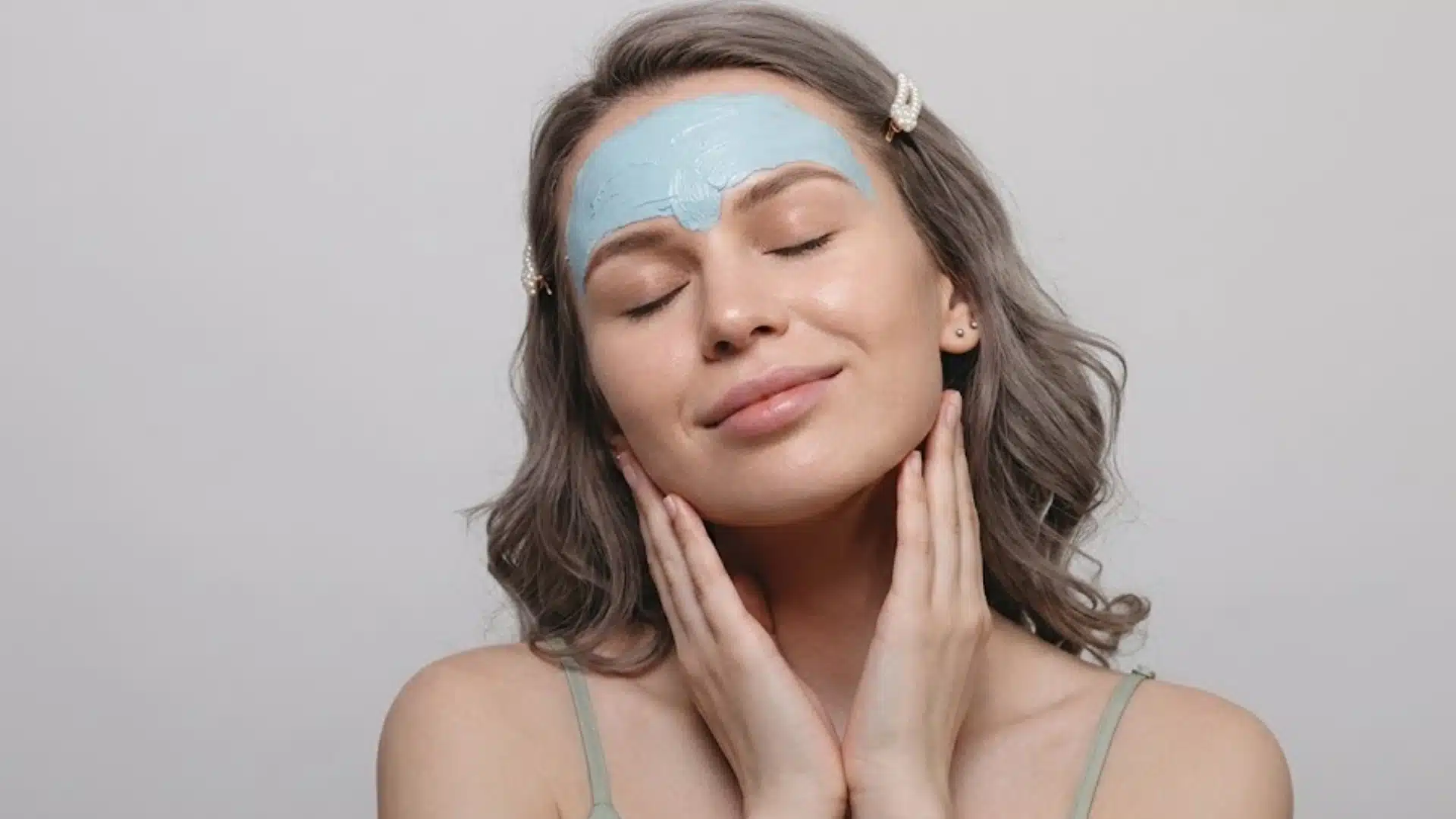
Treating forehead acne starts with simple and consistent care that helps keep pores clear without irritating the skin.
Gentle cleansing is important, as washing the face twice a day can remove oil, sweat, and dirt without stripping the skin.
Using products with salicylic acid or benzoyl peroxide may help reduce clogged pores and calm active breakouts over time.
It is also helpful to choose non-comedogenic products, as these are less likely to block pores.
Washing the face after sweating can prevent buildup from sitting on the skin for too long, especially after workouts or time outdoors.
Keeping hair products away from the forehead can also make a difference, since oils and sprays can transfer onto the skin and lead to breakouts.
Staying consistent with these habits can slowly improve the skin and reduce the chances of new acne forming.
Professional Facials for Stubborn Breakouts
A clinical-grade facial designed for acne-prone skin targets deep-set congestion that at-home products cannot reach.
The process typically includes deep cleansing, gentle exfoliation, extractions, and a healing mask.
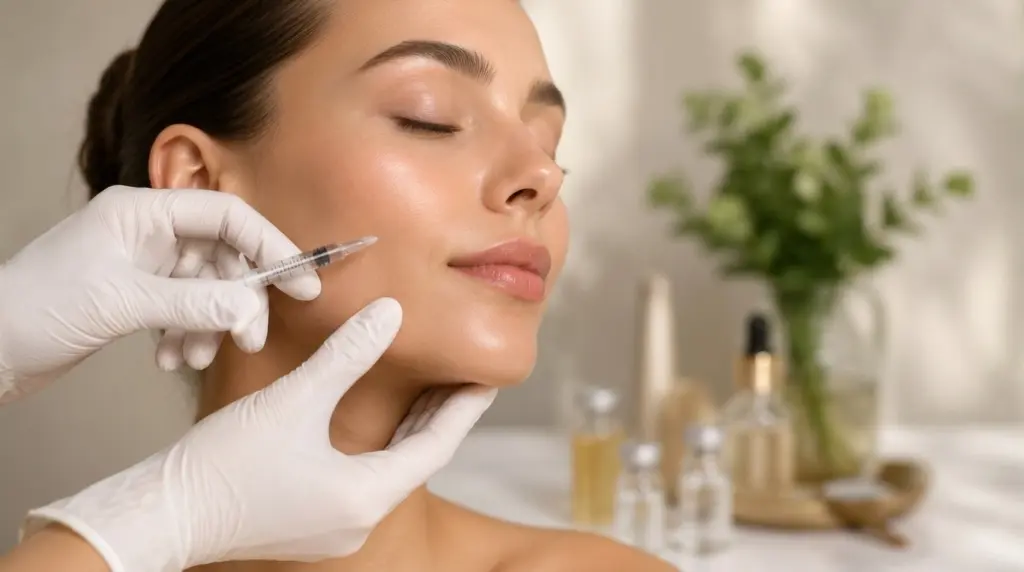
For a detailed breakdown of how a professional session works, check out the benefits of an acne facial and what to expect during a first visit.
Professional treatments work best when paired with a consistent at-home routine. One session won’t clear everything.
But regular visits every 4–6 weeks, paired with a consistent home routine, can speed up clearing and reduce the chance of scarring from deeper breakouts.
What the Community Says
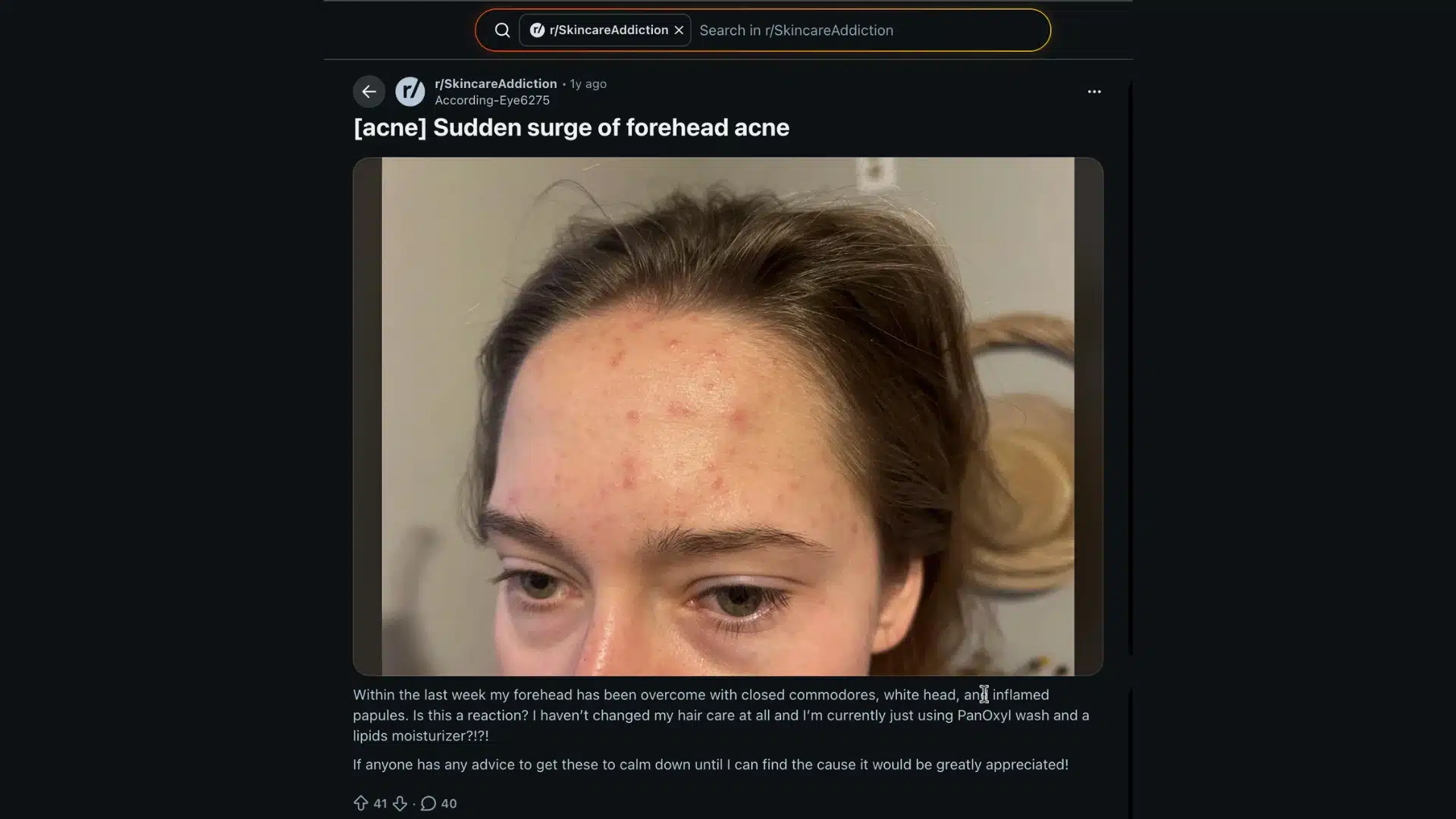
Reddit users shared that switching to a sulfate-free shampoo and salicylic acid pads finally cleared persistent tiny bumps after months of frustration.
Another member posted that pinning bangs back every night and changing the pillowcase every 2 days made the forehead smoother within 3 weeks.
A third person found that their forehead bumps were fungal, not bacterial.
After using a ketoconazole shampoo as a face mask for 5 minutes a few times a week, the bumps cleared in under a month. Several others echoed this approach.
They noted that traditional acne products made their fungal breakouts worse, not better.
Community insights like these reinforce a key point. The right fix depends on the right diagnosis. Tracking triggers is always the first step.
When to See a Dermatologist
Not every breakout needs a doctor’s visit. However, certain signs mean professional help is the smart choice.
Book an appointment if forehead acne is deep, painful, or cystic. Also see a dermatologist if OTC treatments do not improve after 6 to 8 weeks.
Breakouts that leave dark spots or scars also need attention.
Acne paired with irregular periods or unusual hair growth can point to conditions like polycystic ovary syndrome (PCOS).
A dermatologist can also confirm if bumps are truly acne or fungal folliculitis. Getting the right diagnosis saves time, money, and frustration.
Best Skin Care Habits for Daily Control
Keeping a simple routine can help manage forehead acne and prevent new breakouts from forming over time without putting too much stress on the skin.
- Wash face twice a day: Cleansing in the morning and at night helps remove oil, dirt, and buildup that can clog pores.
- Use a light moisturizer: A lightweight, non-greasy moisturizer keeps the skin balanced and prevents excess oil production.
- Wear sunscreen: Daily sun protection helps prevent irritation and protects the skin from damage that can make acne worse.
- Keep routines simple: Using too many products can irritate the skin, so sticking to a few effective steps works better.
- Patch test new products: Testing products on a small area first can help avoid reactions that may lead to breakouts.
Conclusion
Forehead acne usually does not have a single cause. In many cases, it happens because of a mix of extra oil, sweat, clogged pores, hair products, hormone changes, and daily skin care habits.
That is what can make it frustrating to deal with at times. If you have been wondering why I’m breaking out on my forehead, the good news is that the cause can often be managed once the triggers become easier to spot.
This blog covered what forehead acne can look like, the most common reasons behind it, and the simple habits and treatments that may help calm the skin.
With a gentle routine, the right products, and some patience, forehead breakouts can improve over time.
Have you noticed any specific trigger that makes your forehead acne worse? Drop it in the comments below.
Frequently Asked Questions
Why Am I Breaking Out on My Forehead but Nowhere Else?
The forehead has more oil glands than most other facial areas. Hair products, hats, and bangs also target this zone specifically. Hormonal acne in teenagers tends to concentrate on the T-zone before spreading elsewhere.
Can Stress Alone Cause Forehead Pimples?
Stress does not directly cause acne. It raises cortisol levels, which in turn increase oil production. That excess oil clogs pores and feeds bacteria, leading to breakouts. So stress is a trigger, not a direct cause.
How Long Does it Take for Forehead Acne to Clear?
With consistent treatment, most people see improvement in 4 to 6 weeks. Retinoids and prescription products may take 8 to 12 weeks for full results. Patience and consistency are the 2 most important factors.