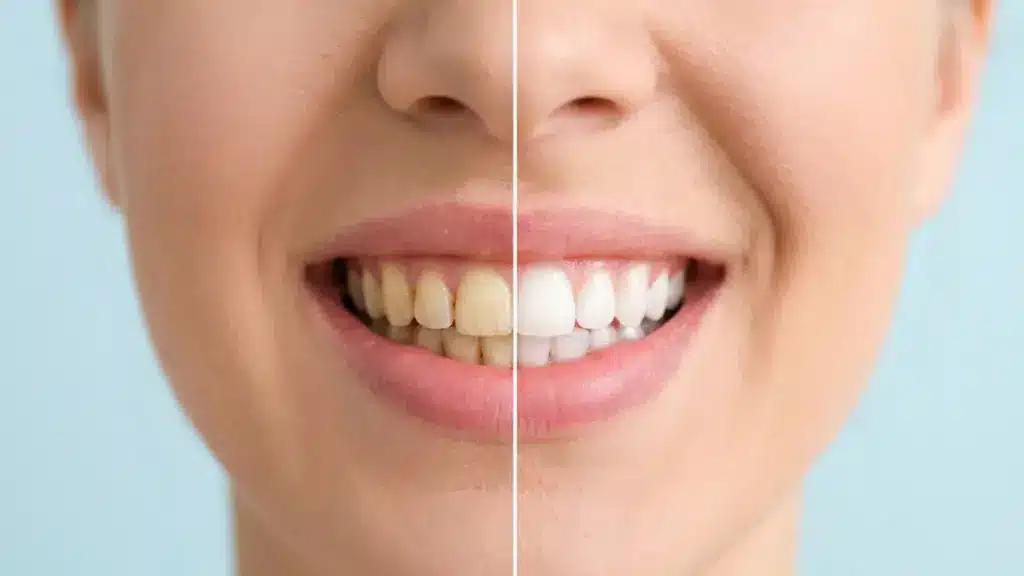
Ever seen social media claim that a simple kitchen ingredient can replace professional dental care? That’s exactly why many people now ask, does coconut oil whiten teeth when they come across oil pulling trends online.
The idea of swishing oil for a few minutes and waking up with a brighter smile sounds appealing, but the reality is more complex.
Coconut oil pulling is often promoted as a natural way to clean the mouth, reduce bacteria, and improve oral freshness, yet its effect on actual tooth color remains debated.
Before trying it as a whitening shortcut, it’s important to understand what it can and cannot do for your teeth.
This blog post breaks down what works, what doesn’t, and what science actually says about coconut oil pulling.
What is Oil Pulling and Why Use Coconut Oil?
Oil pulling did not start on social media. It comes from Ayurvedic medicine, where swishing oil was used as a general wellness practice long before “detox” was a marketing word.
Coconut oil became the modern favorite for a simple reason: it tastes better than sesame oil, the traditional choice, and it is easy to find. It also contains lauric acid, a fatty acid that makes up close to half of coconut oil’s composition.
Lauric acid has documented antibacterial and anti-inflammatory properties, which is part of why the practice picked up traction among people looking for a simple beauty routine that starts as soon as they wake up.
Does Coconut Oil Actually Whiten Teeth?
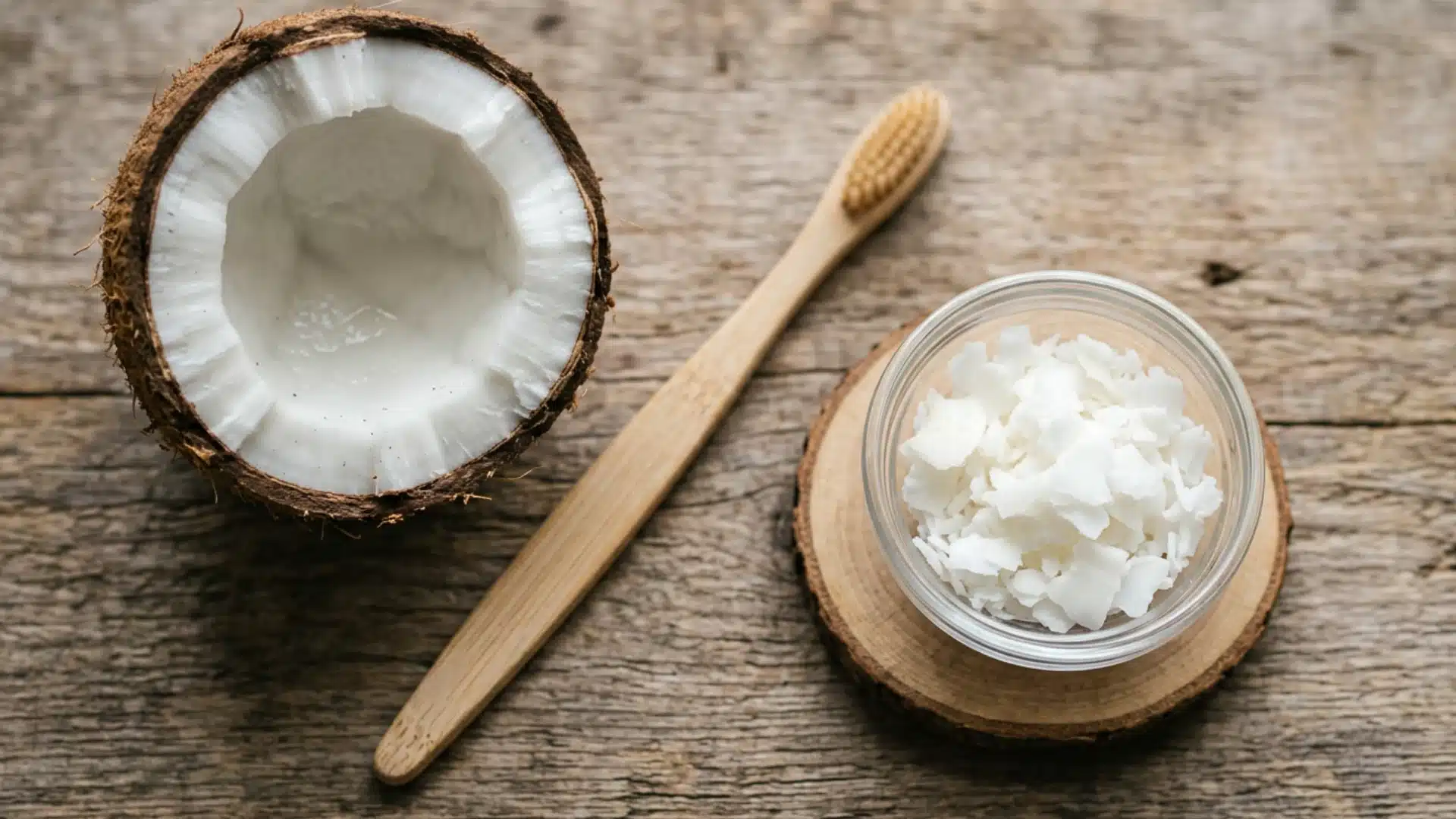
Coconut oil does not whiten teeth in the true sense because it contains no bleaching agents like hydrogen peroxide that can change the natural color of enamel.
Unlike professional whitening treatments that chemically lighten tooth shade, oil pulling works only on the surface level and cannot alter intrinsic tooth color.
It may remove surface bacteria and plaque, making teeth look slightly cleaner, but the effect is subtle and depends more on overall oral hygiene. Most “whitening” comes from less plaque, not changes in enamel shade.
A systematic review published in Heliyon found that coconut oil pulling affected plaque index scores compared with a control group, though the researchers noted the overall quality of the studies was mixed.
Because of this, results are usually temporary and vary widely from person to person. People with already good brushing and flossing habits may notice little to no visible difference at all.
Does Oil Pulling Whiten Teeth or Just Clean Them?
Oil pulling does not whiten teeth in the way bleaching treatments do. It cannot change the natural color of enamel because it contains no active whitening agents such as hydrogen peroxide.
Instead, the process mainly helps remove surface bacteria and loose debris from the mouth. This can make teeth look slightly cleaner and fresher, but it is not a true whitening effect.
Any brightness people notice is usually due to reduced plaque buildup rather than a change in tooth shade.
It should be seen as a supportive oral hygiene practice, not a method for visible tooth whitening.
How to Do Oil Pulling with Coconut Oil

Oil pulling is a simple oral hygiene practice in which coconut oil is swished around the mouth for a set period of time, then spit out, followed by normal brushing.
- Right Amount of Oil: Use about 1 tablespoon of coconut oil. Let it melt if it is solid. This ensures easy swishing and prevents excess oil from forming in the mouth.
- Gentle Swishing Technique: Move the oil slowly through teeth and gums without force. Light, steady motion helps cover all areas without straining the jaw.
- Recommended Duration: Swish for 10–20 minutes for best effect. Beginners can start with 5–10 minutes and gradually increase as comfort improves.
- Safe Disposal Method: Spit the oil into a trash bin, not the sink, to prevent clogging. Avoid swallowing, as it may contain bacteria and debris after use.
- Rinse and Brush Afterward: Rinse thoroughly with warm water, then brush and floss normally. This ensures proper cleaning since oil pulling is only a support step.
Benefits of Oil Pulling Beyond Teeth Whitening
Oil pulling may not whiten teeth, but it is often linked to fresher breath, reduced bacteria, and mild improvements in overall oral hygiene when used alongside regular brushing and flossing.
- Plaque reduction: Regular oil pulling may help loosen the biofilm that builds up along the gumline between brushings.
- Fresher breath: By reducing odor-causing bacteria, many people notice a temporary improvement in breath, especially right after swishing.
- Gum support: Some small trials link oil pulling to reduced gingival inflammation when it is used alongside, not instead of, regular brushing.
- Antibacterial action: Lauric acid’s documented effect on oral bacteria provides the practice with a plausible mechanism, even when whitening claims fall short.
Common Risks and Mistakes to Avoid During Oil Pulling
Before you try oil pulling, it’s important to understand a few potential risks and common mistakes that can reduce its benefits or cause discomfort
- Skipping brushing and flossing: Oil pulling is only a supplement, not a replacement, and using it as a substitute for basic oral care is a common mistake.
- Swishing too briefly: Less than five minutes usually isn’t enough; most routines suggest 10–20 minutes for best effect.
- Swallowing the oil: It should always be spat out, as swallowing can sometimes cause mild stomach discomfort or nausea.
- Spitting into the sink: Coconut oil can solidify and clog drains over time, so it’s best to spit it into a trash bin instead.
- Expecting bleaching-level results: It won’t match professional whitening, so expectations should stay realistic and grounded.
- Using it with fresh dental work: If you have recent dental restorations, it’s best to check with your dentist before starting.
What Actually Whitens Teeth, if Coconut Oil Does Not
If coconut oil doesn’t whiten teeth, it’s worth looking at the methods that actually can change tooth shade in a noticeable, clinically proven way.
| Method | How it works | Whitening effect |
|---|---|---|
| Coconut oil pulling | Loosens surface plaque and bacteria | None on enamel; may look cleaner |
| Whitening mouthwash | Antimicrobial rinse, sometimes with mild peroxide | Minimal, surface-level only |
| OTC whitening strips | Hydrogen or carbamide peroxide against enamel | Noticeable, gradual results |
| Professional whitening | Higher-concentration peroxide, sometimes with light activation | Most significant, longest-lasting |
If a visibly brighter smile is the actual goal, a homemade beauty remedy approach can support your overall routine, but the enamel-level change comes from peroxide-based products or a dentist’s office, not from any oil.
What People are Actually Saying on Reddit

On Reddit, users report good results with coconut oil pulling. Many notice cleaner-feeling teeth and a slightly brighter appearance after consistent use.
In one post, a user said their teeth looked “noticeably whiter” after a month of daily pulling. Another shared that their husband complimented how “white and shiny” their teeth had become.
People with spottier brushing routines often see bigger changes, while those with strong habits notice subtler improvements.
Redditors emphasize that consistency matters more than long sessions. Short, regular pulls help deliver benefits while avoiding jaw fatigue.
Who Should Avoid Oil Pulling?
Before trying oil pulling, it’s important to know that it is not suitable for everyone and may cause issues in certain situations.
- People with jaw pain or TMJ issues: The prolonged swishing motion can strain the jaw and make discomfort worse.
- Children: There is a higher risk of accidentally swallowing the oil, which can lead to stomach upset or choking concerns.
- People with a strong gag reflex: The texture and prolonged swishing can trigger nausea or gagging in some individuals.
- Those with recent dental work: Fillings, crowns, or other restorations may require dentist approval before starting oil pulling.
- People expecting medical whitening results: It should be avoided as a “whitening treatment” since it does not change enamel color.
Conclusion
Coconut oil pulling isn’t a whitening treatment, but it may support your existing oral hygiene routine and leave some people with a slightly cleaner, brighter-looking smile.
For real whitening, peroxide-based treatments work best. Oil pulling should be seen as a small add-on, not a replacement, and it’s wise to check with your dentist if you have dental work.
It’s easy to get drawn into quick fixes that promise dramatic results, but lasting changes in tooth color usually come from proven dental treatments, not home trends.
Have you tried oil pulling yourself? Share what you noticed, or didn’t, in the comments below.
Frequently Asked Questions
How Long Does It Take to See Results from Oil Pulling?
Some people notice fresher breath and a cleaner feeling within a few days. Any change in tooth appearance tends to take a few weeks of consistent use, and it will never reach the level of a bleaching treatment.
Can Oil Pulling Replace Brushing and Flossing?
No. It is a supplementary practice at best, and dentists are clear that it should never substitute for twice-daily brushing and daily flossing.
Is It Safe to Oil Pull Every Day?
For most people, yes, though overdoing long sessions can lead to jaw soreness. Three sessions a week are often enough to notice the reported benefits.
Does Oil Pulling Help with Bad Breath?
It can, temporarily. Reducing the bacteria that produce odor may freshen breath for a few hours, though it will not resolve breath issues caused by an underlying dental or health condition.