Have your eyelids suddenly started feeling dry, flaky, or irritated even though your skincare routine has not changed? That rough, tight feeling around the eyes can appear after washing your face, removing makeup, or using a product your skin once tolerated well.
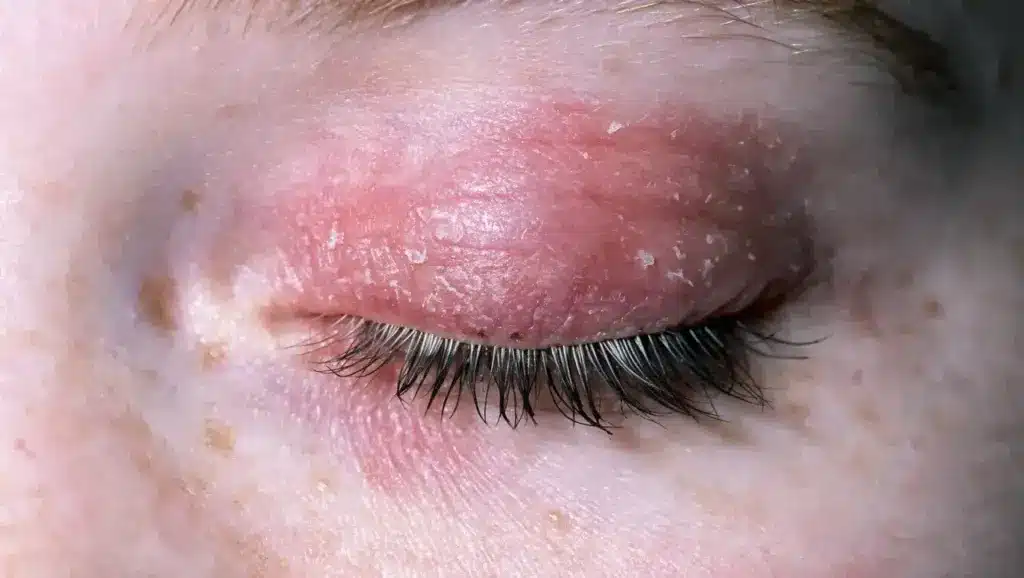
Dry eyelids can cause redness, fine flakes, swelling, itching, or a dry patch on the eyelid because the skin in this area is thinner and more sensitive.
Many people try quick fixes like petroleum jelly or fragrance-free moisturizers, but the right solution depends on the actual trigger.
Finding relief overnight is possible when the issue is simple dryness or irritation. Understanding the cause, avoiding possible irritants, and using gentle care can help reduce discomfort and support skin recovery.
Can Dry Eyelids Improve Overnight?
Mild dryness or irritation may feel better by the next morning if you remove the irritant and protect the skin barrier. Overnight improvement is more likely when dryness comes from weather, frequent washing, or a product that irritated the skin.
Before sleeping, try these steps:
- Stop using eye makeup, lash products, retinoids, exfoliating acids, and recently introduced skincare.
- Gently clean the outer eyelids with lukewarm water.
- Apply a fragrance-free moisturizer suitable for sensitive skin.
- Use a small amount of plain petroleum jelly on the outer eyelid area if your skin tolerates it.
However, overnight relief does not always mean the problem is fully resolved. A recurring dry patch on the eyelid, persistent flaking, crusting near the lashes, pain, swelling, discharge, or vision changes may require advice from a healthcare professional.
What Do Dry Eyelids Look and Feel Like?
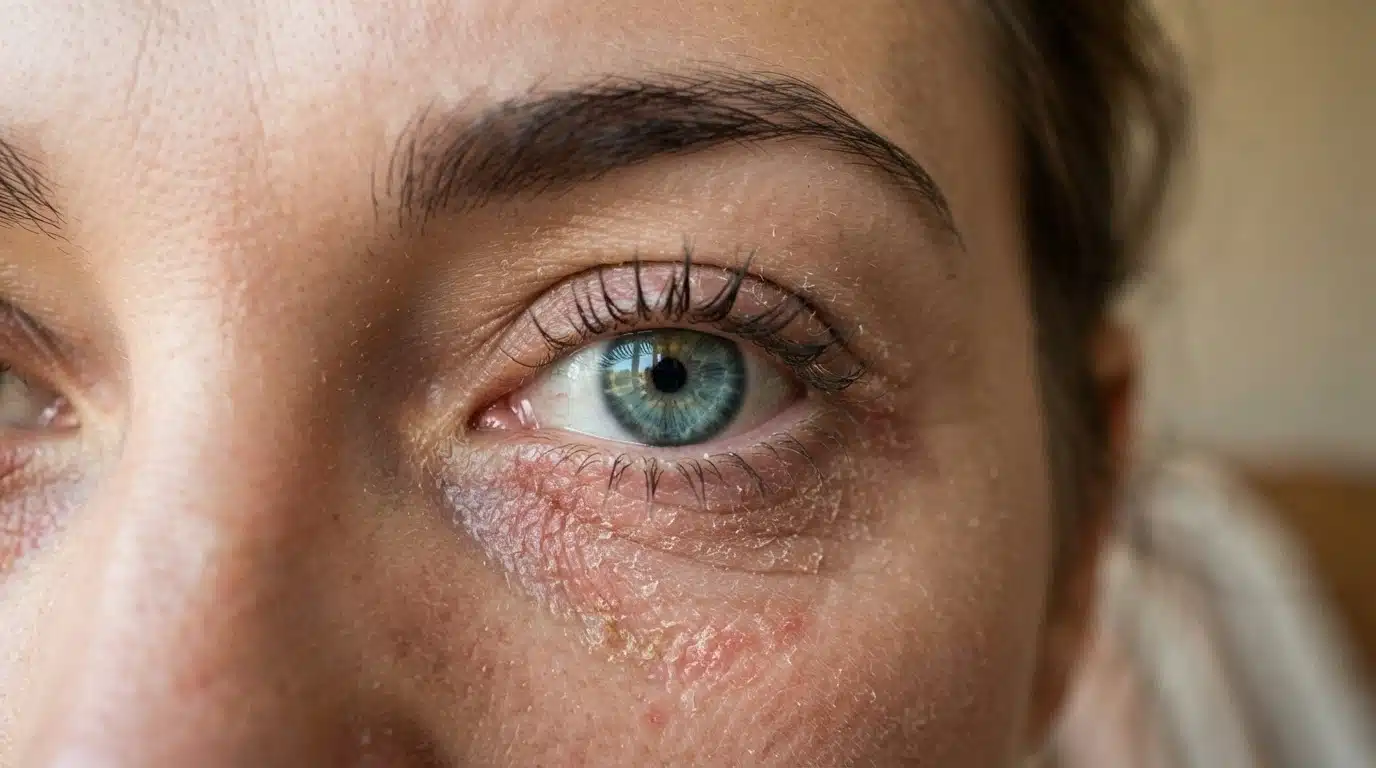
Dry eyelids can appear differently depending on what is causing the irritation. Some people notice mild tightness, while others develop visible flakes, redness, or rough patches. Common signs include:
| Symptom | How It May Feel or Look |
|---|---|
| Fine flakes | Small pieces of dry skin around the eyelids |
| Tightness | Skin feels stretched, especially after washing |
| Rough texture | The eyelid surface feels uneven or irritated |
| Redness | Skin appears inflamed or sensitive |
| Itching | A strong urge to rub or touch the area |
| Swelling | Eyelids look puffy or irritated |
The location of the dryness can also provide clues. Flaking across the outer eyelid may occur with simple dryness, eczema, or contact dermatitis. Crusting near the eyelashes is more commonly linked with eyelid margin problems such as blepharitis.
If flaking and thickened skin persist, WebMD’s overview of eyelid eczema walks through how it’s typically identified and treated.
Dry eyelid skin is different from dry eye. Eyelid dryness affects the outer skin, while dry eye affects the tear film and may cause burning, watering, grittiness, light sensitivity, or blurred vision.
Common Causes of Dry, Flaky Eyelid Skin
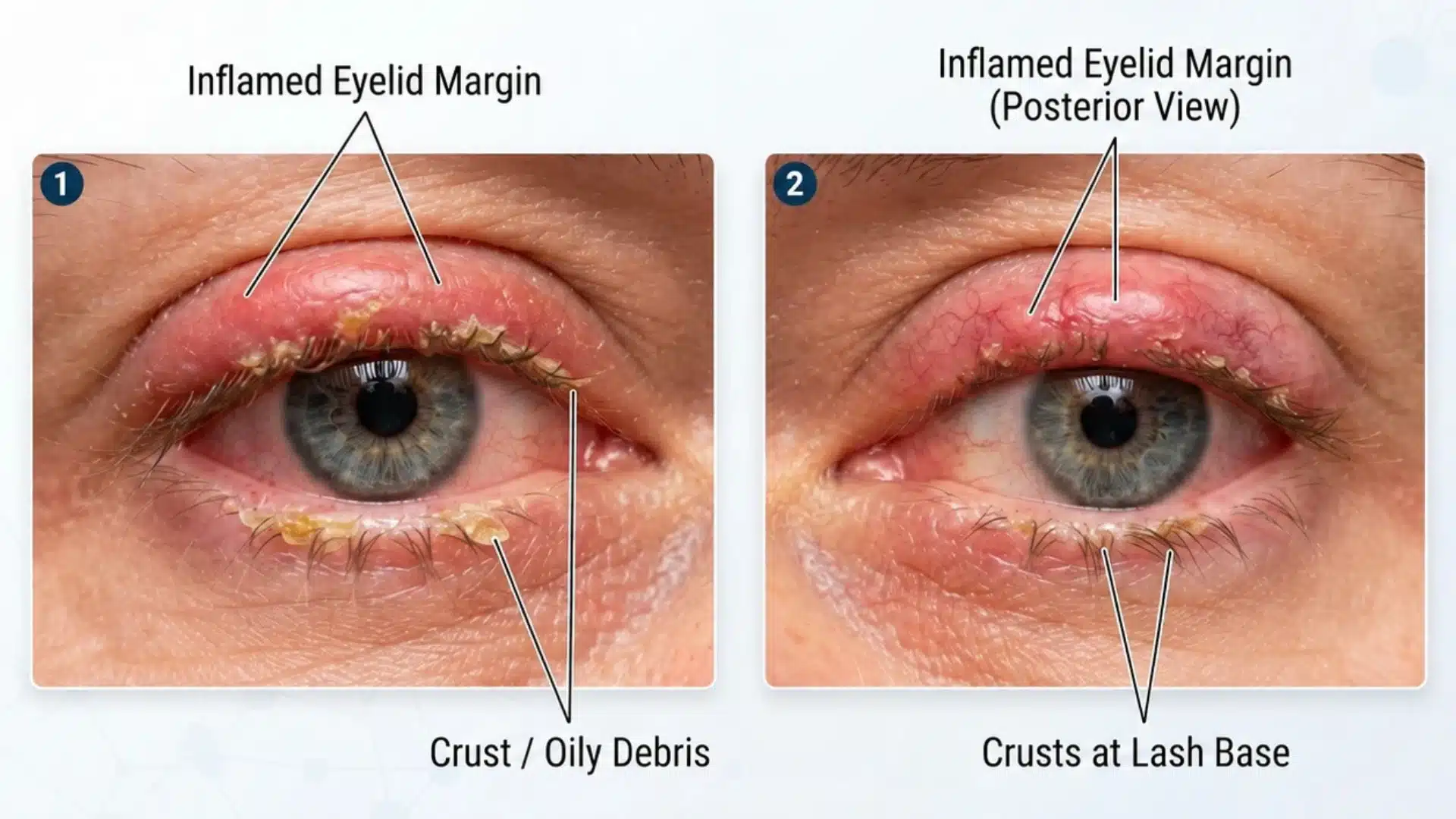
Eyelid skin is thin and easily affected by weather, washing, cosmetics, allergens, and inflammatory conditions. The location and type of symptoms may offer clues, but a clinician may be needed to confirm the cause.
| Possible cause | Main location | Common signs | Useful clue |
| Simple dryness | Outer eyelid skin | Tightness, roughness, fine flakes | Often follows low humidity or frequent washing |
| Irritant dermatitis | Eyelid skin | Burning, stinging, redness, dryness | May follow retinol, acids, cleansers, or makeup remover |
| Allergic dermatitis | Upper or lower lids | Itching, scaling, redness, swelling | May follow direct or transferred product exposure |
| Blepharitis | Eyelid edges and lashes | Crusts, itching, redness, gritty eyes | Flakes collect around the lash base |
| Dry eye | Eye surface | Burning, watering, grittiness, blurred vision | The eye itself feels irritated |
| Possible infection | Eyelid or nearby tissue | Pain, warmth, discharge, increasing swelling | Symptoms worsen instead of staying mildly dry |
The National Eye Institute describes blepharitis as a condition that can make the eyelids red, swollen, irritated, itchy, and crusty. Moisturizer, such as a basic ceramide-based cream, may help with simple dryness, but it cannot treat every case of dermatitis, blepharitis, dry eye, psoriasis, or infection.
How to Calm Dry Eyelids Quickly
Mild irritation may improve with gentle care, especially when the cause is identified early. The goal is to calm discomfort, reduce moisture loss, and avoid adding products that may increase sensitivity.
- Stop possible irritants: Skip eye makeup, lash serums, retinoids, exfoliating acids, fragranced products, and recently introduced skincare.
- Wash your hands: This reduces the transfer of nail products, hair products, fragrance, and household cleaners.
- Rinse gently: Clean the outer eyelids with lukewarm water. Avoid hot water, facial soap, makeup wipes, and rough washcloths.
- Choose the right compress: Use a cool compress for itching or puffiness. A comfortably warm compress may suit crusting around the lashes. It should never feel hot.
- Pat the skin dry: Use a clean, soft towel. Do not rub, scratch, or peel the flakes.
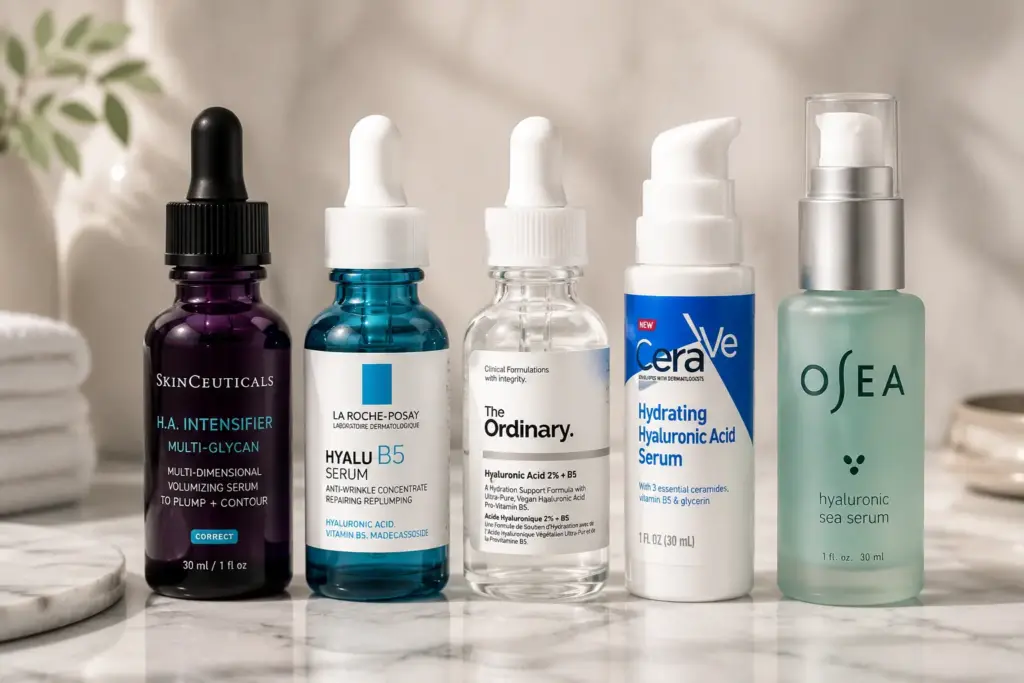
- Apply a plain moisturizer: Pat a small amount of fragrance-free cream, ideally a well-tolerated hydrating formula, onto the outer eyelid skin, keeping it out of the eye.
- Seal in moisture if tolerated: Apply a small amount of plain petroleum jelly to slightly damp outer skin to help reduce moisture loss.
Less tightness or flaking the next morning does not confirm that the cause has resolved. Eczema, allergic dermatitis, psoriasis, infection, and blepharitis may need condition-specific care.
Caution: Do not apply hydrocortisone, essential oils, antibiotic ointments, or strong skincare ingredients near the eyes without professional advice.
Products and Habits That May Worsen Eyelid Irritation
Certain products and daily habits can keep eyelid irritation active by repeatedly affecting sensitive skin, which is why reaching for reactive-skin-friendly cosmetics can help. Avoid these while your eyelids recover:
- Retinoids, retinol, and exfoliating acids near the eyes
- Fragranced skincare products and scented cosmetics
- Eye makeup, lash serums, and eyelash adhesives
- Essential oils and harsh skincare ingredients
- Hot water and rough cleansing methods
- Rubbing, scratching, or peeling flaky skin
- Using old makeup or unwashed tools
Removing these irritants can give sensitive eyelid skin a better chance to recover and may help reduce repeated flare-ups.
What Do People Share About Flaky Eyelids Online?
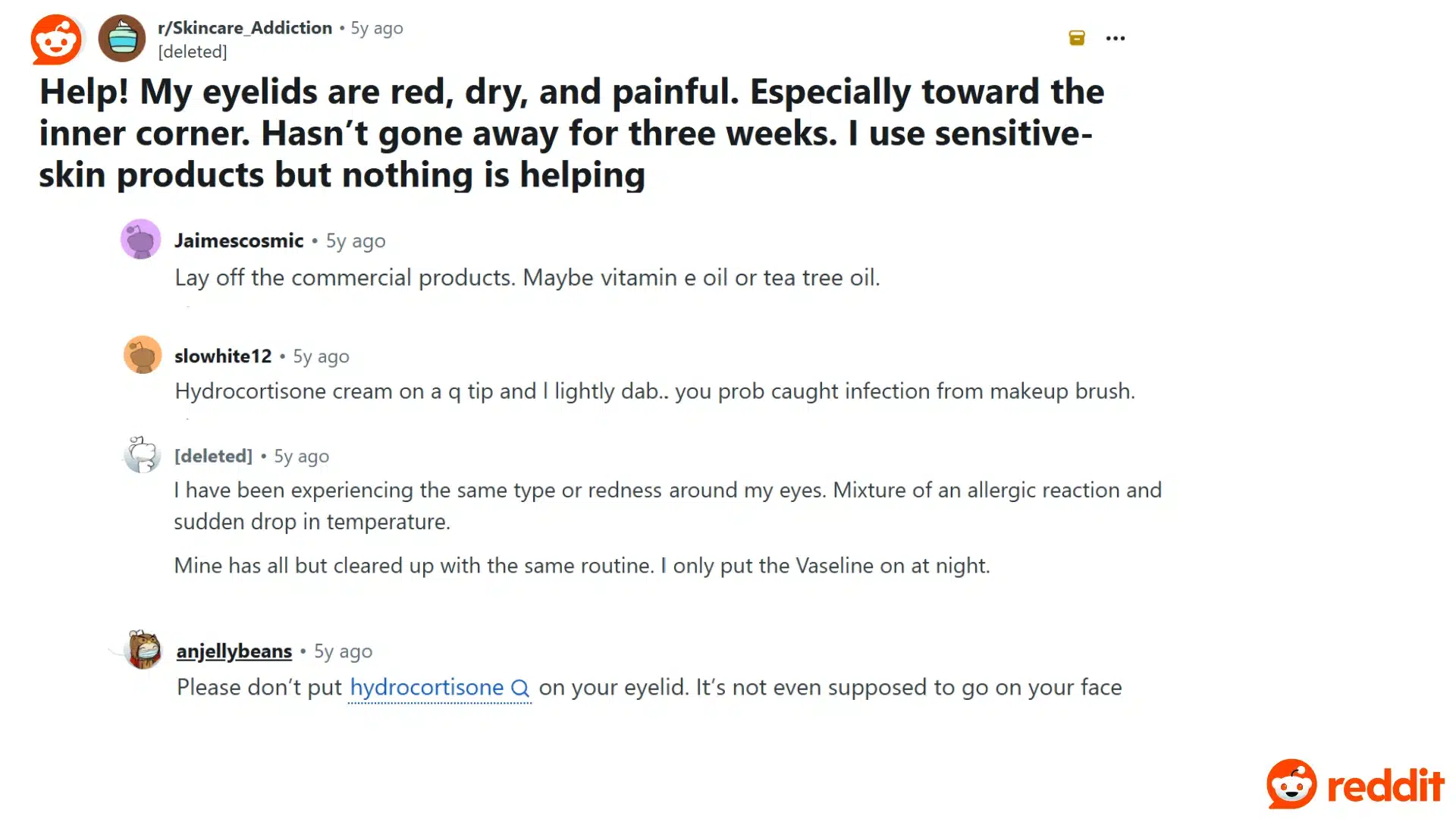
Online Reddit discussions about dry, irritated eyelids often include different solutions, from stopping skincare products to changing makeup routines or using petroleum jelly. These experiences may offer ideas, but they cannot confirm the exact reason behind someone’s symptoms.
Some users report that simplifying their skincare routine helped reduce redness and flaking, while others connect their symptoms with eye creams, makeup, or lash products.
These experiences show why the same solution may work for one person but not another. Persistent irritation can have different causes, including product reactions, allergies, eczema, or eyelid conditions that need professional evaluation.
Community advice can help identify possible irritants, but it should not replace medical guidance when symptoms continue or become severe.
How Long Does Peeling Eyelid Skin Take to Heal?
The recovery time for dry, flaky eyelid skin depends on the cause, how quickly the cause is identified and avoided, and whether irritation continues.
| Cause | Typical Recovery Pattern | What May Slow Improvement |
|---|---|---|
| Weather-related dryness | May improve after restoring moisture and reducing exposure | Dry air, wind, heating, or frequent washing |
| Mild product irritation | May settle after stopping the cause | Reusing the irritating product |
| Allergic reaction | May continue until exposure is fully avoided | Hidden contact through makeup, hair, or skincare |
| Eczema or psoriasis | May follow recurring flare patterns | Lack of condition-specific treatment |
| Blepharitis | May require ongoing management | Inconsistent eyelid care |
These timeframes are general and can vary from person to person. If a dry patch on the eyelid keeps returning, becomes more irritated, or does not improve after removing possible causes, professional advice may help identify the reason.
When Should You Seek Medical Care?
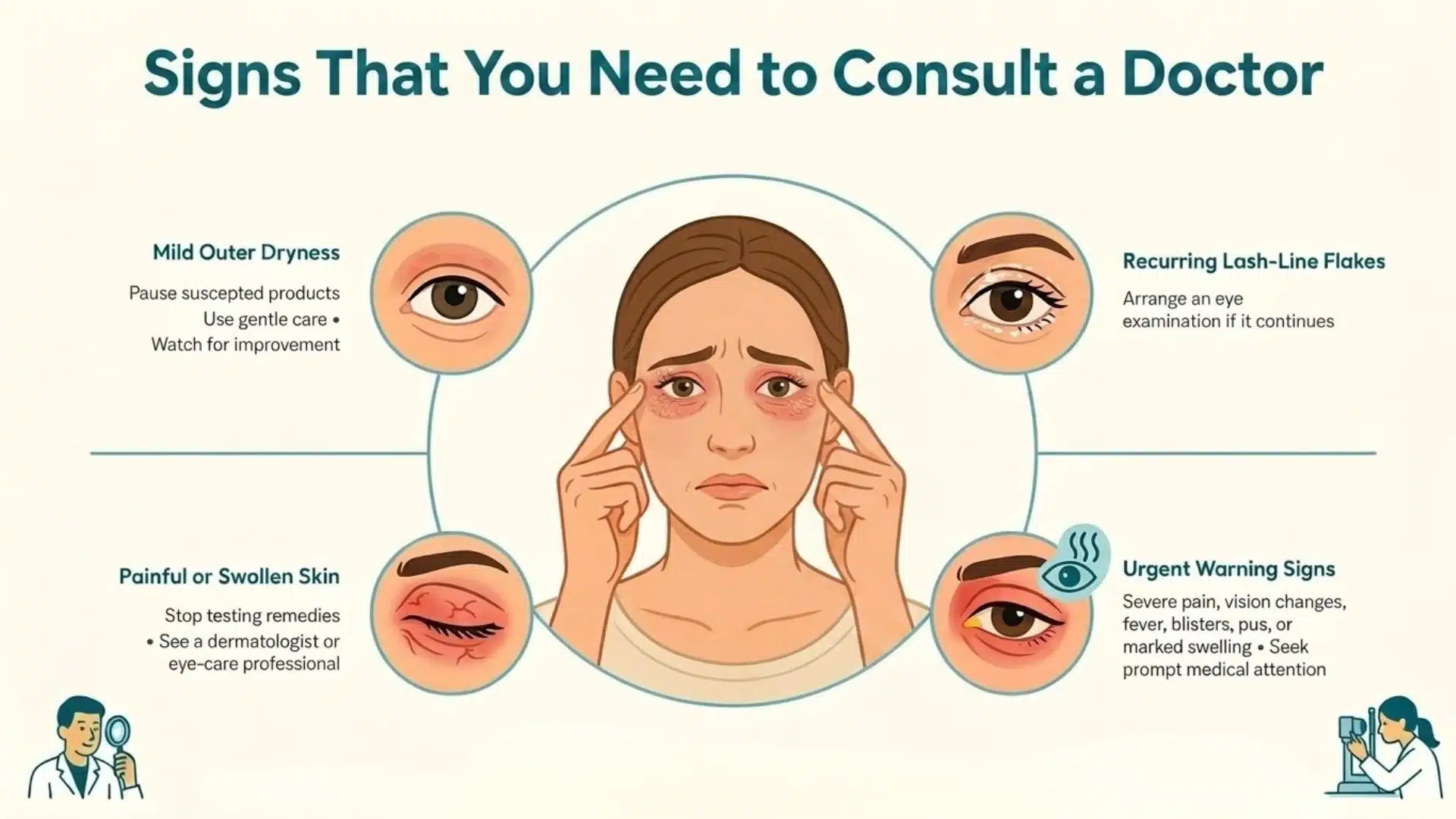
Many cases of mild eyelid dryness improve with gentle care and avoiding possible irritants. However, some symptoms may need professional evaluation to identify the cause and prevent further irritation. Consider seeking medical advice if you notice:
- Persistent flakes or crusting near the eyelashes: Repeated buildup around the lash line may be linked to blepharitis or another eyelid condition.
- Painful, thick, cracked, or swollen skin: Severe irritation may need proper evaluation instead of trying multiple home remedies.
- Symptoms that keep returning: Frequent flare-ups may point to an allergy, skin condition, or ongoing exposure that is difficult to identify.
- Vision changes, discharge, severe swelling, fever, blisters, or trouble opening the eye: These symptoms may require prompt medical attention.
A dermatologist can help identify skin-related causes, while an eye-care professional can examine the eyelid margins and eye surface for related concerns.
How Can You Prevent Dry, Flaky Eyelids From Returning?
Simple habits can help protect sensitive eyelid skin and reduce repeated irritation. Focus on keeping your routine gentle and noticing patterns that may cause flare-ups.
- Reintroduce active skincare slowly after irritation improves.
- Keep eye products clean and replace them when needed.
- Avoid adding multiple new products at the same time.
- Wash your hands before touching the eye area.
- Remove makeup gently without rubbing the skin.
- Check hair products, detergents, and pillowcases if symptoms appear after sleeping.
- Track repeated patterns to understand what causes irritation.
If symptoms return, note recent product changes, where dryness appears, and anything that improves or worsens the flare. This information can help identify possible causes.
Final Thoughts
Dry eyelids can happen because of weather changes, skincare products, cosmetics, allergies, eczema, or conditions affecting the eyelid area.
While simple steps like removing irritants and using gentle products may improve comfort, the right approach depends on what is causing the problem.
For mild irritation, a careful routine can help reduce flaking and discomfort. However, a recurring dry patch on the eyelid, ongoing redness, pain, swelling, or eye-related symptoms should not be ignored.
Pay attention to patterns, adjust products slowly, and choose gentle care while your skin recovers. If you have found a routine that helps manage dry, flaky eyelid skin, share your experience and tips with others.
Frequently Asked Questions
Can Eyelid Irritation Begin After Using the Same Product for Years?
Yes. Eyelid irritation can appear even after using the same products for a long time. Sensitivity may develop gradually, or weather, allergies, makeup residue, and environmental changes may contribute.
Can Makeup Cause Dry and Flaky Eyelid Skin?
Yes. Eye makeup, removers, lash products, and cosmetic ingredients may irritate sensitive eyelid skin. Removing products gently and avoiding suspected irritants can help identify whether makeup is contributing.
Can Dry Eyelids Be Caused By Weather Changes?
Yes. Cold weather, wind, low humidity, and indoor heating can increase moisture loss from the skin around the eyes. Adjusting your skincare routine and protecting the area may help during seasonal changes.
Why are My Eyelids Dry Only In the Morning?
Morning dryness may be linked to nighttime exposure from skincare, hair products, pillowcases, detergents, or dry air. Reviewing your evening routine and sleeping environment may help identify possible causes.