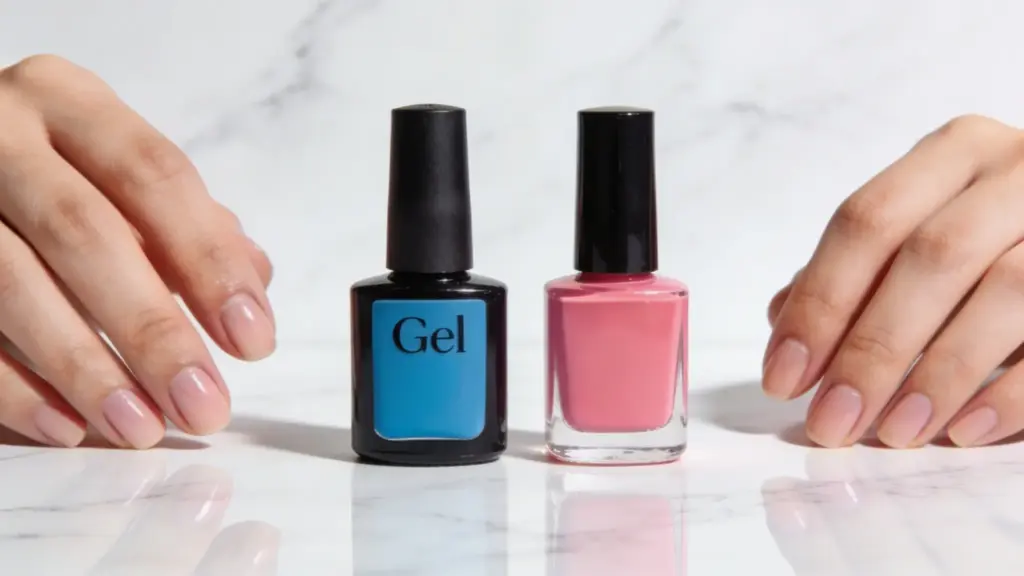
Growing up sweeping floors in my family’s Houston salon, I watched clients make this same debate every single week.
How many times have you repainted your nails on a Wednesday because your Monday manicure already looked rough? If that sounds familiar, this is the sign to finally figure out whether gel is worth the switch.
Both can give you beautiful nails, but they work completely differently, cost differently, and do different things to your nails over time.
Once you understand those differences, the choice becomes a lot clearer. And honestly, for some people, the answer is a third option that sits right between them.
What’s the Difference: Gel vs Regular Polish
The biggest difference isn’t the color or the shine, it’s how each one dries and bonds to your nail.
- Regular polish is a lacquer. It air-dries by evaporation, which is why you can smudge it 20 minutes after application if you’re not careful. It sits on top of your nail rather than bonding to it, which is why it chips relatively easily.
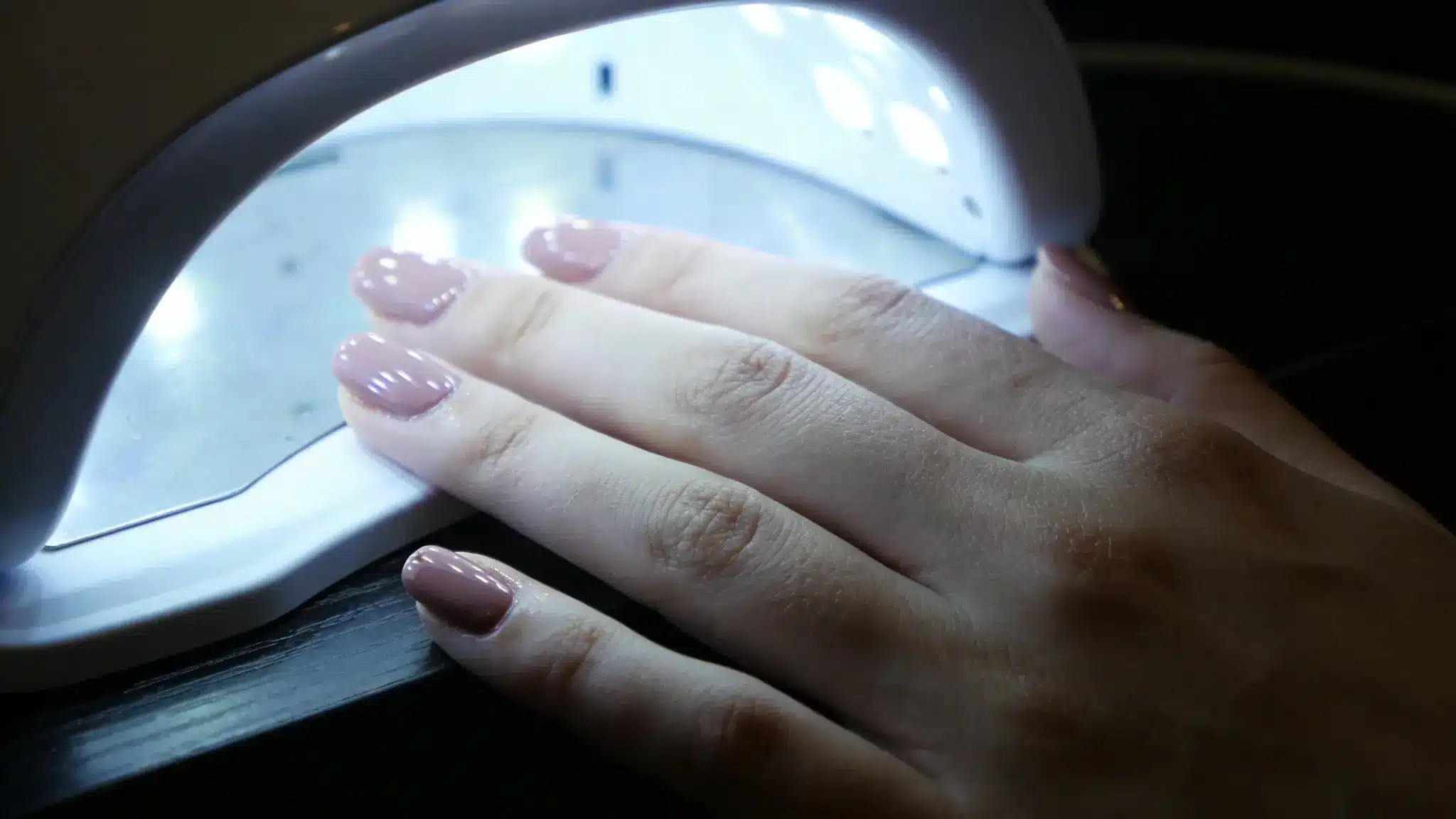
- Gel polish contains photo-initiators, compounds that react to UV or LED light and trigger a hardening process called curing. When you put your hand under the lamp, the gel bonds to the nail, forming a hard, flexible layer that’s far more resistant to chipping, peeling, and everyday wear.
That chemistry difference is what makes gel last two to three weeks while regular polish typically lasts three to seven days, and why gel requires more effort to remove.
Gel vs Regular Polish at a Glance
Below is the side-by-side breakdown that actually matters across application, wear, cost, removal, and risk.
Gel Polish | Regular Polish | |
Drying/Curing | LED/UV lamp, 30–60 sec per coat | Air dries, 15–30 min total |
Wear time | 2–3 weeks | 3–7 days |
Finish | High-gloss, stays shiny | Can dull over time |
Chip resistance | Very high | Low to moderate |
Removal | Acetone soak + foil, 10–15 min | Standard remover, 2 min |
Nail health risk | Higher if removed incorrectly | Lower overall |
Salon cost | $35–$65 | $15–$30 |
Color variety | Large but smaller than regular | Enormous |
At-home use | Totally doable with a lamp | Easy, no tools needed |
Allergen risk | Higher (HEMA/Di-HEMA in some brands) | Lower |
How Long Does Gel Polish Last Compared to Regular Polish
Gel polish wins on longevity, but the real number depends on how well your nails are prepped, not just the formula.
A well-prepped gel manicure on clean, dehydrated nails can genuinely last two to three weeks without lifting or chipping.
Skip the prep, oil on the nail plate, skip the base coat, and don’t seal the free edge, and you’ll be peeling by day five.
Regular polish on prepped nails with a good base coat and top coat can realistically last five to seven days. Some people get more. Hands that are constantly in water, cleaning products, or hand sanitizer will see it go faster.
Growing up around the salon, I watched the difference prep made more clearly than anything else.
Two clients with the same gel polish, one would be back in a week, the other is still going strong at three weeks. The difference was almost always in the prep, not the product.
The Real Cost of Gel vs Regular Polish
Most comparisons just list the prices. The more useful number is the cost per day of wear.
At the salon:
- Regular manicure: Approx. $15–$30, lasts ~5 days → roughly $4–6 per day
- Gel manicure: Approx. $35–$65, lasts ~18 days → roughly $2–4 per day
On pure math, gel often works out cheaper per wear, especially if you’re someone who maintains nails consistently. But add removal costs ($10–$20 if done separately), and that math shifts a bit. The real savings kick in when you’re doing gel at home.
At home:
- Starter gel kit (lamp + base + top + a few colors): Approx. $40–$80 one-time investment
- Each gel manicure after that: Approx. $3–$8 in product
Regular polishing at home is still cheaper upfront, but if you’re repainting every week, the cost and time add up faster than people expect.
Does Gel Polish Actually Damage Your Nails?
This is the question that comes up most, and the direct answer is: gel itself is not the problem. The removal process is.
When gel is soaked off properly, acetone-soaked cotton on the nail, wrapped in foil for 10 to 15 minutes with no scraping, it comes off without significant damage.
The problem is impatience. Peeling gel off, or having it filed off aggressively with an e-file at a salon, strips layers of your nail plate along with it. That is what leads to thin, bendy, paper-feel nails.
UV lamp exposure is worth mentioning as well.
A 2023 study published in Nature Communications found that UVA radiation from gel curing lamps caused DNA damage in human cells, though researchers noted that more long-term studies are needed to quantify cancer risk from typical salon use.
The risk from occasional gel manicures is considered low, but cumulative exposure over years of regular gel clients is a reasonable concern.
A simple workaround: apply broad-spectrum SPF to your hands before your appointment, or wear fingerless UV-protective gloves during curing.
Some gel polishes also contain sensitizing ingredients like HEMA (hydroxyethyl methacrylate) or Di-HEMA, which can trigger allergic reactions in some people, especially with repeated exposure.
If you notice redness, itching, or swelling around the nails after gel application, it is worth switching to a HEMA-free formula and mentioning it to a dermatologist.
How to Remove Gel Polish at Home Without the Damage
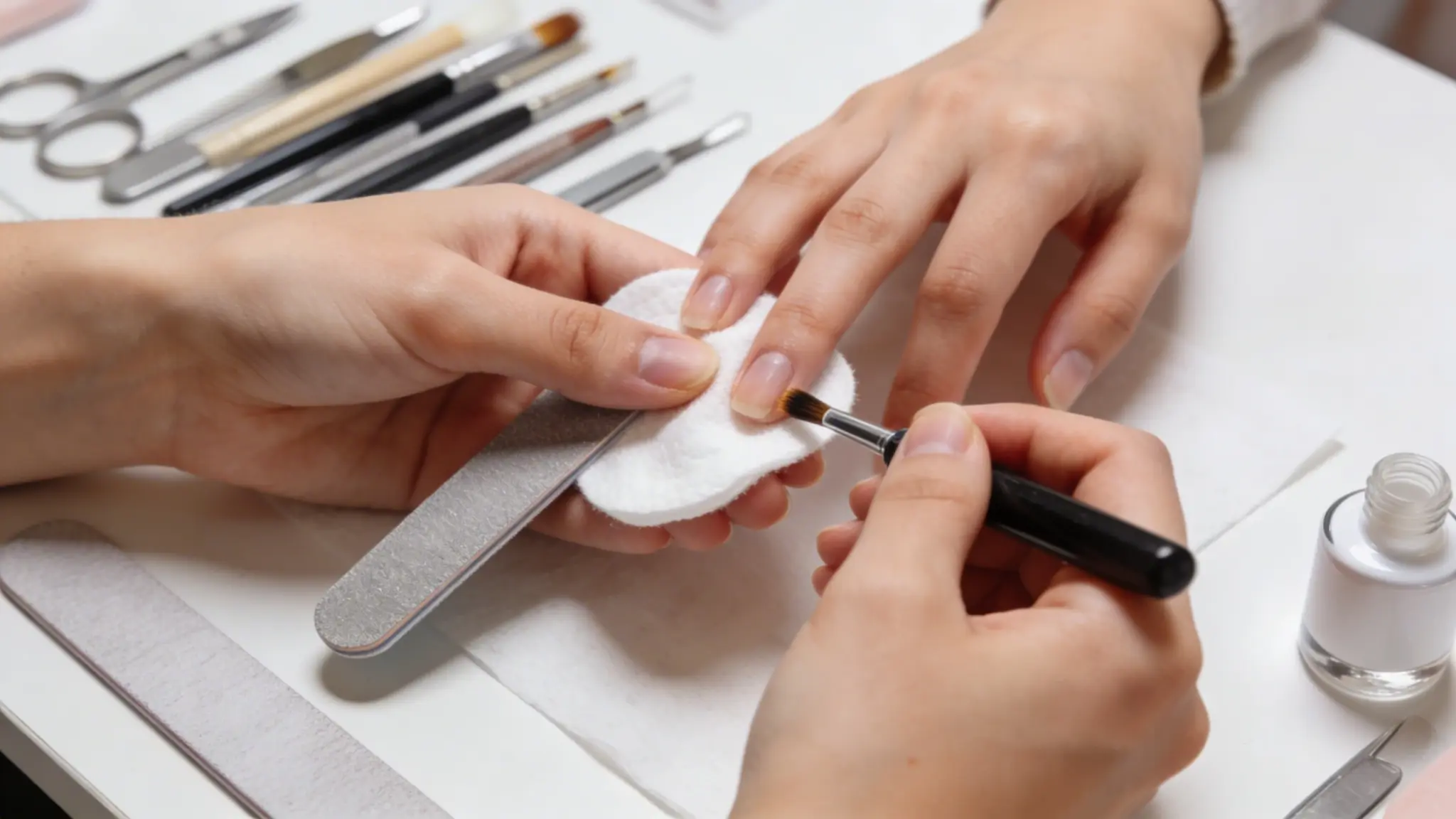
This is the step most people rush, and where the majority of damage actually happens. Proper safe gel removal at home takes about 15 minutes total and saves you weeks of recovery.
- Step 1: Lightly buff the top coat with a 180-grit file. Two or three passes, you’re just breaking the seal, not sanding it down.
- Step 2: Soak a cotton pad in acetone and press it onto the nail.
- Step 3: Wrap each finger in foil and wait 10–15 minutes. Don’t skip this.
- Step 4: Gently slide the cotton off. If gel doesn’t come off, wrap again for five more minutes; never scrape.
- Step 5: Apply cuticle oil immediately to every nail and the surrounding skin.
- Step 6: Give your nails 24–48 hours before reapplying anything.
Gel vs Regular Polish: Which One Should You Choose?
The answer comes down to how you live, not how you wish you lived.
- If you want a manicure that lasts two to three weeks, a vacation, or a packed schedule without touch-ups, gel is your best bet, as long as you are committed to proper removal.
- If you switch colors constantly, have thin or recovering nails, or just want something simple and low-cost, regular polish fits your life better.
- And if you want that glossy, longer-lasting finish without investing in a lamp or sitting through an acetone soak, a gel-effect polish splits the difference nicely.
There is no wrong answer, only the one that actually works for you.
Nail Care Habits That Make Gel and Regular Polish Last Longer
Whichever you choose, these habits make a real difference in how your nails hold up over time.
- Daily cuticle oil routine: Hydrated nails hold polish longer and are less prone to cracking. Apply morning and night, not just after removal.
- Always use a base coat: It protects your nail plate and helps the color stick.
- Seal the free edge: Drag your top coat along the tip of the nail. This one step cuts chipping dramatically.
- Take breaks between gel manicures: One to two weeks of bare nails lets everything rehydrate properly.
- Wear gloves when washing dishes or cleaning: Water and household chemicals are the fastest way to shorten your manicure, gel, or regular.
- Stop using your nails as tools: I had to retrain myself on this one after years of watching clients ruin their gel within four days by popping open pull-tabs and peeling stickers.
Conclusion
Gel polish lasts longer, keeps a high-gloss finish, and stands up better to daily wear and tear than regular polish. Regular polish, on the other hand, is gentler on nails, more affordable, more flexible, and much easier to remove at home.
Neither option is strictly better. It comes down to your routine, patience, and how much upkeep you are willing to handle.
If you are unsure where to begin, try a gel-effect polish first. It gives you a similar shine and longer wear without needing a UV lamp or dealing with soaking and removal steps.
No matter what you choose, the basics matter more than the product. Prep your nails properly, apply cuticle oil daily, and avoid peeling polish, as that causes the most damage over time.
Still on the fence? Drop your biggest nail struggle in the comments below, and I will help you figure out which option makes the most sense for you
Frequently Asked Questions
Can I Do Gel at Home without a Professional Lamp?
Yes, a basic LED lamp runs $15–$40. Look for at least 24W. Underpowered lamps under-cure gel, which is why some at-home manis peel faster than expected.
Is Peeling Gel Really That Bad?
Yes. It takes layers of your nail plate with it every single time, even when it looks like it’s coming off cleanly. Always soak it off.
How is Gel Polish Different from Shellac?
Shellac is a brand-name hybrid formula by CND, combining elements of gel and regular polish. It cures under UV or LED light and lasts around two weeks, but its formula is thinner than most standalone gel polishes.