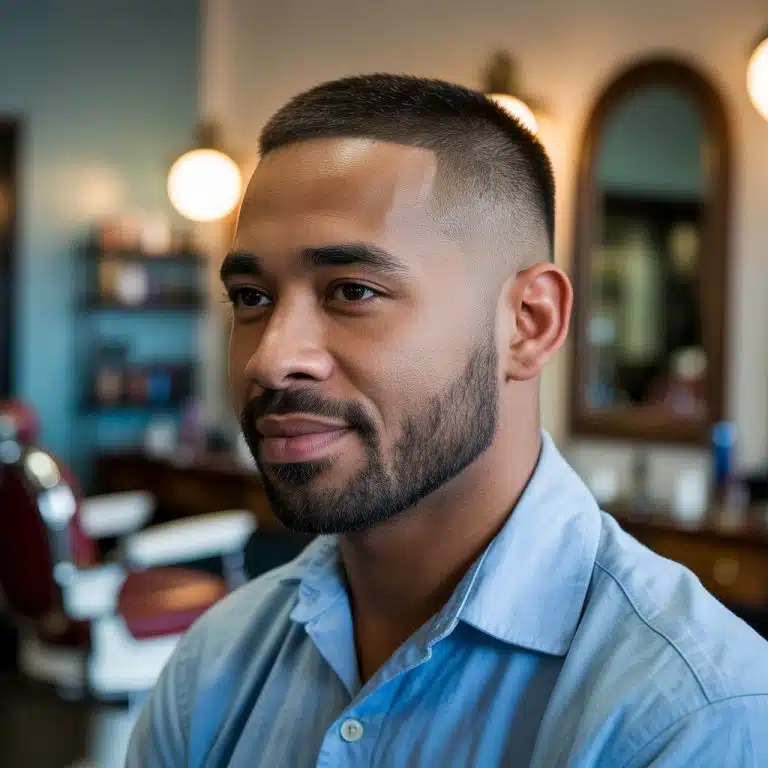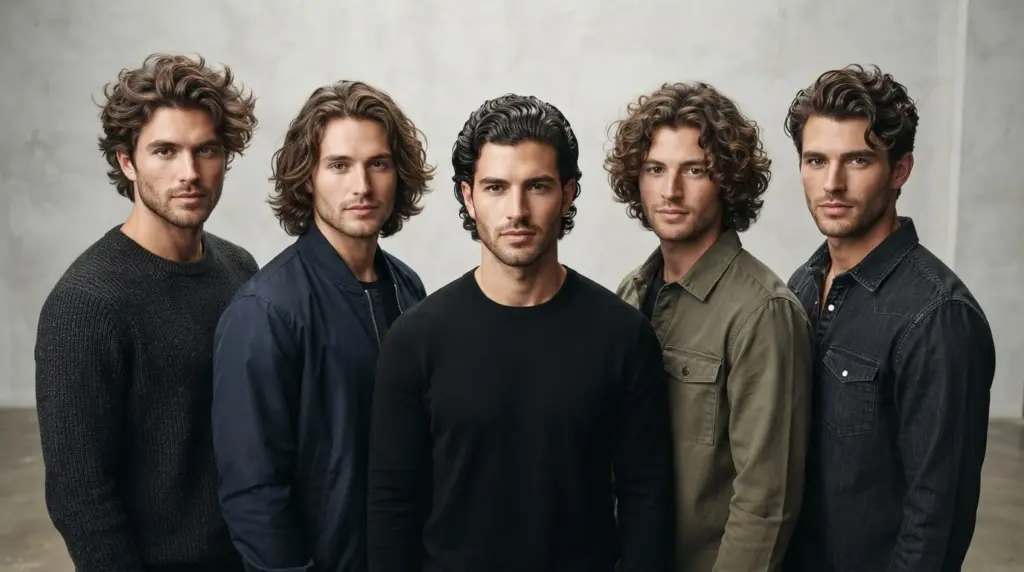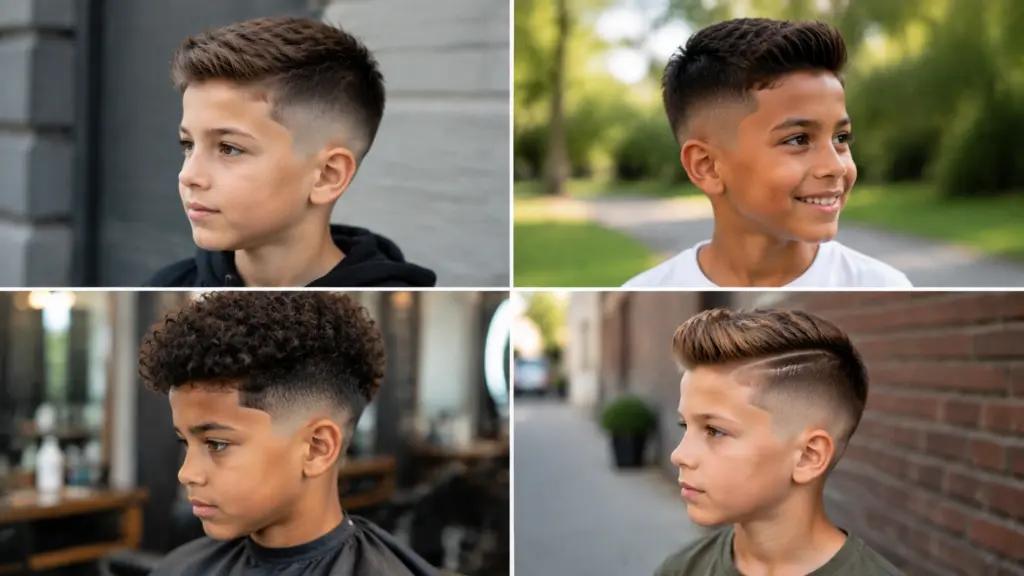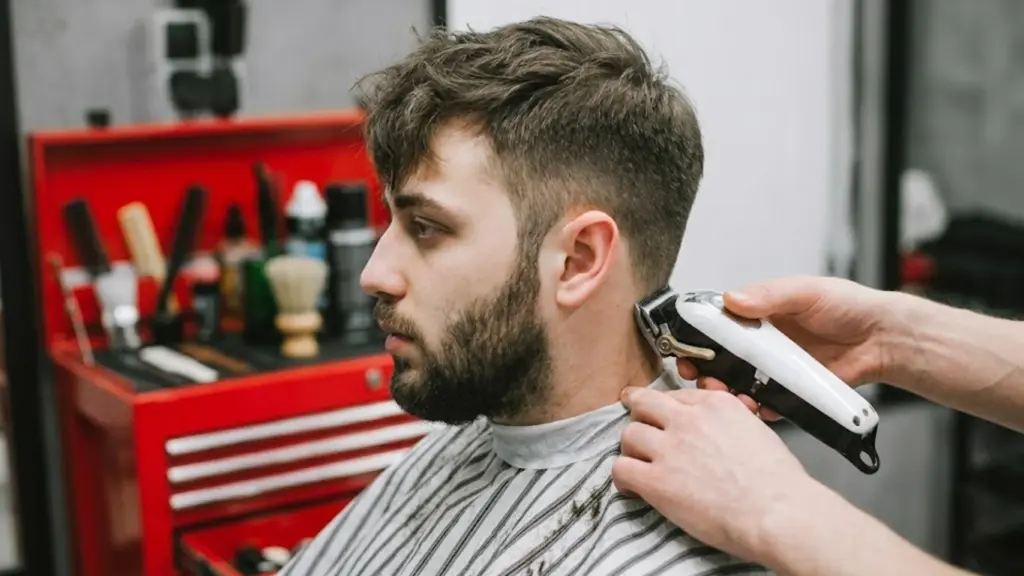
Standing in the barber chair, one of the most common decisions comes down to a surprisingly simple question: high taper fade, or low taper fade?
At first glance, the difference can seem minor. In reality, where the fade begins can completely change the shape, balance, and overall impact of a haircut.
A high taper fade creates stronger contrast and a sharper, more modern appearance, while a low taper fade delivers a cleaner, more subtle finish.
The right choice depends on factors such as face shape, hair type, maintenance preferences, and personal style.
Understanding how each fade works before heading to the barbershop can help avoid costly mistakes and ensure the final result matches both appearance goals and daily grooming habits.
What is a Taper Fade?
A taper fade is a haircut in which the hair gradually shortens around the sideburns, ears, and neckline, while the top stays longer.
The change is gradual, so the haircut looks clean instead of harsh. It can be very subtle or more noticeable, depending on how short the barber takes the lower areas.
People often mix up a taper, a fade, and a taper fade. A taper usually focuses on the edges, while a fade can go higher, removing more hair from the sides.
A taper fade combines both ideas by blending the hair down smoothly near the edges.
Before comparing high- and low-taper fades, this base meaning matters because the main difference comes down to where the fade starts and how much contrast it creates.
What is a Low Taper Fade?
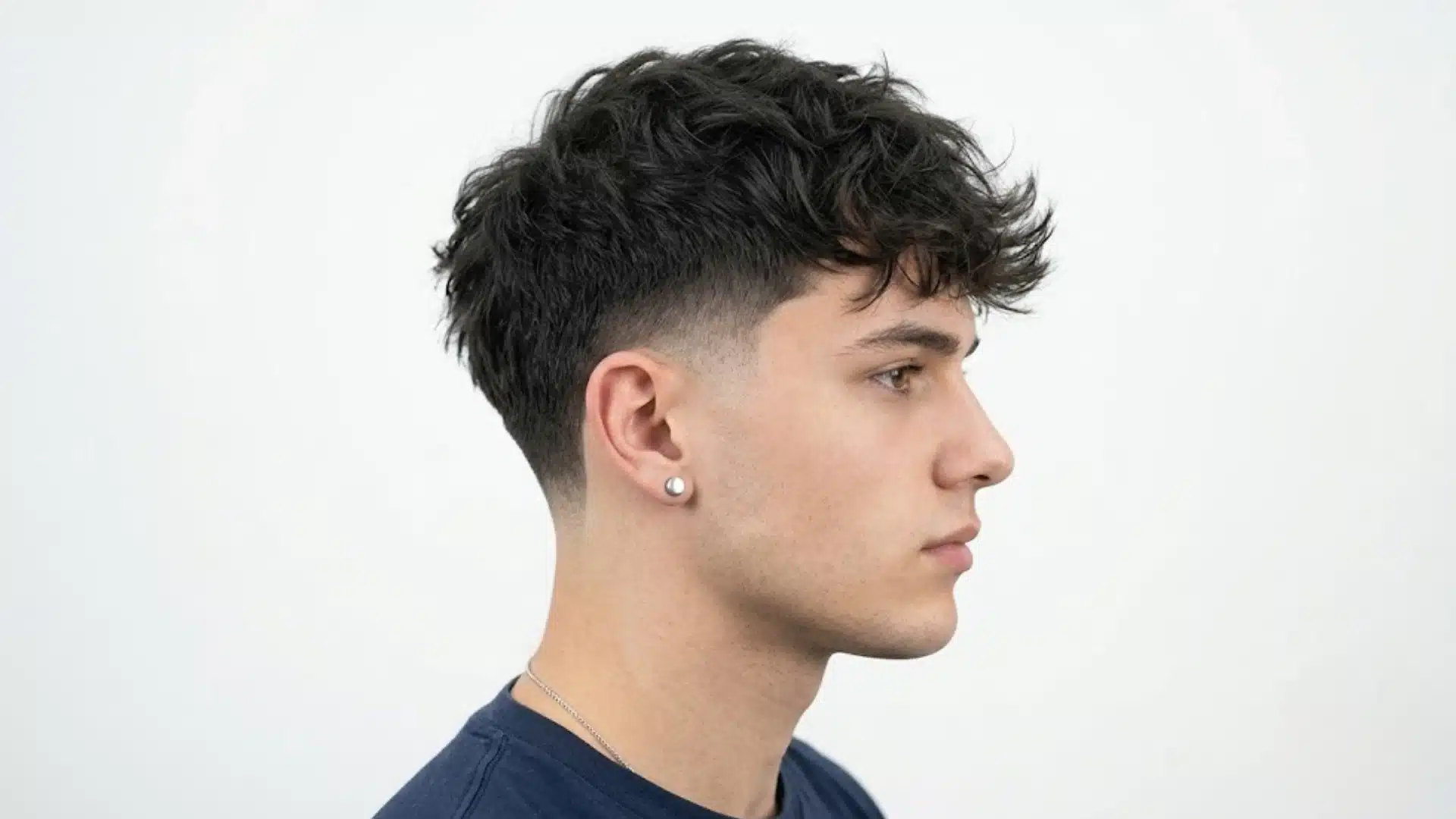
A low taper fade starts lower on the head, usually around the ears, sideburns, and neckline. Instead of taking the fade high up the sides, it keeps more hair in place, giving the haircut a cleaner, softer look.
This makes it easier to wear every day because it does not feel too bold or dramatic from the side.
It is a strong choice for school, office settings, interviews, and other places where a neat style matters.
A low taper fade also works well for someone getting a fade for the first time because it gives a fresh finish without changing the whole shape of the haircut.
For people who want a sharp but simple look, this style keeps things polished while still feeling natural and easy to manage.
What is a High Taper Fade?
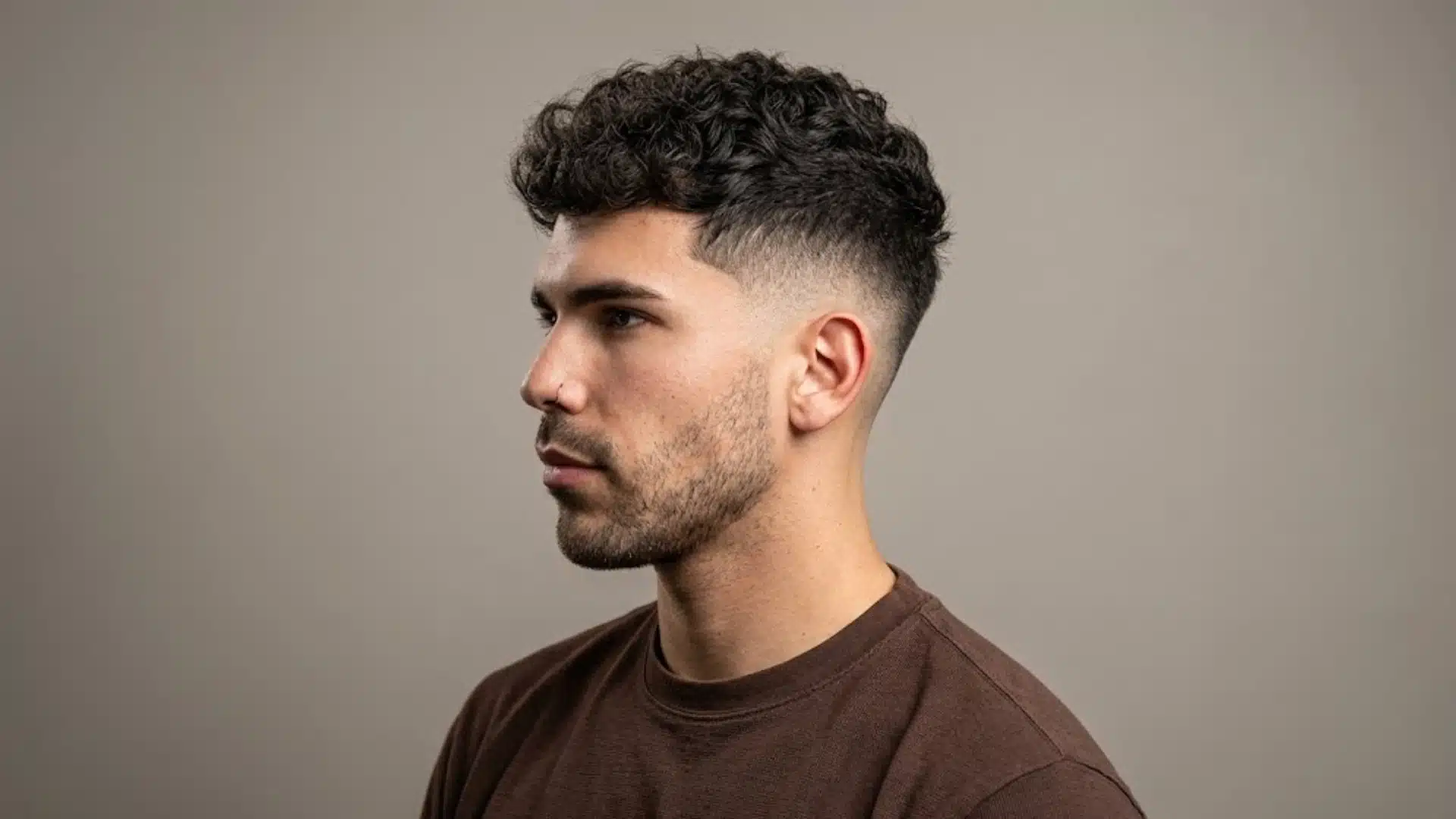
A high taper fade starts higher on the head, usually around the temples or upper sides.
Instead of keeping most of the side hair full, it blends the hair down from a higher point, which creates a stronger contrast between the top and the sides.
That contrast is what makes the haircut look sharper, cleaner, and bolder than a low taper fade. It can make the top hair stand out more, especially when the style has volume, texture, or curls.
A high taper fade works well with textured tops, curly tops, buzz cuts, crop cuts, and other modern haircut styles.
It is also a good choice for someone who wants a trend-focused look that feels fresh and noticeable without going for a full high fade.
High Taper Fade vs Low Taper Fade: Quick Comparison
Use this table to compare the main differences in placement, style, contrast, maintenance, and who each haircut usually suits.
| Feature | High taper fade | Low taper fade |
|---|---|---|
| Fade starting point | Starts higher around the temples or upper sides | Starts lower around the ears, sideburns, and neckline |
| Overall look | Sharper, bolder, and more noticeable | Cleaner, softer, and more natural |
| Contrast level | Stronger contrast between the top and sides | Lower contrast with more hair kept on the sides |
| Workplace friendly | Can work, but may look bold in formal settings | Usually, more workplace-friendly and easy to wear |
| Maintenance | Needs more frequent touch-ups to keep the shape crisp | Grows out more naturally and needs less upkeep |
| Grow-out look | Can lose sharpness faster as the sides grow | Looks softer and more blended as it grows |
| Best hair lengths | Short to medium tops with texture, volume, or curls | Short, medium, or longer tops that need a clean edge |
| Best styling vibe | Modern, sharp, confident, and attention-grabbing | Simple, polished, clean, and everyday-friendly |
Which Taper Fade Works for Your Hair Type?
Hair texture plays a real role in how a taper fade looks after you leave the chair.
- Straight hair: Both fades work well. Clean blending lines are clearly visible on straight hair, so either a low or a high taper will look sharp.
- Curly hair: A mid or high taper is usually the better fit. It controls volume on the sides while letting the curls take the lead on top.
- Thick hair: A high taper reduces bulk more effectively by removing more hair from the sides. It makes the whole cut easier to manage and keeps styling time to a minimum.
- Thin or fine hair: A low taper is the safer pick. It keeps more coverage on the sides, avoids exposing too much scalp, and gives the hair a fuller appearance overall.
- Wavy hair: Both mid and low tapers work well. Wavy texture softens the contrast slightly, so a mid taper often delivers the best visual balance without needing to go high.
The NIH’s MedlinePlus guide on hair problems notes that hair thickness varies naturally from person to person, and that hair loss is one of the most common concerns men address through haircut and styling choices.
Which Fade Suits Your Face Shape?
Face shape changes how a taper fade lands, sometimes in ways that are hard to predict from a photo. Here’s what tends to work.
| Face Shape | High Taper Fade | Low Taper Fade |
|---|---|---|
| Round | Adds height and makes the face appear longer | Can make the face look wider if it’s too soft |
| Square | Enhances sharp angles and structure | Softens a strong jawline for balance |
| Oval | Works very well, keeps proportions balanced | Also works well, very natural look |
| Heart | Balances a wider forehead with height | Reduces contrast for a softer finish |
| Diamond | Highlights cheekbones and adds structure | Softens cheekbone prominence |
| Long / Rectangular | May exaggerate the length of the face | Adds width and creates better balance |
The cool haircuts for men guide has solid reference photos organized by face shape, which is useful if you want to see these ideas applied before committing.
High Taper Fade vs Low Taper Fade: How to Spot the Difference
A clean fade can completely change how a haircut looks, yet most people still get confused about the difference between a high taper fade and a low taper fade. The difference goes beyond height; it affects face-shape framing, the overall silhouette, and how quickly the cut grows out.
Step 1: Understand the Basic Fade Zones
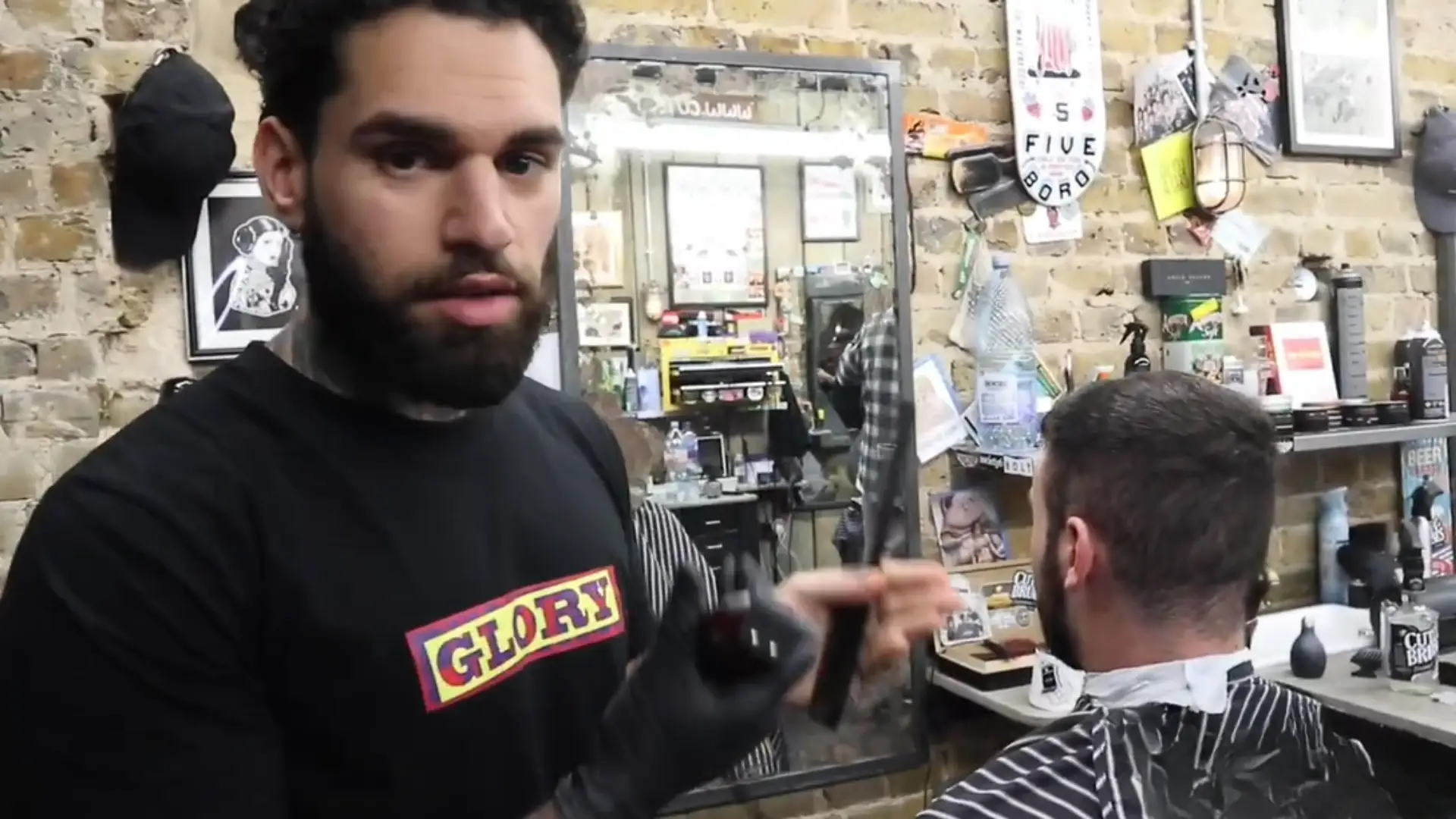
The barber explains that fades are divided into different levels, which helps create a clear foundation before choosing any specific style.
This part introduces taper, low, mid, and high fades as separate placement zones on the head. Each level changes how the haircut looks and the amount of contrast it creates.
Understanding these zones makes it easier to tell the difference between a low taper fade and a high taper fade, since both depend heavily on where the fade begins and how it blends.
Step 2: Taper Basics Before Fade
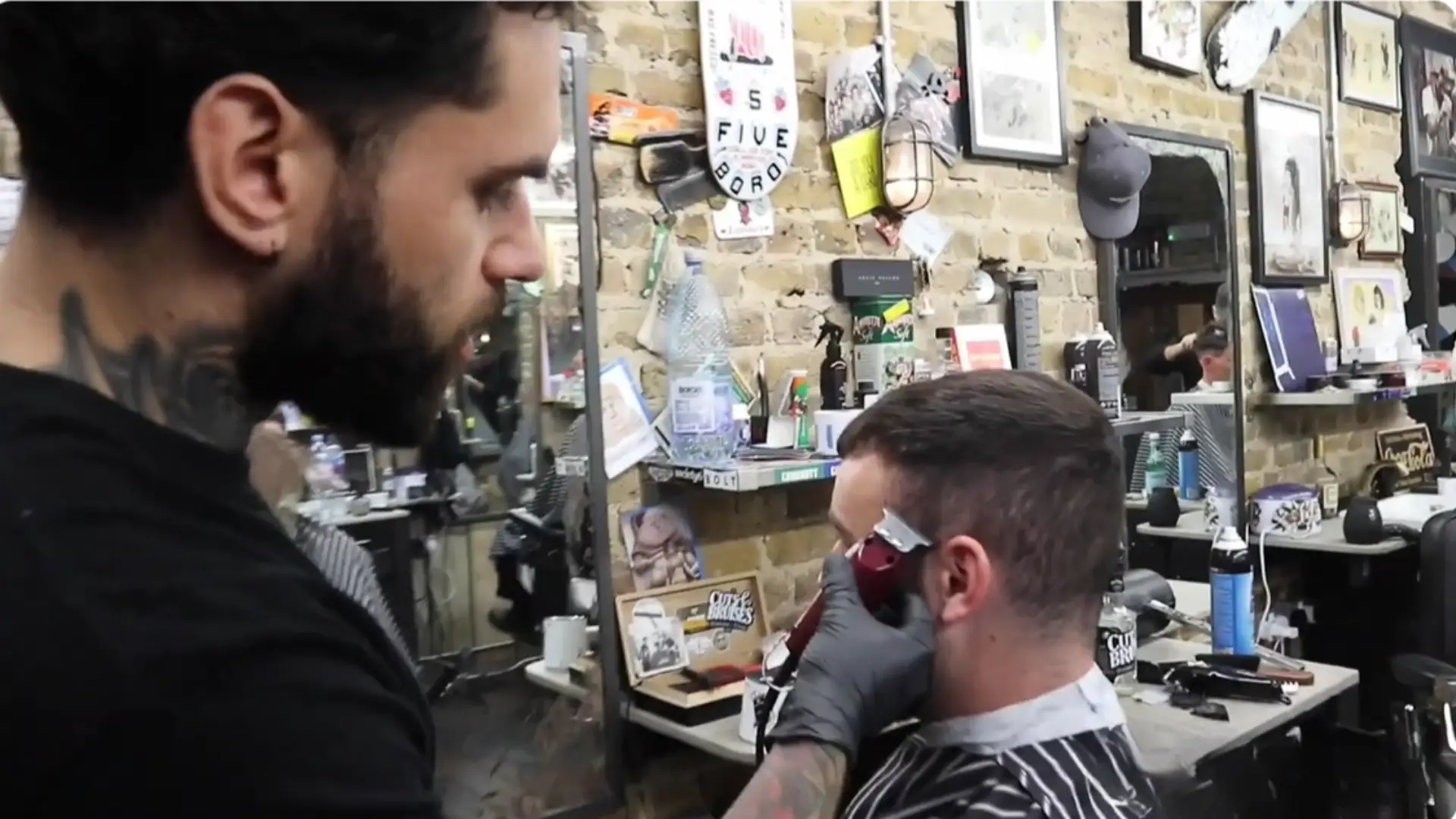
This section focuses on tapering, which primarily occurs at the edges, such as the neckline and sideburns. The barber explains that tapering gradually blends the hair without pushing it too far up the head.
It creates a clean, controlled transition while keeping most of the hair intact. This step is important because both low- and high-taper fades use this technique as a base.
The difference comes later, in how high the fade is taken, not in how the taper itself begins.
Step 3: Locate the Low Fade Line
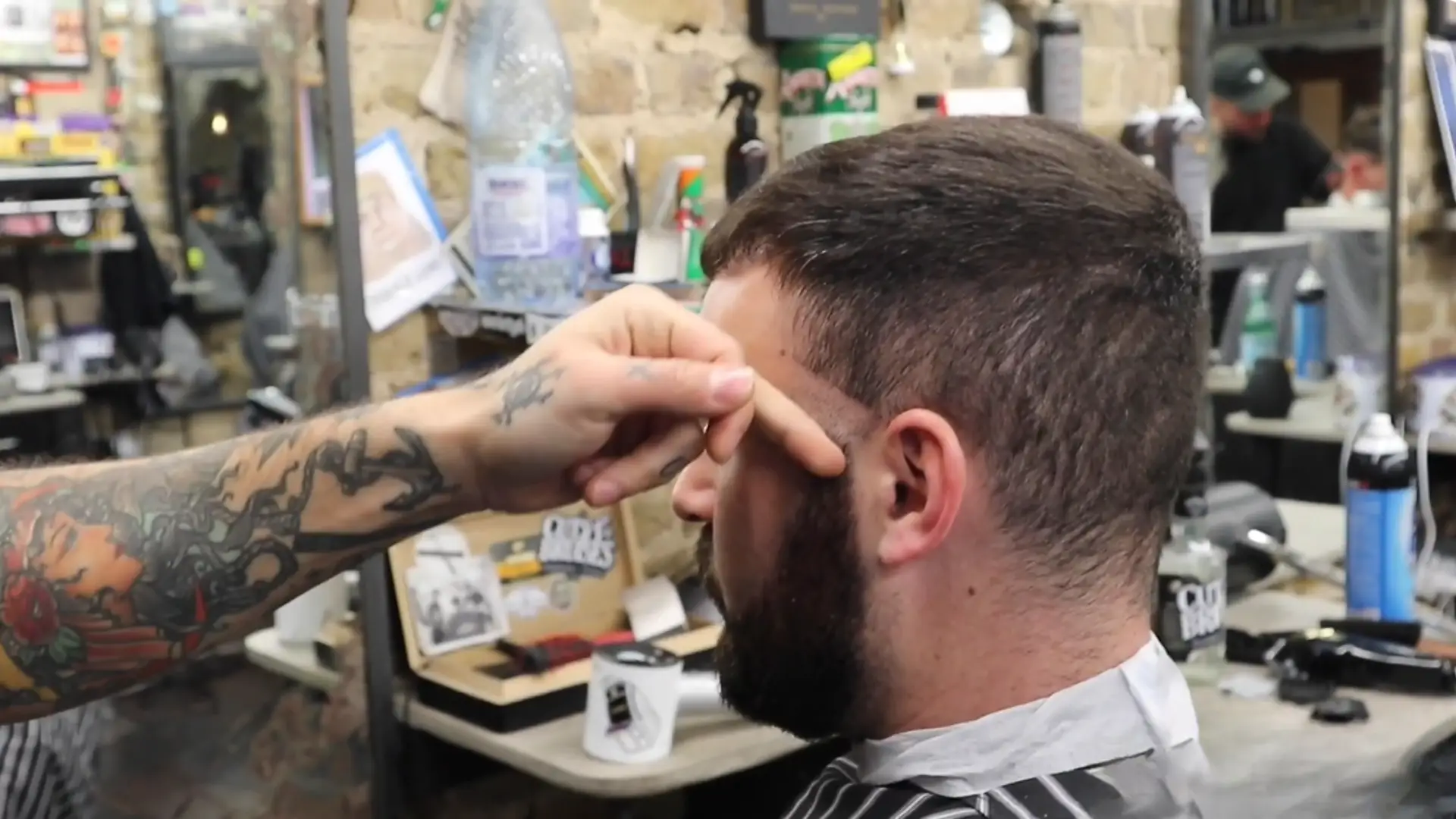
The low fade is placed just above the ear, making it one of the lowest fade positions on the head. The barber clearly highlights this area, showing how the fade line stays close to the natural hairline.
This placement allows more hair to remain on the sides, creating a softer, fuller appearance.
The gradual blending from this point keeps the haircut looking balanced and natural, making it a popular option for those who prefer a clean look without strong contrast.
Step 4: Shape and Flow of Low Fade
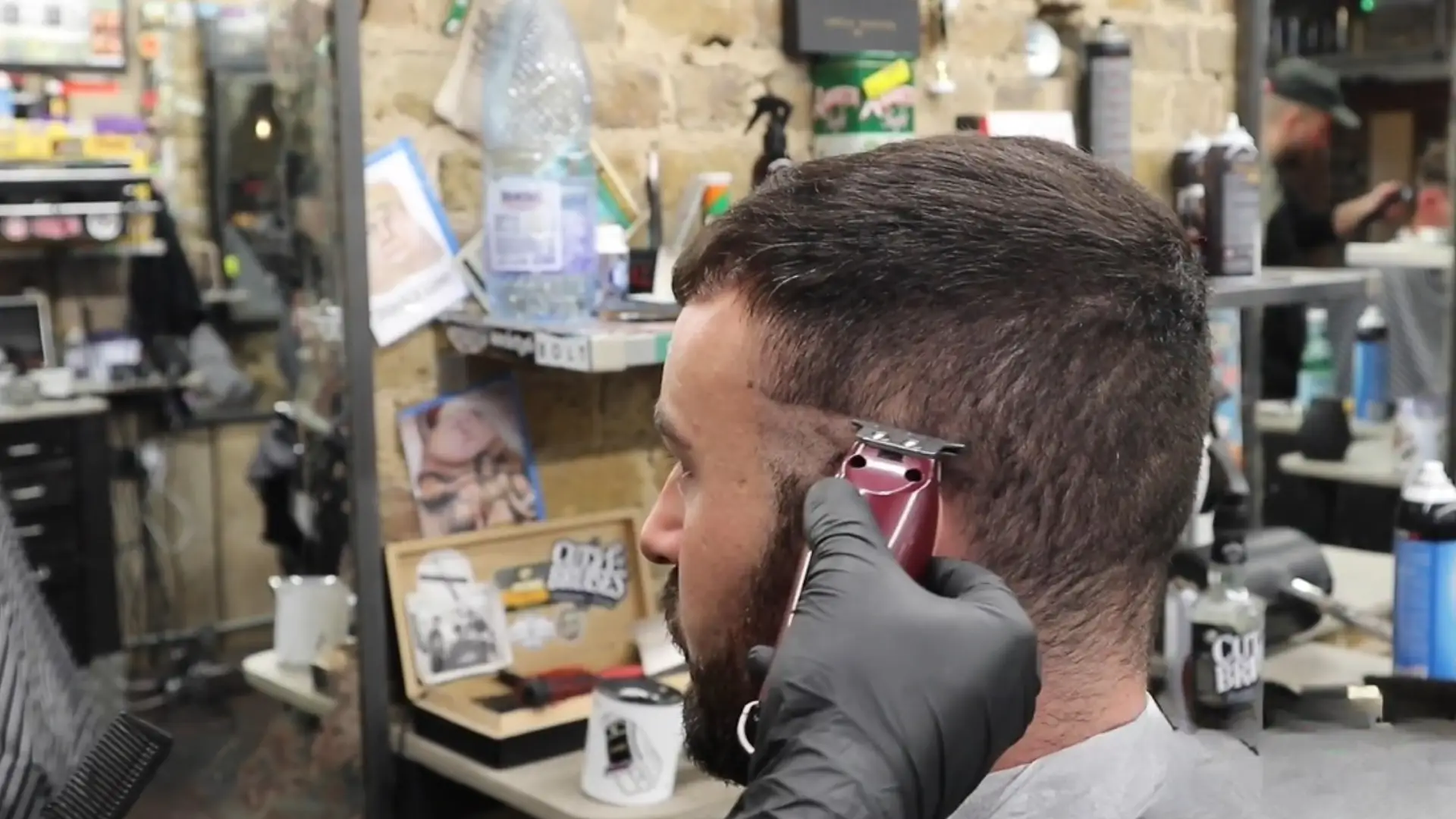
A key feature of the low taper fade is how it follows the natural curve of the head, especially toward the back.
The barber demonstrates how the fade drops lower as it moves around the head instead of staying at a fixed height. This creates a smooth and consistent blend that maintains the overall shape of the haircut.
Because of this curved transition, the low taper fade looks more subtle and evenly distributed, making it suitable for styles that need a natural finish.
Step 5: Mid Fade Reference
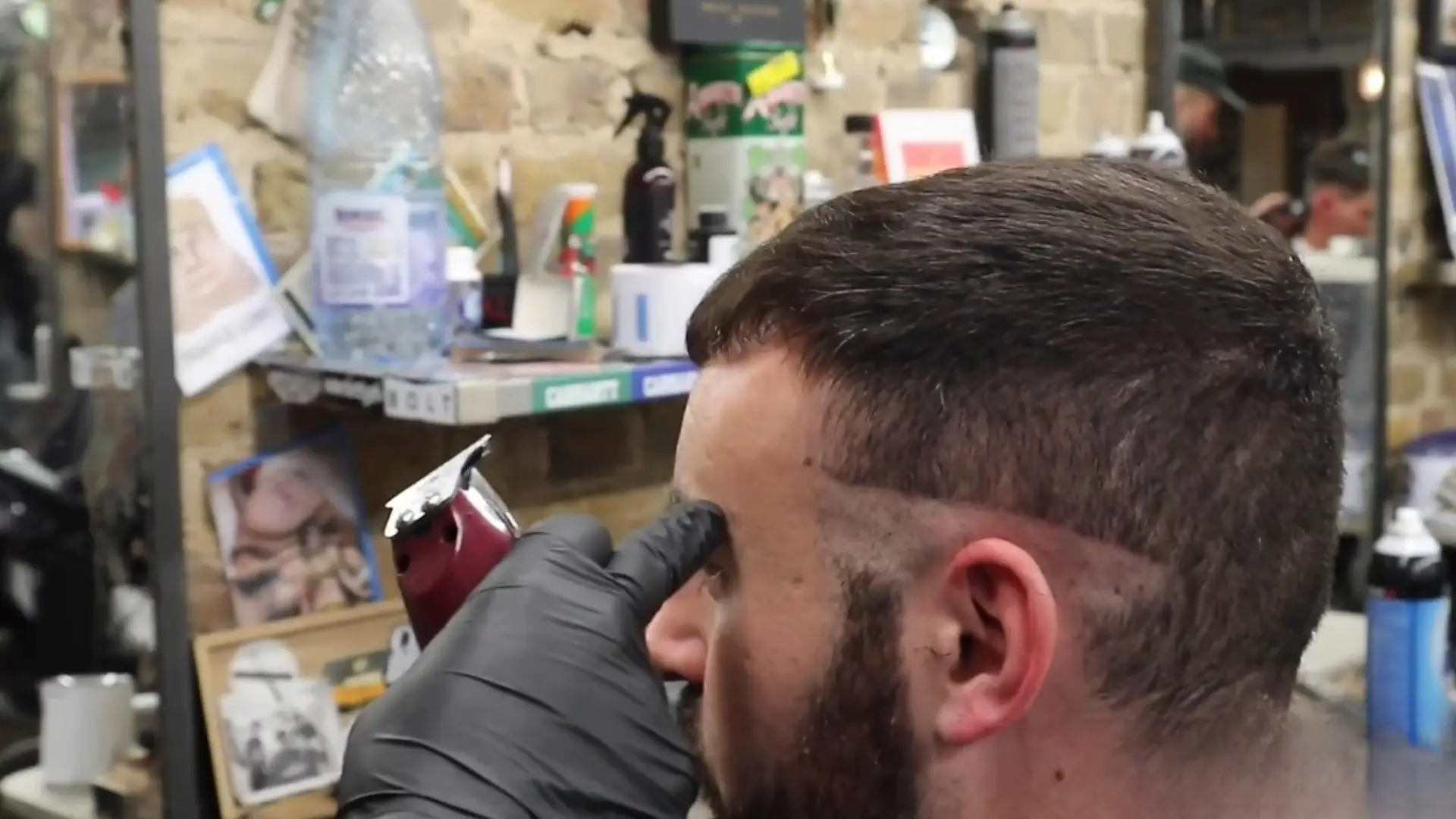
The mid-fade serves as a reference point between low and high placements, located near the temple area at the corner of the eyebrow.
The barber uses this position to explain how fade levels are structured across the head. Understanding this midpoint helps make a clear comparison, as it shows the height difference between a low fade and a high fade.
It also highlights how moving the fade upward changes the overall sharpness and contrast of the haircut.
Step 6: High Taper Fade Placement
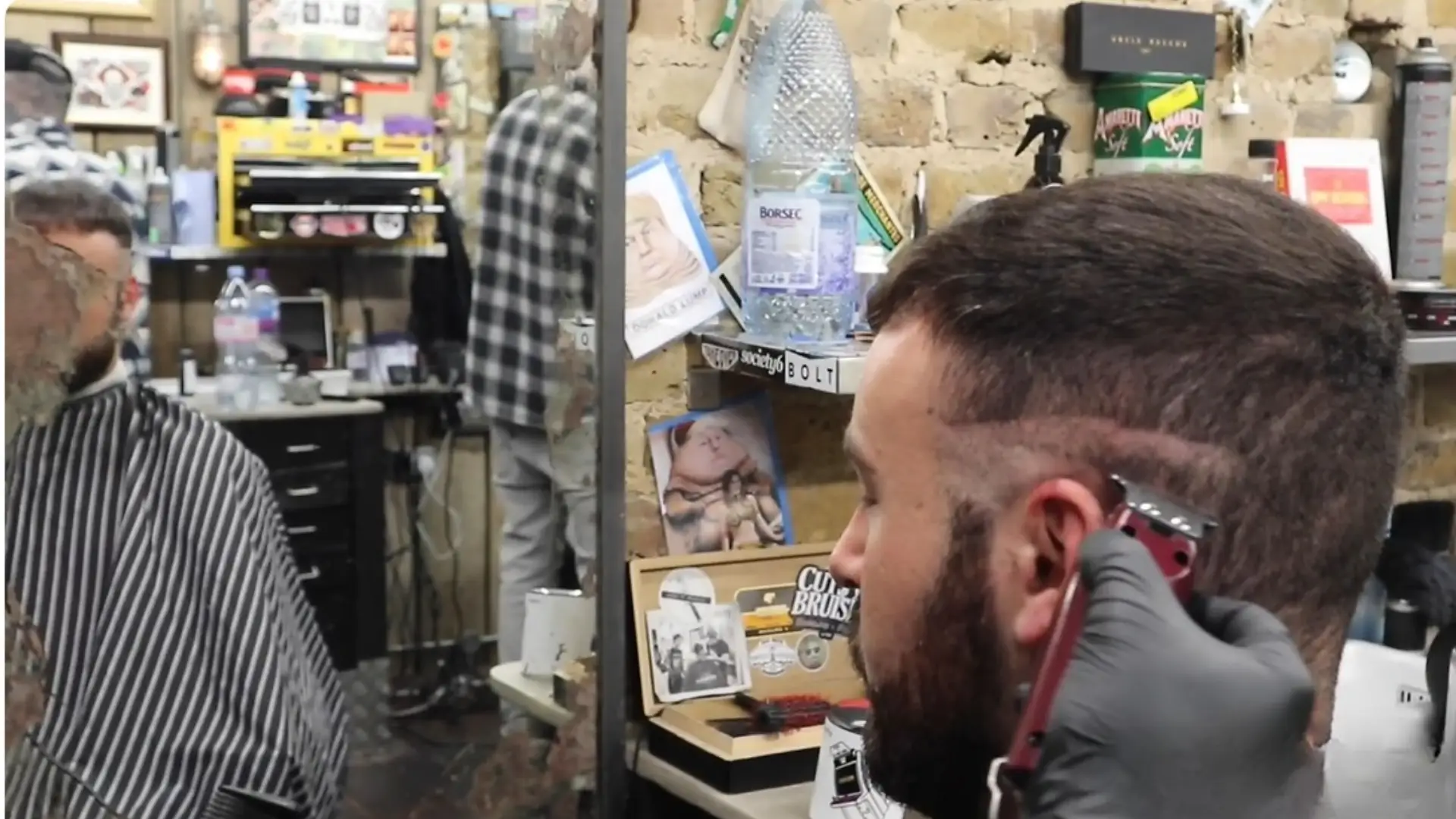
The high taper fade is positioned noticeably above the mid fade level, usually around an inch higher.
The barber explains that this placement removes more hair from the sides, creating a stronger contrast between the top and the faded section.
This higher starting point gives the haircut a sharper and more defined appearance. Because of the increased height, the blend becomes more dramatic, making the high taper fade a better choice for styles that aim for a bold and structured look.
This tutorial is based on a helpful video by a Regal gentleman. you can check out the original video on their YouTube channel here or watch it below.
How to Ask Your Barber for the Right Fade?
Knowing what you want and being able to describe it clearly are two different things. Most miscommunications in the barber chair happen because the vocabulary is vague.
1. Fade Type (Sides & Back)
Tell your barber exactly where you want the fade to start and how tight it should be:
- Low taper fade: Starts just above the ears; clean, subtle, and natural-looking.
- High taper fade: Starts near the temples; tighter sides with a sharper, more modern look.
- Mid taper fade: Starts around temple level; balanced fade with medium contrast.
Example: “I want a mid taper fade that stays clean around the sides and blends smoothly.”
2. Length on Top
- Short top (1–2 inches): Easy to manage and low maintenance.
- Medium top (3–4 inches): Flexible for styling and texture.
- Longer top (4+ inches): Best for layered or textured styles.
Example: “Leave about 3 inches on top and just clean up the ends.”
3. Clarity & Reference
Small details make a big difference in the final cut.
- Bring a photo reference to show the exact shape and fade height
- Mention how you usually style your hair daily
- Specify if you want it textured, messy, or clean
Example: “Keep it textured on top and show me a low fade like this photo.”
Common Mistakes to Avoid
Getting a taper fade is straightforward, but a few recurring mistakes can throw off the result.
- Picking fade height without checking your face shape: A cut that looks clean on someone with a square jaw can land very differently on a round or heart-shaped face.
- Going too high too soon: First-timers who jump straight to a high taper sometimes find it more dramatic than they expected. A mid or low taper gives you a reference point before going further.
- Skipping scalp care with a high taper: A more exposed scalp results in greater dryness and increased visibility. A light moisturizer helps keep the skin smooth and healthy.
- Waiting too long between cuts: Low tapers can stretch to four weeks and still look presentable. High tapers start to lose their shape around two weeks.
- Neglecting the neckline between appointments: A clean neckline holds the shape of any taper. Even if you’re not due for a full cut, a quick neckline cleanup between visits keeps everything looking intentional.
The CDC’s hair and scalp hygiene guidance recommends using products suited to your hair type and keeping the scalp clean to prevent buildup and irritation.
Which One Should You Actually Get?
If you want a clean, low-maintenance look that works in most settings and grows out gracefully, start with a low taper. It’s the most forgiving and easiest way to test whether a taper fade suits you before going further.
If you want a sharper, more modern look and you’re willing to visit the barber more often, a high taper can deliver it. It photographs well, pairs with most top styles, and makes a strong impression.
If you’re genuinely undecided, a mid-taper is a good first choice. You get a clear contrast without the drama of a high fade, and the maintenance window is manageable.
Hair Maintenance Tips for Taper Fades
Keeping a taper fade looking sharp requires more than regular barber visits. A few simple habits can help maintain the blend, texture, and overall appearance between appointments.
- Wash hair consistently: Clean hair prevents oil buildup that can make the fade look less defined and the top harder to style.
- Protect the neckline: The neckline grows out quickly, so regular cleanup helps maintain the fade’s shape and definition.
- Brush or comb daily: Regular grooming keeps the blend looking neat and prevents the top from becoming unruly.
- Avoid excessive heat styling: Frequent blow-drying or high heat can dry out the hair and reduce its natural texture.
- Sleep on a clean pillowcase: This helps reduce oil transfer and keeps both the hair and scalp fresher for longer.
- Match products to your hair type: Curly, straight, thick, and fine hair all respond differently to styling and maintenance products.
Conclusion
Choosing between a high-taper fade and a low-taper fade comes down to three things: how much contrast you want, how often you’ll visit the barber, and what your face shape and hair type can support.
The low taper is clean, understated, and practical for everyday wear. The high taper is sharp and modern, making an impression. The mid taper sits between them and is a smart starting point if you’re still finding your preference.
None of these is the wrong choice if it fits your life. The best cut is the one you actually maintain and feel good in after the mirror moment fades.
Which taper fade are you considering? Drop a comment below and tell us what look you’re going for.
Frequently Asked Questions
Can a Low Taper Fade and a High Taper Fade Be Combined?
Not exactly combined, but you can transition between them over time. Start with a low taper, and if you want more contrast, your barber can move the blend point higher at the next visit. Most barbers treat fade height as a dial rather than a fixed setting, so adjustments are easy.
Is a Taper Fade Suitable for Women?
Yes. While taper fades are most commonly discussed in men’s grooming, they work on any hair type and head shape regardless of gender. Short and mid-length styles with a taper at the neckline and sides are increasingly common outside traditional men’s barbershops.
Does a Taper Fade Work with Natural or Coily Hair?
It works well and is actually one of the most popular choices for natural hair textures. A mid or high taper controls the volume on the sides while leaving room for the natural texture to stand out on top. Many barbers who specialize in natural hair are skilled with taper fades specifically because the cut frames natural texture so well.
How Do I Maintain a Taper Fade Between Barbershop Visits?
Keep the neckline clean with a small trimmer if you have one. Moisturize any exposed scalp with a light lotion to prevent dryness. Avoid heavy products near the faded sections, as they can make the blend look uneven.