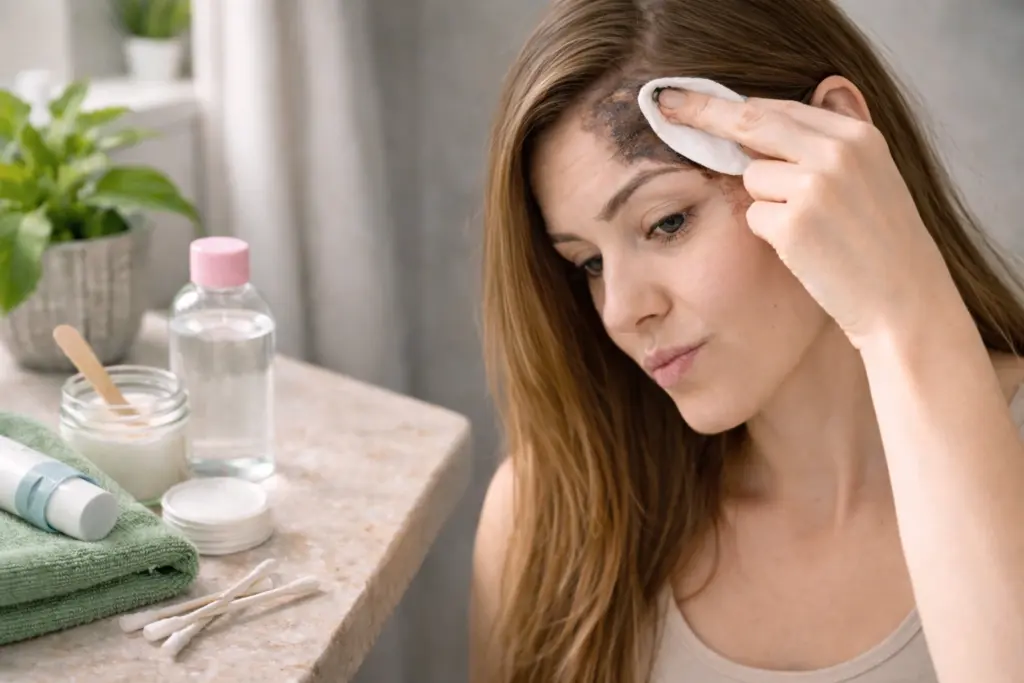
I was cleaning up a client after a root touch-up when she pointed at her forehead and said, “This happens every single time at home.”
Dark brown streaks across my forehead, behind my ears, and down my neck. Sound familiar? Hair-dye stains on the skin are among the most common problems during at-home coloring.
The stain looks bad, but it does not have to stay.
You do not need expensive salon treatments or harsh chemicals to fix this. Simple household items can remove hair dye from your skin in minutes.
As a licensed aesthetician, I have removed post-dye stains from clients with every skin type, from oily to reactive.
In this blog, I break down the safest removal methods, prevention tricks, and real community tips that actually work.
By the end, you will feel confident tackling any dye stain on your own.
Why Does Hair Dye Stain Skin So Easily?
Hair dye is designed to penetrate a protein called keratin. Keratin makes up the hair shaft, but it is also a building block of skin and nails.
That is why dye bonds to the skin just as it bonds to the hair.
When dye comes into contact with warm, moist skin, the pigment molecules bind to the epidermis quickly. Darker shades like black, deep brown, and red leave the most stubborn marks.
Permanent dyes stain deeper than semi-permanent ones because of stronger chemicals. The longer the dye sits on the skin, the tougher it gets to lift.
Skin type plays a role, too. Dry skin absorbs pigment faster because the barrier is weaker.
Hydrated skin with an intact moisture barrier resists staining better. I see this pattern constantly in my treatment room.
Most light stains fade within 1 to 2 days. Moderate stains from darker shades take 2 to 3 days to fade. Very dark permanent dyes can linger for up to 5 days without treatment.
Safe Ways to Get Hair Dye Off Your Skin
Most hair dye stains respond well to common household items. The right method depends on how long the stain has been sitting and on the skin’s sensitivity in that area.
1. Soap and Warm Water: The First Step
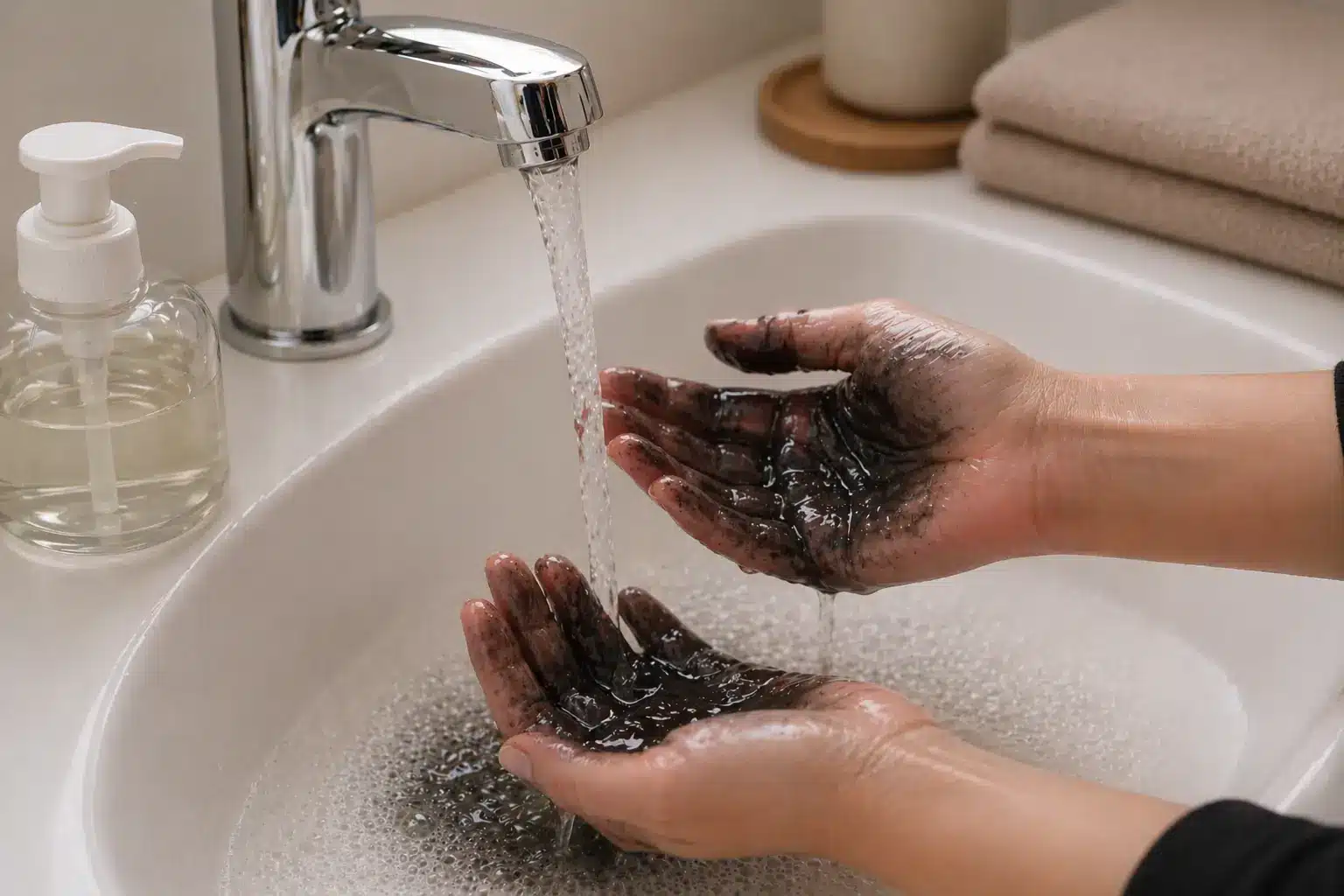
This is the simplest and safest way to remove hair dye from the skin.
Wet the stained area with warm water right away. Then lather a gentle facial cleanser and rub it in small circles over the stain.
Warm water opens the pores, so pigment lifts more easily.
This works best on fresh stains that have not dried yet. Once the color has set into the skin, a stronger method may be needed.
2. Olive Oil or Baby Oil for Sensitive Skin
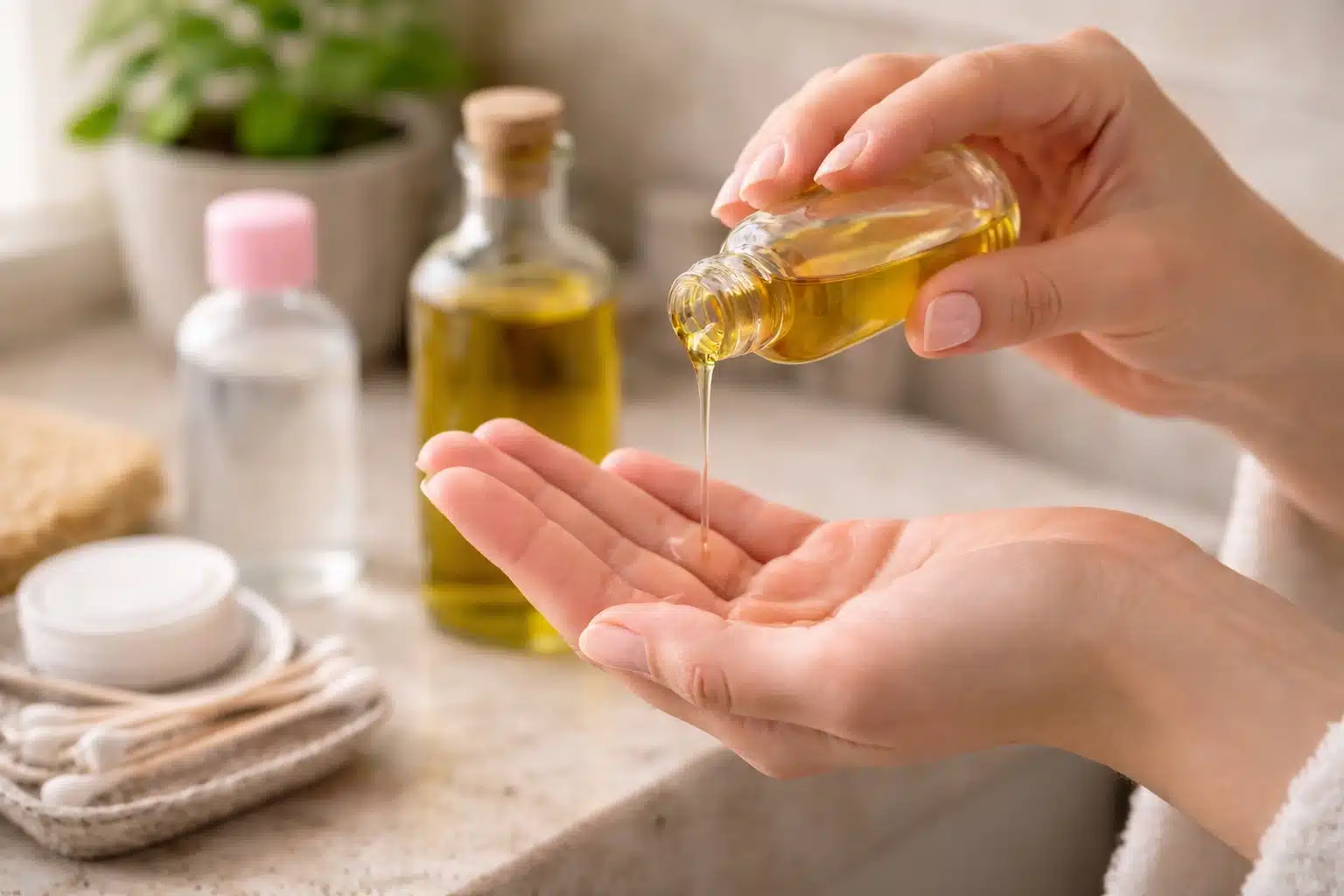
Natural oils break down dye pigments without irritating.
Apply olive oil or baby oil to the stain with a cotton ball. Then massage it in circles for about 2 to 3 minutes.
For deeper stains, leave the oil on for up to 8 hours or overnight. Cover the area with a bandage to protect the bedding.
A 2016 study published in RSC Advances confirmed olive oil’s stain-removing properties on dyed fabric.
Oil is always my first recommendation for clients with reactive or eczema-prone skin. It does the job without stripping the barrier.
3. Baking Soda and Dish Soap Paste
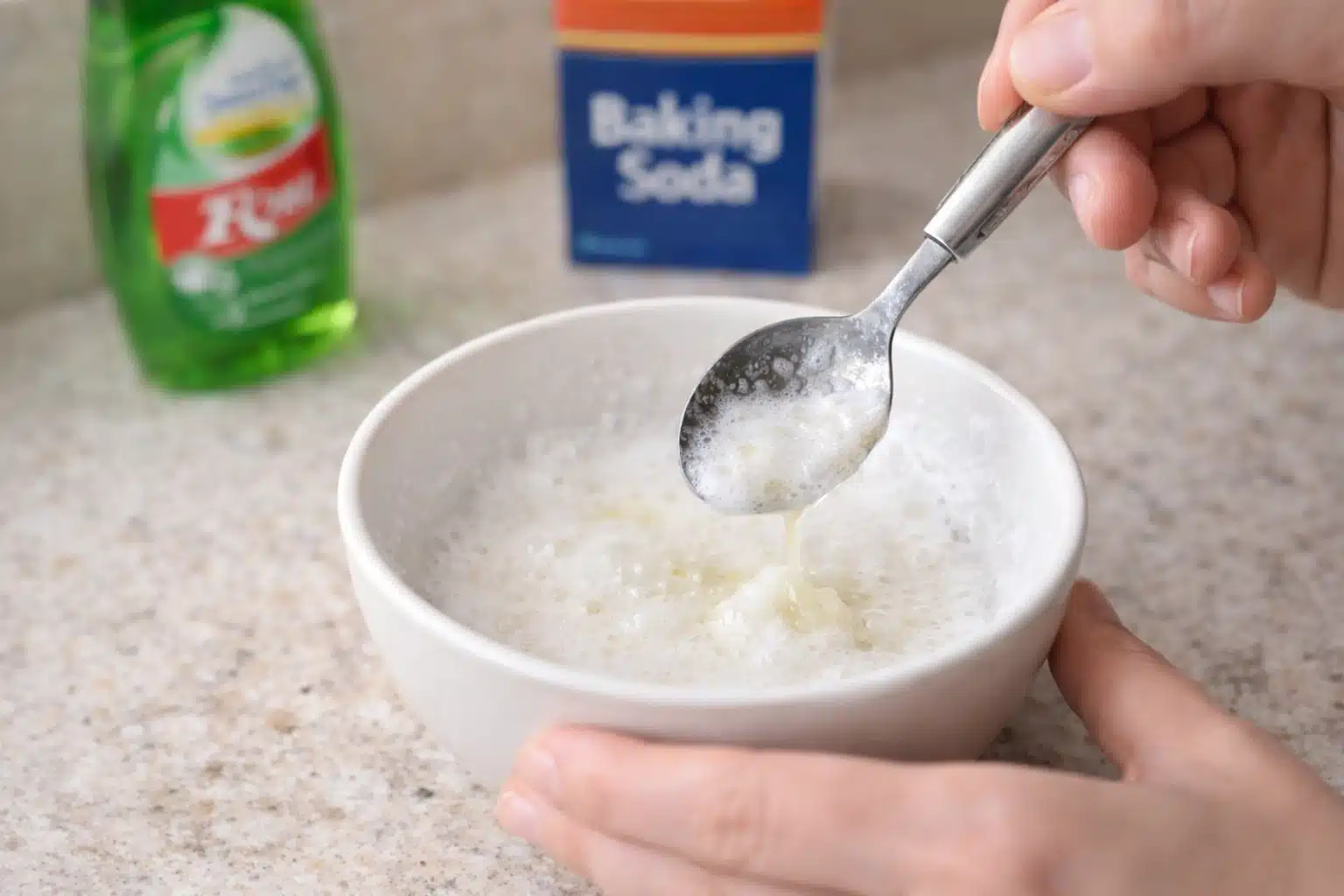
Baking soda acts as a mild exfoliant, and dish soap dissolves the dye’s chemical compounds. Together, they create a strong, fast-acting stain-fighting paste.
Mix 1 tablespoon of baking soda with 1 tablespoon of dish soap.
Apply it to the stain and let it sit for 5 to 10 minutes. Then gently scrub and rinse with warm water. This method suits hands and arms but may feel too rough on facial skin.
Limit this to once a day. Over-exfoliating breaks down the skin barrier and can actually make the stained area more irritated.
4. Rubbing Alcohol for Stubborn Stains
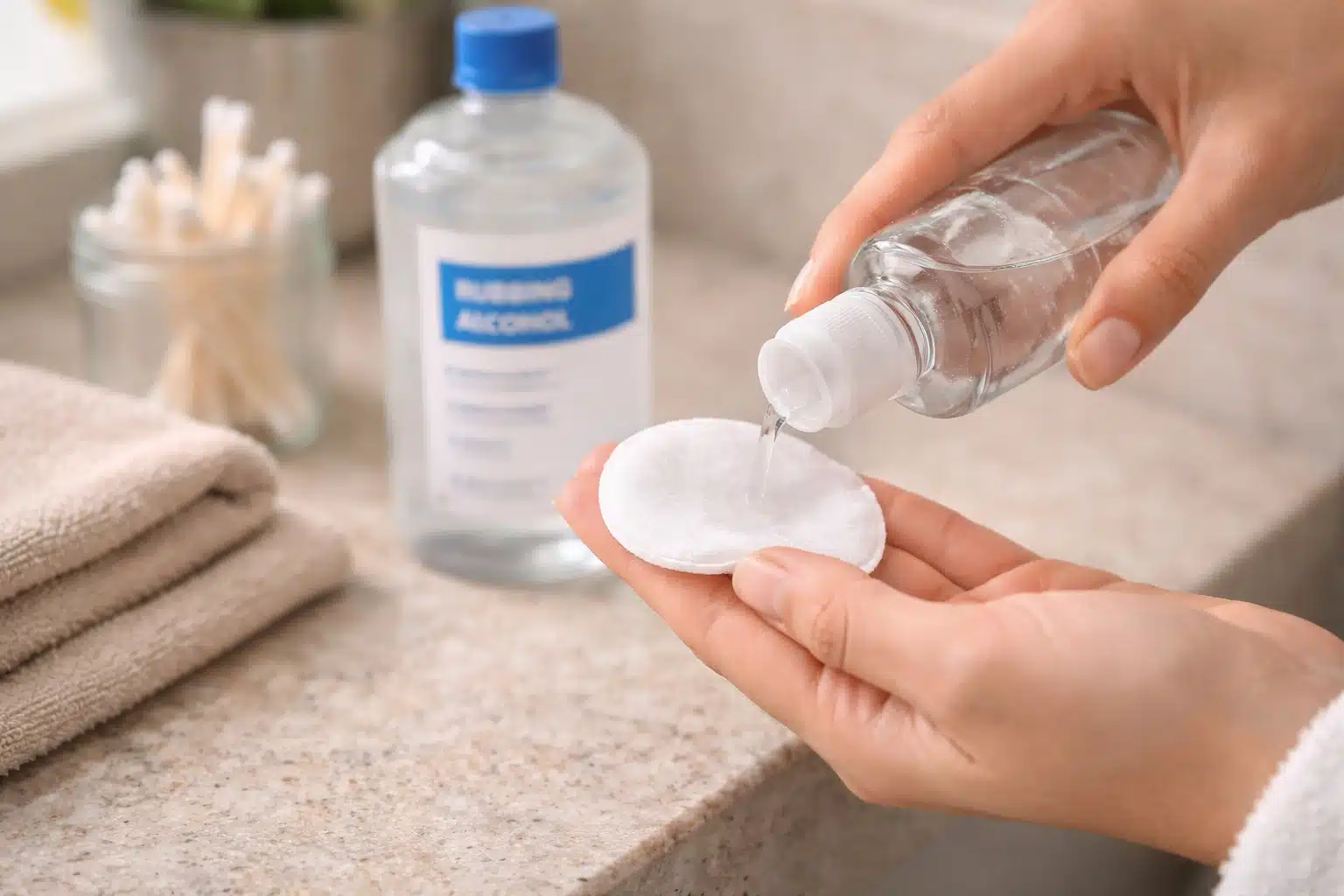
Rubbing alcohol is a strong solvent that quickly breaks apart dye molecules.
Pour a small amount onto a cotton ball or pad. Dab it on the stain and hold for about 30 seconds. Then wipe gently and rinse.
This approach works well on set-in hair dye stains. However, alcohol can dry out skin quickly.
Always apply a moisturizer right after using it. It should not be used near the eyes or on broken skin.
5. Non-Gel Toothpaste as a Quick Fix
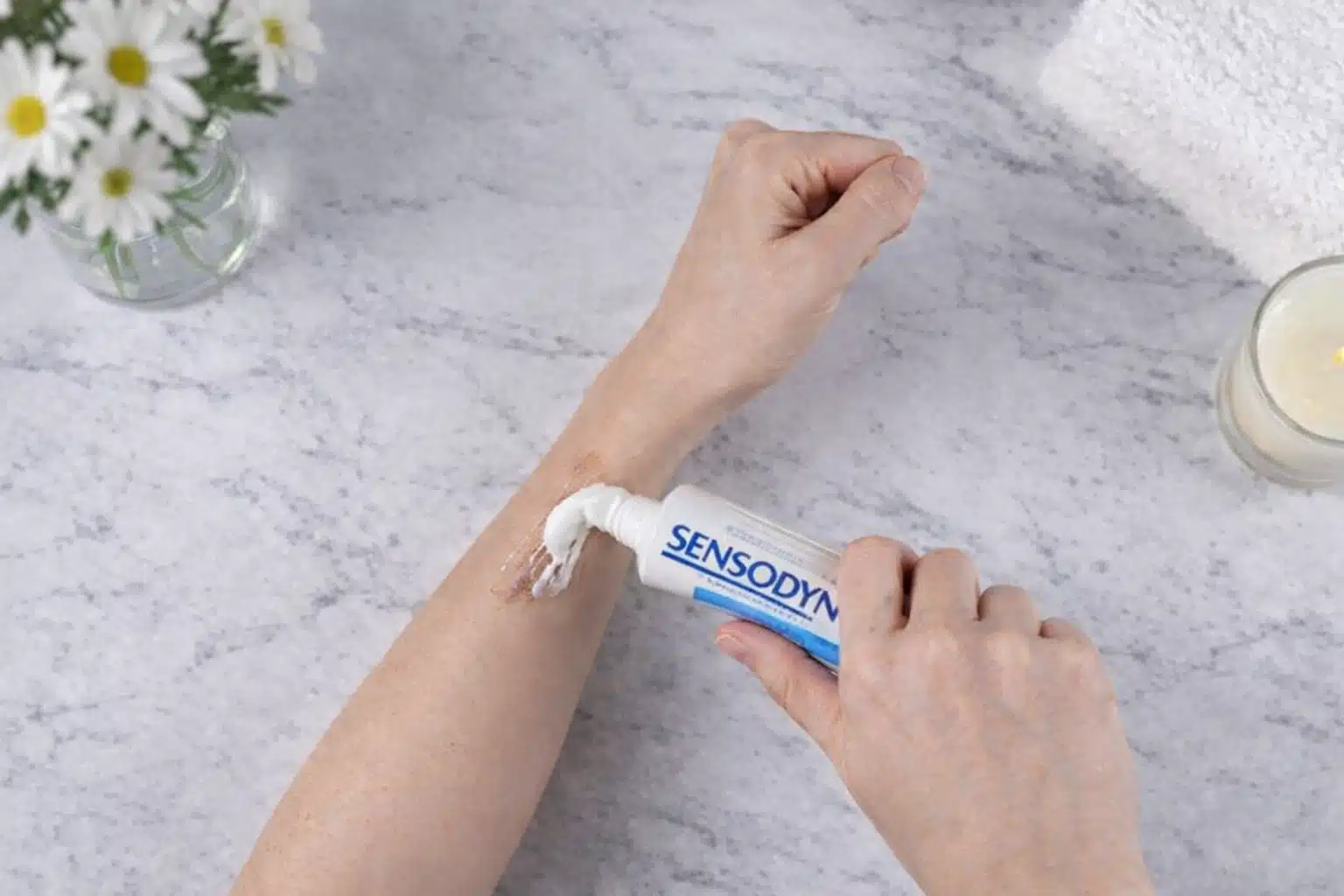
Many people report success using non-gel toothpaste to lift hair-dye stains from the skin. The mild abrasives, often including baking soda, scrub the pigment away gently.
Apply a small amount with a cotton swab or fingertip.
Rub it over the stain in circles for 1 to 2 minutes. Leave it on for 5 to 10 minutes, then wipe off with a warm, damp cloth.
This option works best for small spots along the hairline.
6. Makeup Remover or Micellar Water
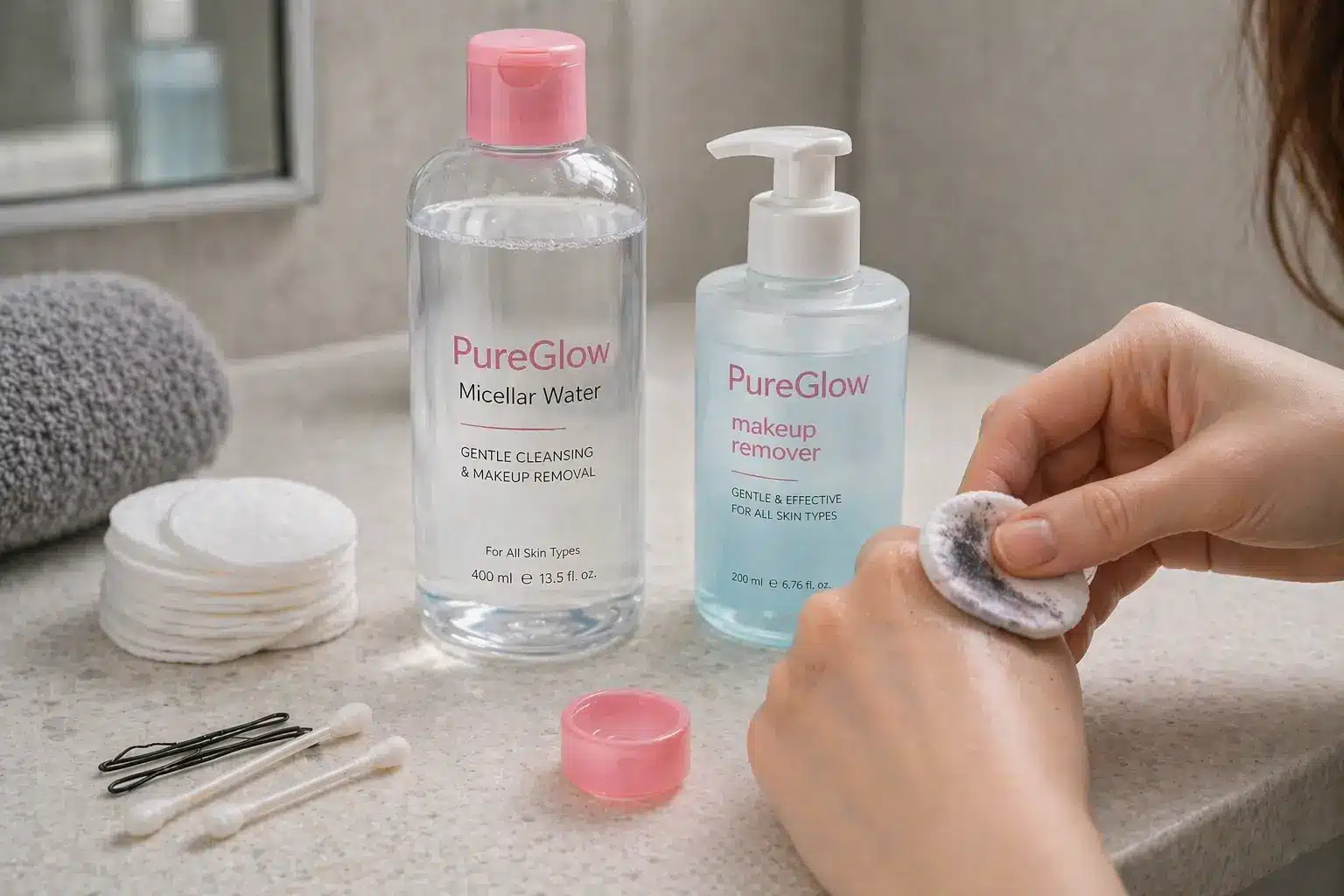
Makeup removers dissolve long-lasting pigments, making them a solid option for getting hair dye off skin near the face.
Soak a cotton pad with micellar water or an oil-based makeup remover.
Press it on the stain and wipe in small circles. Wait about 5 minutes, then rinse with warm water. This is one of the gentlest options for sensitive facial skin and the area around the ears.
7. Petroleum Jelly Overnight Method
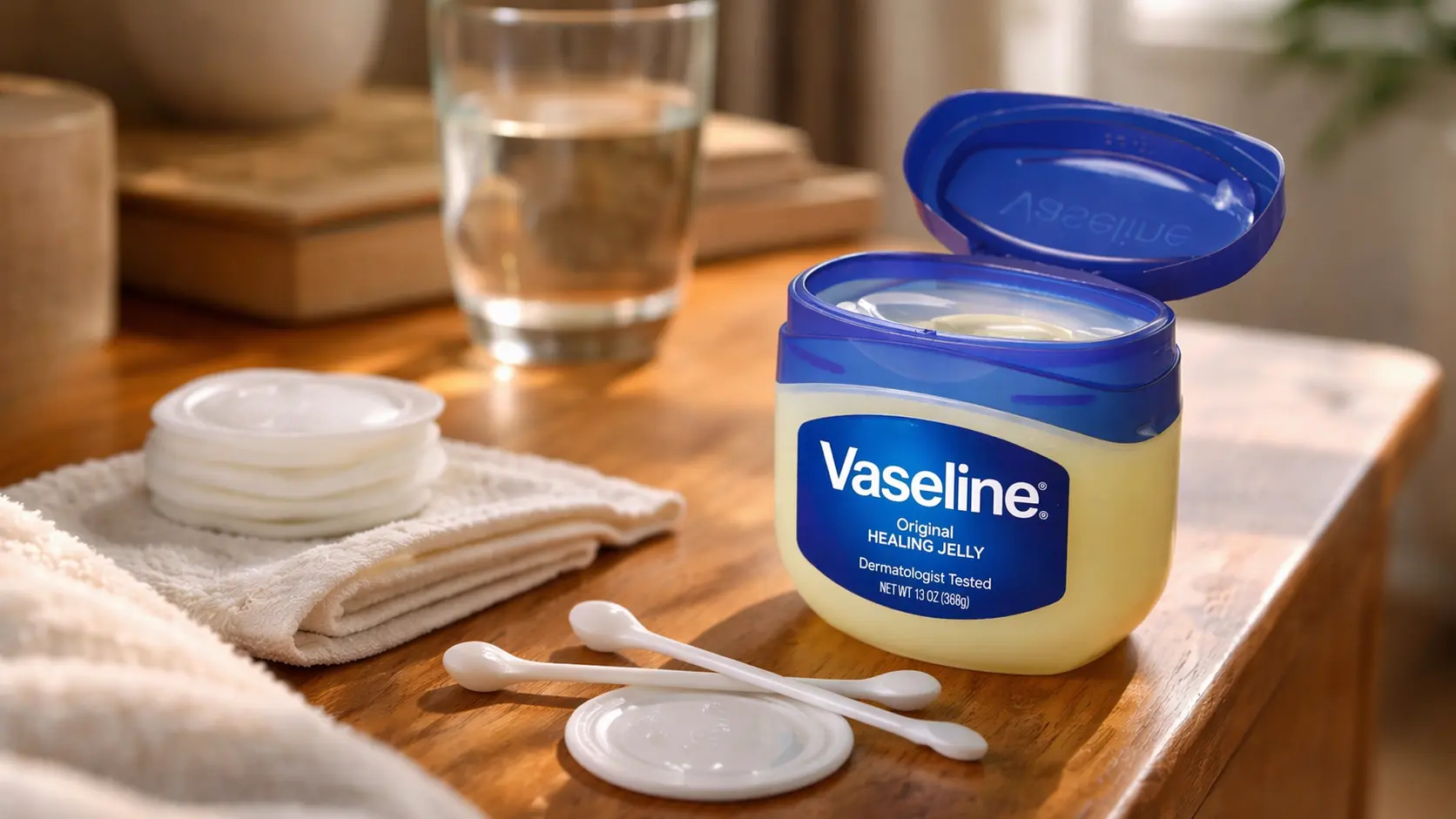
Petroleum jelly forms a barrier that traps the dye and gradually loosens it. Apply a thick layer of Vaseline to the stain before bedtime. Then cover it with a bandage or cotton cloth.
Wash it off the next morning with warm, soapy water.
This is one of the safest ways to remove hair-dye stains from the skin. It also keeps the area moisturized, preventing dryness or irritation.
Which Method Works Best for Your Skin Type?
The 7 methods above all work, but they don’t suit every skin type equally. Here’s a quick guide before you start.
- Sensitive or reactive skin: Start with olive oil, coconut oil, or the petroleum jelly overnight method. Skip rubbing alcohol and the baking soda paste entirely.
- Dry skin: The oil method is ideal because it lifts the stain while adding moisture back into the area. Follow up with a barrier cream or plain moisturizer.
- Oily skin: The baking soda and dish soap paste tends to work faster here, where the skin’s natural barrier is more robust. Micellar water is also effective and won’t add extra moisture.
- Normal or combination skin: Makeup remover or the toothpaste method is a reliable first attempt. Soap and water often handle it completely if you treat the stain within the first few minutes.
- Eczema-prone or broken skin: Oil only. Rubbing alcohol, baking soda paste, and toothpaste should be avoided entirely. If a stain sits on already irritated skin, let a professional remove it.
After years of working with post-dye staining in my practice, the pattern I see most consistently is that people with dry or reactive skin tend to panic and scrub harder, which makes things worse. Gentler methods take a few minutes longer but leave the skin in much better shape.
How to Prevent Hair Dye From Staining Skin
Prevention saves cleanup time. Before applying color, a few steps help protect the skin.
Apply petroleum jelly or barrier cream along the hairline, ears, and neck, wear disposable gloves during the entire coloring process, and keep a damp cloth nearby to wipe splashes right away.
Acting fast makes the biggest difference. The moment dye touches skin, wipe it off. Apply a barrier to the skin before coloring at home.
From my years coaching swimmers, I learned to apply barrier cream before every outdoor session to protect skin from UV and chlorine.
The same habit transfers perfectly to hair dye work. Coat the skin edges first, and stains rarely get a chance to set.
What Real People Say About Removing Hair Dye Stains
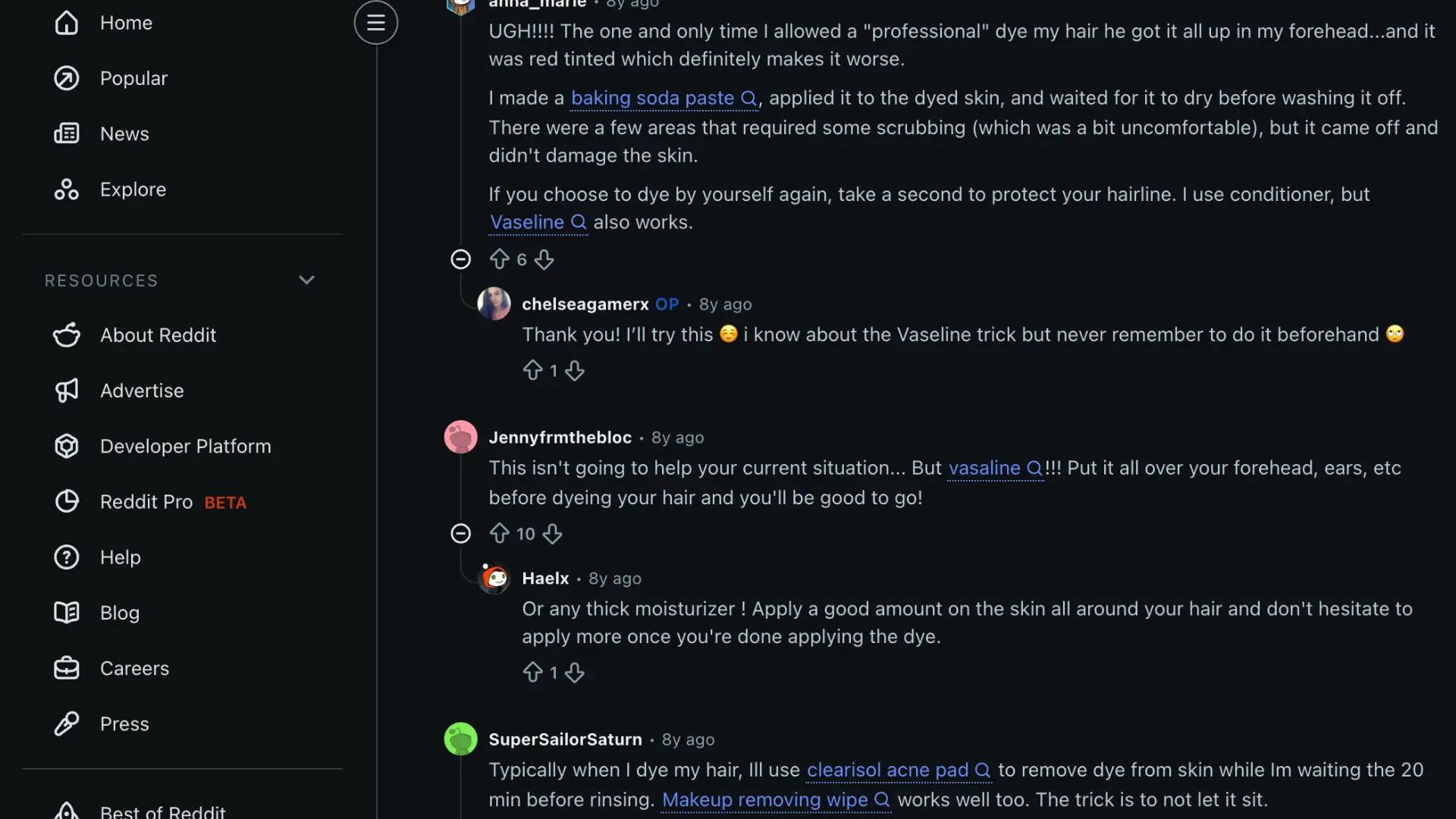
People who have dealt with hair dye stains on skin often recommend acting quickly and protecting the hairline before applying dye.
One Reddit user shared that a baking soda paste helped remove dye from their forehead. They applied it to the stained skin, let it dry, and washed it off. Some areas needed gentle scrubbing, but it removed the stain without damaging the skin.
Others suggested preventing stains before they happen. Vaseline, conditioner, or a thick moisturizer around the forehead, ears, and hairline can create a barrier between the dye and the skin.
Another user mentioned using an acne pad or makeup-removing wipe while the dye was still processing. Their main advice was simple: do not let the dye sit on your skin for too long.
The common takeaway is that prevention works best. Apply a protective layer around your hairline before dyeing, and clean any stains as soon as you notice them.
When to See a Dermatologist or Salon Professional?
Sometimes home methods fall short when dealing with very dark or permanent hair dye stains.
A salon colorist can help in that case. Most salons stock professional-grade color removers, such as Color Oops or Roux Clean Touch.
If the stained area shows redness, swelling, or burning, all removal attempts should stop.
A dermatologist can rule out an allergic reaction to chemicals like paraphenylenediamine (PPD). According to the U.S. Food and Drug Administration, PPD is among the most frequently reported allergens in hair dye products.
A patch test 24 to 48 hours before dyeing prevents this issue.
I tell every client the same thing: if a patch test leaves a visible stain or any redness at the 48-hour mark, that is the skin telling them something. Do not skip that signal.
What to Do Differently Next Time
Learning from a dye stain experience helps prevent it from happening again.
Barrier cream is the single most effective prevention tool. Spread it along the forehead, ears, and neck before every coloring session.
Colored styles, such as bleached or dyed buzz cuts, carry a higher risk of skin staining around the scalp line. Extra barrier cream along the edges is critical for those looks.
Switching from box dye to a salon appointment is another option.
Professional colorists apply dye with precision and clean stains in real time. For at-home coloring, a commercial dye stain remover saves time and protects skin better.
Conclusion
I wrote this blog because dye stains are way too common and way too stressful.
The good part? Most fixes use items already sitting in a cabinet or bathroom drawer. Speed is everything when it comes to removing hair dye from your skin.
A thin layer of Vaseline applied before coloring can help prevent stains. The best approach depends on skin type and how deeply the stain has set in.
Gentle options like oil or micellar water work well for fresh marks. Tougher stains call for baking soda paste or rubbing alcohol instead.
And if nothing works at home, a salon professional can clear it up in minutes. Have a tip that worked well? Drop it in the comments below so others can benefit too!
Frequently Asked Questions
How Long Does Hair Dye Stay on Skin?
Most stains fade within 3 to 5 days as skin cells shed naturally. Darker permanent dyes may last up to a week. Using a removal method significantly speeds up fading.
Does Vaseline Prevent Hair Dye Stains?
Yes. A thick layer of Vaseline along the hairline and ears before dyeing creates a protective barrier. Dye slides off the jelly rather than bonding to the skin.
Can Micellar Water Remove Hair Dye From Skin?
Micellar water works well on light to moderate dye stains, especially near the face. It is gentle and does not dry out the skin. For darker stains, pairing it with an oil-based method gives better results.