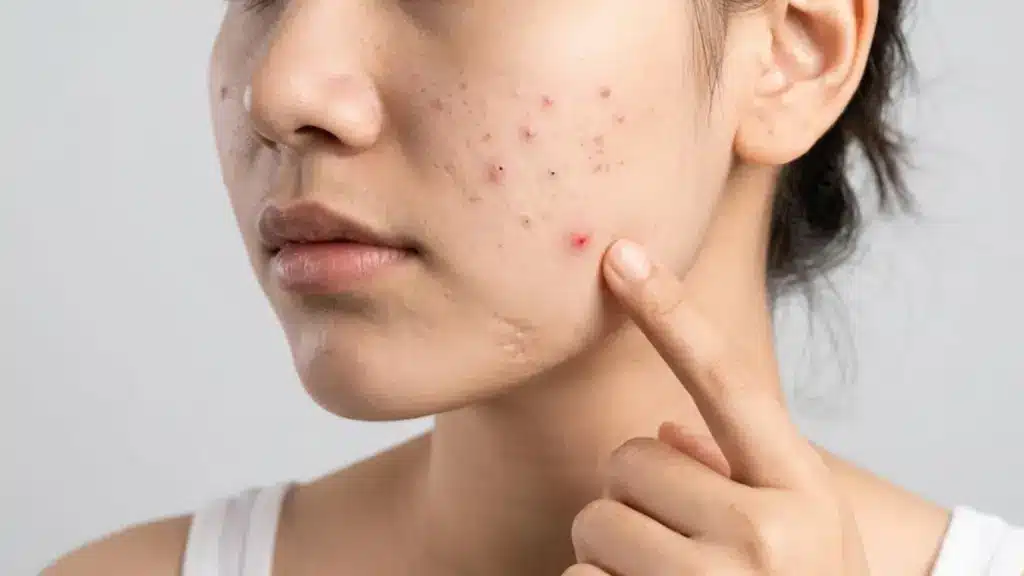
Pimples always seem to show up at the worst possible time, right before events, photos, interviews, or important plans.
I have dealt with breakouts before weddings, first dates, and stressful workdays, so I know how frustrating they can feel.
After testing countless spot treatments over the years, I learned that calming the skin is more effective than harsh products.
Most pimples will not disappear overnight, but the right steps can reduce redness, swelling, and irritation quickly.
Small habits, from gentle cleansing to avoiding skin picking, can make a noticeable difference.
In this blog, I will explain what actually helps, what to avoid, and how to calm pimples faster without worsening the skin.
How to Get Rid of Pimples Fast Without Making Them Worse
Getting rid of a pimple quickly starts with calming the skin rather than attacking it with harsh products.
Begin by washing the face with a gentle cleanser to remove oil, dirt, and sweat without drying the skin out.
Scrubbing too hard can make redness and irritation worse.
Apply a thin layer of spot treatment containing ingredients such as salicylic acid or benzoyl peroxide.
Using too much can dry the skin and slow healing.
The hardest part, honestly, is keeping your hands away from it. I know.
But touching or squeezing a pimple pushes bacteria deeper into the skin, increases swelling, and almost always leaves a mark that fades far longer than the original pimple would have.
What to Do if You Need it Smaller in One Day
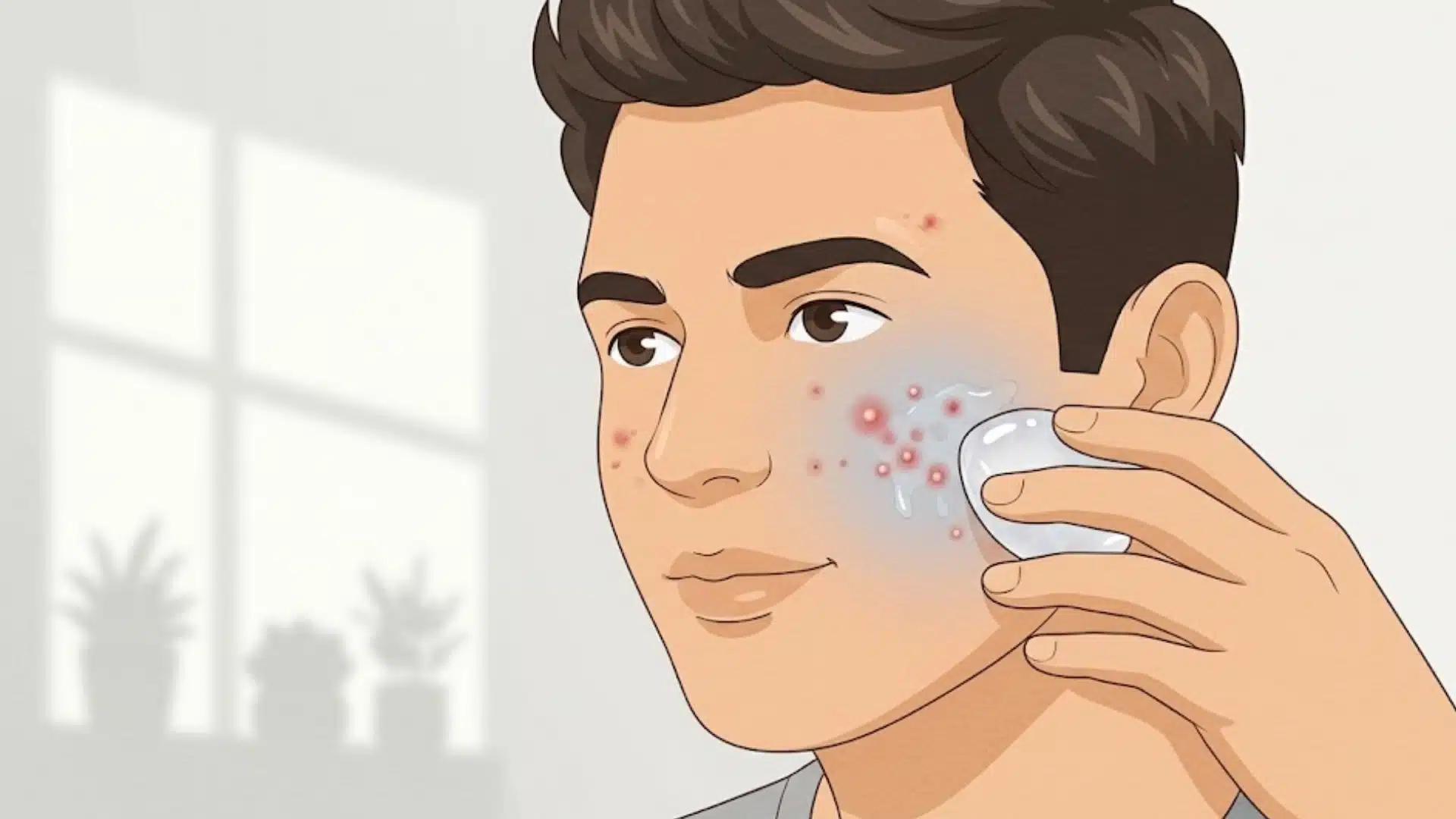
If a pimple needs to look smaller within a day, the goal should be to calm the skin and reduce irritation as much as possible.
- Calm the swelling: Focus on reducing redness and irritation instead of trying to completely remove the pimple overnight.
- Use ice carefully: Apply ice in short rounds for a few minutes to reduce puffiness and inflammation quickly.
- Protect the skin: Wrap the ice in a clean cloth before applying it directly to the skin.
- Stay consistent: I find using ice while watching TV or reading makes the routine easier to maintain.
- Keep skin clean overnight: Gentle cleansing and calming products often help the spot look less inflamed by morning.
- Avoid heavy makeup: Thick makeup can make the pimple look more textured and noticeable throughout the day.
- Choose lighter products: Use noncomedogenic makeup products that will not clog pores or worsen the breakout.
- Try a pimple patch: A patch can absorb fluid, protect the area, and reduce touching or picking.
- Prevent extra irritation: Avoid squeezing or scrubbing the pimple, as this can significantly delay healing.
- Focus on improvement: Small steps can make the pimple look noticeably calmer and smaller by the next morning.
What to Put on a Pimple Overnight
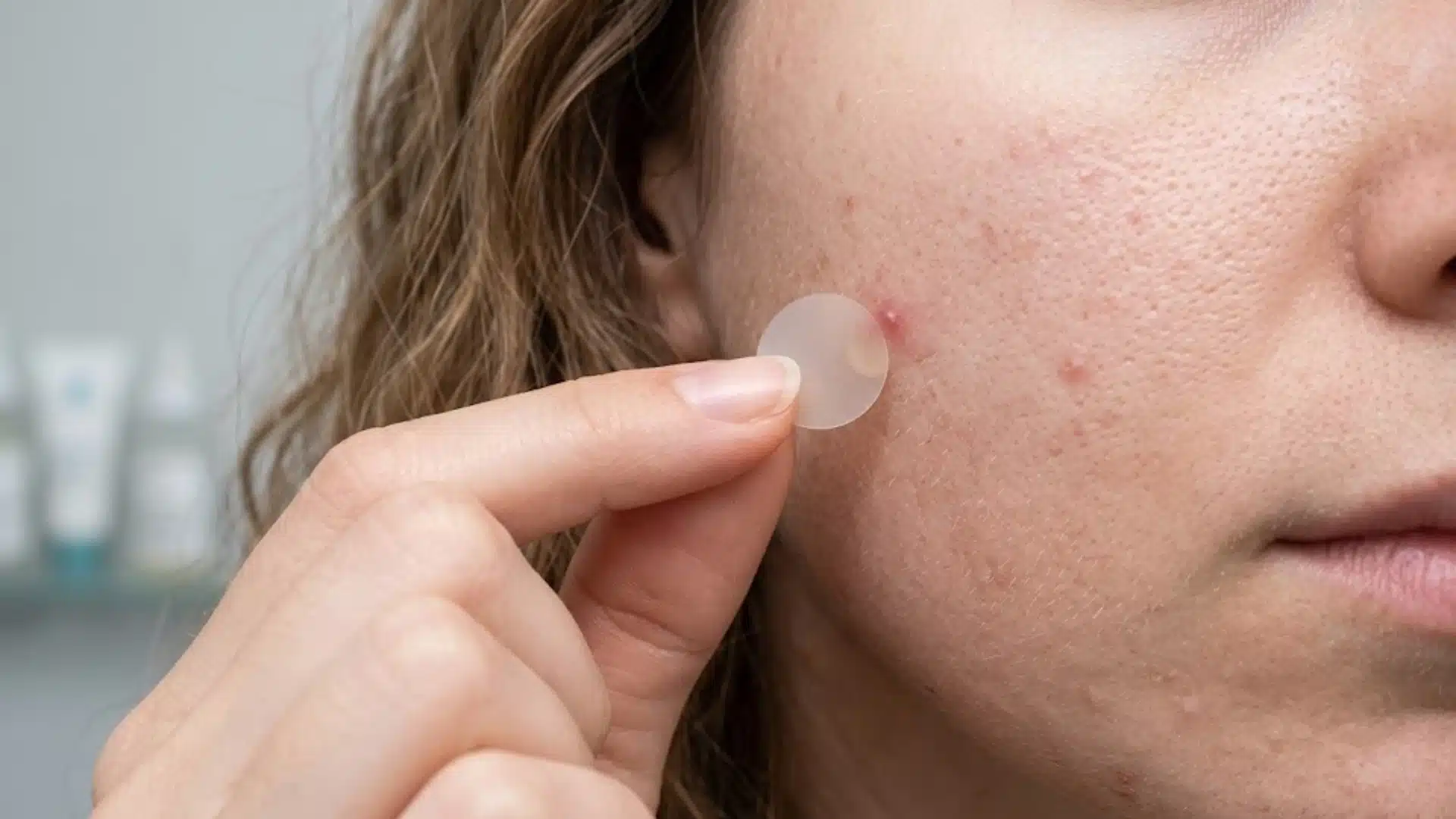
Some overnight treatments can help calm pimples, reduce redness, and protect the skin while it heals. The right option depends on the type of breakout.
1. Benzoyl Peroxide
Benzoyl peroxide works best for red and inflamed pimples because it helps kill acne-causing bacteria and reduce swelling.
A small amount can be applied directly to the spot before bed, after cleansing the skin. Lower strengths are often less irritating and still effective for mild breakouts.
It is important not to overapply it, since too much can dry the skin and make peeling worse by morning. Using a light moisturizer afterward can help keep the skin balanced overnight.
2. Salicylic Acid
Salicylic acid is a better choice for clogged pores, blackheads, and small whiteheads. It works by clearing oil and dead skin trapped in the pore, helping the bump flatten over time.
A thin layer can be used at night on the affected area after washing the face gently. This ingredient is useful for oily skin because it targets buildup without feeling too heavy.
If blackheads are part of the problem, this guide on facial treatments to remove blackheads covers what works alongside a salicylic acid routine.
Overusing it can still lead to dryness, so keeping the rest of the routine simple is usually best.
3. Hydrocolloid Pimple Patch
Hydrocolloid pimple patches are most useful for whiteheads that already have a visible head. The patch covers the spot, absorbs fluid, and protects the skin from touching or picking during the night.
Many people notice the pimple looks flatter and less irritated by morning. These patches can also prevent dirt and bacteria from entering the area while it heals.
They work best on surface-level pimples and may not help much with deep, painful cystic acne beneath the skin.
4. Tea Tree Oil
Tea tree oil is a natural option with documented antibacterial activity against the bacteria linked to acne breakouts.
Research has shown that a 5% concentration can reduce both the number of pimples and their severity, making it a useful alternative for people who prefer to avoid synthetic actives.
Apply a small amount diluted in a carrier oil, such as jojoba or rosehip, to the affected area with a cotton swab before bed.
Never apply undiluted tea tree oil directly to the skin, as it can cause burning and irritation.
It works best for mild, surface-level pimples and is not effective for deep cystic acne.
5. Aloe Vera Gel
Pure aloe vera gel applied as a thin layer over a spot treatment works as a calming barrier for irritated or inflamed skin.
It does not treat the pimple directly, but its anti-inflammatory properties can reduce visible redness and soothe the surrounding skin overnight, which is particularly helpful for sensitive or reactive skin types.
Look for a gel that lists aloe vera as the first ingredient and contains minimal added fragrance or alcohol.
What Not To Put On Pimples
A few common home remedies cause more irritation than they resolve, and some can leave marks that last longer than the pimple itself.
- Toothpaste is one of the most repeated pimple myths. While it can dry out the skin, it also contains ingredients like fluoride and whitening agents that irritate the skin around the pimple, leading to redness and peeling that can be harder to cover than the original spot.
- Lemon juice is highly acidic and can cause a reaction called phytophotodermatitis on sensitive skin, especially if you go outside after applying it. The resulting dark mark can take weeks to fade.
- Apple cider vinegar applied directly to the skin can disrupt the skin’s pH balance and damage the barrier, increasing dryness and burning, particularly on already inflamed skin.
- Hydrogen peroxide damages healthy tissue around the pimple and slows the natural repair process. It was once common in wound care but has largely been replaced by gentler options for a reason.
- Physical scrubs are the worst choice for active breakouts. The friction inflames the pimple further and can rupture surface whiteheads, spreading bacteria to nearby pores.
Why Pimples Do Not Disappear Instantly
Pimples take time to heal because several things are happening under the skin at once. A pore first becomes clogged with oil, dead skin cells, and bacteria, which creates the bump.
The body then reacts with inflammation, causing redness, swelling, tenderness, and pressure in the area.
Some pimples stay close to the surface, while others form deeper under the skin and take longer to calm down.
Even when the swelling starts going down, the pore still needs time to clear fully and heal properly. That is why most quick fixes do not completely erase a pimple overnight.
That is why the best overnight results I have personally seen always come from protecting and calming the skin rather than throwing multiple actives at it.
They mainly help reduce redness, dryness, irritation, or puffiness so the spot looks less noticeable.
Gentle care usually works better than harsh products because overly drying or irritating the skin can slow healing and make the breakout appear worse for longer.
Structuring a gentle night skincare routine around a breakout can help prevent the dryness and irritation that can delay healing.
Simple Habits That Help Prevent Breakouts
Treating an existing pimple is only part of the picture. A few consistent daily habits can reduce the frequency of new ones.
- Change Pillowcases Regularly: Pillowcases collect oil, sweat, and bacteria that transfer back to your skin nightly, contributing to recurring chin and cheek breakouts.
- Avoid Touching Your Face: Hands carry oil, bacteria, and environmental contaminants that can clog pores and trigger breakouts.
- Remove Makeup Before Bed: Sleeping in makeup clogs pores quickly and can cause inflammation, even when using noncomedogenic products.
- Keep Hair Products Away from Skin: Styling products often contain pore-clogging ingredients that can lead to breakouts along the hairline and forehead.
- Manage Stress Levels: Increased cortisol from stress can boost oil production, leading to more frequent breakouts during high-pressure periods.
When a Pimple Needs a Dermatologist
Some pimples can be managed at home, but others need professional treatment to prevent pain, scarring, or long-term skin damage.
Deep, painful cystic pimples usually form beneath the skin and often do not respond well to standard spot treatments.
Frequent breakouts that keep returning may also point to hormonal acne or irritation that needs a proper skincare plan.
If pimples leave dark marks, dents, or scars, it is a good idea to see a dermatologist before the damage becomes harder to treat.
For situations such as weddings, interviews, or other important events, dermatologists may offer a cortisone shot for large, inflamed pimples.
This treatment can quickly reduce swelling and redness.
Getting expert help early can make breakouts easier to control and lower the chances of lasting skin marks in the future.
Conclusion
Pimples may not disappear overnight, but the right steps can make them look calmer, flatter, and less red.
The safest routine is simple: cleanse gently, use ice in short rounds, choose the right overnight treatment, and protect the spot instead of picking at it.
If you are trying to learn how to get rid of pimples fast, focus on calming the skin rather than drying it out with harsh fixes.
Toothpaste, lemon juice, strong scrubs, and popping can make the breakout worse and slow healing. A pimple patch, benzoyl peroxide, or salicylic acid can help, depending on the type of pimple.
Still, patience matters because clogged pores and swelling need time to settle. If acne keeps coming back or leaves marks, seeing a dermatologist is a smart next step.
What has worked best for your pimples so far? Comment below and share your go-to pimple fix.
Frequently Asked Questions
Can Stress Make Pimples Appear Suddenly?
Yes, stress can increase oil production and trigger breakouts in some people. Lack of sleep and stress together may also make the skin look more inflamed.
Do Certain Foods Trigger Pimples?
Some people notice more breakouts after eating sugary foods, dairy, or heavily processed snacks. Triggers can vary from person to person, so tracking patterns may help.
How Long Does a Pimple Usually Take to Heal?
A small surface pimple may calm down within a few days, while deeper pimples can take one to two weeks to heal fully.