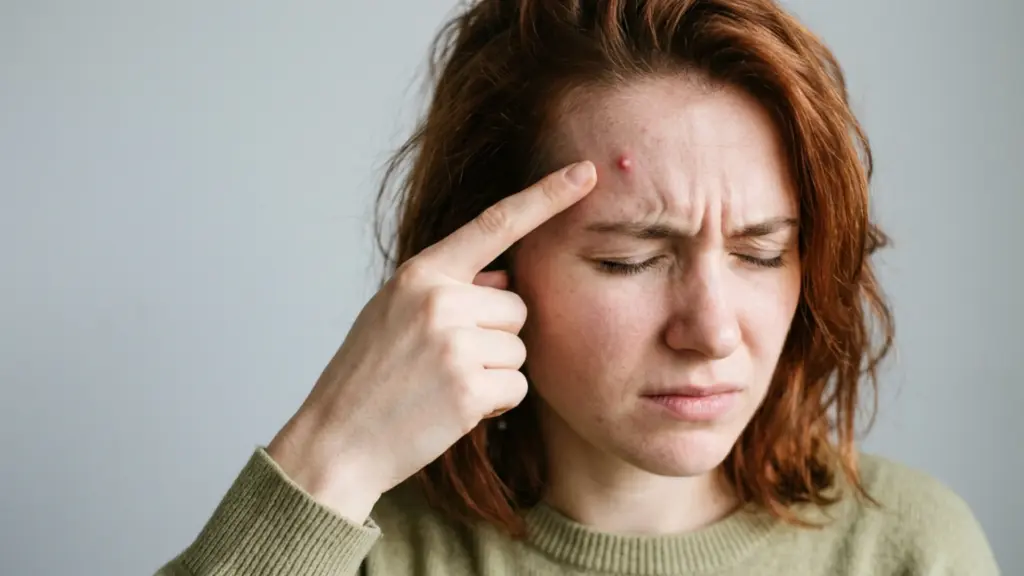
Long before I became an aesthetician, I spent years coaching swim practice- early mornings, chlorine, the kind of stress that shows up on your face before you’ve even had coffee.
Skin doesn’t care about your schedule, and I learned that the hard way one morning before a meet, waking up with a deep, throbbing bump on my jaw and thinking there was no way I’d feel ready to show up.
That’s the thing about a cystic pimple: it shows up on its own timeline, usually the one you had the least room for.
A cystic pimple isn’t like a regular blemish. It sits deep under the skin, feels swollen and tender to the touch, and rarely has a whitehead you can work with.
If you’re looking up how to shrink a cystic pimple overnight, here’s the honest answer: you can’t make it vanish by morning. But you can calm it down. Less swelling, less redness, less pain- that’s a realistic win, and it’s enough.
What is a Cystic Pimple?
A cystic pimple is a severe type of acne that forms when a pore becomes blocked deep beneath the skin rather than near the surface.
Because it develops in the dermis, the skin’s middle layer, there is usually no visible opening or whitehead for the trapped material to drain.
This makes cystic pimples larger, firmer, and more inflamed than ordinary pimples. The buildup of pressure and inflammation beneath the skin often causes a constant, deep ache or tenderness.
Since the blockage lies so far below the surface, cystic pimples typically heal much more slowly than regular acne and may take several weeks to resolve on their own.
What Causes Cystic Acne?
Cystic acne rarely comes down to one single trigger. It is usually a mix of what is happening on your skin and what is happening underneath it.
- Clogged pores: Excess oil and dead skin cells build up and block the follicle, creating the ideal environment for a cyst to form.
- Trapped bacteria: Bacteria multiply inside the blocked pore, triggering infection and turning a simple clog into a painful, inflamed lesion.
- Hormonal fluctuations: Androgens, including testosterone, can increase oil production and are a key driver of deep cystic breakouts, especially along the jawline and chin.
- Genetics: Some people are naturally more prone to cystic acne due to inherited skin behavior and oil production levels.
- Inflammation response: An overactive immune response can cause the skin to react more intensely to minor blockages, leading to deeper, swollen cysts.
How to Shrink a Cystic Pimple Overnight: Fast Home Methods
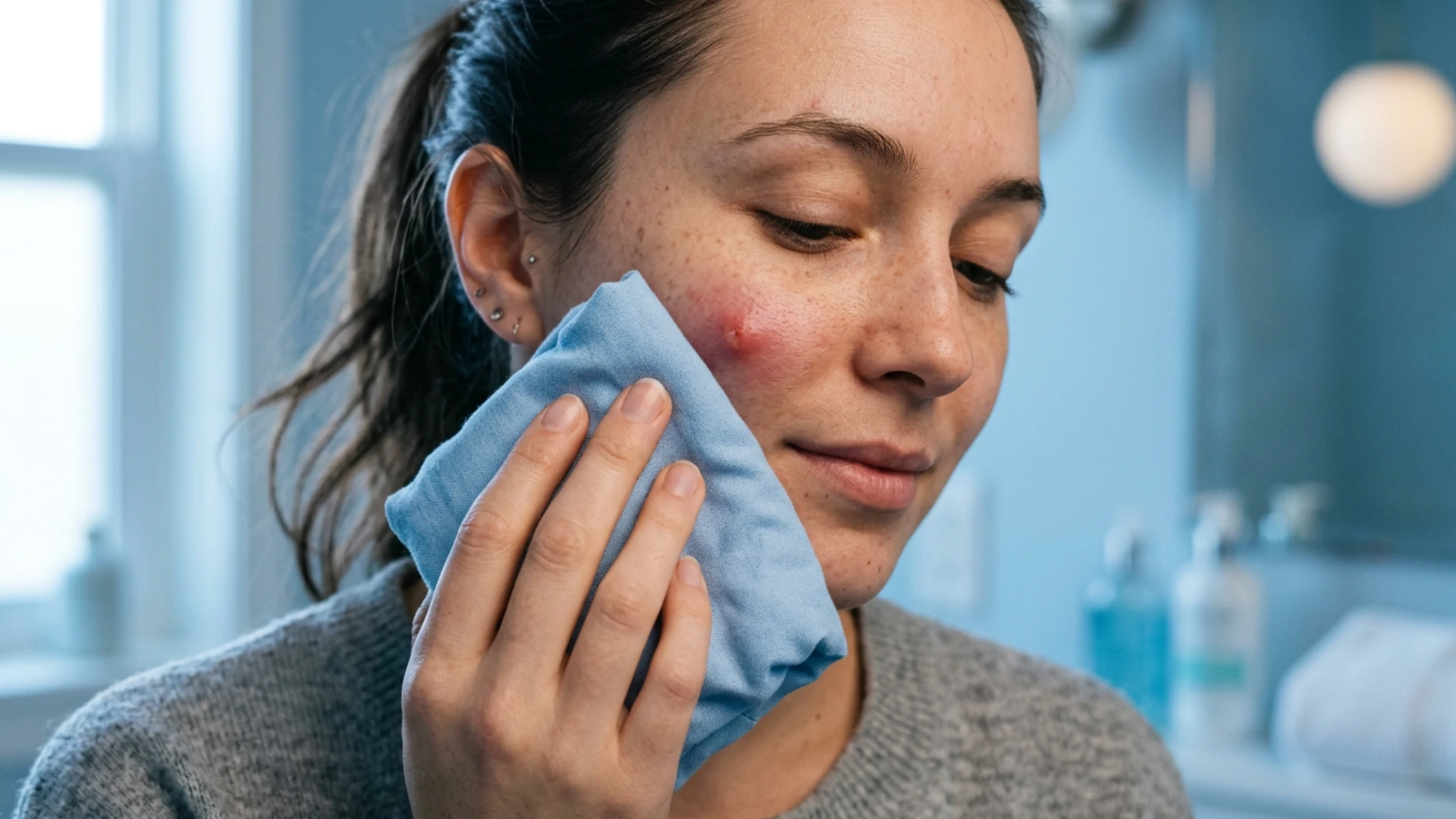
None of these will make a cyst disappear completely, but combined, they can take it from angry and swollen to noticeably calmer by the time you wake up.
1. Cold Compress or Ice
Wrap ice in a clean cloth and hold it on the area for 5 to 10 minutes at a time. This numbs the pain and reduces swelling almost immediately.
Cold therapy works by constricting blood vessels in the area, which slows down inflammation and helps reduce that raised, throbbing feeling. It is one of the fastest ways to make a cystic pimple look and feel less intense within a short period.
2. Warm Compress
Before applying any actives, a warm, damp washcloth held on the area for 10 to 15 minutes can help draw fluid closer to the surface, which supports faster healing.
This step also helps soften the clogged material inside the pore, making it easier for later treatments to penetrate. It is especially useful when the cyst feels deep, hard, and painful under the skin.
3. Benzoyl Peroxide Spot Treatment
A thin layer applied directly to the cyst helps kill the bacteria driving the inflammation.
It also helps reduce oil buildup inside the pore, which lowers the chance of the lesion becoming more inflamed overnight. Start with a lower strength if your skin is sensitive to avoid excessive dryness or irritation.
4. Salicylic Acid
This ingredient works inside the pore to clear the blockage and calm redness, and it pairs well with a gentle, fragrance-free routine.
It is oil-soluble, which means it can penetrate deeper into clogged pores compared to many surface-level treatments. Over time, it also helps prevent new cysts from forming in the same area.
5. Hydrocolloid Patch
Applied after your spot treatment and left on overnight, a patch protects the area and absorbs fluid, though it works best on a cyst that has started to surface. You can read more on how pimple patches work if you want the full breakdown.
It also acts as a physical barrier, preventing you from touching or irritating the spot while you sleep. This can make a noticeable difference in morning redness and overall swelling.
6. Hydrocortisone Cream
Used sparingly and only occasionally, it can reduce visible redness by morning, but it is not meant for daily or long-term use. Frequent use can cause rebound irritation, so it should be treated as an emergency-only option.
It works by calming the skin’s inflammatory response, which is why results can appear relatively fast compared to other topical treatments.
What to Avoid When You Have a Cystic Pimple
A cystic pimple sits deep under the skin and is highly inflamed, so bad habits can easily make it larger, more painful, and longer to heal.
- Popping urge: Squeezing or popping forces bacteria deeper into the skin, increasing inflammation, worsening swelling, and increasing the risk of scarring.
- Harsh scrubs: Physical exfoliants can tear irritated skin, disrupt the skin barrier, and significantly worsen redness and sensitivity.
- Overactives: Layering too many acids or treatments can damage the skin barrier, increase irritation, and ultimately slow down healing.
- Dirty hands: Repeatedly touching the area transfers bacteria, spreads inflammation, and makes the breakout more irritated overall.
- Heavy makeup: Thick, occlusive products can trap oil and bacteria, clog pores further, and make the breakout last longer.
- Skipping care: Ignoring basic cleansing or treatment allows oil buildup, bacterial growth, and deeper inflammation to continue.
Warm compresses can also help bring a deep pimple closer to the surface so it heals faster, a method the American Academy of Dermatology recommends alongside resisting the urge to pop.
What Actually Happens Overnight When You Treat a Cystic Pimple?
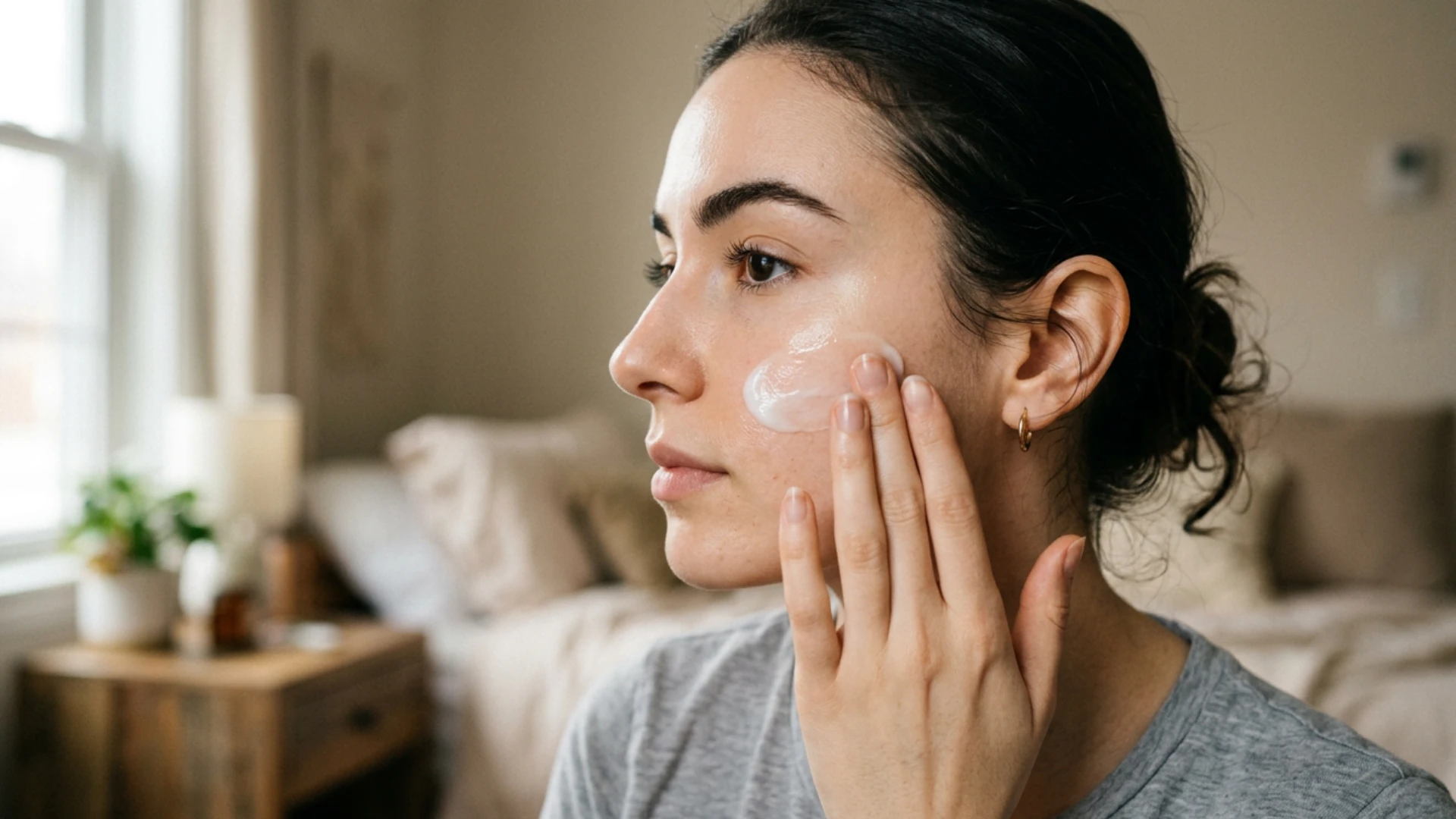
It helps to understand what your overnight routine is actually doing, rather than blindly following steps. Cold constricts blood vessels near the surface, slowing blood flow to the area and reducing swelling quickly.
Benzoyl peroxide and salicylic acid work differently: one reduces the bacteria feeding the inflammation, the other helps clear the buildup inside the pore.
Benzoyl peroxide has long been recognized by the FDA as a safe and effective over-the-counter acne ingredient, which is why it shows up in so many spot treatments.
Cortisone works fastest of all because it is injected directly into the cyst by a dermatologist, but that option is only available in a clinical setting.
The response to treatment depends on how deep and inflamed the cyst is. If a cyst continues to enlarge, becomes increasingly painful, or keeps returning, a dermatologist can recommend additional treatment options.
Preventing Cystic Pimples Long-Term
Preventing cystic acne is less about quick fixes and more about maintaining a consistent, gentle routine that keeps pores clear and inflammation under control over time.
- Gentle cleansing: Wash your face twice daily with a mild cleanser to remove oil, dirt, and buildup without stripping the skin barrier.
- Non-comedogenic products: Use skincare and makeup labeled non-comedogenic to reduce the chances of clogged pores forming deep breakouts.
- Consistent routine: Stick to a simple routine daily rather than frequently switching products, which can irritate the skin and trigger flare-ups.
- Clean habits: Change pillowcases regularly, clean phone screens, and avoid touching your face to minimize bacterial transfer.
- Early treatment: Address small pimples early with mild actives so they do not develop into deeper cystic lesions.
If you’re looking for the right balance of hydration and skin safety, these non-comedogenic moisturizer picks are a great starting point. Find the one that suits your skin best.
How to Safely Layer Treatments without Making It Worse?
Reaching for multiple products at once feels helpful, but it usually backfires. Combining actives like retinol, benzoyl peroxide, and strong toners in one night can quickly irritate the skin and worsen inflammation.
Do not combine too many actives at once. Pick one spot treatment and stick with it rather than layering several strong ingredients on the same night, as this helps reduce irritation and keeps your routine controlled.
Follow a simple order when applying products. Cleanse first, apply your spot treatment once your skin is fully dry, then finish with a hydrocolloid patch if you are using one, so each step works without interference.
Watch for signs of overdrying, such as flaking, tightness, or new irritation around the cyst. If these appear, it is a signal to scale back rather than add more products to your routine.
Patch test anything new before applying it to an active breakout. Even gentle products can react differently on inflamed skin, so testing first helps avoid unnecessary worsening.
If your skin becomes increasingly red, painful, or irritated after using acne treatments, stop applying additional active ingredients and let your skin recover before restarting your routine.
When to See a Dermatologist?
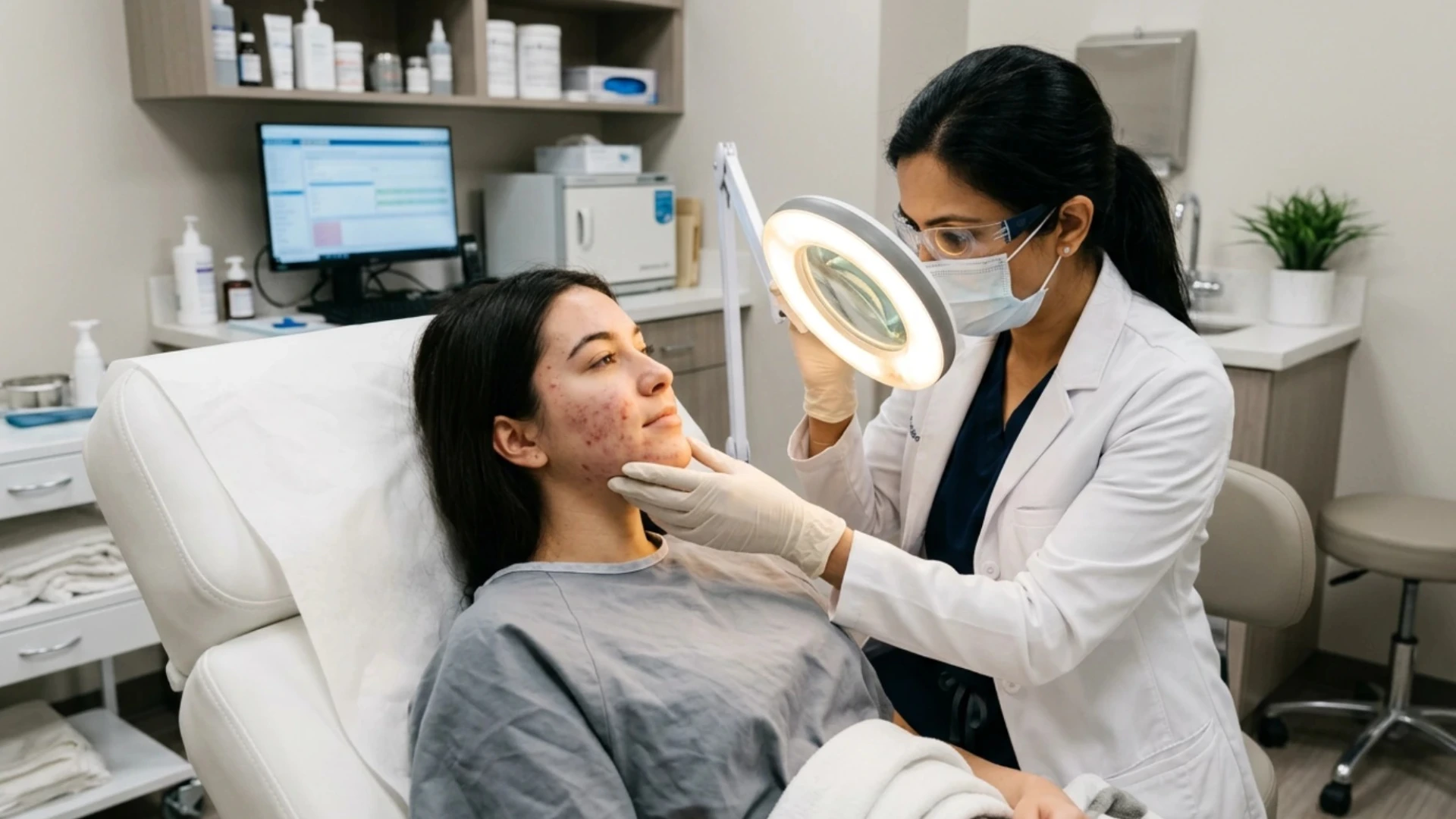
Cystic acne can often be managed at home in the early stages, but persistent, painful, or worsening breakouts may require professional treatment to prevent scarring and long-term skin damage.
- Deep painful cysts: If the pimple is large, painful, and deep under the skin with no improvement after home care, a dermatologist can provide stronger targeted treatments.
- Frequent breakouts: If cystic pimples keep appearing in the same or new areas regularly, it may indicate hormonal or underlying acne that needs medical management.
- No healing progress: If there is little to no improvement after 7–10 days of consistent care, professional treatments may be necessary to reduce inflammation faster.
- Early signs of scarring: If you notice dark marks, dents, or early scarring, a dermatologist can help prevent permanent skin damage with timely intervention.
- Worsening inflammation: If the cyst becomes increasingly swollen or red, or spreads to nearby areas despite treatment, it may require prescription medication or a cortisone injection.
Conclusion
Cystic pimples are frustrating, stubborn, and never seem to show up at a convenient time.
While there is no instant fix that makes them disappear overnight, the right approach can calm the swelling, reduce redness, and make them far more manageable by morning.
If you are looking for how to shrink a cystic pimple overnight, the key takeaway is simple: be gentle, stay consistent, and avoid anything that causes further irritation.
At the end of the day, everyone’s skin reacts differently, and what works for one person may not work the same for another.
Have you tried any of these methods before, or do you have your own go-to fix when a cystic pimple appears overnight? Share your experience in the comments.
Frequently Asked Questions
How Long Does a Cystic Pimple Take to Heal without Treatment?
Left completely alone, a cystic pimple can take anywhere from two to six weeks to fully resolve. Treating it early with ice, gentle spot treatments, and patience can noticeably shorten that timeline.
Can Toothpaste or Aspirin Paste Shrink a Pimple Overnight?
No, and both can actually further irritate the skin. Toothpaste contains ingredients that are not meant for skin, and crushed aspirin paste has no proven benefit for cystic acne specifically.
Why Does a Cystic Pimple Keep Coming Back in the Same Spot?
Recurring cysts in one area, especially along the jawline or chin, usually point to a hormonal trigger rather than bad luck. Tracking the timing against your cycle can help identify the pattern.
Does Drinking More Water Help with Cystic Acne?
Staying hydrated supports your skin barrier overall, but it will not shrink an existing cyst on its own. Hydration works best as part of a full routine, not as a standalone fix.