Taking care of your hair goes beyond just getting it wet. Many people rush through washing without thinking about the impact on their scalp and strands.
I’ve seen clients come in with unnecessary breakage and dullness that traced back to nothing more complicated than water temperature and the way they rinse. The good news is that fixing it is simple.
In this guide, you will learn how to wash hair properly to keep it clean without stripping away natural oils.
From choosing the right shampoo and conditioner to mastering the right techniques for lathering, rinsing, and conditioning, every step plays a role in maintaining hair health.
You’ll also find tips on post-wash care, avoiding common mistakes, and adjusting your routine based on your hair type.
By following these steps, you can make washing your hair a simple habit that benefits your overall hair health.
What Happens When You Wash Hair the Wrong Way
Washing hair the wrong way can quietly cause damage over time. Using water that is too hot can strip natural oils, leaving hair dry and prone to breakage.
On the other hand, over-shampooing can remove the scalp’s protective barrier, making it more sensitive and increasing frizz.
Rough handling, like scrubbing too hard or tangling hair while wet, can weaken strands and lead to split ends.
Even small mistakes, repeated often, affect the hair’s texture, shine, and overall health.
Understanding these risks matters before diving into a proper routine because it sets the stage for why each step in washing hair counts.
Getting Hair Ready for a Wash
Preparing hair before washing prevents damage and makes the cleaning process more effective, keeping hair smooth, manageable, and easier to style afterward.
- Detangle hair: Gently comb through hair with a wide-tooth comb to remove knots and tangles, reducing breakage and making shampoo spread evenly.
- Protect hair from damage: Avoid vigorous scrubbing and rough handling, which can weaken strands, create split ends, and make hair more prone to frizz.
- Section your hair: Divide hair into manageable parts to ensure shampoo and conditioner are applied evenly, improving cleaning and conditioning results for all strands.
- Check water temperature: Use lukewarm water instead of hot, as it cleans gently without stripping natural oils, leaving hair soft and healthy.
How to Wash Hair: Step by Step
Proper hair washing requires a few simple steps to keep it clean, healthy, and manageable. Follow this guide to do it right every time.
1. Wet Your Hair Thoroughly
Before applying shampoo, make sure every strand is completely wet. Lukewarm water works best, loosening dirt, oil, and buildup.
Soaking hair fully helps the shampoo spread evenly and prevents unnecessary friction. Take your time tilting hair in sections so water reaches both the scalp and length.
Avoid very hot water, as it can dry out hair and irritate the scalp. Properly wet hair ensures a smooth lather, prepares strands for cleansing, and minimizes tangling during washing, making the entire process more effective.
2. Apply Shampoo to the Scalp Only
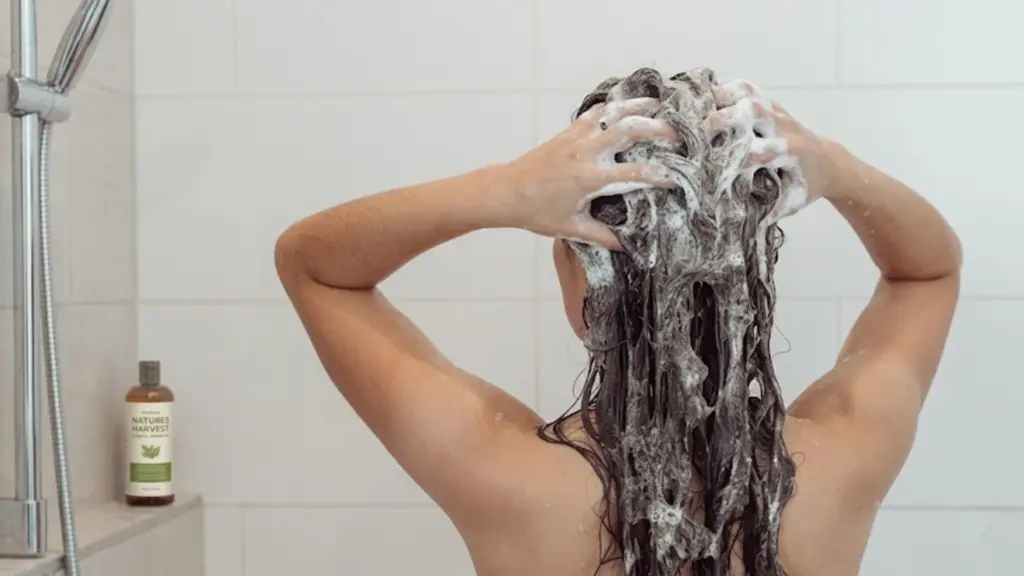
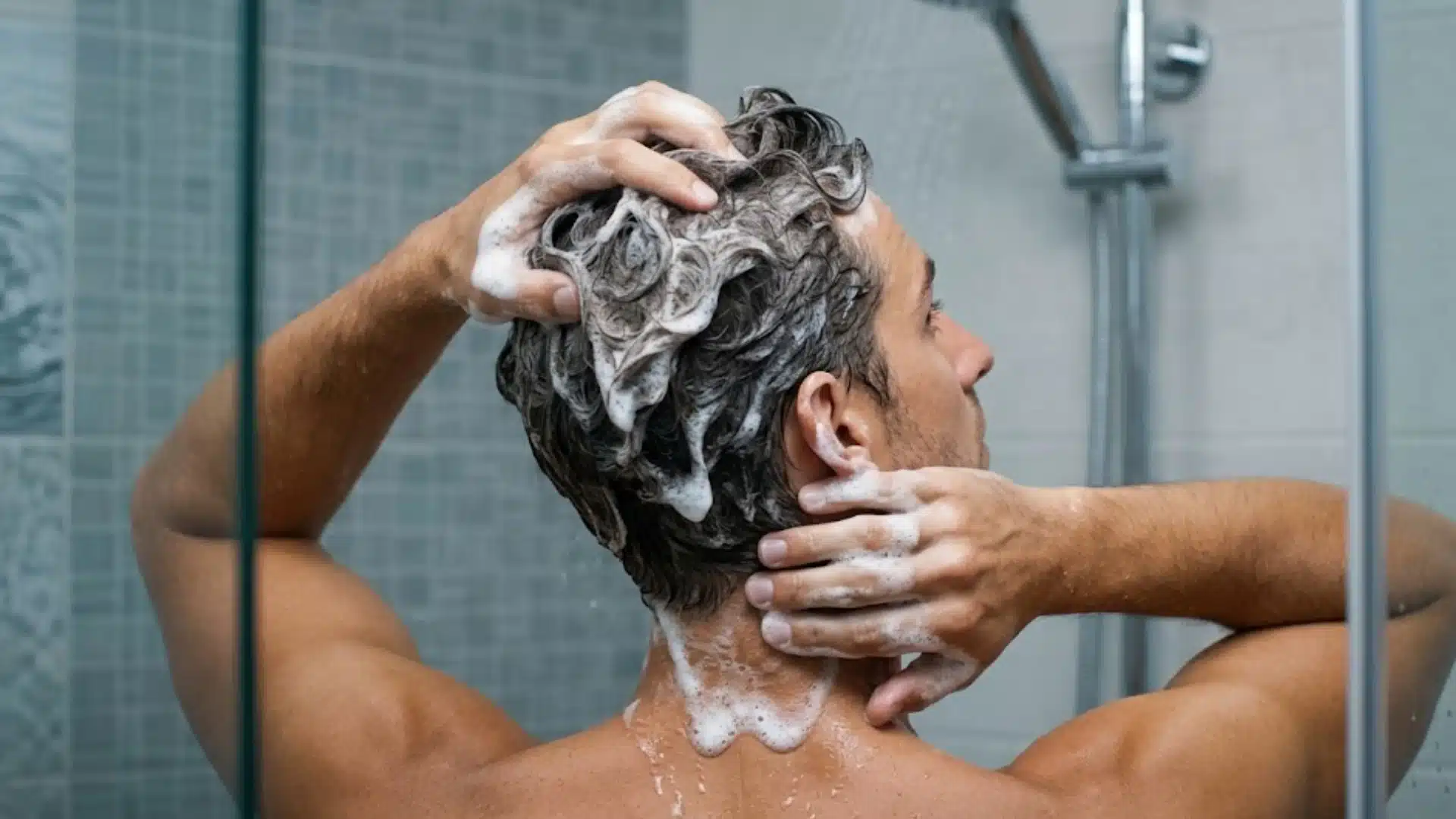
Focus shampoo mainly on the scalp, where oil and residue collect. Pour a small amount into your palms, rub to create a light lather, and massage in circular motions.
Avoid nails or scrubbing too hard, which can cause irritation or weaken hair strands. Hair length will naturally get cleaned by the rinse, so no need to over-apply.
Massaging the scalp also improves blood flow, helping hair stay healthier over time. Concentrating on the roots keeps hair lighter, shinier, and avoids product buildup on the ends.
I always tell people: the goal at this stage is a clean scalp, not a foam bath for your ends.
3. Rinse Out Completely
Rinse hair thoroughly to remove all shampoo residue. Leftover product can make hair feel heavy, dull, or itchy. Use lukewarm water and section hair with fingers while rinsing to ensure every area is free of foam.
Take your time and allow water to flow from roots to tips. Proper rinsing prevents buildup, scalp irritation, and tangling.
Fully rinsed hair feels lighter, cleaner, and more receptive to conditioner. This step also reduces the chance of dullness or stickiness, making hair softer and easier to manage afterward.
4. Apply Conditioner From Mid-Length to Ends
After shampooing, apply conditioner mainly to mid-lengths and ends, where hair tends to be dry and damaged. Avoid roots to prevent greasiness.
Smooth the product gently along the strands using fingers or a wide-tooth comb for even coverage. Let it sit for 2–3 minutes so it can moisturize, detangle, and soften hair.
Conditioner strengthens strands, reduces friction while combing, and leaves hair feeling smooth. This step helps manage frizz, improve shine, and protect ends from breakage during drying or styling.
If you’re thinking about scalp and skin care orders during your shower routine, conditioning after shampooing follows the same logic as any treatment step: cleanse first, then nourish.
5. Final Rinse with Cool Water
Finish with a cool water rinse to seal the cuticles and lock in moisture. Cool water smooths strands, reduces frizz, and enhances shine.
Tilt hair in sections to ensure water touches every strand. This step also refreshes the scalp and provides a polished look without leaving residue.
Regularly finishing with cool water helps hair feel healthier, easier to detangle, and ready for styling, giving it a natural, soft, and glossy appearance.
6. Dry Gently, Don’t Rub
Pat hair gently with a microfiber towel instead of rubbing, which can cause breakage and frizz. Squeeze excess water without wringing, and avoid aggressive towel movements.
If possible, let hair air-dry partially before using heat tools. Gentle drying preserves hair strength, reduces split ends, and maintains natural shine.
This step makes hair easier to style and keeps it manageable, soft, and healthy for longer. Proper drying techniques prevent unnecessary damage while ensuring hair looks smooth and polished.
How to Shampoo Properly
Proper shampooing helps remove oil, buildup, and dirt while keeping the scalp healthy. Following the right method can also make conditioning more effective.
- Start properly: Pour a small amount into your palm and rub it between your hands.
- Focus on the scalp: Concentrate on the scalp rather than the length of your hair because this is where oil and buildup accumulate.
- Massage gently: Use your fingertips in circular motions to massage the scalp.
- Avoid harsh scrubbing: Do not use your nails or scrub aggressively, as this can irritate the scalp and weaken hair strands.
- Clean the lengths lightly: Work the lather gently through the rest of the hair without over-manipulating the strands.
- Cover every section: Take your time to ensure every part of the scalp gets attention.
- Support healthy hair growth: This method removes dirt and oil effectively while improving blood circulation.
- Improve the next steps: Thorough but gentle shampooing makes conditioning more effective.
Building this into hair care in your daily routine consistently is what separates people who struggle with dull or dry hair from those who don’t.
How Often Should You Wash Your Hair?
Washing frequency depends on your hair type and lifestyle. Getting it right protects your scalp’s natural oils and keeps hair in better condition long term.
| Hair type | Recommended frequency | Key tip |
|---|---|---|
| Oily | Every 1 to 2 days | Focus shampoo on the scalp to control excess oil |
| Dry | 2 to 3 times per week | Avoid stripping natural oils; always condition |
| Curly | 1 to 3 times per week | Less frequent washing preserves moisture and curl definition |
| Color-treated | 2 to 3 times per week | Use sulfate-free shampoo to protect color and prevent fading |
| Normal | Every 2 to 3 days | Adjust based on how your scalp feels between washes |
Overwashing is a common mistake. Washing too frequently strips the scalp’s protective barrier, which can actually increase oil production and lead to more frizz, not less.
Additional Tips for Healthy Hair
Small habits beyond washing make a big difference in keeping hair strong, shiny, and manageable. Incorporate these tips into your routine for the best results.
- Frequency of washing: Adjust based on hair type. Oily hair may need more frequent washing, while dry or curly hair benefits from fewer washes to retain natural oils.
- Avoid over-washing: Too much washing strips essential oils, leaving hair dry and prone to frizz. Stick to a routine that balances cleanliness with moisture retention.
- Nutritional and lifestyle habits: Eat a balanced diet rich in vitamins and proteins, stay hydrated, and exercise regularly to support healthy hair growth.
- Protect from heat: Limit frequent use of blow dryers, straighteners, and curling tools. Use heat protectant sprays to prevent damage and maintain strength.
- Nighttime care: Sleep on a silk or satin pillowcase to reduce friction, prevent breakage, and keep hair smooth while you rest.
Conclusion
Taking care of hair isn’t just about keeping it clean; it’s about maintaining its health and strength. Following proper techniques from start to finish ensures your hair stays soft, shiny, and manageable.
By understanding how to wash hair effectively, focusing on the scalp, conditioning correctly, and drying gently, you minimize damage and make every wash count.
Paying attention to hair type, washing frequency, and additional tips like protecting from heat or nourishing it through diet further improves overall hair quality.
The small habits, combined with the right steps, create a routine that keeps hair looking its best every day.
Have you tried changing your hair-washing routine recently? Share your experience or tips in the comments below. We’d love to hear what works for you!
Frequently Asked Questions
Can I Use the Same Shampoo for Both Scalp and Hair Length?
While shampooing mainly targets the scalp, using the same shampoo on the lengths is fine occasionally. However, the ends usually need less frequent cleansing and more conditioning.
Does Brushing Before Washing Help or Harm Hair?
Brushing gently before washing can help detangle hair and reduce knots during shampooing. Always use a wide-tooth comb to prevent breakage, especially for wet or curly hair.
How Long Should I Wait to Wash Hair After Coloring?
After coloring, it’s best to wait at least 48–72 hours before washing to allow the color to settle and prevent premature fading. Use gentle, color-safe products afterward.