I started noticing this in the chair, not in a mirror. A client would sit down for a trim, hair pulled back, dead straight by every appearance, and then I’d lift the top layer to section it and find a completely different texture underneath.
Waves, sometimes tight curls, tucked away where nobody ever looks. It happened often enough that I started asking clients about it before I even reached for scissors.
Online, this pattern has picked up a nickname: Irish curls. It’s not a clinical term, and it’s not tied to where anyone’s family is from. It’s just a name that stuck because so many people were noticing the same thing on their own heads without a word for it.
Here’s what it actually is, how to check for it yourself, and how to work with it instead of fighting it.
What are Irish Curls?
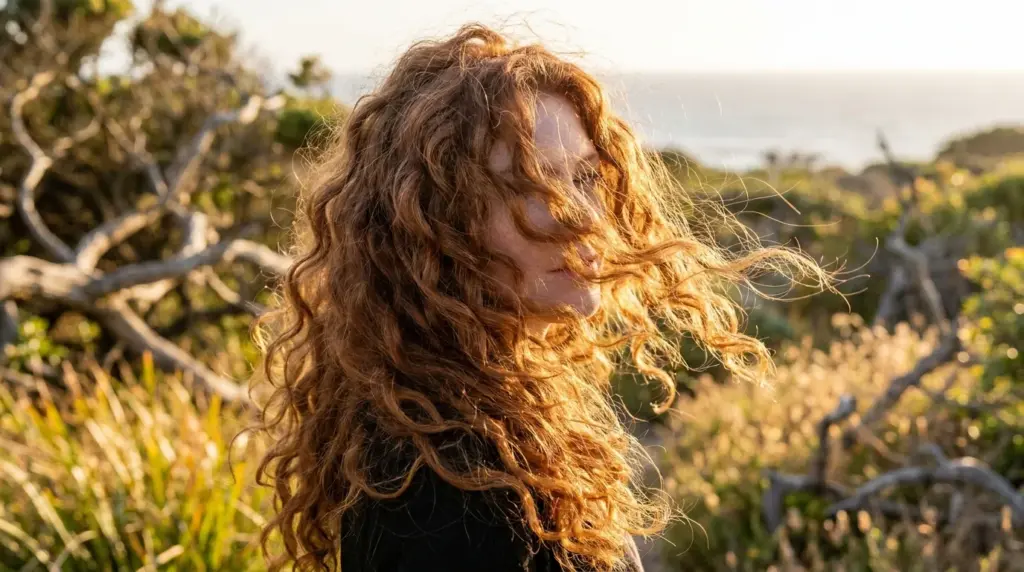
Irish curls is an informal term used to describe hair that looks straight or slightly wavy on the surface while more defined waves or curls are hidden underneath.
It is not a scientific, medical, or professional hair classification. Instead, the name became popular through online hair communities as people searched for a simple way to describe this mixed-texture pattern.
The texture develops naturally and is not caused by poor hair care, heat styling, or hair damage. Hidden curls often become more noticeable after washing, air drying, tying the hair back, or during humid weather.
Rather than referring to Irish ancestry or ethnicity, the term describes only how the hair appears. People from many different backgrounds can have this unique combination of straight, wavy, and curly textures.
Characteristics of the Irish Hair Texture
The Irish hair texture is easier to recognize when you know what to look for. Instead of showing the same pattern throughout, different sections of the hair behave differently. Common characteristics include:
- Mixed textures: Straight, wavy, and curly strands can all appear on the same head of hair.
- Smoother top layer: The outer hair often looks flatter, while the underneath layers develop more noticeable waves or curls.
- Hidden curl pattern: Washing, air drying, or tying the hair back often makes the natural texture easier to see.
- Humidity response: Moisture in the air can bring out stronger waves or curls underneath while the surface remains relatively smooth.
- Uneven definition: Some sections form loose waves, while others develop more defined curls, creating a mixed-texture appearance.
These features do not appear exactly the same for everyone, but seeing several of them together is often a good indication of the mixed-texture pattern people describe as Irish curls.
How to Tell if You Have Irish Curls?

Recognizing these in your own hair usually takes more than one look on a good hair day. These simple checks make it easier to tell whether your hair matches the mixed-texture pattern people describe as Irish curls.
Quick Signs You May Have Irish Curls :
| What You Notice | What It Suggests |
|---|---|
| Straight or slightly wavy hair on top with curls underneath | Your hair may have a natural mixed-texture pattern. |
| Waves or curls appear after washing or air drying | Your natural texture becomes more visible without styling. |
| Humid weather brings out stronger curls underneath | Moisture enhances your natural wave or curl pattern. |
| Lifting the top layer reveals a different texture | The surface hair is masking curls or waves below. |
| Hair behaves differently depending on how it is styled | Different sections naturally have different textures. |
1. Lift the Top Layer
Gently lift the top section of your hair and look at what’s underneath. The outer layer often lies flat and smooth simply because it covers everything else, which means the real texture can be hiding just a layer or two down.
This is usually the fastest and easiest way to catch the contrast between sections, especially if you’ve never checked before.
2. Tie It Back
Pull your hair into a low ponytail or bun and pay close attention to how it behaves once the weight comes off.
Loose hair can hang straight purely from its own weight pulling it down, so removing that tension often lets curls or waves spring back into a shape you wouldn’t normally notice while it’s hanging free and untied.
3. Air Dry without Brushing
Skip the brush after washing and let your hair dry entirely on its own, without touching, combing, or styling it in any way.
Brushing while wet tends to smooth strands out and stretch curls loose, so air drying gives the natural pattern a real chance to form the way it would without any outside interference from tools or heat
4. Compare Humid vs. Dry Days
Take note of how your hair looks and behaves on a humid day compared to a dry one, since the two conditions often reveal very different things about your texture.
Moisture in the air tends to make hidden curls swell and become more defined, so a noticeable difference between the two conditions is often a strong, reliable sign of this exact texture pattern.
If most of these checks reveal a texture you didn’t expect, there’s a good chance your hair fits the pattern people are describing when they use this term.
Irish Curls vs Similar Hair Patterns
Several hair types can look similar at first, especially after brushing, heat styling, or spending time in humid weather. Knowing how Irish curls differ from naturally wavy, curly, or damaged hair makes it easier to understand your own texture and choose a routine that works for it.
| Hair Pattern | Where the Texture Appears | Main Difference |
|---|---|---|
| Irish curls | Straight or slightly wavy on top, with waves or curls underneath | Mixed texture across different sections of the scalp |
| Naturally wavy hair | Fairly even waves from root to tip | Wave pattern is visible throughout the hair |
| Naturally curly hair | Curls appear across the entire head | Curl pattern is consistent from the roots |
| Frizz | Random throughout the hair | Caused by moisture, dryness, or friction rather than natural texture |
| Heat or chemical damage | Usually affects processed sections | Texture changes because of external damage, not natural hair growth |
Looking at the differences side by side makes it easier to avoid confusing a natural mixed-texture pattern with frizz, damage, or a fully wavy or curly hair type.
Understanding the distinction also helps you choose products and styling methods that suit your natural texture instead of trying to correct something that is already part of your hair.
Why Does Irish Hair Texture Have Mixed Patterns?
Finding straight strands on top and curls underneath is completely normal. Hair texture is largely influenced by genetics and the shape of individual hair follicles, so different areas of the scalp can naturally produce slightly different textures.
Several other factors also affect how noticeable those differences become over time.
- Genetics: Individual hair follicles can naturally produce strands with slightly different shapes, which is why one section of the scalp may appear straighter while another develops waves or curls
- Hair Weight: Longer or heavier sections are pulled downward by their own weight, making the top layer appear straighter while lighter hair underneath keeps more of its natural wave or curl.
- Natural Oil Distribution: Scalp oils do not spread evenly through every strand. Hair on the surface often becomes smoother because it receives more natural oil, while the lower layers remain lighter and hold their texture more easily.
- Humidity and Moisture: Moisture in the air changes how hair absorbs water. Hidden waves or curls often become more noticeable in humid conditions because the natural texture expands instead of staying flat.
These factors often work together rather than independently. That is why the amount of curl, wave, or straightness can vary from one section of the head to another without indicating damage or an underlying hair problem.
Caring for Irish Curl Patterns
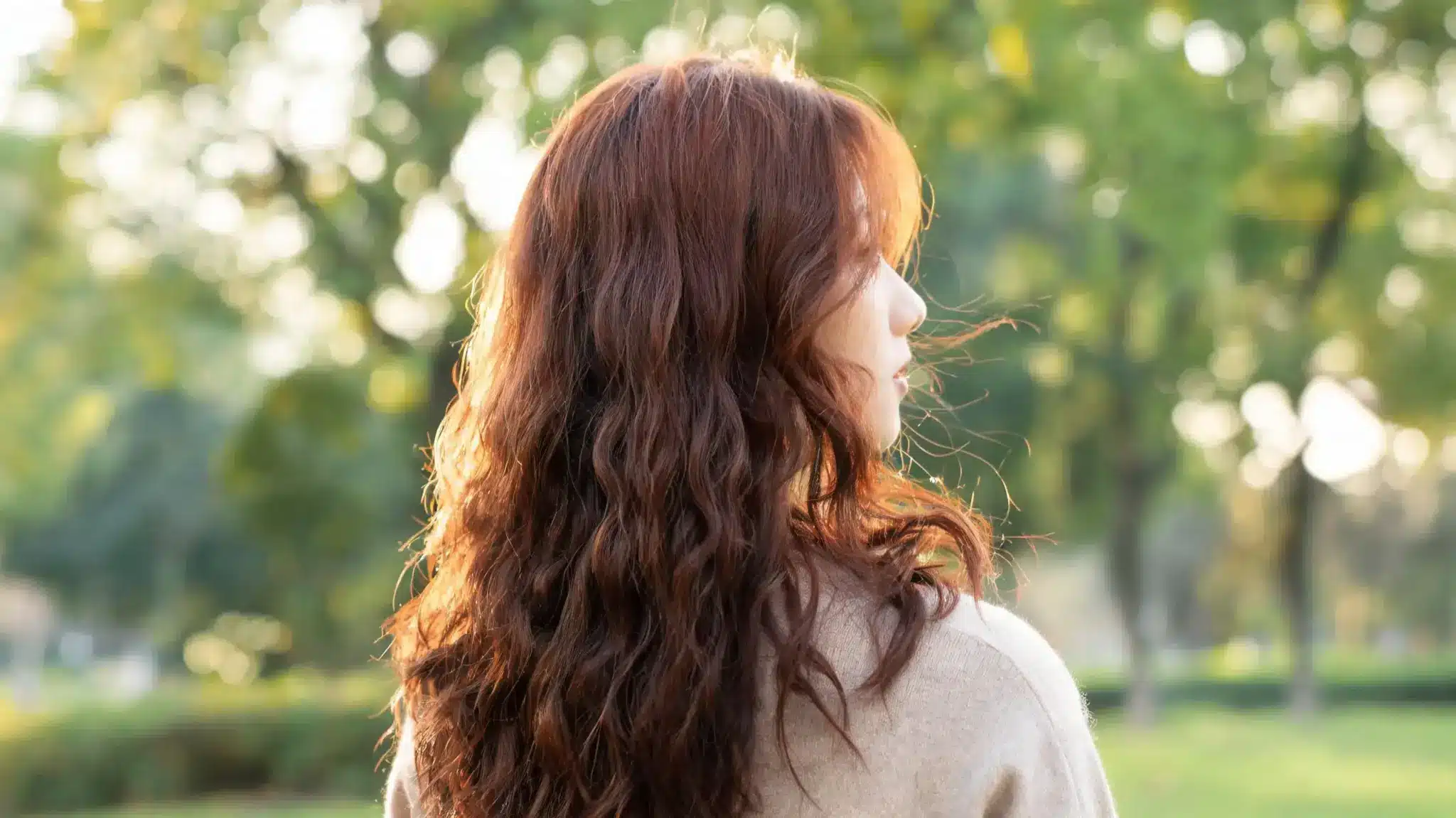
Looking after mixed-texture hair is less about changing your natural pattern and more about helping each section perform at its best.
A simple routine that protects moisture and reduces friction can make the straighter top layer and curlier underneath sections look more balanced.
| Common Concern | What Helps | Benefit |
|---|---|---|
| Flat top layer | Use lightweight styling products | Maintains volume without weighing hair down. |
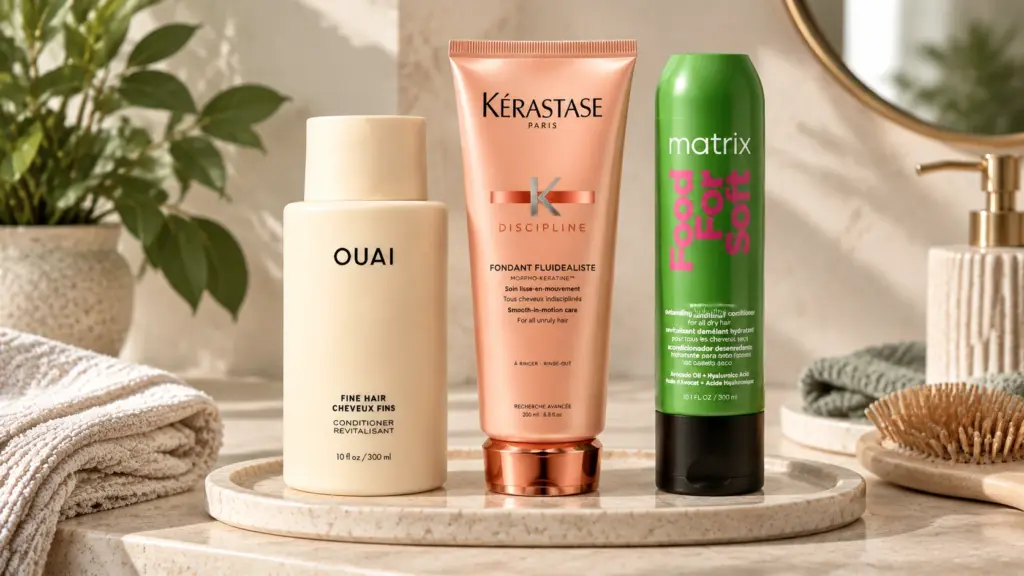
| Dry curlier sections | Apply extra conditioner underneath | Improves moisture and curl definition. |
| Frizz | Air dry or use a diffuser | Helps waves and curls keep their natural shape. |
| Tangles | Detangle gently while damp | Reduces breakage and protects curl formation. |
| Uneven texture | Style each section separately | Creates a more balanced overall appearance. |
| Split ends | Trim regularly | Keeps all textures looking healthier. |
No single routine works for everyone because every head of hair is different. Start with gentle care, pay attention to how your hair responds, and adjust your products or styling methods based on what gives both textures the healthiest appearance.
Common Myths About Irish Curls
The term Irish curls is often used online, which has led to a few common misunderstandings. Here are the facts behind some of the most popular myths.
- Every Irish Person Has Curly Hair: Not everyone in Ireland has curly hair. Irish people can have straight, wavy, curly, or coily hair. Hair texture varies from one person to another because it is influenced by many genes.
- Irish Curls Are Always Red: Irish curls are not limited to red hair. Natural Irish hair can be brown, black, blonde, auburn, or red. Hair color and curl pattern are separate traits.
- Curly Hair Means Irish Ancestry: Curly or wavy hair does not mean you have Irish ancestry. Natural curls are found in people from many parts of the world, and hair texture alone cannot indicate where your family comes from.
- Irish Waves Never Need Styling: Irish waves may look effortless, but they still need regular care. Using lightweight moisturizing products and gentle drying methods helps reduce frizz and keeps waves looking their best.
- Irish Curls Are Rare: Mixed-texture hair is more common than many people realize. While the nickname is relatively new, plenty of people have naturally straight-looking hair on top with waves or curls underneath without knowing there is a popular term for it.
Final Thoughts
Knowing what Irish curls are makes it easier to understand why your hair can look smooth on the surface while revealing waves or curls underneath. Hair that looks smooth on the surface can naturally reveal waves or curls underneath, and that contrast is simply part of a mixed-texture pattern.
Once you understand how your hair responds to washing, humidity, and styling, choosing the right haircut, products, and routine becomes much easier. Instead of trying to make every strand look the same, care for each section according to its needs and let your natural texture stand out.
If you would like advice tailored to your hair, book a consultation with a trusted hairstylist and build a routine that suits your unique hair pattern.
Frequently Asked Questions
Can Hair Products Create Hidden Curls?
No. Hair products cannot create a natural curl pattern where one does not exist. They can improve moisture, reduce frizz, and enhance waves or curls that are already present, making the underlying texture easier to notice after styling or air drying.
Can Mixed Hair Texture Change Over Time?
Yes. Hormonal changes, age, certain medications, and hair length can affect how your natural texture appears. These changes may make hidden waves or curls more noticeable, although your basic hair structure is largely determined by genetics.
Should Different Parts of My Hair Be Styled Differently?
Often, yes. The curlier underneath layers may benefit from extra moisture or curl-enhancing products, while the smoother top section usually needs lighter products to avoid looking flat or weighed down.
Can Hair Coloring Affect Mixed Textures?
Hair coloring does not change your natural texture permanently, but chemical processing can make some sections feel drier or less defined. Using moisturizing treatments and limiting heat styling can help maintain a more even appearance.
When Should I See a Hair Professional?
If your hair texture changes suddenly, becomes unusually fragile, or starts breaking without an obvious reason, it is worth consulting a licensed hairstylist or dermatologist. They can help identify whether the change is related to hair care practices or an underlying condition.