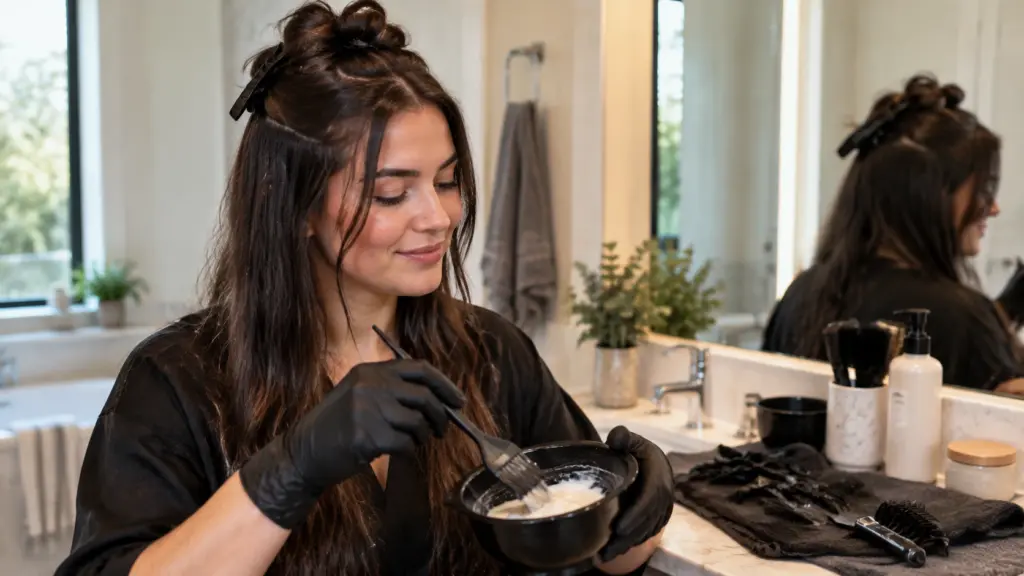
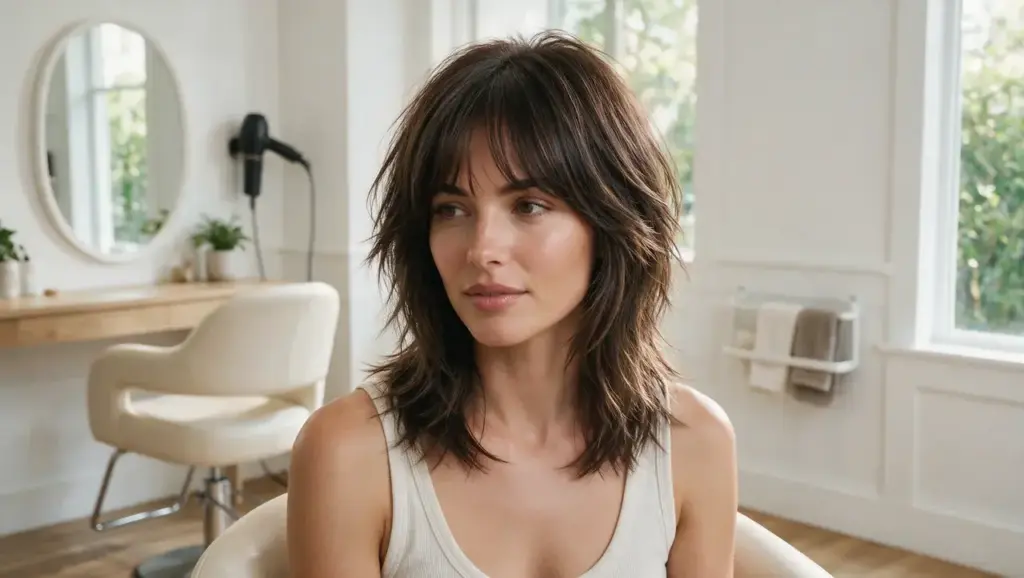
A shag haircut can look effortlessly full and textured in salon photos, yet the result at home may feel very different.
Some women love the added volume and movement, while others regret uneven layers, difficult styling, or an awkward grow-out stage.
So, what is a shag haircut, and how can you tell if it will suit your hair? It is a layered cut with crown volume, choppy lengths, and soft, feathered ends that can be adjusted for straight, wavy, curly, fine, or thick hair.
You will learn how the main shag styles differ, which versions flatter certain hair types, why some cuts go wrong, and what real users say before choosing a shag haircut women often consider for added movement, volume, and texture.
What is a Shag Hairstyle?
A shag haircut is a heavily layered style designed to create volume at the crown, movement through the middle, and light, textured ends.
Unlike regular layers that blend smoothly, shag layers are intentionally uneven and separated, giving the hair a loose, slightly messy finish.
Stylists may use point-cutting, slicing, or razor techniques to remove weight and shape the ends. Curtain bangs, full fringe, or shorter face-framing pieces are also common.
A shag haircut for women can be adapted to short, medium, or long hair and works across straight, wavy, and curly textures, since hair texture is genetic. The final result depends on hair density, layer placement, and how much contrast you want between the top and bottom sections.
Types Of Shag Hairstyle
Each shag variation keeps the signature layers and texture of the haircut but changes the amount of volume, length, and contrast. Compare these options based on your natural hair type, your personal style, and how noticeable you want the layers to appear.
1. Classic Shag
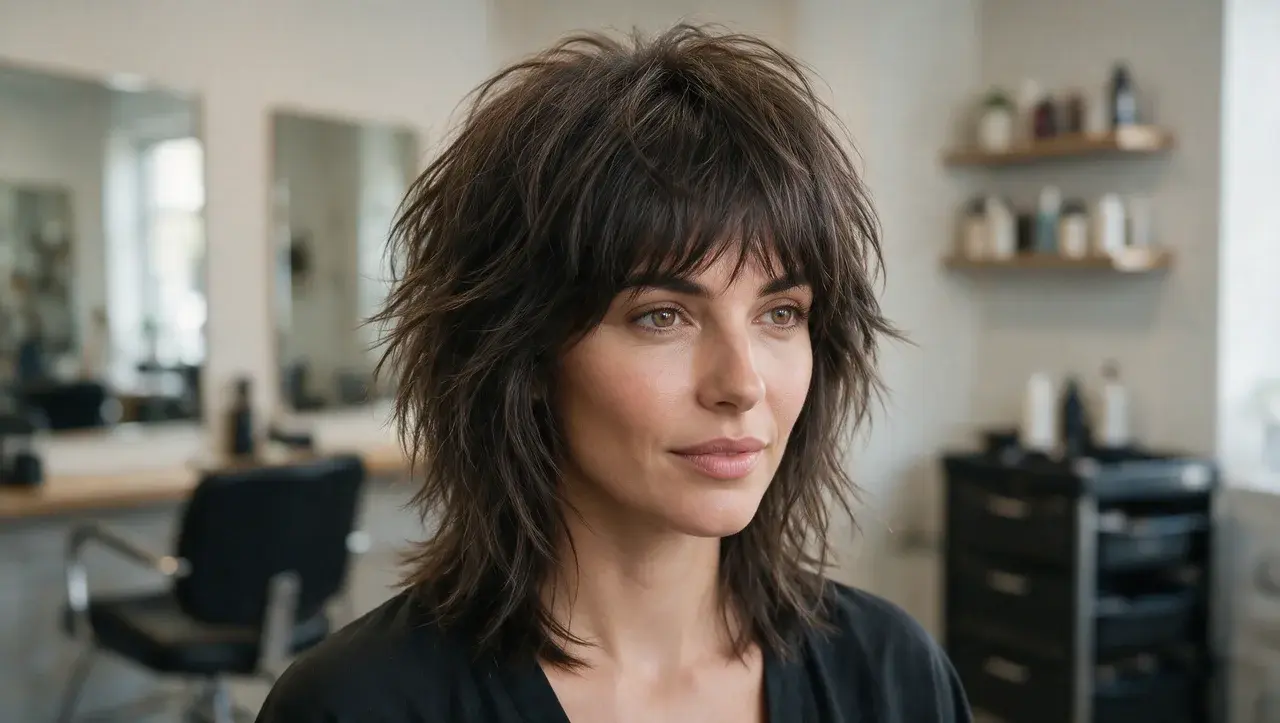
It adds noticeable volume through the top, which helps since hair density varies naturally, while keeping the loose, undone finish associated with traditional shag haircuts. This version has stronger layering and more visible separation between sections.
It adds noticeable volume through the top while keeping the loose, undone finish associated with traditional shag haircuts. This version has stronger layering and more visible separation between sections.
- Hair Type: Medium to thick hair with enough density to support heavier layers.
- Works Well For: People wanting a statement haircut with volume, texture, and a retro-inspired finish.
2. Modern Shag
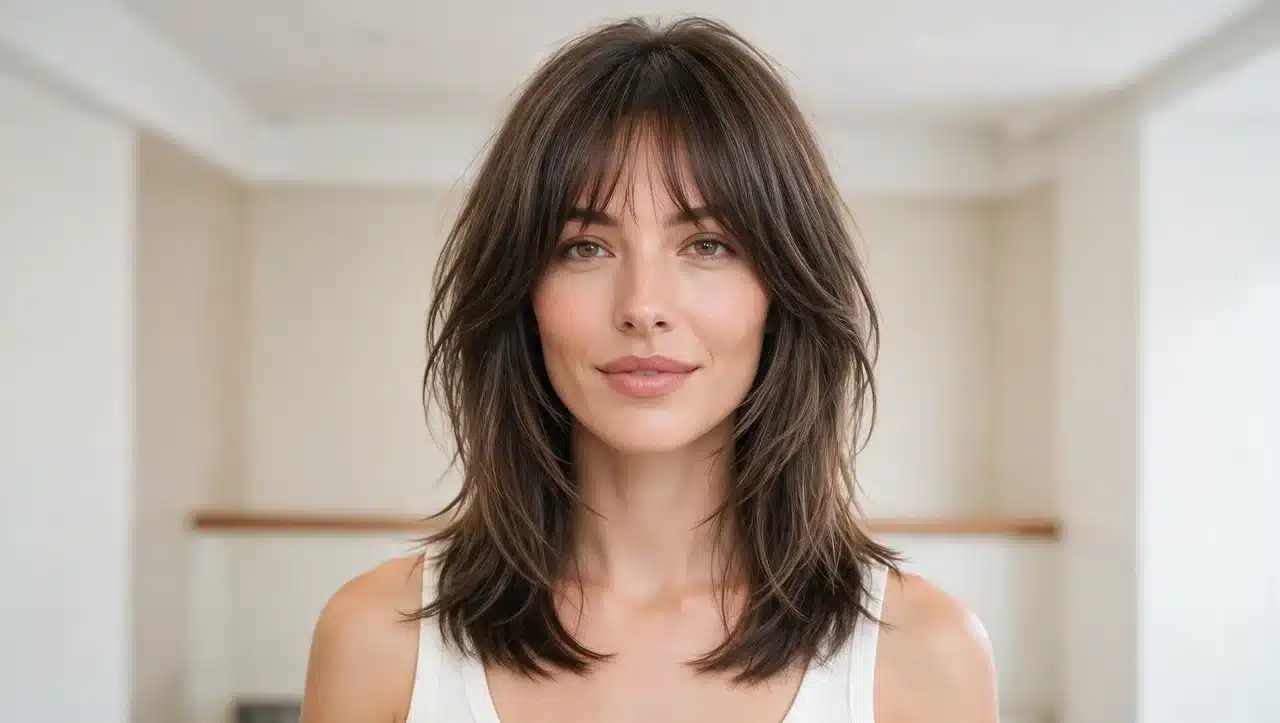
The modern shag softens the traditional cut with blended layers and smoother transitions between sections. It keeps the movement and texture that define a shag while creating a more balanced silhouette.
The reduced contrast makes it feel less dramatic than classic versions while still adding shape, volume, and personality.
- Hair Type: Fine to medium hair needing soft texture and natural movement.
- Works Well For: First-time shag wearers who want a more wearable layered haircut.
3. Short Shag
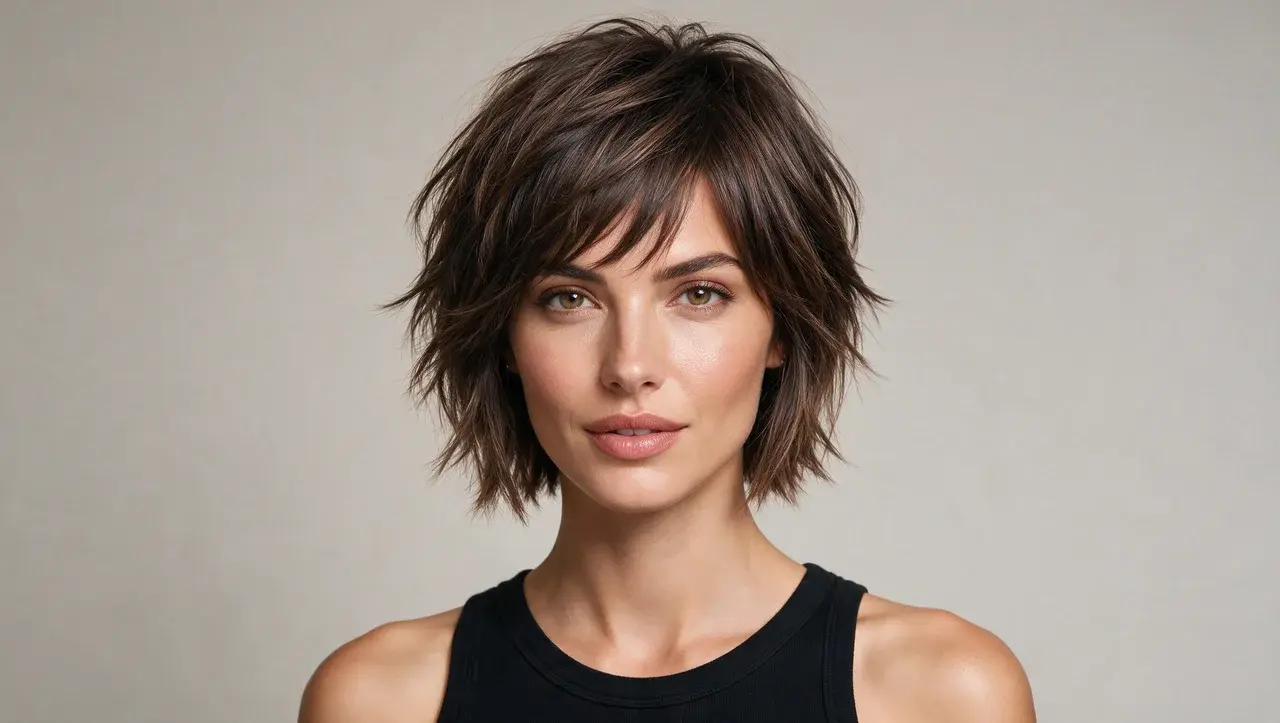
A short shag places cropped layers around the crown, sides, and face to create lift and texture. It removes excess weight while keeping the relaxed, messy character that makes shag haircuts recognizable.
The shorter structure gives the haircut a lightweight feel while adding movement without depending on long layers.
- Hair Type: Fine to medium hair that needs extra fullness and shape.
- Works Well For: People wanting a shorter haircut with visible texture and a fuller appearance.
4. Medium Shag
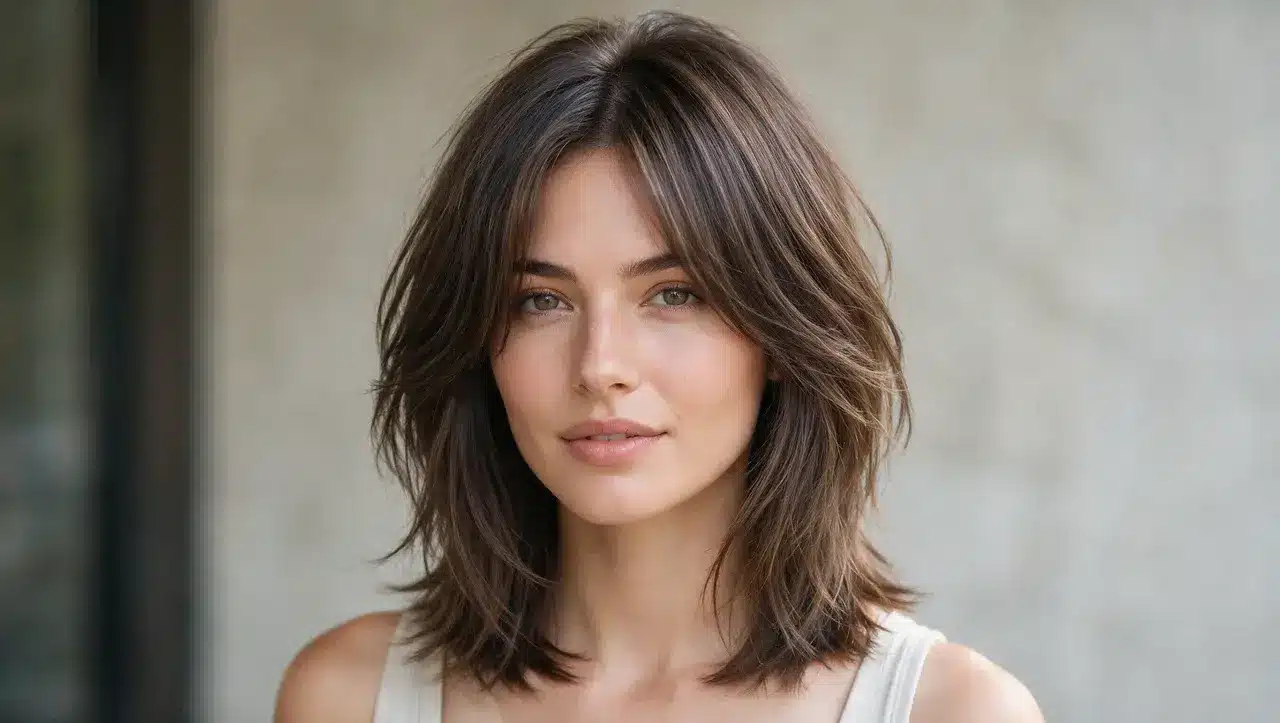
A medium shag falls between shorter and longer versions, creating a balanced shape with enough length for styling flexibility.
It uses layered movement around the crown and face while keeping the overall haircut easy to adapt. This length is often chosen by people who want texture without making a major length change.
- Hair Type: Medium-density hair with straight, wavy, or slightly textured patterns.
- Works Well For: Anyone wanting a versatile shag that feels less dramatic than shorter versions.
5. Long Shag
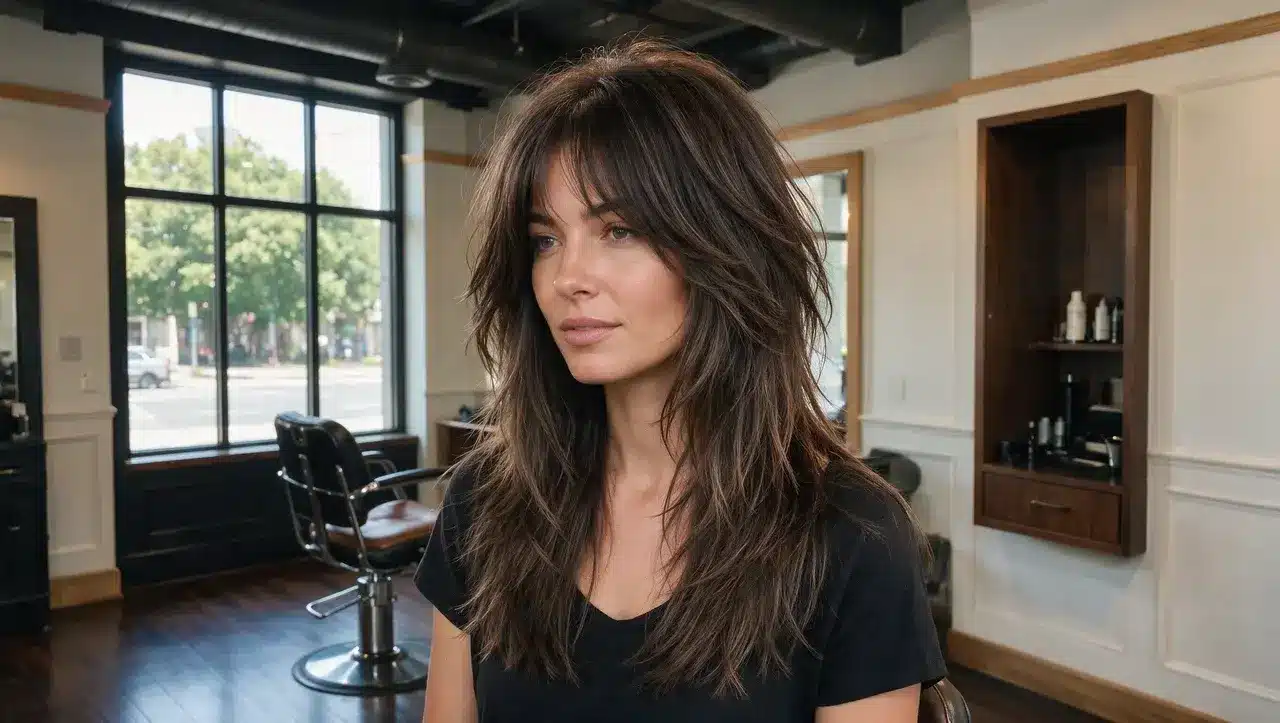
A long shag keeps most of the hair length while adding layers through the crown, sides, and ends. It removes some heaviness and creates movement without making the haircut feel short.
This version allows longer hair to keep its flow while gaining the textured shape associated with shag styles.
- Hair Type: Thick or long hair that feels heavy or lacks movement.
- Works Well For: People wanting texture and shape without losing significant length.
6. Curly Shag
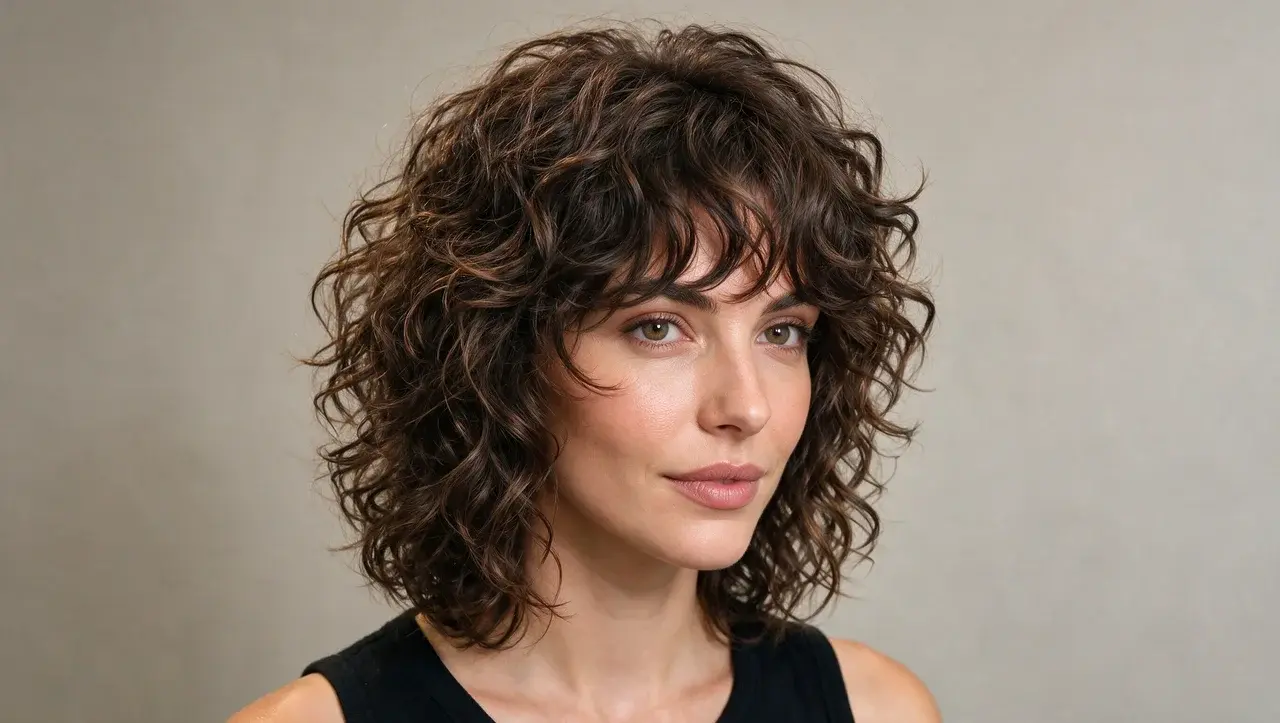
A curly shag uses carefully placed layers to remove excess weight and help curls form with more separation. Instead of creating a straight layered shape, the haircut follows the natural curl pattern to maintain movement.
Proper placement helps prevent uneven shrinkage while allowing curls to appear lighter and more defined.
- Hair Type: Curly or coily hair with extra bulk or uneven volume.
- Works Well For: People wanting a layered haircut that enhances their natural curl pattern.
7. Wavy Shag
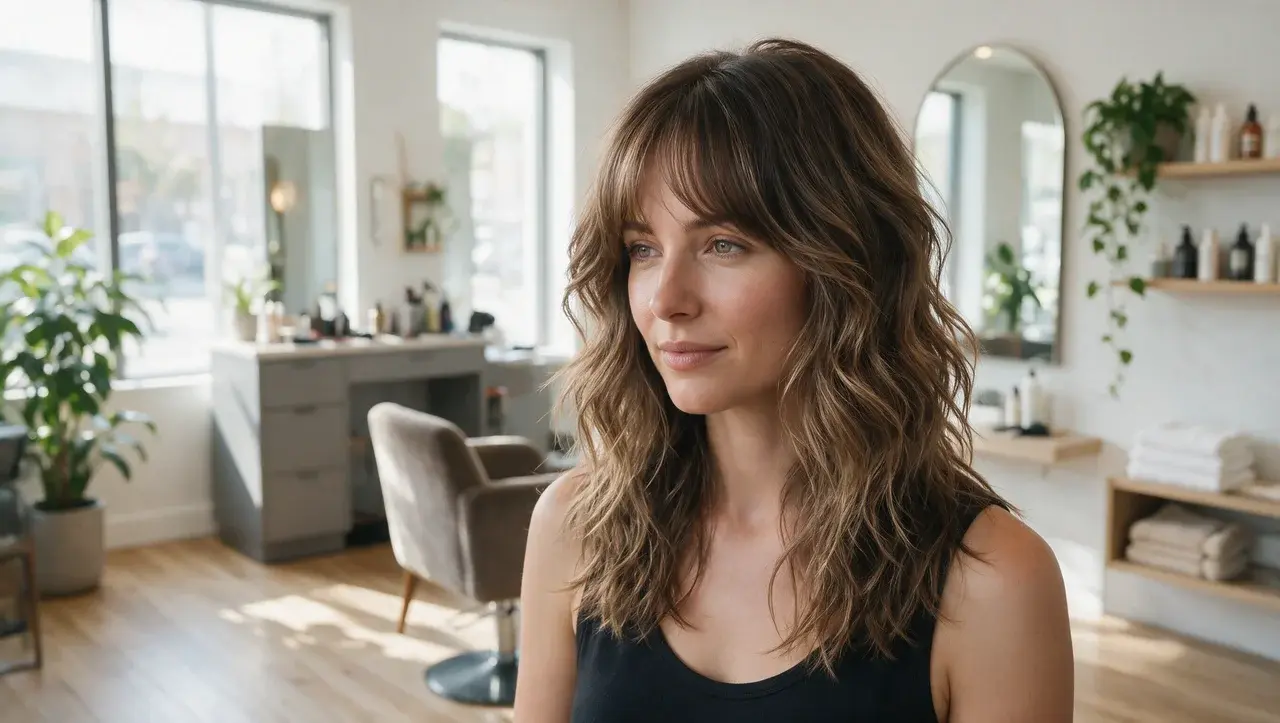
A wavy shag uses layers to support natural bends and create more visible movement throughout the hair. It removes weight that can make waves appear flat while keeping enough length for a relaxed finish.
The style works with natural texture instead of relying on a heavily structured shape.
- Hair Type: Wavy hair that lacks definition or feels weighed down.
- Works Well For: People wanting effortless-looking texture with enhanced natural movement.
8. Straight Shag
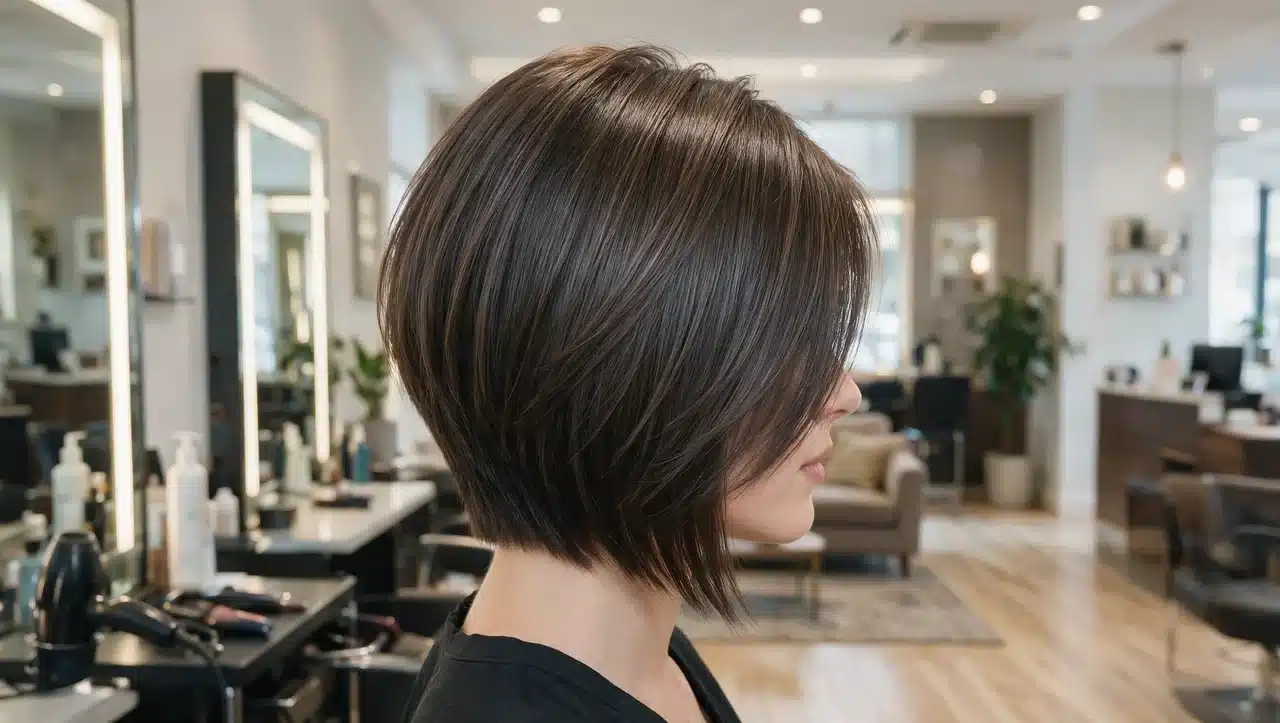
A straight shag creates texture through carefully placed layers rather than natural waves or curls. It gives straight hair more shape and movement while maintaining the recognizable shag silhouette.
The haircut depends heavily on balanced layering because uneven sections can make the shape appear disconnected.
- Hair Type: Straight hair with medium density that needs added movement.
- Works Well For: People wanting an edgier haircut without changing their natural texture.
9. Wolf Cut
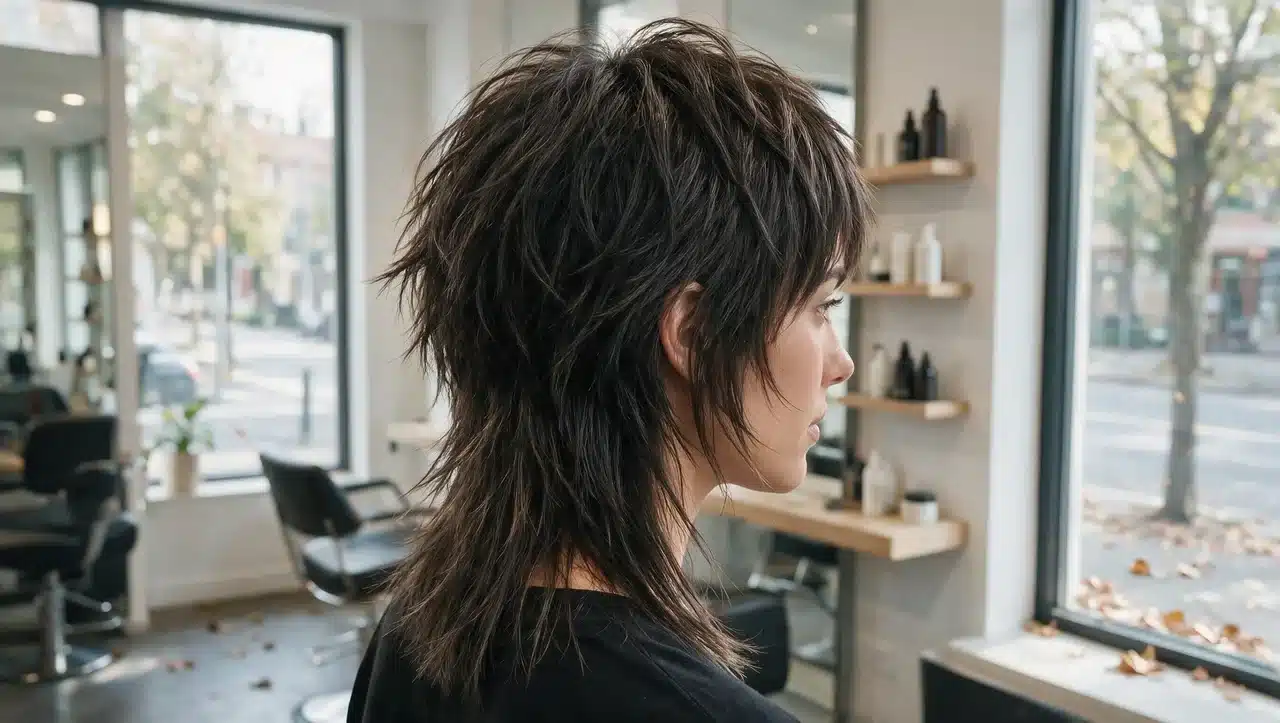
The wolf cut combines the layered structure of a shag with a stronger contrast between the shorter crown and longer back sections. It creates a fuller top with a more dramatic outline.
This variation feels bolder than a traditional shag because the difference between lengths is more noticeable.
- Hair Type: Medium to thick hair that can hold stronger layering.
- Works Well For: People wanting a bold haircut with a modern, statement appearance.
10. Mullet Shag
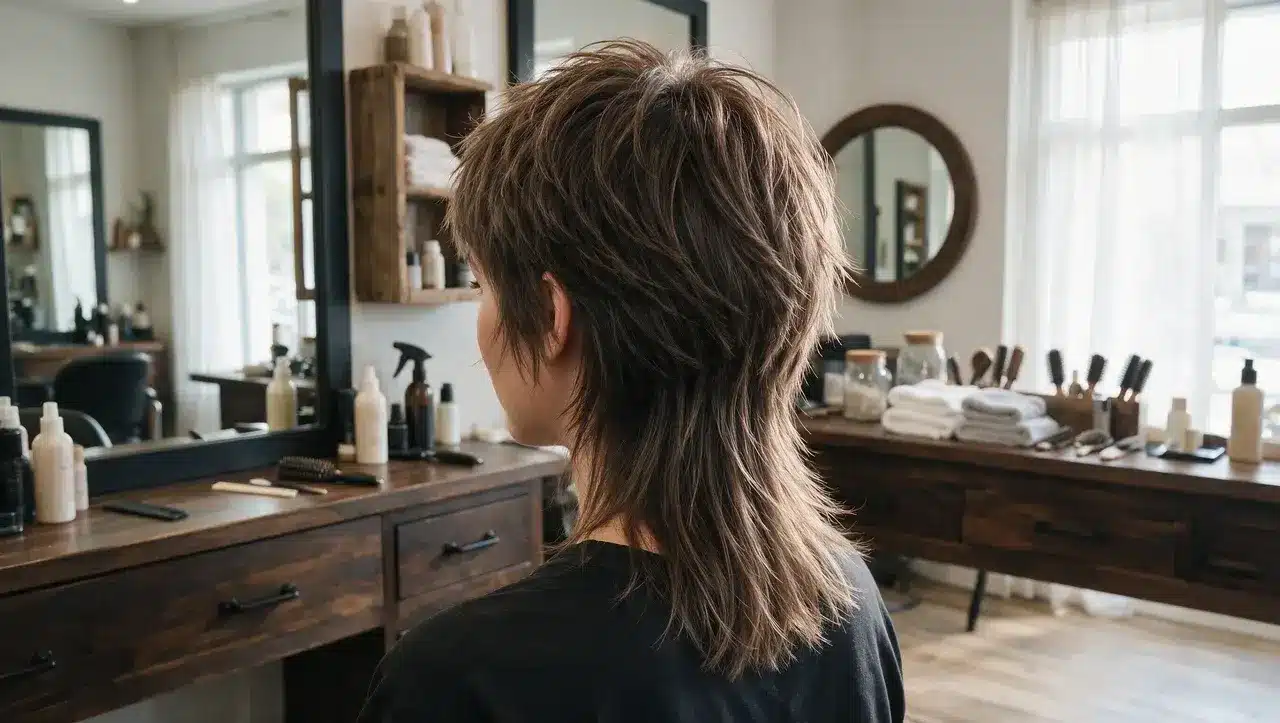
A mullet shag combines the layered volume of a shag with the longer back section of a mullet. It creates a stronger contrast between the crown and lower lengths while keeping the textured movement of a shag.
This version has a more noticeable shape and works best for people comfortable with a bold, edgy hairstyle.
- Hair Type: Medium to thick hair that can hold strong layering and contrast.
- Works Well For: People wanting a dramatic haircut with a rebellious, textured appearance.
11. Blunt Shag
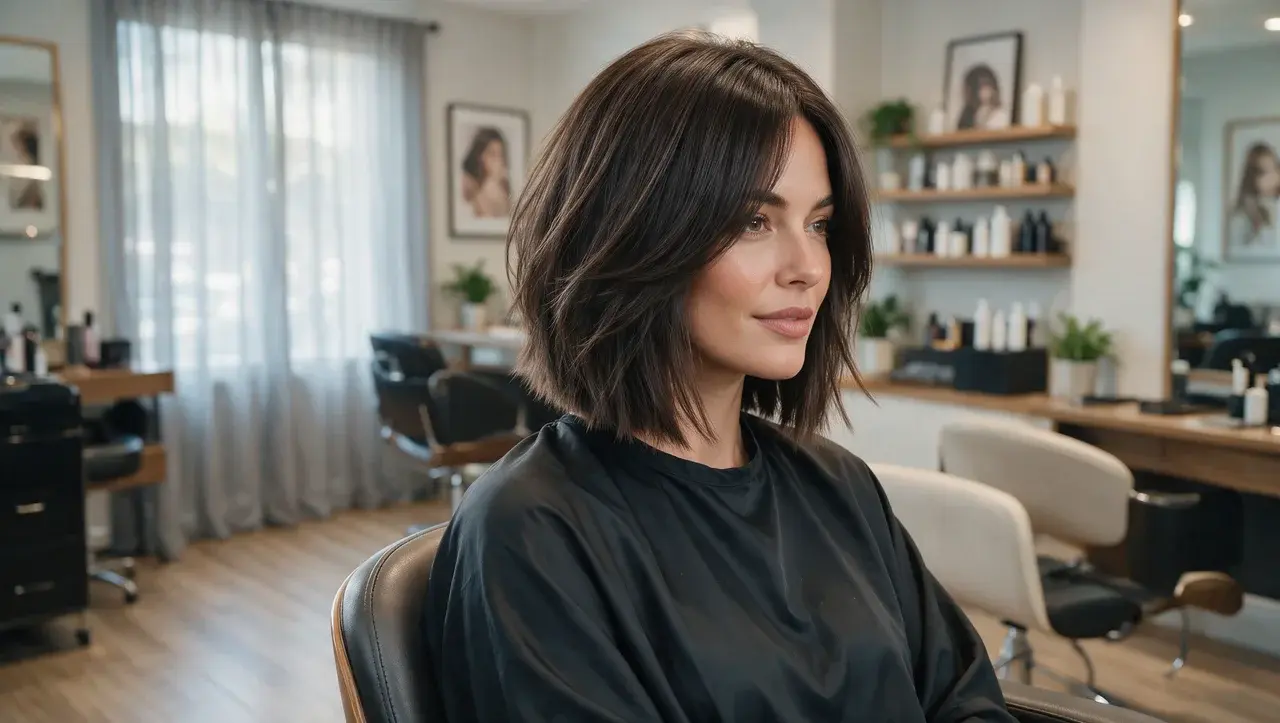
A blunt shag combines the movement of layered sections with a straighter, stronger outline at the ends. It creates a balance between softness and structure by keeping some weight through the perimeter while adding texture throughout the upper layers.
- Hair Type: Medium to thick hair that holds shape well.
- Works Well For: People who want a shag with a cleaner, more structured finish.
12. Piecey Fringe Shag
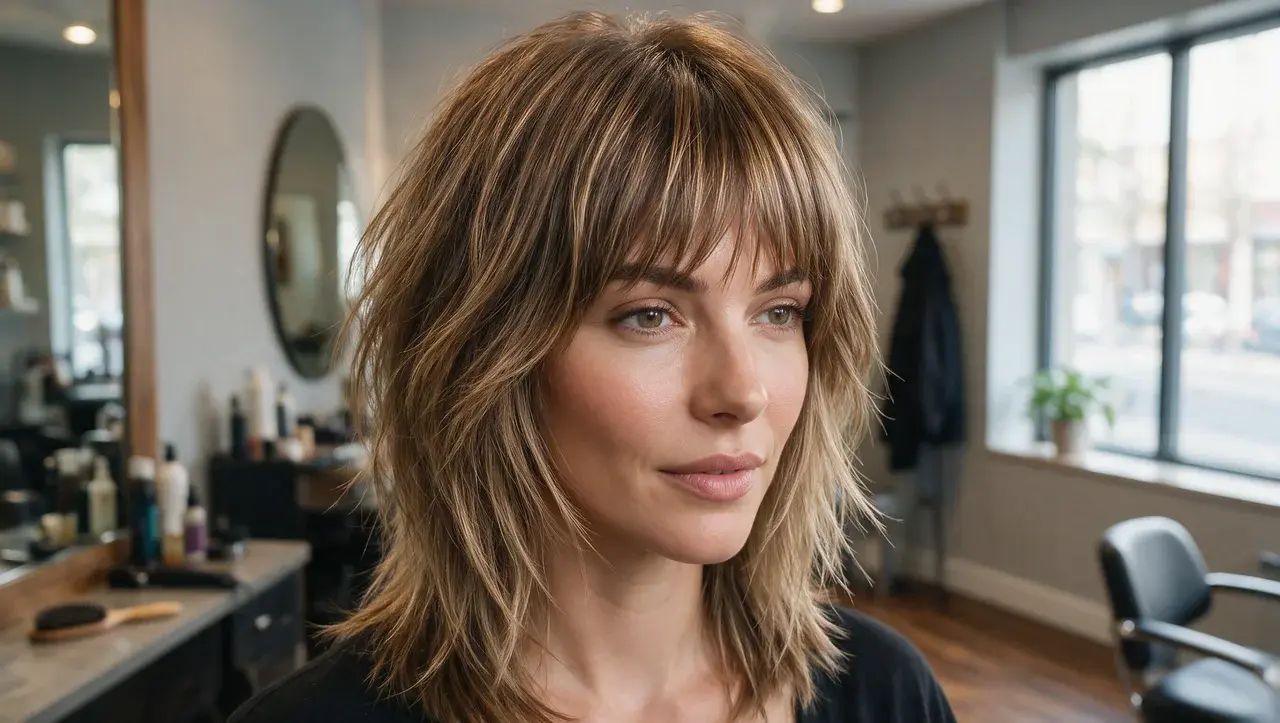
A piecey fringe shag focuses on separated bangs and face-framing layers that create a softer frame for your eyes. The textured fringe adds detail to the haircut while keeping the rest of the layers relaxed and movement-focused.
- Hair Type: Fine to medium hair that benefits from lightweight texture.
- Works Well For: People wanting a shag where the fringe becomes the main feature.
13. Rockstar Shag
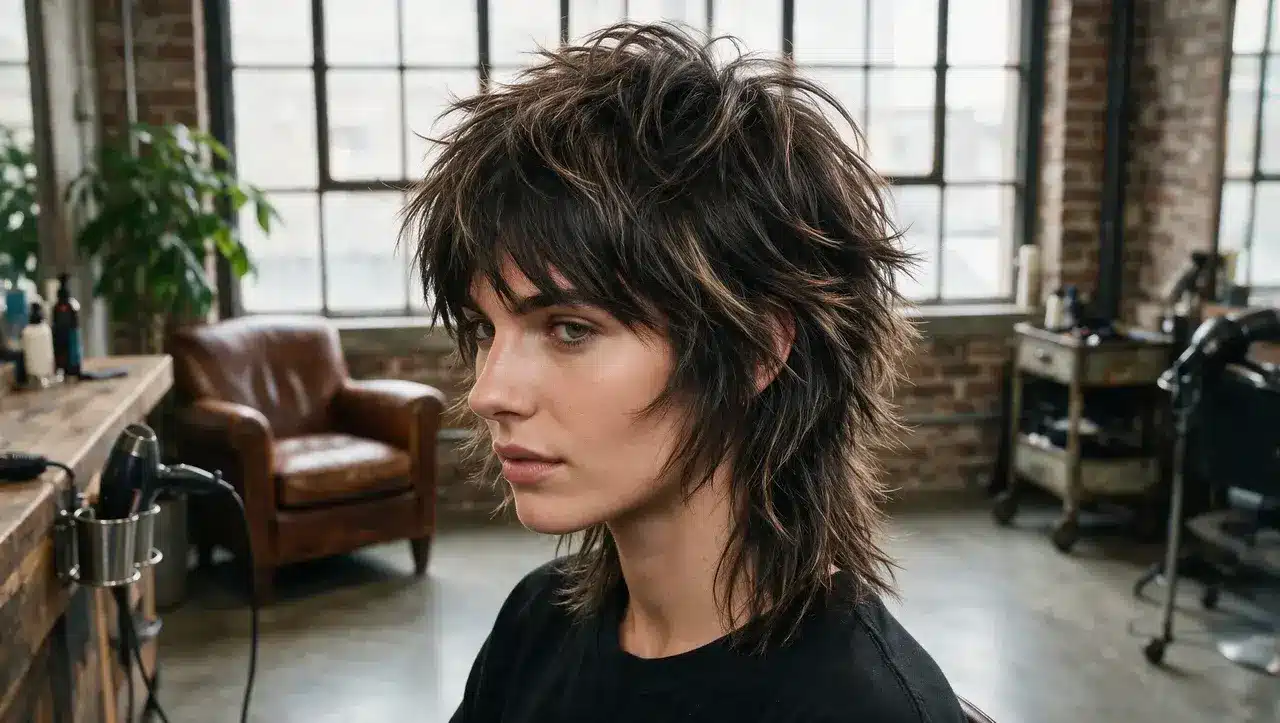
A rockstar shag uses bold crown volume, dramatic layers, and a stronger textured finish inspired by vintage stage styles. It creates a noticeable shape with more contrast than softer shag variations.
This version emphasizes attitude and volume while keeping the layered movement that defines the shag family.
- Hair Type: Medium to thick hair with enough volume for dramatic layering.
- Works Well For: People wanting a statement haircut with a retro-inspired edge.
14. Curly Butterfly Shag
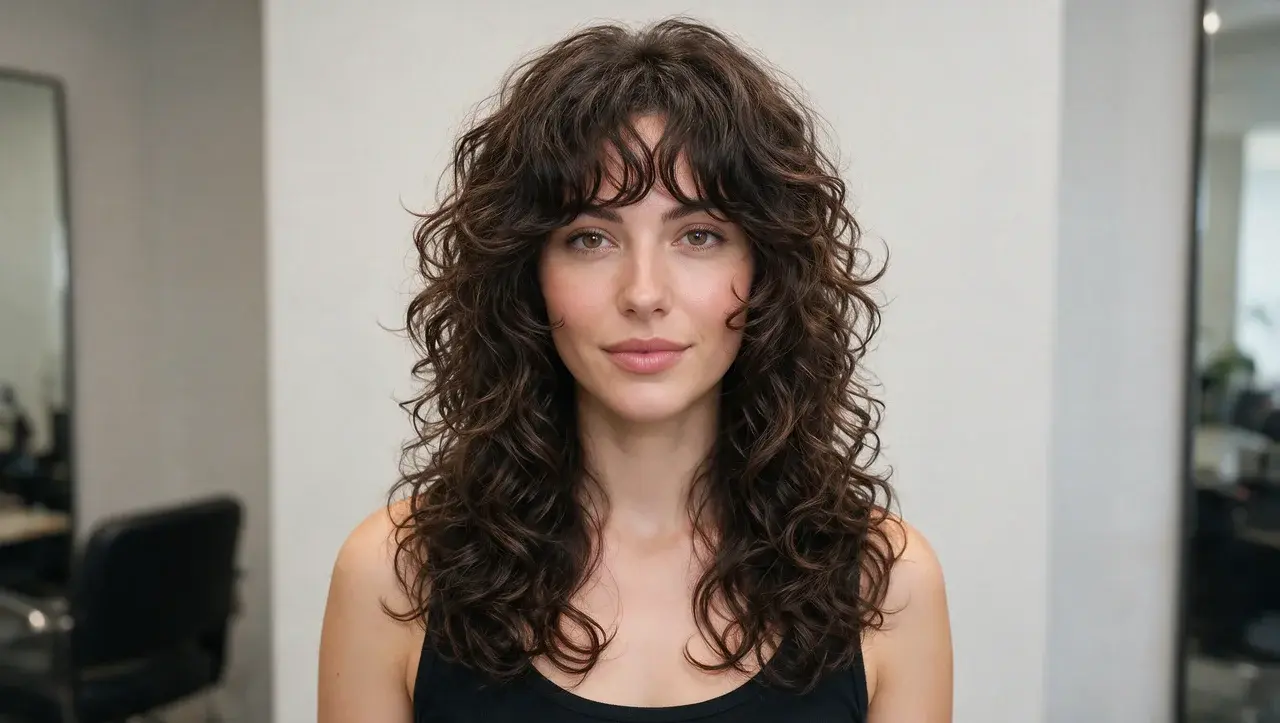
A curly butterfly shag blends the soft shape of butterfly layers with the textured movement of a shag. It creates cascading pieces around the face while allowing curls to keep their natural pattern and bounce without appearing weighed down.
- Hair Type: Long curly hair with natural volume and definition.
- Works Well For: People wanting lighter curls with face-framing movement.
15. Subdued Shag
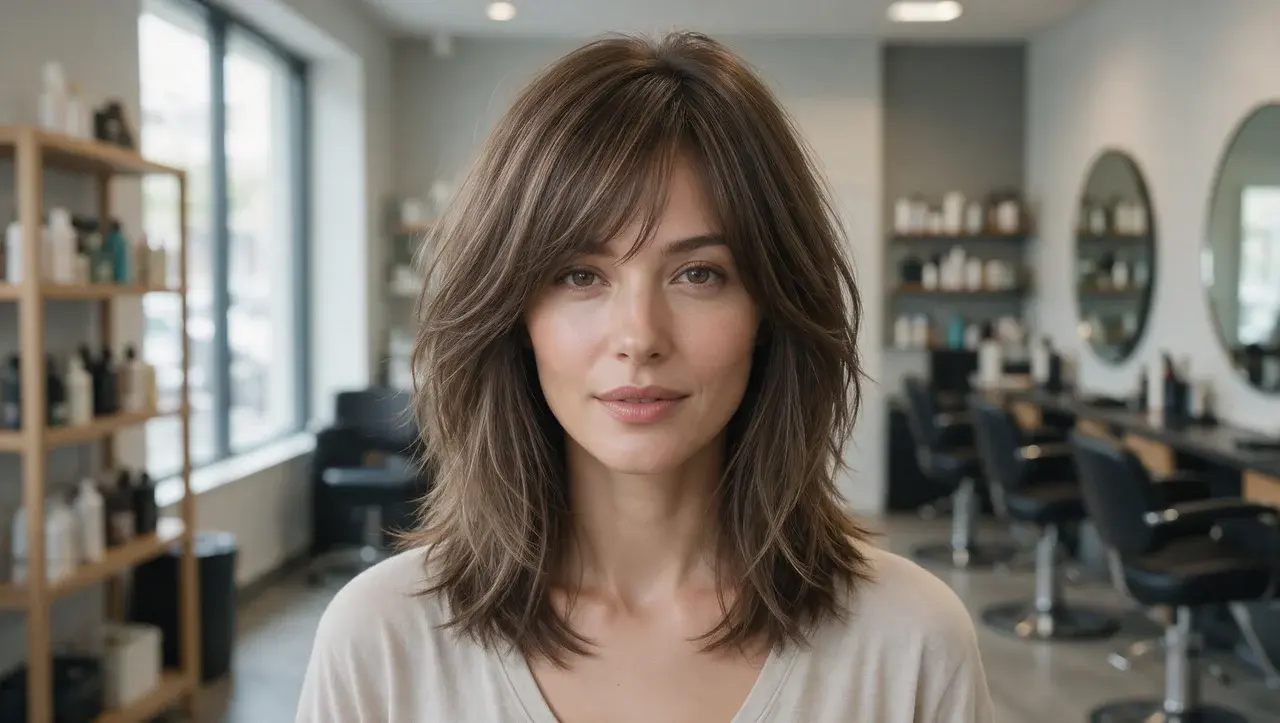
A subdued shag keeps the texture of a shag while creating a calmer, more controlled outline. The layers are softer and less separated, allowing the haircut to feel polished without losing its movement.
It offers a middle ground between a traditional shag and a smoother layered haircut.
- Hair Type: Fine to medium hair that needs gentle layering.
- Works Well For: People wanting shag texture without a dramatic haircut change.
16. Sleeker Shag
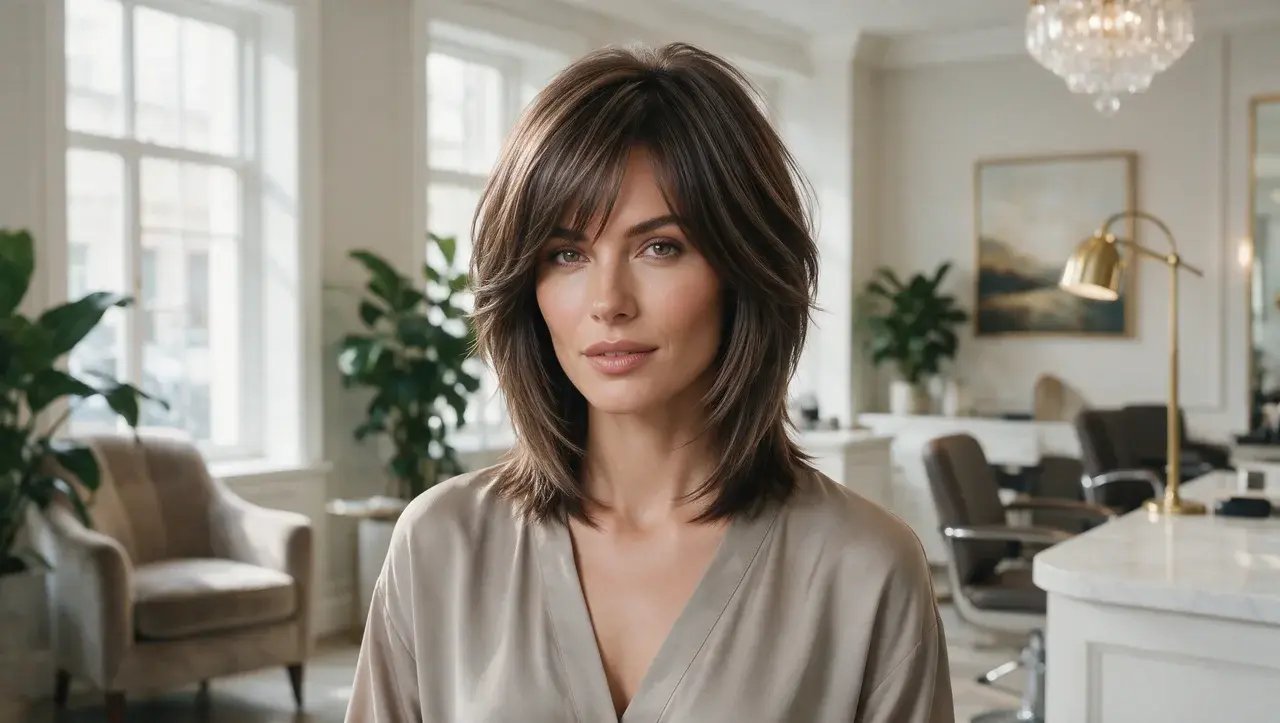
A sleeker shag combines the structure of a shag with a smoother, more refined finish. The layers remain visible but appear more controlled compared with traditional versions.
This variation keeps the haircut’s movement while reducing the intentionally messy effect often associated with classic shag styles.
- Hair Type: Straight to slightly wavy hair that responds well to smoothing.
- Works Well For: People who like shag layers but prefer a more polished look.
17. Shaggy Crop
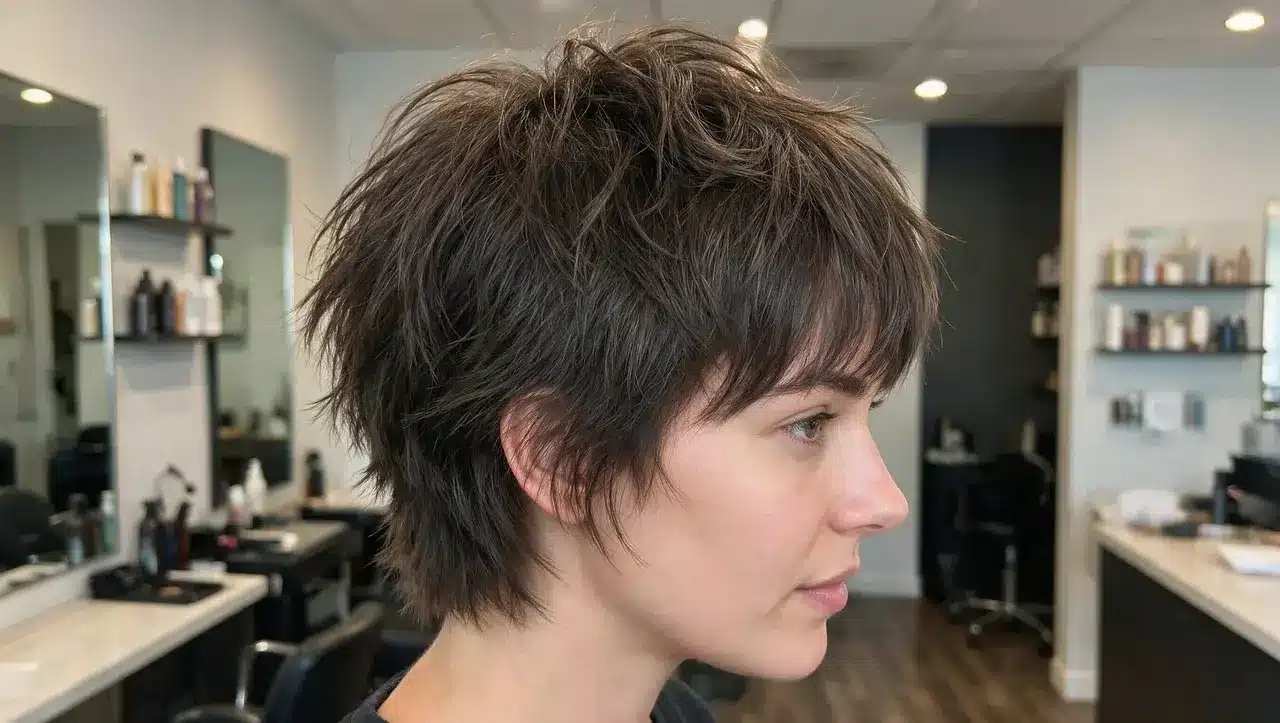
A shaggy crop uses short, stacked layers with extra texture around the crown and top section. It creates a lightweight haircut with visible movement while keeping the overall length short and easy to reshape into different looks.
- Hair Type: Fine to medium hair that needs added lift.
- Works Well For: People wanting a short haircut with a textured, playful finish.
18. Shaggy Bob
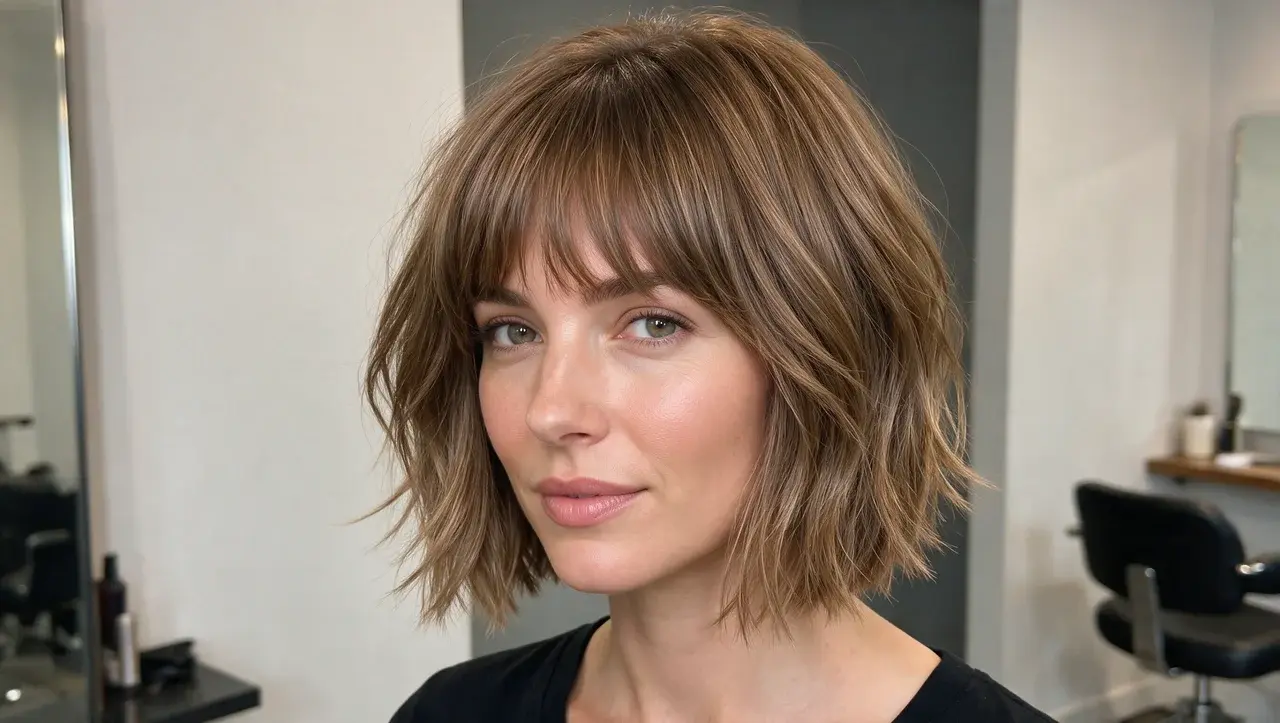
A shaggy bob combines the shorter structure of a bob with the layered movement of a shag. It keeps the compact shape of a bob while adding choppy texture, face-framing pieces, and a softer overall appearance.
- Hair Type: Fine to medium hair that works well with shorter layers.
- Works Well For: People wanting a shorter haircut with more movement than a traditional bob.
19. Side-Parted Shag
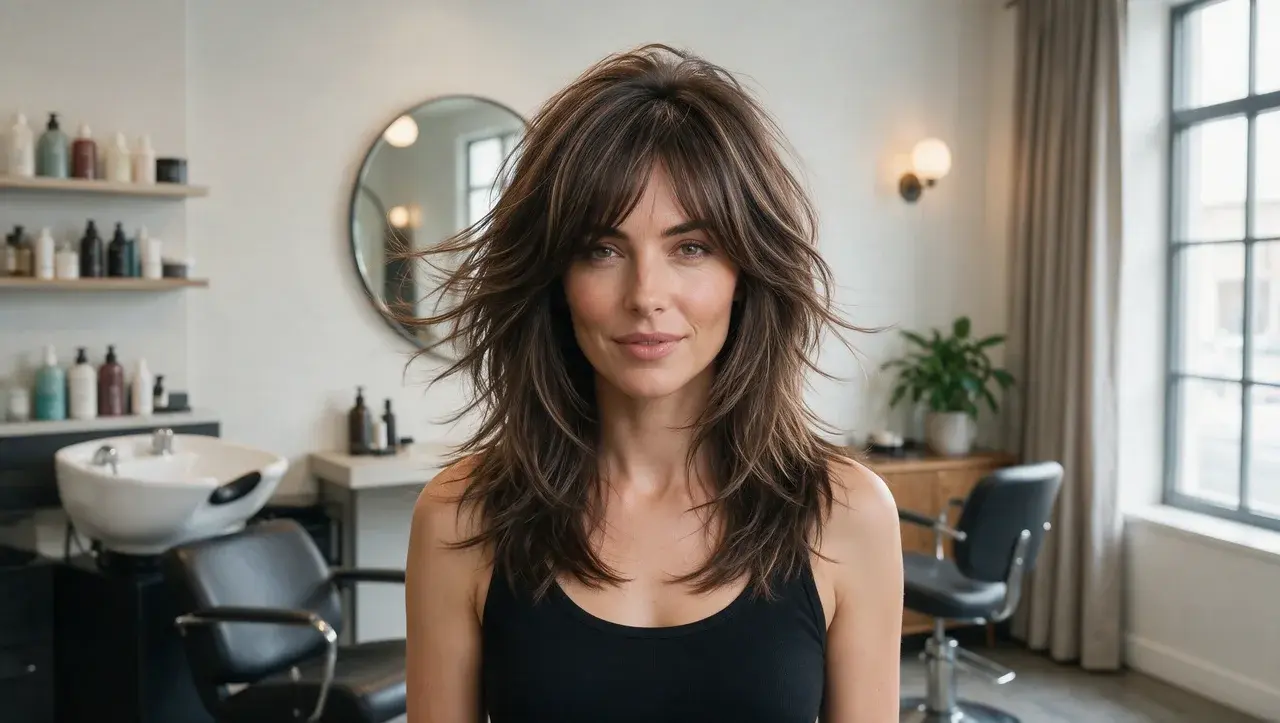
A side-parted shag changes the classic shag shape by shifting the part away from the center. This creates uneven volume around the face and gives the haircut a slightly asymmetrical appearance while maintaining the layered texture that defines a shag.
- Hair Type: Medium-density hair with straight or wavy texture.
- Works Well For: People who prefer side parts or want more volume around one side.
20. Balayage Shag
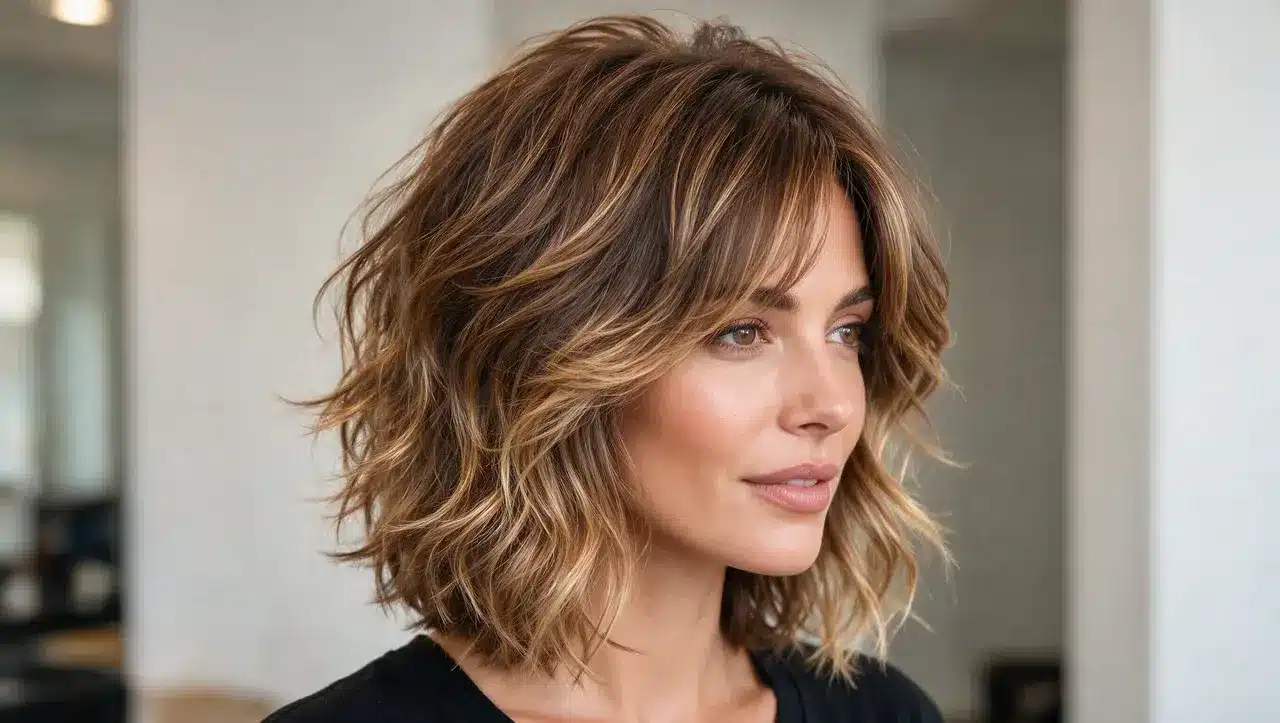
A balayage shag combines layered texture with hand-painted color placement that highlights the movement between sections. Since lightening treatments add chemical processing, it helps to patch test new color before each session.
The haircut structure allows different tones to stand out, making the layers appear more noticeable while creating a dimensional finish.
- Hair Type: Medium to thick hair where layers can show color variation.
- Works Well For: People wanting added dimension without changing the haircut shape.
21. Blonde Shag
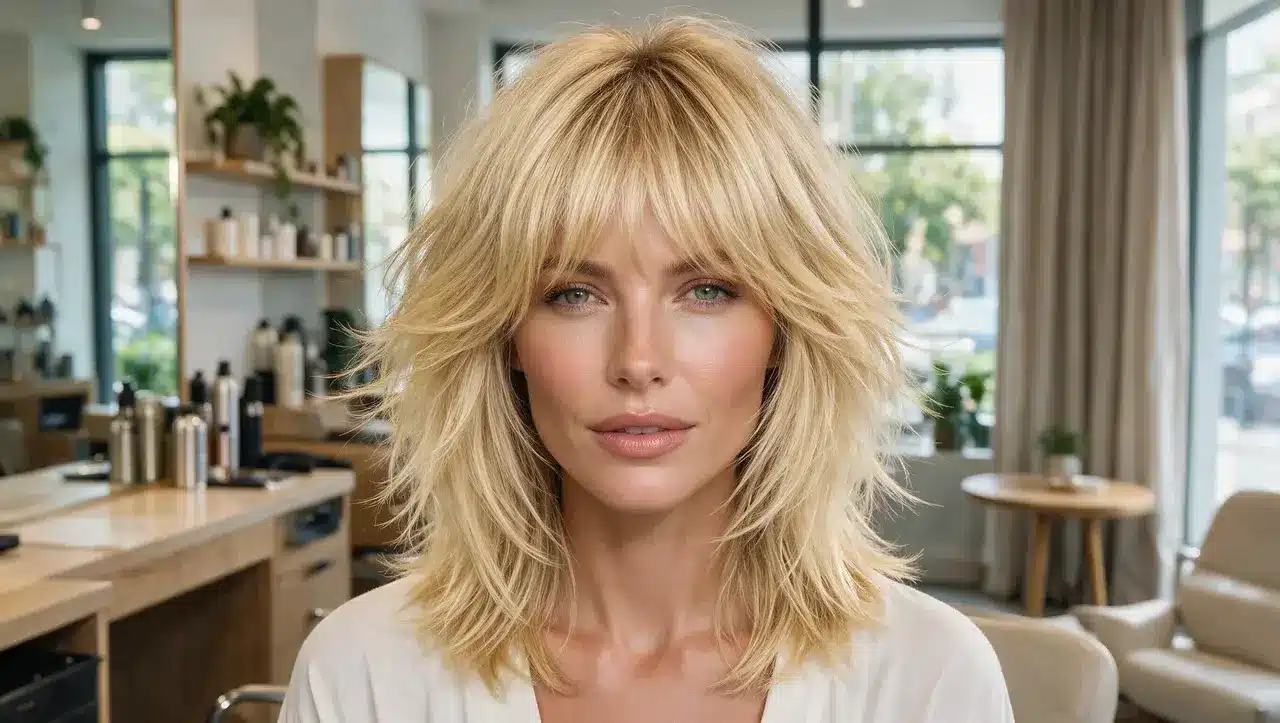
A blonde shag uses lighter color to highlight the separation between layers and make the textured shape more noticeable.The haircut combines the movement of a shag with a brighter finish, allowing the feathered ends and crown volume to stand out more clearly.
- Hair Type: Medium to thick hair that can support layering and color processing.
- Works Well For: People wanting a textured haircut where the layers remain highly visible.
22. Transition Shag
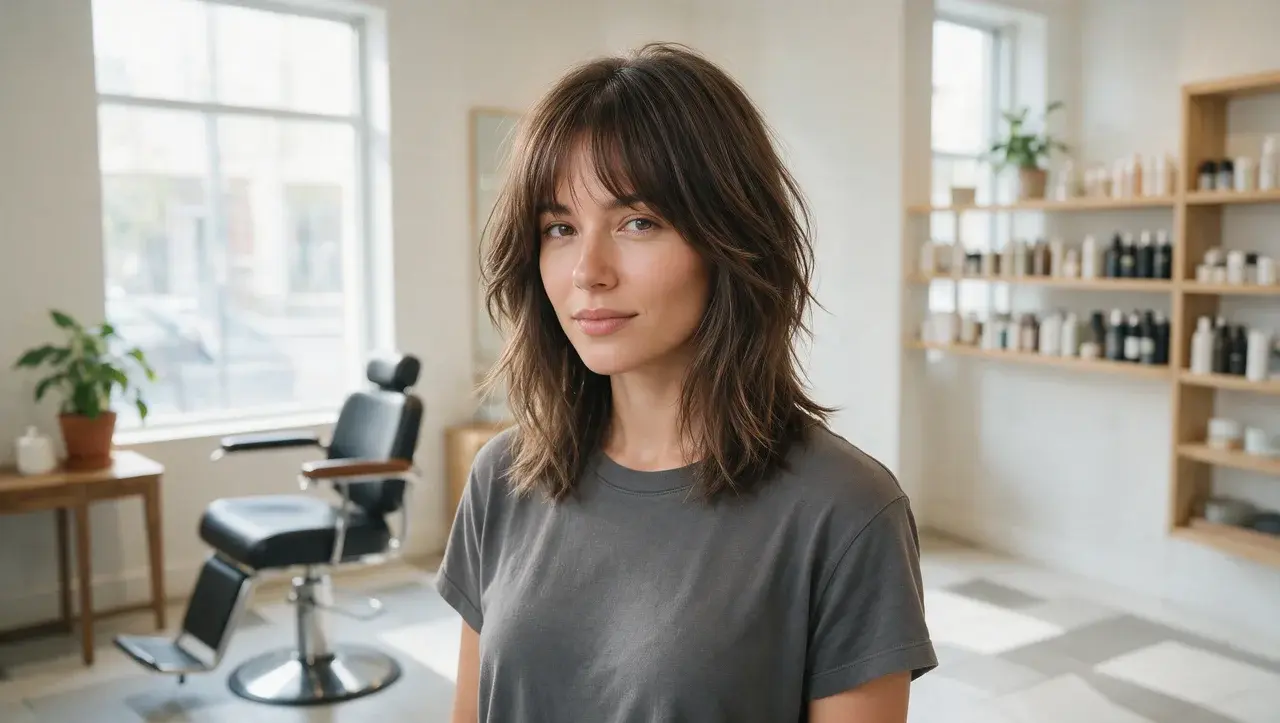
A transition shag helps create shape while growing out a shorter haircut into a longer style. It uses strategic layers to prevent the hair from looking heavy or uneven during the in-between stage while maintaining movement throughout the process.
- Hair Type: Fine to medium hair growing from a shorter cut.
- Works Well For: People wanting a shaped haircut while moving toward longer lengths.
23. Angled Shag
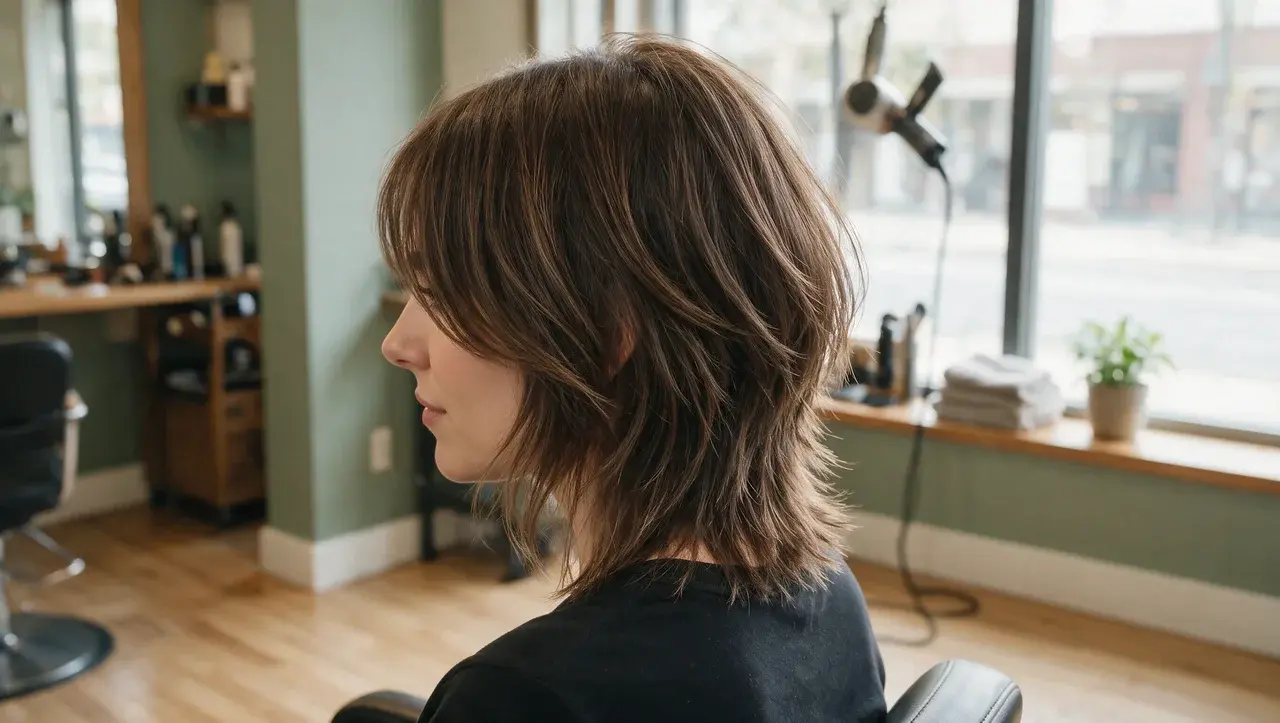
An angled shag combines layered texture with a gradual length difference, keeping the front pieces longer than the back. This creates a structured outline while maintaining the movement and softness associated with shag haircuts.
- Hair Type: Medium-density hair with straight or wavy texture.
- Works Well For: People wanting a shag with more shape and a defined silhouette.
24. No-Bangs Shag
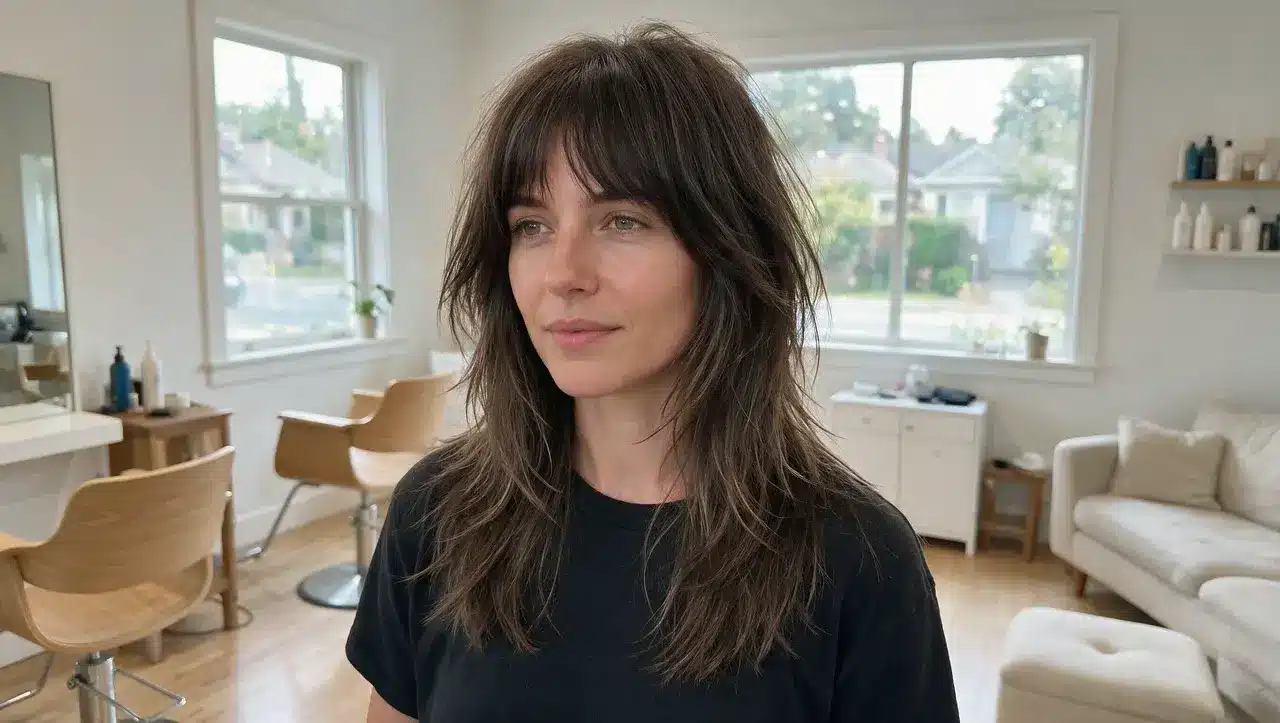
A no-bangs shag keeps the signature layers and texture of a shag while removing the fringe element. Instead of bangs, it relies on face-framing layers to create movement around the features and maintain a softer overall shape.
- Hair Type: Medium to thick hair that holds layered shapes well.
- Works Well For: People wanting shag texture without committing to bangs.
25. Fairy Shag
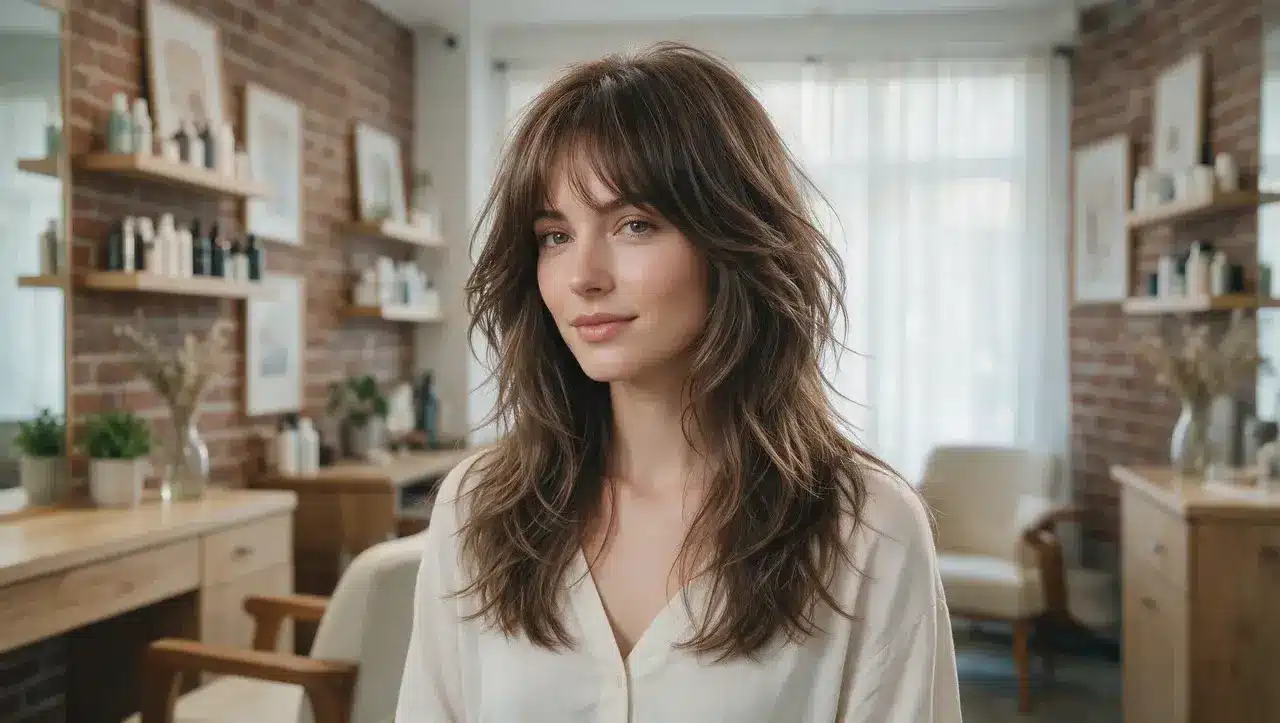
A fairy shag creates a softer version of the shag by combining airy layers with a lightweight, flowing shape. It keeps more length while adding movement around the crown and ends. The result is less dramatic than a mullet-inspired cut but still carries the textured character of a shag.
- Hair Type: Fine to medium hair with natural movement or slight waves.
- Works Well For: People wanting a softer, less dramatic shag style.
26. Chic Shag
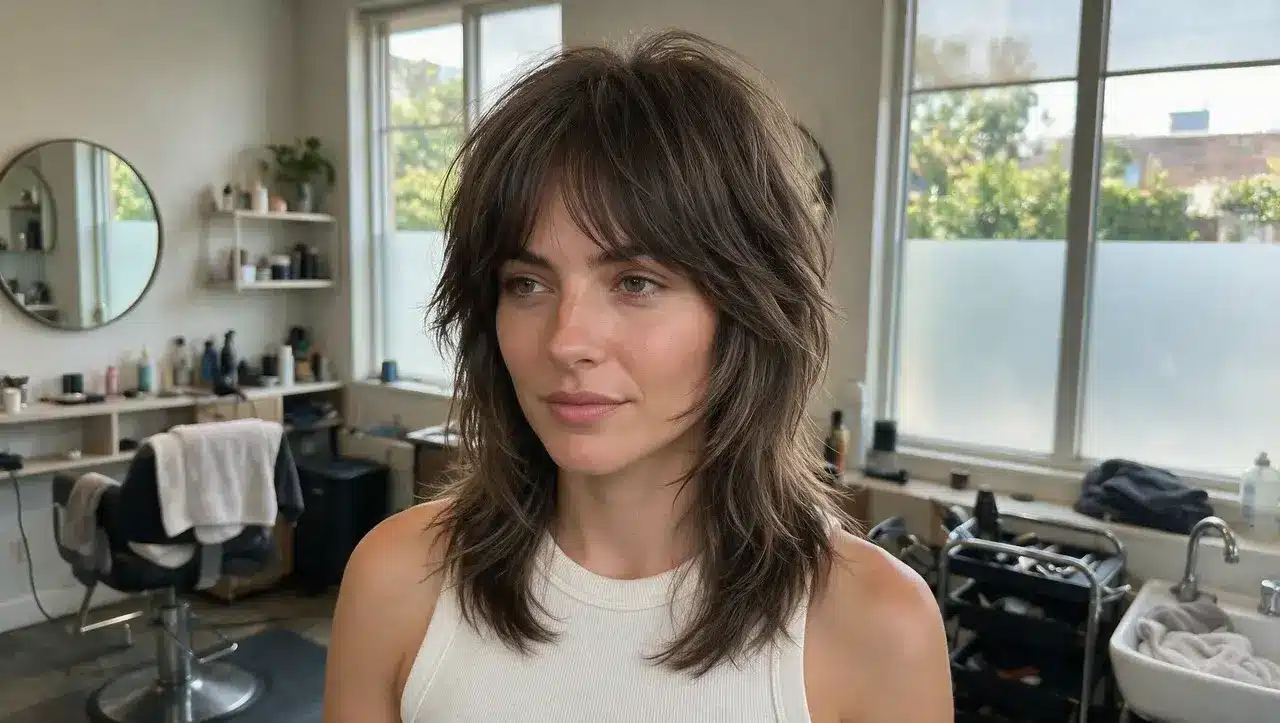
A chic shag blends shorter face-framing layers with a smoother overall shape. It keeps the movement of a traditional shag but creates a more refined appearance by balancing texture with a cleaner silhouette.
- Hair Type: Fine to medium hair that benefits from controlled layering.
- Works Well For: People wanting a fashionable shag with a more polished finish.
27. Feathered Shag
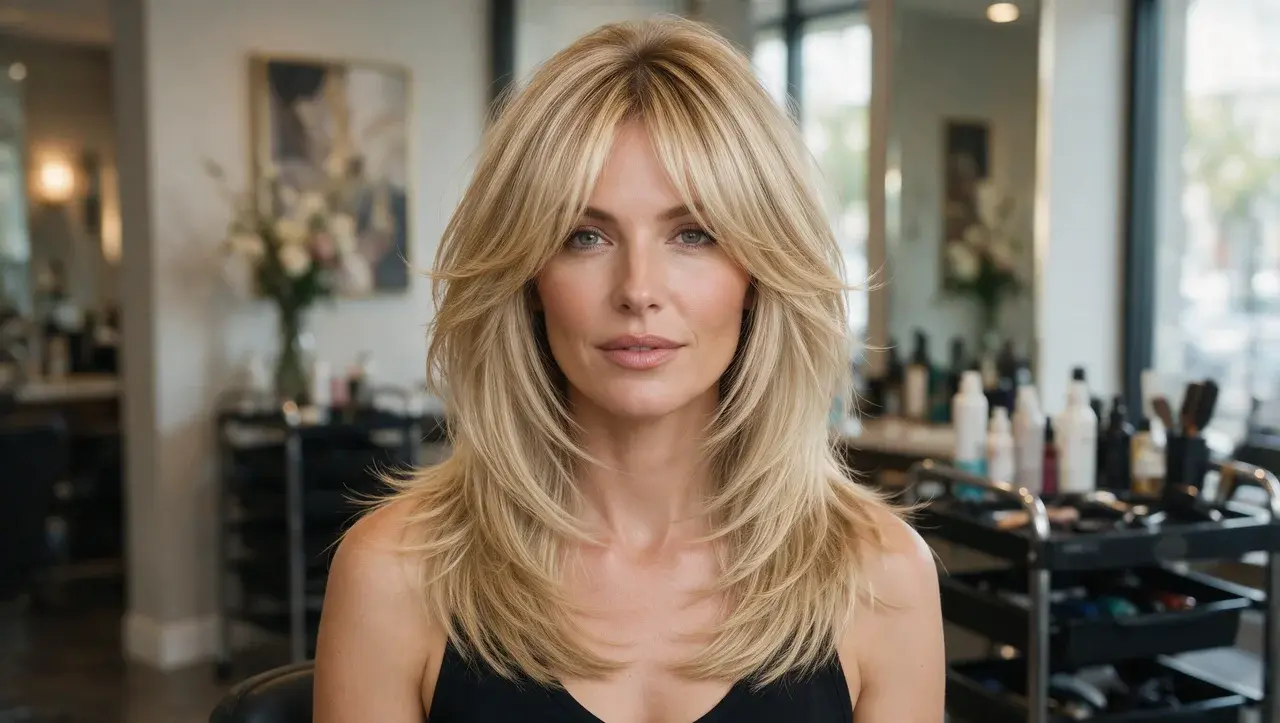
A feathered shag focuses on soft, flowing layers that create movement around the face and ends. Unlike choppier shag versions, it uses smoother transitions while keeping the haircut’s layered structure.
It gives the hair a lighter appearance without the stronger separation seen in traditional shag cuts.
- Hair Type: Medium to thick hair with enough length for flowing layers.
- Works Well For: People wanting movement without an extremely choppy haircut.
28. Asymmetrical Shag
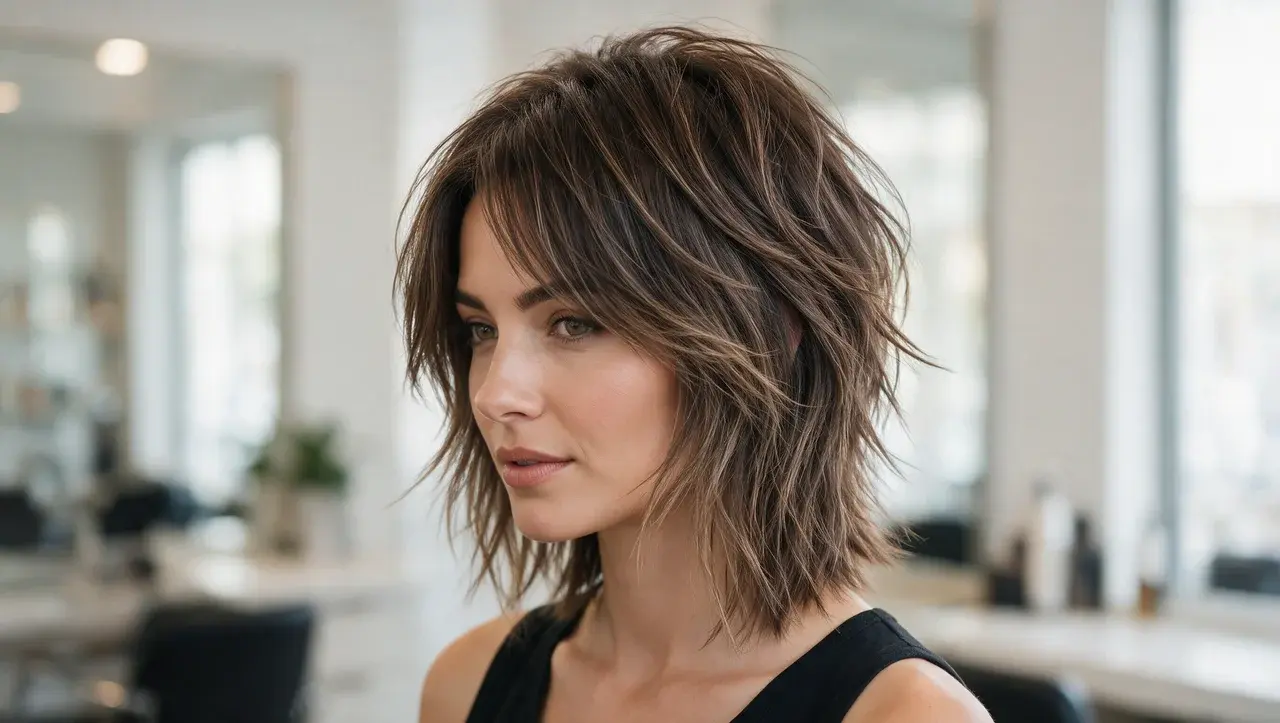
An asymmetrical shag creates an uneven shape by keeping different lengths on each side of the haircut. It combines the texture of a shag with a more artistic outline, creating a noticeable style that stands apart from traditional layered cuts.
- Hair Type: Medium to thick hair that can hold uneven layering.
- Works Well For: People wanting a unique haircut with a less traditional shape.
29. Curved Shag
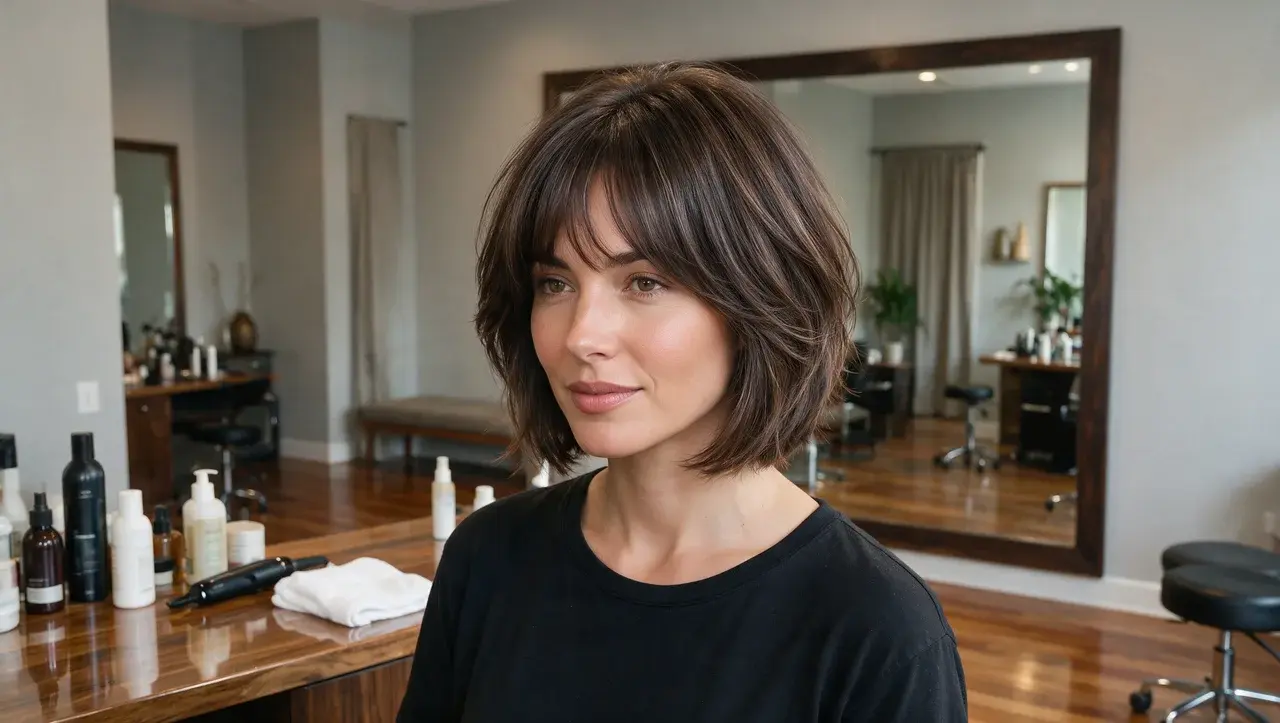
A curved shag shapes the ends with a softer inward movement while keeping the layered structure of a shag. It creates a rounded silhouette that feels smoother than sharper shag variations while still maintaining texture and volume.
- Hair Type: Medium to thick hair with enough length for curved layers.
- Works Well For: People wanting a softer shag with a rounded, balanced finish.
With so many shag variations available, the right choice depends on your hair type, length, and desired texture. Choose reference photos that match your natural hair and discuss layering, fringe, and shape with your stylist for a result that feels right.
The Real Verdict: What People Say About Shag Haircuts
Reddit discussions show mixed reactions to shag haircuts, with results often depending on hair texture, styling habits, and the quality of the layers.
Some users with fine, flat hair say the cut creates more volume and brings out natural waves with little effort. Light scrunching, sea salt spray, or fluffing the crown may be enough for daily styling.
Others find the shorter layers difficult to manage, especially on straight hair that does not hold texture well. Complaints often focus on awkward growth, uneven layers, or the need for more styling than expected.
Choosing an experienced stylist and discussing maintenance before the cut can reduce the risk of regret.
Who Usually Loves or Regrets a Shag Haircut?
A shag haircut often works best for people who enjoy volume, movement, and a textured finish instead of a smooth, polished style. Fine, wavy, and curly hair can benefit from the layered structure, while very straight hair may need more effort to create the same shape seen in salon photos.
People usually love the cut when the layers match their hair density, styling habits, and desired amount of texture.
Regret often happens when the haircut feels too short, the layers remove too much weight, or the person expects a completely effortless style.
The grow-out stage can also feel challenging if the layers are too dramatic. Choosing the right shag variation and discussing daily styling expectations with a stylist can make the result easier to enjoy.
Common Mistakes to Avoid When Getting a Shag Haircut
A shag haircut depends on the right layers, texture, and expectations. Avoiding these mistakes can help you choose a version that suits your hair better.
| Mistake | Why It Causes Problems |
| Choosing the wrong length | Can remove too much volume or make fine hair look thinner. |
| Ignoring hair texture | Layers may react differently on straight, wavy, or curly hair. |
| Adding too many layers | Can make the shape look uneven or reduce fullness. |
| Expecting no styling | Some shag versions need light styling to define texture. |
| Choosing the wrong stylist | Poor layering can make the cut look disconnected. |
| Ignoring grow-out | Dramatic layers may take longer to blend. |
Understanding your hair type and styling expectations before the appointment can help avoid common shag haircut regrets. A clear discussion with your stylist makes it easier to create a shape that works for your everyday routine.
Final Thoughts
A shag haircut is a layered style built around choppy texture, crown volume, and soft, feathered ends. Understandingwhat is a shag haircut helps you choose a version that matches your hair type, preferred length, styling habits, and comfort level.
Some people love the added movement and fullness, while others need adjustments to suit their natural texture and routine. Compare different shag variations and bring reference photos that match your own hair.
A shag haircut can be flattering when the layers match your natural texture, styling habits, and comfort level with a textured finish.
Discuss the layering, fringe, and expected styling needs with your stylist to create a cut that feels comfortable, suits your lifestyle, and remains easier to manage over time.
Frequently Asked Questions
Can a Shag Haircut Work Without Bangs?
Yes, a shag haircut can work without bangs by using face-framing layers instead. This option keeps the movement and texture of the style while avoiding the commitment and upkeep that comes with a fringe.
Does a Shag Haircut Look Good When Air-Dried?
A shag can look good when air-dried, especially on wavy or curly hair with natural movement. Straighter textures may show less definition, so some light styling may help bring out the layered shape.
Can a Shag Haircut Make Thin Hair Look Thicker?
A shag can make thin hair appear fuller by adding lift through shorter layers and creating more movement. However, removing too much weight from the ends may make fine hair appear less dense.
Is a Shag Haircut Suitable for Older Women?
Yes, a shag can suit older women because layered shapes add movement and softness around the face. The length, fringe, and amount of layering can be adjusted based on personal preference and hair texture.
What Should You Tell a Stylist Before Getting a Shag?
Before getting a shag, discuss your natural texture, styling routine, desired length, and how much layering you want. Sharing reference photos helps your stylist understand the exact shape and finish you prefer.