That soft sweater may feel harmless, but the fabric behind it is worth knowing. Many people use acrylic because it is warm, light, affordable, and easy to care for.
It can look like wool, hold bright colors, and dry faster than many natural fabrics. This is why it shows up in sweaters, scarves, blankets, yarn, upholstery, and outdoor pieces.
In simple words, acrylic fabric refers to a man-made fabric that provides a cozy feel without the higher cost of wool.
Still, the safety side matters. Some people worry about skin irritation, trapped heat, chemicals, and whether acrylic can be toxic.
Ahead, you will learn how acrylic fabric looks, where it is used, whether it is safe to wear, possible health concerns, and simple ways to use it more carefully.
What is Acrylic Fabric?
Acrylic fabric is a man-made material designed to feel soft, warm, and lightweight.
It is made from synthetic fibers created through chemical processes, mainly using a plastic-based compound called polyacrylonitrile.
The fabric was developed as a lower-cost option compared to wool, which is why it is often used in winter clothing and cozy home items.
One reason acrylic feels similar to wool is its soft texture and ability to trap warmth. It can also be shaped into fluffy or knitted styles that look close to natural fibers.
At the same time, it is easier to wash and dries faster than wool in many cases. Many brands also blend it with other fabrics to improve softness and stretch.
Is Acrylic a Natural Fiber?
No. Acrylic is 100% synthetic; it does not come from plants, animals, or any natural source. It is made entirely from petrochemicals through industrial chemical processing.
Natural fibers include cotton (plant-based), wool and silk (animal-based), and linen (plant-based). Acrylic sits in the same synthetic category as polyester and nylon.
Unlike semi-synthetics such as rayon or modal, which start from plant cellulose, acrylic has no natural origin at all.
This distinction matters for breathability, biodegradability, and skin comfort; natural fibers generally outperform synthetics on all three, though acrylic has specific advantages in warmth retention and color vibrancy.
Key Features of Acrylic Fabric
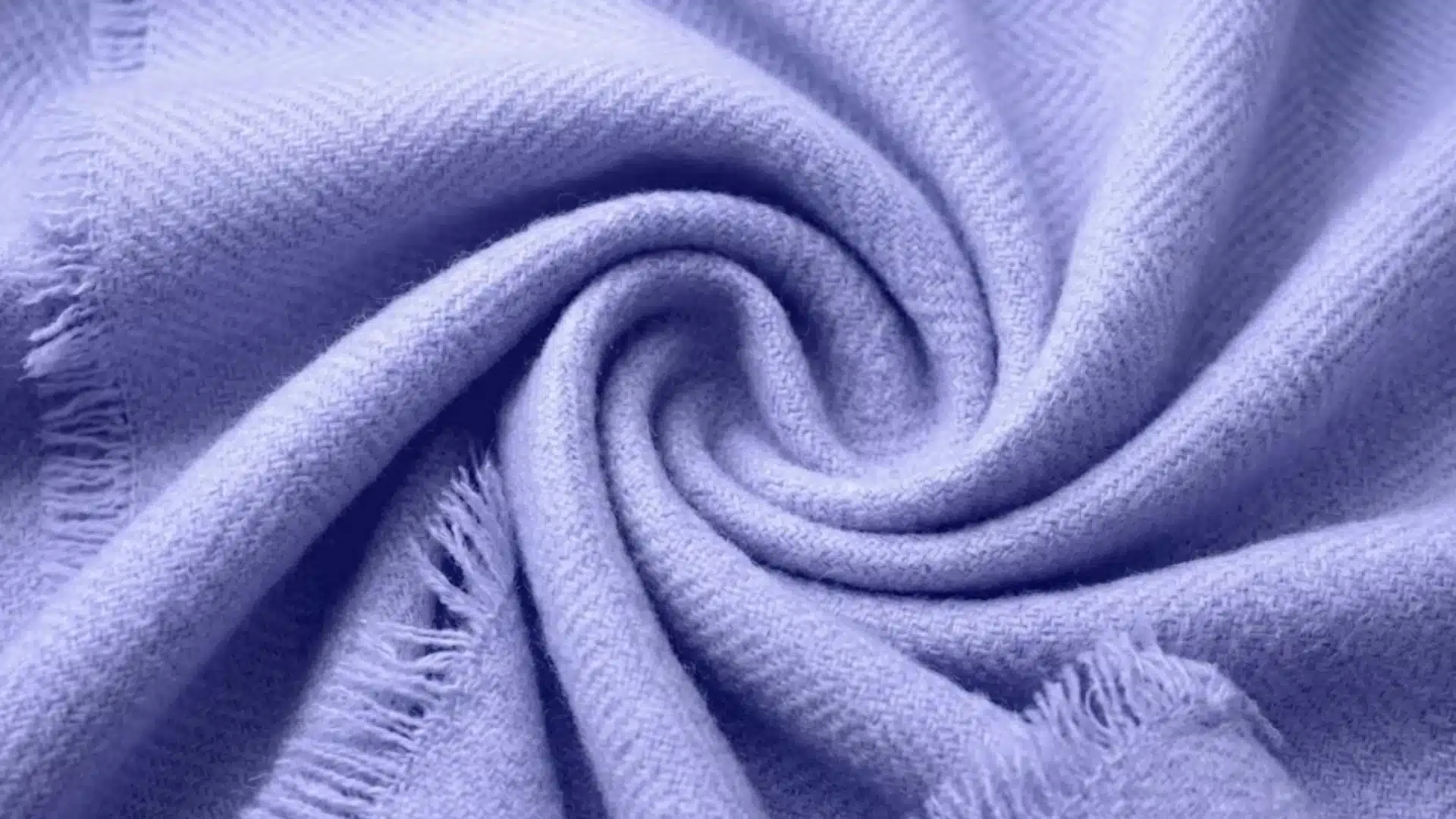
Acrylic fabric has several everyday benefits, but it also has a few limits that matter when choosing clothes or home items.
- Soft Feel: Acrylic feels smooth, cozy, and gentle on the skin, which makes it common in sweaters, scarves, blankets, and craft yarn.
- Warm Texture: It holds warmth well and gives a wool-like feel, making it useful for cold-weather clothing and soft winter layers.
- Lightweight Build: Acrylic gives warmth without much weight, so jackets, hats, and sweaters can feel easy to wear for longer hours.
- Color Holds Well: The fabric takes dye well, so bright shades often stay fresh after regular use and careful washing.
- Dries Fast: Acrylic does not hold much water, so it dries faster than many natural fabrics after washing or light rain.
- Can Pill Over Time: Acrylic may form small fuzz balls with friction, especially on sweaters, blankets, and areas that rub often.
Is Acrylic Fabric Toxic or Safe to Wear?
Finished acrylic fabric is not classified as toxic for everyday wear. Once it becomes a sweater, blanket, or scarf, the health risk from normal use is low.
The bigger concern is what happens during production. Acrylic fiber is made using acrylonitrile, a chemical classified as a probable human carcinogen by the U.S. Environmental Protection Agency (EPA).
High exposure to acrylonitrile has been linked to respiratory problems and, in industrial settings, an elevated cancer risk. Factory workers who handle raw acrylic fibers directly face the highest exposure.
For someone wearing an acrylic sweater on a cold day, the risk is different from that of someone working in a fiber production plant. Context matters here.
Still, a few things are worth knowing for everyday use:
- Production Chemicals: Acrylic is made through chemical processing, so the bigger health and environmental concerns often come from how it is produced.
- Finishes and Dyes: Some fabric treatments, colors, or coatings may bother sensitive skin, especially in cheaper or poorly made items.
- Low-Quality Fabric: Rough acrylic can feel scratchy, trap heat, and cause more itching than softer, better-made acrylic pieces.
For most people, acrylic fabric is fine when worn normally and washed with care. Still, babies, people with very sensitive skin, or anyone who reacts to synthetic fabrics may want to choose cotton, wool, or other natural options instead.
Consult a medical professional if you have specific skin conditions or chemical sensitivities.
Acrylic Fabric: Health Concerns To Know
Acrylic fabric is fine for many people, but a few health and comfort concerns are worth knowing before using it often.
1. Skin Irritation
Acrylic can feel itchy or rough on some skin types, especially when the fabric is low quality or worn for many hours.
People with sensitive skin may notice redness, dryness, or a scratchy feeling after wearing acrylic sweaters, scarves, or hats. The problem is not always the fiber itself.
It can also come from texture, friction, sweat, or leftover surface treatments. Washing the item before wearing it can make it feel softer and cleaner.
2. Sweating and Trapped Heat
Acrylic fabric can hold warmth well, but it does not breathe as easily as cotton or linen. This means heat and sweat may stay close to the skin.
In cold weather, that warmth can feel useful. In warm rooms or during long wear, it can feel sticky and uncomfortable.
Sweat trapped under acrylic may also make itching worse. Loose fits and light layers can help reduce this problem.
3. Allergic Reactions from Dyes or Finishes
Some reactions blamed on acrylic may come from dyes, coatings, or fabric finishes instead of the fiber itself.
Bright colors, wrinkle treatments, or cheap finishes can bother people with sensitive skin. Signs may include itching, redness, burning, or small bumps after contact.
Washing before use can help remove loose residue, but it may not fix every issue. If a reaction keeps happening, it is better to stop wearing that item.
4. Microfiber Shedding and Microplastics
Acrylic sheds tiny synthetic fibers during washing and everyday wear. A University of Plymouth study found acrylic releases over 730,000 fibers per wash, more than polyester or poly-cotton blends.
These fibers move through drains and can enter rivers, oceans, and eventually the food chain as microplastics.
This is primarily an environmental concern, but it is also worth considering for long-term fabric use.
5. Smoke Risk if Burned
Acrylic should be kept away from open flames, heaters, candles, and high heat. Like many synthetic fabrics, it can melt or burn when exposed to strong heat.
Burning acrylic may also release harmful smoke, which should not be breathed in. This makes it a poor choice near fire or sparks.
It is also why care labels matter. Avoid ironing on high heat and never dry acrylic close to direct flames.
Acrylic vs Other Fabrics
Each fabric has different strengths, comfort levels, and care needs, so comparing them side by side makes choosing the right material much easier.
If you are curious about how synthetic fabrics compare in terms of breathability, this guide on whether nylon is breathable also covers why synthetic fibers tend to trap heat differently from natural ones.
| Basis | Acrylic | Wool | Cotton | Polyester |
|---|---|---|---|---|
| Material Type | Synthetic | Natural animal fiber | Natural plant fiber | Synthetic |
| Feel | Soft and wool-like | Warm and soft | Smooth and breathable | Smooth and slightly slick |
| Warmth | Warm and insulating | Very warm | Light to moderate warmth | Moderate warmth |
| Breathability | Lower breathability | Good breathability | Very breathable | Lower breathability |
| Weight | Lightweight | Slightly heavier | Light and airy | Lightweight |
| Drying Speed | Dries quickly | Dries slowly | Absorbs water and dries more slowly | Dries very fast |
| Skin Comfort | Can irritate sensitive skin | May feel itchy for some users | Gentle on most skin types | Can trap heat and sweat |
| Durability | Can a pill over time | Long-lasting with care | Durable but may shrink | Strong and wrinkle-resistant |
| Cost | Usually affordable | Often expensive | Moderate price range | Usually affordable |
| Common Uses | Sweaters, blankets, yarn | Winter wear, coats, socks | T-shirts, bedding, towels | Sportswear, jackets, bags |
Best Uses for Acrylic Fabric
Acrylic fabric is a great choice for warm, colorful, and budget-friendly items that offer a soft feel along with easy care and everyday comfort. It provides a practical wool-like alternative at a much lower price.
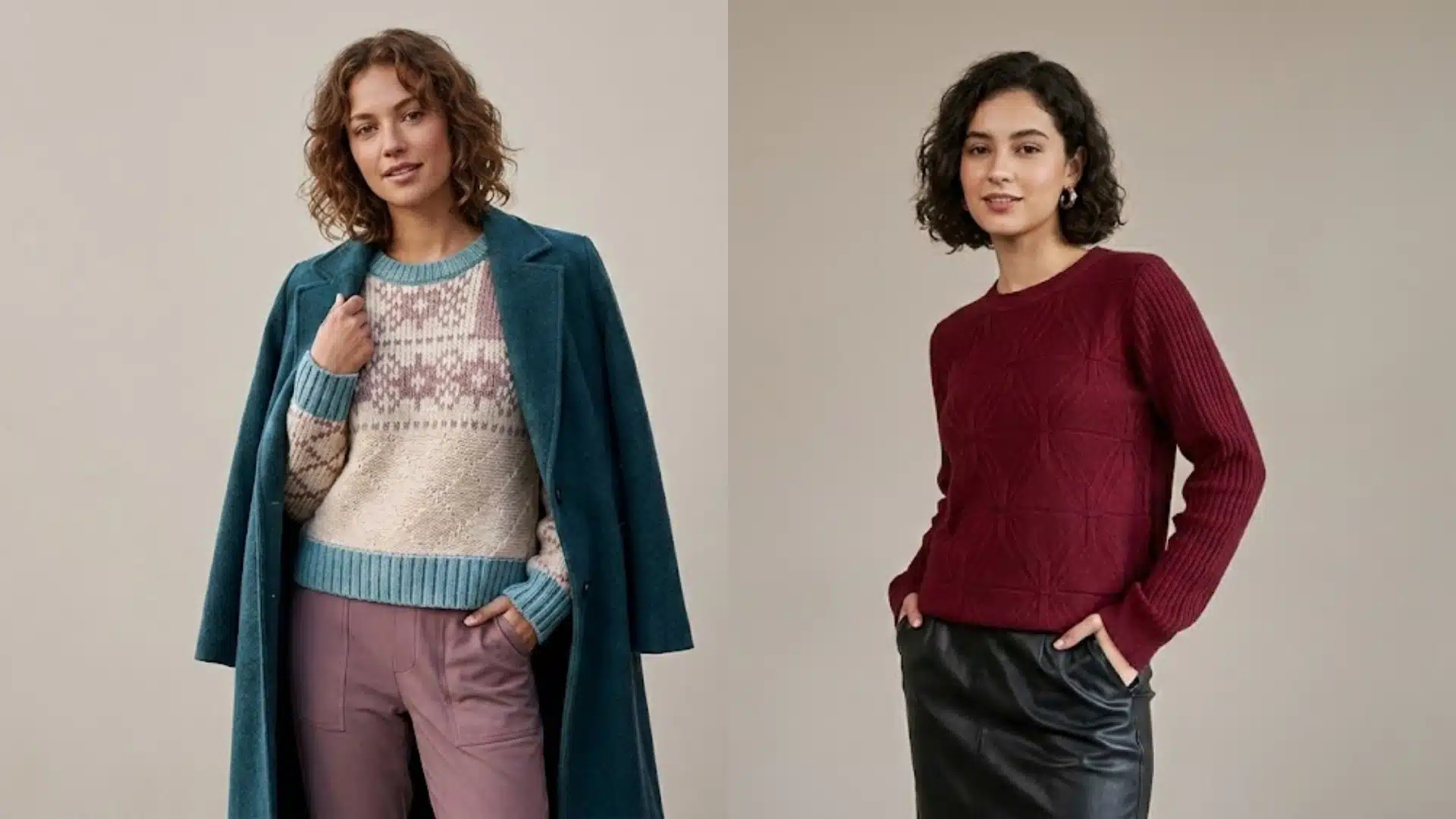
- Sweaters: Acrylic works well for sweaters because it feels warm, soft, and lighter than many wool options while offering easy maintenance.
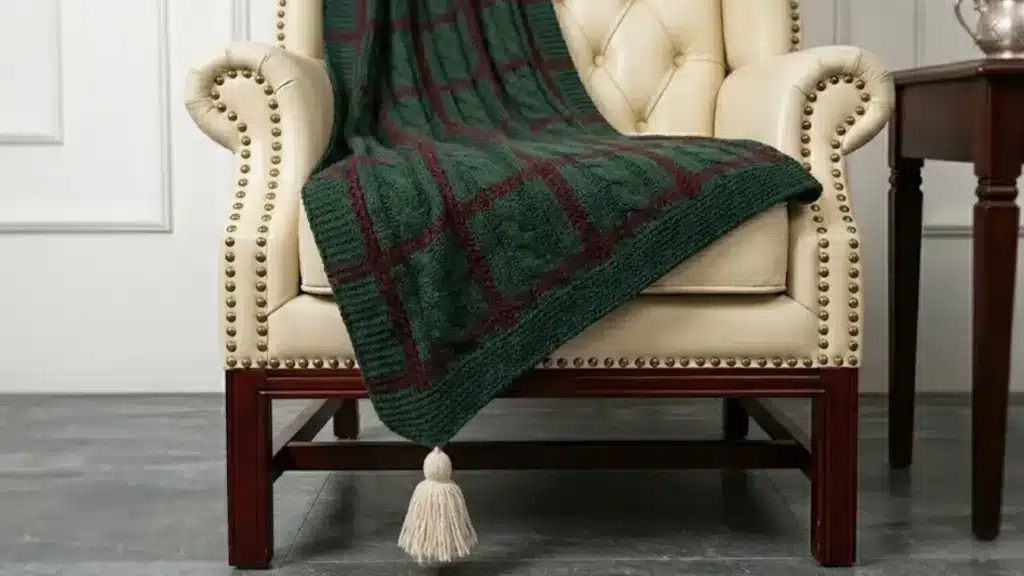
- Throw Blankets: It gives blankets a fluffy, warm feel for everyday comfort at home with quick drying and vibrant color retention.
- Craft Yarn: Acrylic yarn is popular for knitting, crochet, and beginner-friendly projects because it is affordable and easy to use.
- Scarves: Cozy around the neck, available in a wide range of colors.
This makes acrylic a smart pick for cozy, budget-friendly pieces where warmth and convenience matter most.
When to Avoid Acrylic Fabric
Acrylic fabric works for many items, but certain people and situations may need safer, cooler, or more natural fabric choices.
- Sensitive Skin: Avoid acrylic if it causes itching, redness, or a rough feeling, especially after long wear or direct skin contact.
- Hot Weather: Acrylic can trap heat and sweat, so it may feel sticky, heavy, or uncomfortable during warm days.
- Baby Clothing: Babies have delicate skin, so softer natural fabrics like cotton are often better for daily wear and close contact.
- Sleepwear Near Heat: Avoid acrylic sleepwear near heaters, candles, or open flames because synthetic fibers can melt or burn under high heat.
- Avoiding Synthetic Fabrics: Skip acrylic if the goal is to use natural, breathable, or lower-shedding fabrics in daily clothing and home items.
Conclusion
Acrylic fabric is useful, warm, light, and affordable, which is why it appears in sweaters, scarves, blankets, yarn, upholstery, and outdoor pieces.
It can feel soft like wool, hold color well, and dry faster than many natural fabrics. Still, it is not the best choice for everyone.
Some people may feel itching, trapped heat, or discomfort, especially with poor-quality items or long wear.
The safety side also depends on how the fabric is used, washed, and cared for. In simple terms, what acrylic fabric is a question of comfort, cost, and caution.
It works well for many daily items, but skin type, heat, fabric quality, and care habits matter.
Would you choose acrylic for warmth, or avoid it for skin and comfort reasons? Share your thoughts in the comments.
Frequently Asked Questions
Can Acrylic Fabric Shrink After Washing?
Acrylic fabric usually does not shrink much when washed in cold or warm water. High heat can still damage the fibers, so it is better to avoid hot dryers and high ironing heat.
Is Acrylic Fabric Good for Outdoor Furniture?
Acrylic can work well for outdoor cushions and covers because it dries fast and holds color well. Still, outdoor use depends on fabric quality, coating, and weather exposure.
Does Acrylic Fabric Stretch Out Over Time?
Acrylic can lose shape if it is pulled often, hung while wet, or washed roughly. Folding sweaters and using gentle wash settings can help keep the shape better.