Learning how to make hair less greasy comes down to four habits: wash based on how fast your scalp actually produces oil, shampoo the roots more than the lengths, keep conditioner off the scalp, and use dry shampoo as a short-term fix, not a substitute for washing.
In my work as an aesthetician, I’ve walked plenty of clients back from rigid “wash every 5 days” plans that left their roots looking flat by day two.
The routines that stick are the ones built around the scalp in front of you, not a number borrowed from someone else’s hair type.
Shampoo the scalp thoroughly, choose lighter hair products, keep conditioner away from oily roots when needed, and prevent product buildup.
Why Does Your Hair Get Greasy so Fast?
Hair turns greasy quickly when the scalp’s sebaceous glands, hormone-driven oil producers in the skin, generate oil faster than it can spread and be absorbed, a pace shaped by genetics, hair type, hormones, and habits like frequent touching or heavy product use.
Greasy roots can feel frustrating, especially when your hair looks oily just one day after washing. Your scalp naturally produces sebum, an oil that helps protect the skin and hair, but some people produce more of it than others.
Hair type also affects how quickly oil shows. Fine or straight hair can look greasy faster because sebum travels more easily along the strands.
Sweat, heavy styling products, leftover conditioner, and scalp buildup can make roots look even oilier. Frequent touching or using too much product near the scalp may add to the problem too.
Quick Ways to Make Hair Less Greasy Between Washes
When roots start looking oily between washes, a few simple habits can reduce visible grease and keep hair looking fresher until your next wash.
- Use Dry Shampoo Correctly: Apply a small amount to oily areas like the roots, crown, or hairline. Let it absorb before brushing to avoid buildup.
- Avoid Heavy Products: Oils, thick creams, and rich serums can weigh down greasy roots. Keep heavier products focused on the mid-lengths and ends.
- Refresh Your Roots: A quick blow-dry on a cool or low setting can lift flat roots and improve the appearance of oily hair.
- Touch Hair Less: Frequent touching can transfer oil and residue from your hands to your strands.
- Clean Hair Tools: Wash brushes and combs regularly to prevent oil and product buildup from transferring back to your hair.
- Wash After Heavy Sweating: Cleanse your hair when sweat leaves your scalp oily, sticky, or uncomfortable.
These habits buy you a day or two, but they work best alongside a washing routine that actually clears oil and buildup when your scalp needs it.
How Should You Wash Greasy Hair?
No single washing schedule works for every oily scalp. The right routine depends on how quickly oil returns, your hair type, and how your scalp feels daily.
1. Choose Washing Frequency Based on Your Scalp

Pay attention to how quickly your roots become oily instead of forcing yourself to wait several days between washes.
Fine or straight hair often shows oil sooner, so more frequent shampooing may feel better and look fresher. If your scalp stays comfortable for longer, you can wash less often.
Let your scalp’s actual oiliness, not a fixed number of days, guide how frequently to shampoo.
2. Shampoo Your Scalp More than Your Lengths
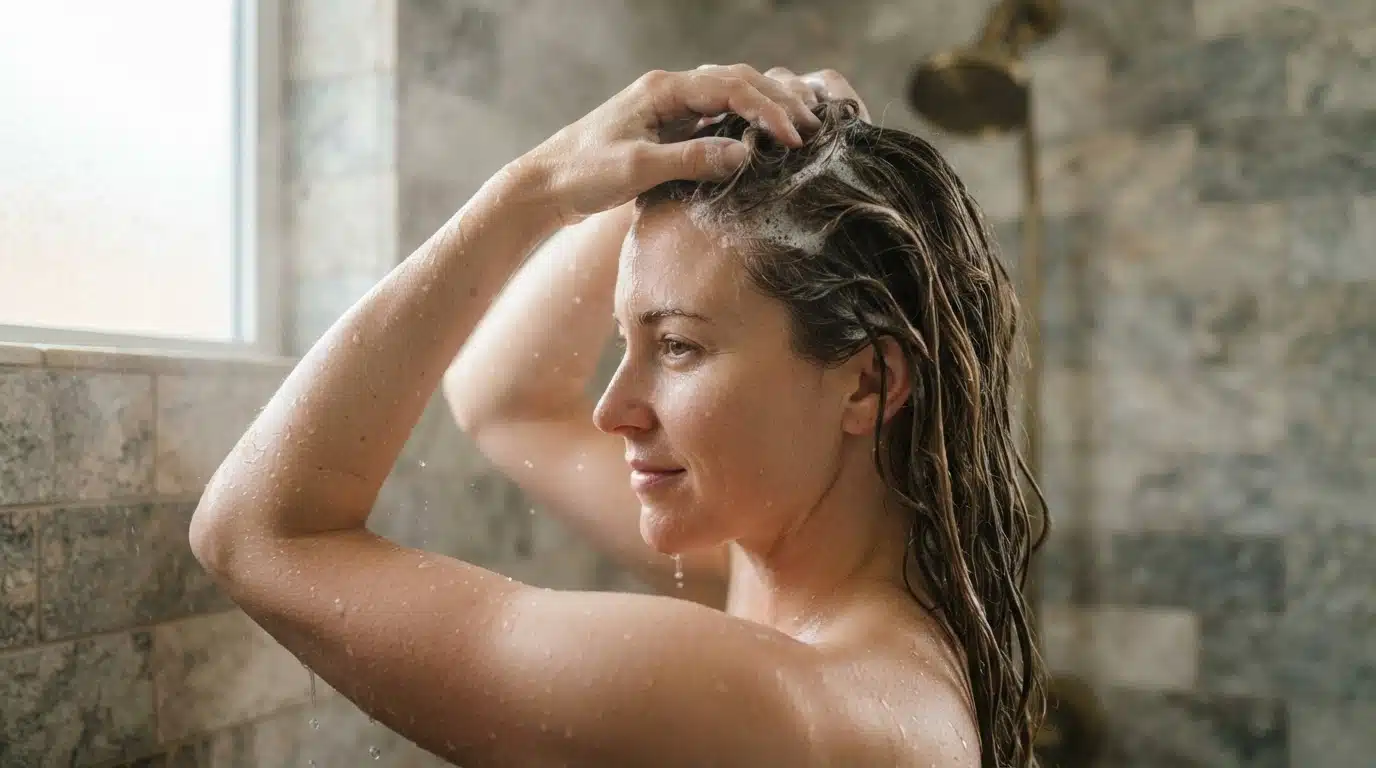
Apply shampoo mainly to the scalp and roots, where sebum, sweat, and styling residue tend to collect.
Use your fingertips to massage gently without scratching or piling the hair roughly on top of your head. Let the lather rinse through the lengths instead of scrubbing them heavily.
Rinse thoroughly afterward, since getting your washing technique right keeps leftover product from making freshly washed hair feel coated or greasy.
3. Apply Conditioner According to Hair Type
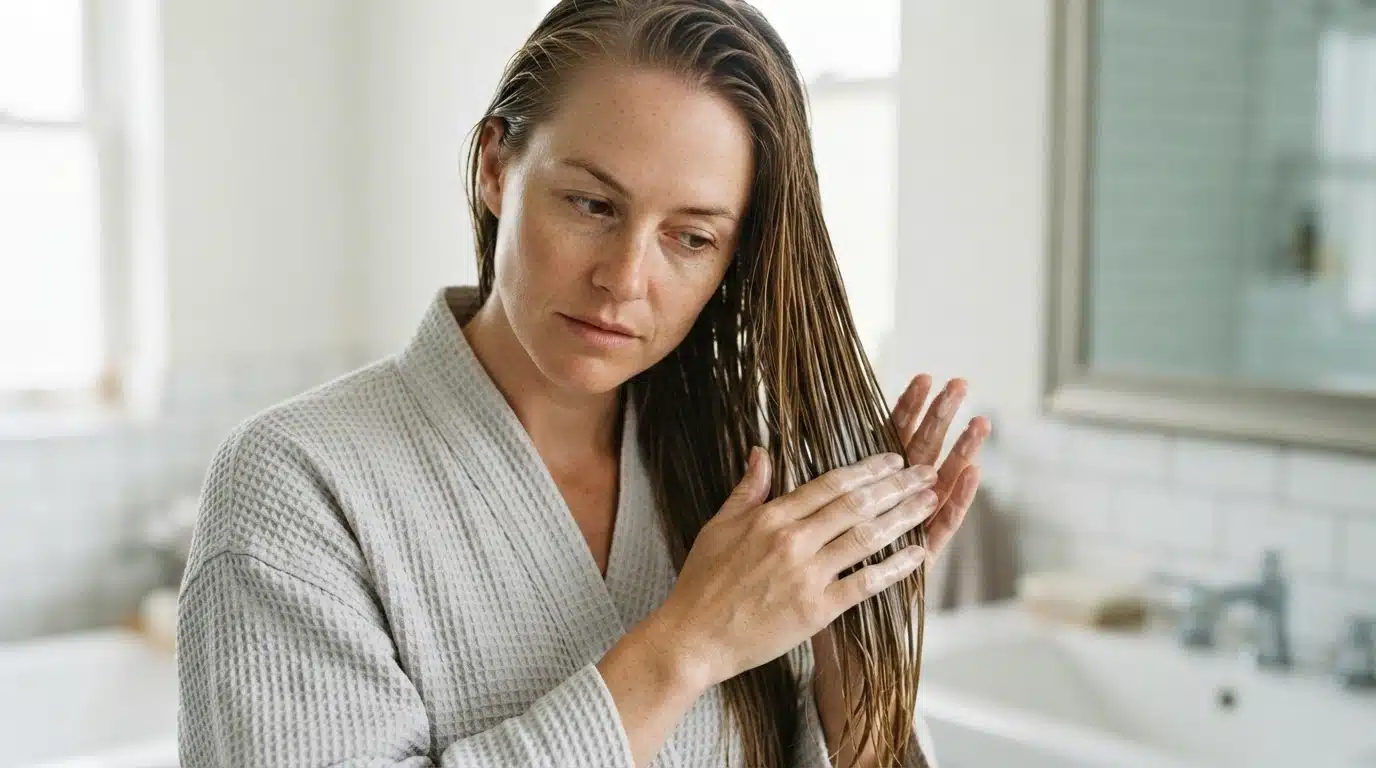
Conditioner should match both your hair texture and where dryness appears. If your hair is fine, straight, and oily at the roots, focus conditioner on the mid-lengths and ends.
Curly, coily, thick, or dry hair may need moisture through more of the strands, and reaching for a richer conditioning formula can help. Use enough to soften the hair without coating areas that get oily quickly or feeling weighed down.
4. Do Not Force Your Hair Through “Hair Training”

Spacing out washes can work for some routines, but it does not mean your scalp will automatically learn to produce less oil.
If your roots become greasy, uncomfortable, or itchy, there is no benefit in forcing extra days between washes. Adjust your schedule based on how your scalp responds.
The point is a clean, comfortable scalp, not a personal record for wash-free days.
A better washing routine comes from responding to your scalp, not following rigid rules. Clean oily roots properly, condition where needed, and adjust frequency as your hair changes over time.
Which Ingredients Help with Greasy Hair?
The right ingredients can help manage excess oil, remove buildup, and keep the scalp feeling balanced without making hair feel dry or weighed down. Choosing formulas based on your scalp needs is key.
- Salicylic Acid: Salicylic acid is commonly used in scalp-care products because it helps remove oil and buildup from the scalp surface. It can help when roots feel heavy or coated with excess residue.
- Tea Tree Oil: Tea tree oil is often included in oily scalp products because of its cleansing properties, which ongoing research has examined. It should be used in properly formulated products rather than applying concentrated essential oils directly to the scalp.
- Lightweight Cleansing Ingredients: Gentle cleansing ingredients can remove excess oil without making the scalp feel overly stripped. This can help maintain balance, especially for people who wash frequently.
- Avoid Heavy Ingredients Near Oily Roots: Rich oils, thick butters, and heavy styling creams may work well for dry hair but can make greasy roots appear flatter. If your scalp gets oily quickly, apply these products to the ends rather than the scalp.
In my experience, clients with oily roots tend to overcorrect with a heavy clarifying shampoo every wash. That strips the scalp, which can trigger even more oil production as a rebound. A lightweight formula used consistently usually beats a harsh one used occasionally.
Which Products Can Help with Greasy Hair?
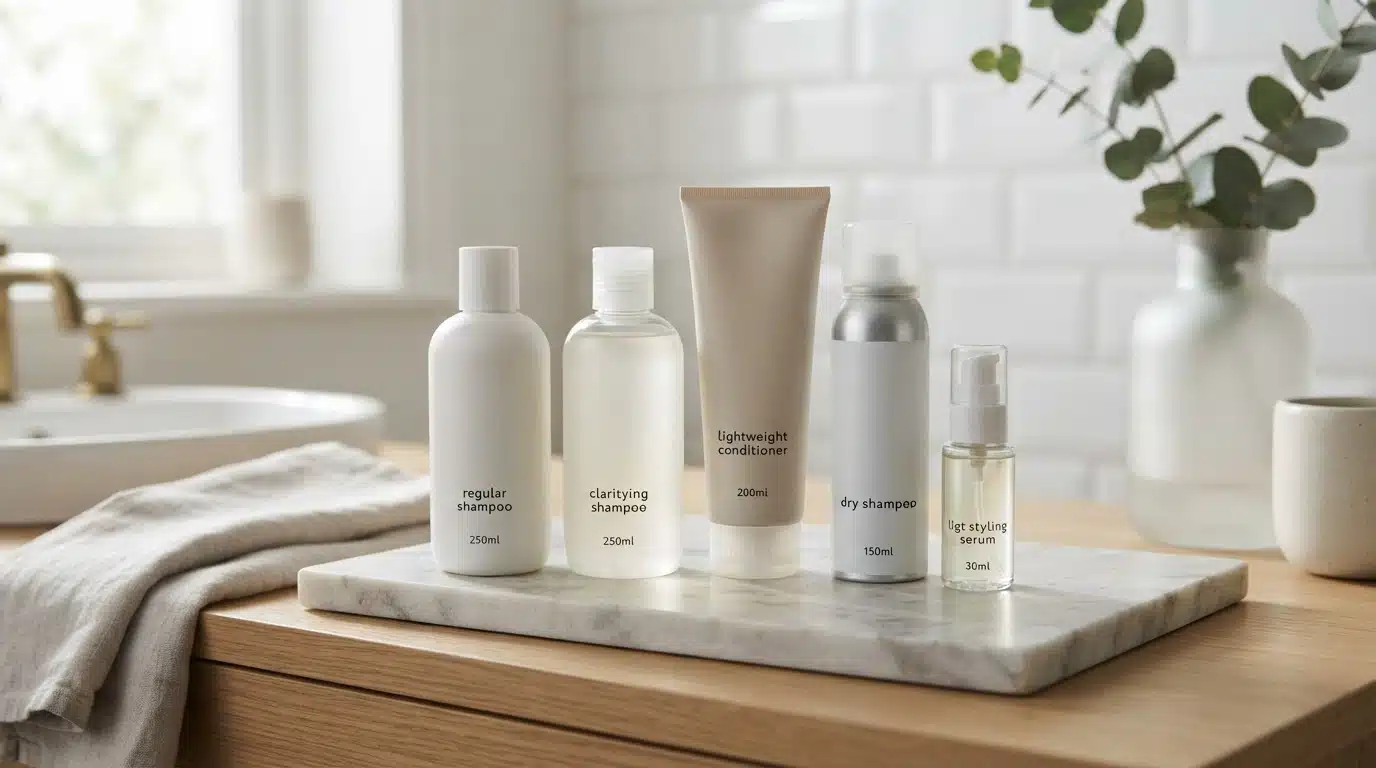
The best products for greasy hair depend on what is causing the oiliness. Some people need better oil control, while others mainly need to remove buildup or avoid products that weigh down their roots.
| Product | Best For | How To Use | What To Avoid |
|---|---|---|---|
| Regular shampoo | Removing daily oil and sweat | Focus on scalp and rinse well | Using formulas that feel too heavy |
| Clarifying shampoo | Product buildup | Use occasionally when hair feels coated | Overusing it and drying out hair |
| Lightweight conditioner | Softening dry lengths | Apply from mid-lengths to ends | Applying heavy conditioner near roots |
| Dry shampoo | Reducing visible oil between washes | Apply lightly to oily areas | Using it as a replacement for washing |
A simple routine with fewer suitable products is often better than using multiple products that create buildup. If your hair becomes greasy quickly, focus on lightweight formulas and avoid adding unnecessary layers near the roots.
Home Remedies and DIY Fixes for Greasy Roots
If you’d rather try something from your kitchen or bathroom cabinet before reaching for a new product, a few home remedies can help manage oil between washes.
- Apple Cider Vinegar Rinse: A diluted rinse can help clear product buildup and leave the scalp feeling less coated. Always dilute it, and avoid using it on open scalp cuts or irritated skin.
- Cornstarch or Unscented Baby Powder: A tiny amount worked into the roots can absorb oil in a pinch, similar to dry shampoo. Test a small patch first if you have a sensitive scalp, since some people react to added fragrance or talc.
- Blotting Papers or Tissue: Gently pressing an oil-blotting sheet along the part line can knock down shine on the go without adding more product.
- Cool Water Rinse: Finishing your wash with cool rather than hot water can help the scalp feel less stripped, which may reduce the rebound oiliness that follows a harsh cleanse.
Home remedies work well as short-term maintenance. If your scalp stays oily, itchy, or uncomfortable despite trying them consistently, that’s a sign to look at your washing routine or check in with a dermatologist rather than adding more home fixes.
How Should Your Routine Change by Hair Type?
The same oily-scalp routine can affect each hair type differently. Fine, straight, curly, coily, thick, and dry hair all need slightly different cleansing, conditioning, and styling choices for daily balance.
1. Fine or Straight Hair with Oily Roots
Fine, straight hair often gets greasy faster because natural oils can travel easily from the scalp down the strands. This can make roots look flat, shiny, or weighed down shortly after washing.
To manage this hair type:
- Choose lightweight shampoos that remove oil without leaving residue
- Avoid heavy conditioners, oils, and thick styling creams near the scalp
- Apply conditioner mainly to the ends
- Use dry shampoo carefully between washes when needed
- Avoid applying multiple styling products that can make hair appear limp
The goal is to keep roots clean and fresh while preventing the lengths from becoming dry.
2. Curly, Coily, or Thick Hair with an Oily Scalp
Curly, coily, and thick hair can have an oily scalp while the lengths still need moisture. Because natural oils move more slowly through textured hair, the roots may feel greasy while the ends remain dry.
A balanced routine includes:
- Focusing shampoo on the scalp rather than the entire hair length
- Using moisturizing products where dryness appears
- Avoiding excessive cleansing that can make curls feel rough
- Choosing products that provide moisture without creating heavy buildup
The key is separating scalp care from hair care. Your roots may need oil control, while your curls or ends may need hydration.
3. Oily Roots with Dry Ends
Having greasy roots and dry ends at the same time is common, especially for people who use heat styling, coloring treatments, or products that affect different areas of the hair differently.
For this combination:
- Cleanse the scalp based on oil buildup
- Apply conditioner only where hair feels dry
- Avoid putting oils or rich treatments near the roots
- Use nourishing products on the ends instead of the entire head
Treating your scalp and lengths separately helps control grease without creating unnecessary dryness.
Your routine should follow both scalp oiliness and hair texture. Adjust cleansing, conditioning, and product placement as needed, so roots stay fresh while lengths remain comfortable, soft, and manageable daily.
What Do Reddit Users Suggest for Greasy Hair?
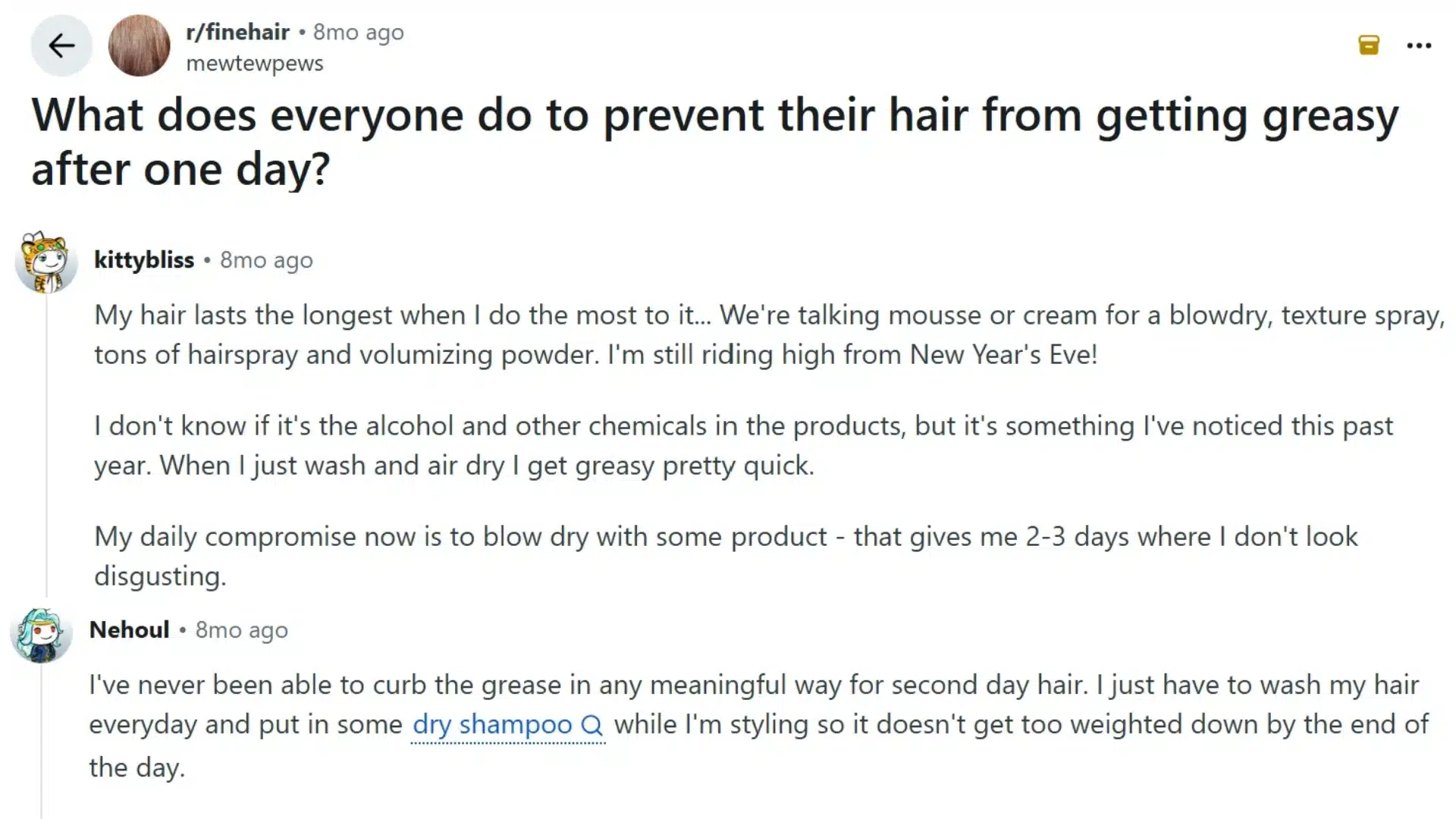
Reddit users with oily or fine hair often suggest washing based on how greasy the scalp actually becomes, rather than forcing longer gaps between washes.
Some users report that daily washing with a gentle shampoo works better for them, while others mention double shampooing, concentrating shampoo on the scalp, and keeping conditioner away from the roots.
Another common suggestion is using dry shampoo before the hair becomes noticeably oily, rather than waiting until the roots already look greasy.
Reddit users also stress that results vary by hair type, so a routine that works for one person may not suit another.
Note: Reddit experiences are personal suggestions rather than medical or professional hair-care advice.
Greasy Hair Mistakes that Can Make Oil Worse
Some habits that seem helpful for controlling greasy hair can actually increase buildup, weigh down roots, or make oil more noticeable. Avoiding these mistakes can help keep your scalp cleaner-looking.
| Mistake | Why It Can Make Hair Greasy |
|---|---|
| Washing too aggressively | Over-cleansing or harsh scrubbing may irritate the scalp and disrupt its natural balance |
| Applying conditioner to roots | Heavy moisture near the scalp can weigh hair down and make roots look oily faster |
| Using too much dry shampoo | Excess dry shampoo can create product buildup and leave hair feeling heavy |
| Applying heavy oils near the scalp | Thick oils can add extra weight and make greasy roots appear flatter |
| Using too many styling products | Multiple layers of creams, serums, and sprays can leave residue on the hair |
| Not cleaning brushes regularly | Old oil, sweat, and product buildup can transfer back onto freshly washed hair |
Making small changes to these habits can help prevent unnecessary buildup. Fixing even one or two of these habits is usually enough to notice fresher roots within a week or two.
When Should Greasy Hair Be Checked by a Dermatologist?
An oily scalp is common and usually does not point to anything serious. But greasy hair paired with any of the following can mean something beyond normal oil production is going on:
- Persistent itching
- Redness or irritation
- A burning sensation
- Thick flakes or scaling
- Tender areas on the scalp
- Ongoing oiliness despite adjusting your routine
Conditions such as seborrheic dermatitis, scalp irritation, or reactions to hair products fall under several common scalp conditions that can cause oiliness alongside discomfort. Oily skin can also contribute to dandruff.
If these symptoms continue despite regular cleansing and suitable scalp care, a dermatologist can help identify whether dandruff, seborrheic dermatitis, product irritation, or another scalp condition is behind it, rather than you repeatedly switching shampoos without improvement.
Final Thoughts
Greasy hair responds best to a routine built around your own scalp, not a generic schedule. Wash when your roots actually need it, shampoo where oil collects, and save richer products for your ends.
Start with one change this week, whether that’s shampooing the scalp more precisely or moving conditioner off your roots, and you’ll likely notice fresher-looking hair by your next wash.
What works best for your oily roots? Comment below and share your routine or favorite tip.
Frequently Asked Questions
Can Hormonal Changes Make Hair Greasier?
Yes. Hormonal changes during puberty, menstruation, pregnancy, or menopause can influence sebum production, which may make the scalp and roots feel oilier than usual.
Can A Dirty Pillowcase Make Hair Look Greasy?
A dirty pillowcase can hold oil, sweat, and hair-product residue that transfers back to your hair, so washing pillowcases regularly may help roots stay fresher.
Does Water Temperature Affect Greasy Hair?
Very hot water can leave the scalp feeling dry or irritated, while lukewarm water is usually gentler and still effective for rinsing shampoo and residue.
Does Washing Hair Every Day Make It Greasier Over Time?
Not for most people. Daily washing does not train the scalp to produce more oil; it simply removes the oil that’s already there. If your scalp genuinely needs daily washing to feel comfortable, a gentle, lightweight shampoo used daily is generally fine, not something to avoid.