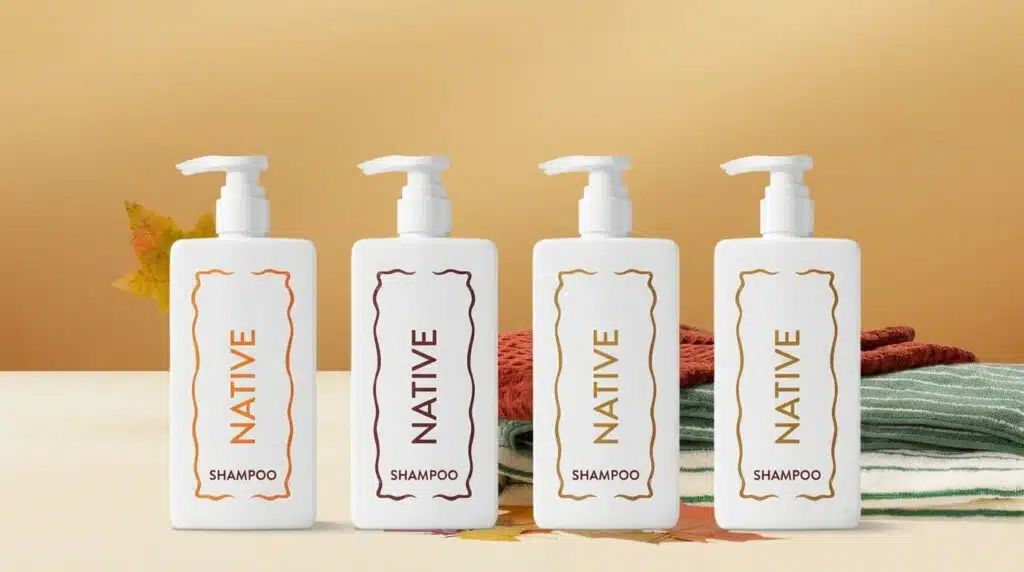
If you’ve stood in the shampoo aisle staring at those simple white Native bottles, you’ve probably wondered if the clean, minimalist branding actually holds up once it’s on your hair.
Is native shampoo good for your hair, or is it mostly clever marketing built around what it leaves out rather than what it puts in?
The short answer is that native shampoo works well for a lot of hair types, especially if you’re trying to move away from harsher, sulfate-heavy formulas, but it’s not a one-size-fits-all solution.
Below, you’ll find exactly what’s in the bottle, who it actually works best for, and the honest limitations worth knowing before you commit to it as your everyday shampoo.
Native Shampoo Review: What You Should Know Before Buying
Native shampoo is designed as a gentle everyday cleanser rather than a treatment product. Its main appeal comes from avoiding ingredients that some people prefer to skip, such as sulfates, parabens, and dyes, while using milder cleansing agents instead.
| Category | Verdict |
|---|---|
| Best for | Normal, curly, color-treated, and mildly dry hair |
| Main benefit | Gentle cleansing without a harsh, stripped feeling |
| Formula type | Sulfate-free shampoo |
| Not ideal for | Very oily scalps or severely damaged hair needing repair |
| Overall value | Good option for people looking for a simple daily shampoo |
Native works best if your goal is maintaining clean, manageable hair without the stronger cleansing effect found in many traditional shampoos. However, it should not be viewed as a hair growth treatment, damage repair solution, or medical scalp treatment.
Is Native Shampoo Good for Your Hair?
For most people, Native shampoo is a good everyday option, especially if your current shampoo leaves your hair feeling dry, rough, or overly stripped after washing.
The formula uses sulfate-free cleansers that remove oil, sweat, and product buildup while being gentler on the hair. This can make it a better fit for people with color-treated hair, curls, or naturally dry strands that do not respond well to stronger detergents.
That said, gentle shampoo doesn’t automatically make it perfect for everyone. Someone with very oily roots may prefer a stronger cleanser or try adjusting their wash frequency, while someone with heavily damaged hair may need a more conditioning formula.
Native shampoo is best considered a maintenance product that helps keep hair clean and comfortable, not a product that directly changes hair growth, thickness, or damage.
What Ingredients are in Native Shampoo?
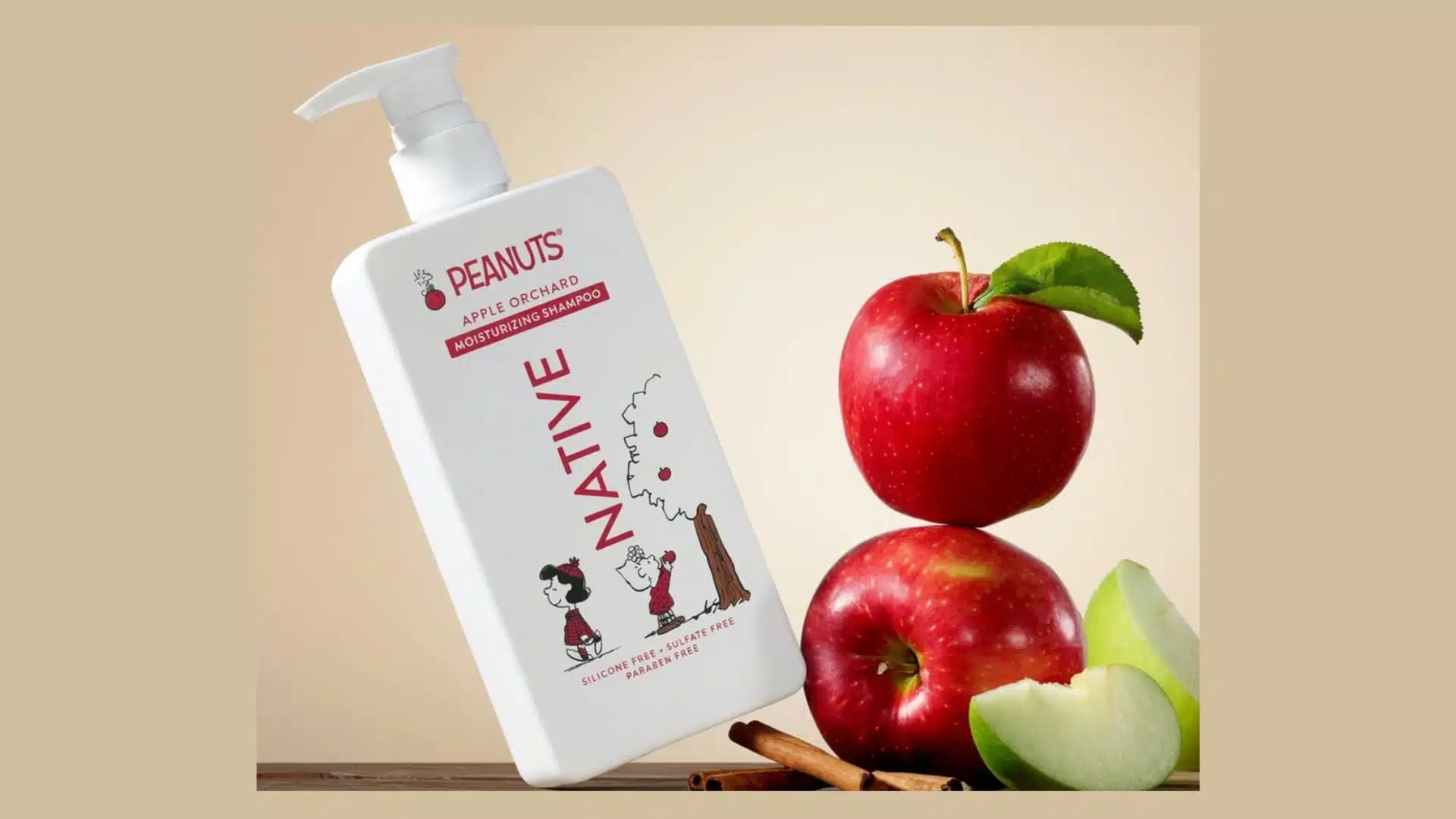
Understanding the actual ingredient list makes it much easier to judge if this formula fits your hair.
- Sodium Cocoyl Isethionate: A mild, plant-derived cleansing ingredient that removes dirt and oil without the strong stripping effect associated with traditional sulfates.
- Cocamidopropyl Betaine: This sulfate-free surfactant helps create lather while supporting gentle cleansing. It is commonly used in many shampoos designed for sensitive or dry-feeling hair.
- Sodium Lauroyl Sarcosinate: Another mild cleanser that helps remove buildup while keeping the formula less harsh compared with stronger sulfate-based options.
- Polyquaternium-10: This conditioning ingredient helps improve softness, reduce tangling, and make hair easier to manage after washing.
- Fragrance and Essential Oils: Native shampoos are known for their noticeable scents. While many users enjoy the fragrance, people with sensitive skin or fragrance reactions may want to check the ingredient list before using it regularly.
Native also publishes a transparency chart explaining each ingredient’s purpose, which aligns with current FDA cosmetic labeling requirements for ingredient disclosure, though the company goes a bit further than what’s strictly required.
Are Native Shampoo Ingredients Better for Hair?
Native’s ingredient approach focuses on gentle cleansing rather than aggressive cleaning. The biggest difference is that the formula avoids sulfates, which are commonly used in shampoos because they create a strong lather and remove oil effectively.
For some people, reducing stronger cleansing ingredients can help with:
- Less dryness after washing
- Better color retention
- Reduced frizz in curly hair
- A more comfortable scalp feel
However, “clean” does not automatically mean every ingredient will work for everyone. Hair responds differently depending on texture, oil production, styling habits, and scalp sensitivity.
A formula that feels lightweight and comfortable for one person may feel too mild or not moisturizing enough for another.
Does Native Shampoo Cause Hair Loss?
No, there’s no scientific evidence that native shampoo directly causes hair loss.
The ingredients used across its formulas, including cocamidopropyl betaine and sodium lauroyl sarcosinate, are widely used throughout the hair care industry and considered safe for regular use.
Claims circulating on Reddit and TikTok about shedding after switching to native shampoo are largely anecdotal, and increased shedding around the same time is often coincidental, more likely tied to stress, hormonal changes, genetics, or nutritional factors than the shampoo itself.
According to the National Library of Medicine, losing up to 100 hairs a day is normal, and most noticeable shedding traces back to health changes, medication, or genetics rather than a specific hair product.
Fragrance or essential oils in the formula could irritate a sensitive scalp for some users, and ongoing irritation can occasionally affect hair health indirectly, but that’s a different issue entirely from the shampoo directly causing hair to fall out.
Who Native Shampoo Works Best For
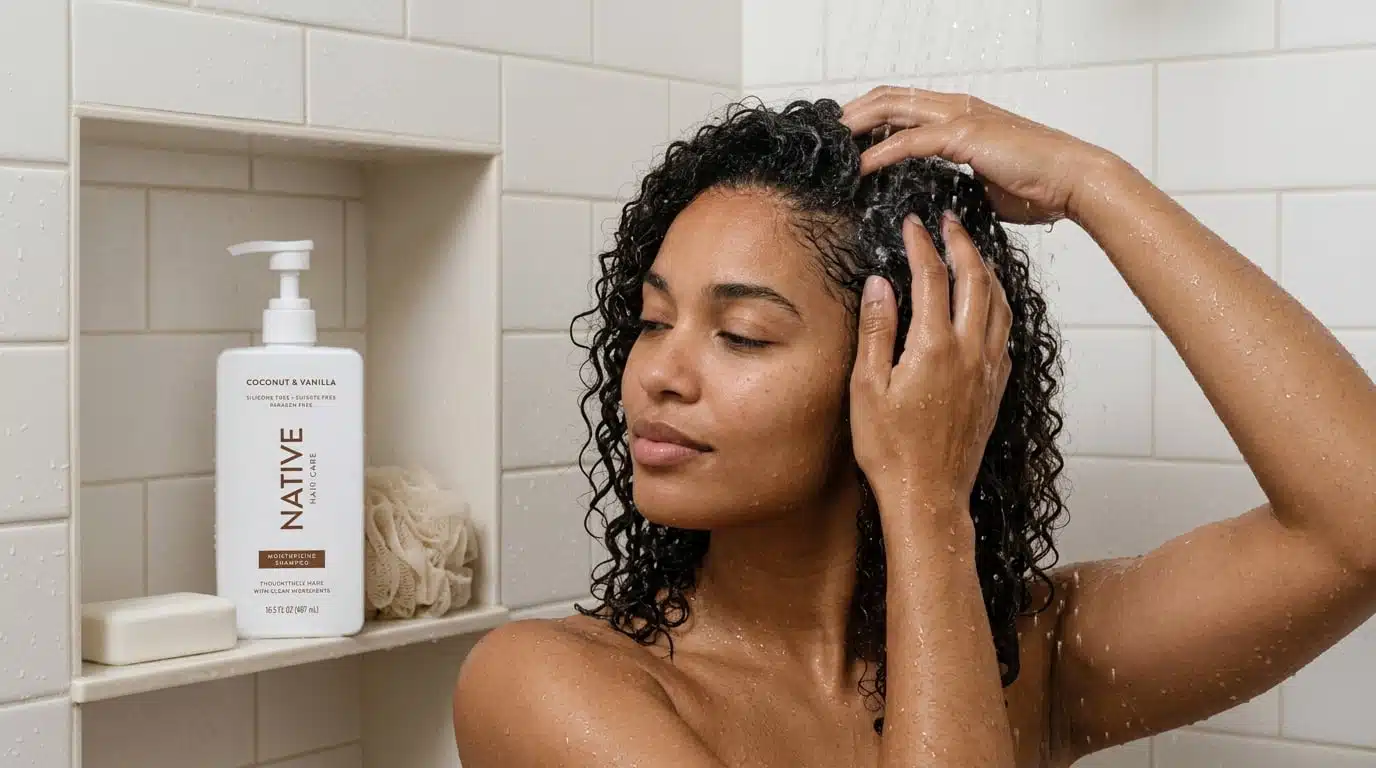
Hair type decides how any shampoo actually performs, and it’s the first question I ask clients before I recommend switching anything they use daily. Here’s how native shampoo tends to work across a few common hair concerns.
1. Curly or Textured Hair
Native’s sulfate-free formula tends to work particularly well for curly and textured hair, since sulfates are known for stripping natural oils that curls rely on to stay defined and frizz-free.
The gentle cleansing helps preserve curl pattern and moisture better than harsher detergent-based shampoos.
Many curly-haired users report their curls feeling more manageable and less frizzy after switching away from sulfate-heavy formulas. Pairing it with the right curly hair care routine tends to bring out the best results.
2. Color-Treated Hair
Sulfates are one of the fastest ways to fade hair color, so a sulfate-free formula like native genuinely helps color-treated hair hold onto its vibrancy longer between salon visits.
The gentler cleansing means less stripping of the hair cuticle, which helps color stay locked in rather than washing out. If you’ve noticed your color fading unusually fast, switching to a sulfate-free option is a reasonable first step.
3. Very Dry or Damaged Hair
This is where native shampoo tends to fall short compared to heavier, more intensive repair formulas. The ingredient list is intentionally minimal, which keeps things gentle but also means it lacks the richer emollients found in shampoos built specifically for severely dry or chemically damaged hair.
If your hair needs serious repair work, native can still work as a gentle cleanser, but pairing it with a solid deep conditioner helps close the gap.
4. Oily Hair
Native can remove everyday oil and buildup, but its gentle formula may not be strong enough for people with very oily scalps.
If your roots become greasy quickly after washing, you may need to adjust your washing schedule or occasionally use a clarifying shampoo to remove heavier buildup.
Is the “Clean” Label Worth Trusting?
The word “clean” gets used loosely across the beauty industry, and it’s worth understanding what it actually means before assuming it fully answers whether Native shampoo is good for your hair on its own.
Native’s formulas are genuinely free of sulfates, parabens, and dyes, which is a meaningful distinction from many traditional drugstore shampoos.
That said, “clean” doesn’t automatically mean every ingredient is risk-free for everyone; fragrance and essential oils can still cause reactions in sensitive individuals regardless of how the product is marketed.
It’s also worth knowing that the FDA’s PFAS review found that safety data for many of these ingredients across the wider cosmetics industry remains incomplete, a reminder that “clean” labeling is more about what’s excluded than a guarantee that everything included has been fully studied.
Native Shampoo vs. Traditional Shampoo
Seeing the two side by side makes it easier to understand exactly what you’re trading when you switch formulas.
| Factor | Native Shampoo | Traditional Shampoo |
|---|---|---|
| Cleansing Agents | Sulfate-free surfactants | Often sulfate-based (SLS/SLES) |
| Color Retention | Generally better, gentler on dye | Can fade color faster |
| Lather | Lighter, less foamy | Typically foams more heavily |
| Best For | Curly, color-treated, sensitive scalps | Oily hair needing heavy-duty cleansing |
| Price | Mid-range, widely available | Ranges from budget to premium |
Neither option is universally better; the right choice really comes down to your specific hair type and what you need a shampoo to actually do.
What Do Users Say About Native Shampoo?
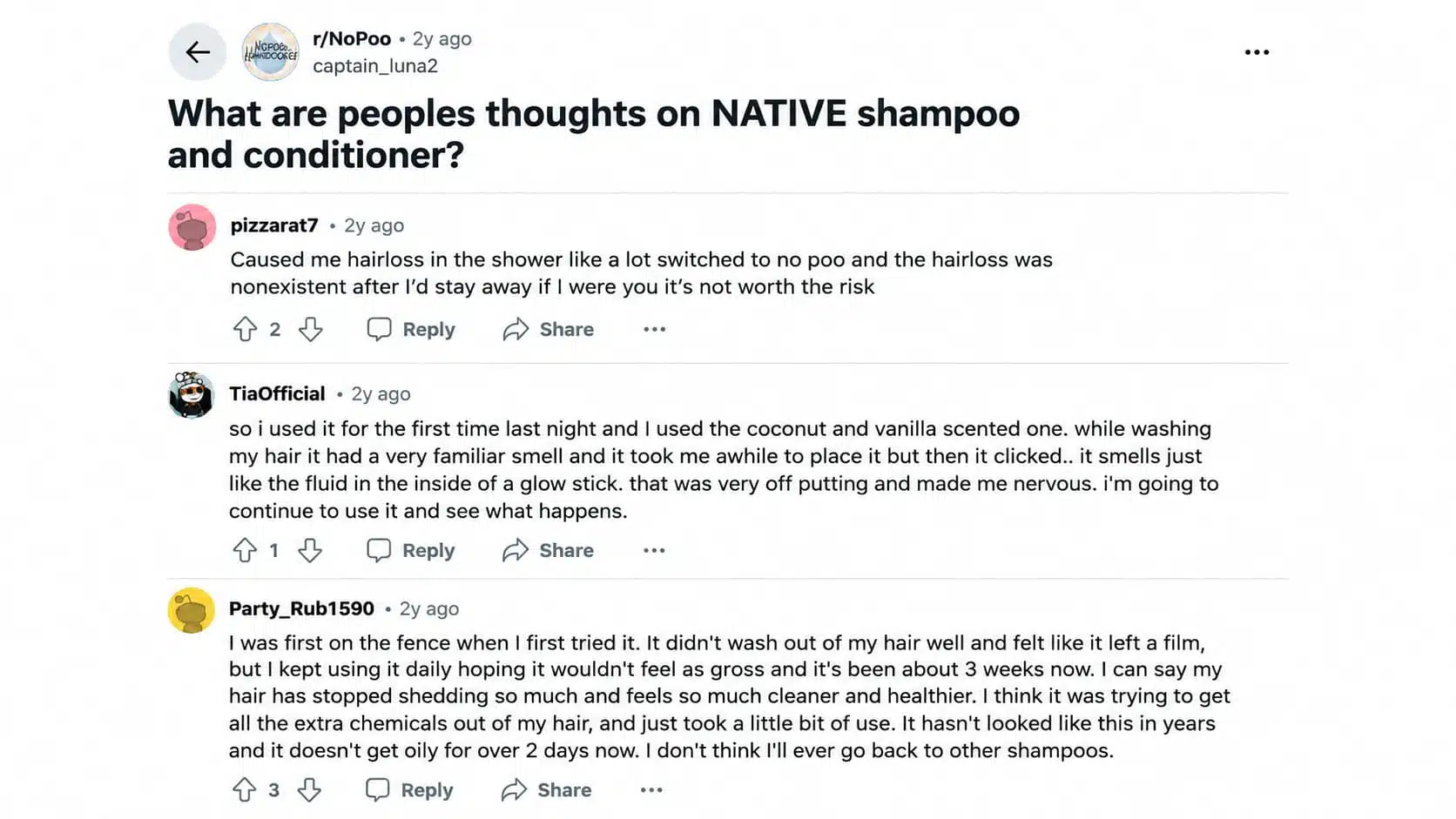
Customer feedback on native shampoo follows a fairly consistent pattern across retailer reviews and beauty forums.
Most users praise how it cleanses without leaving hair feeling stripped, with curly and color-treated hair users reporting the most noticeable improvement.
A discussion in r/NoPoo on Reddit, a community focused on minimizing traditional shampoo use, shows the same split seen elsewhere: some find it gentle enough for a lower-impact routine, while others feel it still cleanses more than needed.
A smaller group with very dry or coarse hair wants the formula to feel richer. Overall, sentiment skews positive, especially among people switching away from harsher, sulfate-heavy formulas.
How to Choose the Right Native Formula
Native sells its shampoo across a range of scents and a few targeted formulas, so picking the wrong one is a common reason people feel underwhelmed after switching.
- If your scalp runs oily, start with a lighter, citrus- or mint-leaning scent and wash more often, since even a gentle formula won’t fully offset infrequent washing.
- If you have color-treated or curly hair, look for wording like “moisture” or “curl” on the label rather than the original coconut-and-vanilla formula, which is better suited to normal hair.
- If you have a fragrance-sensitive scalp, check for an unscented or sensitive-skin option before assuming the whole line won’t work for you.
- In my experience recommending product swaps to clients, the biggest complaints trace back to picking a scent, not the sulfate-free formula itself, so read the label on the specific bottle before writing off the brand.
Give any new formula three to four washes before judging it. A single wash rarely tells you how your scalp and strands actually settle into a gentler cleanser.
Native Shampoo Pros and Cons
Looking at both the benefits and limitations makes it easier to decide if Native shampoo fits your hair routine. While it works well for many people who want gentle cleansing, it is not designed for every hair concern.
| Pros | Cons |
|---|---|
| Sulfate-free formula that provides gentle cleansing | May not remove heavy oil buildup for very oily scalps |
| Works well for many curly and color-treated hair types | May not provide enough moisture for severely dry or damaged hair |
| Avoids sulfates, parabens, and dyes | Fragrance may not suit sensitive scalps |
| Lightweight formula suitable for regular washing | Does not treat hair loss, dandruff, or scalp conditions |
| Simple ingredient approach with clear product positioning | Fewer targeted formulas compared with specialized hair-care brands |
Overall, Native is a good choice if you want a mild everyday shampoo, but it may not replace products designed for specific concerns like dandruff control, intensive repair, or scalp treatment.
Is Native Shampoo Worth Switching To?
Native shampoo is worth considering if you want a gentle, sulfate-free cleanser for everyday use. It can be a good upgrade if your current shampoo leaves your hair feeling dry, rough, or stripped after washing.
It is especially worth trying if you have:
- Color-treated hair that needs gentler cleansing
- Curly hair that loses moisture easily
- A sensitive scalp that dislikes stronger shampoos
- A preference for simpler ingredient formulas
However, switching may not make a noticeable difference if your main concern is hair loss, severe damage, dandruff, or extremely oily hair. Those concerns usually require more targeted products.
The best way to know if Native works for you is to choose a formula that matches your hair type and monitor how your scalp and strands respond after several washes.
Final Thoughts
For most people dealing with color-treated, curly, or sensitive hair, native shampoo is a genuinely solid, gentle option that avoids the harsher ingredients found in many traditional formulas.
It’s not built for active hair growth, and it may not be rich enough for very dry or heavily damaged hair, but for everyday cleansing without the stripping effect of sulfates, it holds up well.
The easiest way to know if it works for your specific hair is to try a single bottle, match the formula to your hair type using the guide above, and pay attention to how your scalp and strands respond over the first few washes.
Frequently Asked Questions
Is Native Shampoo Good for Oily Hair?
It can work, but since the formula is gentle rather than deep-cleansing, those with very oily roots may need to wash more frequently or pair it with a clarifying shampoo occasionally.
Can You Use Native Shampoo Every Day?
Yes, its sulfate-free formula is gentle enough for daily use for most hair types, though very fine or oily hair may do better with less frequent washing regardless of the shampoo used.
Is Native Shampoo Vegan and Cruelty-Free?
Yes, native shampoo is formulated without animal-derived ingredients and is not tested on animals, making it suitable for vegan and cruelty-free haircare routines.
Does Native Shampoo Work on Gray or Chemically Treated Hair?
Yes, its sulfate-free formula is generally gentler on chemically treated and gray hair, which tends to be more porous and prone to dryness than untreated hair.