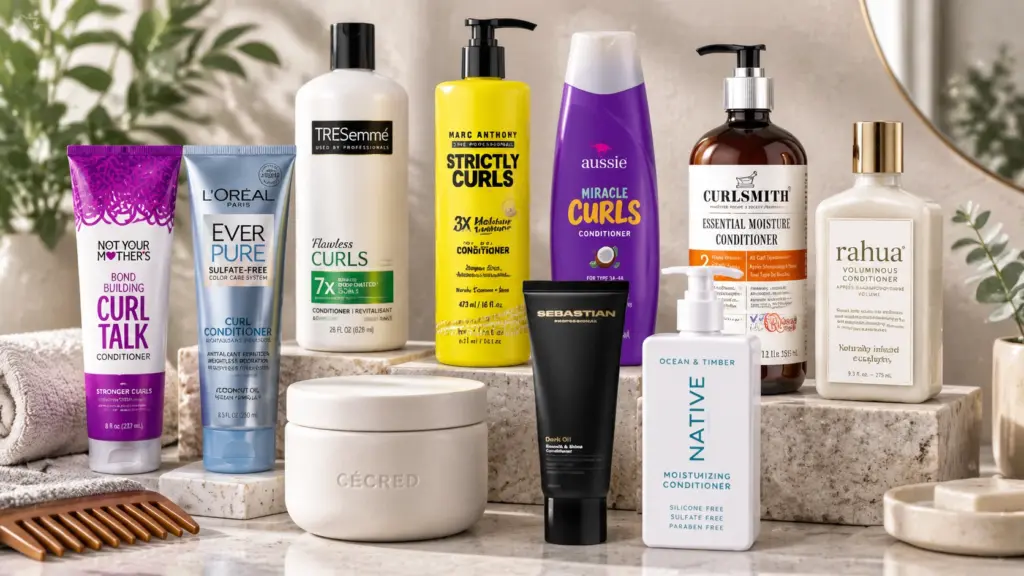
Curly hair can feel soft in the shower and still turn dry, tangled, or flat once it dries. That mismatch usually means your conditioner isn’t giving your hair what it needs.
I find it more useful to look at strand thickness, dryness, damage, and how easily curls get weighed down before choosing the best conditioner for curly hair.
You may need lightweight softness, richer moisture, better detangling, or extra support for processed hair.
Here, you’ll find conditioners suited to different curl concerns, along with practical guidance on curl type, porosity, ingredients, conditioning frequency, and product layering so you can build a routine that feels manageable.
What Curly Hair Needs From a Conditioner
Curly hair has bends and turns that can make natural oils spread less evenly from the scalp through the lengths.
The shape also creates more points where strands can catch against each other, making tangles and friction common concerns- one reason daily curl care habits tend to look different from a straight-hair routine
It should create enough slip for easier detangling, reduce the rough feel between strands, and leave the hair flexible once it dries.
The goal is not to make curls perfectly smooth or coated. Curls still need movement and enough natural spring to respond well to styling afterward. This is why the right conditioning level matters before comparing individual products.
A formula should support the hair without becoming another layer that needs correcting later.
Best Conditioners for Curly Hair
I keep product notes for one reason: two conditioners can both promise “moisture” and behave completely differently once the hair dries. These options cover different needs rather than repeating the same rich formula in slightly different packaging.
1. Cécred Moisturizing Deep Conditioner
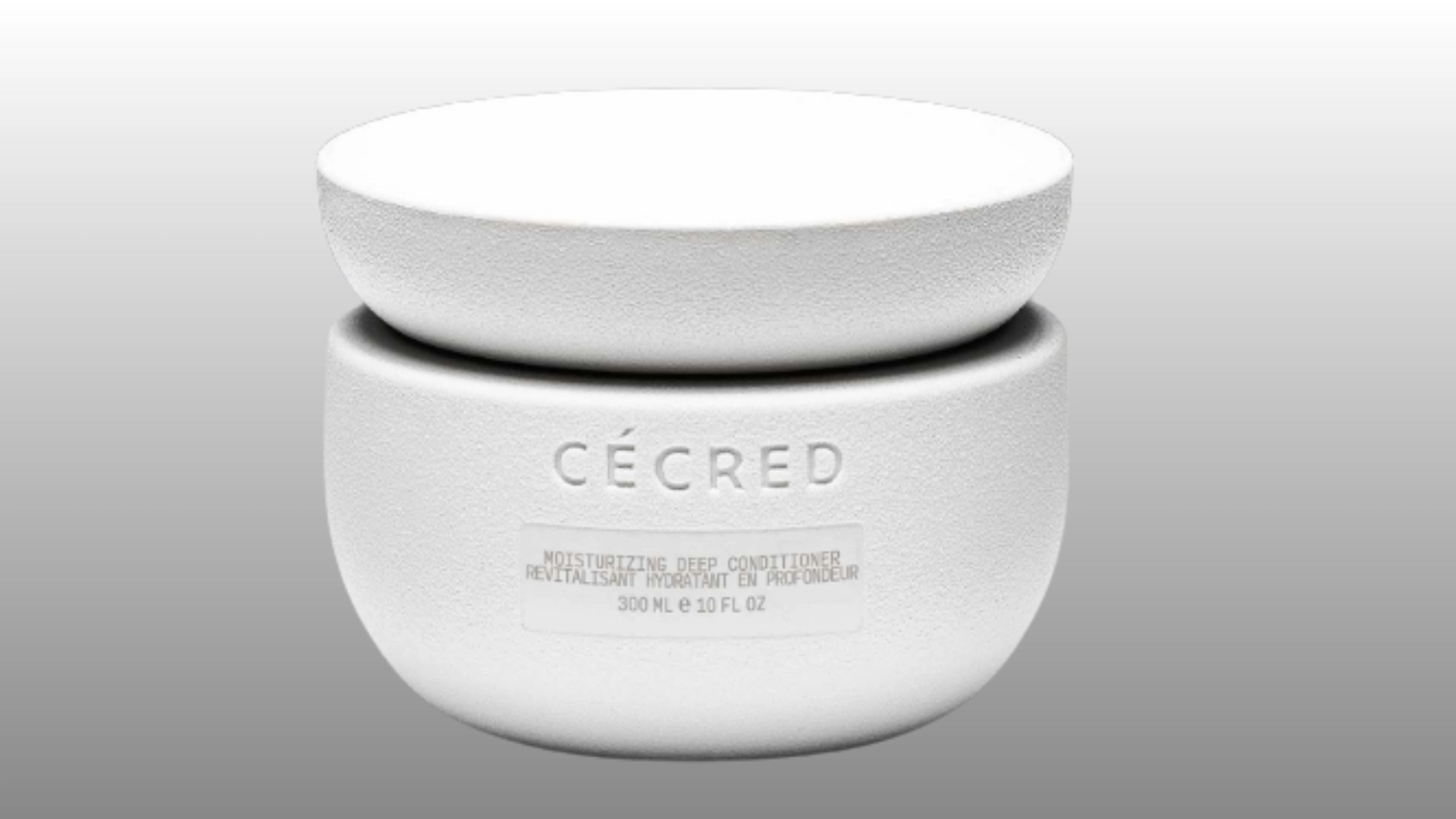
Cécred Moisturizing Deep Conditioner makes more sense when an ordinary rinse-out formula is no longer giving dry or textured hair enough conditioning.
Shea butter and African oils contribute to its richer profile, making this a treatment-oriented option rather than a basic conditioner for every wash.
- Best fit: Curls that feel noticeably rough or stressed after regular conditioning.
- Routine role: Use as the intensive treatment step instead of automatically adding it to every wash day.
- Consider another option if: Fine curls already become limp after rich masks.
2. Briogeo Curl Charisma Conditioner
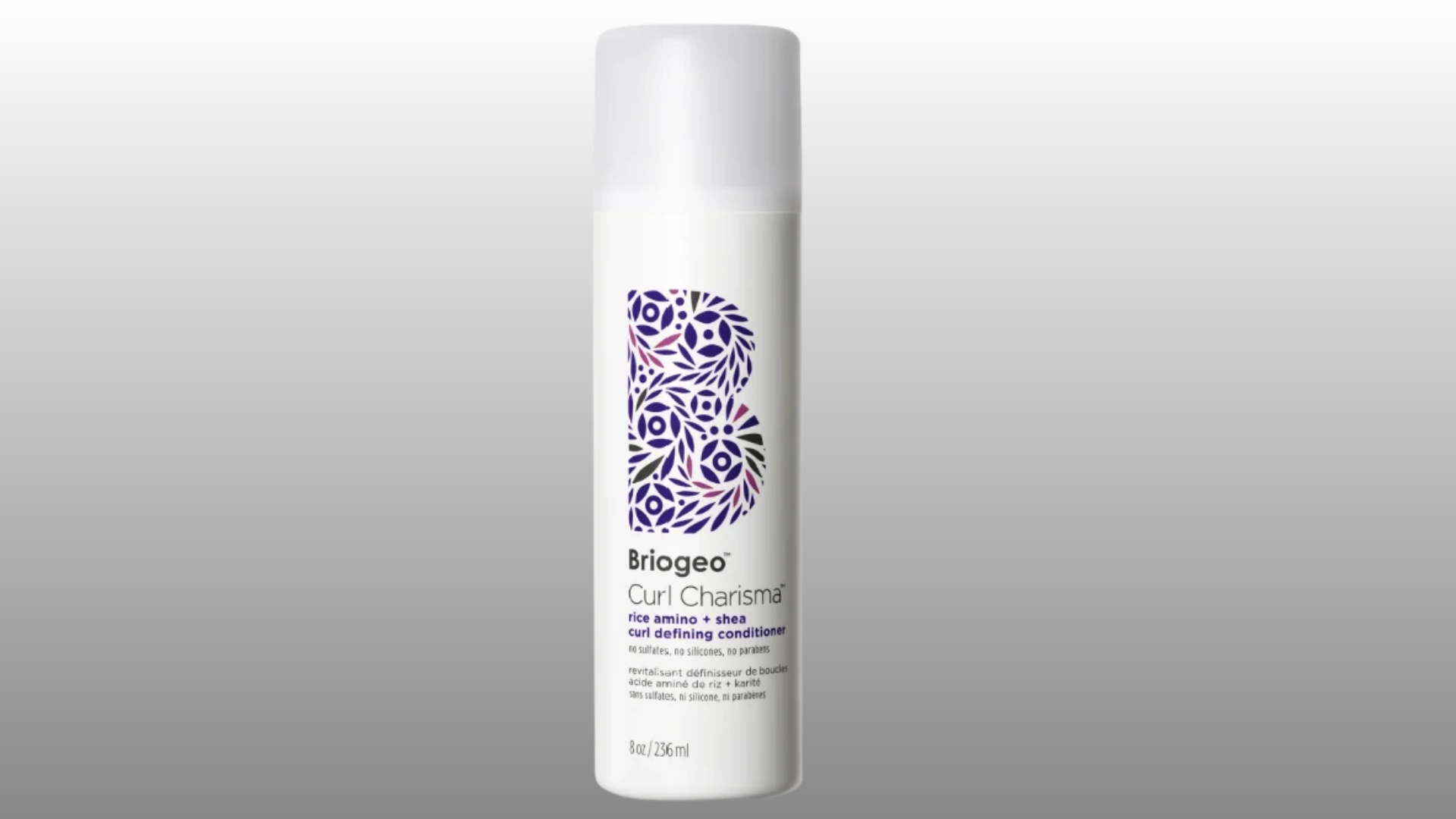
Briogeo Curl Charisma Rice Amino + Shea Curl Defining Conditioner suits a more regular conditioning role.
Its lightweight positioning makes it useful when curls need softness without sacrificing too much movement, especially when heavier butters or masks tend to leave the finished pattern flat or coated.
- Best fit: Wash days where maintaining bounce matters as much as conditioning.
- Routine role: Pair with a separate mousse or gel when stronger hold is needed.
- Consider another option if: Hair consistently needs a much richer detangling formula.
3. SheaMoisture Manuka Honey & Mafura Oil Conditioner
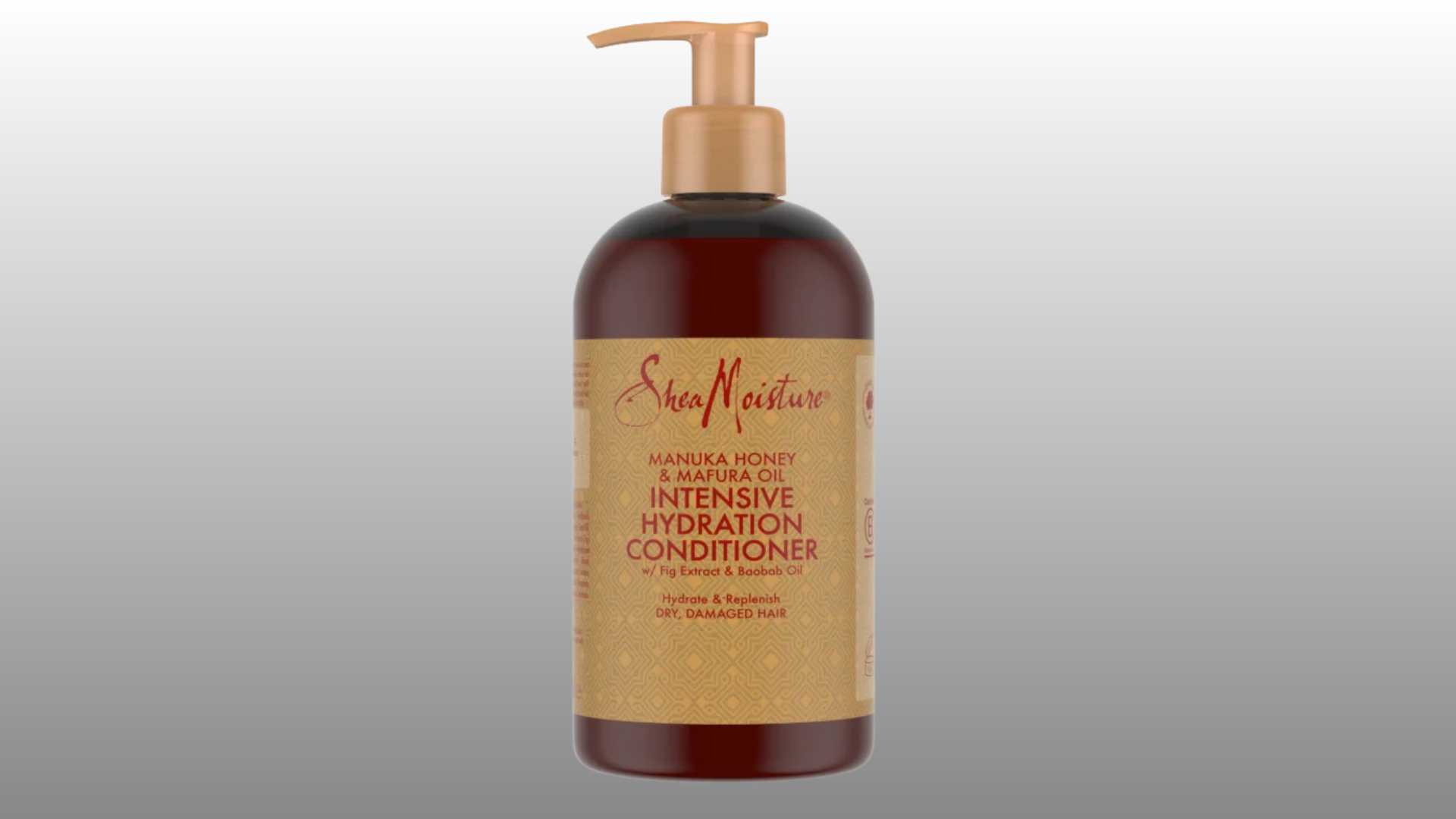
SheaMoisture Manuka Honey & Mafura Oil Intensive Hydration Conditioner suits hair that feels brittle, rough, or difficult to manage.
Its richer conditioning direction makes more sense for curls needing substantial softness than for fine strands that lose shape quickly under heavier products.
- Best fit: Coarser strands or hair going through a particularly dry period.
- Routine role: Concentrate application through the driest mid-lengths and ends.
- Consider another option if: Your main problem is lack of volume rather than lack of softness.
4. SheaMoisture Coconut & Hibiscus Curl & Shine Conditioner
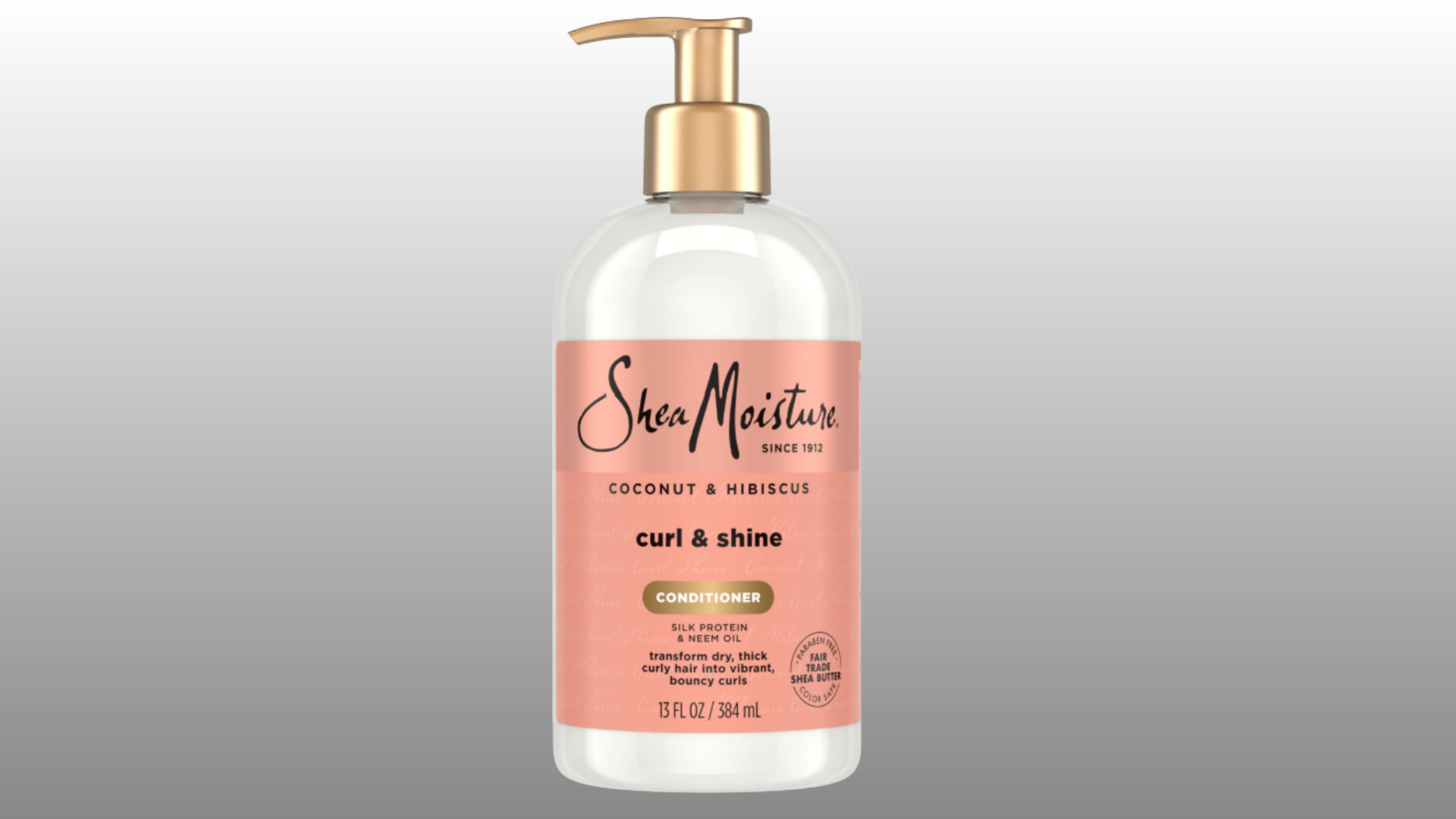
SheaMoisture Coconut & Hibiscus Curl & Shine Conditioner combines an accessible price point with a formula designed at soften and detangle thicker curls.
It is particularly practical for dense hair because generous conditioner use can make cost per wash just as important as the initial bottle price.
- Best fit: Thick or coarse curls that need plenty of slip during detangling.
- Routine role: Work through sections rather than applying a large amount to the whole head at once.
- Consider another option if: Rich conditioners regularly reduce your natural volume.
5. Kérastase Curl Manifesto Conditioner
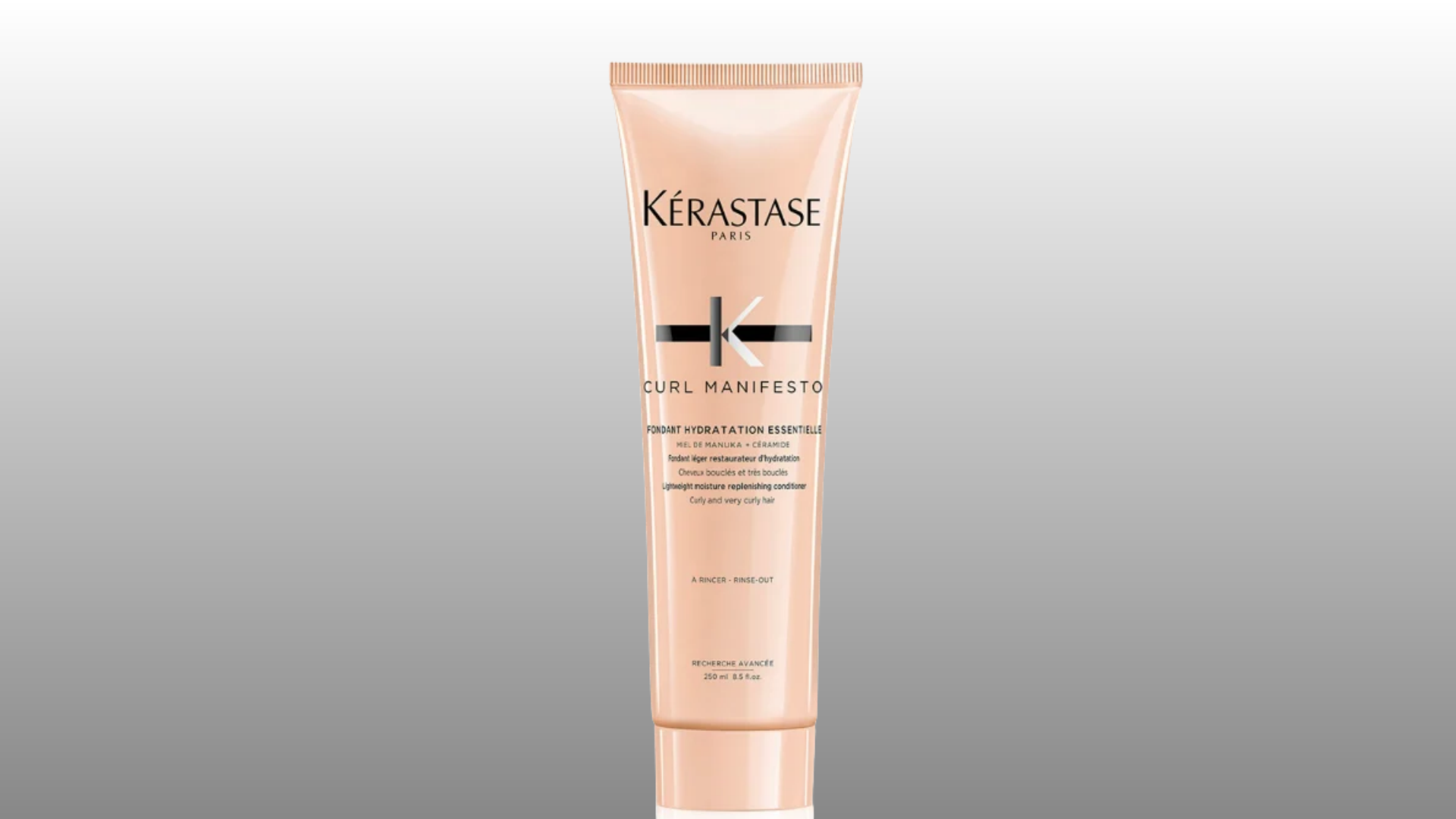
Kérastase Curl Manifesto targets dry, thirsty curls, with manuka honey and ceramides highlighted in the formula.
It gives readers a premium regular-conditioning option without moving into the same intensive-treatment category as a deep mask, keeping its purpose focused on wash-day softness.
- Best fit: Readers willing to spend more on their regular conditioning step.
- Routine role: Use before deciding whether a separate deep treatment is actually necessary.
- Consider another option if: Budget and high-volume product use are major concerns.
6. Olaplex No.5 Curl Bond Shaper Hydrating Curl Conditioner
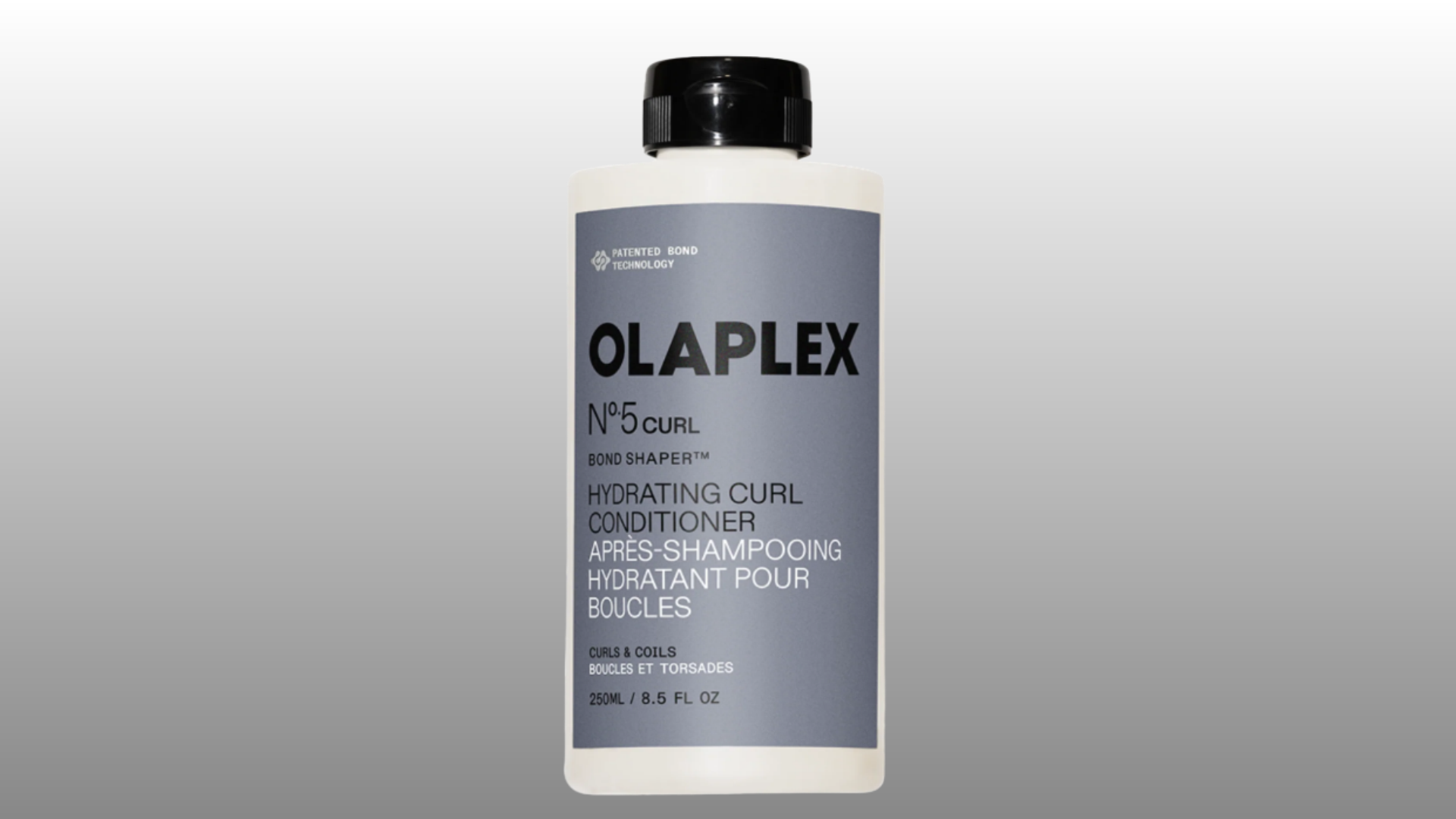
Olaplex No.5 Curl Bond Shaper Hydrating Curl Conditioner brings bond-focused care into the conditioning step.
It is a more relevant option for curls frequently exposed to coloring, heat, or other styling stress than for someone whose untreated hair simply needs an uncomplicated everyday conditioner.
- Best fit: Routines already centered on maintaining processed or stressed curls.
- Routine role: Keep strengthening care separate from the hold products used afterward.
- Consider another option if: Your hair is healthy and your only goal is basic softness.
7. Not Your Mother’s Curl Talk Bond Building Conditioner
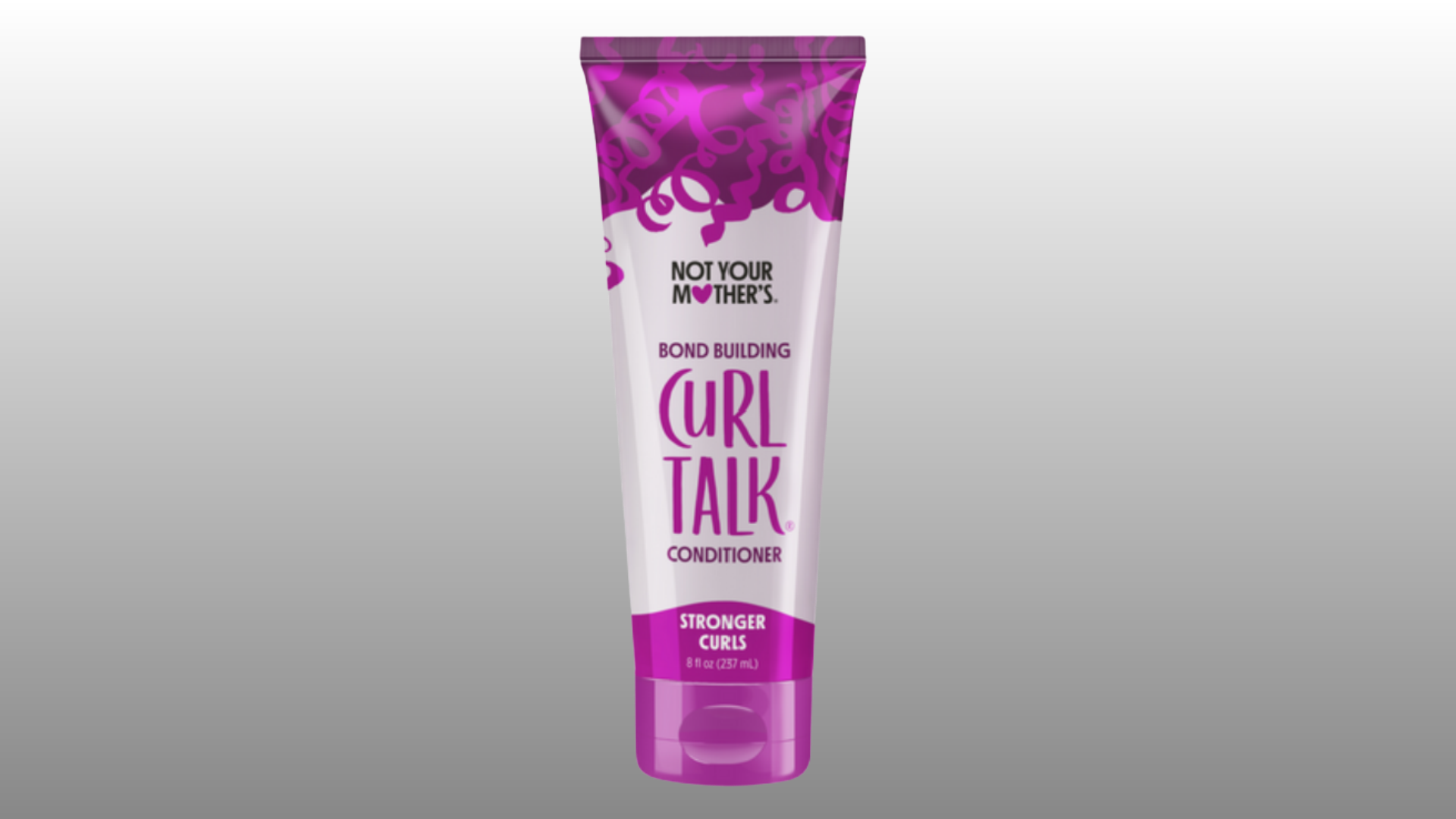
Not Your Mother’s Curl Talk Bond Building Conditioner offers a more budget-conscious entry into bond-focused curl care.
It works best as an alternative for readers interested in strengthening-oriented conditioning but unwilling to make a higher-priced salon product part of every regular wash-day routine.
- Best fit: Budget-focused routines dealing with styling or processing stress.
- Routine role: Introduce it without changing every other product at the same time.
- Consider another option if: Detangling very coarse hair is your main priority.
8. L’Oréal Paris EverCurl Hydracharge Conditioner
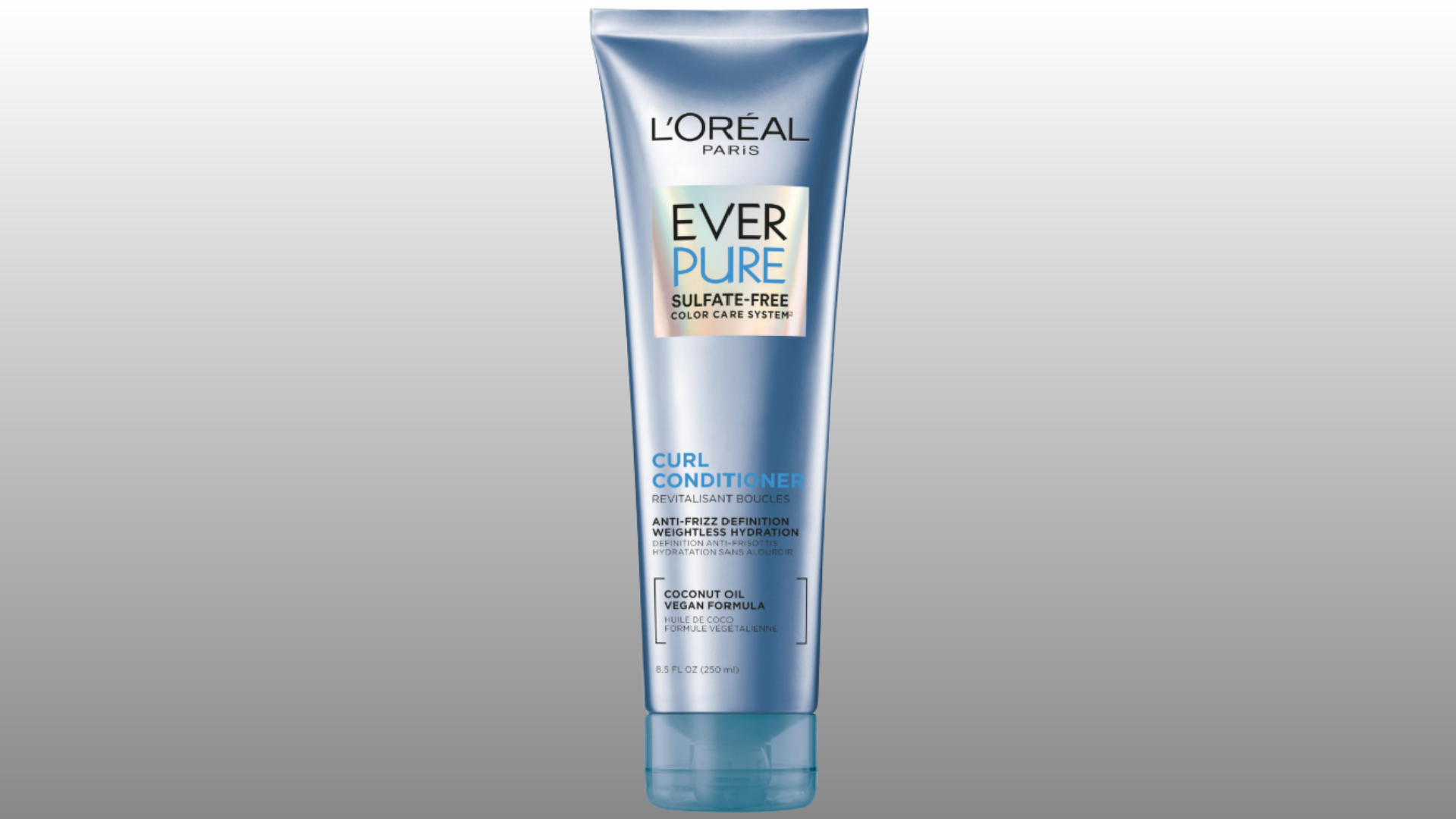
L’Oréal Paris EverCurl Hydracharge Conditioner works well as a straightforward everyday option rather than a highly specialized treatment.
Its place is in routines where the conditioner needs to handle basic wash-day softness while leave-ins, creams, mousse, or gel take responsibility for the finished curl definition and hold.
- Best fit: Readers who prefer an uncomplicated drugstore routine.
- Routine role: Let styling products handle shape instead of overloading the conditioning stage.
- Consider another option if: Severe dryness requires a more intensive treatment.
9. TRESemmé Flawless Curls Conditioner
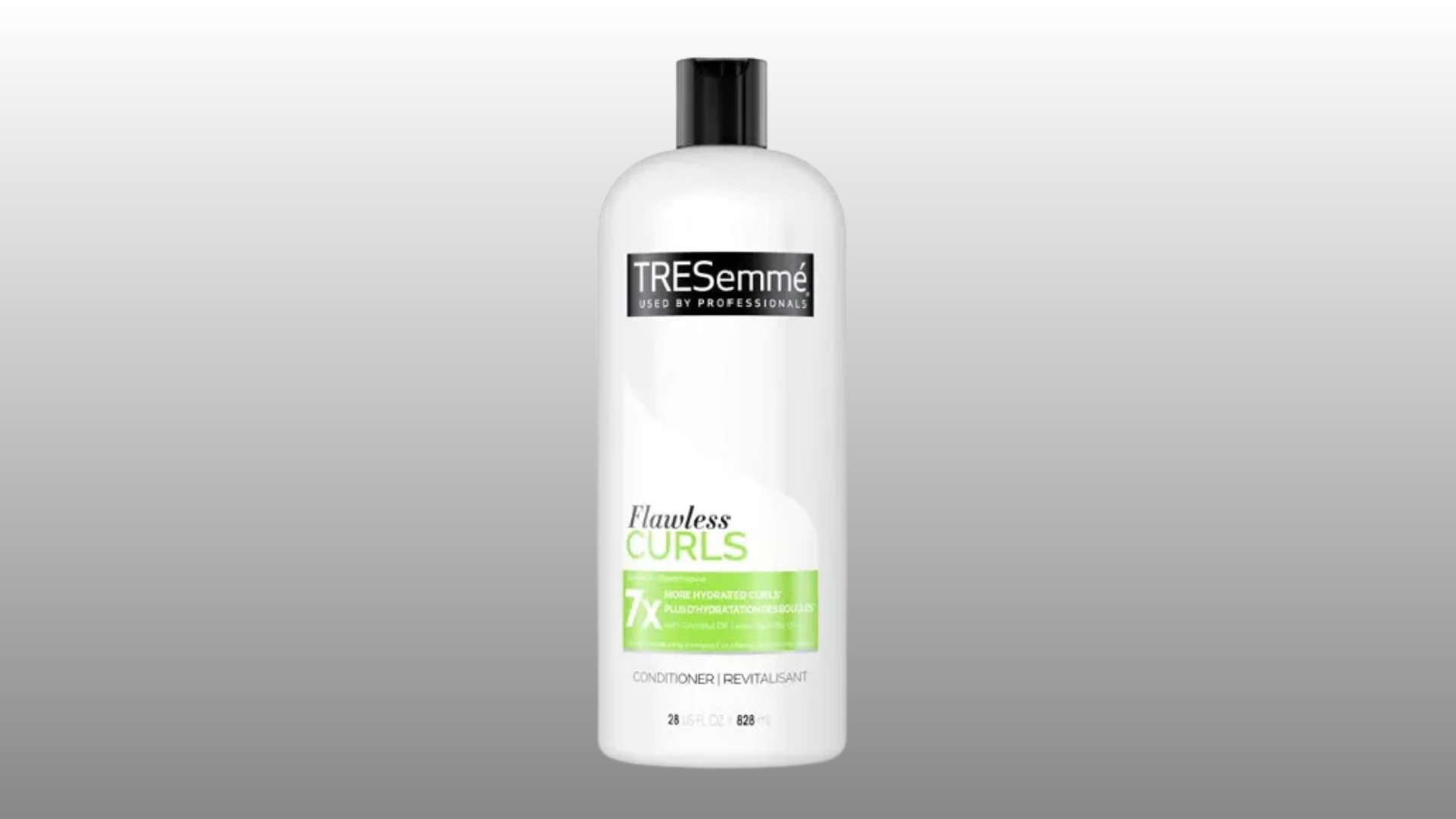
TRESemmé Flawless Curls Conditioner is a practical choice for people who use a large amount of conditioner and want to keep wash-day costs manageable.
This matters most with long or dense hair, where a small premium bottle may finish much faster than expected.
- Best fit: High-volume conditioner users who prioritize affordability.
- Routine role: A regular rinse-out step rather than a replacement for occasional treatments.
- Consider another option if: You specifically want bond care or a lightweight premium formula.
10. Marc Anthony Strictly Curls 3X Moisture Conditioner
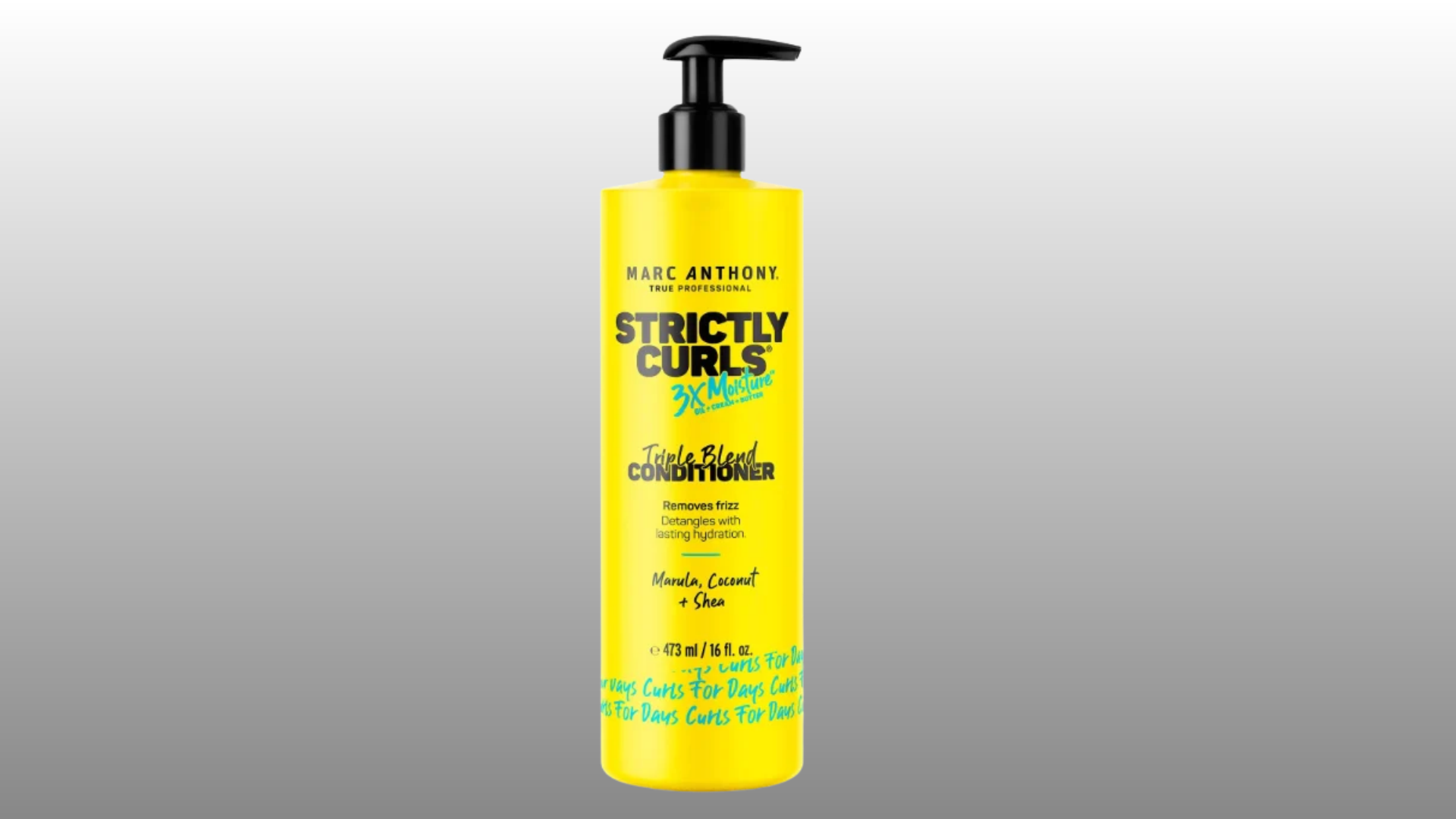
Marc Anthony Strictly Curls 3X Moisture Triple Blend Conditioner belongs on the richer side of the list.
It makes more sense for curls that routinely need substantial conditioning than for hair that becomes flat easily, allowing the lighter recommendations to serve those prioritizing airiness and root lift.
- Best fit: Dry-feeling curls that consistently prefer richer wash-day products.
- Routine role: Keep subsequent leave-in amounts modest before adding more moisture.
- Consider another option if: Fine waves lose their pattern after conditioning.
11. Aussie Miracle Curls Conditioner
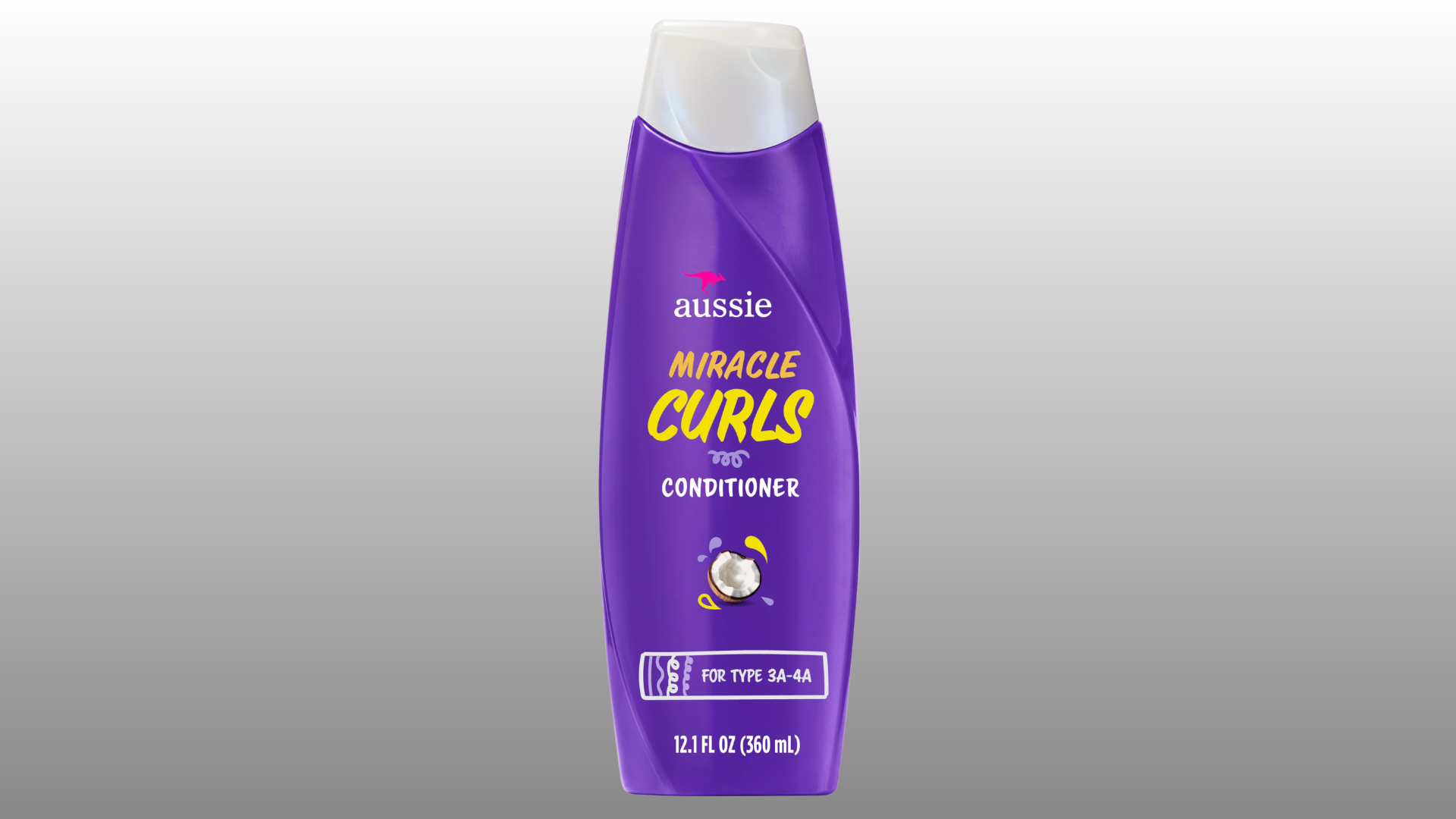
Aussie Miracle Curls Conditioner with Coconut Oil offers a simple drugstore route to softer, easier-to-manage curls.
It is better treated as an everyday conditioning product than as a repair treatment, giving readers another accessible option when affordability and easy repurchasing matter more than specialized treatment claims.
- Best fit: Straightforward wash routines built around widely available products.
- Routine role: Follow with only the styling products needed for the desired finish.
- Consider another option if: You specifically need intensive or bond-focused conditioning.
12. Curlsmith Essential Moisture Conditioner
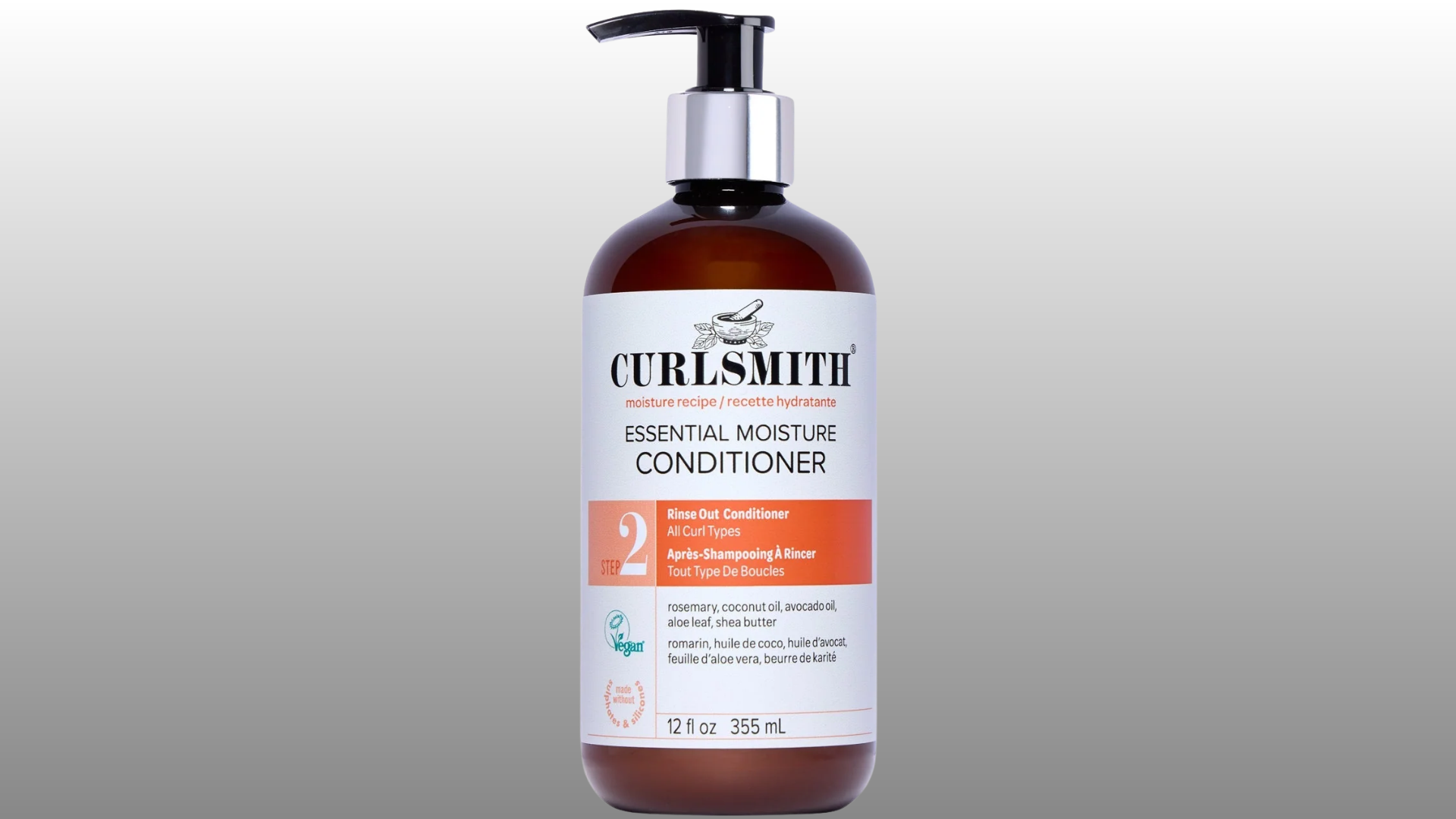
Curlsmith Essential Moisture Conditioner combines hydration with a lightweight, softening approach and is described for multiple curl types.
That makes it especially useful for readers who want conditioning without immediately reaching for heavier formulas, including looser curls that can lose movement when too many rich products are layered.
- Best fit: Waves and curls that need softness but are sensitive to product weight.
- Routine role: A useful middle ground between very light and deeply rich formulas.
- Consider another option if: Coarse hair needs significantly more slip for detangling.
13. Rahua Classic Conditioner
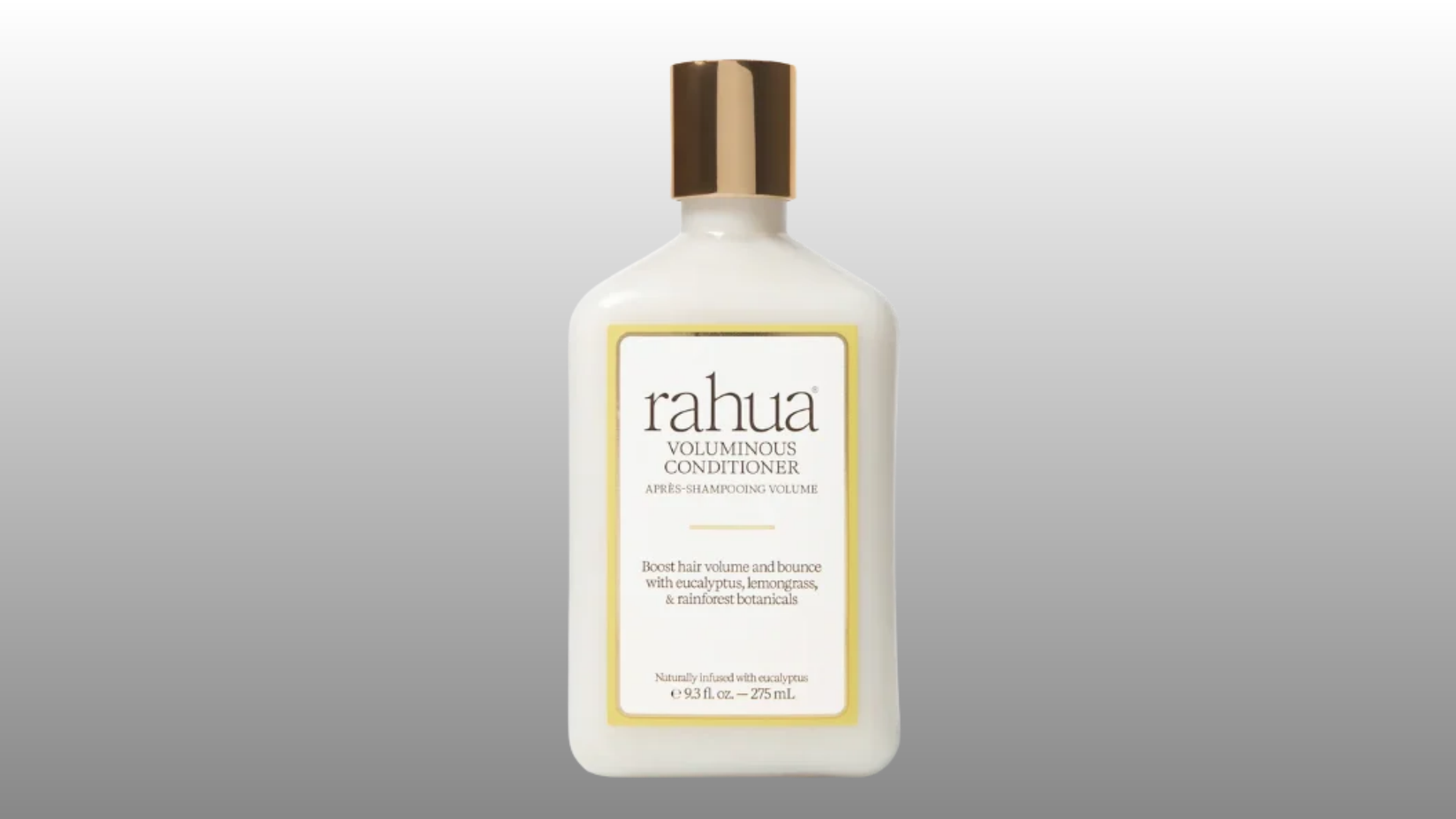
Rahua Classic Conditioner is useful when hair feel matters more than relying only on a curl-type number.
Conditioner selection can change between soft, medium, and rough strand textures, so two people with visually similar curl patterns may still require very different amounts of richness and slip.
- Best fit: Readers choosing products according to strand feel as well as curl pattern.
- Routine role: Assess the dried result before deciding whether to increase product quantity.
- Consider another option if: Your priority is an inexpensive drugstore conditioner.
14. Native Conditioner
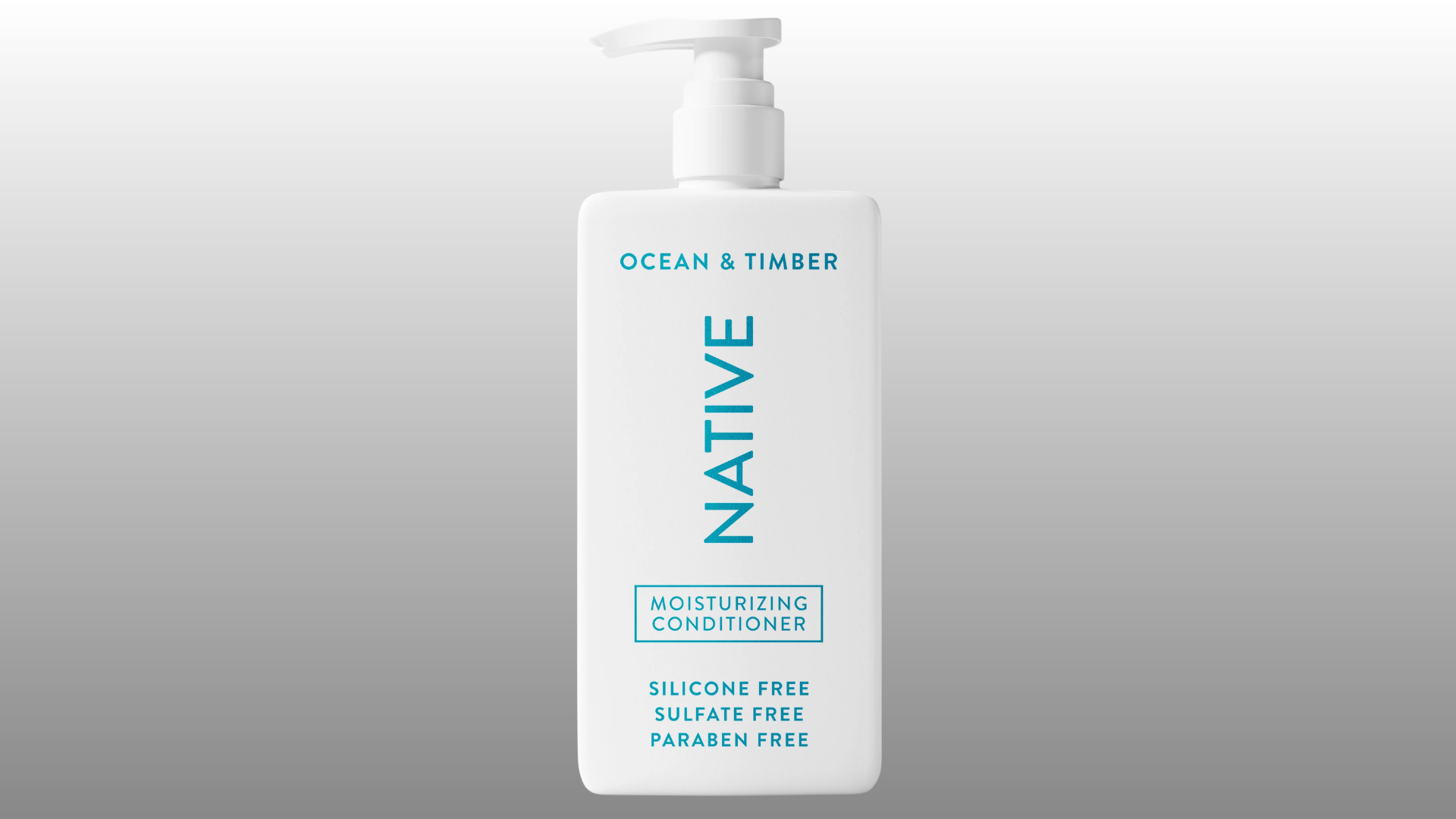
Native Conditioner can fill the uncomplicated rinse-out slot in a curl routine that does not require a specialized treatment every wash.
Keeping this step simple can be useful when the hair already feels healthy, and the greater challenge is styling, product layering, or maintaining consistent definition afterward.
- Best fit: Minimal routines where conditioner only needs to handle the basic wash-day step.
- Routine role: Add specialized treatments separately when a specific concern develops.
- Consider another option if: You need a conditioner chosen specifically for severe dryness or damage.
15. Sebastian Dark Oil Conditioner
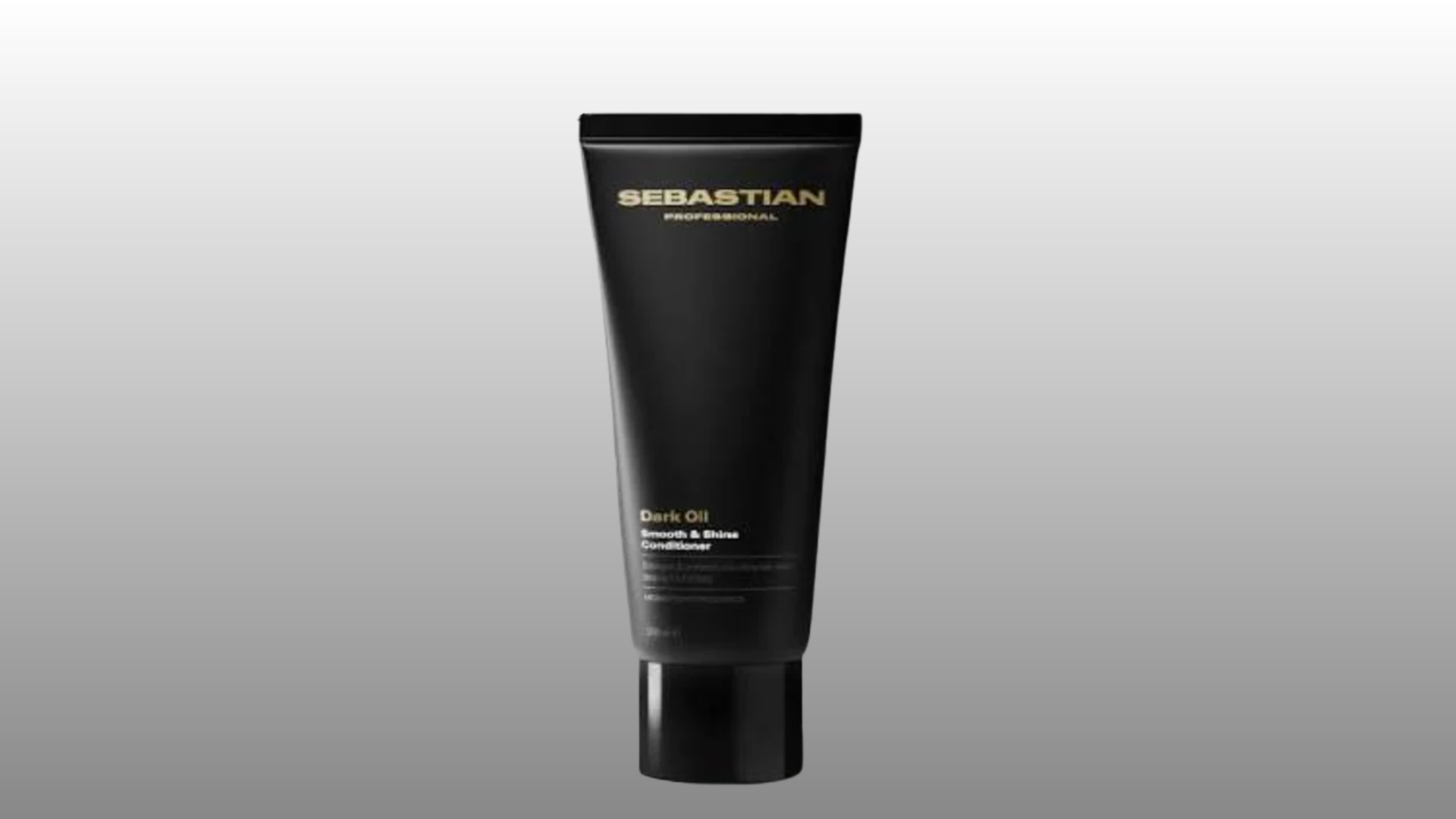
Sebastian Dark Oil Conditioner is worth considering for curly and slightly coily textures when smoothness is a major priority.
The recommendation is particularly useful as a reminder that a conditioner does not have to be marketed exclusively as a “curl conditioner” to suit naturally textured hair.
- Best fit: Curly or slightly coily hair looking beyond curl-branded product lines.
- Routine role: Judge it by the dried finish rather than the wording on the bottle.
- Consider another option if: You specifically want a lightweight curl-definition formula.
How to Match a Conditioner to Your Curl Type
Curl pattern narrows the field, but it shouldn’t make the decision on its own.
Strand thickness changes how much conditioning weight your hair can comfortably carry, and someone with fine Type 3 curls may need noticeably less product than someone with coarse Type 2 waves, especially once you start distinguishing waves from curls in your own hair.
Hair Pattern | Conditioner Direction | Main Goal |
|---|---|---|
Type 2 waves | Lightweight | Maintain bounce and movement |
Type 3 curls | Light to medium-rich | Balance softness with shape |
Type 4 coils | Medium to richer | Improve slip and manageability |
Fine strands | Lighter texture | Limit heaviness |
Coarse strands | More substantial formula | Increase softness |
Treat your curl number as a starting point, not a shopping rule. Density, length, chemical services, and how you style day to day will all push the decision further in one direction.
Why Porosity Changes the Right Answer
Porosity describes how readily hair takes in and lets go of moisture, and it explains why the same bottle can leave one person’s curls soft while making someone else’s feel coated.
That difference traces back to the cuticle itself: curly strands naturally have their cuticle layers packed closer together than straighter hair, part of why they’re slower to fully saturate and quicker to dry back out once they do.
- Low porosity: a tight cuticle that resists product, so rich layers tend to sit on top instead of sinking in.
- Medium porosity: tolerates a broad range of formulas without needing either extreme.
- High porosity: loses moisture fast, especially after coloring, heat, or physical damage.
Use porosity as a troubleshooting clue rather than a rigid label. How your hair behaves after a few consistent wash days tells you more than any single category ever will.
Ingredients Worth Checking on the Label
A familiar ingredient name on its own doesn’t tell you much. What matters is what that ingredient group is actually doing inside the formula.
Ingredient Group | Examples | Main Role |
|---|---|---|
Humectants | Glycerin, aloe | Attract water into the strand |
Oils and emollients | Argan, jojoba | Support softness, reduce roughness |
Butters | Shea butter | Add richer conditioning |
Proteins | Rice or silk proteins | Support strengthening for stressed hair |
Conditioning agents | Cationic ingredients | Improve slip and manageability |
The full formula matters more than one impressive-sounding ingredient near the top of the label. Products list ingredients in descending order by amount, which is a useful habit to check before trusting a marketing claim on the front of the bottle.
Moisture or Protein: Reading What Your Curls Are Telling You
More moisture isn’t the automatic fix every time curls stop cooperating. Hair that feels rough, rigid, or hard to detangle usually wants more conditioning.
Hair that feels unusually weak, stretchy, or unable to hold its normal shape is often asking for protein instead, and piling on more moisture in that case can make things worse, not better.
Protein has a place in curl care, particularly for hair under regular styling or chemical stress, but it doesn’t need to run on a fixed weekly schedule.
Watch how your hair responds after washing, drying, and styling. The goal is softness with enough structure left for your curl pattern to actually hold.
Rinse-Out, Leave-In, and Deep Conditioner Aren’t Interchangeable
Three products can all say “conditioner” on the label while doing three different jobs.
- Rinse-out conditioner handles everyday softness, slip, and detangling, then washes away.
- Leave-in conditioner stays on the hair after washing and preps it for styling.
- Deep conditioner steps in as a more intensive treatment when regular conditioning isn’t cutting it, similar to reaching for a coconut oil treatment between salon visits.
Using all three at full strength every single wash day doesn’t guarantee a better result. Fine or easily flattened hair often needs little more than a rinse-out formula and a light styler, while drier hair benefits from adding that extra deep-conditioning step on top.
Curly Hair Products Beyond Conditioner
Conditioner shouldn’t have to carry the entire routine. A shorter lineup where every bottle has exactly one job is the only way to actually troubleshoot when something stops working.
- Shampoo: removes scalp oil, sweat, and styling buildup.
- Low-poo cleanser: a gentler cleansing option when a full shampoo feels like too much.
- Leave-in conditioner: adds post-wash softness before styling.
- Curl cream: groups curls together with a softer finish.
- Mousse: lighter hold that supports volume.
- Gel: stronger structure and longer-lasting definition.
- Serum or oil: a finishing step, used sparingly.
- Curl refresher: reshapes select sections between wash days.
Building a Simple Wash-Day Routine
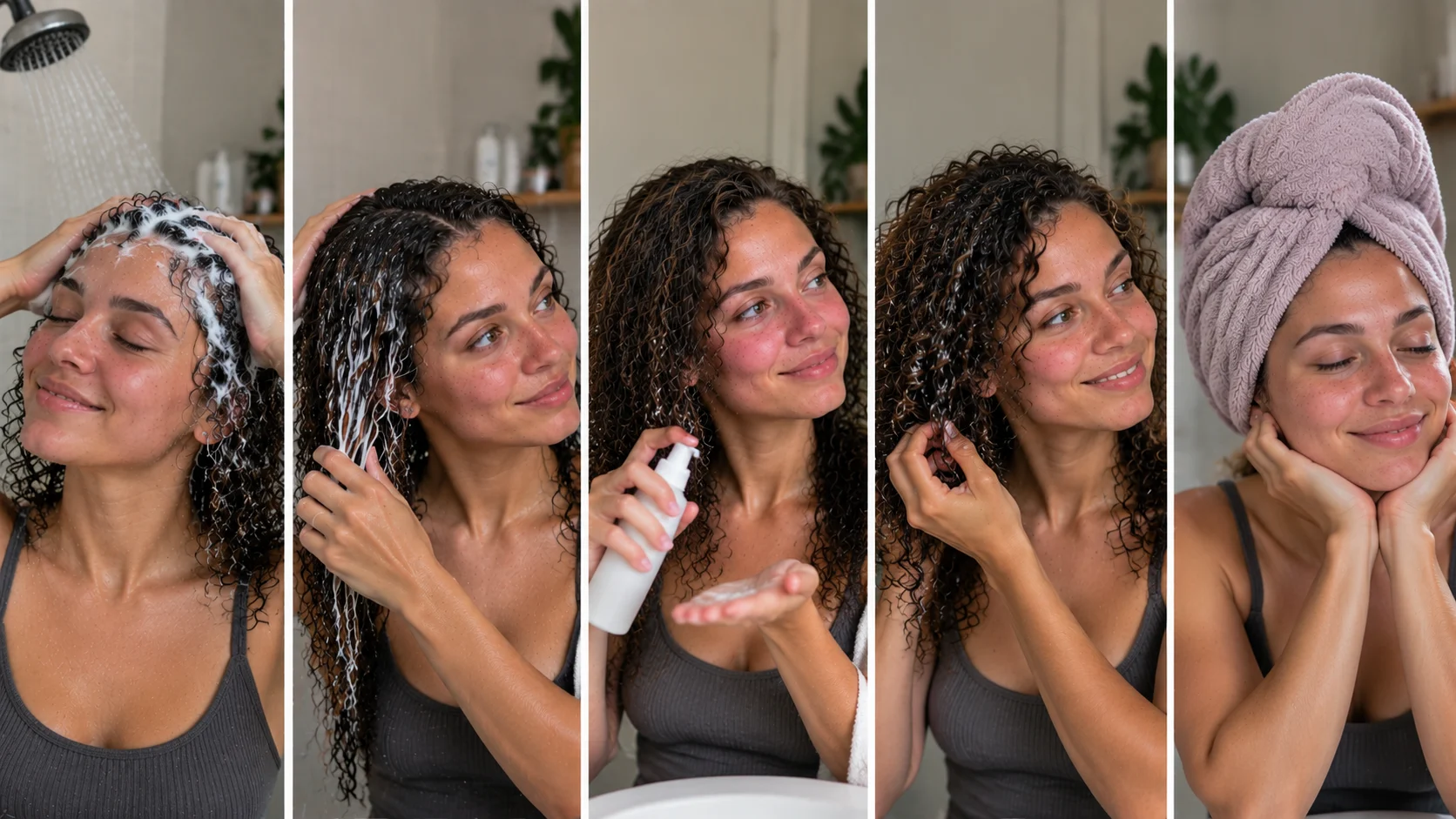
The night before something important, nobody wants a routine that demands ten decisions. Keep the order clear and give every step one purpose.
- Cleanse the scalp. Focus the cleanser where oil, sweat, and residue actually collect.
- Condition the lengths. Apply through the areas that need slip instead of automatically coating the roots.
- Detangle gently. Work in sections while hair is still lubricated with conditioner.
- Rinse as directed. A rinse-out formula isn’t a leave-in, even if it feels good to skip that step.
- Add leave-in when needed. Start with a modest amount and build from there.
- Apply the styler. Cream, mousse, gel, or a combination that fits your finish.
- Let the pattern set. Air-dry or diffuse without constantly touching the curls.
How Often to Condition Curly Hair
Regular conditioning usually follows your cleansing schedule rather than a fixed number of days. Wash more because of exercise, scalp oil, or heavy styling products, and you’ll naturally condition more often too.
Deep conditioning works on its own timeline. It earns a spot when hair actually feels unusually rough, dry, or stressed, not on autopilot every single week.
Leave-in frequency shifts the same way: some wash days need it, and plenty of others do fine without that extra layer.
Common Mistakes That Waste a Good Conditioner
Judging a conditioner only by how it feels dripping wet in the shower is the same mistake as judging a fresh haircut only in the mirror before it’s had a chance to grow out and settle. Watch for these repeated signs instead of writing a product off after one wash:
- Detangling stays difficult wash after wash.
- Hair feels rough as soon as it’s rinsed.
- A coated feeling builds up over time.
- Curls consistently dry flatter than they used to.
- Natural movement noticeably decreases.
- Strands go excessively soft with no structure left.
- Styling products stop applying evenly over the conditioner.
Check the hair after it’s fully dry, and again later in the wash cycle, not just in the shower. A conditioner that feels great wet but consistently leaves curls heavy once dry isn’t solving the problem you actually have.
Frequently Asked Questions
Does fine curly hair need leave-in conditioner?
Not always. Some fine curls do well with a small amount, while others hold up better with just rinse-out conditioner followed straight by mousse, gel, or another light styler.
Can regular conditioner replace deep conditioner?
No. Regular conditioner handles everyday softness and detangling, while deep conditioner is a more intensive treatment for when your hair needs extra help.
What is low-poo?
Low-poo refers to a gentler cleansing approach. It can work well in a curly routine, but it still has to remove enough oil, sweat, and styling residue to keep your scalp healthy.
How do I know if my curly hair needs protein or moisture?
Rough, rigid, or hard-to-detangle hair usually points to a moisture gap. Hair that feels weak, overly stretchy, or unable to hold its shape is more likely asking for protein.
How often should curly hair be deep conditioned?
Let your hair’s condition set the schedule instead of the calendar. A weekly cadence works for some routines, but it should be driven by how rough or stressed the hair actually feels, not a fixed rule.
Final Verdict
If I had to send someone home with one instruction, it’s this: judge your conditioner by how your curls look after they’ve fully dried, not by how soft they felt for three minutes in the shower.
The best conditioner for curly hair on this list isn’t a single product; it’s whichever one matches your porosity and strand thickness, the same way SheaMoisture’s Manuka Honey formula fits coarse, brittle curls while Briogeo Curl Charisma fits a lighter wash day that still needs bounce.
Start with one honest change at a time, give it a full wash cycle to prove itself, and let the dried result make the call.