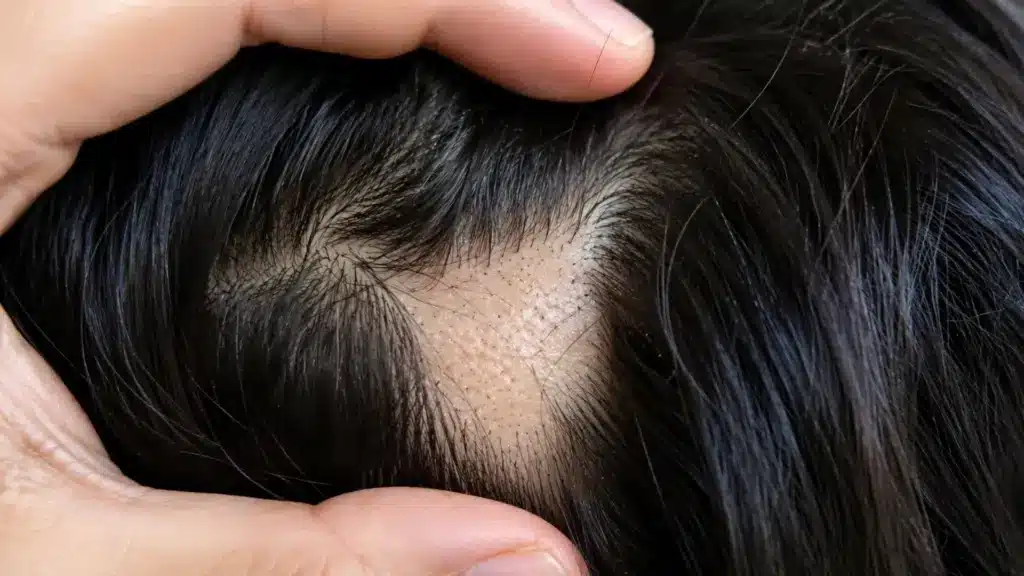
Watching more hair collect in the shower drain or noticing a patch of scalp that suddenly looks smoother than before can feel unsettling.
For many people, the first thought is hard to ignore: Is this temporary thinning, or are the follicles permanently gone?
That question often leads to searching for answers about what dead hair follicles look like and whether there is still hope for regrowth.
The confusing part is that dead and dormant follicles can appear surprisingly similar at first glance. Hair is deeply connected to confidence and identity, which makes every small scalp change feel personal.
Knowing how to recognize the visual signs early can help remove some of the fear and uncertainty surrounding hair loss.
What are Hair Follicles?
A hair follicle is a small, tunnel-shaped structure beneath the scalp that produces hair.
At the base sits the bulb, where cells build the hair shaft.
The dermal papilla connects the follicle to its blood supply, while the bulge region contains stem cells that help regenerate hair after shedding.
Follicles move through three stages:
- Anagen, the active growth phase
- Catagen, the transition phase
- Telogen, the resting phase
Most scalp follicles stay in anagen at any time. When a follicle loses its blood supply, stem cells, or structural integrity, it can no longer complete this cycle.
That is what “dead” means in the context of hair follicles. Understanding this anatomy makes the distinction between dead and dormant meaningful.
If follicles are confirmed dead, the main path forward is hair transplant options, a procedure that relocates healthy follicles from donor areas to restore coverage.
What Do Dead Hair Follicles Look Like?
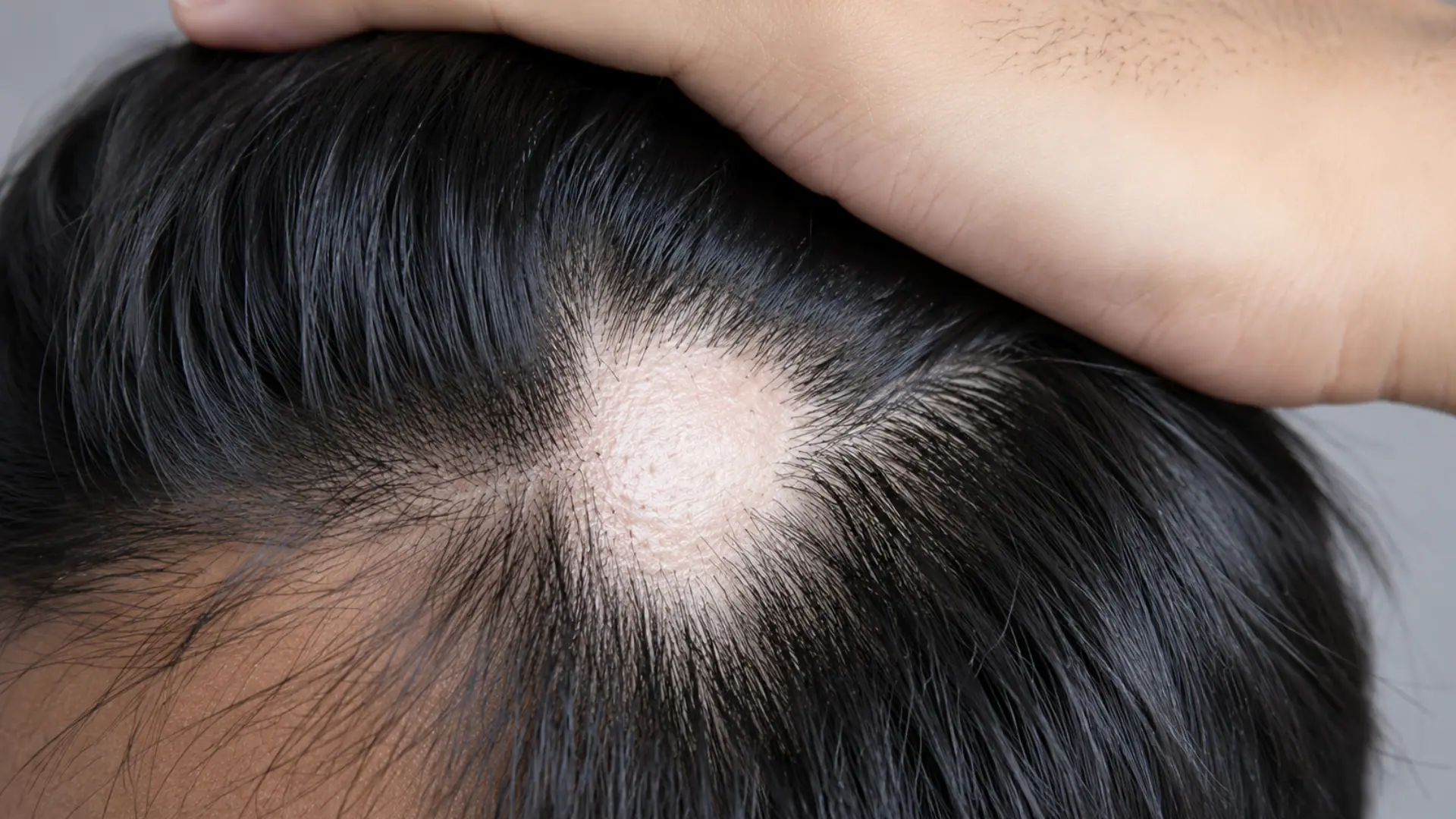
Dead hair follicles usually appear as smooth, shiny areas with no visible pores, peach fuzz, or fine hairs.
These spots often reflect more light than the surrounding areas because the natural follicle texture is no longer present on the scalp surface.
The skin may also look slightly pale or scar-like, especially in cases linked with scarring alopecia. In some people, the affected area may feel tighter or flatter compared to healthy parts of the scalp.
Common signs include a smooth scalp texture, missing follicle openings, no vellus hair or stubble, slight redness or color change, and bald patches that stay unchanged for long periods.
Some areas may also appear waxy or unusually polished under bright lighting.
The National Institutes of Health notes that scarring alopecia often leaves smooth, bare patches after inflammation fades.
Still, a bald area does not automatically mean follicles are dead. Some follicles may still be dormant or miniaturized, which means certain treatments could still help restore hair growth.
What’s the Difference Between Dead vs Dormant Hair Follicles?
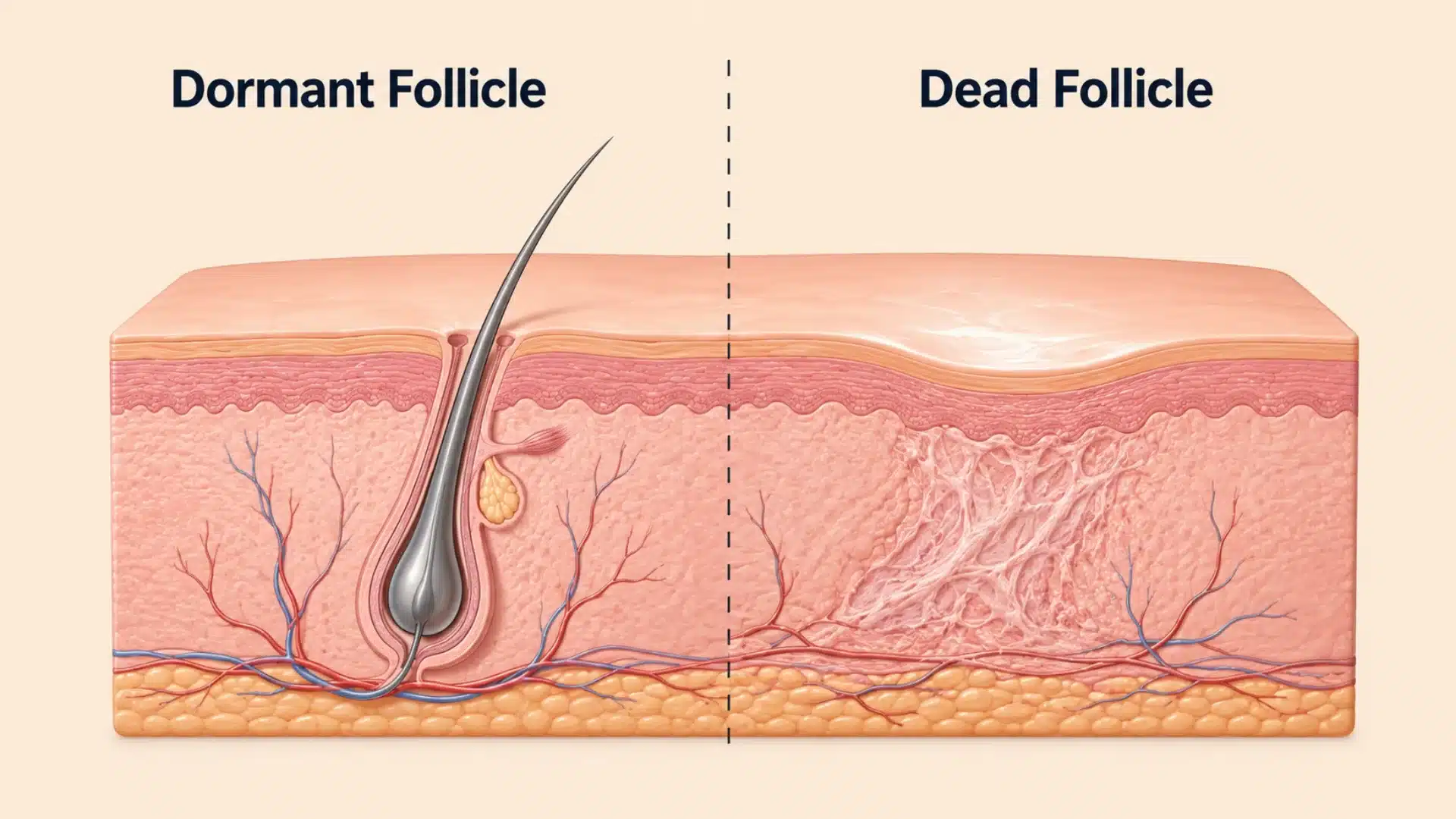
A dormant follicle is still alive means it still has a blood supply, stem cells, and the ability to grow hair again with the right treatment.
Stress, hormones, nutritional gaps, and androgenetic alopecia can push follicles into this inactive state.
These follicles may produce only thin vellus hairs, making the scalp appear bald even though the follicles still exist.
A dead follicle no longer has that structure. In conditions like scarring alopecia, inflammation destroys the follicle and replaces it with scar tissue. Once that happens, natural regrowth is no longer possible.
The American Academy of Dermatology explains that shrinking follicles in androgenetic alopecia can still respond to early treatment, but scarred follicles cannot. That difference is what matters most.
One thing I always mention to anyone asking about this: timing matters more than people expect.
For anyone whose hair loss has progressed, reading about real transplant results can help set realistic expectations for what restoration actually looks like.
Common Causes of Dead Hair Follicles
Dead hair follicles usually develop after long-term inflammation, physical damage, or untreated hair loss that permanently destroys the follicle structure beneath the scalp.
- Scarring alopecia: Conditions like lichen planopilaris, CCCA, and frontal fibrosing alopecia trigger inflammation that destroys follicles and stem cells permanently.
- Physical trauma: Burns, harsh chemical relaxers, severe dye damage, and repeated tension from tight hairstyles can scar the follicle instead of allowing it to heal.
- Advanced androgenetic alopecia: Long-term pattern hair loss can shrink follicles so much that they stop producing visible hair completely. This process is commonly known as follicle miniaturization.
- Chronic inflammation: Ongoing scalp irritation or untreated inflammatory conditions may slowly replace healthy follicle tissue with scar tissue.
- Autoimmune conditions: Certain immune disorders directly attack follicle cells, leading to irreversible follicle damage and permanent bald patches.
- Severe scalp infections: Untreated fungal or bacterial infections can damage follicles deeply enough to cause permanent hair loss. Repeated infections may increase the risk of visible scarring on the scalp.
- Poor scalp circulation over time: Reduced blood flow caused by chronic health conditions, smoking, or severe scalp tension may weaken follicles and affect their ability to support healthy hair growth for extended periods.
How to Check Hair Follicles at Home?
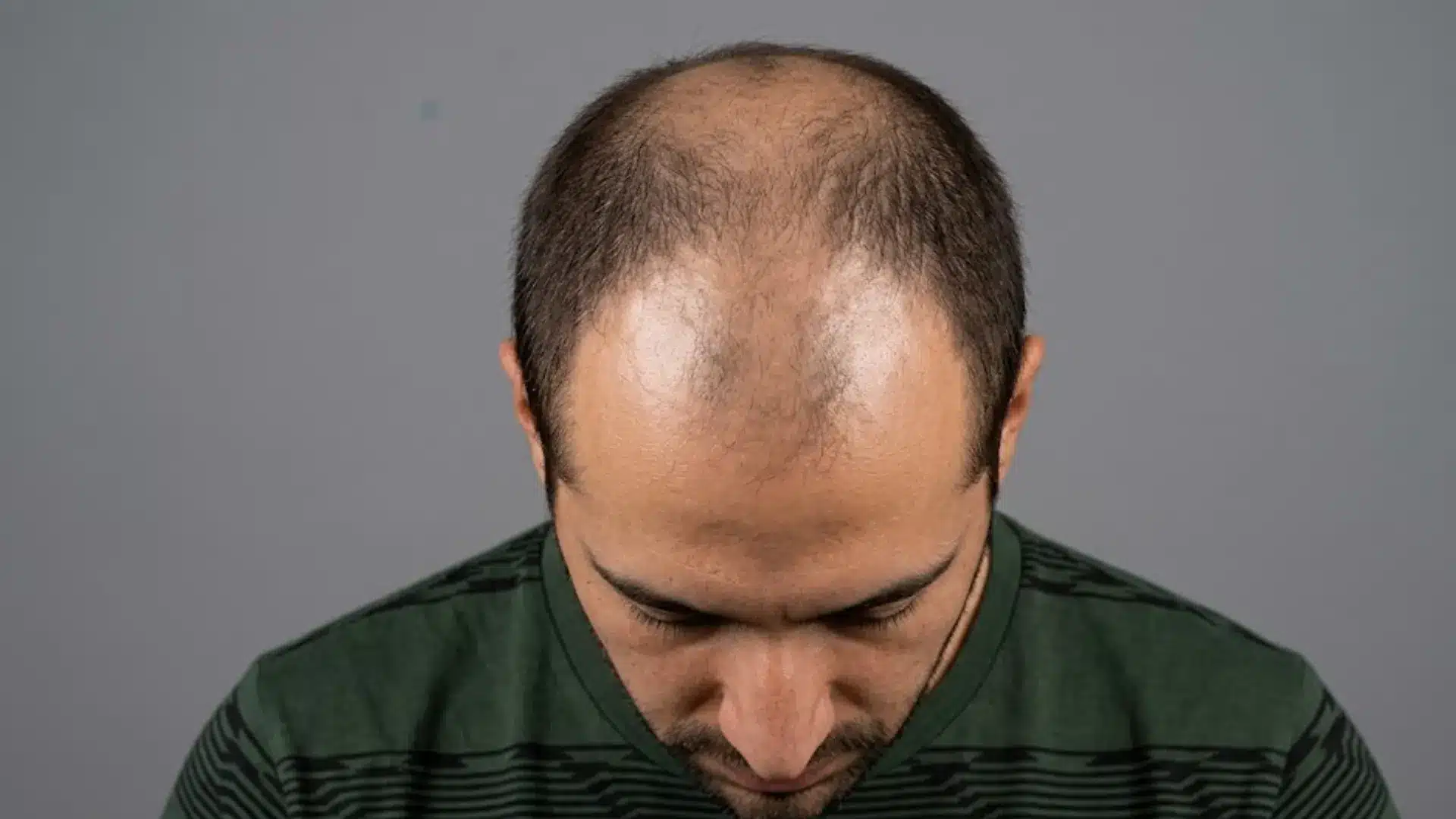
You can get a rough sense of follicle health at home using good lighting and a close look at the scalp’s texture and pore openings.
When I look at a bald patch, the first thing I check is texture. Completely smooth, almost glassy skin with zero visible openings is the real red flag
Healthy or dormant follicles usually show tiny pores, uneven texture, and fine vellus hairs. Dead follicles often appear smooth, shiny, and completely bare, resembling scar tissue.
A few simple checks can help:
- Run a fingertip across the area and feel for texture differences
- Look for peach-fuzz hairs under bright light or a magnifying mirror
- Compare photos taken over several weeks to track whether the patch is growing
- Check the patch edges for redness, scaling, or irritation
- Try a clinically backed treatment like minoxidil for 3 to 6 months and observe the response. If there is no new vellus growth and no change in texture, that non-response is itself a useful signal worth discussing with a dermatologist.
This will not confirm a diagnosis. It can, however, help you track changes and give a specialist useful context before your appointment
What Can a Dermatologist or Trichologist Confirm?
A home scalp check gives clues, but professional tools provide answers.
Trichoscopy uses magnification to identify follicle openings, dormant follicles, and fine vellus hairs that the naked eye misses.
A scalp biopsy gives the most accurate result by showing whether healthy follicle tissue or scar tissue exists beneath the skin.
A phototrichogram tracks hair growth over several days to confirm whether follicles are still cycling.
Timing matters more than people realize. A follicle dormant for one or two years is easier to reactivate than one inactive for five or more.
The longer follicles stay dormant, the more stem cell activity and blood supply decline.
Seeing a trichologist or dermatologist early keeps options available. Transplantation restores coverage when follicles are dead.
Tips to Protect Hair Follicles Before They Die
Hair follicles rarely stop functioning overnight. In most cases, damage happens gradually due to inflammation, poor scalp care, hormonal imbalance, tight hairstyles, or untreated hair loss.
- Keep the scalp clean and balanced: Excess oil, sweat, and product buildup can irritate the scalp and clog follicle openings. Regularly washing hair with a gentle shampoo helps maintain a healthier environment for hair growth.
- Avoid constant tension on the hair: Tight ponytails, braids, buns, and extensions can stress follicles over time. Reducing tension lowers the risk of traction-related hair loss.
- Reduce scalp inflammation early: Persistent itching, redness, burning, or flaking may damage follicles if ignored.
- Support follicles with proper nutrition: Hair follicles rely on nutrients such as protein, iron, zinc, biotin, and vitamin D. Poor nutrition may weaken hair growth cycles and contribute to thinning.
- Limit excessive heat and harsh chemicals: Frequent bleaching, chemical treatments, and high heat styling can weaken both the scalp barrier and hair roots. Lower heat settings and gentler products help reduce stress on follicles.
- Treat thinning hair as early as possible: Early hair shedding or miniaturization often responds better to treatment before follicles become inactive.
Conclusion
Understanding what dead hair follicles look like can make a big difference when trying to figure out whether hair loss is temporary or permanent.
Smooth, shiny skin, missing pores, and the complete absence of fine hairs are often the biggest visual clues.
On the other hand, peach fuzz or tiny thin hairs may signal that follicles are still dormant rather than dead.
The earlier these signs are noticed, the better the chances of protecting healthy follicles before permanent damage develops.
Hair loss can feel frustrating and confusing, especially when changes happen gradually, but learning how to recognize these scalp changes helps you make more informed decisions about treatment and care.
Have you checked your scalp closely enough to know whether your follicles are dormant or truly gone? Share your experience or insights in the comments below.
Frequently asked questions
Are Blocked Hair Follicles Contagious?
Blocked hair follicles are usually not contagious. They commonly develop from excess oil, sweat, dead skin cells, bacteria, or irritation rather than spreading from one person to another.
Does Diet Affect Blocked Hair Follicles?
Diet may influence scalp health and oil production. Foods high in sugar, processed fats, or dairy can sometimes increase inflammation, which may contribute to clogged hair follicles.
How Big is a Hair Follicle?
A hair follicle is extremely small and usually measures about 0.3 to 0.5 millimeters wide. Its size varies depending on genetics, hair type, and body location.