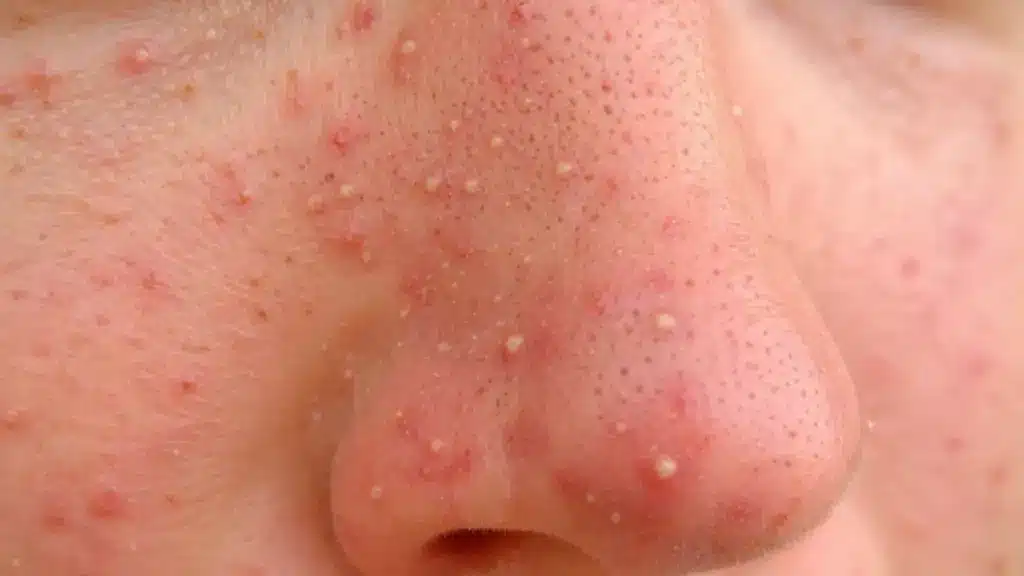
A pimple on the nose means your pores in that area have become clogged with excess oil, dead skin cells, or bacteria.
The nose sits in the T-zone, a region with a much higher concentration of sebaceous (oil) glands than the cheeks or temples, making it naturally more prone to breakouts.
Most nose pimples are a skin response to those local conditions, not a sign of a deeper health problem, and they respond well to consistent, targeted care.
I noticed it right before a morning appointment once. That firm little bump at the tip of my nose was already red and tender to the touch. My first question was the same one I hear from clients all the time: why here, of all places?
There’s a real answer to that, and it’s more about anatomy than anything else. This post covers what’s behind nose breakouts and which treatments actually work.
Why Your Nose is a Pimple Hotspot?
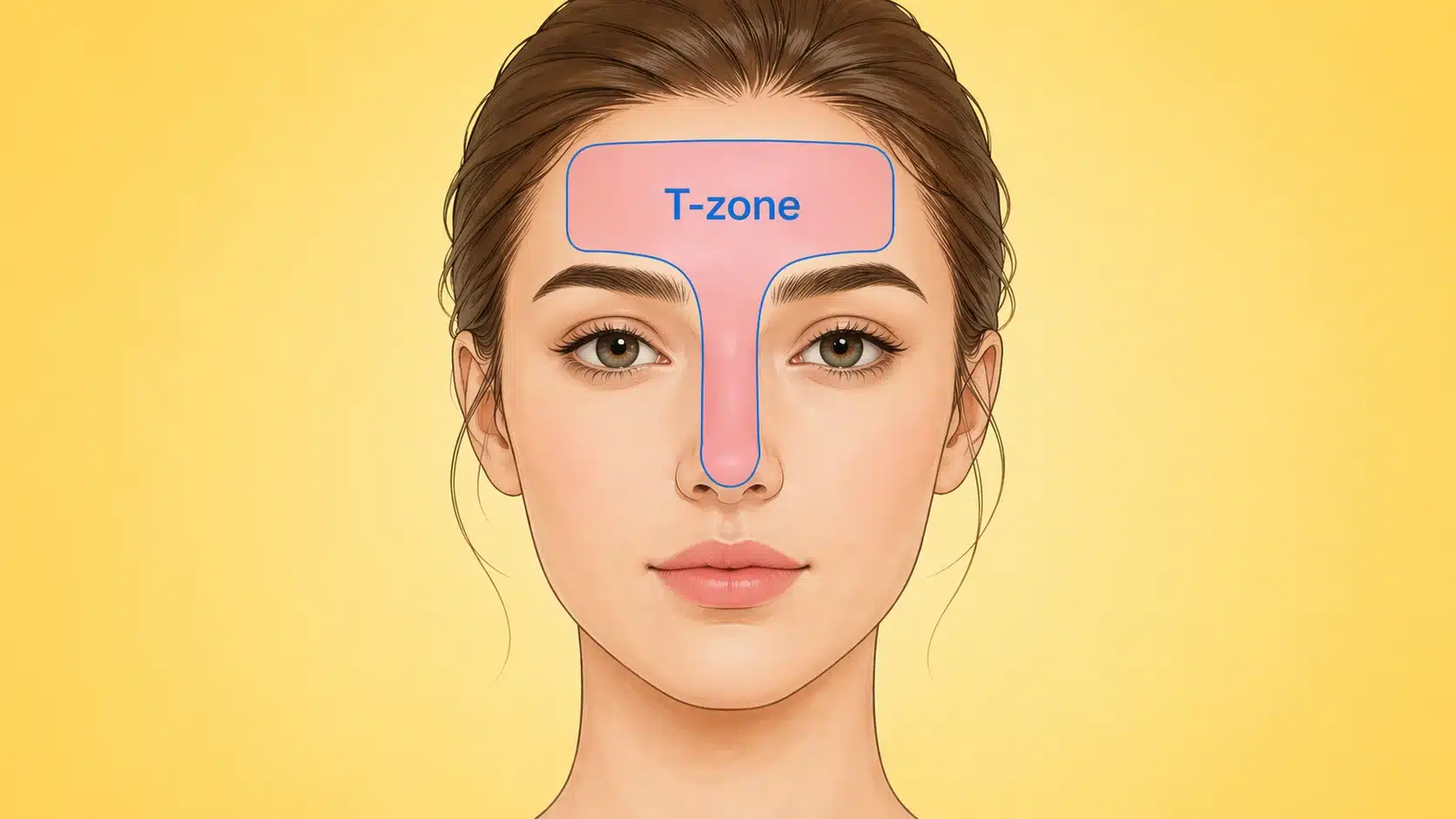
The nose is part of the T-zone, the strip of skin that runs across the forehead and straight down the center of the face.
This area has a far higher density of sebaceous glands than the cheeks or temples, and those glands produce sebum, the oil that keeps skin lubricated.
The pores on the nose are also physically larger than those on other parts of the face, which makes them easier targets for clogs.
Dead skin cells, oil, and daily debris settle in more readily here. Even people with balanced skin elsewhere find that their noses break out more often. It’s just how this part of the face is built.
Types of Pimples that Appear on the Nose
Knowing the type of pimple you’re looking at changes how you treat it.
- Blackheads are open comedones. The pore is clogged, but the opening at the top remains open, allowing oxygen to reach the sebum inside and turn it dark. They tend to sit in clusters across the bridge and the tip of the nose.
- Whiteheads are closed comedones. The pore is sealed, so the buildup has no way out. They look like small, flesh-toned or white bumps and are usually painless.
- Papules and pustules are what most people picture when they say pimple. Papules are raised, pink bumps with no visible head. Pustules have a white or yellow center and are often tender when pressed.
- Cystic acne is the deepest type. These are large, painful lumps beneath the skin’s surface with no visible head. They can last several weeks, don’t respond to surface-level spot treatments, and carry a higher risk of scarring.
What Causes a Pimple on Your Nose?
Nose pimples rarely come from a single source. Several factors tend to overlap, and knowing which ones are most active for you makes treatment far more targeted than just reaching for a spot treatment.
1. Excess Oil and Larger Pores
The sebaceous glands on the nose produce more oil than those on most other areas of the face. When sebum builds up faster than your skin can clear it, it mixes with dead skin cells, clogging the follicle.
A blackhead forms if the pore stays open. A whitehead forms if the pore seals. Add bacteria, and the follicle becomes inflamed. This is the most common reason a pimple on the nose keeps returning in the same spot.
2. Bacterial Buildup
The skin on the nose hosts Cutibacterium acnes, a bacterium present on almost everyone’s face. Under normal conditions, it does not cause problems. Inside a clogged, oil-rich pore, it multiplies and triggers an inflammatory response that turns a blocked follicle into a red, sore bump.
Touching your nose frequently, using unwashed makeup brushes, or skipping face cleansing after a long day are easy ways to feed that cycle.
3. Hormonal Fluctuations
Androgens, the hormones that regulate oil gland activity, increase at predictable times: during puberty, the days before a period, and during sustained stress.
This is why some people see nose pimples on a monthly pattern even when their skincare routine has not changed. For recurring hormonal nose acne that does not respond to OTC care, a dermatologist can discuss options, including spironolactone for acne treatment.
4. External Triggers
Some nose pimples have nothing to do with oil production or hormones. Comedogenic ingredients in foundations, sunscreens, or moisturizers can clog the larger pores in this area, even in people with normal skin.
Wearing glasses is an easy trigger to overlook: the bridge sits in the same spot for hours each day, exerting pressure, generating friction, and trapping warmth against the skin.
Products left on overnight, whether SPF, makeup, or a heavy balm, give bacteria and dead cells exactly the conditions they need to form a clog.
How to Treat a Pimple on Your Nose
The right approach depends on what type of pimple you’re dealing with. Understanding what a pimple on the nose means for your specific skin type helps you choose the right treatment rather than guessing. Start by identifying what you have, then match the treatment to it.
OTC Treatments that Work
Over-the-counter treatments can help reduce clogged pores, inflammation, and oil buildup when used consistently and correctly.
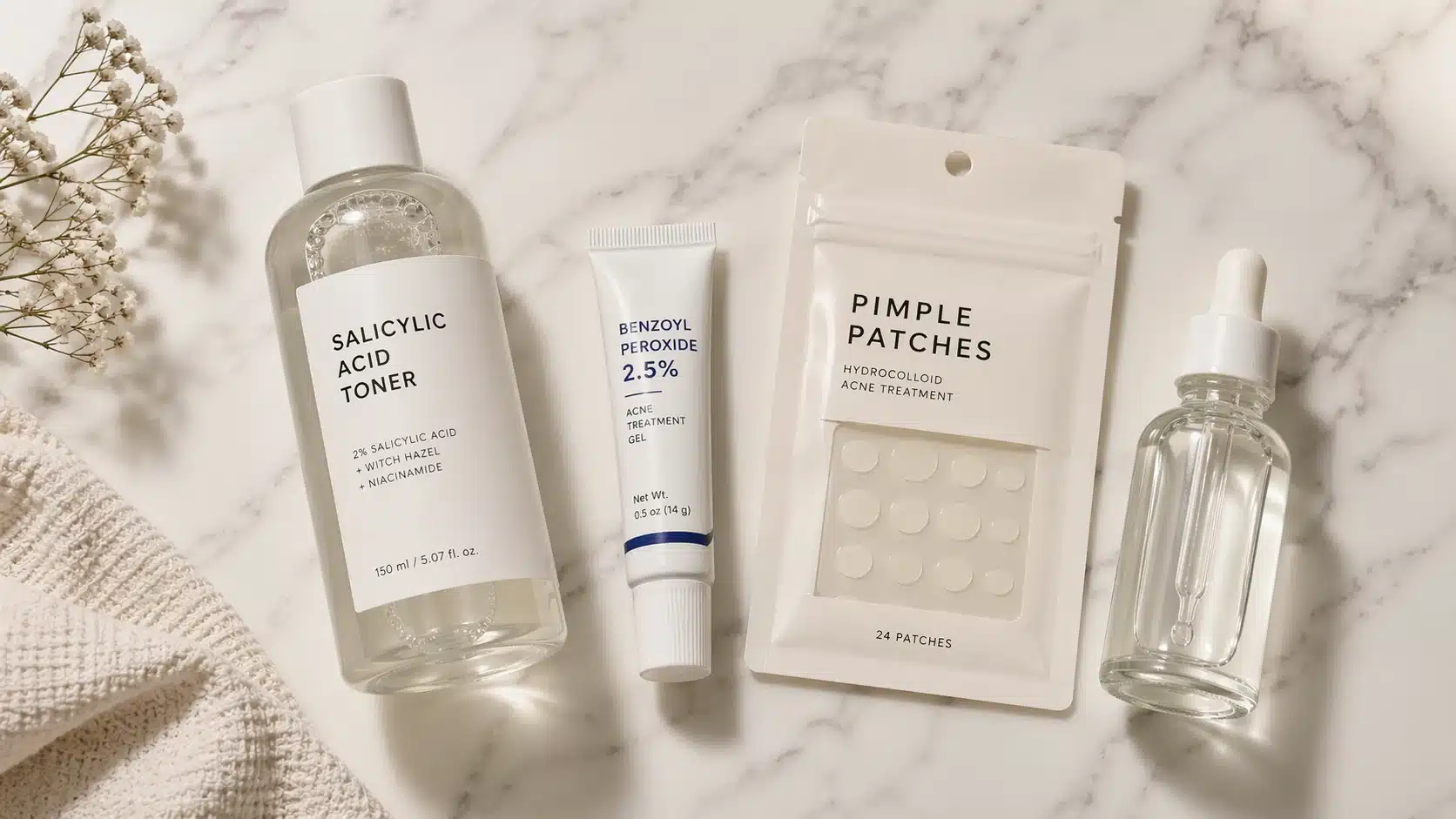
- Salicylic acid: Salicylic acid is where I start with most clients dealing with nose acne. It is a beta-hydroxy acid that works inside the pore, breaking up the oil and dead skin buildup at the source. A leave-on gel or toner with 0.5 to 2% salicylic acid used consistently at night does slow, steady work without irritating surrounding skin.
- Benzoyl peroxide: It’s the better choice for inflamed, red pimples. It kills the bacteria causing the inflammation. Start at 2.5%, which is just as effective as higher concentrations and far less drying. Apply it as a spot treatment rather than across the whole nose.
- Pimple patches: Worth keeping in your routine. They draw fluid out of a pustule, protect the spot from contact, and let the skin heal without interference. Easy to use, low risk of side effects, and genuinely effective on the right type of pimple.
- OTC retinoids: OTC retinoids speed up cell turnover, so dead skin cells are less likely to accumulate in the follicle in the first place. Introduce them slowly, two nights a week to start, and build up over time.
Home Remedies Worth Trying
Certain home remedies can help calm swelling, reduce irritation, and support healing when used properly.
- Warm compress: A warm compress applied to a deep, painful pimple for 10 minutes helps bring the buildup to the surface and reduces discomfort. It will not clear the pimple overnight, but it makes the healing process gentler.
- Tea tree oil: Diluted in a carrier oil such as jojoba, it has strong antibacterial properties and works well on milder surface pimples. Apply it undiluted, and you risk irritation or a chemical burn on the surrounding skin.
- Ice wrapped in a cloth: Ice wrapped in a cloth and pressed against a swollen pimple for a few minutes reduces visible redness and calms the area fast. Useful if you need to reduce a pimple’s visibility before a long day.
- Avoid toothpaste and lemon juice: They still circulate in older skincare posts and have no place on the face. Both are too harsh for facial skin and more likely to extend the problem than clear it.
What Not to Do with Nose Acne
Popping a nose pimple almost always makes things worse. It pushes bacteria and pus deeper into the follicle, typically leaving the area more inflamed, larger, and slower to heal.
The nose also sits inside what dermatologists call the danger triangle of the face, the area from the corners of the mouth to the bridge of the nose, where veins connect more directly to deeper blood vessels. Infections in this zone are rare but handled with more caution for good reason.
Astringents and alcohol-based toners feel productive but strip the skin’s moisture barrier. The oil glands respond by producing more sebum to compensate, which means more clogs. Using a non-comedogenic face moisturizer is a better daily choice, even on oily skin.
Touching the nose throughout the day is one of the most direct ways to transfer bacteria from the hands to the pores. It’s worth paying attention to.
What Face Mapping Says About Nose Pimples?
Face mapping, rooted in Traditional Chinese Medicine and Ayurvedic practice, links different zones of the face to specific organs.
In this tradition, the nose corresponds to the heart and circulatory system. Persistent nose acne, by that reading, may reflect blood pressure fluctuations or poor circulation.
I find this perspective genuinely worth knowing, especially since many of the lifestyle factors it points toward do support better skin overall. A weekly skin care steps approach that accounts for how you eat and sleep is rarely wasted effort.
Dermatologists may use facial zones as a guide to likely triggers, but the direct connection between the nose and the heart lacks clinical evidence. Treat the face map as a prompt for self-reflection, and treat the skin issue with what actually works.
When to See a Dermatologist
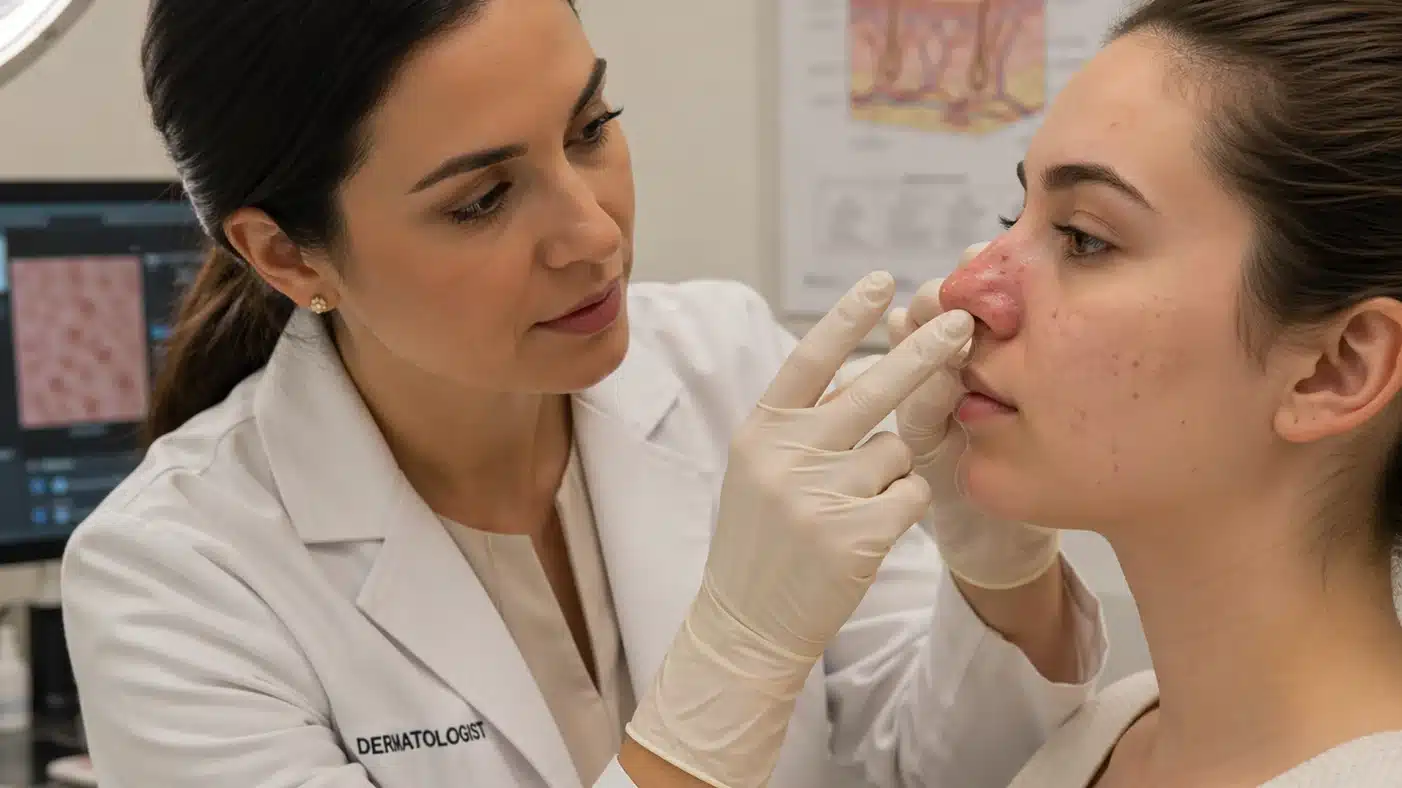
If a nose pimple has not improved after one week, or if you are dealing with cystic bumps that keep returning in the same spot, professional input is worth seeking. OTC options work well for surface-level acne. They cannot reach the depth of cystic or nodular breakouts.
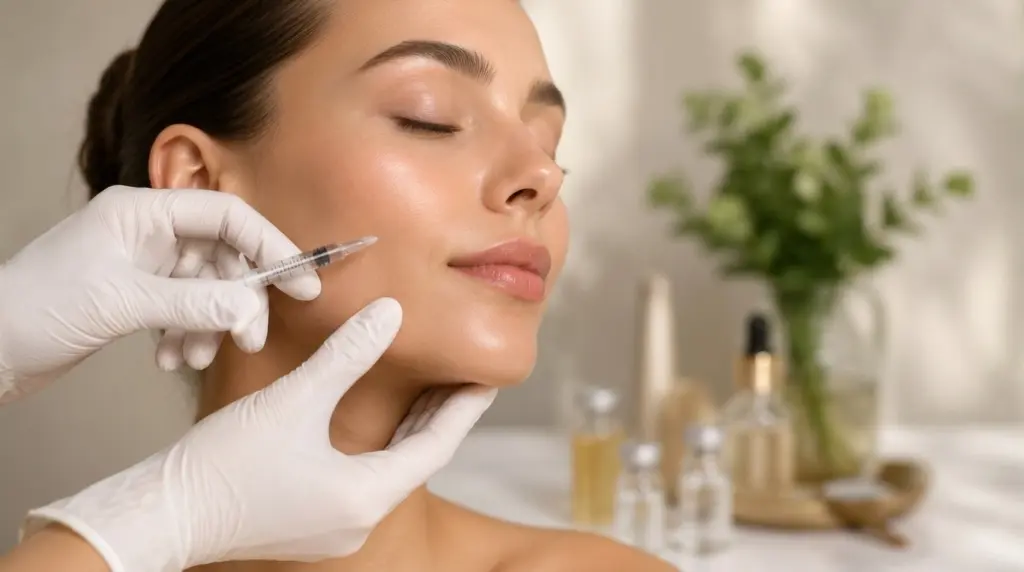
A cortisone injection can reduce a cystic pimple within 24 to 48 hours. Prescription retinoids are more potent and more consistent than OTC versions.
For hormonal nose acne that follows a regular cycle, a dermatologist can discuss targeted options that go beyond topical care. If breakouts have left dark marks or texture changes behind, professional treatments can address those outcomes directly.
The threshold is simple: if the same spot keeps returning, something is maintaining it. That is worth figuring out properly rather than treating the same pimple on rotation.
Conclusion
A pimple on the nose almost always means a skin issue, not a signal from your organs. The nose just has the anatomy for it: large pores, dense oil glands, and constant contact throughout the day.
Understanding which type you are dealing with gives you a realistic starting point. Blackheads respond to regular salicylic acid use. Inflamed pimples respond to benzoyl peroxide and pimple patches. Cystic bumps require time, restraint, and, in many cases, a professional.
Start small. A gentle cleanser, one targeted ingredient, clean hands, and patience. Most nose pimples clear within one to two weeks when you stop aggravating them. If yours do not, that is information worth taking to a dermatologist rather than guessing on your own.
Have you found a trigger that was behind recurring nose breakouts? Share it in the comments. What helped someone else might be exactly what another reader needs.
Frequently asked questions
Can Wearing Glasses Cause a Pimple on the Nose?
Yes. The frame’s bridge rests in the same spot all day, creating pressure, friction, and trapped warmth against the skin. That environment encourages bacterial growth and pore blockage. Cleaning the frames daily with an antibacterial wipe reduces this noticeably, and a lighter frame material can help too.
Does Diet Affect Nose Pimples Specifically?
Diet does not target the nose on its own. If your nose acne shifts in patterns that match your eating habits, tracking it for a few weeks before making changes gives you real data rather than guesswork.
Is a Pimple Inside the Nose the Same as One on the Surface?
No. A bump inside the nasal cavity is typically folliculitis or an infected ingrown hair, not standard acne. These are more painful and can indicate a minor infection. They should not be picked or squeezed, and a persistent, warm, or swollen bump is best assessed by a doctor rather than treated with skincare products.
How Long Does a Typical Nose Pimple Take to Heal?
Surface pimples, such as papules and pustules, usually clear within 3 to 7 days with gentle care and no squeezing. Cystic pimples can persist for several weeks. Dark marks left after the pimple clears, called post-inflammatory hyperpigmentation, can take 4 to 8 weeks to fade on their own without targeted treatment.