Nylon is a breathable fabric, but how breathable it is depends largely on how it’s constructed, not just the fiber itself.
Tightly woven nylon traps heat and moisture against the skin. Knit or mesh nylon allows airflow and moves sweat away from the body.
Most modern nylon clothing blends the fiber with spandex or cotton to improve both comfort and breathability.
I’ve held up a lot of nylon tags in fitting rooms and wondered the same thing you’re probably wondering right now.
Will this feel fine at 10 am and suffocating by lunch? The answer isn’t yes or no. It’s about understanding what nylon does and which version you’re buying.
What Does Breathable Mean in a Fabric?
Breathability isn’t about air passing through holes in fabric like a window screen. It’s about moisture vapor moving through the material away from your skin.
When you’re warm or active, your body releases sweat. A breathable fabric allows that moisture to travel outward and evaporate. One that isn’t breathable traps it against you, keeping you damp and hot.
There are two ways a fabric handles moisture: absorption and wicking. Cotton absorbs sweat into its fibers and holds it there, which feels cool at first but heavy once it’s saturated.
Synthetic fabrics like nylon and polyester can be engineered to push moisture along the fiber surface toward the outer layer, where it evaporates.
The construction of the fabric, how it’s knit or woven, matters more than fiber content alone when it comes to breathability.
That’s the detail most people skip. It’s not just “nylon vs. cotton.” It’s how tightly the yarns are packed together, how thick the fabric is, and whether it’s been engineered with moisture management in mind.
What is Nylon & How is It Made?
Nylon is a fully synthetic fabric classified as a polyamide. It does not come from plants or animals. Instead, it is produced through chemical processes that yield strong, lightweight fibers.
The most common version, nylon 6,6, is formed by condensation polymerization, in which two monomers (adipic acid and hexamethylenediamine) bond to form long chains, releasing water as a byproduct.
As the Open University explains, the resulting polymer chain can contain more than 20,000 monomer units linked by amide groups.
This molecular structure gives nylon its strength and elasticity. It’s why nylon stockings resist runs, why nylon swimwear holds its shape, and why hiking pants made from it resist abrasion for years.
Nylon is primarily used in activewear, swimwear, and technical performance garments. The synthetic origin is also why nylon sits in a tricky spot when it comes to breathability.
Its fibers don’t naturally allow moisture to pass through the way loosely spun natural fibers do. But they can be engineered to manage moisture well, and that’s where construction comes back in.
Is Nylon Breathable?
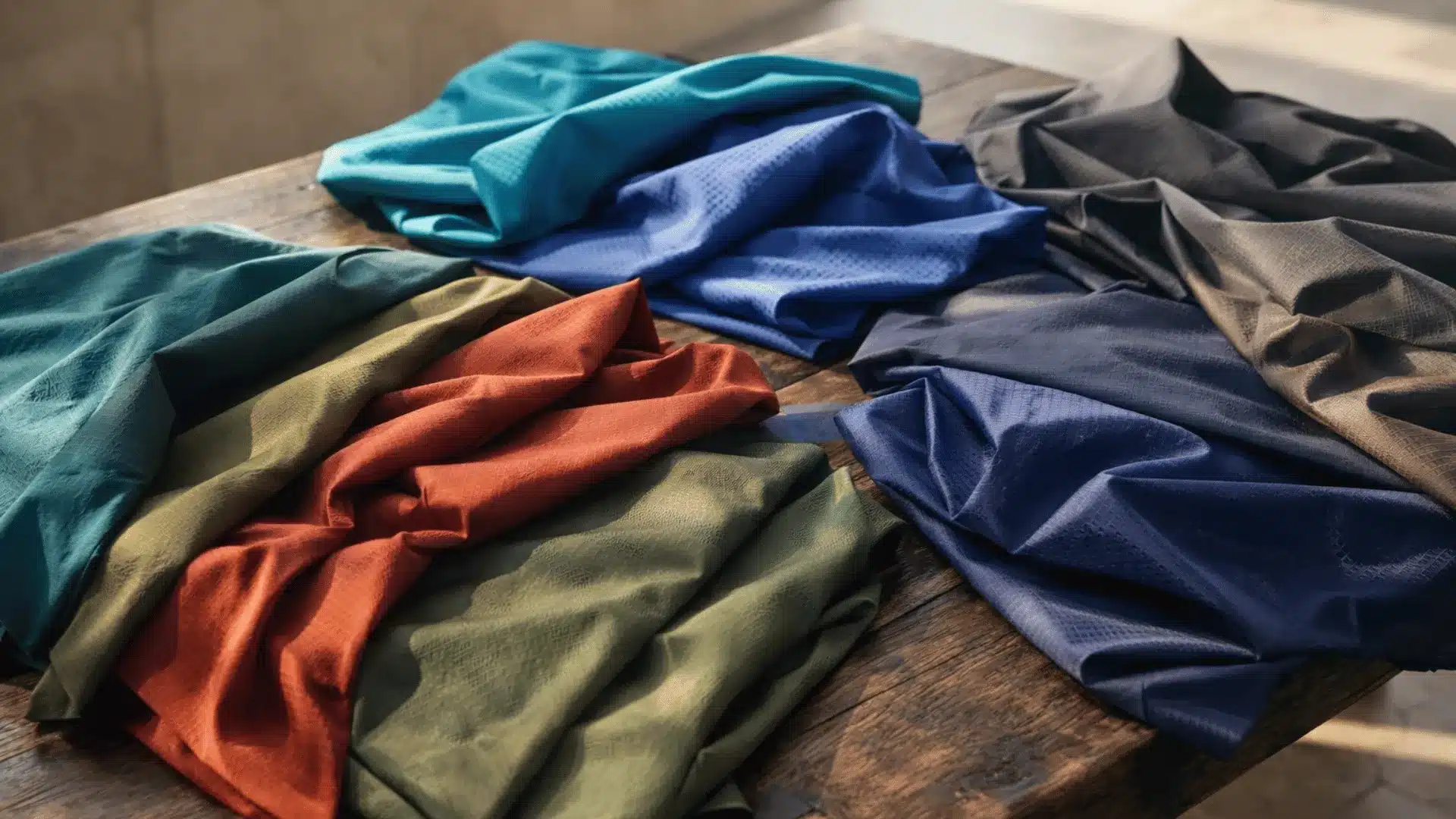
Raw nylon, tightly woven, untreated, standard weight, is not highly breathable. It allows some airflow but also absorbs between 2% and 5% of its weight in moisture.
That might sound small, but it means the fibers swell slightly when damp, which reduces airflow further and can make the fabric feel heavy and sticky during extended activity.
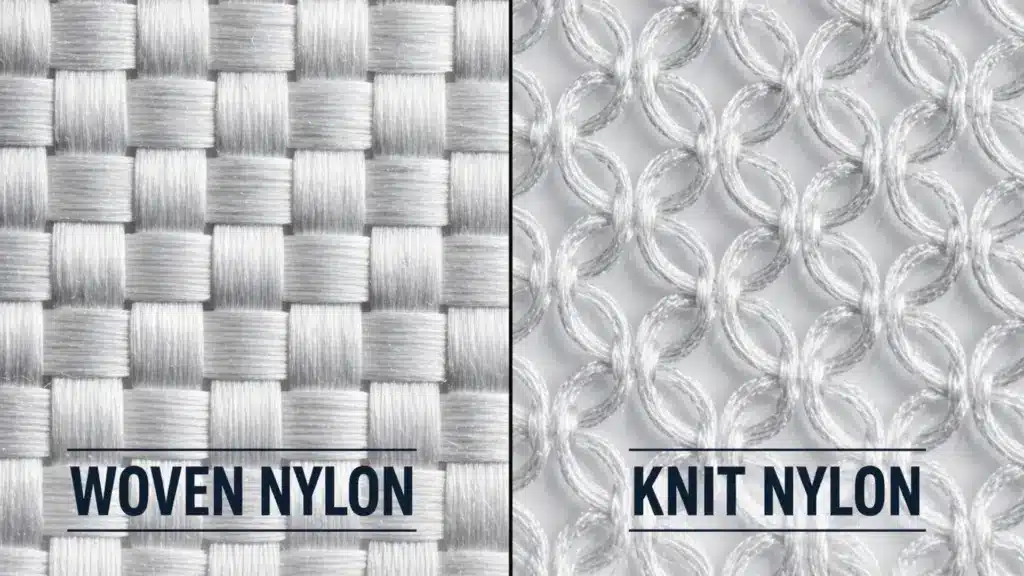
Knit nylon performs better; the structure creates tiny channels between yarns that allow vapor to escape more easily.
Base layers, leggings, and fitted athletic tops in knit nylon handle heat noticeably better than a stiff woven nylon shell jacket. Mesh nylon is designed specifically for airflow and dries quickly.
I field-test fabrics before recommending them to anyone, and the thing I kept coming back to with nylon is this: the same fiber can feel completely different depending on how it’s been treated.
A thin, knit nylon blend in a summer dress? Comfortable for a full day. A coated, tightly woven nylon windbreaker on a hike? Hot and stuffy within an hour of exertion.
Is Nylon Better than Polyester?
Nylon and polyester may look similar, but they differ in comfort, moisture control, drying speed, and performance during workouts or hot weather.
| Feature | Nylon | Polyester |
|---|---|---|
| Feel on Skin | Softer and smoother with a silk-like texture | Slightly rougher but lightweight |
| Moisture Absorption | Absorbs around 2–5% of its weight in moisture | Holds less than 0.5% moisture |
| Drying Speed | Dries more slowly after sweat or washing | Dries 10–30% faster |
| Breathability | Good for light activity and daily wear | Better for heavy sweating and heat |
| Stretch and Flexibility | More stretch without losing shape | Less flexible, but keeps structure well |
| Best Use | Yoga, swimwear, casual wear, lingerie | Running, gym workouts, humid weather |
| Comfort Level | More comfortable for long wear | Better for performance-focused clothing |
| Sweat Handling | Can feel damp during intense activity | Wicks sweat and dries quickly |
What Makes Nylon More or Less Breathable?
Since construction matters as much as fiber content, here’s what to look for when reading a label or touching fabric before buying.
- Weave vs. knit: Knit nylon is almost always more breathable than woven. The interlocking loop structure creates natural gaps. Woven nylon, especially in tightly woven outerwear or bags, significantly restricts airflow.
- Fabric weight: Lighter nylon fabrics breathe better. A sheer nylon blouse and a thick nylon windbreaker behave like different fabrics on a warm day.
- Blend composition: A nylon-spandex blend (around 80/20) is common in activewear, improving stretch, recovery, and moisture control. Cotton blends add softness and breathability. “Moisture-wicking” means the fabric is treated to pull sweat away from the skin faster than regular nylon.
- Treatments and finishes: Some nylon fabrics are coated for water resistance, which cuts breathability. Ripstop nylon, a version with reinforced grid threads, is lighter than standard nylon and slightly more breathable, though still not comparable to natural fibers.
How Nylon Affects Skin
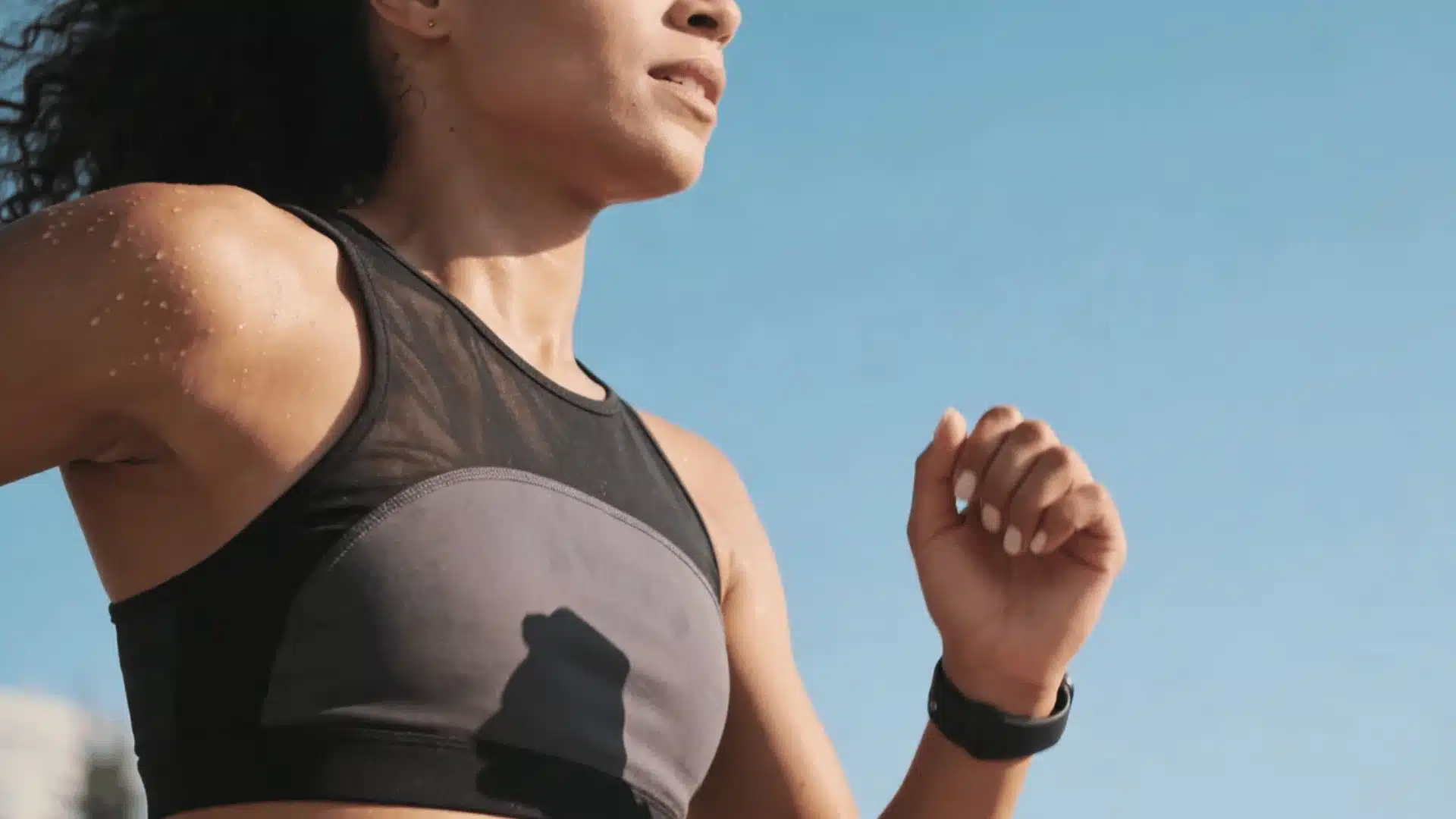
The main skin concern with nylon is its heat-retention properties. Untreated or tightly constructed nylon can trap sweat against the skin, creating a warm, damp environment.
That’s the setup for heat rash or irritation, particularly in areas with friction: inner thighs, underarms, waistbands.
Moisture-wicking nylon removes most of this problem for most people. The engineered versions move sweat away before it can pool, keeping skin dry and reducing the risk of irritation.
If nylon athletic wear has felt uncomfortable before, try a moisture-wicking version before writing off the fiber entirely.
Sensitive skin is a separate consideration. Some people react to dyes or chemical finishes in synthetic fabric production rather than to nylon itself.
If you notice redness or itching after wearing a new nylon garment, washing it before wearing it again sometimes helps. If the reaction continues, a cotton layer underneath reduces direct contact while you identify the trigger.
I’ve personally found that a thin, knit nylon shell over cotton works well in transitional weather.
The nylon cuts wind and handles light rain; the cotton underneath breathes. That combination took a while to land on, but it holds up across many different days.
How to Check if a Fabric is Breathable
A few quick checks can help determine whether a fabric will feel cool and comfortable or trap heat during daily wear.
- Hold It Up to Light: If light passes through easily, the fabric usually allows airflow, while dense and opaque materials tend to trap heat and feel warmer.
- Feel the Fabric Thickness: Lightweight fabrics generally stay cooler and more breathable, whereas heavy or stiff materials often hold heat and moisture against the skin.
- Do a Simple Airflow Test: Gently blow through the fabric; if air moves through without resistance, it is more likely to feel breathable when worn.
- Check the Construction: Fabrics labeled as knit, mesh, stretch, or lightweight usually allow better airflow, while tightly woven or coated materials reduce breathability.
- Read the Label Carefully: Terms like moisture-wicking, breathable, and quick dry indicate better performance, and blends such as cotton nylon or nylon spandex improve comfort.
- Pay Attention to Skin Feel: Soft and flexible fabrics support airflow and movement, while stiff or plastic-like textures often signal poor breathability.
Conclusion
Nylon is not simply breathable or unbreathable. The fiber sits in the middle, better than some synthetics in certain conditions, worse than others.
What determines how it feels on your skin is the construction: knit or woven, light or heavy, treated for moisture management or not.
For everyday wear and lower-impact activity, a knit nylon blend in a lighter weight is a solid choice.
For high-intensity workouts or hot climates where staying dry matters, polyester has a consistent edge. Neither is the wrong answer. They suit different situations.
Read the label closely. Feel the fabric before committing. If it’s a tight, coated weave, it’ll trap heat. If it’s a soft, stretchy knit with a moisture-wicking label, it’ll be a comfortable day. That’s a small check that makes a real difference.
Frequently Asked Questions
Can You Wear Nylon in Hot Weather?
Yes, if it’s lightweight and knit. Soft, stretchy nylon breathes reasonably well in warm weather. Stiff or coated woven nylon traps heat and isn’t suitable for hot days. A nylon-cotton blend is a solid option when staying cool matters most.
Is Nylon Good for Workouts?
For low-impact activity, yes. Nylon’s softness and stretch make it well-suited for yoga or walking. For high-intensity training, polyester is a better fit. It wicks sweat faster and dries more quickly. Look for “moisture-wicking” on the label if you want nylon for workouts.
Does Nylon Cause Skin Irritation?
Nylon itself rarely irritates. Reactions usually come from dyes or chemical finishes, not the base fiber. Wash new garments before wearing to remove surface treatments. Persistent irritation should be discussed with a dermatologist to pinpoint the specific trigger.
Is Recycled Nylon as Breathable as Regular Nylon?
Yes. Recycled nylon has the same polymer structure as virgin nylon, so breathability is comparable. Performance still depends on construction and treatment, not the fiber’s origin. Recycled versions like ECONYL perform similarly in activewear and swimwear applications.