
Skincare gets confusing fast when every product promises smoother, clearer, better-looking skin.
I have been there too, standing between cleansers, serums, scrubs, and spot treatments, wondering what my skin actually needs.
The truth is, most routines do not fail because they are too simple. They fail because they are too harsh, too crowded, or too inconsistent.
In this blog, you will learn clear skin tips that focus on a gentle daily routine, the right products for your skin type, safe acne-fighting ingredients, helpful habits, and when to stop guessing and see a dermatologist
By the end, you will know how to build a routine that feels easy to follow and gives your skin room to calm down.
What May Be Irritating Your Skin?
Before you build a routine, it helps to understand what your skin is actually reacting to. Breakouts do not always happen because your face is dirty or because your products are not strong enough.
Sometimes the problem is heavy makeup, clogged pores, sweat buildup, stress, hormones, diet, or using too many active ingredients at the same time.
Research on acne causes confirms that multiple internal and external triggers can contribute to breakouts simultaneously.
Even small habits, like sleeping on an unwashed pillowcase or skipping moisturizer because your skin feels oily, can make things worse.
Pay attention to when your skin flares up and what changed around that time.
Once you notice these patterns, it becomes much easier to choose products that suit your skin and avoid steps that irritate it. This also helps you build a clear skin routine that feels more personal and less like guesswork.
Signs of Healthy and Clear Skin
Clear skin is not about looking completely flawless or having perfectly smooth skin at all times. Healthy skin usually feels balanced, comfortable, and well-maintained without constant irritation or breakouts.
- Even Skin Tone: Healthy skin often appears more balanced with fewer noticeable dark spots, redness, or uneven patches.
- Smooth Skin Texture: Skin feels softer and looks more refined with fewer rough areas, bumps, or clogged pores.
- Balanced Oil Production: Clear skin is neither extremely oily nor overly dry and feels comfortable throughout the day.
- Minimal Breakouts: Occasional pimples can still happen, but frequent inflammation and clogged pores are less common.
- Good Hydration Levels: Hydrated skin usually looks plumper, healthier, and less flaky or tight.
- Healthy Natural Glow: Well-maintained skin often has a fresh appearance without looking greasy or dull.
- Low Sensitivity or Irritation: Healthy skin reacts less to products and environmental changes, with reduced itching, burning, or redness.
How to Get Clear Skin with a Simple Daily Routine
Before adding strong treatments, build the basics first. A gentle cleanser, daily moisturizer, and morning sunscreen help protect your skin barrier, allowing every other step to work better.
Step 1: Cleanse Gently
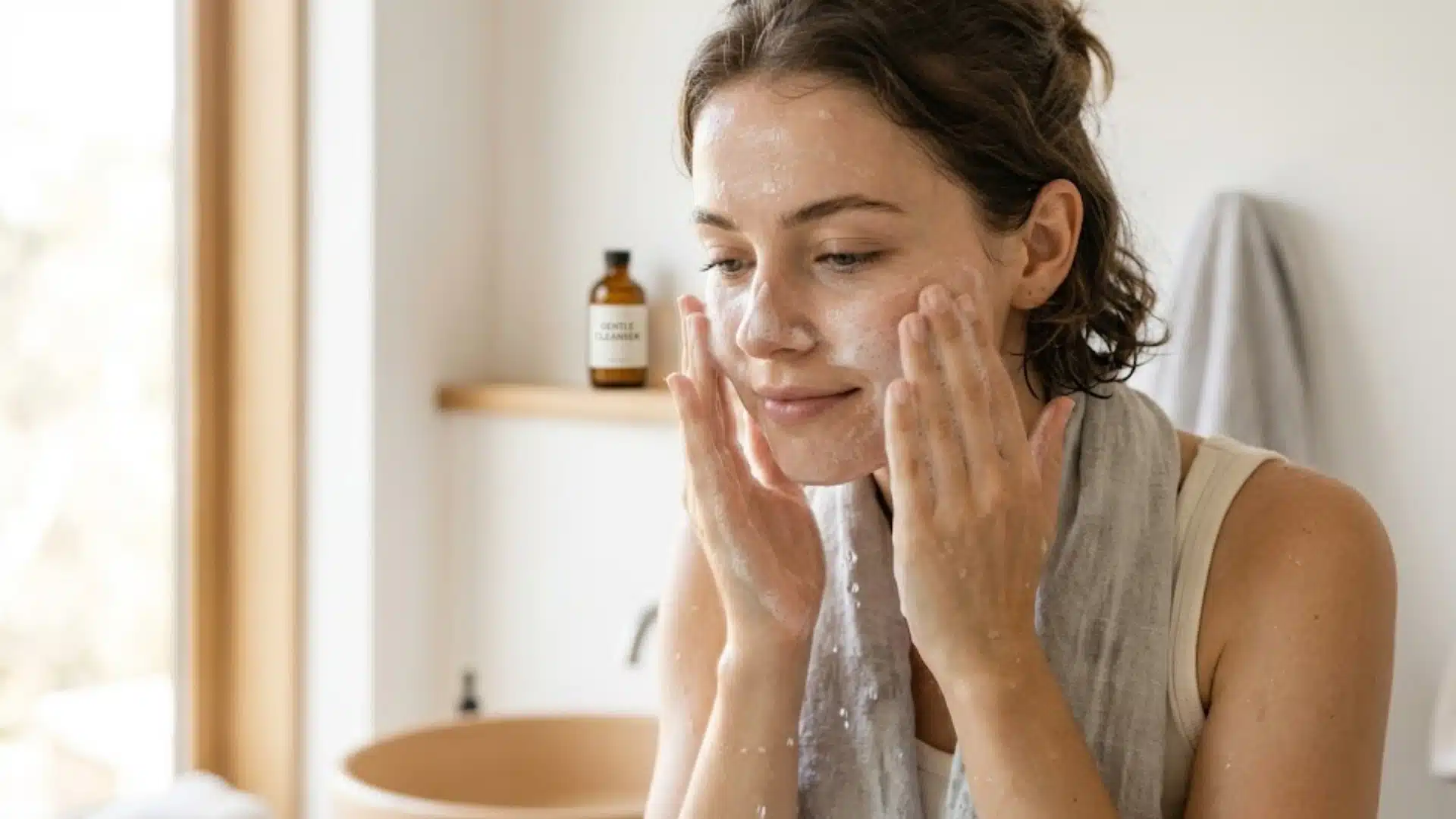
Start with a gentle cleanser in the morning and at night. This step removes oil, sweat, sunscreen, and daily buildup without stressing your skin.
A lot of people assume a “stronger” cleanser works better, but that usually backfires. When your skin feels stripped, it often produces more oil to compensate, which can lead to more breakouts.
Stick to something mild that leaves your skin feeling clean but not tight. Over time, this alone can make your skin feel more balanced and less reactive.
Step 2: Moisturize Every Day
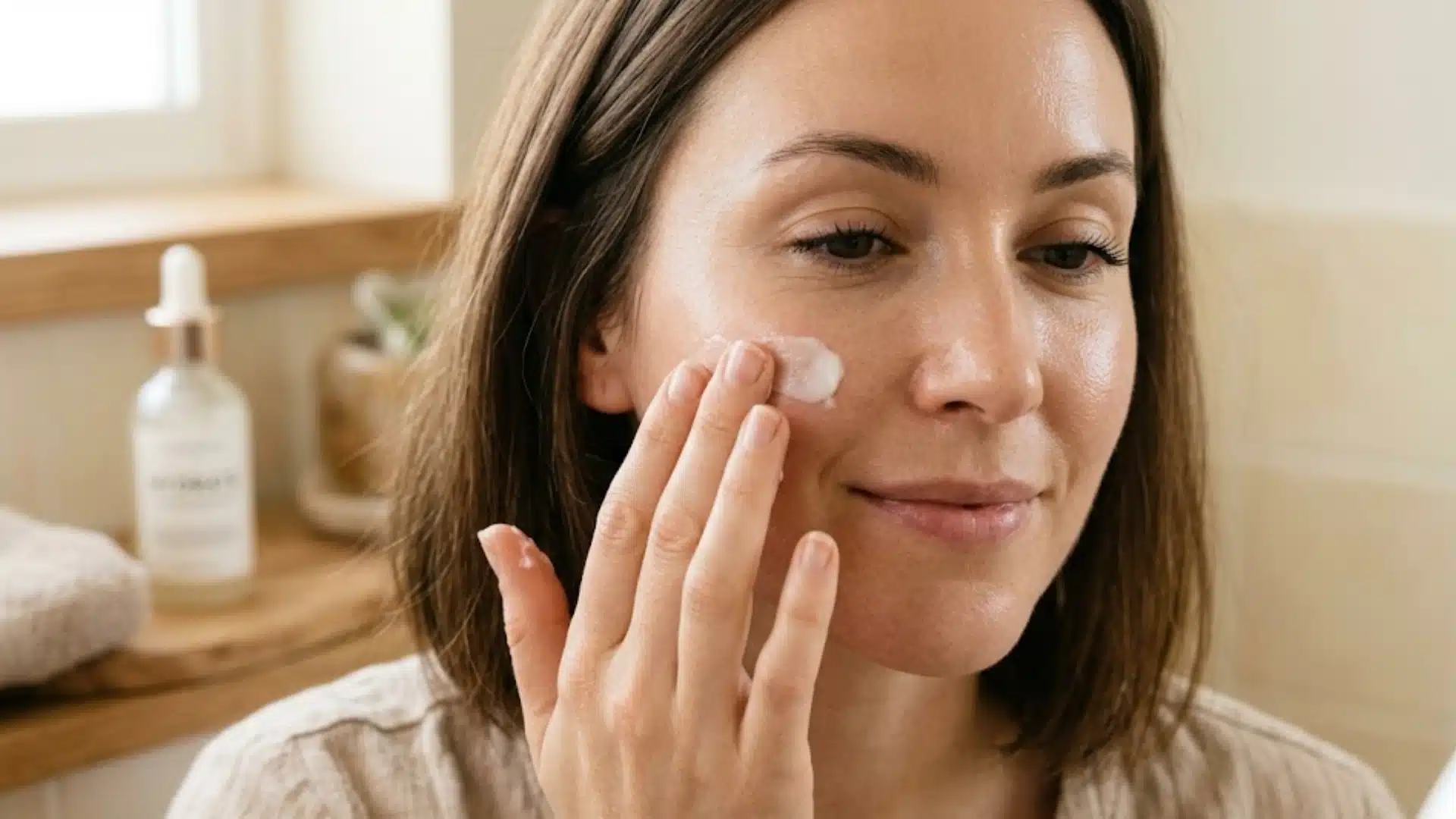
Moisturizing is not optional, even if your skin feels oily. When you skip this step, your skin can lose water and become dehydrated, which often worsens oil production.
A good moisturizer helps your skin stay calm, supports the barrier, and keeps everything functioning properly. If your skin feels greasy, go for a lightweight formula.
If it feels dry or tight, choose something a bit richer. The goal is simple: your skin should feel comfortable, not heavy, not dry, just steady.
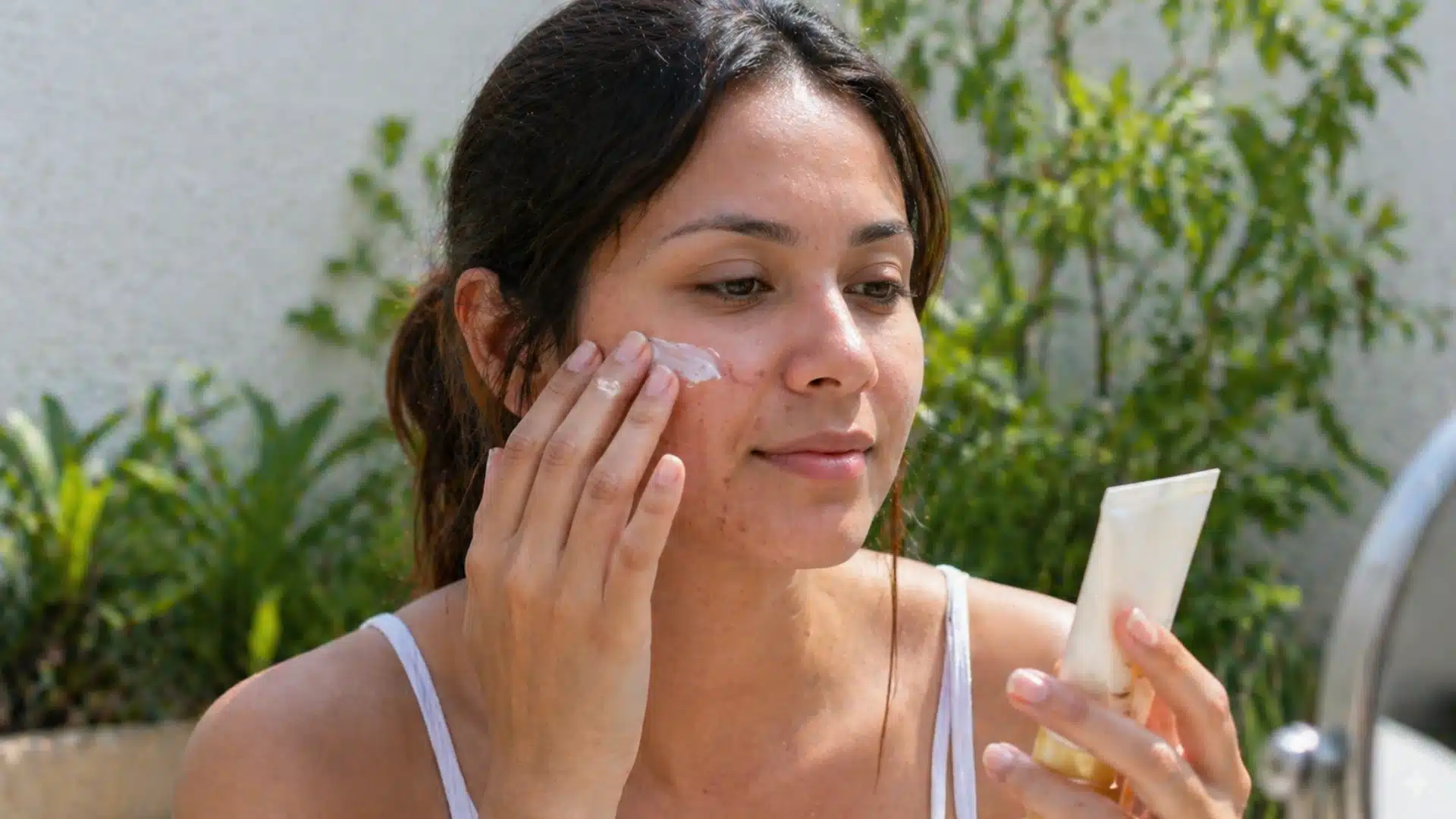
Sunscreen is one of the most overlooked steps, but it plays a big role in keeping your skin clear over time.
Sun exposure can make dark spots, acne marks, and uneven tone look worse and last longer. Using sunscreen daily helps protect your progress and keeps your skin from becoming more irritated.
Dermatologists recommend daily sun protection as one of the most effective ways to prevent long-term skin damage and maintain an even complexion.
Look for something that feels light and does not clog your pores, so you actually want to use it every day. Consistency here matters more than finding a “perfect” formula.
Step 4: Use Treatments at Night
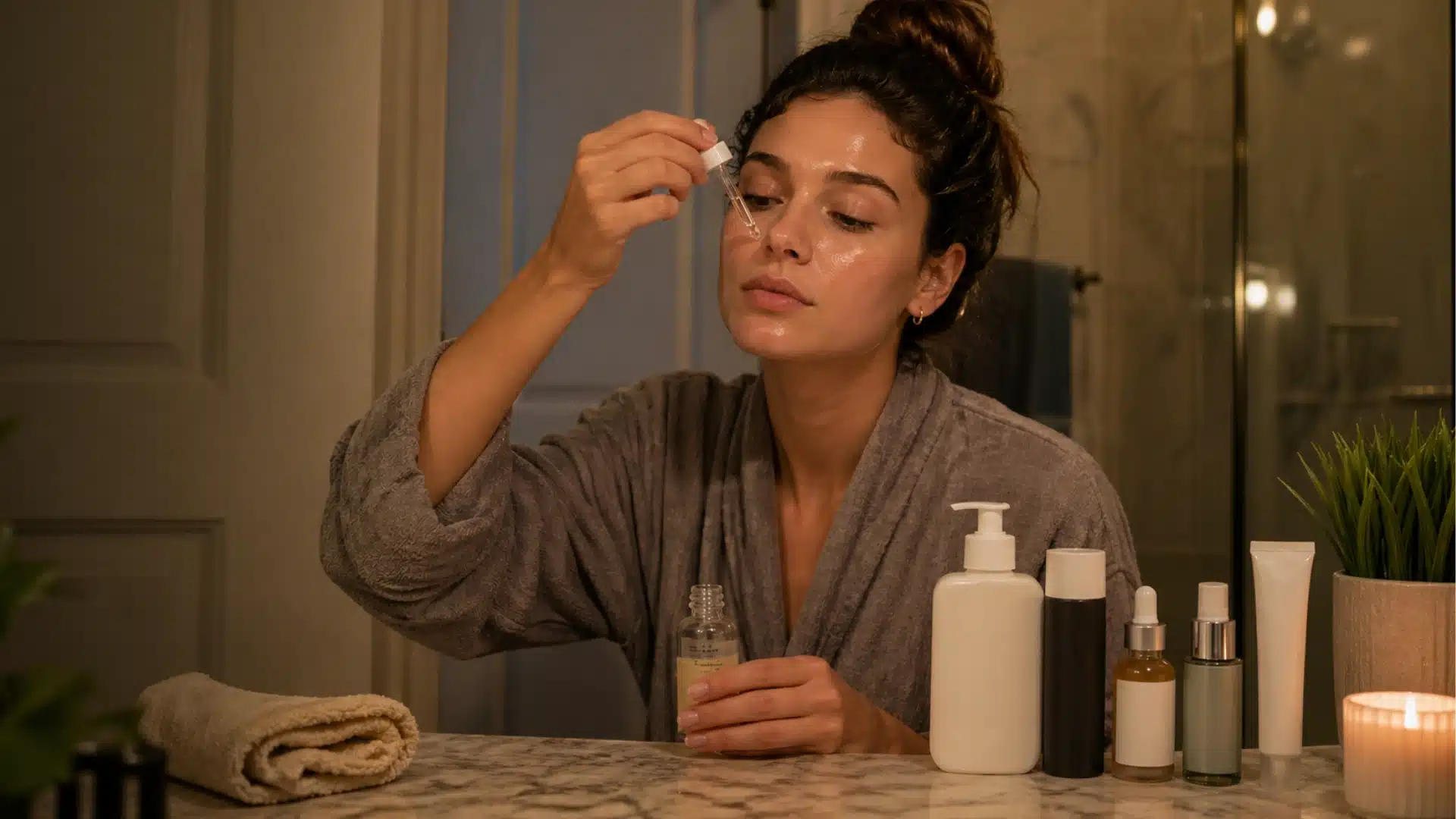
If you plan to use treatments like retinoids or exfoliating acids, keep them in your nighttime routine.
Understanding the full difference between your morning vs night routine can help you place each product where it works best.
These products can help with breakouts, texture, and clogged pores, but they need to be used carefully. Start slow, just a few times a week, and give your skin time to adjust.
Using too many activities at once can lead to irritation, which often makes things worse instead of better. Think of treatments as support, not the foundation. Your basic routine should always come first.
Step 5: Avoid Over-Washing
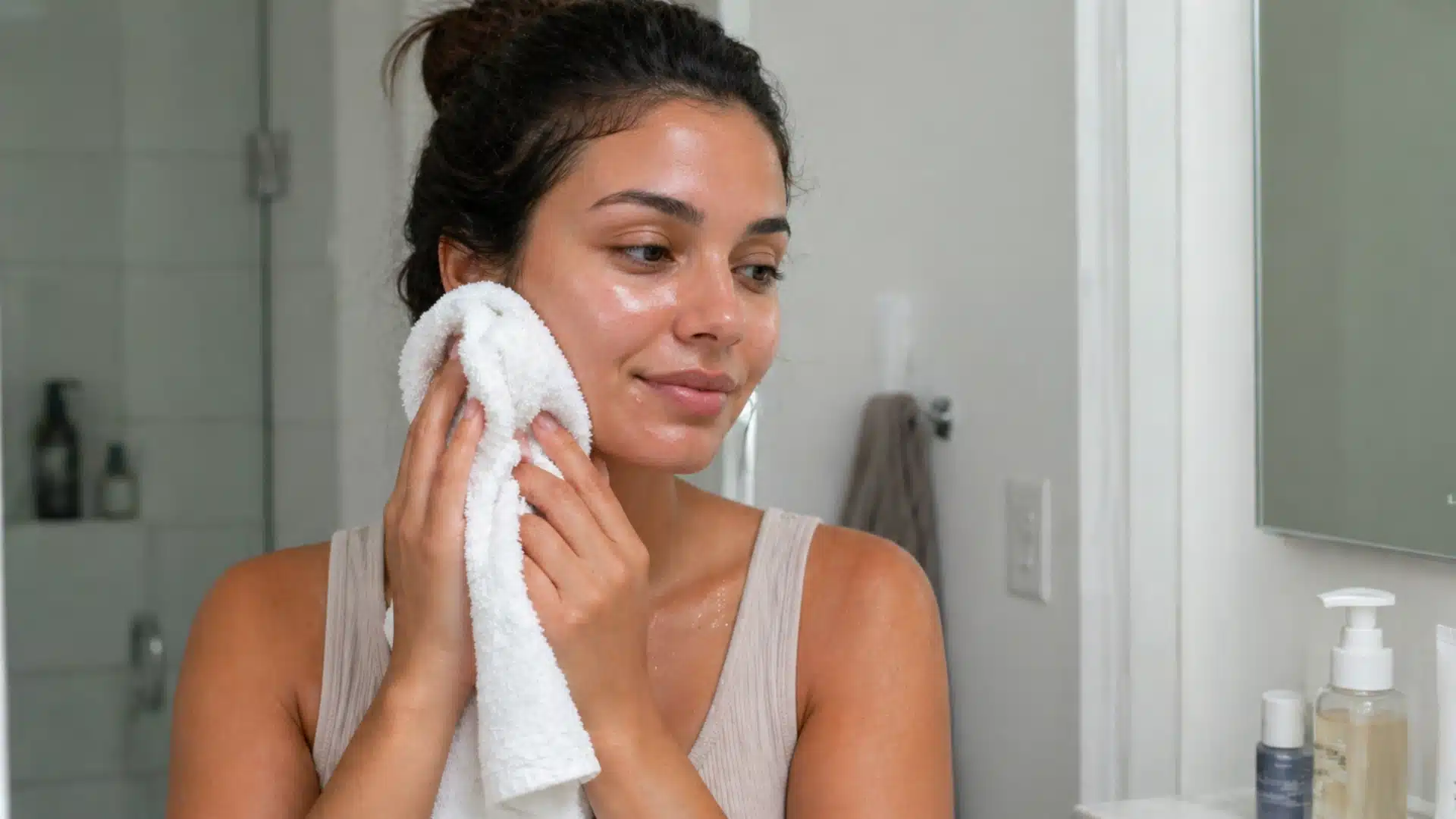
It is easy to think that washing your face more often will keep it clearer, but that is not how skin works.
Washing twice a day is usually enough, plus an extra cleanse if you have been sweating heavily. Beyond that, you risk drying out your skin and disrupting its natural balance.
When that happens, your skin may become oilier, more sensitive, or more prone to breakouts.
Keeping your routine steady and not overdoing it is often what helps your skin settle down and improve over time.
How Long Does it Take to Get Clear Skin
Getting clear skin usually takes time, consistency, and patience rather than overnight fixes.
Small improvements like better hydration and smoother texture may appear within a few days, while breakouts and clogged pores often take 4 to 8 weeks to improve with a steady skincare routine.
Dark spots, acne marks, and uneven skin tone can take several months to fade, depending on skin type and product use.
Results also depend on factors like sleep, stress, diet, hormones, and how regularly skincare products are used.
Switching products too often may slow progress and irritate the skin further.
A simple routine with gentle cleansing, moisturizing, sunscreen, and targeted ingredients usually works better than using too many products at once.
Staying consistent with healthy habits is one of the most important steps for maintaining healthy and clear skin over time.
Lifestyle Tips That Help Keep Skin Clear
Skincare products can only do so much without healthy daily habits supporting the skin from the inside out. Building a few consistent habits into everyday life can make maintaining clear and healthy skin much easier over time.
- Get Enough Sleep: Skin repairs and renews itself during sleep, which helps reduce dullness, irritation, and breakouts.
- Drink Enough Water: Proper hydration supports the skin barrier and helps keep skin looking balanced and healthy.
- Manage Stress Levels: High stress can increase oil production and trigger acne flare-ups in many people.
- Exercise Regularly: Physical activity supports healthy blood circulation, which helps deliver oxygen and nutrients throughout the body, including the skin.
- Clean Skin After Sweating: Washing the face after workouts helps remove sweat, oil, and bacteria that may clog pores.
- Change Pillowcases Regularly: Dirty pillowcases can collect oil, bacteria, and product buildup that transfer back onto the skin.
- Limit Excess Sugar Intake: Highly processed sugary foods may contribute to inflammation and breakouts in some individuals.
- Avoid Touching or Picking the Face: Constant touching may spread bacteria, while picking blemishes can lead to irritation and acne marks.
Best Ingredients for Clear Skin
Healthy and clear skin often depends on using the right ingredients consistently rather than following complicated routines.
| Ingredient | Skin Type | Best For | How Often to Use |
|---|---|---|---|
| Salicylic Acid | Oily and acne-prone skin | Unclogging pores, reducing blackheads, and controlling excess oil | 2 to 4 times weekly |
| Niacinamide | All skin types | Reducing redness, balancing oil, and strengthening the skin barrier | Daily |
| Hyaluronic Acid | Dry and dehydrated skin | Hydration and maintaining soft, plump skin | Daily, morning and night |
| Retinol | Combination and oily skin | Improving texture, reducing acne, and supporting smoother skin | 2 to 3 nights weekly at first |
| Ceramides | Dry and sensitive skin | Repairing the skin barrier and preventing moisture loss | Daily |
| Azelaic Acid | Sensitive and acne-prone skin | Calming redness, fading marks, and improving uneven tone | Once daily or every other day |
Common Mistakes Quietly Prevent Clear Skin
Many skin problems are not always caused by the products being used. Everyday habits can quietly damage the skin barrier, clog pores, or trigger irritation without being noticed.
- Over-Exfoliating the Skin: Using scrubs or exfoliating acids too often can weaken the skin barrier and increase redness, dryness, and breakouts.
- Skipping Sunscreen Daily: Unprotected sun exposure may worsen dark spots, uneven tone, and signs of skin damage over time.
- Using Too Many Skincare Products: Layering too many active ingredients can irritate the skin and lead to sensitivity or unexpected breakouts.
- Sleeping With Makeup On: Makeup, oil, and dirt left overnight can clog pores and contribute to acne flare-ups.
- Touching the Face Frequently: Hands carry bacteria and oil that can transfer onto the skin throughout the day.
- Using Dirty Makeup Brushes: Brushes and sponges collect buildup that may spread bacteria and trigger irritation if not cleaned regularly.
- Picking Pimples or Acne: Squeezing blemishes can damage the skin, increase inflammation, and leave long-lasting marks or scars.
When to See a Dermatologist
Sometimes a basic skincare routine is not enough to fully manage certain skin concerns.
Seeing a dermatologist may help if painful cystic acne, deep breakouts, scarring, severe redness, or constant irritation continue even after following a consistent routine for several weeks.
Acne that keeps returning or becomes inflamed can sometimes require stronger treatments that are not available over the counter.
A dermatologist can identify underlying causes and recommend treatments based on skin type and severity.
Common professional options include
- Prescription retinoids to improve acne and texture
- Acne medications to reduce inflammation and bacteria
- Chemical peels to support smoother skin
- Laser treatments that help with acne scars, redness, and uneven tone
Getting professional guidance early may also help prevent long-term skin damage and permanent scarring in some cases.
Conclusion
Learning how to get clear skin is often more about consistency than chasing complicated trends or expensive products.
A simple routine with gentle cleansing, hydration, sunscreen, and healthy daily habits can make a noticeable difference over time.
Skin also needs patience, since real improvements usually happen gradually rather than overnight.
Most importantly, focus on building a routine that feels realistic and easy to follow every day instead of trying too many products at once.
Everyone’s skin responds differently, so finding what works best may take some time and adjustments along the way.
Have a skincare habit or product that worked well for you? Share your clear skin routine, favorite ingredients, or personal experience in the comments below and join the conversation.
Frequently Asked Questions
Can I Use the Same Skincare Routine Year-Round?
Seasonal weather changes can affect oil production and hydration levels. Lightweight products often suit summer, while richer creams and extra hydration may help protect skin during colder months.
Should I Skip Moisturizer If My Skin is Oily?
Skipping moisturizer can cause oily skin to produce even more sebum. A lightweight, oil-free moisturizer helps maintain hydration and supports a healthier skin balance without feeling heavy.
How Long Should I Wait Between Applying Products?
Waiting around 30 to 60 seconds between skincare layers gives products enough time to absorb properly and helps prevent pilling or reducing the effectiveness of active ingredients.
Does Diet Really Affect Skin Clarity?
For some people, diet may influence breakouts and skin texture. High glycemic foods and certain dairy products can sometimes trigger acne, depending on individual skin sensitivity and habits.