There was a stretch where I let my own routine slide. Late nights, skipped steps, the kind of week that quietly becomes a month.
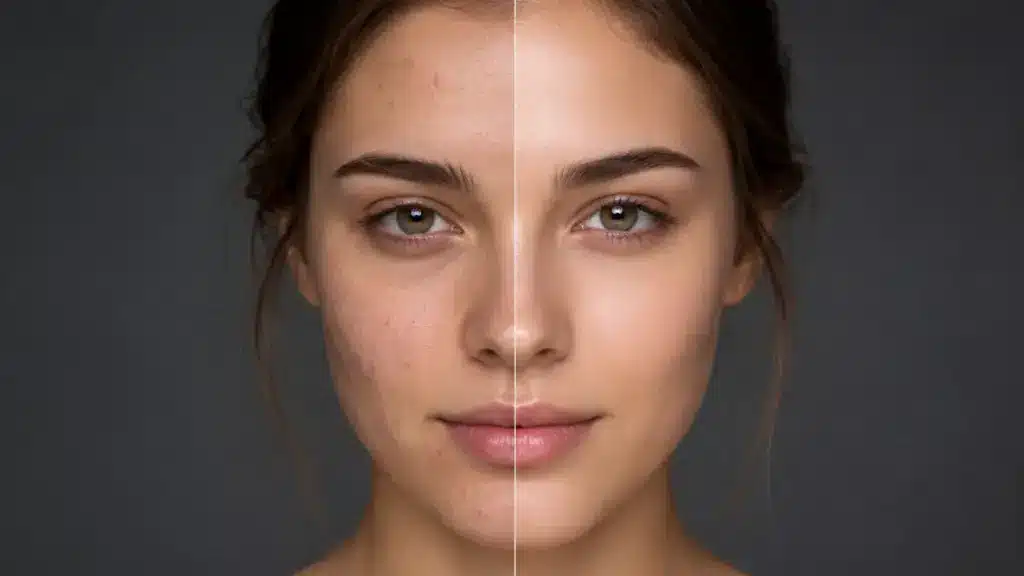
I noticed it first on my cheeks: a dull, slightly rough feeling that no amount of foundation quite covered. It wasn’t a breakout or classic dry skin.
It was just an uneven texture that had crept up on me while I wasn’t paying attention.
What I relearned that time is something I’ve come back to often since: how to get smooth skin isn’t about adding more steps to your routine. It’s about understanding what your skin actually needs.
This blog covers your face and your body, with product picks, home remedies worth trying, and the lifestyle habits that make a real difference over time.
What Causes Rough Skin Texture in the First Place?
Rough skin texture usually happens when dead skin cells, dehydration, clogged pores, sun damage, or certain skin conditions disturb the smooth surface of the skin.
- Slower Cell Turnover: Younger skin renews in 28 days, approximately, but this process slows with age. When renewal takes 40 days or longer, dead skin cells stay on the surface and create roughness.
- Dead Skin Buildup: When dead cells collect on the skin, moisturizers cannot be absorbed properly. This can leave the skin feeling dry, dull, and uneven.
- Dehydration: Lack of moisture weakens the skin barrier. A weak barrier struggles to manage healthy cell turnover, which can make texture look worse.
- Sun Damage: Long-term UV exposure breaks down collagen and thickens the outer layer of the skin. This can lead to premature roughness, uneven tone, and visible texture changes.
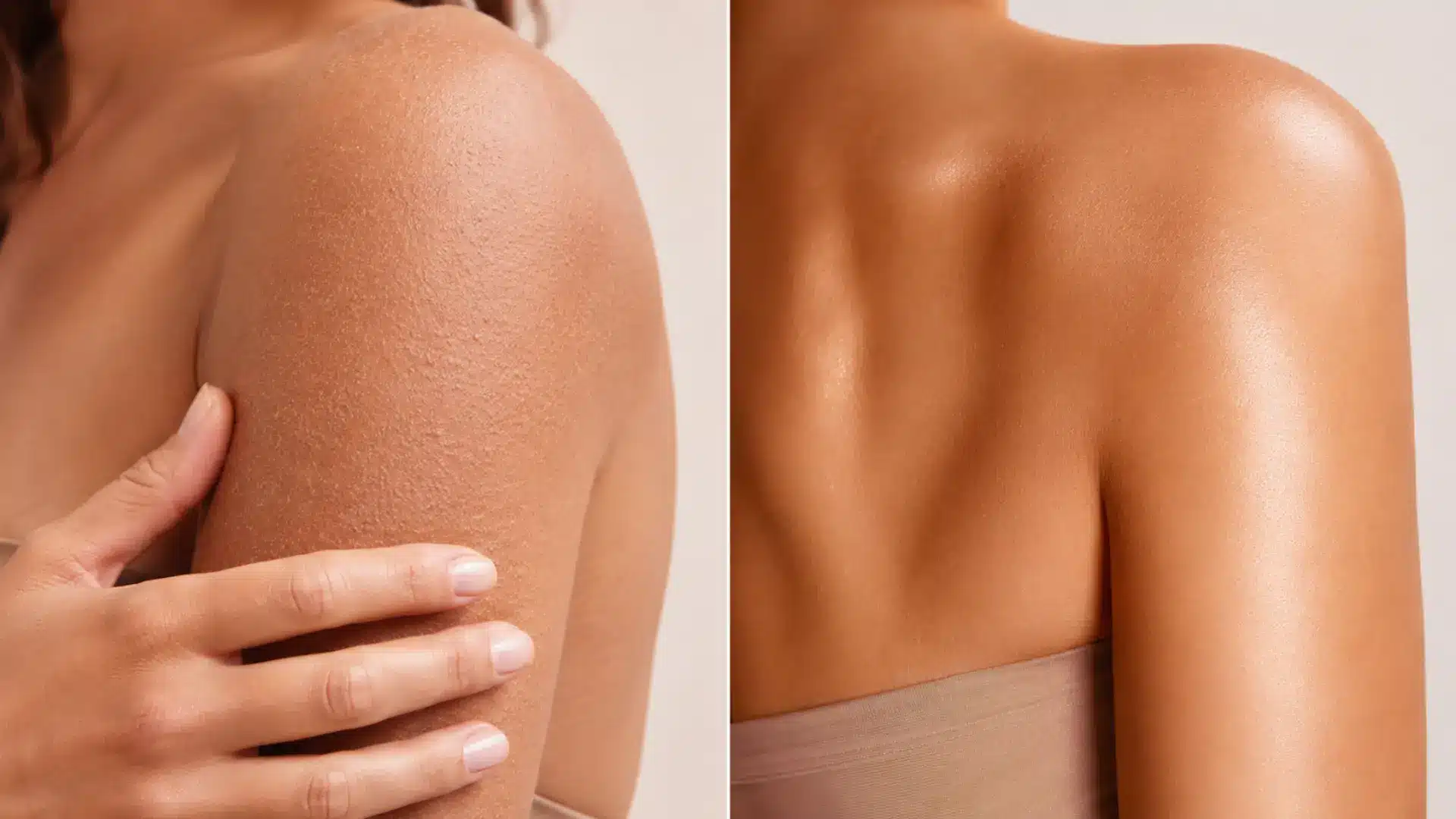
- Keratosis Pilaris: This common condition happens when keratin blocks hair follicles, causing rough, tiny bumps, often on the upper arms and thighs. It is harmless and not caused by poor hygiene.
- Harsh Scrubbing: Heavy scrubbing can irritate the skin and damage the barrier. A gentle BHA exfoliant used consistently is often a better option for smoothing rough texture.
- Weak Skin Barrier: When the barrier is damaged, skin becomes more prone to dryness, irritation, and buildup. Keeping the barrier strong helps the skin look smoother over time.
How to Get Smooth Skin with Simple Skin Care Tips

Smooth skin is not about finding one miracle product. It comes from a combination of healthy habits that support your skin every day.
1. Exfoliate Gently and Consistently
Exfoliation helps remove the layer of dead skin cells that can make skin feel rough and look dull.
Instead of using harsh scrubs, choose gentle chemical exfoliants such as AHAs or BHAs a few times each week. These ingredients help loosen dead skin without causing unnecessary irritation.
Over-exfoliating can damage the skin barrier and create more texture problems, so moderation is important. Consistent, gentle exfoliation often delivers better results than aggressive scrubbing.
2. Keep Your Skin Properly Hydrated
Hydrated skin usually feels softer, smoother, and more comfortable. Use a moisturizer that suits your skin type and apply it daily, especially after cleansing.
Ingredients such as hyaluronic acid, glycerin, and ceramides can help attract and retain moisture. Drinking enough water also supports overall skin health.
When skin stays hydrated, the barrier functions more effectively, helping reduce rough patches and improving the appearance of texture.
3. Wear Sunscreen Every Day
Sun exposure is one of the biggest contributors to rough skin texture. UV rays break down collagen and can cause the skin’s surface to become uneven over time.
Applying a broad-spectrum sunscreen with at least SPF 30 every morning helps protect your skin from daily damage. Even cloudy days expose your skin to UV radiation.
Consistent sun protection helps preserve smoothness and prevents texture concerns from becoming more noticeable.
4. Cleanse Without Stripping the Skin
A good cleanser removes dirt, oil, and product buildup while keeping the skin barrier intact. Harsh cleansers can leave skin feeling tight and dry, which may worsen roughness.
Choose a gentle cleanser that cleans effectively without removing essential moisture. Washing your face twice a day is usually enough for most people.
Healthy cleansing habits help keep pores clear and create a better environment for smooth, balanced skin.
5. Use Products That Support Cell Turnover
As skin ages, the natural renewal process slows down. Products containing retinol, retinal, or other vitamin A derivatives can help encourage healthy cell turnover.
These ingredients work gradually to improve texture, soften rough areas, and support smoother-looking skin.
Beginners should start with lower strengths and use them a few nights each week. Consistent use over several months often produces the best improvements in overall skin texture.
6. Strengthen Your Skin Barrier
A strong skin barrier helps maintain moisture and protects against irritation. When the barrier is healthy, skin is more resilient and often appears smoother.
Look for products containing ceramides, fatty acids, and niacinamide. Avoid switching products too often or using too many active ingredients at once.
Giving your skin the support it needs can reduce dryness, sensitivity, and uneven texture while promoting a healthier appearance.
7. Maintain Healthy Lifestyle Habits
Eating a balanced diet, getting enough sleep, managing stress, and staying hydrated all support healthier skin. Omega-3 foods, berries, and dark leafy greens support skin lipids and protect against cellular damage.
Regular movement supports skin repair and lowers inflammation. Aim for 150 minutes of moderate aerobic activity weekly, and rinse sweat off afterward.
Poor sleep and chronic stress can affect the skin’s ability to repair itself.
Consistent healthy habits create a strong foundation for smoother skin and can enhance the results of your skincare routine over time.
What is the Best Daily Face Routine for Smooth Skin
A face routine for smooth skin doesn’t need to be long. It needs to be consistent and sequenced correctly. The morning and evening routine goals are different: mornings protect, evenings repair.
Morning Routine
A simple morning routine should protect the skin, support brightness, and keep the barrier hydrated before daily sun exposure.
- Gentle, fragrance-free cleanser
- Vitamin C serum (brightens tone and supports collagen production)
- Moisturizer suited to your skin type
- Broad-spectrum SPF 30 or higher
Evening Routine
Nighttime skincare should focus on removing buildup, treating skin concerns, and helping the skin recover while you sleep.
- Micellar water or cleansing oil to dissolve SPF and makeup first
- Follow with your regular gentle cleanser
- Exfoliant, used 2-3 times a week: AHA (glycolic or lactic acid) for dry or normal skin; BHA (salicylic acid) for oily or acne-prone skin
- Treatment serum: niacinamide for texture and oil control, retinol for cell turnover, or hyaluronic acid for added plumping
- Moisturizer, slightly richer at night than your daytime formula
A note on layering: Apply thinner, water-based products before thicker ones, and give each product about two minutes to absorb before the next.
Daily Essential Routine by Skin Type
The best daily products depend on how your skin behaves, so choose formulas that match oil levels, dryness, sensitivity, and barrier needs.
| Skin Type | Basic Routine | Why It Works |
|---|---|---|
| Oily or acne-prone skin | Foaming facial cleanser, niacinamide serum, and a good sunscreen | Keeps the surface clear without stripping the barrier or triggering more oil production |
| Dry skin | Hydrating gentle cleanser, hyaluronic acid serum layered under moisturizing cream, and mineral SPF 30 | Adds hydration while ceramides help rebuild the skin barrier steadily over time |
| Combination skin | Hydrating foaming cleanser, niacinamide serum, lightweight gel moisturizer, and SPF | Balances the T-zone while keeping skin hydrated without heaviness in oilier areas |
| Sensitive skin | Gentle facial cleanser, fragrance-free ceramide moisturizer, and mineral sunscreen with titanium dioxide or zinc oxide | Mineral filters are usually gentler on reactive skin than chemical UV filters |
Home Remedies for Smoother Skin
Plenty of ingredients people have used on their skin for generations have real evidence supporting them. A few are worth keeping in your routine, especially if you prefer to keep your product shelf simple.
- Honey: Raw honey draws moisture into the skin as a natural humectant and carries bioactive compounds with skin-calming properties. Apply a thin layer to clean skin, leave for 10-15 minutes, then rinse with warm water. Works well for normal to dry skin types.
- Oatmeal: Colloidal oatmeal soothes rough, dry, and irritated skin, and the AAD classifies it as a recognized skin protectant. Stir it into warm bathwater or mix into a paste and apply for 10-15 minutes on particularly rough areas.
- Sugar scrub: Granulated white sugar mixed with a small amount of coconut or almond oil makes a gentle physical exfoliant for body skin. Keep it off the face, where the crystals can create small abrasions on more delicate skin.
- Aloe vera: Fresh aloe gel has anti-inflammatory and barrier-supporting properties. Apply directly from a leaf or use a pure store-bought version. Check the ingredient list for added alcohol or synthetic fragrance, which can undo the benefit.
If you already have a South Asian beauty routine that includes besan masks, diluted turmeric, or rose water as a toner, those traditions overlap naturally with what the evidence supports. Rituals that have lasted tend to last for a reason.
Note: These home remedies support general skin maintenance and are not a substitute for medical treatment. Patch test any new ingredient on your inner arm before applying to your face or body.
Body Product Picks Worth Trying to Get Smooth Skin
The right body products can keep skin smooth, hydrated, and protected without making the routine feel complicated or expensive.
| Product | Recommendation |
|---|---|
| Body scrub | Frank Body Original Coffee Scrub for a twice-a-week buffer, or 1 tablespoon white sugar mixed with a little almond oil for a gentler budget version |
| Body lotion | Cetaphil Moisturizing Lotion for most skin types, or Neutrogena Norwegian Formula Body Lotion for very dry or rough patches |
| Dry brush | A natural-bristle brush like the Belula Dry Brushing Body Brush Set can be used on dry skin before showering |
| Body SPF | EltaMD UV Lotion Broad-Spectrum SPF 35 or La Roche-Posay Anthelios Body Lotion |
Common Mistakes that Keep Body Texture Rough
Most body texture problems trace back to a small set of repeatable habits. If your routine feels complete but your skin still feels rough, one of these is usually the culprit.
- Exfoliating too often: Scrubbing more than three times a week disrupts the skin barrier rather than clearing it. Irritation, tight-feeling skin, and unexpected sensitivity are signs you’ve overstepped. Pull back to twice a week and see if things settle.
- Skipping moisturizer after shaving: Shaving removes a fine layer of skin along with the hair, which leaves the surface temporarily more exposed. Applying a fragrance-free body lotion or a light oil right after reduces redness and keeps the texture from roughening.
- Using a high-pH bar soap: Traditional bar soaps often sit well above the skin’s natural pH range of 4.5 to 5.5, which weakens the acid mantle and dries the barrier over time. Swapping to a body wash or a syndet bar is a quick fix that makes a noticeable difference.
- Rubbing dry with a rough towel: Friction from aggressive towel-drying strips moisture from freshly cleansed skin and can irritate sensitive areas. Patting dry takes the same amount of time and causes none of the same damage.
Conclusion
Smooth skin is built on patterns, not products. Consistent exfoliation clears the surface, daily SPF prevents future damage, and a good moisturizer applied at the right moment seals in hydration.
Regular sleep and high-quality food give your skin the raw materials to repair itself from the inside.
No single step does all of this on its own, but small, consistent changes compound quietly.
Four weeks from now, your skin will have cycled through almost entirely new surface cells. Give those cells something worth working with.
What skin type are you currently working with? Drop it in the comments and tell me which step you’re planning to start with.
Frequently Asked Questions
Should I Exfoliate if My Skin is Sensitive?
Yes, but with gentler options. Enzyme exfoliants (papaya or pineapple enzymes) or very low-concentration lactic acid (around 2-5%) are gentler on reactive skin than physical scrubs or high-strength AHAs.
Can Smooth Skin Come Back After Acne Scarring?
Post-inflammatory hyperpigmentation (dark spots left after breakouts) generally fades over months with consistent SPF use and ingredients like niacinamide or vitamin C. Textural scars, meaning pitting or raised marks, are harder to address with a home routine alone.
Is Smooth Skin Genetic?
Genetics plays a real role. The remaining portion is shaped by lifestyle and routine, which means the habits in this guide make a genuine difference even if your baseline texture is partly inherited.
Does Drinking More Water Actually Improve Skin Texture?
Water intake improves skin elasticity and reduces visible roughness, but the effect is most pronounced when someone starts from a state of chronic dehydration. For people who already drink a reasonable amount, the more significant gains come from applying moisturizer correctly and consistently rather than from increasing water intake alone.