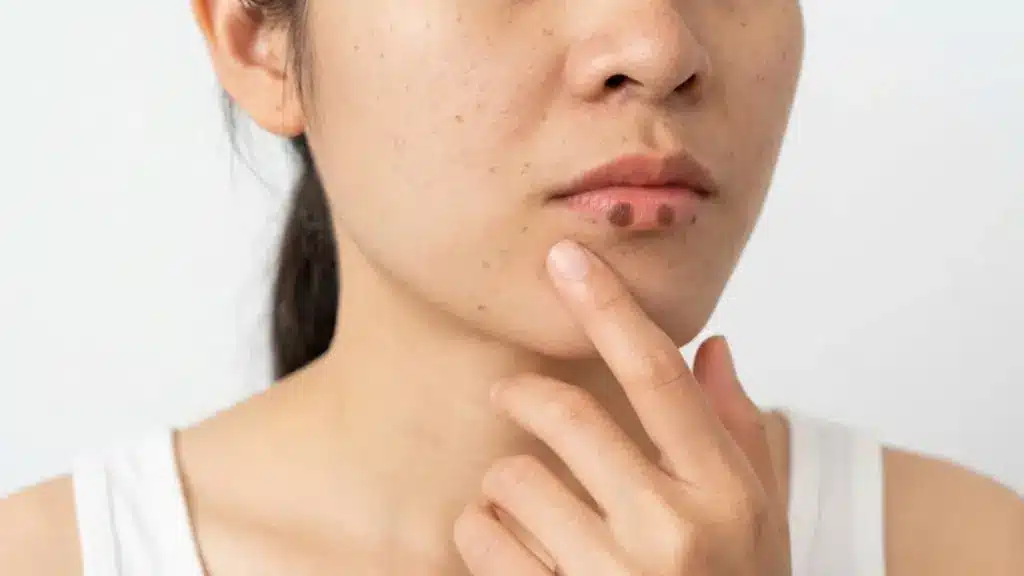
A small mark on the lip can look more serious than it really is because the lips are easy to notice.
In many cases, the reason may be simple, such as dryness, irritation, an old injury, sun exposure, or extra pigment in the skin.
Still, dark spots on the lips should not be ignored when they change, bleed, hurt, or do not heal.
That is when it becomes important to understand what may be normal and what may need a closer look.
In this blog, you will learn the common reasons behind dark or black lip spots, the signs that may need attention, and when it makes sense to see a doctor or dentist. The goal is to keep things clear, calm, and easy to understand.
What Do Black or Dark Spots on Lips Mean?
Dark or black spots on the lips usually indicate a change in the color of the skin or tissue. This change can happen for many reasons.
Extra pigment may build up after sun exposure, dryness, inflammation, or repeated irritation. A spot may also appear after a lip bite, burn, cut, or bruise, especially while the area is healing.
Smoking can darken the lips over time and may also make certain changes easier to notice.
Some medicines can cause darker patches as a side effect, though this should be checked with a doctor before making any changes.
In some cases, a small dark mark may be a harmless freckle, mole, or benign lesion. Still, appearance alone is not enough to know the exact cause, so any change or unusual spot should be checked.
Common Causes of Dark Spots on Lips
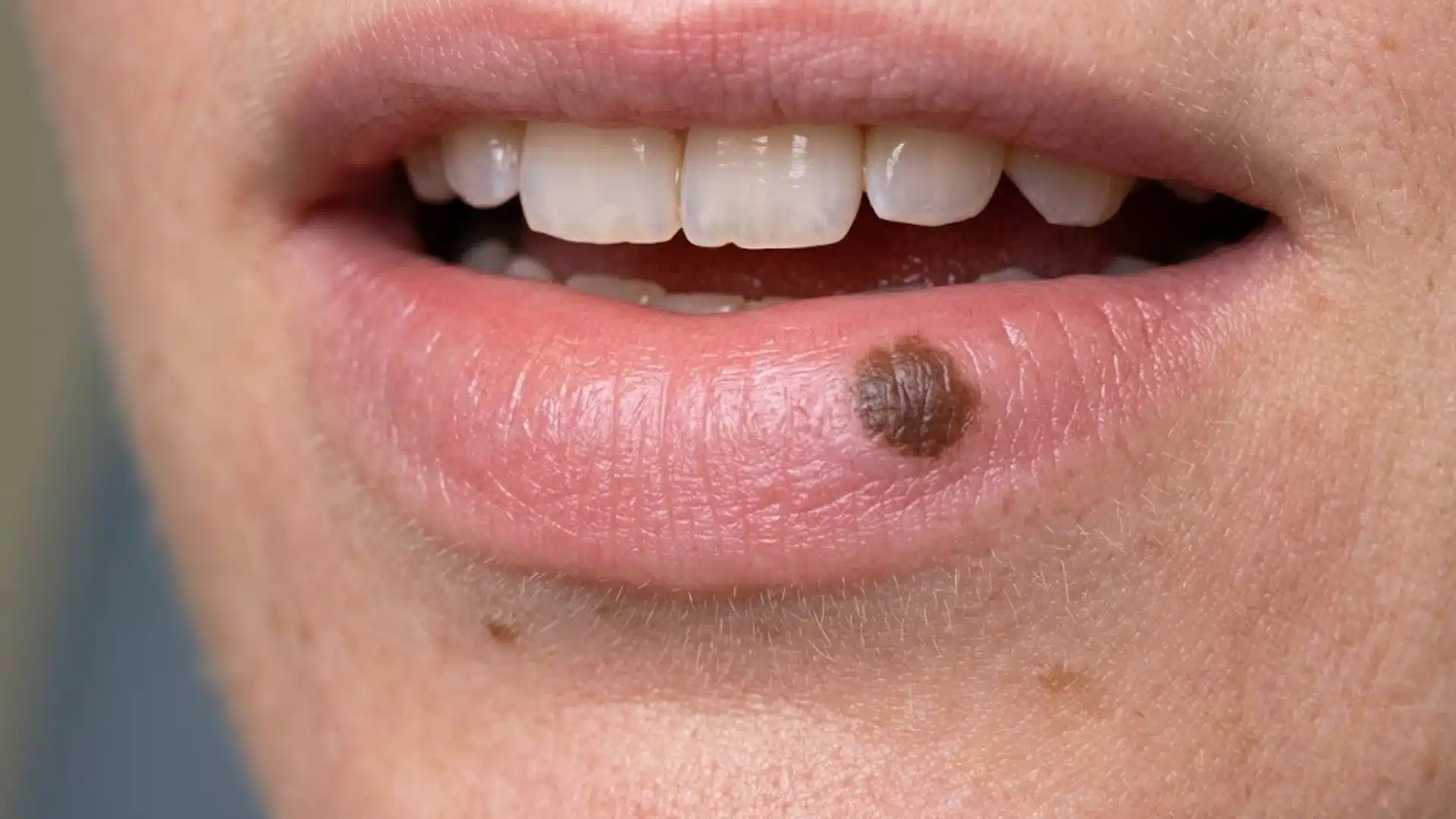
Many lip spots are linked to everyday causes, but the reason depends on color, shape, timing, symptoms, and personal history.
1. Hyperpigmentation
Hyperpigmentation occurs when excess melanin accumulates in a specific area. Melanin is the pigment that gives skin its color.
On the lips, this can show as small brown, gray, or dark marks. Sun exposure can make this more noticeable, especially without lip SPF.
Some skin tones may also develop pigment changes more easily. Past irritation, dryness, or inflammation can leave a darker mark even after the lip has healed.
For a deeper look at how pigmentation builds around the mouth, this guide on hyperpigmentation around the mouth covers the common triggers and care steps.
2. Irritation or Allergic Reaction
Irritation can happen when the lips react to something used often. Lip balm, lipstick, toothpaste, mouthwash, spicy foods, or dental products may bother the skin.
Frequent licking can also dry out the lips and worsen irritation. After the irritation settles, the area may look darker for a while.
This does not always mean something serious, but it helps to notice if the spot started after a new product or habit.
3. Injury, Biting, or Bruising
A dark spot can appear after the lip is hurt. This may happen from lip biting, a burn, a cut, dental work, or a small bump.
The area can look purple, brown, or black while blood and skin tissue heal. In many cases, the mark fades with time.
Still, it should not keep getting bigger or more painful. If a spot remains for weeks or changes shape, it is better to get it checked.
4. Smoking or Tobacco Use
Tobacco use or smoking can darken the lips over time. This may happen because tobacco smoke, heat, and chemicals can affect the skin and blood flow around the mouth.
Some people may notice darker patches, uneven color, or rough areas. A stable color change may not always be urgent.
However, a new spot that grows, bleeds, hurts, or does not heal should be taken seriously, especially if there is a history of tobacco use.
5. Medication Side Effects
Some medicines can cause pigmentation changes in the skin, gums, or lips. This can sometimes show as brown, gray, blue, or dark patches.
The change may happen slowly, so it is not always easy to link it to a medication. Still, readers should not stop taking prescribed medicine on their own.
A doctor can review the medical history, examine the spot, and determine whether the mark could be linked to treatment.
6. Benign Spots or Lesions
Some dark lip spots are harmless. They may be freckles, small moles, melanocytic macules, or other non-cancerous marks.
These spots are often flat, painless, and stable in size. Even so, it is hard to confirm the cause without training.
A dentist, doctor, or dermatologist can check unusual marks and decide if they only need watching or further testing. Changes in size, color, border, or symptoms should always be checked.
If you are unsure whether a lip mark is a freckle or a mole, this blog on freckles vs moles can help you understand the differences to watch for.
7. Hormonal Changes
Hormonal fluctuations can trigger pigment changes around and on the lips.
This is especially common during pregnancy, when estrogen and progesterone levels rise significantly, stimulating melanin production.
Hormonal contraceptives and hormone replacement therapy can have a similar effect. The resulting darkening often overlaps with melasma and may be more noticeable with sun exposure.
A doctor or dermatologist can help distinguish hormonal pigmentation from other causes.
When Dark Spots on Lips May Be Harmless?
Some lip spots are less worrying when they remain stable and have a clear cause. A small mark that appears after irritation, dryness, or a minor injury may fade as the lip heals.
- Same size for a long time: A spot that does not grow, spread, or change shape may be less concerning.
- No bleeding or crusting: Smooth skin without scabs, bleeding, peeling, or open areas is usually a better sign.
- Appeared after injury or irritation: Biting, burns, dryness, dental work, or product reactions can leave temporary, darker marks.
- Fades slowly over time: Healing pigment can take several weeks to lighten, especially after inflammation or minor trauma.
- No lump, sore, or pain: A flat, painless mark without swelling is often less alarming than a painful bump.
- No spreading color changes: A spot that stays in one area may be easier to monitor over time.
Even when dark spots on the lips seem harmless, keep watching them. Any sudden change in size, color, texture, or healing should be checked.
Treatment Options for Dark Spots on the Lips
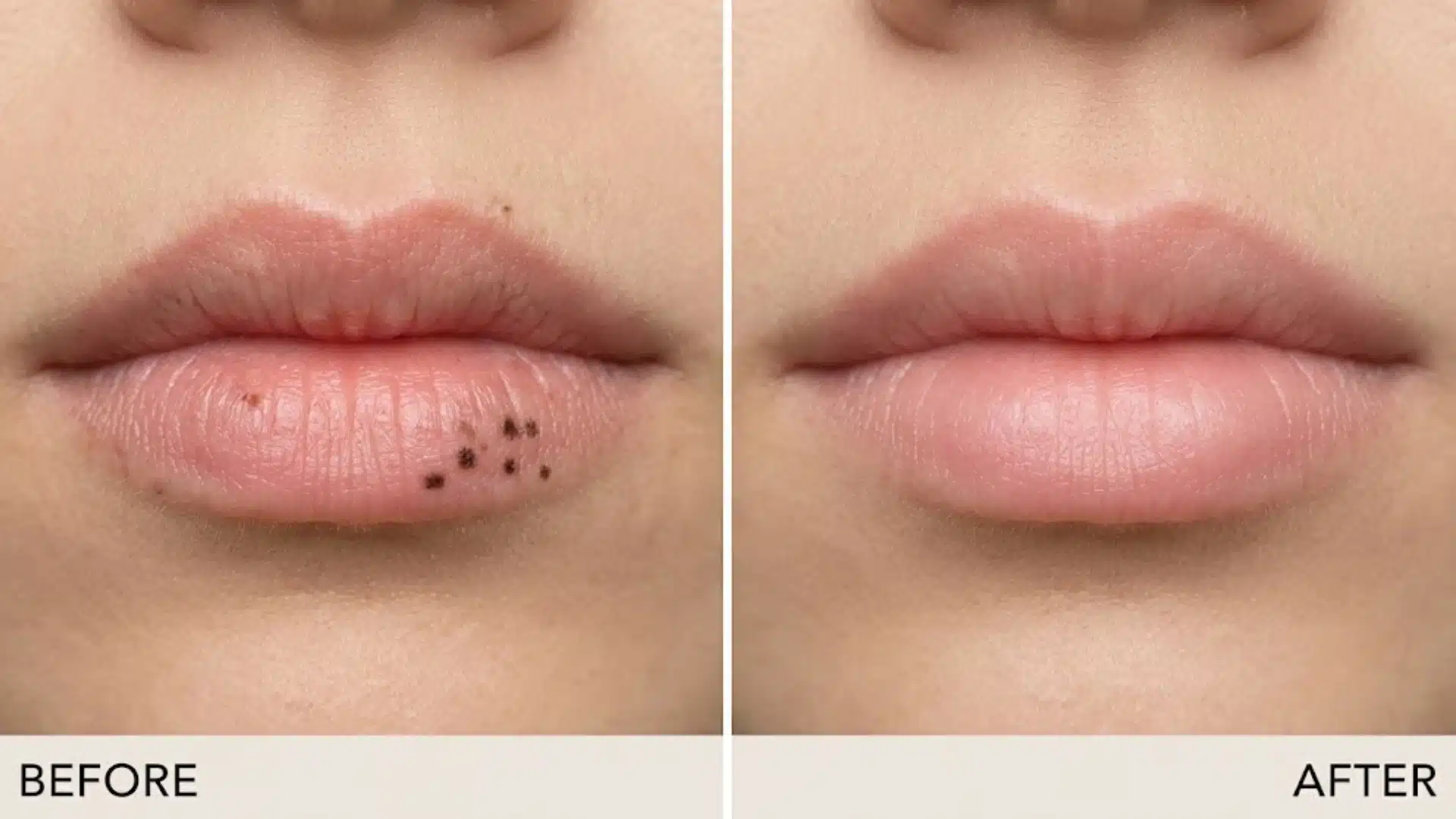
Dark spots on the lips can often be improved once the underlying cause is identified. Treatment depends on whether the pigmentation is linked to lifestyle habits, irritation, medications, or a medical condition.
- Sun protection: A daily SPF lip balm is the most effective prevention for pigmentation linked to UV exposure. It also helps slow new spots from forming while others fade.
- Topical treatments: For hyperpigmentation, dermatologists may recommend lightening serums or prescription creams. These should be used only on the lip area if a doctor confirms they are safe for that area.
- Laser therapy: Venous lakes, melanotic macules, and some forms of hyperpigmentation can be removed or significantly lightened with laser treatments. A dermatologist or cosmetic clinician performs this.
- Addressing the underlying cause: If a spot is linked to a vitamin deficiency, a doctor may recommend dietary changes or supplements. If a medication is responsible, a doctor may adjust the treatment plan.
- Stopping tobacco use: Lip darkening from smoking may improve over time once tobacco use stops, though this varies by person.
This section is for general information only. Always consult a licensed doctor or dermatologist before starting any treatment for lip discoloration.
Melasma Upper Lip vs Dark Spots on the Lip
This table explains how melasma near the upper lip differs from dark spots that appear directly on the lip.
| Condition | Melasma on the upper lip | Dark spot directly on the lip |
|---|---|---|
| Where it appears | On the skin above the upper lip, not usually on the lip itself. | On the lip surface, lip border, or inside the mouth. |
| How it usually looks | Brown or gray-brown patches that may look like a shadow or a mustache. | A small brown, black, purple, or gray spot. It may be flat, raised, sore, or painless. |
| Common triggers | Sun exposure, hormones, pregnancy, birth control, heat, and skin tone. | Injury, irritation, smoking, sun exposure, medicine side effects, or benign lesions. |
| Who can check it | A dermatologist or doctor can check it. | A dentist, doctor, or dermatologist can check it. |
| Main point | It is usually a skin pigmentation issue, but changes or spreading should be checked. | It has more possible causes, so changes in size, color, pain, bleeding, or healing time matter. |
When to See a Doctor
A lip spot should be checked when its location or behavior feels unusual. If the spot is on the lip skin, lip border, or surrounding skin, a dermatologist can check whether it is linked to pigment, irritation, sun damage, or another skin concern.
Warning signs you should not ignore:
- Growing spot: A mark that gets larger, darker, wider, or starts spreading over time should be checked by a doctor, dentist, or dermatologist.
- Uneven border: A spot with rough, jagged, blurry, or uneven edges may need closer attention because stable spots usually look more even.
- Bleeding or crusting: Bleeding, scabbing, crusting, or an open sore can be concerning, especially if it heals and then keeps coming back.
- Pain or numbness: Pain, numbness, tingling, swelling, or tenderness around the lip should not be ignored, especially when it appears without injury.
- Lump on the lip: A new bump, hard area, raised spot, or thick patch on the lip should be examined instead of being picked.
- Sore that does not heal: A sore that lasts more than two weeks should be checked, even if it looks small or does not hurt much.
- White or red patch: A white, red, or mixed patch inside the mouth may need a proper dental exam to rule out serious causes.
- No clear reason: A new dark spot with no injury, irritation, burn, or product change should be watched closely and checked to see if it persists.
It is also smart to ask for a check if there is a history of smoking, heavy sun exposure, repeated lip sores, or oral cancer risk. A simple exam can clear up confusion and prevent delays.
How to Prevent Lip Darkening and Irritation?
Simple lip care habits can reduce irritation, protect the skin, and make new or changing spots easier to notice.
- Use SPF lip balm: Choose a lip balm with SPF during the day, since sun exposure can darken pigment and irritate healing skin.
- Avoid harsh products: Skip lip products, toothpaste, or mouthwash that sting, burn, dry the lips, or cause repeated peeling.
- Let skin heal: Do not pick, bite, or peel healing skin, because this can worsen irritation and leave darker marks.
- Be gentle with exfoliation: Avoid rough scrubs or frequent exfoliation, since the lip skin is thin and can get irritated quickly.
- Watch product reactions: Notice changes after new lip products, dental products, or spicy foods, and book a checkup if a spot keeps changing.
What Not to Do at Home?
Home care can help when the lips are dry, cracked, or mildly irritated. Still, a dark spot should not be treated too aggressively.
The lip area is thin and sensitive, so harsh products or repeated picking can worsen irritation. It can also leave deeper marks that take longer to fade.
A spot that bleeds, hurts, grows, or does not heal needs proper checking, not random home treatment.
- Do not use bleaching creams on the lips unless a doctor has said they are safe for that area.
- Do not scrape, squeeze, pick, or peel the spot because this can irritate the skin and cause marks.
- Do not ignore bleeding, crusting, open sores, or spots that do not heal after two weeks.
- Do not assume every dark mark is melasma, since lip spots can have many different causes.
- Do not stop prescribed medicine without asking a doctor, even if pigmentation starts after treatment.
The safer option is to protect the lips, avoid harsh products, and watch the spot for changes. If it keeps changing, feels painful, or looks unusual, a doctor, dentist, or dermatologist can help find the real cause.
Conclusion
A dark spot on the lip does not always mean something serious. Many spots come from simple causes like sun exposure, irritation, injury, smoking, medicine side effects, or extra pigment.
Some may also be harmless freckles, marks, or benign spots that stay the same for a long time. Still, the way a spot behaves matters.
If it grows, changes color, bleeds, hurts, crusts, forms a lump, or does not heal after two weeks, it should be checked by a doctor, dentist, or dermatologist.
The safest way to handle dark spots on the lips is to watch for changes, avoid harsh home treatments, and get help if anything feels unusual.
Have you noticed a lip spot that changed over time or stayed longer than expected? Share your thoughts or questions in the comments below.
Frequently Asked Questions
Can a Vitamin Deficiency Cause Dark Spots on the Lips?
Vitamin deficiency may sometimes affect the lips, especially when it causes dryness, cracking, soreness, or changes around the mouth. However, it is not always the direct reason for a dark spot. Low levels of certain nutrients, such as vitamin B12 or iron, may be linked with mouth changes in some people. A doctor can confirm this with a simple checkup or blood test.
Are Dark Spots on the Lips Contagious?
Most dark spots on the lips are not contagious. Pigment changes, sun marks, bruises, freckles, or benign spots do not spread from one person to another. However, if the spot looks like a blister, sore, or infected area, it may need a closer look. A dentist or doctor can tell whether it is only pigmentation or something else.
Can Stress Cause Dark Spots on the Lips?
Stress does not usually create a dark spot directly, but it can affect habits that irritate the lips. Some people bite, lick, pick, or rub their lips more when stressed. This can lead to dryness, small injuries, and later dark marks. If the spot keeps coming back, checking both the skin and daily habits can help.
What Does Precancer on Lips Look Like?
Precancer on the lips often appears as a persistent rough, scaly, or crusted patch that does not heal. The area may look white or red, thicken, crack, or develop a sore that bleeds easily. Persistent changes require medical evaluation.