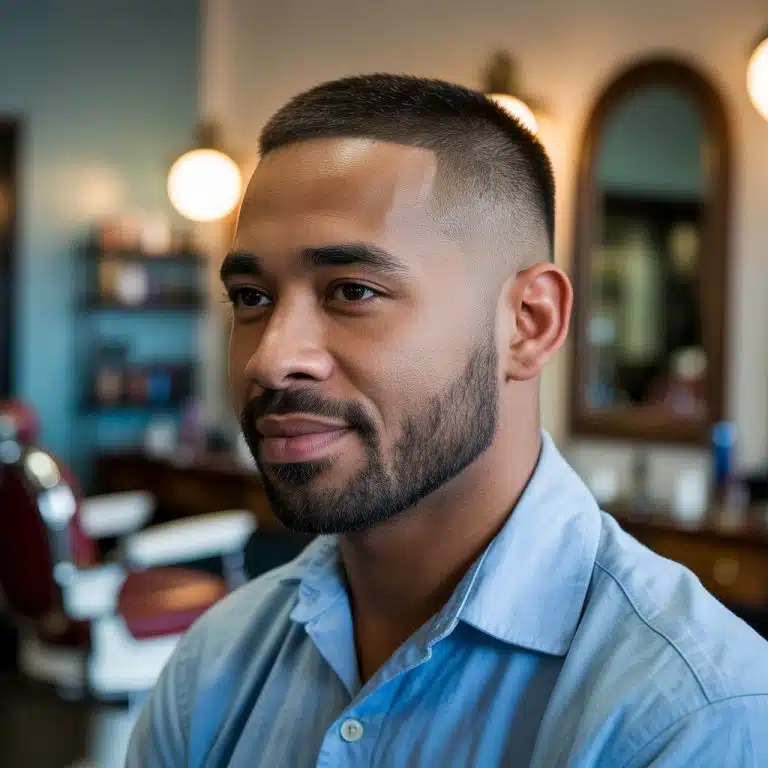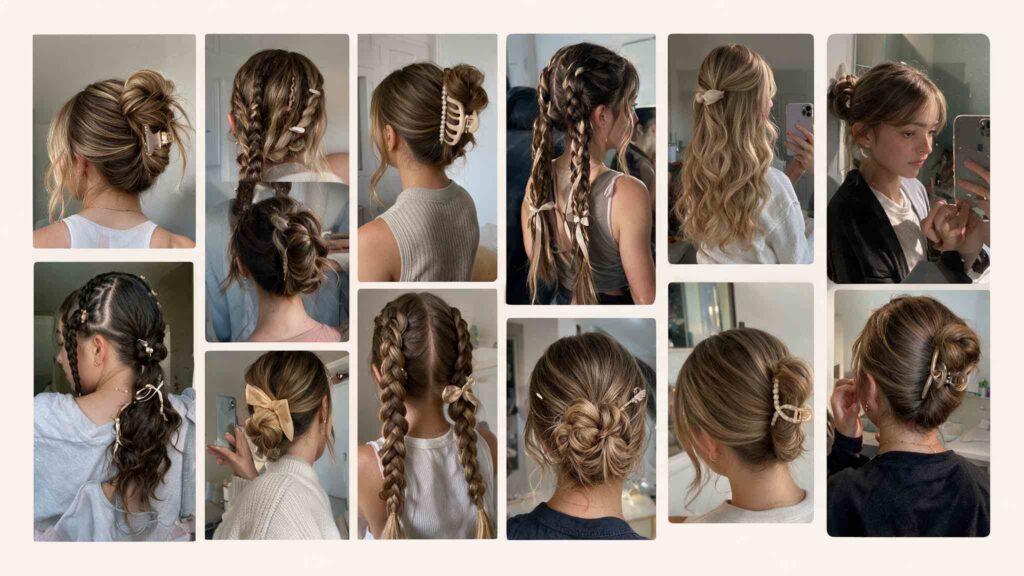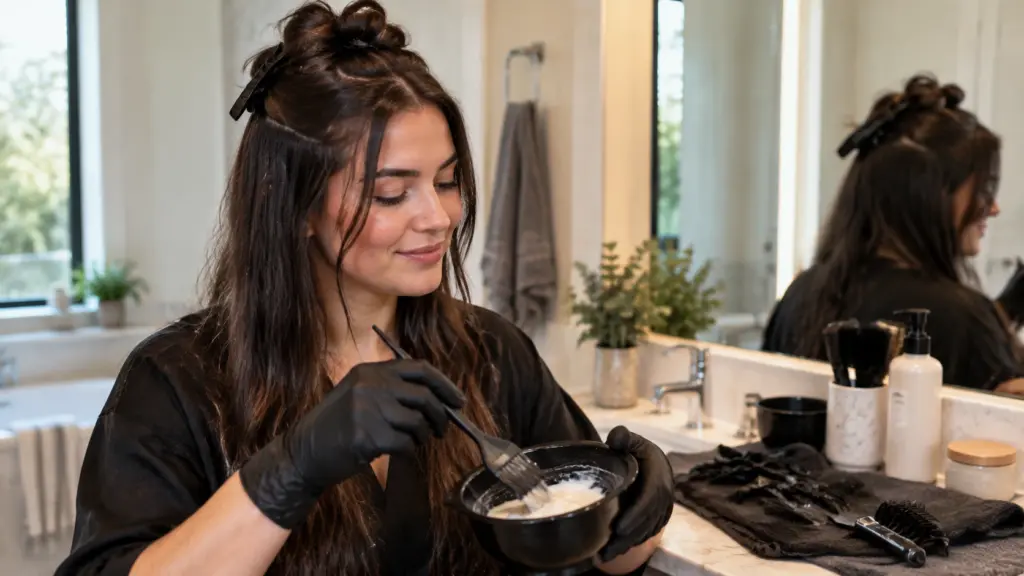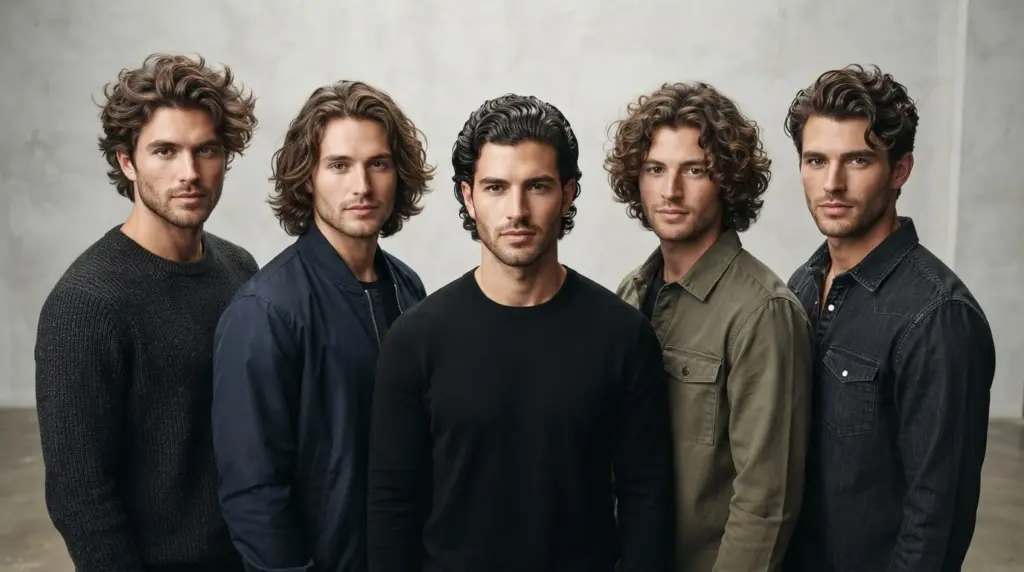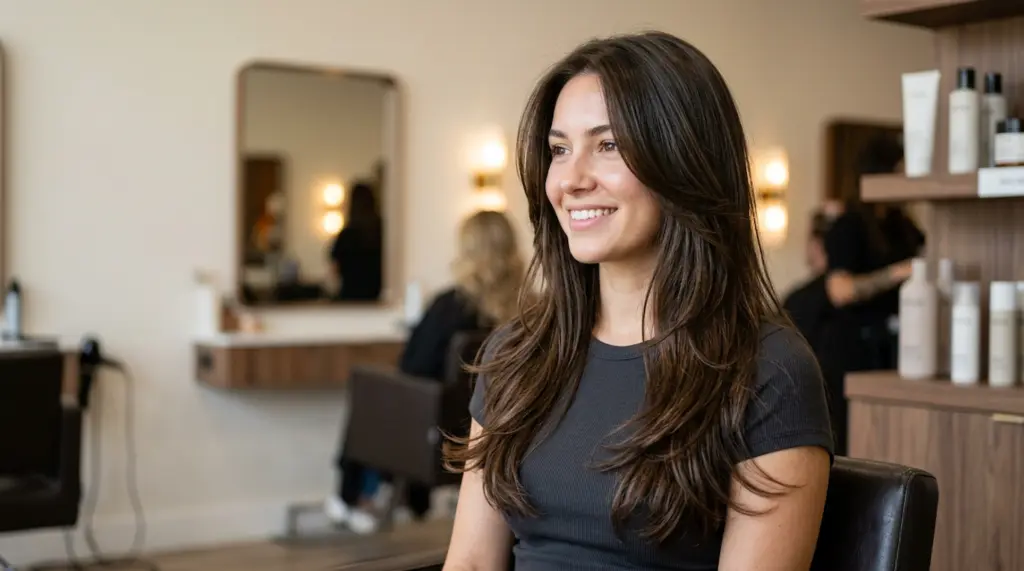
Layered hair can look airy, full, soft, or sharply textured, but the basic idea is simple. A stylist cuts sections at different lengths instead of creating one even line around the head.
In my chair, layers are usually the fix when a client says their hair feels flat, but they are scared to lose length. Those length changes affect where the hair holds weight, how the ends fall, and how much movement shows when you turn your head.
The right layers can give straight hair more shape, help waves sit more freely, or keep thick curls from forming a heavy triangle.
Poorly placed layers can also leave fine ends looking thin or create short pieces that are hard to tie back. Here is how layers work, which styles are common, and what to discuss before your next haircut.
What is Layered Hair and How Does it Work?
Layered hair is cut at two or more lengths, with shorter sections sitting over longer ones. A blunt cut is different because most ends meet at one strong line.
During the haircut, the stylist separates the hair into sections and lifts each section away from the head before cutting it. The angle, often called elevation, affects where weight stays.
A haircut at a lower angle keeps more fullness near the bottom. Hair lifted higher before cutting loses more weight and falls with greater separation. The shortest layer has a big effect on the final shape.
Crown layers can create lift at the top, while cheekbone or chin-length pieces frame the face. Longer layers through the middle can add movement without taking much from the outer length.
Note: Layers do not increase the number of strands on your head, since the average scalp hair count stays fixed regardless of how it’s cut. They make hair appear fuller by changing shape & exposing more ends, but the result still depends on density, strand thickness, texture, and styling.
Which Layered Haircut Styles are Most Common?
Different layer types affect movement, volume, shape, and how hair frames the face. Choosing the right option depends on your hair length, density, texture, and preferred finish.
1. Long Layers
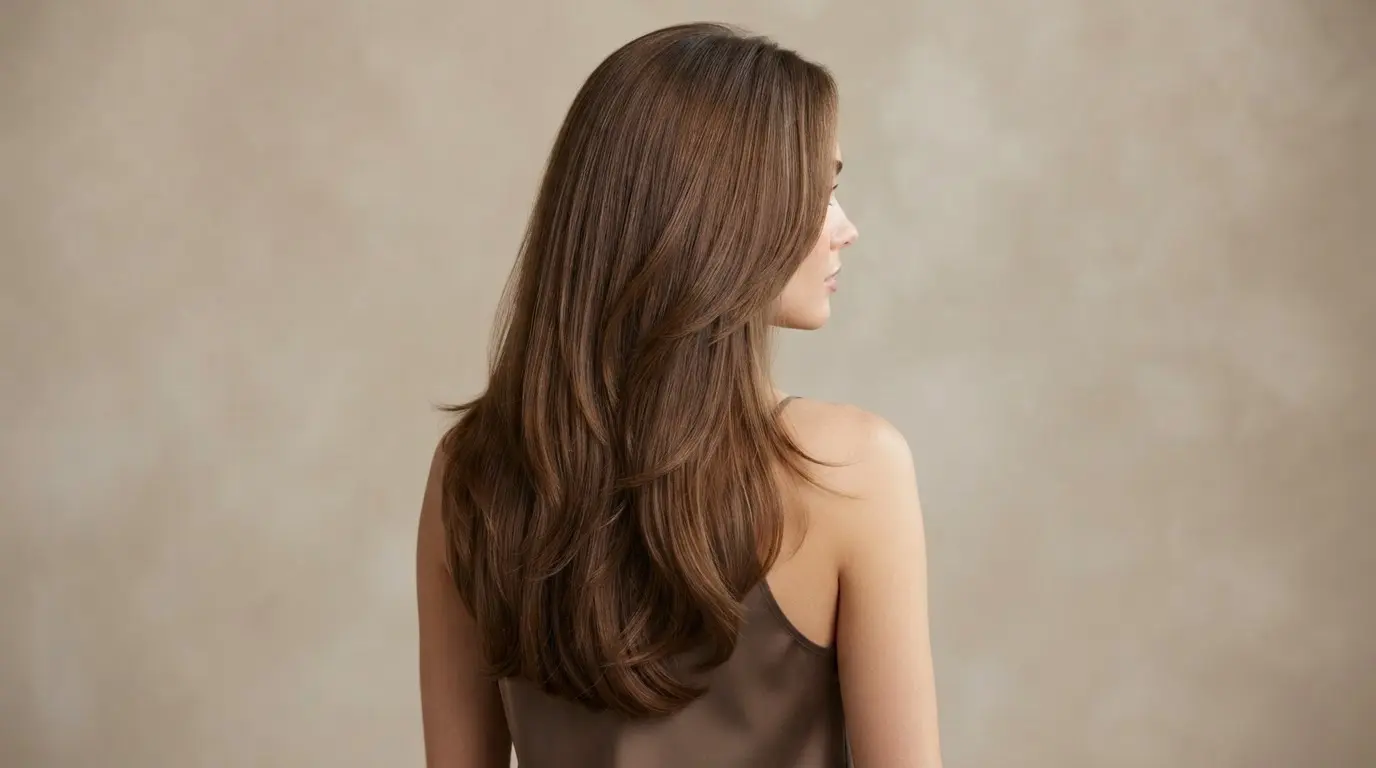
Long layers begin farther down the hair, usually through the mid-lengths and ends. They add movement and shape without removing much overall length or fullness.
This style works especially well for medium to long hair and suits people who want a softer layered appearance that blends naturally rather than creating strong separation between sections.
2. Short Layers
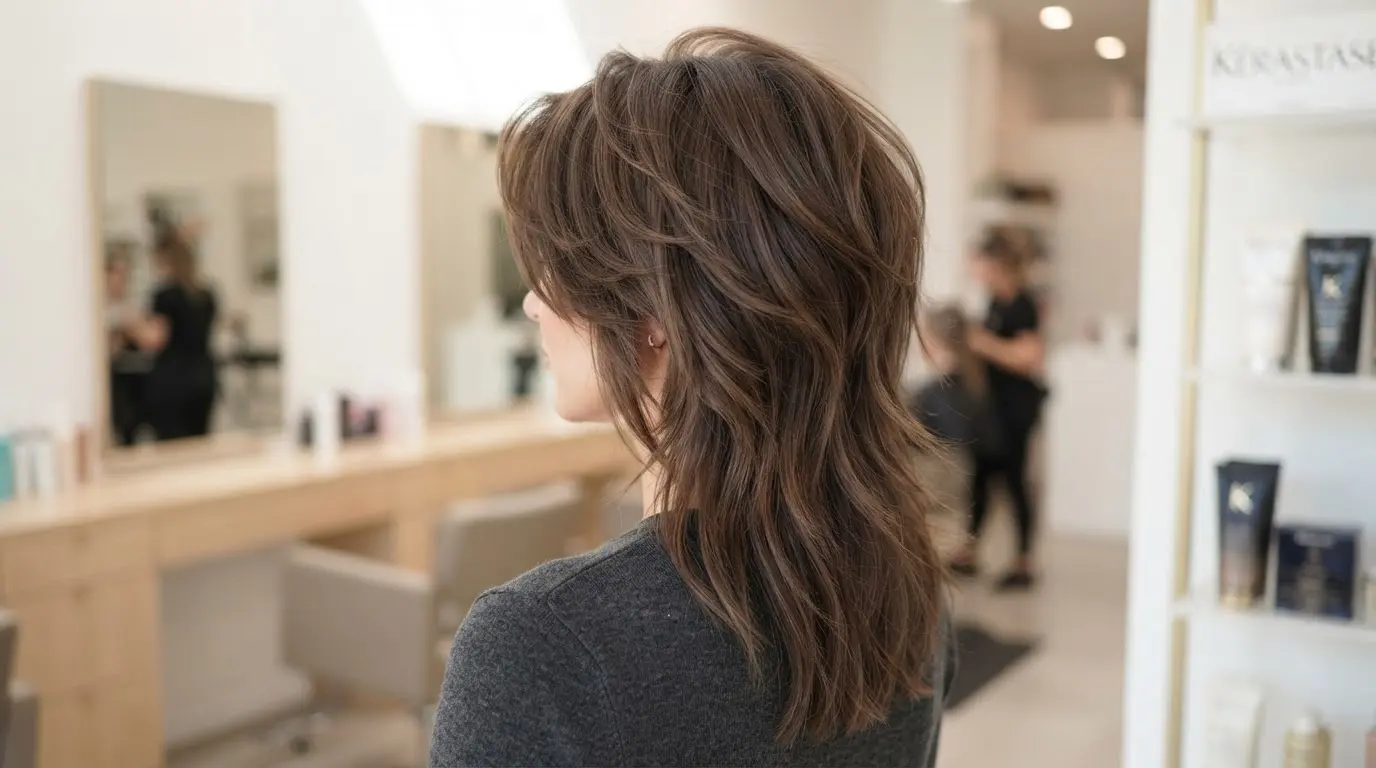
Short layers start higher on the head and create more noticeable differences between hair lengths. They can add lift, volume, and texture, particularly around the crown.
These layers work across several hair lengths but tend to create a more defined shape, similar to a cropped bixie shape on finer strands. Placement matters because cutting them too short can significantly change volume and the overall silhouette.
3. Face-Framing Layers
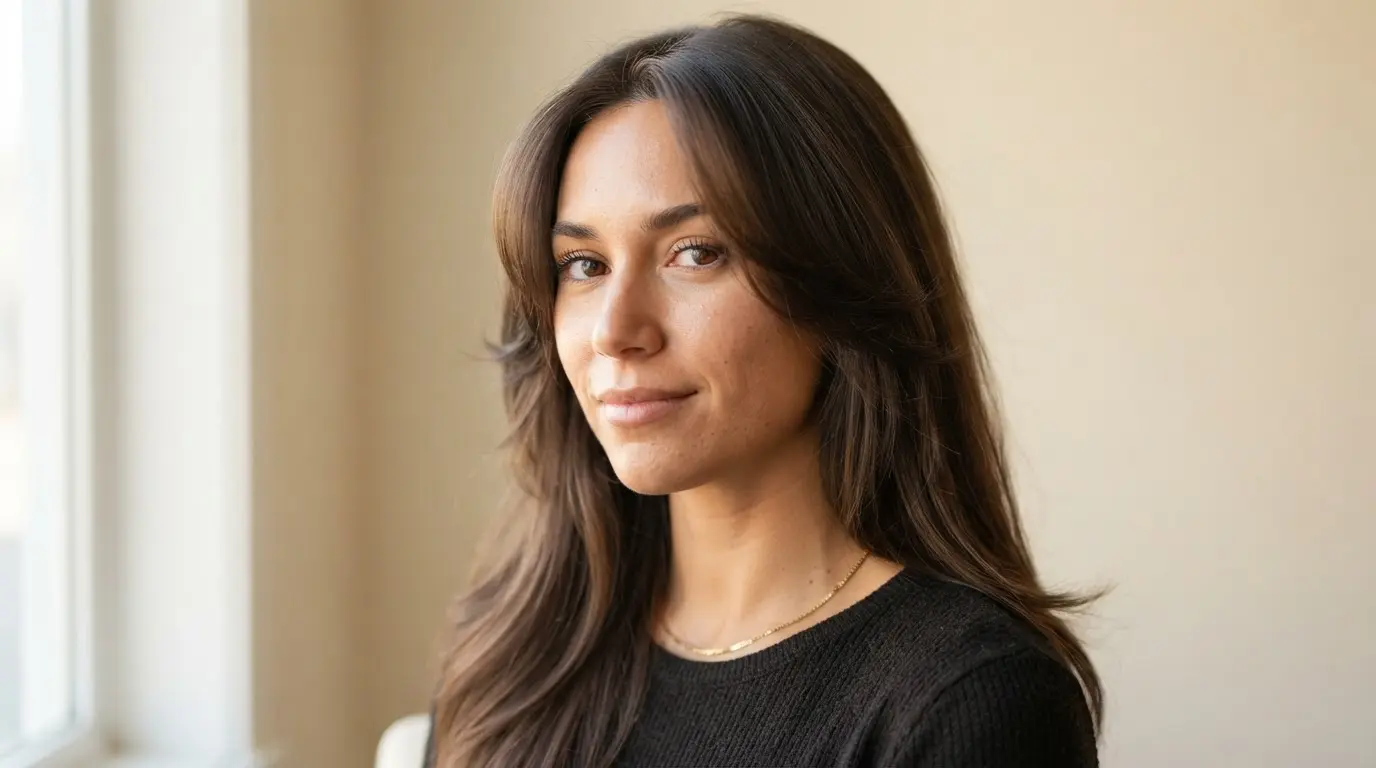
Face-framing layers are shorter sections placed around the front of the hair, often beginning near the cheekbones, chin, or jaw.
They add movement around the face without requiring heavy layering throughout the rest of the hair. Their length and placement can be adjusted according to hair length, texture, and how much framing you prefer.
4. Internal Layers

Internal or invisible layers sit underneath the outer sections of the hair, making them less noticeable from the surface. They remove selected weight and help create movement while maintaining a fuller outer shape.
This technique can work well for dense or thick hair when you want less bulk without the strongly layered appearance created by shorter surface layers. In my experience, clients with high-density hair get the most relief from this cut. The weight comes out without changing the silhouette they came in with.
5. Choppy Layers
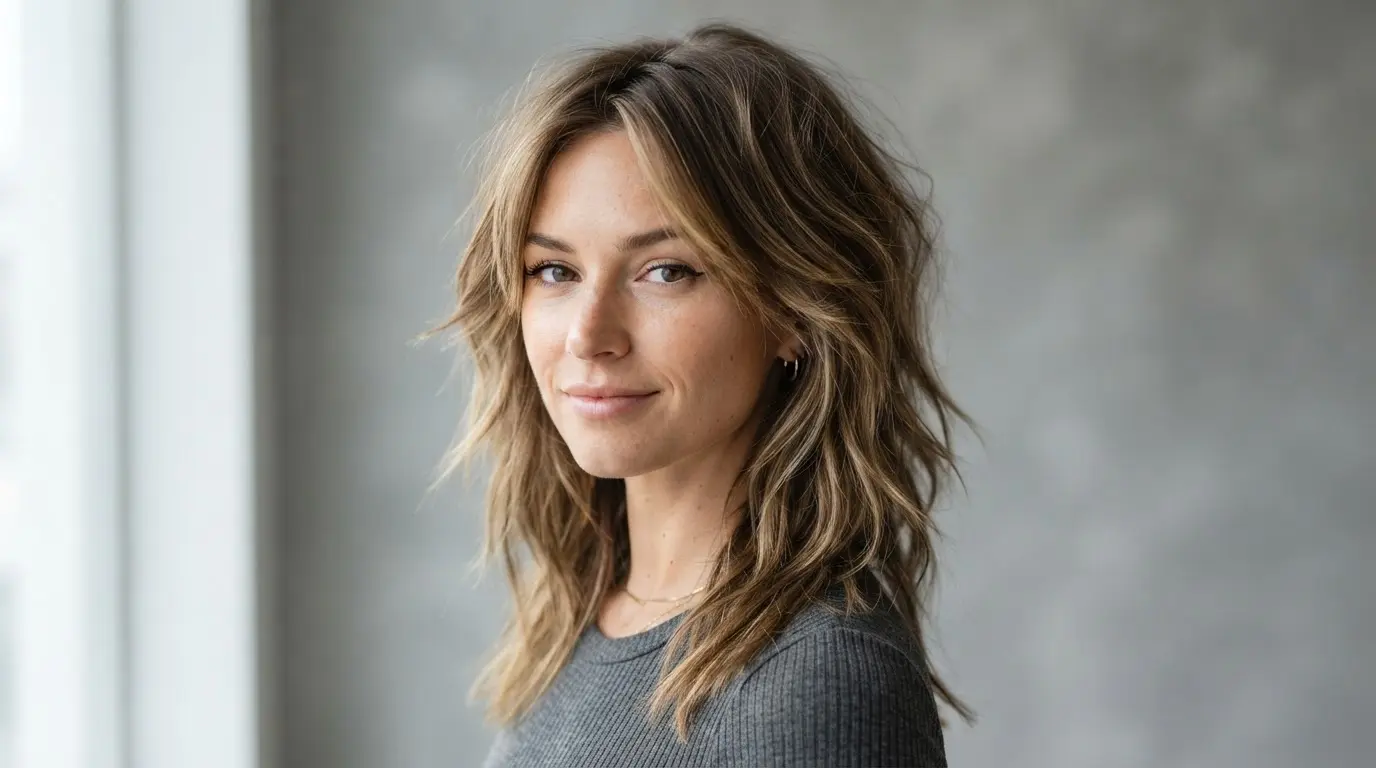
Choppy layers feature more visible separation between different lengths, giving the haircut stronger texture and definition. Unlike smoothly blended layers, the sections are intentionally easier to see.
They can work well with short, medium, or long cuts and are often chosen when someone wants a more textured finish rather than a soft, flowing layered shape.
6. Feathered Layers
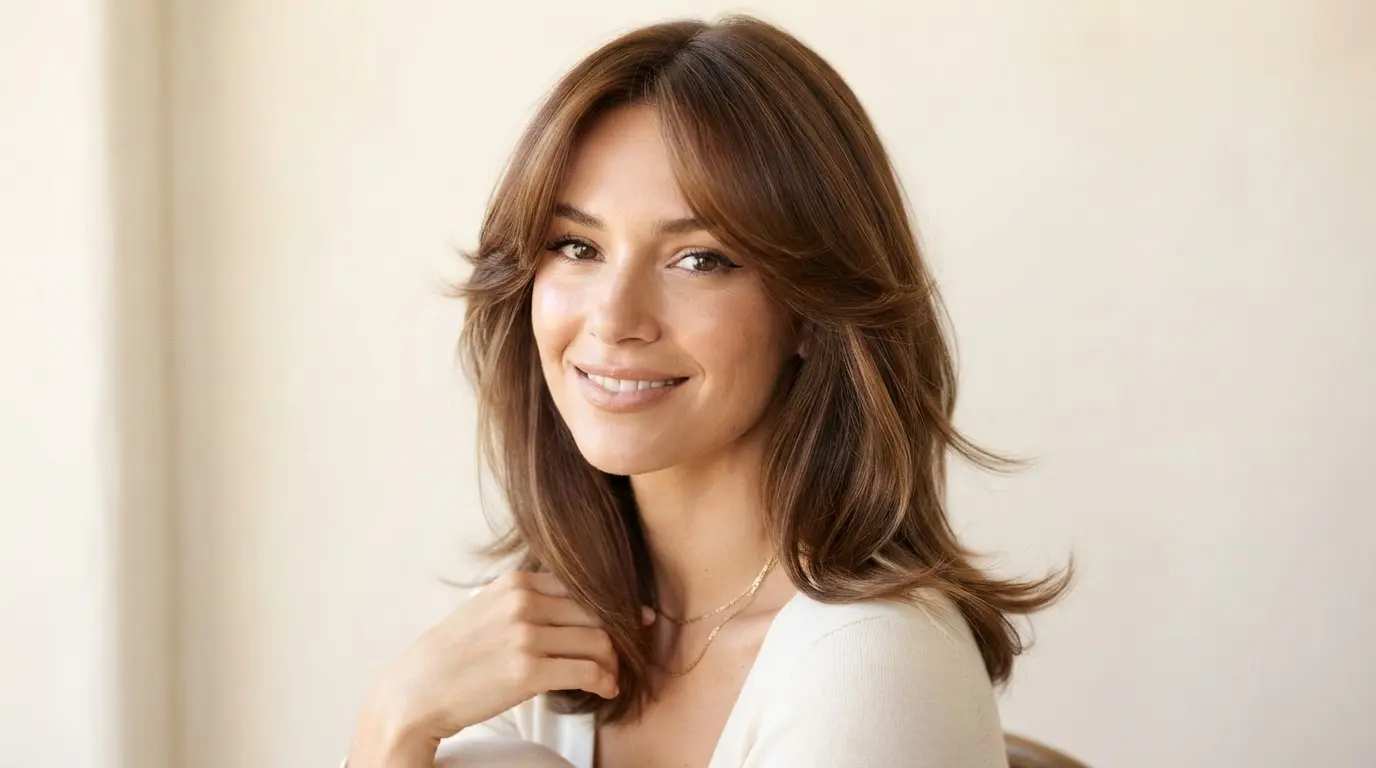
Feathered layers are softly tapered and blended so the ends appear lighter and less blunt. They often flow away from the face or blend gently through the lengths, creating soft movement.
This technique works particularly well for people who prefer layers without sharp lines and can be combined with face-framing sections for a lighter finish around the front.
7. Graduated Layers
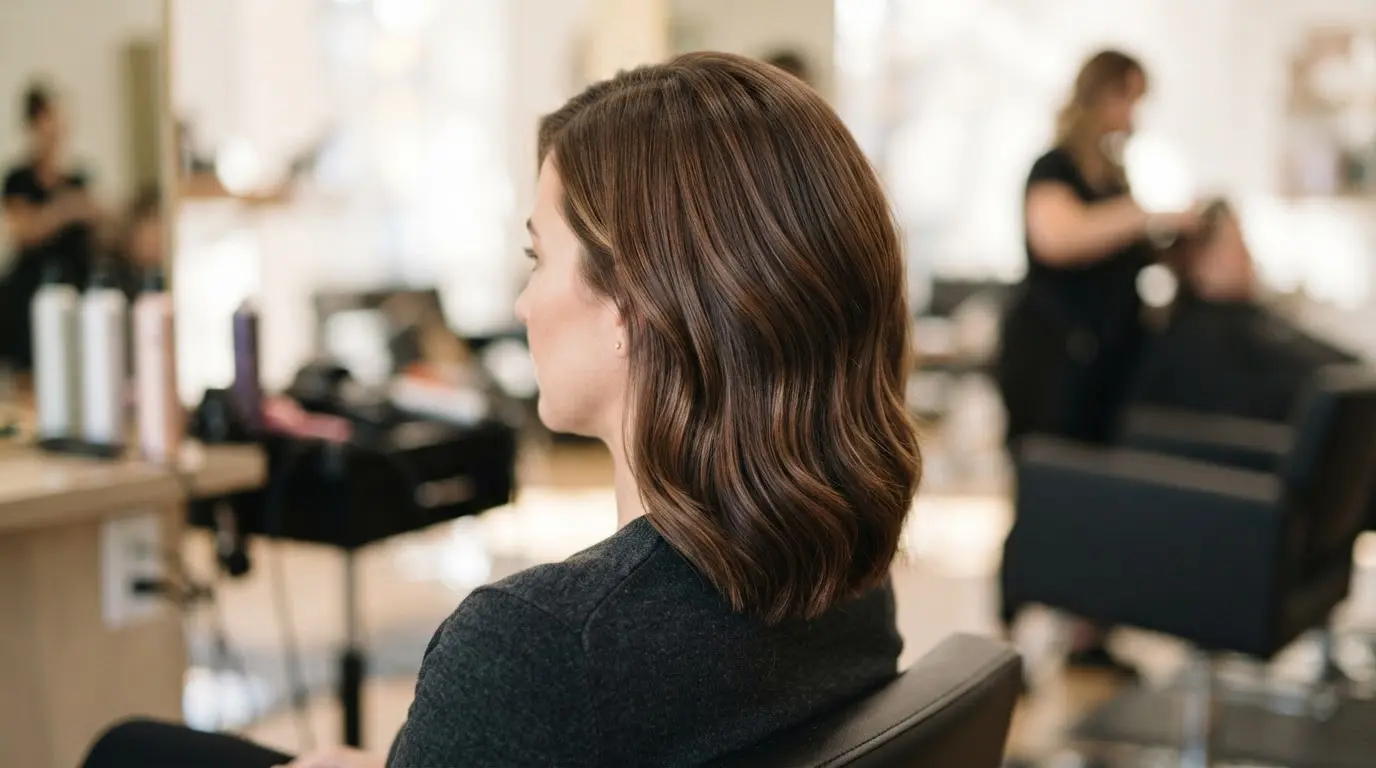
Graduated layers change gradually from shorter to longer sections, creating controlled shape and volume. The technique can build weight in specific areas while keeping the haircut structured and balanced.
Graduated layering is commonly used in bobs and medium-length cuts, alongside several other cutting techniques, though the exact effect depends on the cutting angle, hair density, and desired finished shape.
Each layering style creates a different result, so focus on how much movement, volume, and visible separation you want rather than choosing a layer type by name alone. For more visual examples of each cutting technique, see our full breakdown of layer types.
How Do Layers Work on Different Hair Types?
Layered hair behaves differently depending on total length, texture, strand thickness, and density. These factors influence how visible the layers look, how much weight they remove, and how easily the shape holds.
| Hair Type or Length | How Layers Work | Good Options | What to Watch |
|---|---|---|---|
| Short hair | Adds shape and texture | Bob, bixie, pixie | Small changes show more |
| Medium hair | Adds movement and framing | Lob, shag, butterfly layers | Ends may flip |
| Long hair | Reduces weight and adds flow | Long, internal layers | Layers may look subtle |
| Fine or low-density hair | Adds shape while keeping fullness | Soft, long layers | Avoid thinning the ends |
| Thick or high-density hair | Removes bulk and weight | Internal, graduated layers | Avoid removing too much |
| Straight hair | Adds movement and definition | Long, face-framing layers | Cutting lines show clearly |
| Wavy hair | Supports natural movement | Medium, long layers | Shape changes when dry |
| Curly or coily hair | Shapes volume and curls | Rounded, longer layers | Consider shrinkage |
Shorter hair usually makes each layer more noticeable, while longer hair gives the stylist more room to blend, and this balance shows up clearly in midlength styling choices. Texture and density then determine how much layering the hair can support without losing fullness or balance.
How to Choose the Right Layered Haircut
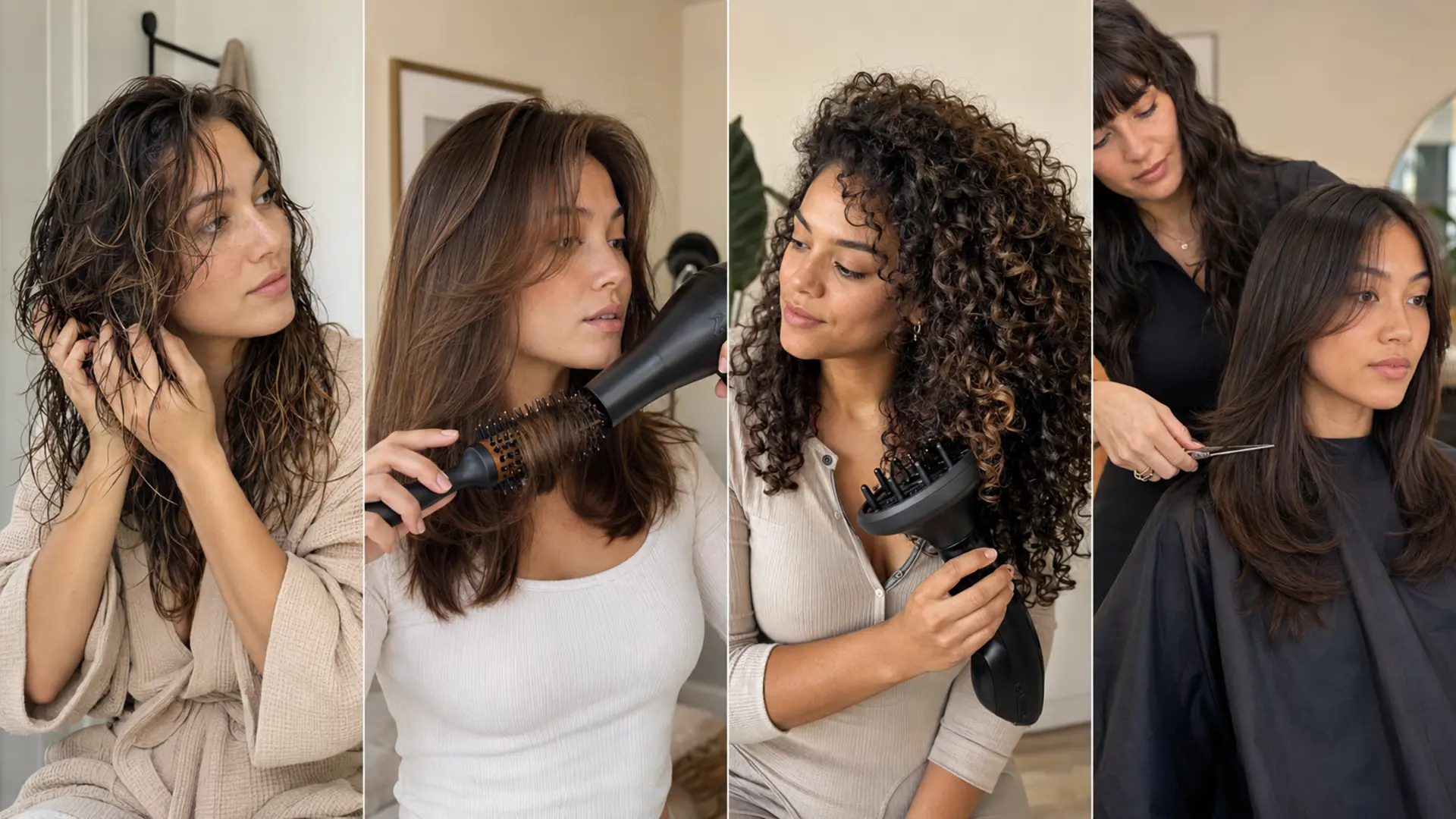
The right layered haircut should match your hair length, texture, density, and styling routine, ideally guided by a stylist who meets state licensing standards. These factors help determine how your layers will look and fall.
- Consider your hair length: Short hair needs more precise layering, while medium and long hair allow greater variation in layer length.
- Decide where you want volume: Shorter layers near the crown can add lift, while longer layers keep fullness lower.
- Choose how much movement you want: Long layers create softer movement, while shorter layers give a more textured look.
- Consider hair density: Thick hair can handle more weight removal, while fine hair may need lighter layering to keep the ends full.
- Account for natural texture: Straight, wavy, curly, and coily hair respond differently to layers, especially when shrinkage is involved.
- Think about daily styling: Choose layers that suit how often you blow-dry, curl, straighten, or air-dry your hair.
The best layers should work with your natural hair and daily routine. Clear preferences also make it easier for your stylist to create the shape you want.
Is Layered Hair Right for You?
Most hair types can support some form of layering, but the right choice depends on how much weight you want removed, where the shortest layers should fall, and how much styling you are comfortable doing daily.
Layers can work well if you:
- Want more movement through the lengths
- Feel your hair looks too heavy or flat
- Like face-framing pieces
- Want waves or curls to have more shape
- Do not mind managing shorter sections
Fewer layers or a blunt cut may suit you better if you:
- Want fuller-looking ends
- Usually wear sleek braids or one-length ponytails
- Have fragile or heavily processed hair
- Prefer a sharp, straight finish
- Do not want shorter pieces around your face
Before choosing a layered cut, consider your hair density, the shortest length you are comfortable with, and your everyday styling routine, especially if your hair has been chemically smoothed, since some treatments carry a formaldehyde exposure risk. A haircut that only works after a salon-style blowout may not suit a low-maintenance routine.
How Does Layer Placement Change the Final Shape?
The same overall length can look quite different depending on where the shortest pieces begin. Think about the areas you want to soften, lift, or keep full.
| Layer Placement | Common Effect | Helpful For | Possible Concern |
| Crown | More lift and a lighter top | Flat or very dense hair | Short pieces may stick up |
| Cheekbones | Draws focus to the middle of the face | Strong front framing | Can add width at cheek level |
| Jaw or chin | Frames the lower face | Medium and long cuts | Pieces may fall out of ponytails |
| Mid-lengths | Adds movement without very short sections | Long hair | May remain subtle when unstyled |
| Interior | Removes hidden weight | Thick or high-density hair | Hard to judge in front-view photos |
| Perimeter | Changes how full the ends appear | Bobs and long cuts | Too much removal can make ends look sparse |
Face-shape rules are only a starting point. Your part, hairline, glasses, usual ponytail height, and favorite features matter too.
If you like to tuck your hair behind your ears, tell the stylist. If you want every piece to reach a low ponytail, set that limit before the first cut.
Marie Claire’s layered hairstyle collection can help with reference photos, but choose examples with hair density and texture close to yours.
Which Face Shapes Work Best with Which Layers?
Round faces often look more balanced with layers that start below the chin, since shorter pieces at cheek level can add width where the face is already widest.
Oval faces can wear nearly any layer placement without much risk. Square faces tend to soften with face-framing layers that begin around the jaw, breaking up strong angles.
Heart-shaped faces usually do best when layers start below the cheekbones rather than at ear level, since layers there add volume to an area that is already wide.
Long faces can use shorter crown layers to add width up top without adding extra length. If you like to tuck your hair behind your ears, tell the stylist. If you want every piece to reach a low ponytail, set that limit before the first cut.
Save reference photos of people with hair density and texture close to yours. A photo from someone with different density can send the whole consultation in the wrong direction.
Common Layered Hair Mistakes
A layered haircut can look very different depending on placement, density, and texture. Avoid these common mistakes when choosing or discussing your cut:
- Asking for “lots of layers” without a clear goal: Explain if you want movement, volume, face framing, or less bulk.
- Using the wrong reference photo: Choose examples with similar hair length, texture, and density.
- Ignoring curl shrinkage: Curly and coily hair can look much shorter when dry.
- Over-layering fine hair: Removing too much weight can make the ends look thin.
- Cutting crown layers too short: This can create unwanted volume and affect grow-out.
- Choosing a high-maintenance cut: Pick layers that fit your usual styling routine.
- Over-layering for face framing: Front layers can be added without layering the entire head.
The best results come from matching layer placement to your natural hair, daily routine, and preferred shape rather than copying a haircut exactly.
What Should You Tell Your Hairstylist?
A clear consultation helps protect your length and gives your stylist useful direction.
Instead of only saying, “I want layers,” explain how much length you want to keep, where the shortest layer can begin, and whether you prefer hidden, blended, or more defined layers.
Share how you usually dry and style your hair, and bring reference photos with a similar texture, density, and length. It can also help to show one example you do not want.
Ask how the cut may affect ponytails, braids, clips, grow-out, and how the layers will look without heat styling. Before cutting, confirm the planned shortest point. If you are unsure, starting longer gives you more flexibility.
Final Thoughts
Layered hair can change movement, weight, shape, and the appearance of fullness without forcing you to lose all your length.
The result depends less on the trend name and more on where each section begins, how much hair is removed, and how the cut behaves with your natural texture.
Before booking, save two or three photos of people with hair similar to yours. Mark the shortest piece you like, decide how full you want the ends to stay, and tell your stylist how you wear your hair most days.
Bring that list to your consultation and let the stylist adjust placement instead of guessing.
Frequently Asked Questions
Are Layers the Same as Thinning or Texturizing?
No. Layers create different lengths throughout the haircut. Thinning and texturizing remove selected bulk or soften ends without always changing the main shape. A stylist may combine these methods, but each serves a different purpose.
Can Layered Hair Still Be Braided or Tied Back?
Yes, though shorter face and crown pieces may slip out of braids or ponytails. Tell your stylist which styles you wear most often, so the shortest layers can be placed where they remain manageable.
Do Layers Cause More Split Ends?
Layers do not directly cause split ends, but they create ends at several heights, making damage more noticeable throughout the hair. Heat protection, gentle handling, conditioning, and timely trims help keep those ends smooth.
Can Layers Work with Hair Extensions?
Yes. Layers can blend natural hair with extensions and keep the final shape from looking heavy. The stylist should know the extension type, placement, density, and planned length before cutting either the natural hair or extensions.
Can Layered Hair Be Grown Back to One Length?
Yes, but the process takes time because shorter sections must catch up with the perimeter. Small maintenance trims can control split ends while preserving growth. Avoid cutting new short layers if one length is the goal.