Scrolling through Pinterest or Instagram and suddenly everything looks soft, flowy, and effortlessly cool?
That vibe you keep seeing everywhere is called boho, and it is more than just a style trend.
A lot of people use the word without really knowing what it means or where it comes from. Some think it is just about oversized clothes or random layering, but there is actually a deeper idea behind it.
Boho is tied to freedom, creativity, and doing things your own way without worrying about rules. That is why it feels so easy to connect right now.
In this blog, you will understand what boho really means, where it started, and how it shows up in fashion and everyday life today.
What Does Boho Mean
Boho is short for bohemian, and if you’ve ever reached for a flowy dress, layered on three necklaces at once, or thrifted a fringed bag just because it felt right.
You’ve probably already lived the answer to “what does boho mean” without realizing it.
At its core, boho refers to a free-spirited, unconventional way of dressing and living that prioritizes self-expression over trends, comfort over convention, and individuality over uniformity.
It is not a strict dress code. It is closer to a feeling one that resists being pinned down.
Over time, that word crossed into fashion, absorbed decades of counterculture influence, and eventually shortened to the casual, widely recognized label we use today as boho.
Where Did Boho Style Come From
The origins of bohemian style are more layered than most fashion histories.
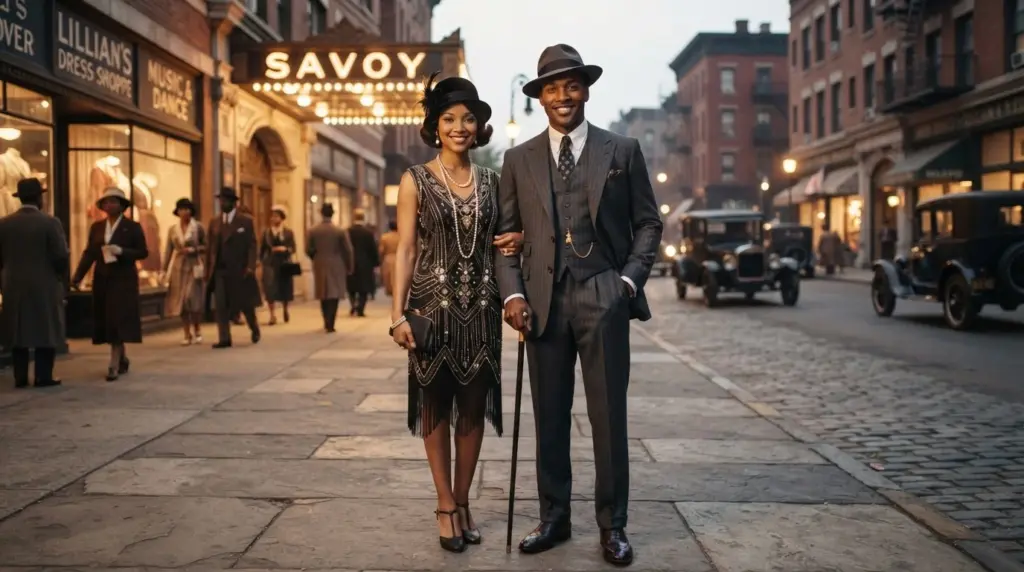
In 19th-century Europe, artists, writers, musicians, and unconventional thinkers began clustering in urban pockets, especially in Paris, and rejecting the social norms of the time.
They dressed differently because they lived differently: no fixed schedule, no conventional income, no interest in “proper” society.
The French began calling this group bohémiens, connecting their rootless lifestyle to the Romani people, who were mistakenly believed at the time to have come from the Bohemian region of central Europe.
From those Parisian circles, the bohemian mindset traveled. It resurfaced in the Beat Generation of 1950s America, wound through thehippie movementof the 1960s and 70s.
Then crossed into mainstream fashion around 2004–2005 when celebrities like Sienna Miller and Kate Moss made the look globally recognizable.
Key Elements that Make a Look Boho
These elements come together to create a relaxed, expressive style that feels natural, personal, and effortlessly put together.
- Earthy Tones: Warm, grounded colors define the palette. Shades like rust, terracotta, mustard, sage, cream, and brown create the base, while deeper tones like burgundy, turquoise, and sapphire add richness through patterns and details.
- Flowing Fabrics: Light, breathable materials like chiffon, linen, cotton gauze, crochet, and broderie anglaise shape the look. These fabrics move naturally and sit loosely on the body, keeping everything relaxed and unstructured.
- Layering: Layering feels natural rather than planned. Think a sheer kimono over a printed dress or a chunky knit with a floral piece. The idea is to build outfits that look effortless, not styled with strict rules.
- Accessories: Accessories add personality. Stacked rings, layered necklaces, wide hats, embroidered belts, and woven bags stand out. The focus stays on pieces that feel personal, meaningful, or collected over time.
Boho in Fashion: How People Wear it
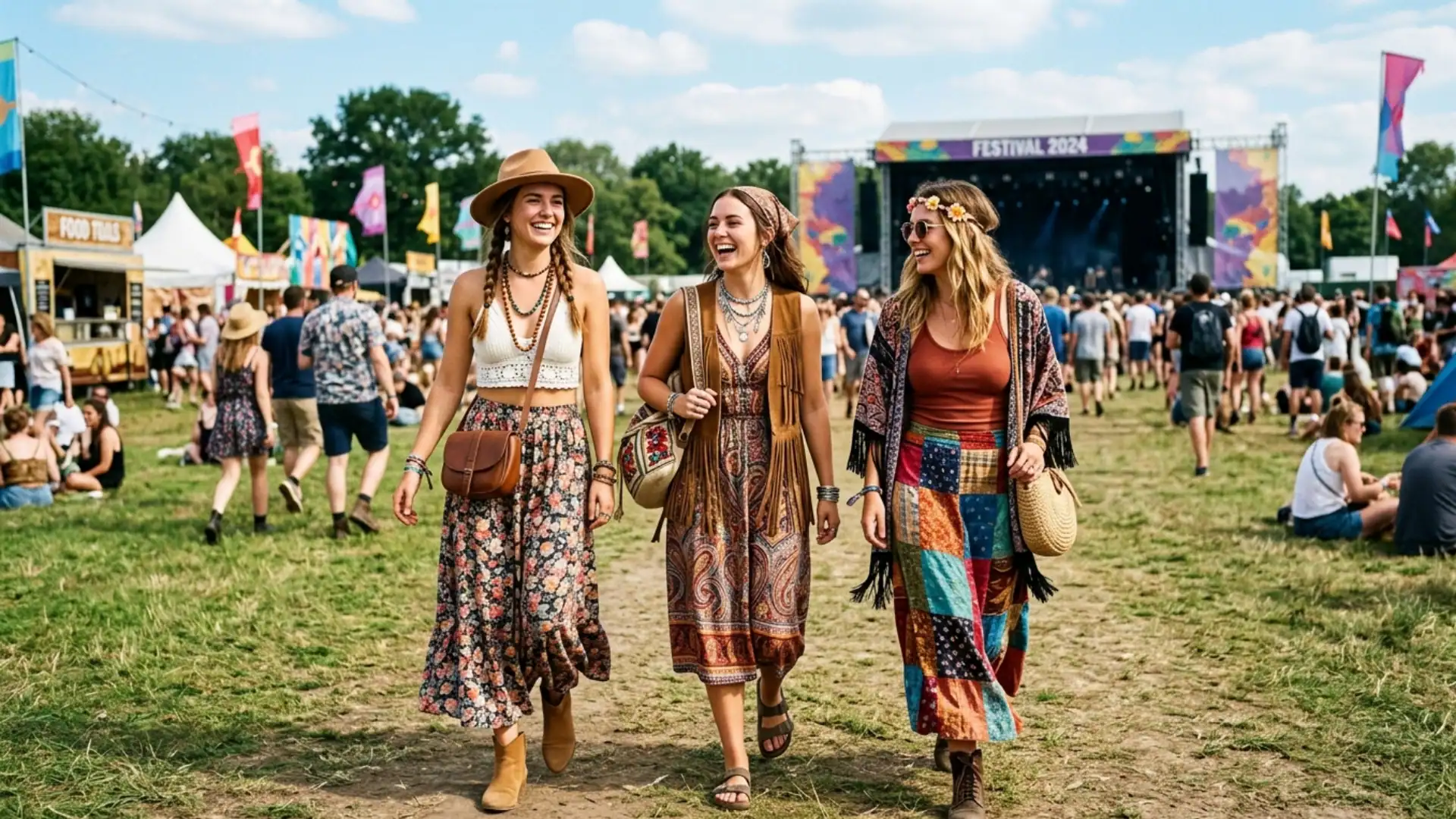
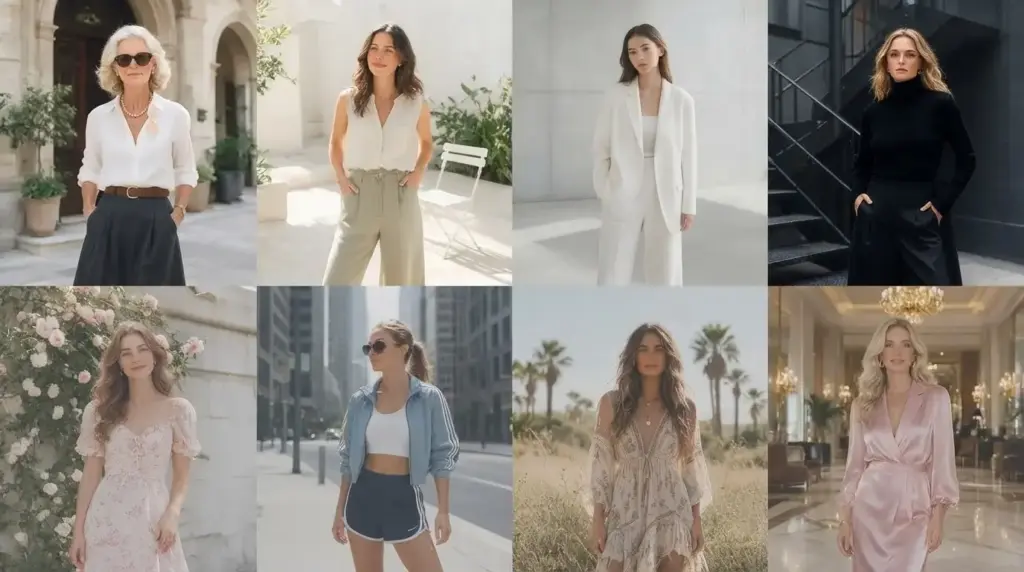
In everyday dressing, boho shows up more practically than people expect. It is not reserved for festivals or summer. A loose linen shirt tucked halfway into wide-leg trousers with suede mules, that’s boho.
An embroidered midi dress with a vintage denim jacket and ankle boots is also boho. The defining thread is ease: the outfit looks like it required thought, but not effort.
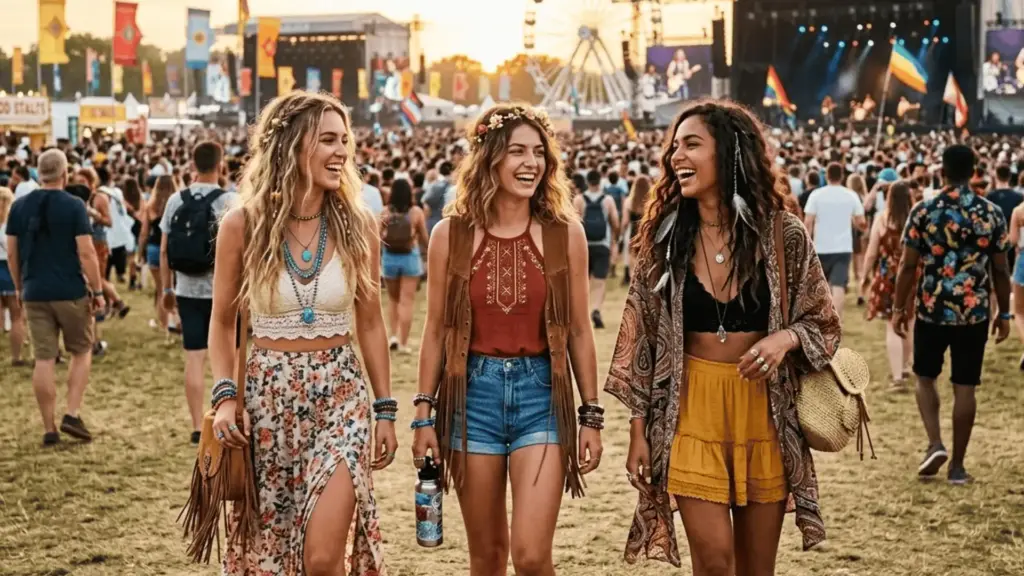
Music festivals like Coachella popularized a more maximalist version of boho crochet crop tops, body jewelry, floppy hats, and high-waisted cutoffs, but this is only one face of the aesthetic.
Festival boho is louder. Every day, boho is quieter. Both are legitimate; they just serve different contexts.
If you want to see how this translates into real outfits, these everyday boho outfit ideas show how flowing silhouettes and earthy pieces come together in a way that feels natural and put-together.
Boho in Home Decor and Lifestyle
Boho in home decor and lifestyle is all about creating a warm, lived-in space that reflects personality, comfort, and meaningful choices.
- Layering: defines boho decor, creating a space that feels textured, personal, and collected rather than perfectly matched.
- Materials: focus on natural, handmade elements such as rattan furniture, macramé, kilim rugs, and woven baskets.
- Colors: stay warm and earthy with tones like terracotta, neutrals, and sage, balanced with bold accent pieces.
- Walls: reflect personality through a mix of decor, like gallery installations, vintage mirrors, and unique pieces.
- Plants: bring life to the space, making it feel relaxed and lived-in.
- Story: comes through in every corner, with travel finds, inherited items, and meaningful objects placed together.
Why Boho Style Feels so Appealing Right Now
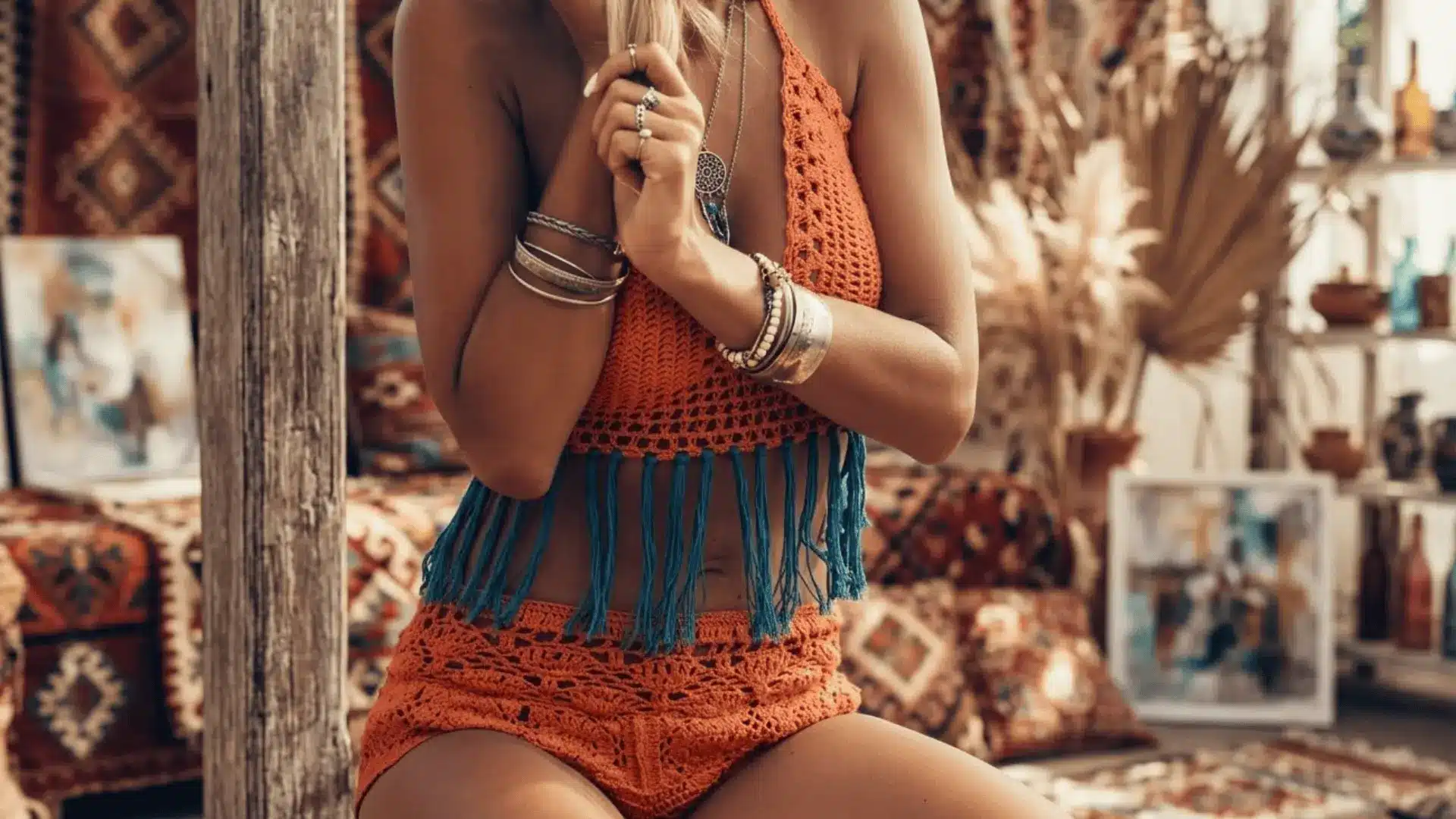
There’s a reason boho continues to resonate even as trends change faster than ever.
In a time when fast fashion pushes new aesthetics every few weeks and social media often makes personal style feel copy-pasted, boho offers something more personal.
Boho also fits naturally into the growing interest in second-hand shopping, handmade goods, and more thoughtful fashion choices.
Thrift stores, craft markets, natural fabrics, and small independent makers all reflect values that have long been part of boho style.
On a deeper level, boho appeals because it leaves room for individuality. It doesn’t demand perfection or strict rules.
A worn leather bag from years ago, jewelry picked up while traveling, or boots that have softened with time often feel more meaningful in a boho wardrobe than something brand new.
Boho vs Other Aesthetics: What Sets it Apart
Boho style stands apart by blending comfort, creativity, and personal expression without rigid fashion rules. Comparing it to other aesthetics makes it easier to see what gives boho style.
| Aesthetic | Main Style | What Makes Boho Different |
|---|---|---|
| Minimalist | Clean, simple, neutral | Boho feels layered, relaxed, and collected rather than stripped back. |
| Modern | Sleek, trend-driven, structured | Boho ignores trends and leans into a lived-in, timeless feel. |
| Vintage | Focused on one era or period | Boho draws on influences from many eras rather than following a single style. |
| Cottagecore | Soft, rural, romantic | Boho feels more eclectic, artistic, and globally inspired. |
| Hippie | Rooted in the 1960s counterculture | Boho keeps the free-spirited look without the political message. |
Common Boho Style Mistakes and How to Avoid Them
Boho looks effortless because it’s intentional, not because anything goes. Most outfits that miss the mark make the same few errors, and once you spot them, they’re easy to course-correct.
- Wearing every boho piece at once: Fringe, crochet, a wide-brim hat, stacked bracelets, and a printed maxi in one look tips from styled to costumed. Pick the statement, then strip everything else back.
- Buying pieces labeled “boho” without checking the fabric: Retail uses the word loosely. If it’s polyester with a paisley print, it won’t carry the relaxed, organic feel the aesthetic depends on. Check the material first.
- Matching everything too carefully: A perfectly coordinated boho set misses the point. The aesthetic reads best when pieces look like they came from different places and different times, because they should.
- Over-ironing natural fabrics: Pressing linen until it’s stiff takes the ease right out of it. A slight lived-in texture is part of what makes these fabrics read as boho rather than simply loose-fitting.
- Treating boho as a festival-only style: The maximalist Coachella version is one expression of the aesthetic, not the definition of it. Every day, boho is quieter, more wearable, and often more interesting.
Conclusion
Ever noticed how your feed is full of soft outfits, cozy spaces, and looks that feel put together without trying too hard?
That is the boho vibe showing up everywhere, and now it actually makes sense why it stands out. Boho is not about following rules or chasing trends; it is about creating a style that feels like your own.
It blends comfort, texture, and personal touches in a way that feels natural instead of forced. From the clothes you wear to the space you live in, everything reflects ease and individuality.
That is what keeps it relevant, no matter what is trending. It is not something you switch on, it is something that builds over time.
So tell me, what is one thing you own that already gives that effortless boho energy? Drop it in the comments.
Frequently Asked Questions
Is Boho the Same as Hippie Style?
They share DNA but aren’t the same. Hippie fashion grew directly from the political counterculture of the 1960s and 70s and carries specific ideological roots. Boho borrows the aesthetic freely without the manifesto attached.
Can Boho Style Work for Formal Occasions?
With the right pieces, yes. A flowing bias-cut dress in a deep jewel tone, paired with stacked jewelry and strappy heels, reads boho without coming across as casual. The key is keeping the silhouette clean and the accessories intentional rather than stacked.
Does Boho Style Have to Be Sustainable?
No, but it aligns naturally with sustainable habits. Thrifting, artisan shopping, and choosing natural fibers all sit comfortably within what boho already values. You don’t have to buy ethically to dress boho, but the two go together easily.