Stepping outside on a humid day only to watch freshly styled hair turn frizzy again can feel frustrating and exhausting.
That is exactly why so many people turn to keratin treatments, hoping for smoother, softer, and easier-to-manage hair. The shine looks incredible at first, styling feels faster, and bad hair days suddenly seem less stressful.
But after the excitement fades, one question usually comes up again and again: how long does a keratin treatment last?
Many people say the results disappeared within weeks, while a different group claims their hair stayed sleek for months.
If you have been thinking about getting a treatment or wondering whether your results are fading too quickly, understanding what really affects longevity can help you set realistic expectations and avoid disappointment later.
What is a Keratin Treatment?
A keratin treatment is a hair-smoothing process that helps reduce frizz and dryness by coating the hair with protein.
Keratin is already found naturally in hair, skin, and nails.
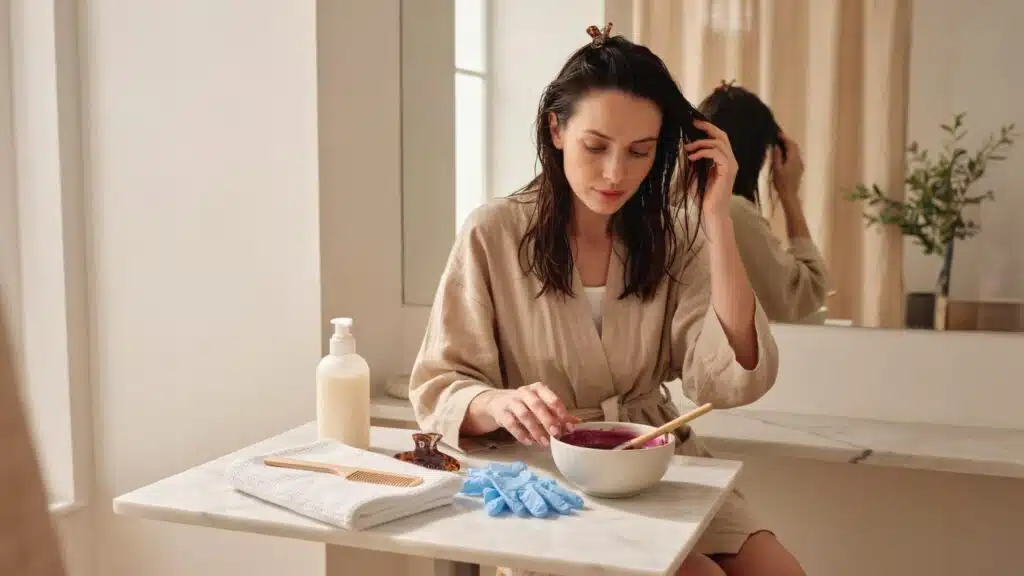
During the treatment, a stylist applies the formula and seals it with heat using a flat iron.
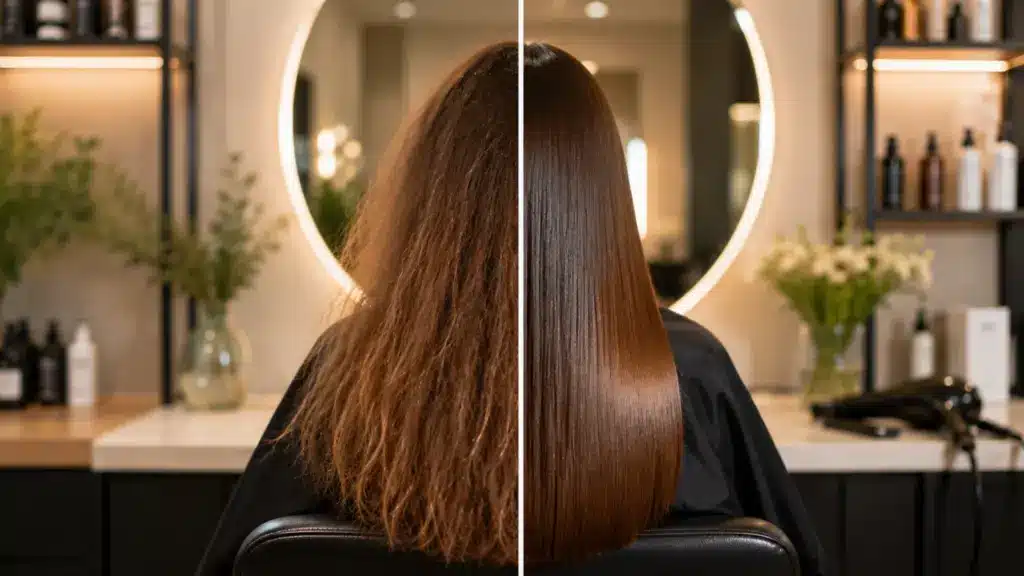
This makes the hair look shinier, softer, smoother, and easier to manage daily, especially in humid weather conditions.
Many people think keratin treatments permanently straighten hair, but they mainly smooth the hair and soften curls while keeping some natural texture.
People often choose keratin treatments to control frizz, reduce styling time, and improve dry or damaged hair while achieving a more polished overall appearance.
How Long Does Keratin Treatment Last?
Keratin treatments can make hair feel smoother, shinier, and easier to manage, but the results are not permanent.
Understanding the average lifespan of keratin treatment helps set realistic expectations and prevents disappointment later.
| Treatment type | Average duration |
|---|---|
| Traditional salon keratin | 3–6 months |
| Brazilian Blowout | 3–4 months |
| Express keratin (in-salon) | 4–8 weeks |
| At-home keratin kit | 2–8 weeks |
Salon treatments hold their results longest because a professional applies heat at precise temperatures to fully bond the formula to each hair section.
At-home kits use milder heat and lower-concentration formulas, so the results are real but shorter-lived.
Fine hair may start fading around the 10-week mark, even with proper aftercare.
If you have fine or color-treated hair and you’re managing greasy hair days alongside frizz, a lighter express treatment may work better than a full salon service.
What Affects How Long Keratin Lasts?
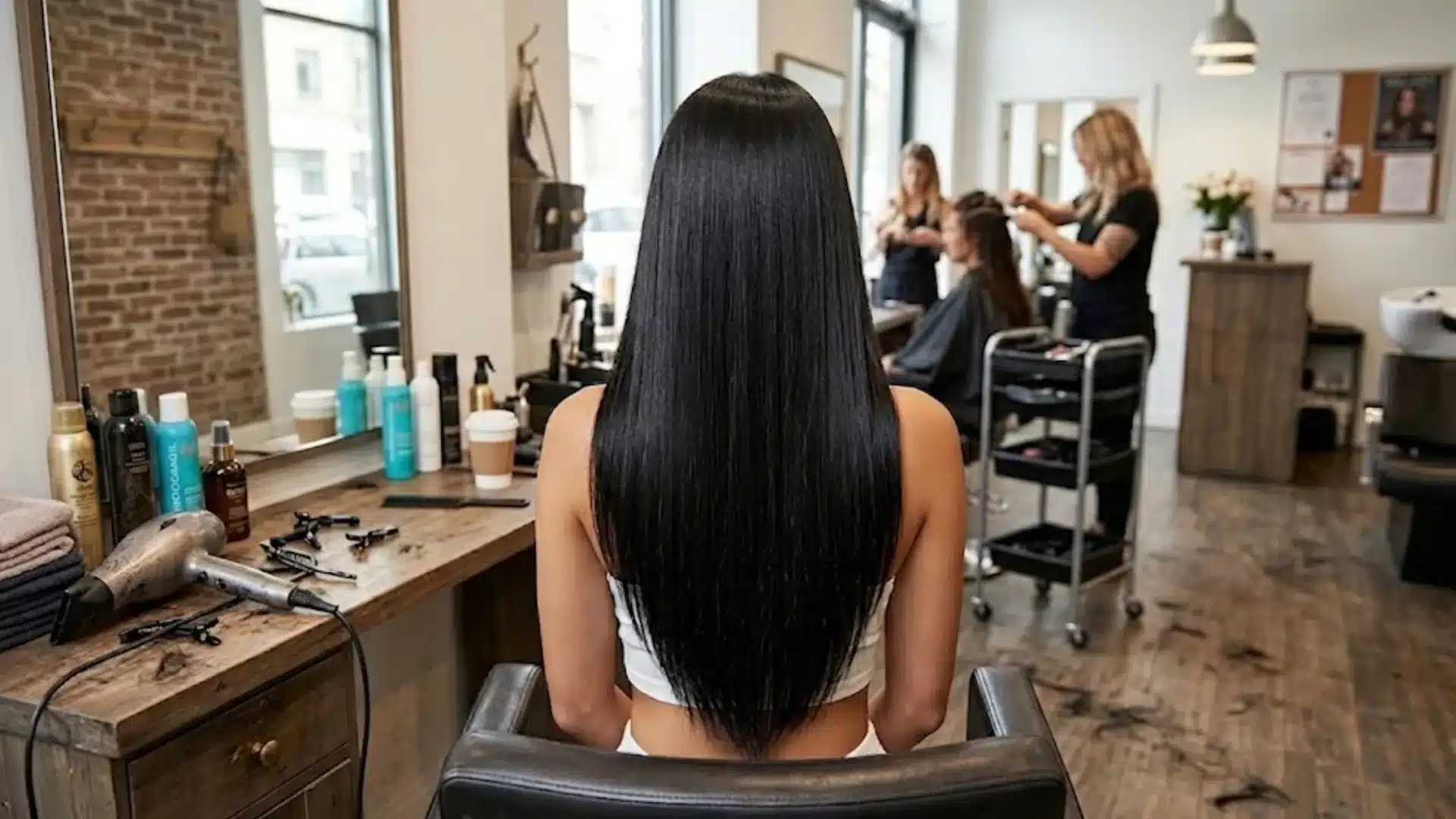
Hair type, washing habits, shampoo ingredients, humidity, swimming, heat styling, and treatment quality all affect how long keratin lasts. Proper aftercare usually helps the smooth and frizz-free results stay longer.
1. Hair Type
Thick, curly, or chemically damaged hair tends to be more porous, which means the keratin fills in more gaps and bonds more thoroughly.
Color-treated hair sits in an interesting middle ground: the treatment can help repair some surface damage, but it may also lighten hair by one to two tones, so timing your color and your keratin appointment matters.
Bleached or heavily processed hair can be more unpredictable. I’ve seen it hold well and fade fast. The key is asking your stylist honestly about your hair’s current condition before booking.
2. Hair Care Routine
This is the section most people wish they had read before the first wash. The biggest reason a keratin treatment fades early is the wrong shampoo.
Sulfates strip the protein coat with every wash, so check the label before buying. Washing daily also shortens the results. Two to three washes per week is usually recommended. Heat styling habits matter too.
If you are also managing the aftercare of semi-permanent beauty treatments alongside your keratin routine, gentle, targeted products help protect your investment and maintain longer-lasting results.
3. Weather and Lifestyle
Humidity works against a keratin treatment by slowly reintroducing moisture into sealed strands, causing faster fading over time. Swimming is even harsher.
Chlorine and saltwater strip keratin quickly, and a few pool sessions can shorten results by weeks.
Rinsing hair before swimming and applying a lightweight oil or serum barrier can help reduce damage. Sun exposure also adds up over time.
UV rays gradually break down the protein coat, which is why keratin treatments often fade faster during summer than in cooler months, even with careful hair care and regular maintenance.
4. Quality of the Treatment
Not all keratin formulas last the same. Formaldehyde-based treatments usually last longer, but some products may release formaldehyde when heated, even if labeled as formaldehyde-free.
Formaldehyde-free formulas using glyoxylic acid are gentler and safer, though they often fade sooner.
Stylist experience matters too. A rushed flat-iron step or poor sectioning can leave uneven results that fade patchily.
Paying for a stylist who regularly performs keratin treatments is usually worth it for smoother, longer-lasting results.
Real Keratin Treatment Reviews and Personal Experiences
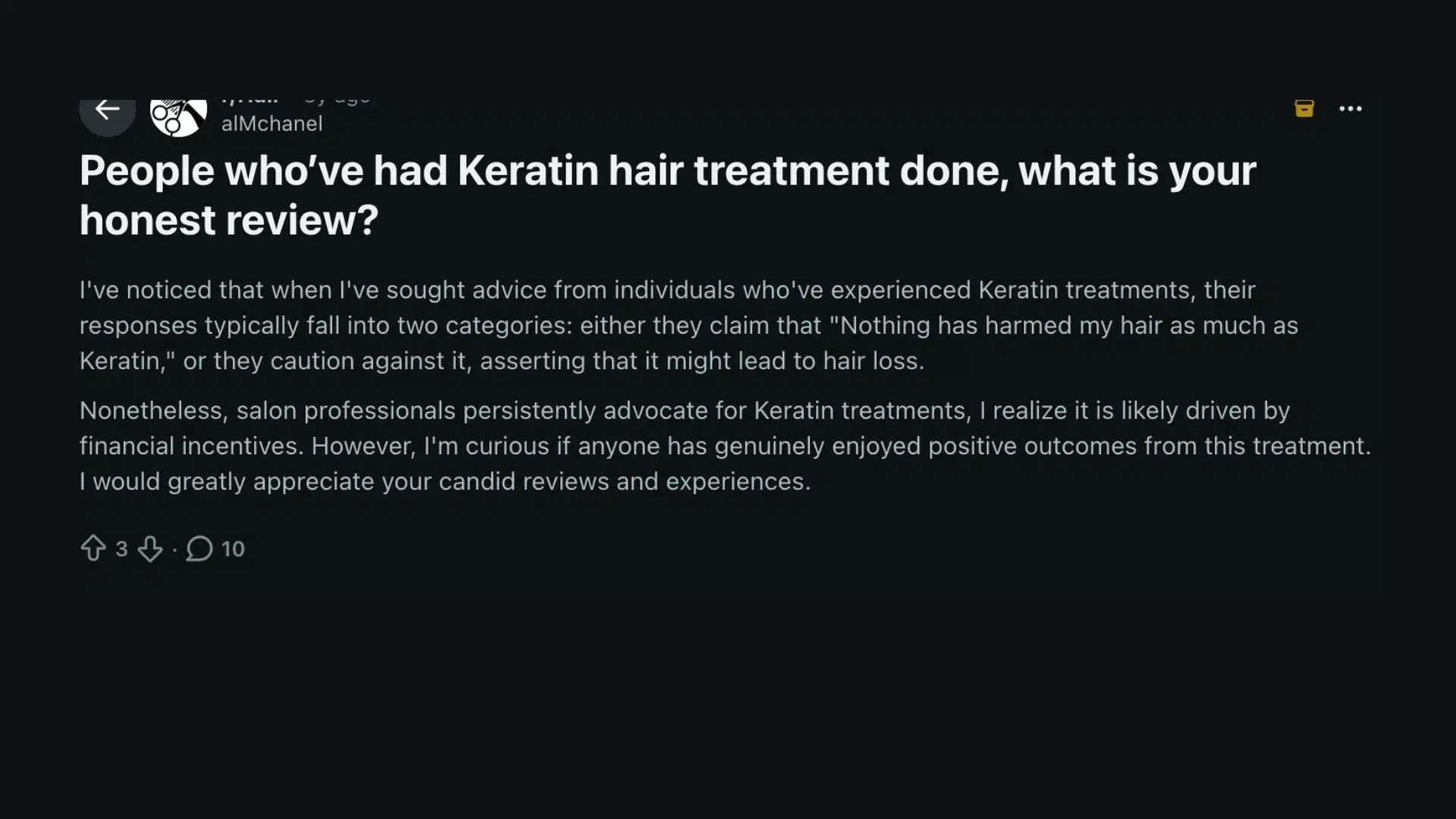
Reddit shows that no two keratin experiences are exactly the same.
People with curly or frizzy hair often loved how much easier their hair became to manage, especially when it came to reducing blow-drying time and controlling humidity.
Some users said their hair felt smoother and shinier for months, while others mentioned the strong chemical smell, greasy roots, or fading results after repeated washes.
A few people also noticed dryness and breakage after multiple sessions, especially on fine or damaged hair.
Interestingly, several users admitted they still preferred the treatment because the daily styling effort became much easier.
Overall, most reviews showed that keratin treatments can work well when expectations are realistic, the right stylist is chosen, and proper aftercare products are consistently used to maintain smoother results longer.
Signs Your Keratin Treatment is Wearing Off
Keratin treatments do not disappear overnight. Most people notice small changes in texture, styling time, and frizz levels before the treatment fully fades. Paying attention to these signs can help determine when the smoothing effect is starting to wear off.
- Frizz Starts Returning: Hair begins reacting to humidity again, especially at the roots, crown, and hairline.
- Styling Takes Longer: Blow-drying and straightening may require more effort than in the first few weeks after treatment.
- Natural Waves or Curls Reappear: Hair slowly returns to its original texture, rather than staying smooth and sleek.
- Hair Looks Less Shiny: The glossy finish fades, making hair appear duller or rougher than before.
- Ends Feel Dry Again: The ends are often the first to lose softness and may start to feel brittle or uneven.
- Hair Becomes Puffy After Washing: Instead of drying smooth naturally, the hair may start expanding and looking fuller again.
- More Tangles and Knots: Hair may become harder to brush or manage throughout the day.
- Humidity Affects Hair Faster: Rainy or humid weather begins causing swelling, flyaways, or frizz much sooner.
- Flat Iron Results Do Not Last Long: Straightened hair may lose shape quickly and require repeated touch-ups.
- Hair Feels Less Silky: The smooth, slippery texture gradually disappears as the keratin coating fades from the strands.
Tracking fade patterns is a useful habit across healing and aftercare timelines for any semi-permanent treatment, not just keratin.
Keep track of your treatment date so you can plan a touch-up before the frizz returns.
How to Make Keratin Treatment Last Longer
These are the habits that consistently separate 3-month results from 5-month ones.
- Wash less often: The target is two to three times a week. Dry shampoo on off days is your best tool here. Apply it the night before rather than the morning of for better oil absorption.
- Use sulfate-free and sodium chloride-free products: Both of these strip the protein coat. Check the ingredient lists of every product that comes into contact with your hair, including styling products.
- Protect against chlorine and saltwater: Wet hair with fresh water before entering a pool, then apply a leave-in conditioner or lightweight oil to create a barrier. Rinse thoroughly with fresh water immediately after swimming.
- Sleep on a silk or satin pillowcase: Cotton creates friction and draws moisture from the hair as you sleep. Silk reduces both; it’s a small swap that adds up over months.
- Keep heat styling moderate: You don’t need to give up your tools, but use medium heat rather than maximum, and apply a heat protectant each time, to reduce wear on the protein coat.
- Deep condition every few weeks: Protein-bonded hair still needs hydration. A moisture-focused mask every two to three weeks helps keep strands from drying out and becoming brittle, which makes fading more obvious.
Conclusion
Understanding how long a keratin treatment lasts becomes much easier once real experiences and daily habits are taken into account.
For most people, the smooth and frizz-free results last anywhere from a few months to longer with proper care, sulfate-free products, and limited heat damage.
Hair type, humidity, and washing frequency all play a major role in how quickly the treatment fades.
While keratin treatments are not permanent, many people still love the reduced styling time, softer texture, and easier hair management they provide.
Setting realistic expectations is the key to being satisfied with the results.
How long did your results last, and was the treatment worth it for your hair type and lifestyle? Share your experience in the comments below.
Frequently Asked Questions
Does Hard Water Affect How Long Keratin Treatment Lasts?
Yes. Hard water minerals like calcium and magnesium can build up on the hair and weaken the keratin coating over time. Using a gentle chelating rinse every few weeks can help remove buildup and extend results, especially for chemically treated hair.
How Much Does Keratin Treatment Cost?
Keratin treatment usually costs between $150 and $400, depending on hair length, salon location, stylist experience, and the type of keratin formula used during the treatment.
Can I Color My Hair Before or After a Keratin Treatment?
Color and keratin treatments can work together, but timing matters. Most stylists recommend coloring hair first and waiting about two weeks before getting a keratin treatment. Keratin may slightly lighten hair color, so doing both on the same day is usually avoided.