
Ever run your fingers through your hair and wonder why it feels more like straw than silk? You’re not imagining it, and you’re definitely not alone.
In my chair, I hear the same complaint from clients with every texture, from pin-straight to tightly coiled hair.
Learning how to make hair soft isn’t complicated once you understand what your strands actually need, since dry, rough hair usually comes down to a handful of fixable daily habits rather than bad luck or genetics.
Below, you’ll find why hair loses its smooth feel, a simple wash-day routine to build around, the specific products worth adding to your cabinet, and natural and salon treatments that genuinely help.
Quick Ways to Make Hair Softer
If your hair feels rough right now, a few simple changes can improve its texture:
- Use a moisturizing conditioner after every wash.
- Apply a deep conditioning mask once a week.
- Avoid washing hair with very hot water.
- Use a microfiber towel or soft T-shirt instead of rough towel drying.
- Apply a lightweight leave-in conditioner on damp hair.
- Protect strands with a good heat protection spray before using heat tools.
- Use a small amount of hair oil on dry ends to reduce roughness.
These steps improve how hair feels immediately, but long-term softness comes from maintaining healthy moisture levels and preventing further damage.
Why Does Hair Feel Rough or Dry?
Hair feels rough or dry when the cuticle, the outer protective layer of each strand, lifts or thins and lets moisture escape faster than it can be replaced. This layer is made of overlapping cells that help lock in hydration and keep hair smooth.
When the cuticle lifts or weakens, moisture escapes more easily, leaving hair feeling brittle, coarse, or difficult to manage.
Several everyday habits can contribute to this problem, including frequent heat styling, chemical treatments, overwashing, harsh shampoos, and skipping conditioner.
Environmental factors like sun exposure and dry air can also affect texture, while product buildup may prevent moisture from reaching the hair properly.
Making hair softer is not only about adding products but also about protecting the cuticle, maintaining hydration, and building healthier hair habits.
How to Build a Soft Hair Wash-Day Routine
A soft hair care routine matters more than any single product, since washing your hair properly counts just as much as ingredients.
- Apply a pre-wash oil or mask to dry ends before wetting hair, creating a light barrier that reduces how much moisture washing strips away
- Detangle gently with a wide-tooth comb before wetting hair, since wet strands stretch and break more easily than dry ones
- Apply conditioner mainly to mid-lengths and ends, letting it sit briefly before rinsing with cool water to help the cuticle lie flatter
- Blot gently with a microfiber cloth instead of rough towel-scrunching, then finish with a leave-in product or light oil while hair is still damp
Sticking to this order consistently, rather than switching routines every few days, is what actually lets each habit show results.
Best Products for Softer Hair
Once your basic routine is in place, the right products speed up results considerably, and knowing what each one is actually built to do helps you avoid guessing at the shelf.
1. Deep Conditioners
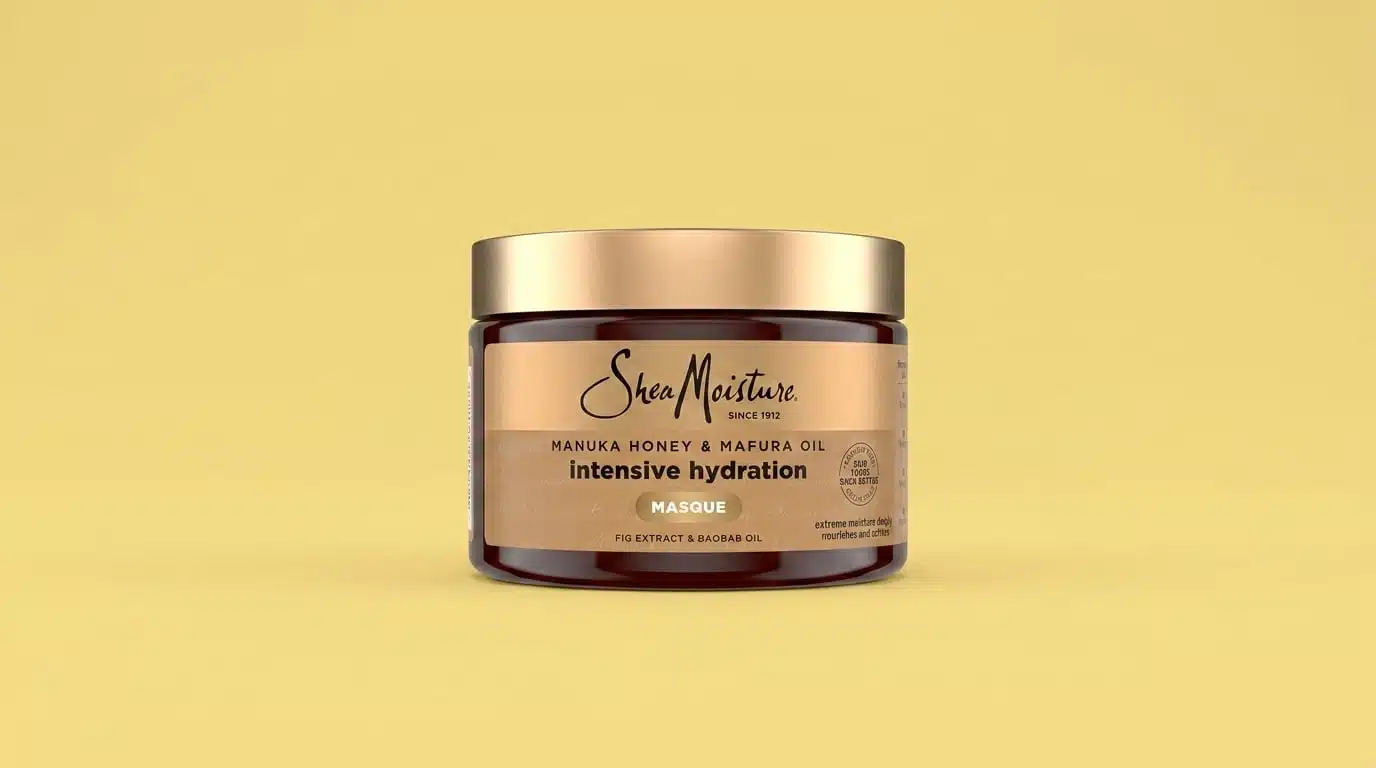
A rich, rinse-out treatment like SheaMoisture’s Manuka Honey & Mafura Oil Intensive Hydration Masque works best for very dry or damaged hair that needs a deeper moisture boost than a regular conditioner provides.
Apply weekly to clean, wet hair and leave on for several minutes; formulas like this restore softness that daily conditioning alone can’t fully deliver. It’s a good weekly reset point in an otherwise lighter daily routine, and trying a few rich formulas can help you land on the right one.
2. Hair Serums and Oils
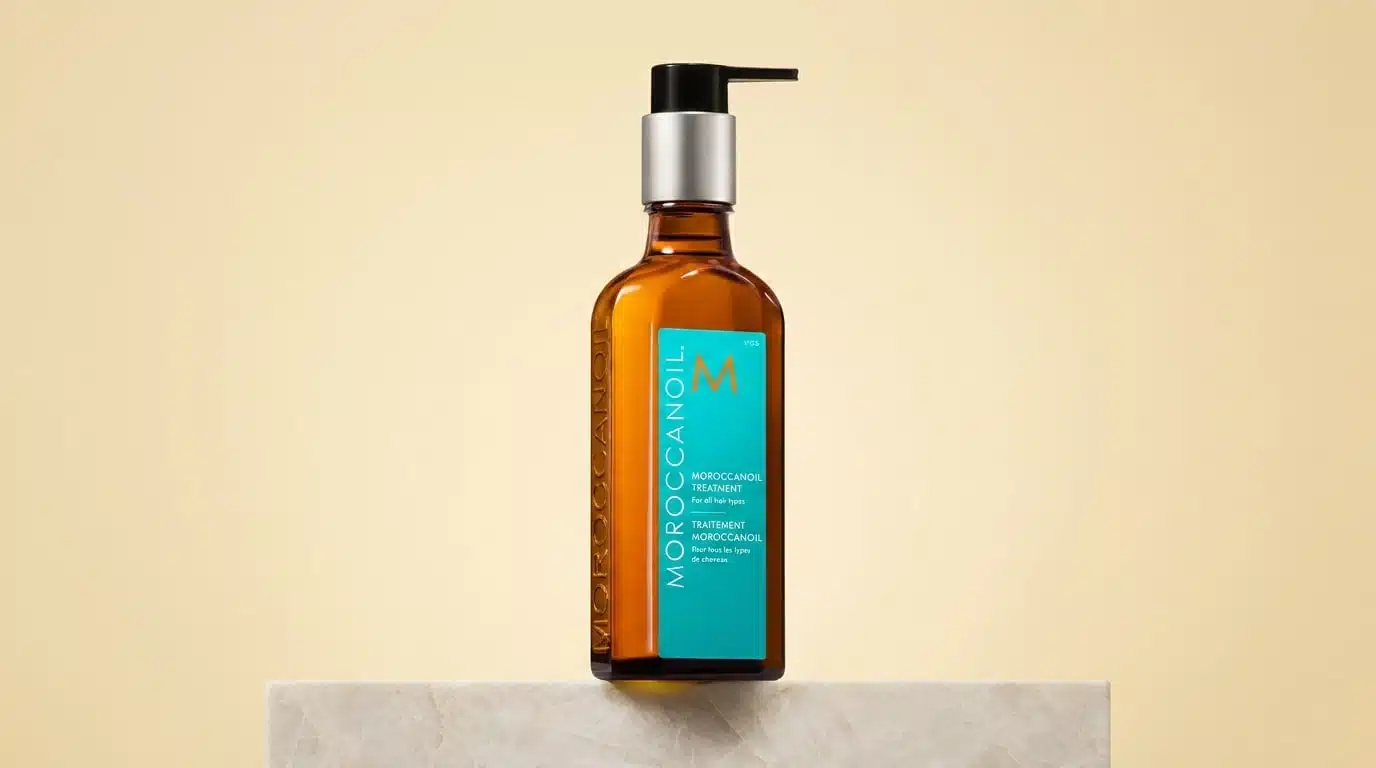
A finishing oil such as the original Moroccanoil Treatment smooths the outer cuticle for a glossier, softer feel and can also speed up blow-drying time.
Applied to damp or dry mid-lengths and ends, a small amount goes a long way toward taming flyaways without leaving hair heavy. This is typically the last step in a styling routine, layered over a leave-in rather than replacing one.
3. Leave-in Conditioners
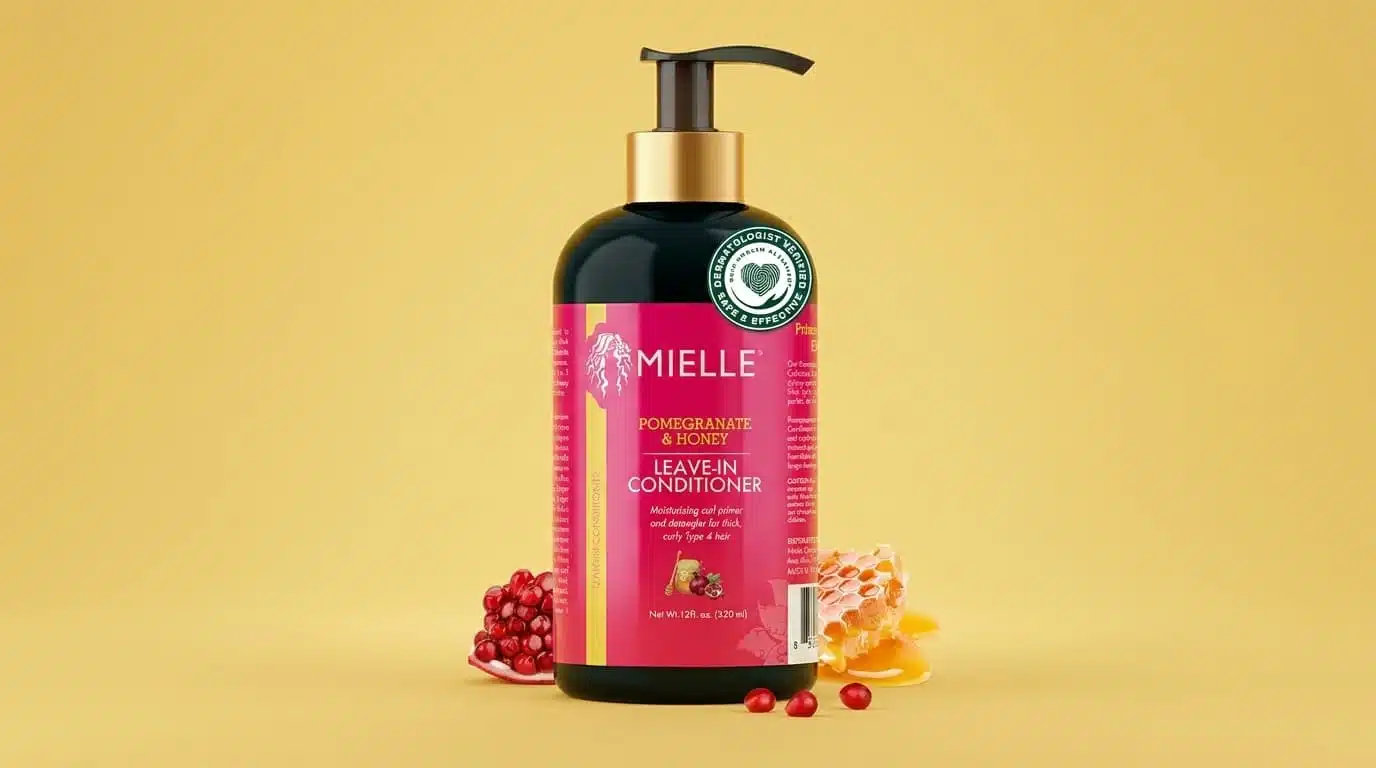
For daily frizz control between washes, a leave-in like Mielle Organics’ Pomegranate & Honey Leave-In Conditioner adds lightweight, ongoing hydration without needing to be rinsed out.
Applied to damp, sectioned hair after washing, it helps seal in moisture from your shower routine throughout the rest of the day. This step matters most for anyone whose hair tends to dry out again quickly after a wash.
4. Protein Treatments
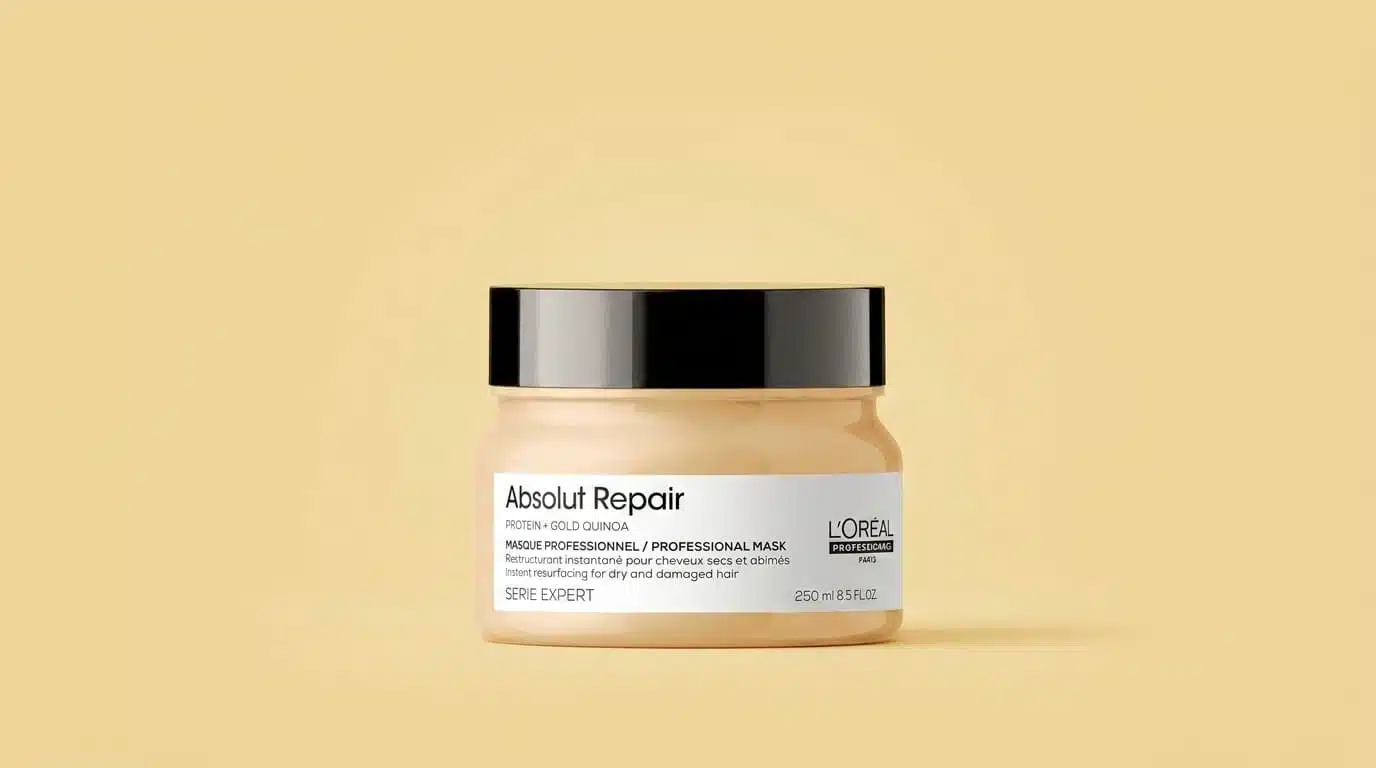
Weak or over-processed strands often need actual strengthening rather than just added moisture, which is where a protein treatment like L’Oréal Professionnel’s Absolut Repair Protein Treatment Hair Mask comes in.
Used every two to three weeks rather than daily, it helps rebuild strength along the hair shaft, particularly after heat styling or coloring, since strands are largely built from protein from your diet in the first place.
Overusing protein treatments can backfire, so following the label’s suggested frequency matters here more than usual.
Natural Treatments for Softer Hair
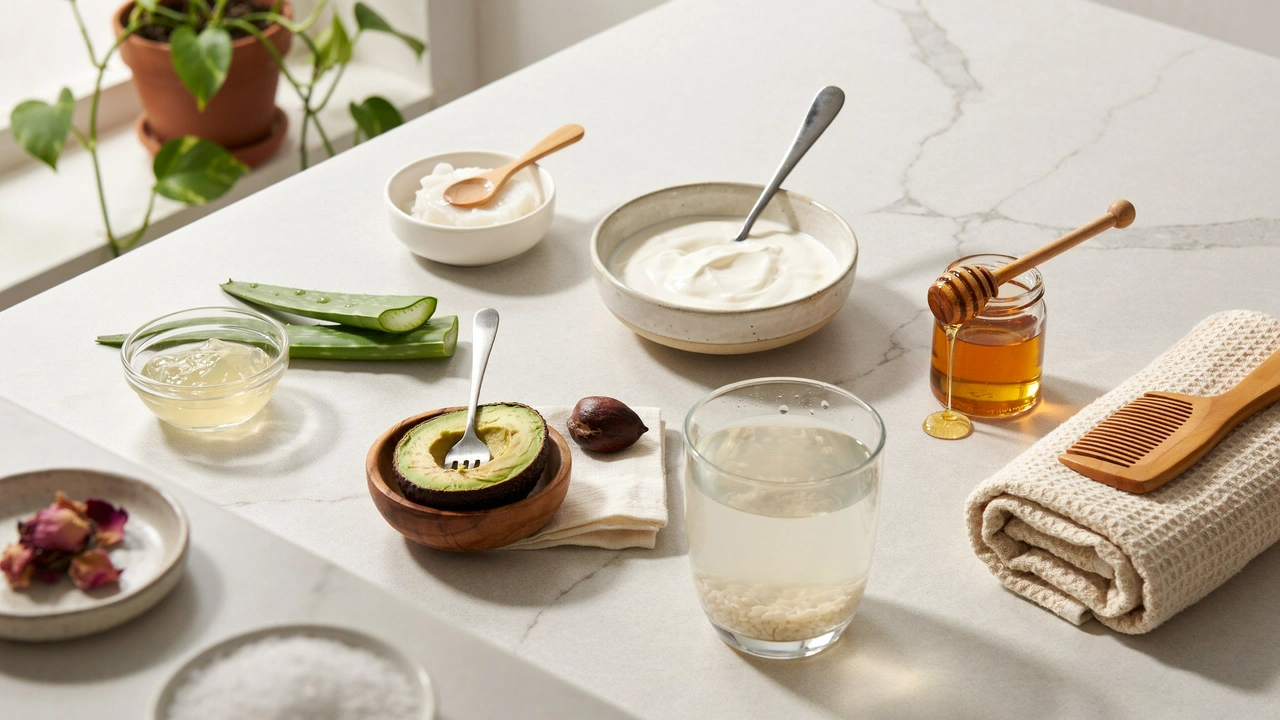
For milder dryness, a few natural ingredients you likely already have at home can genuinely help.
- Coconut oil: penetrates the hair shaft to reduce dryness from within; use once or twice a week, left on for 20 to 30 minutes
- Aloe vera gel: offers light hydration and soothes an irritated scalp; suitable for two to three times a week
- Homemade masks (yogurt, honey, or mashed avocado): add moisture and slip for easier detangling; once a week is usually enough
- Rice water rinse: adds shine and smoothness; rinse out after 10 to 15 minutes, once weekly
These gentler options work well for regular use and won’t leave behind the buildup that heavier products sometimes can over time.
Salon and Chemical Treatments Worth Knowing About
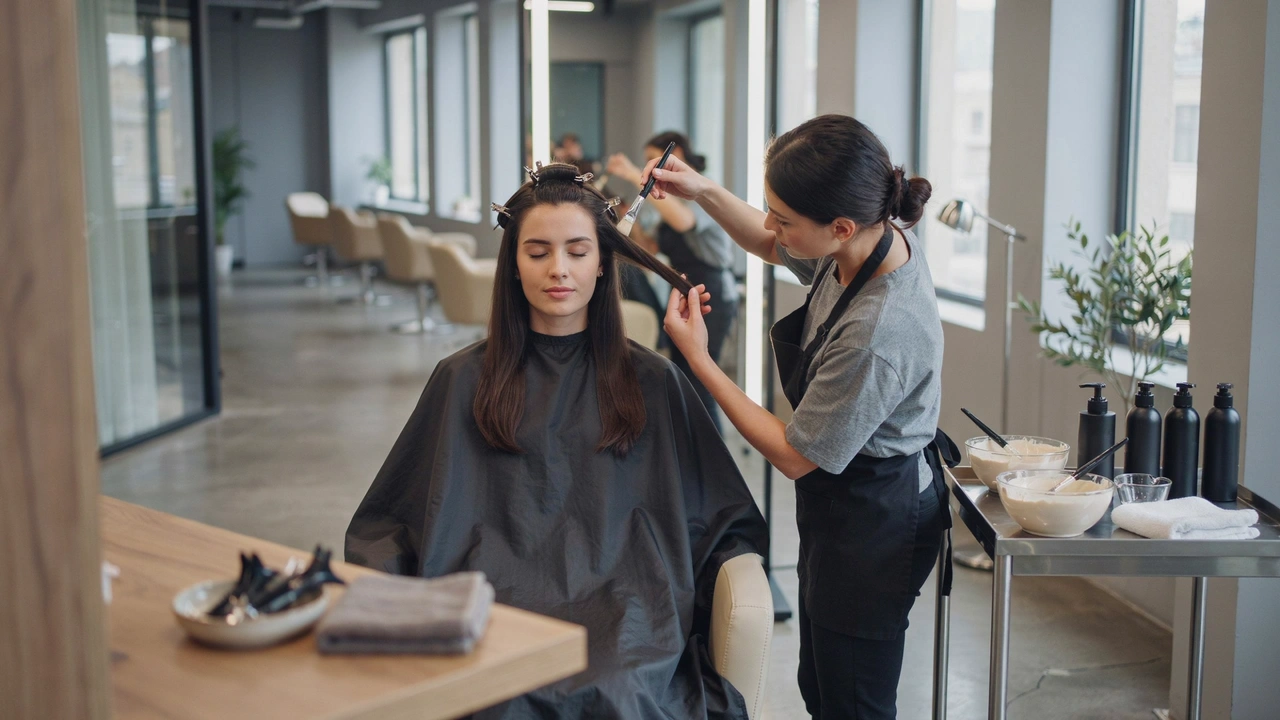
For hair that stays rough despite consistent home care, salon-based treatments offer a more intensive option, though they require more upkeep and cost.
| Treatment | Best For | How Often |
|---|---|---|
| Keratin Treatment | Reducing frizz and adding long-lasting smoothness | Every 3-5 months |
| Hair Rebonding | Permanently straightening very coarse or curly strands | Touch-ups every 6-8 months |
| Relaxer | Loosening tight curl patterns for easier styling | Every 8-10 weeks, roots only |
In my experience, keratin is the treatment worth trying first: it softens texture without permanently changing the curl pattern, so it’s reversible if you don’t love the result.
Rebonding and relaxers are one-way decisions, and I only recommend them to clients who’ve already tried the reversible options and know exactly what they want.
Habits that Secretly Make Hair Rougher
Even a solid routine can be undone by a few everyday habits worth watching for.
- Sleeping on cotton pillowcases, which create friction overnight and rough up strands you just spent time smoothing
- Wearing tight elastics, braids, or buns daily, since constant tension at the same spots weakens hair there over time
- Frequent pool water exposure without protection, which leaves minerals clinging to strands and dulling texture
- Ignoring split ends for months, since damage travels up the strand once it starts rather than staying put
None of these do damage overnight on their own, but stacked together over weeks, they can quietly cancel out an otherwise good routine.
The Final Strand
Soft hair isn’t about finding one perfect product. It’s about protecting the cuticle daily, choosing treatments that match your hair’s actual condition, and giving a routine a couple of weeks before judging whether it’s working.
Start with whichever piece from this guide feels most doable right now, whether that’s a weekly deep conditioner, a lightweight leave-in, or simply switching your pillowcase. Watch how your hair responds before adding anything new.
Give it a couple of weeks, watch how your hair responds, and build the rest of your routine from there before adding anything new.
Frequently Asked Questions
Does Diet Affect Hair Softness?
Yes, hair reflects overall hydration and nutrition. Diets low in protein, healthy fats, or water intake often show up as drier, rougher-feeling strands over time.
Can You Use Too Much Leave-in Conditioner?
Yes. Overusing leave-in products can cause buildup, leaving hair feeling weighed down or greasy instead of soft. A small amount, adjusted as needed, works best.
Is It Normal for Hair to Feel Different By Season?
Yes. Humidity, heat, and dry winter air all change how much moisture hair holds, so it’s completely normal for texture to shift across the year.
Do Supplements Help Hair Feel Softer?
They can, indirectly. Biotin, omega-3s, and vitamin E support overall hair health, but supplements work slowly and won’t replace a proper hair care routine.
How Can I Make My Hair Soft Overnight?
You can’t fully reverse weeks of dryness overnight, but you can make hair feel noticeably softer by morning. Apply a leave-in or light oil to damp hair before bed, loosely braid it to prevent tangling, and sleep on a silk or satin pillowcase so friction doesn’t rough it back up.