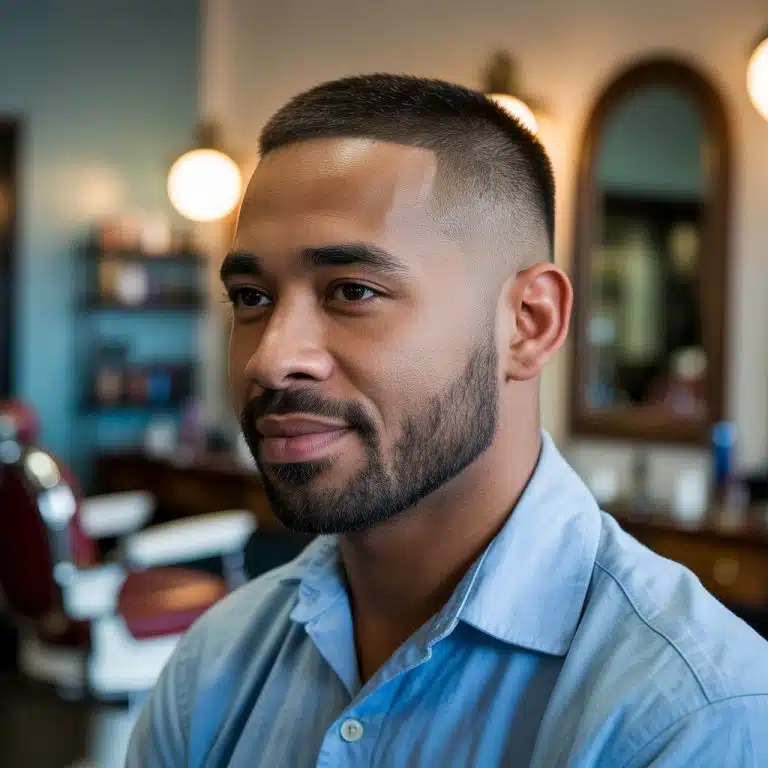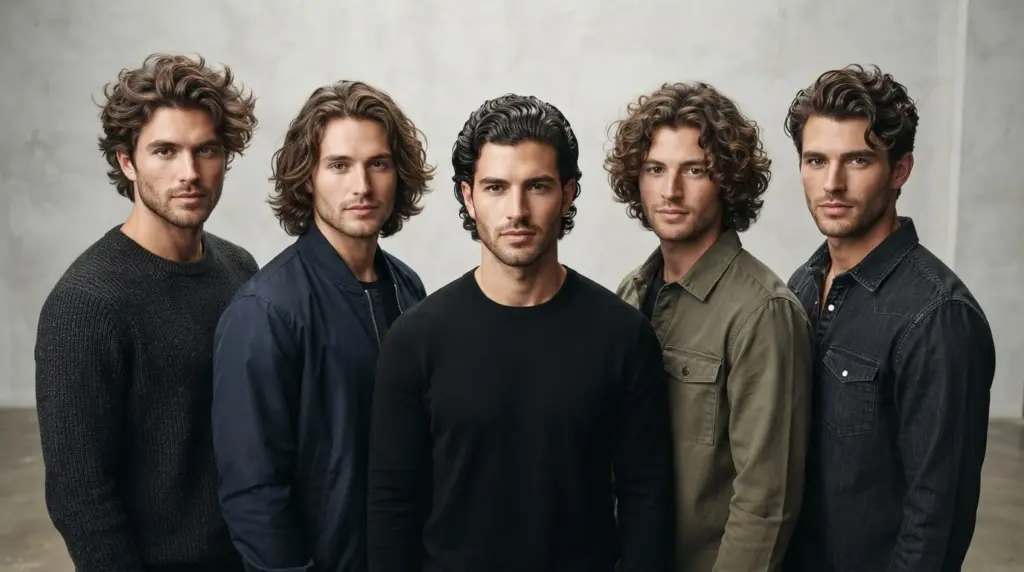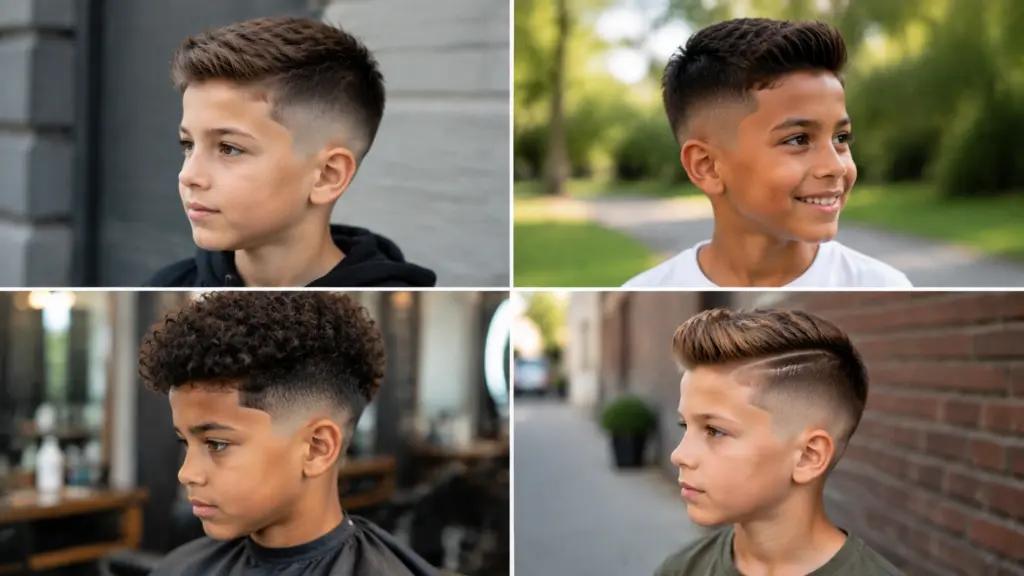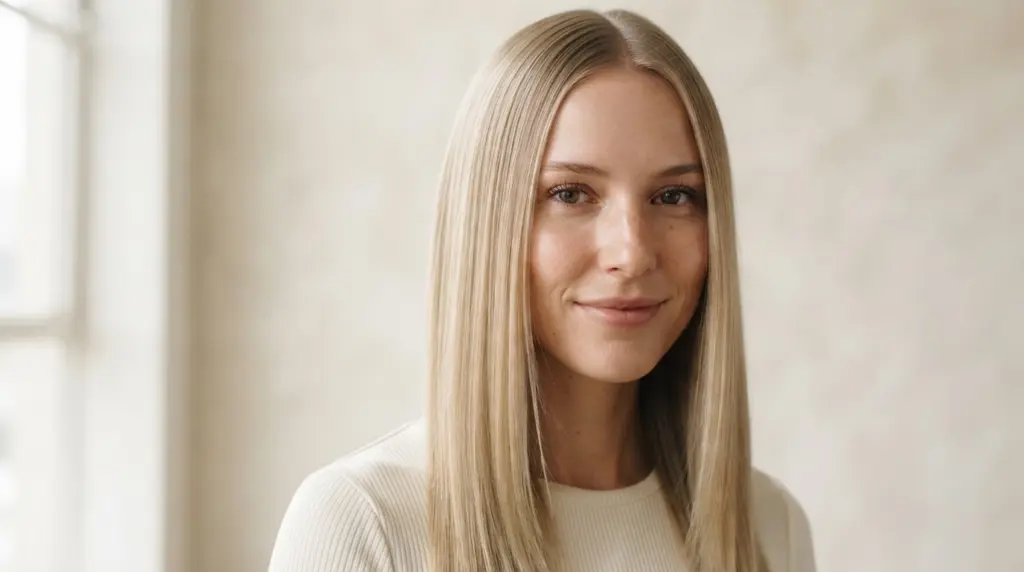
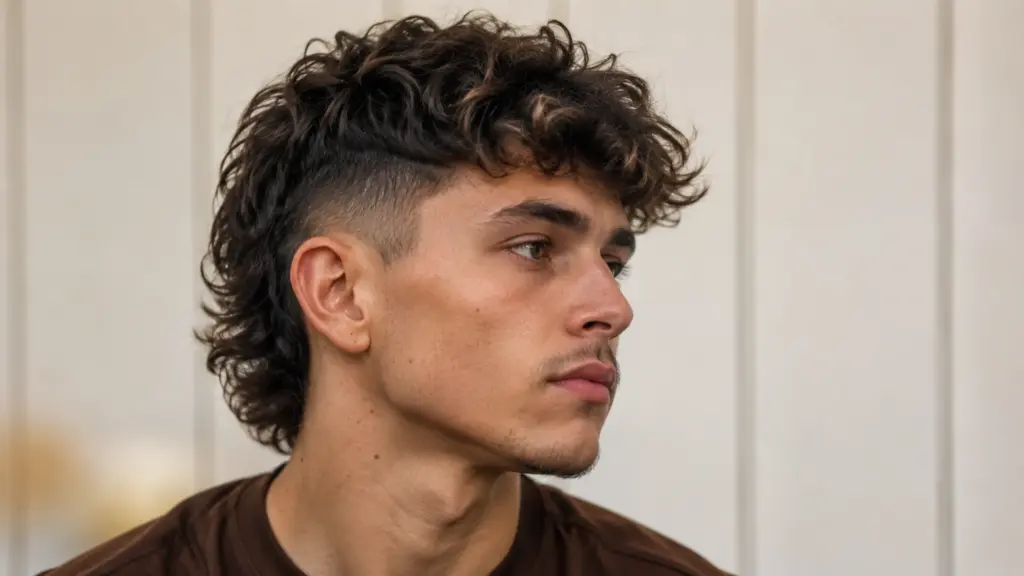
Most men see mullet haircuts online and assume the style is only for influencers, musicians, or guys with perfect hair.
Then the right cut shows up in a barbershop: clean fade, controlled texture, sharp shape, and the opinion changes fast.
That is why the mullet with a fade is everywhere. It keeps the bold length at the back but adds structure where the old version often looked heavy or messy.
A good fade removes awkward bulk around the sides, frames the face better, and makes the whole haircut feel modern and wearable.
It is easy to style without losing its edge for guys who still want daily control, movement, and a haircut that grows out with more balance.
What Makes a Mullet with a Fade Different from a Classic Mullet?
The classic mullet left the sides unblended, harsh, blocky, and very much a product of its era.
A mullet with a fade changes that entirely. The sides taper smoothly, either to a short guard length or all the way to the skin, creating a deliberate contrast that reads as intentional and modern rather than accidental.
From my time on the shop floor, the fade is what makes clients walk out confident rather than second-guessing themselves.
That gradual reduction of hair on the sides anchors the longer back and gives the whole cut its shape. Without it, you have the ’80s haircut.
How to Cut a Mullet Fade: Step-by-Step Guide
The key is not just the fade. The haircut depends on clean sectioning, balanced scissor work, controlled debulking, and a natural blend around the ear. Follow these steps to shape the top, preserve the mullet length, fade the sides, and finish the haircut with texture.
Step 1: Dampen the Hair and Create Three Sections
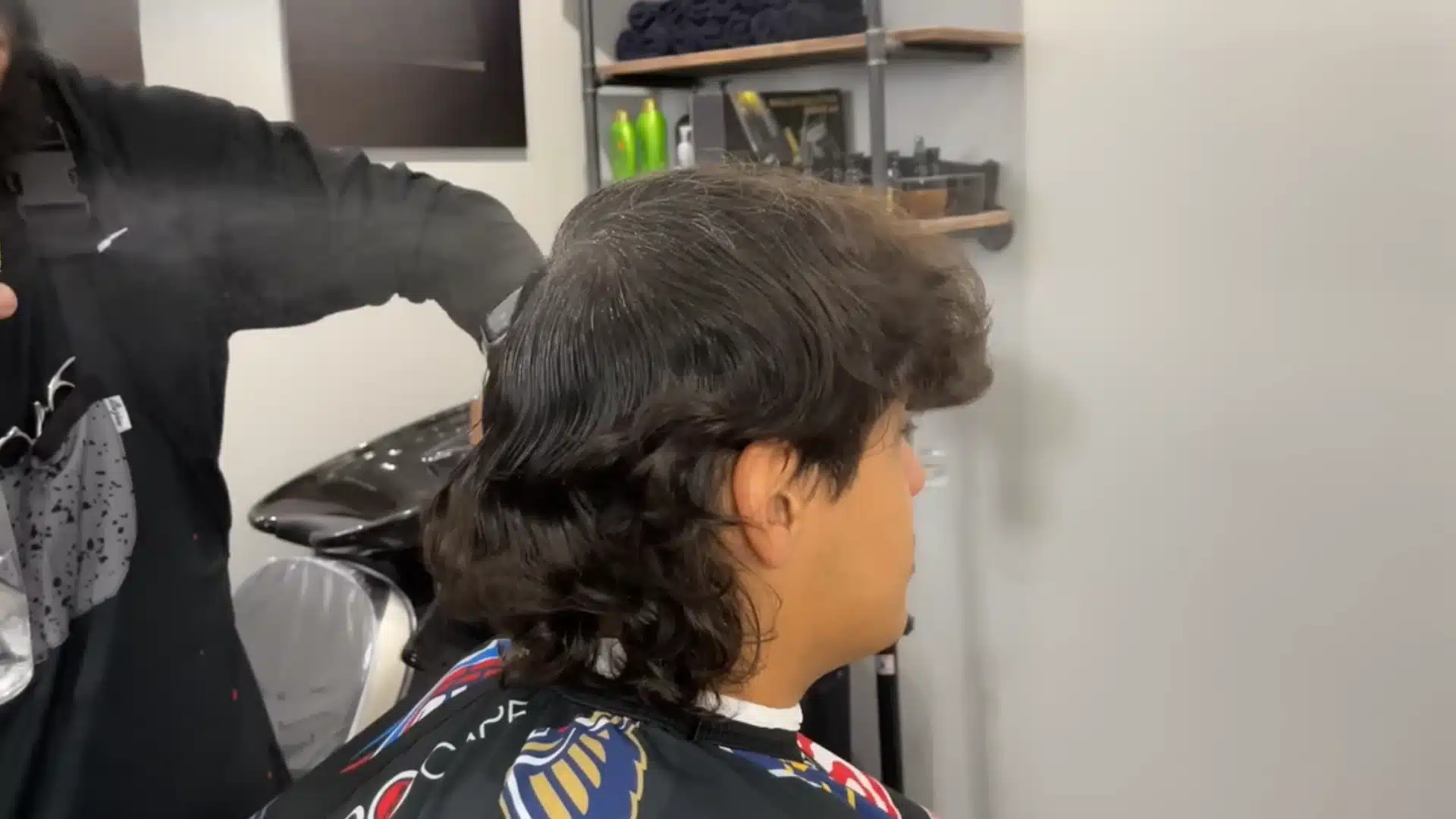
Start by wetting the hair until it is evenly damp. This helps you create cleaner parts and keeps the hair controlled while cutting.
Divide the top into three sections: left, middle, and right. Keep the partings neat because this gives you a clear cutting map.
The middle section is most important because it becomes the main guide for shaping the top.
Step 2: Cut the Middle Guide on Top
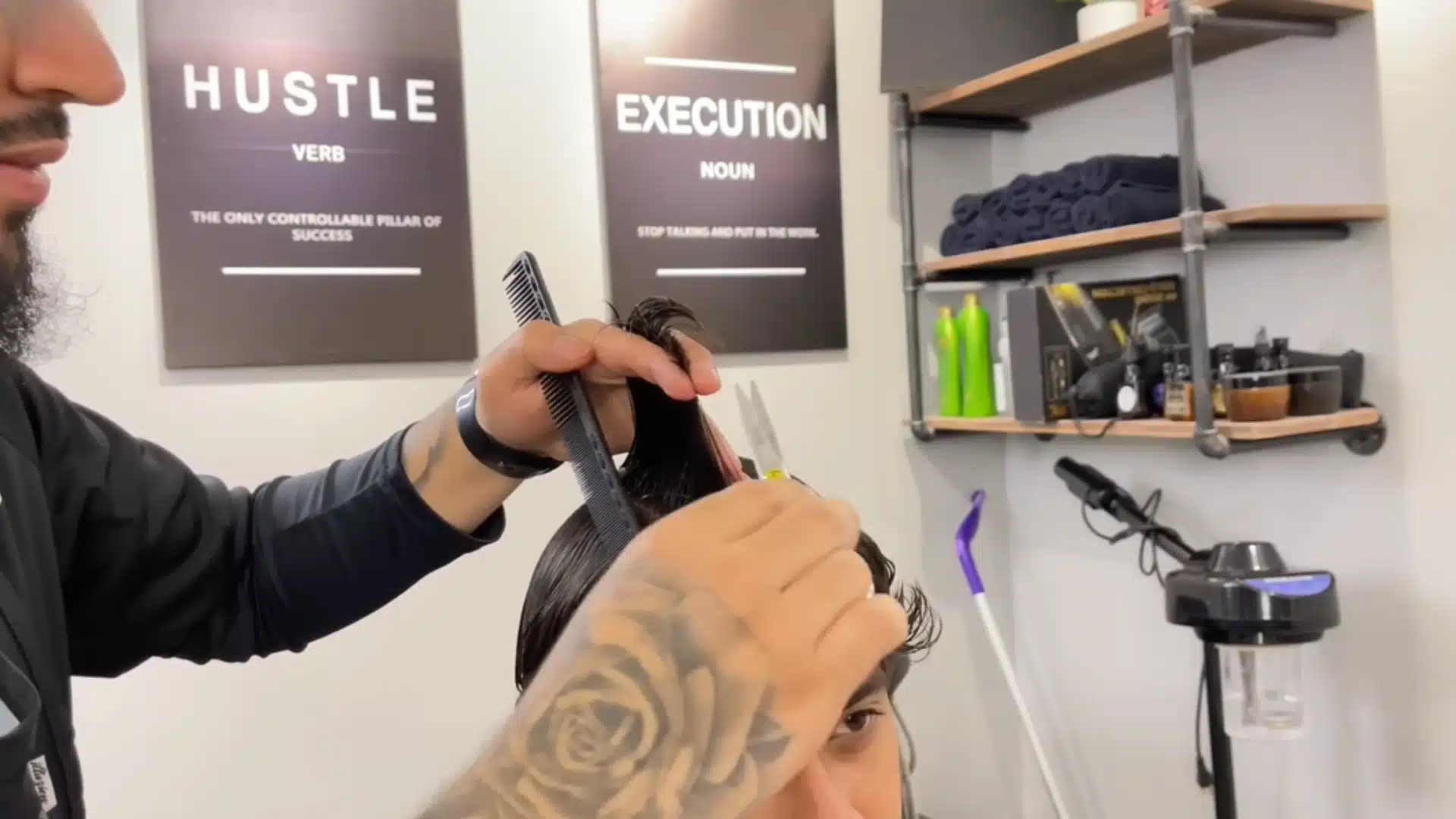
Take the middle section, lift it straight up, and remove the desired length. The barber should take off about 1.5 to 2 inches.
Work from the front toward the back while keeping the line even.
This middle strip becomes the guideline for the rest of the haircut, so cut it cleanly and avoid rushing this step.
Step 3: Match the Right and Left Sides to the Guide
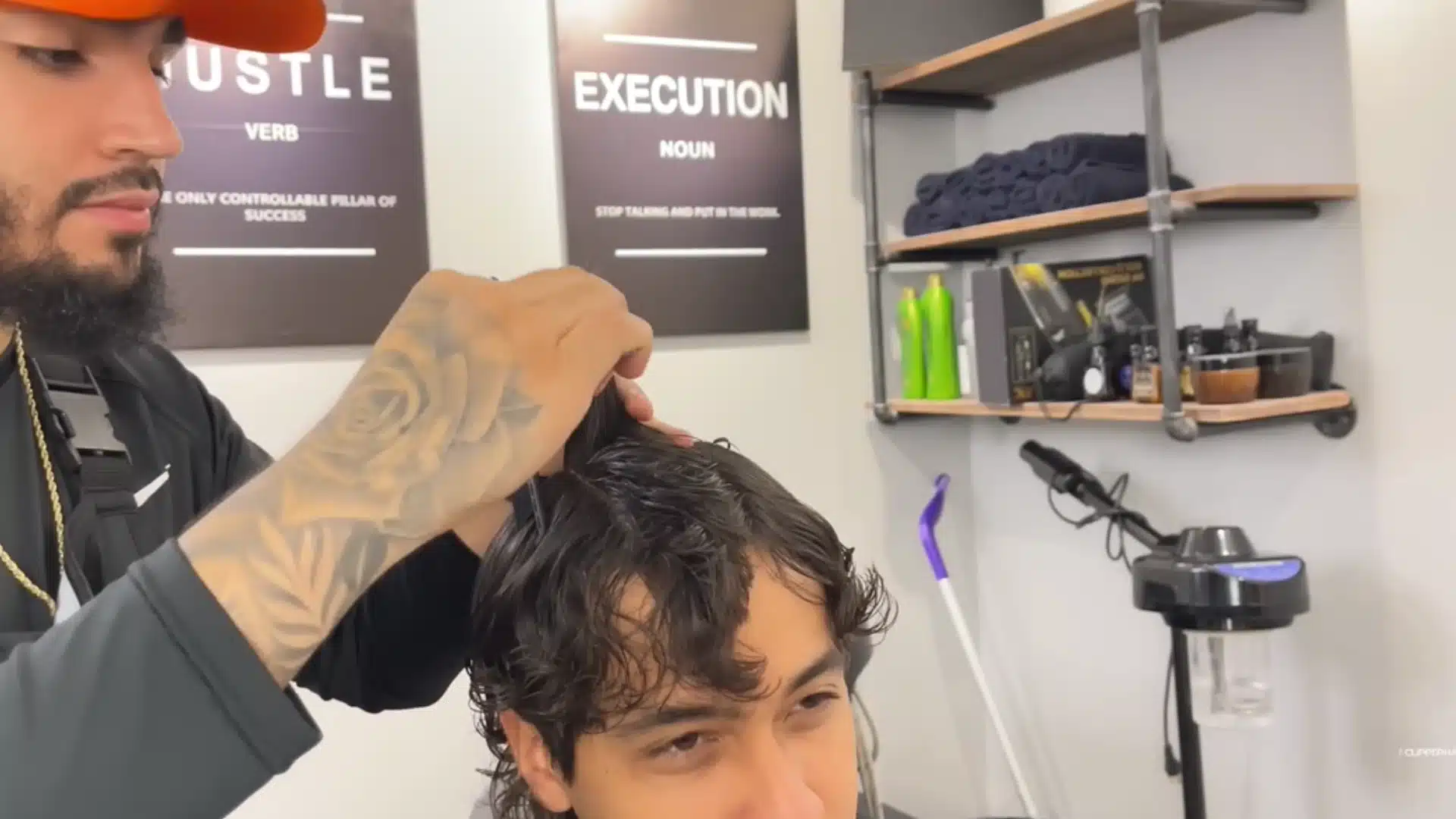
Comb part of the middle guide into the right side and cut the longer hair to match it. Then repeat the same method on the left side.
Take clean horizontal sections and keep checking the length against the guide. This keeps the top balanced.
Do not cut too far into the back if the client wants to keep growing the mullet length.
Step 4: Even the Fringe and Clean the Back
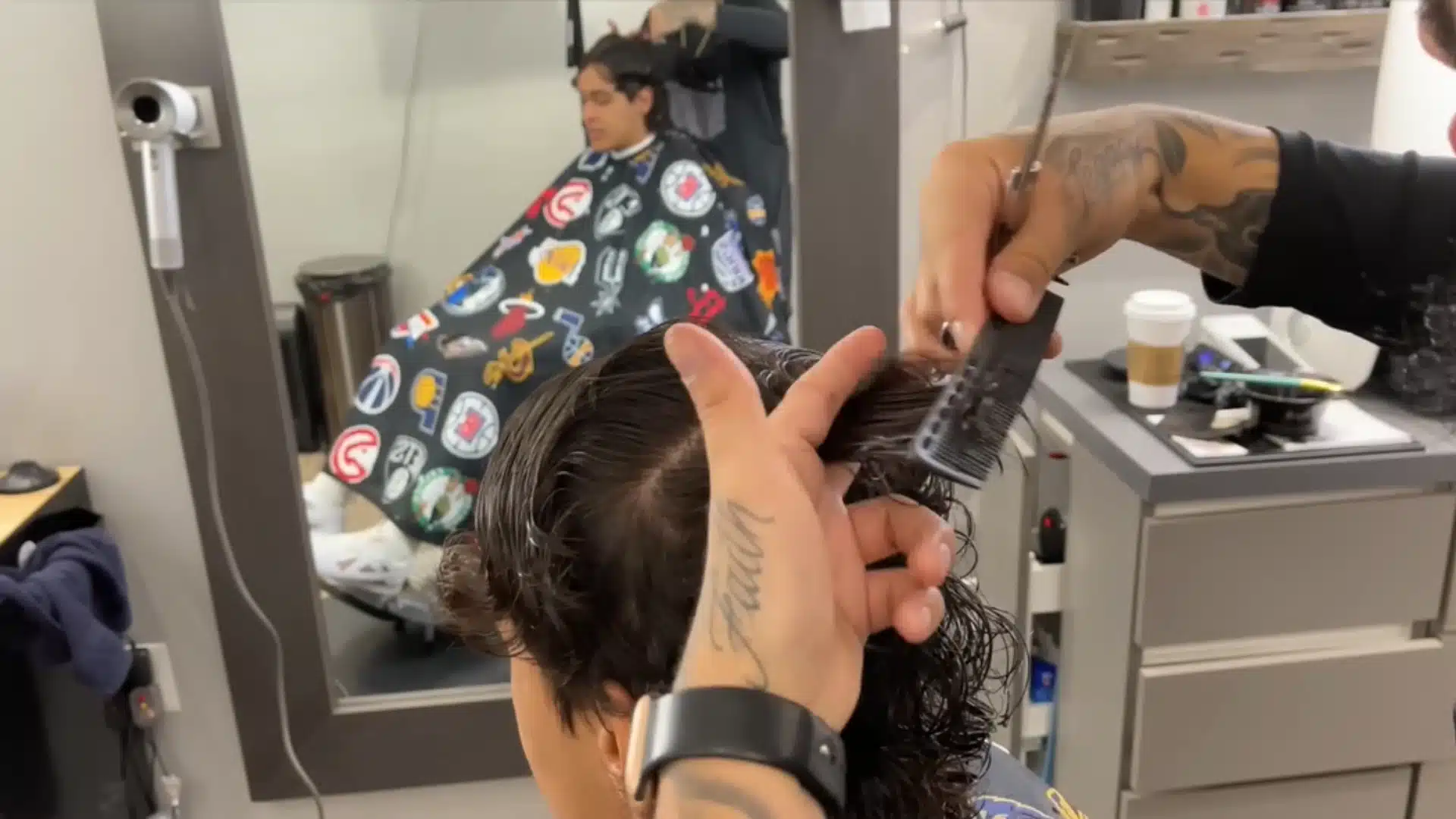
Pull the fringe down into its natural fall and trim it so it sits evenly. This matters because the client will likely wear the hair forward without much styling.
After that, move to the back and lightly clean the ends. Do not shorten the mullet too much.
The goal is to even the shape while keeping the back full and longer.
Step 5: Dry the Hair and Debulk the Sides
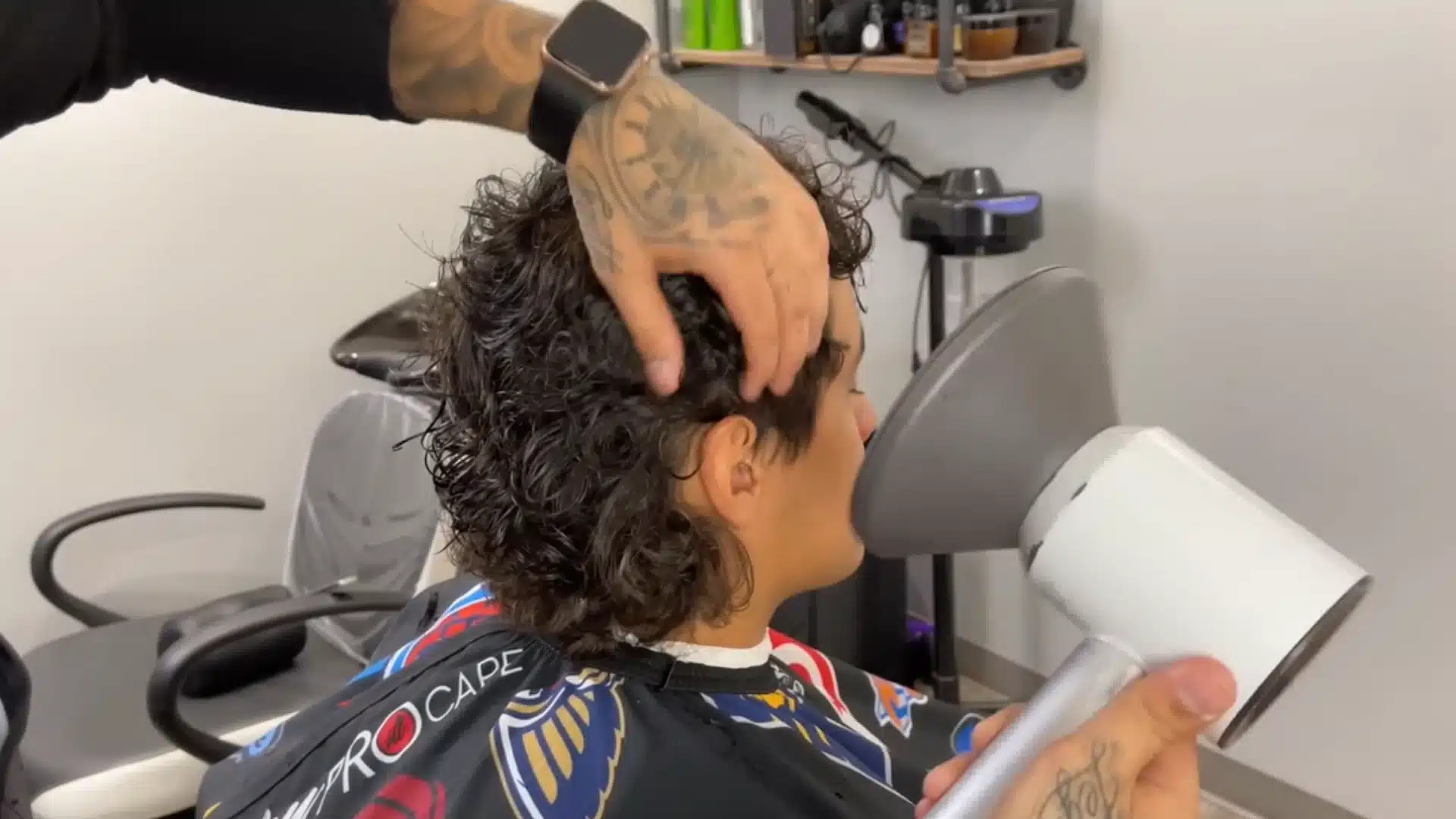
Dry the hair before fading, especially if the client has curls. A diffuser helps the curls hold their natural shape, making the final blend easier to judge.
Once dry, use a number 4 guard to debulk the sides.
Stay careful around the back of the ear. Do not push into the mullet length or take the taper too high.
Step 6: Create and Blend the Taper Fade
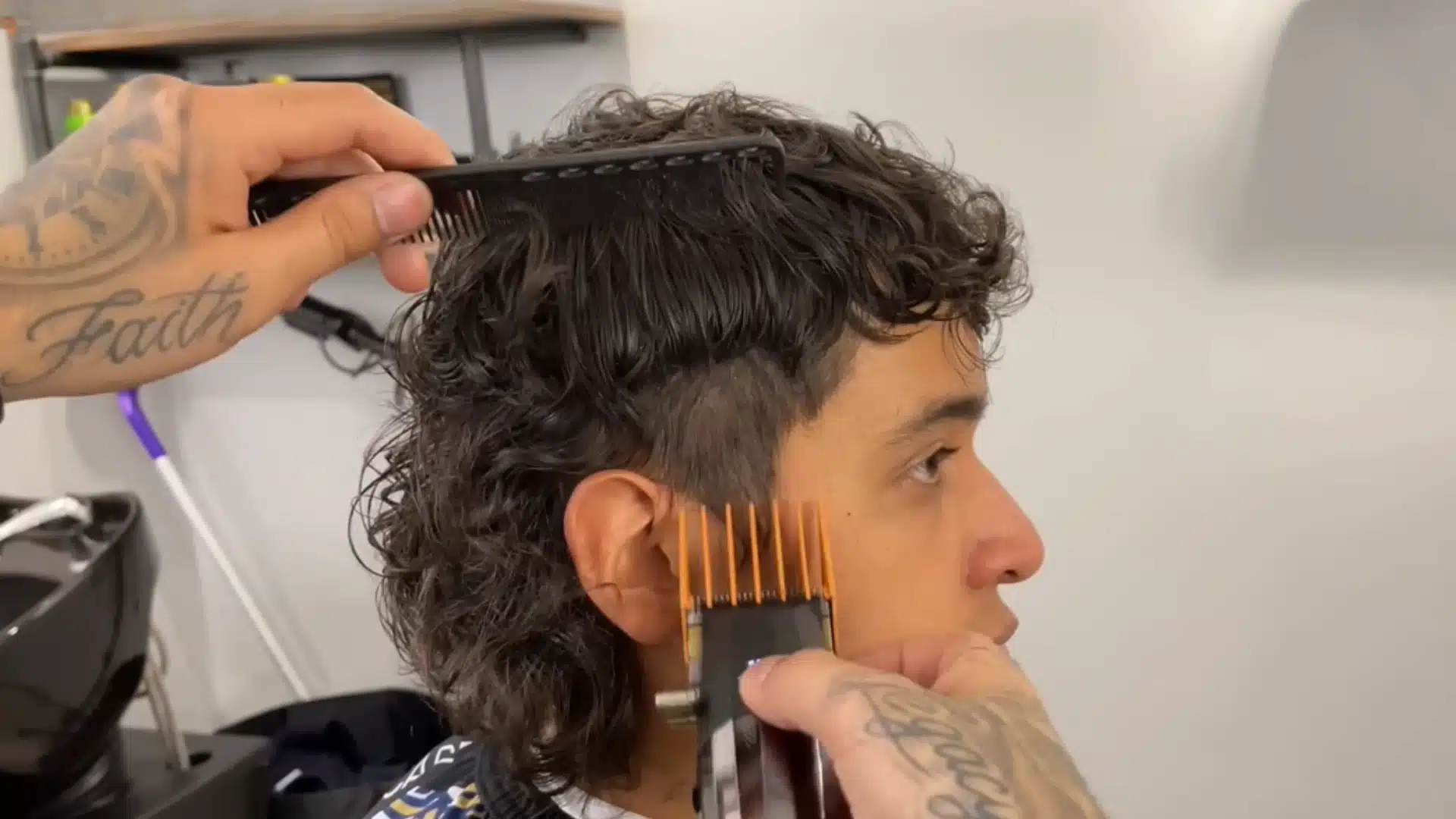
Start the bald line near the end of the eyebrow and curve it toward where the ear connects to the head.
Clean below it with a shaver. Then blend upward using the lever open, lever closed, number 1 open, half guard, number 2 open, and 1.5 guard.
Keep the shape soft and rounded. Use the blade corner for dark spots instead of digging in.
Step 7: Soften, Line Up, and Style the Mullet
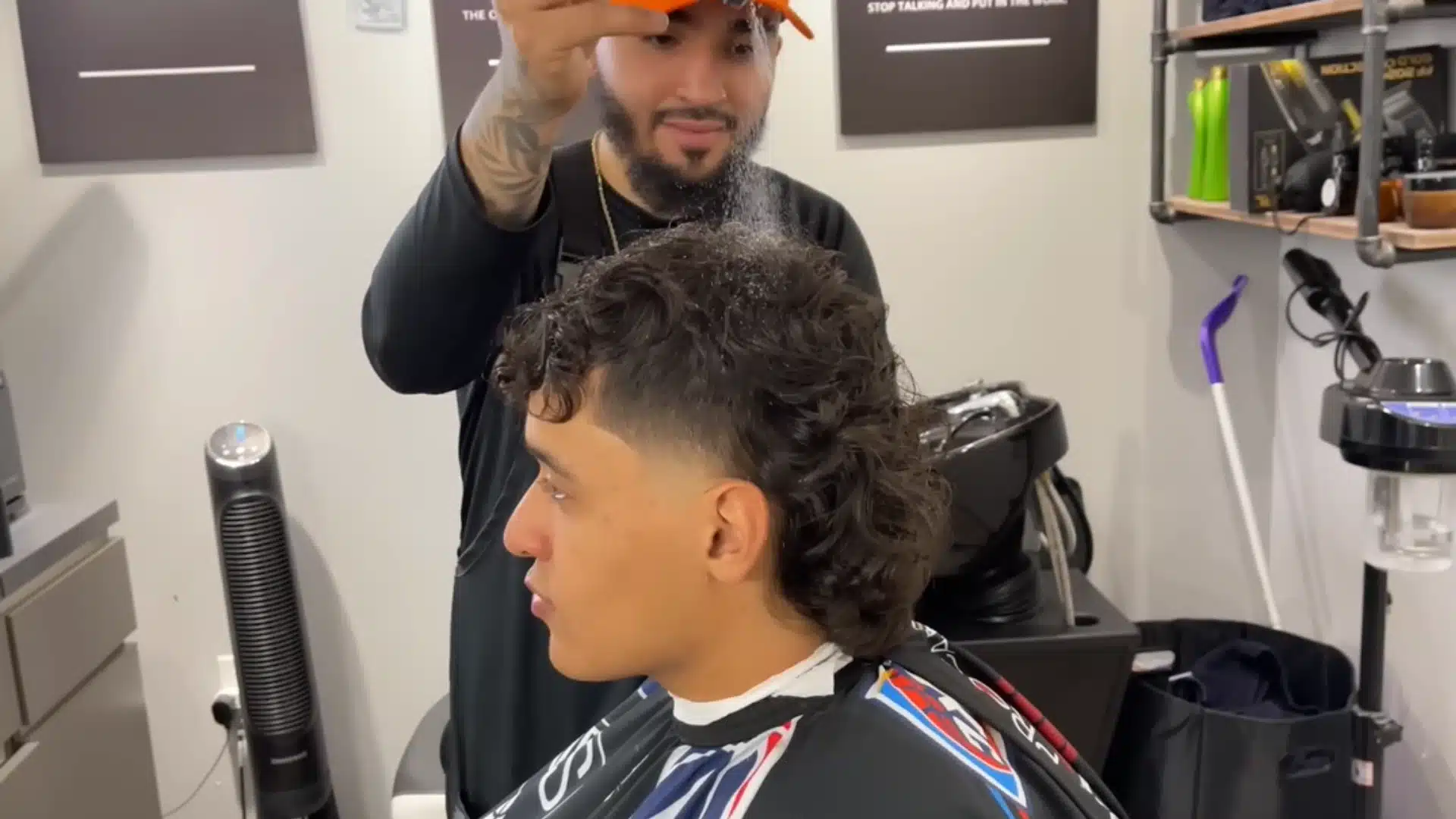
Use a clipper over a comb to remove extra side bulk, then soften the connection with thinning shears.
Line up the arch by starting at the top, then the bottom, and meeting in the middle for a clean C-shape.
Clean behind the ear without cutting too far back. Finish with styling powder and clay to add texture, hold, and a natural-looking shape.
This tutorial is based on a helpful video by Dreclipperhands. You can check out the original video on their YouTube channel here or watch it below.
How to Get the Best Mullet Fade for Your Face Shape
Face shape is the one variable most men ignore, only to wonder why a style that looked right on their phone looks slightly off in the mirror. Here is exactly how I think through it for each client:
- Round Face: Choose a high fade, quiff mullet, or faux hawk mullet. Ask your barber to keep the top height, keep the sides tight, and avoid adding extra width around the crown.
- Oval Face: Most mullet fades suit an oval face, including mid fades, wolf cuts, shaggy mullets, and curly mullets. Ask your barber which back length will keep the shape balanced.
- Square Face: A low or mid fade with soft layers works best for a strong jawline. Ask your barber to soften the top and back so the cut does not look too harsh.
- Oblong Face: Keep the back shorter and allow a little more side width. Ask your barber to keep the back around 2 to 3 inches and avoid adding too much height.
- Heart Face: A curtain or textured-fringe mullet helps balance a wider forehead and a narrower chin. Ask your barber to add front detail while keeping the back shaped and controlled.
- Diamond Face: A choppy taper fade or layered mullet suits sharp cheekbones and narrow temples. Ask your barber to reduce the width near the temples while keeping enough length at the back.
Men’s haircuts by face shape behave differently because the proportions do different things on different head structures; the cut is the same, but the result is not.
Best Mullet with a Fade Styles to Try
These styles are arranged from the most wearable and beginner-friendly through to the boldest and most editorial choices. Each one can be adjusted to your hair texture, head shape, and how much time you actually spend styling in the morning.
1. Low Taper Fade
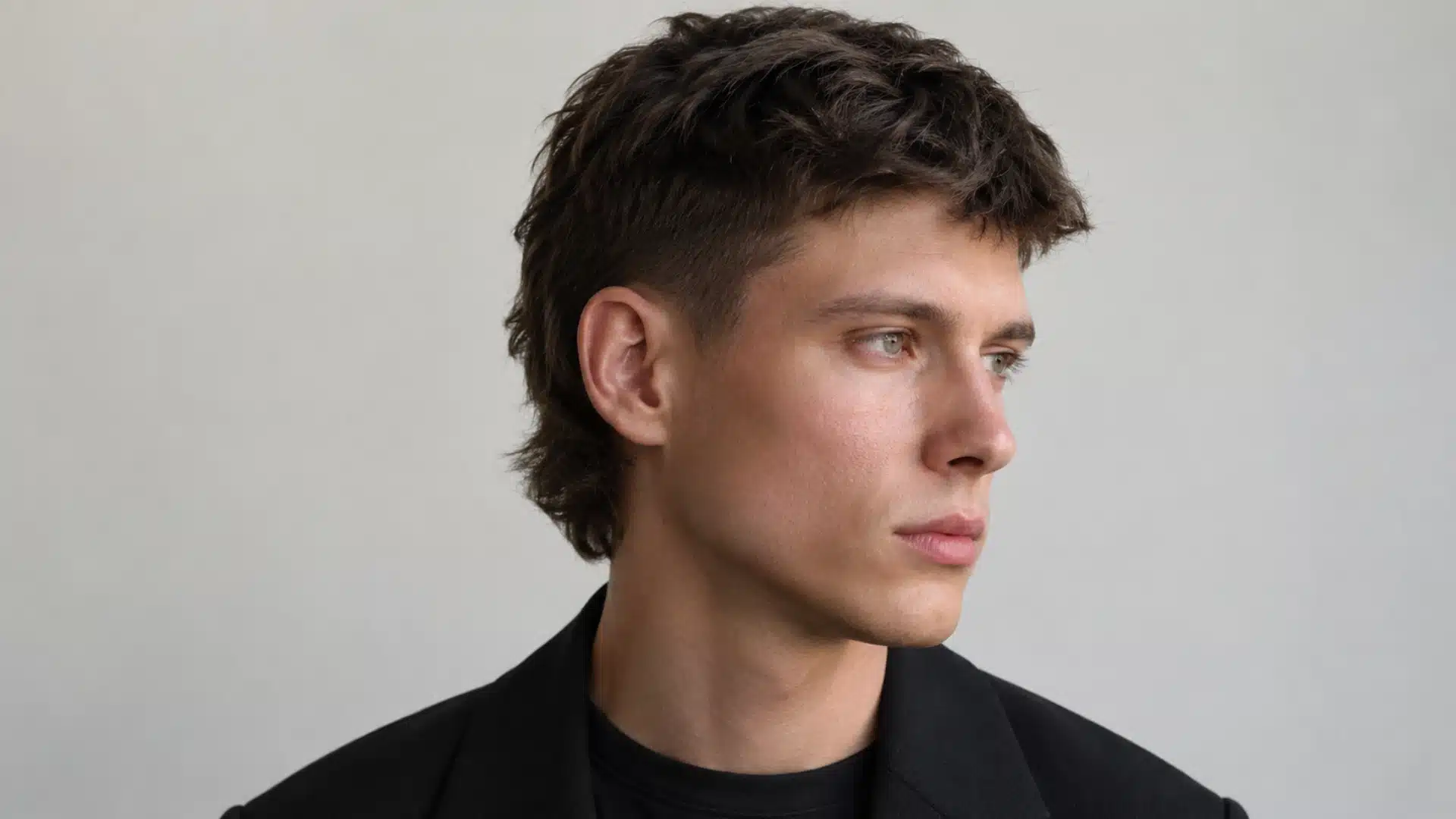
A low taper fade is a clean and versatile haircut in which the hair gradually tapers lower around the ears and neckline while keeping more length on top.
It creates a sharp but natural appearance that works well with straight, curly, wavy, or textured hair.
Many people prefer the low taper fade because it looks professional, stylish, and easy to maintain without feeling too dramatic.
2. Mid Fade Mullet
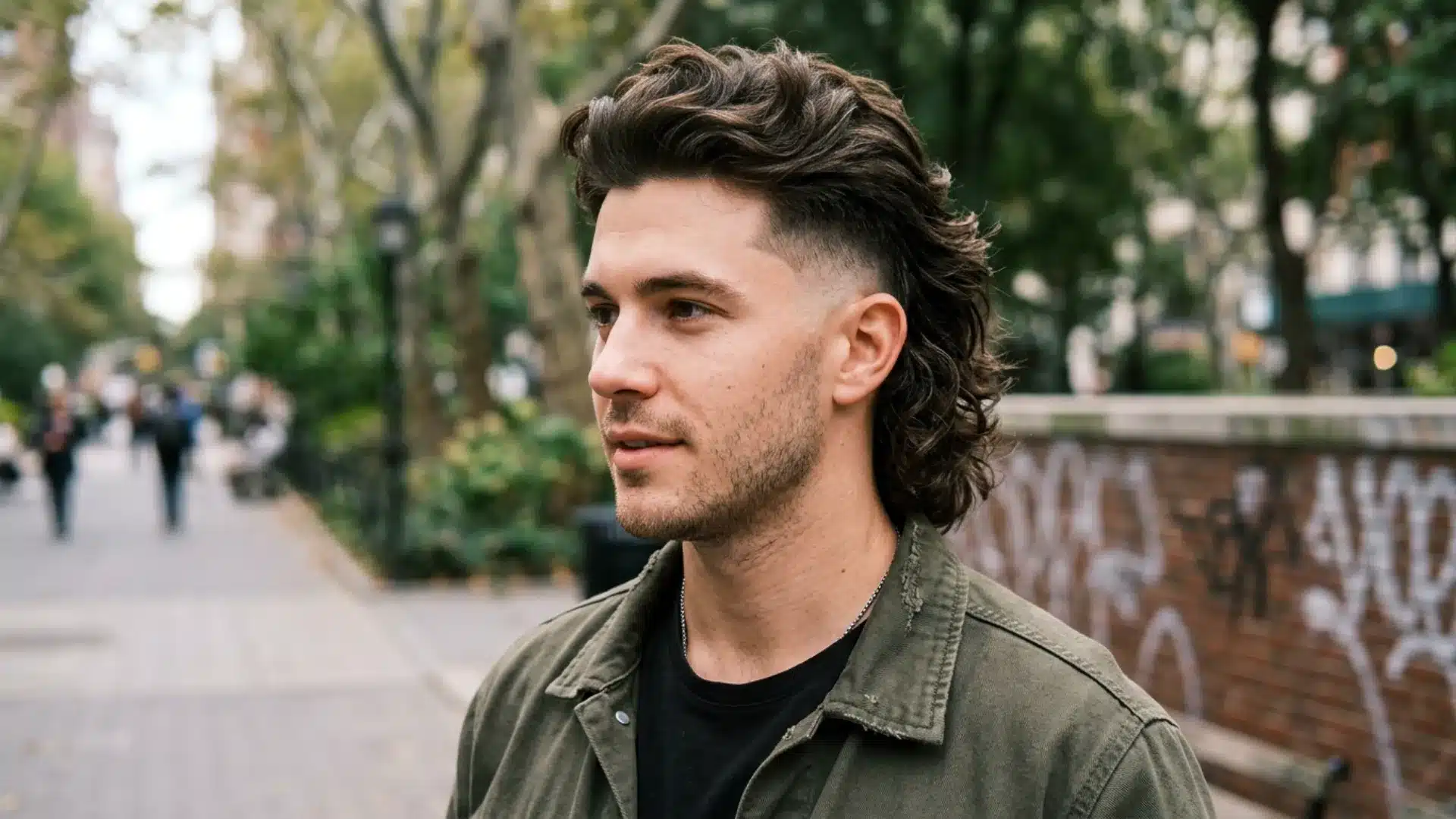
The mid-fade mullet sits right in the balanced zone. The fade starts around the middle of the head, giving the cut enough contrast without making it too loud.
It works on almost every hair type and feels easy to wear.
Keep the top loose with finger styling and use matte paste for natural movement.
3. High Fade Mullet
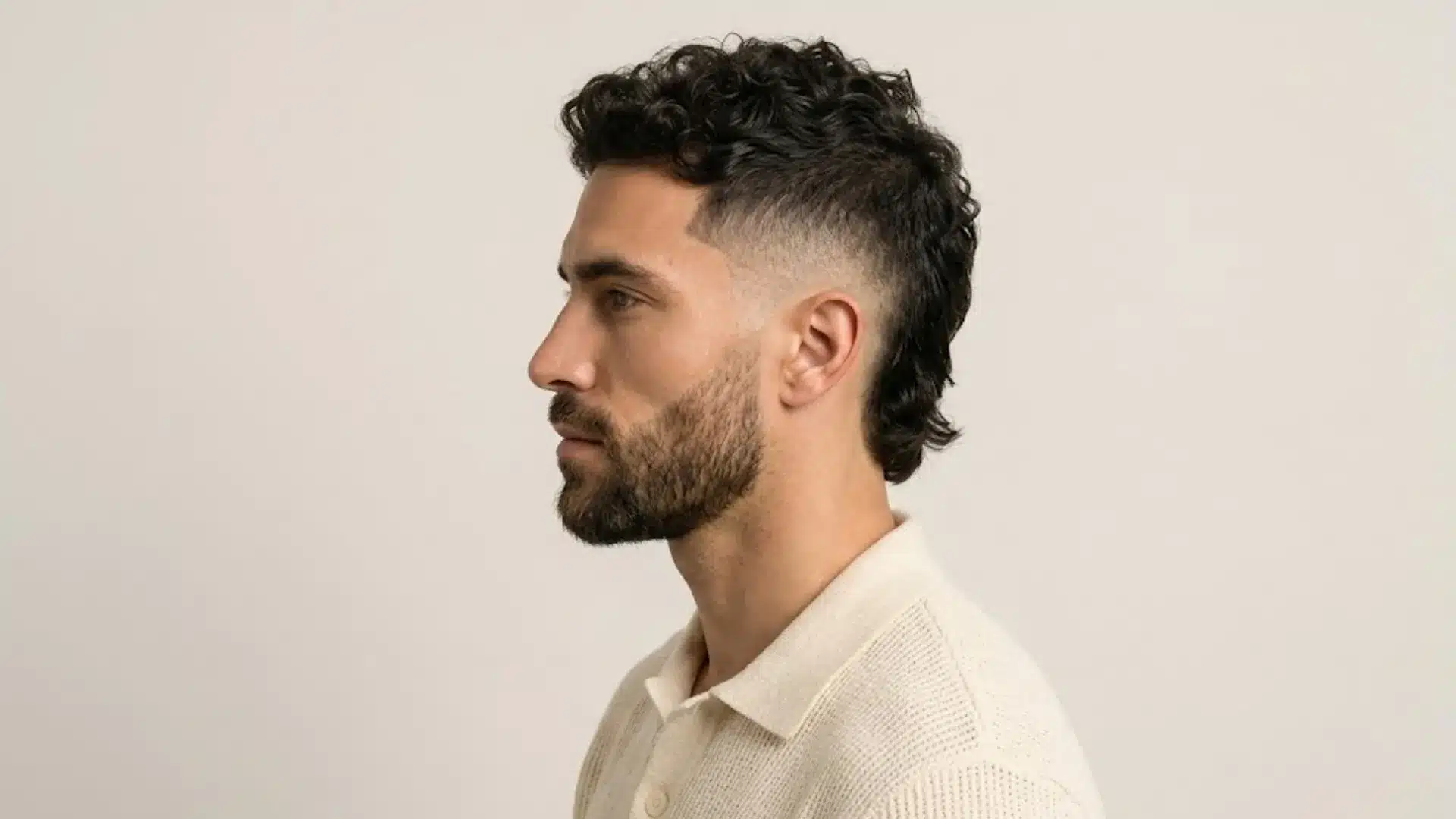
The high fade mullet brings maximum drama through the sides, with the fade climbing high before blending into the longer top and back.
It demands attention and needs trims every two to three weeks to stay sharp.
Use lightweight styling cream, brush the sides downward, and low-heat blow-dry to keep the structure without losing texture.
4. Skin Fade Mullet
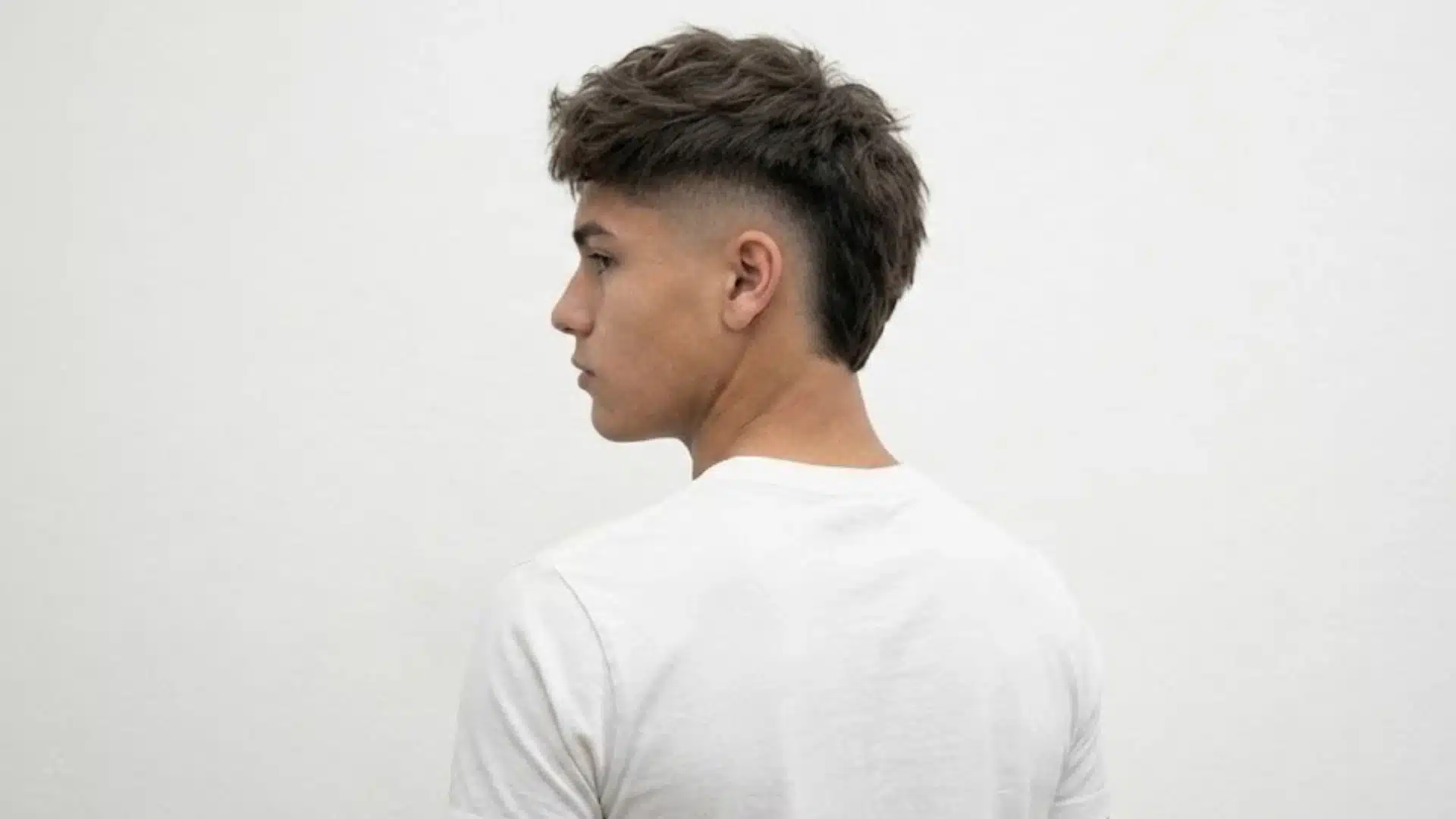
The skin fade mullet fades all the way down to bare skin, giving it the cleanest and crispest finish.
It is popular with athletes and influencers who want a fresh barbershop look every day.
Apply volumizing mousse at the roots, blow-dry upward with a vent brush, and finish with texture powder for airy volume.
5. Curly Mullet with a Fade

The curly mullet with a fade lets natural curls fall from a textured crown into the longer back section, making texture the main focus of the haircut.
It looks best when curls feel shaped, not forced.
Create the side part on damp hair, blow-dry with the part, and use medium-hold pomade for clean structure.
6. Short Mullet Fade
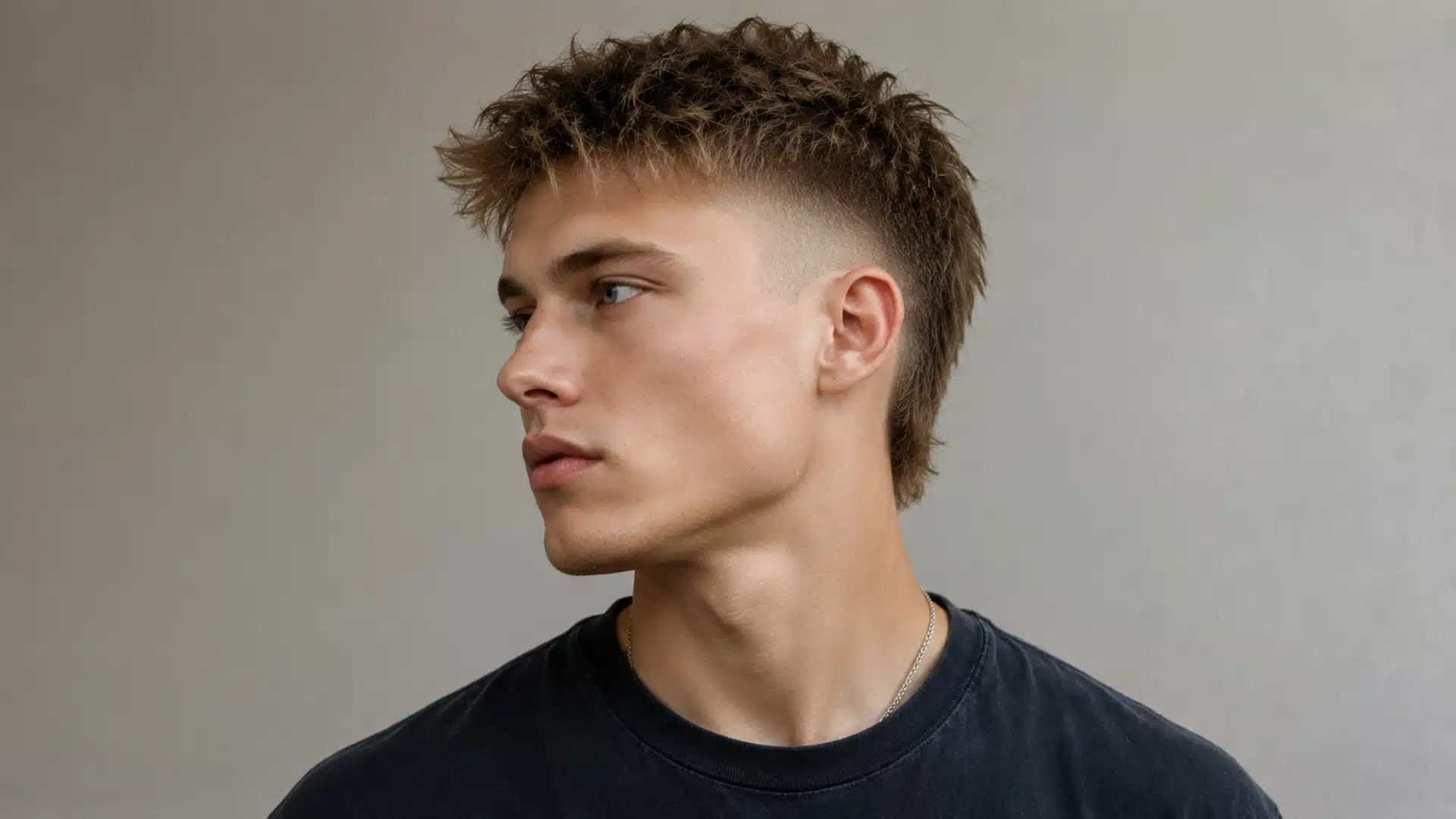
The short mullet fade keeps the back length less dramatic, making it a great first choice for men trying a mullet.
It still has the shape, but feels subtle enough for everyday wear.
Keep the top textured with matte clay, leave the undercut sharp, and blow-dry backward slightly to show clean separation.
7. Wolf Cut Mullet Fade
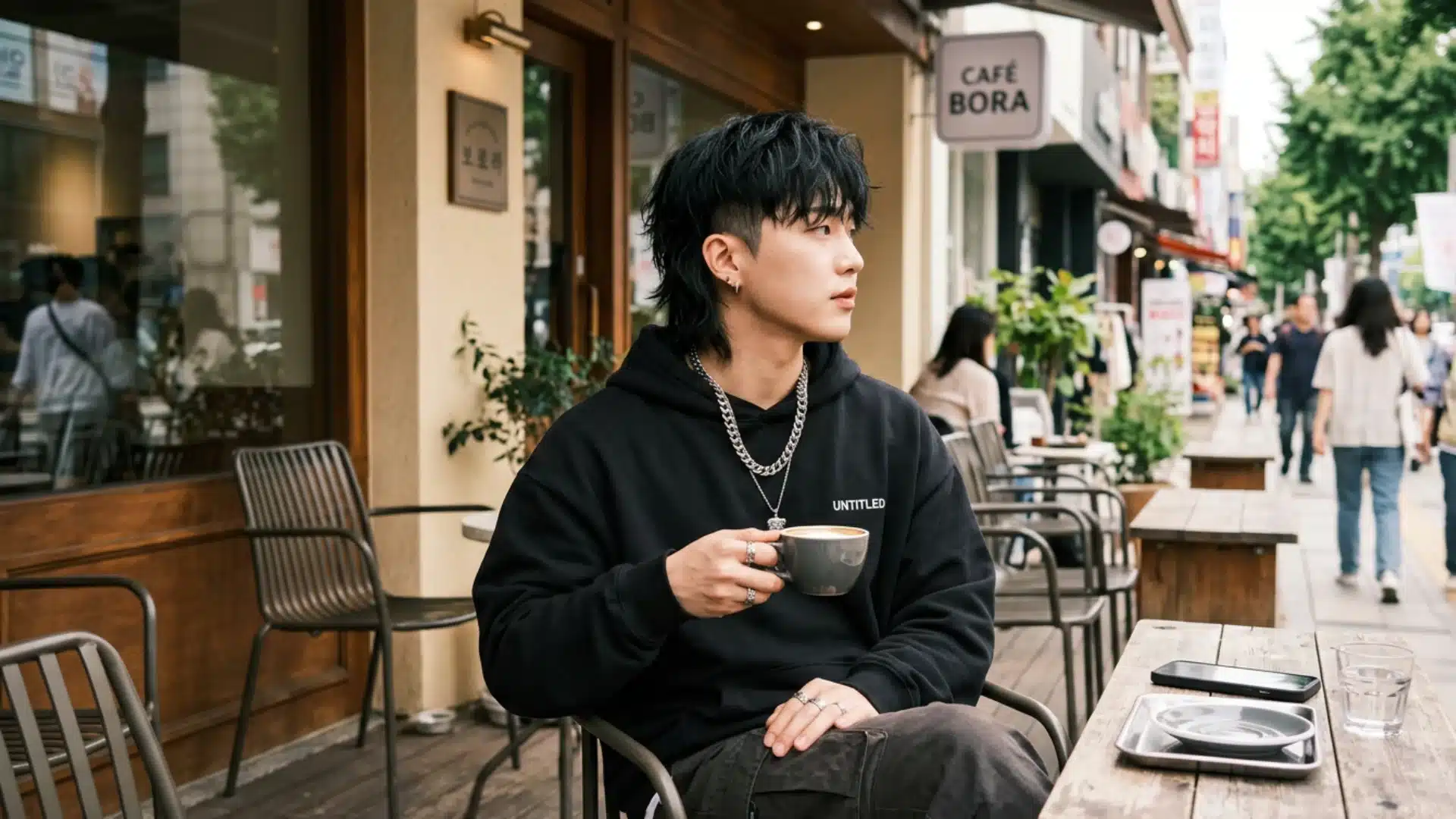
The wolf cut mullet fade blends shaggy texture with clean faded sides for a bold modern haircut.
It keeps choppy layers on top, extra length through the back, and a faded finish around the sides. This style works best for thick, wavy, or curly hair because natural texture helps create volume and movement.
The fade keeps the haircut cleaner and more wearable than a classic mullet. Use matte clay or texture spray to shape the layers without making the hair look stiff.
8. Shaggy Mullet with a Fade
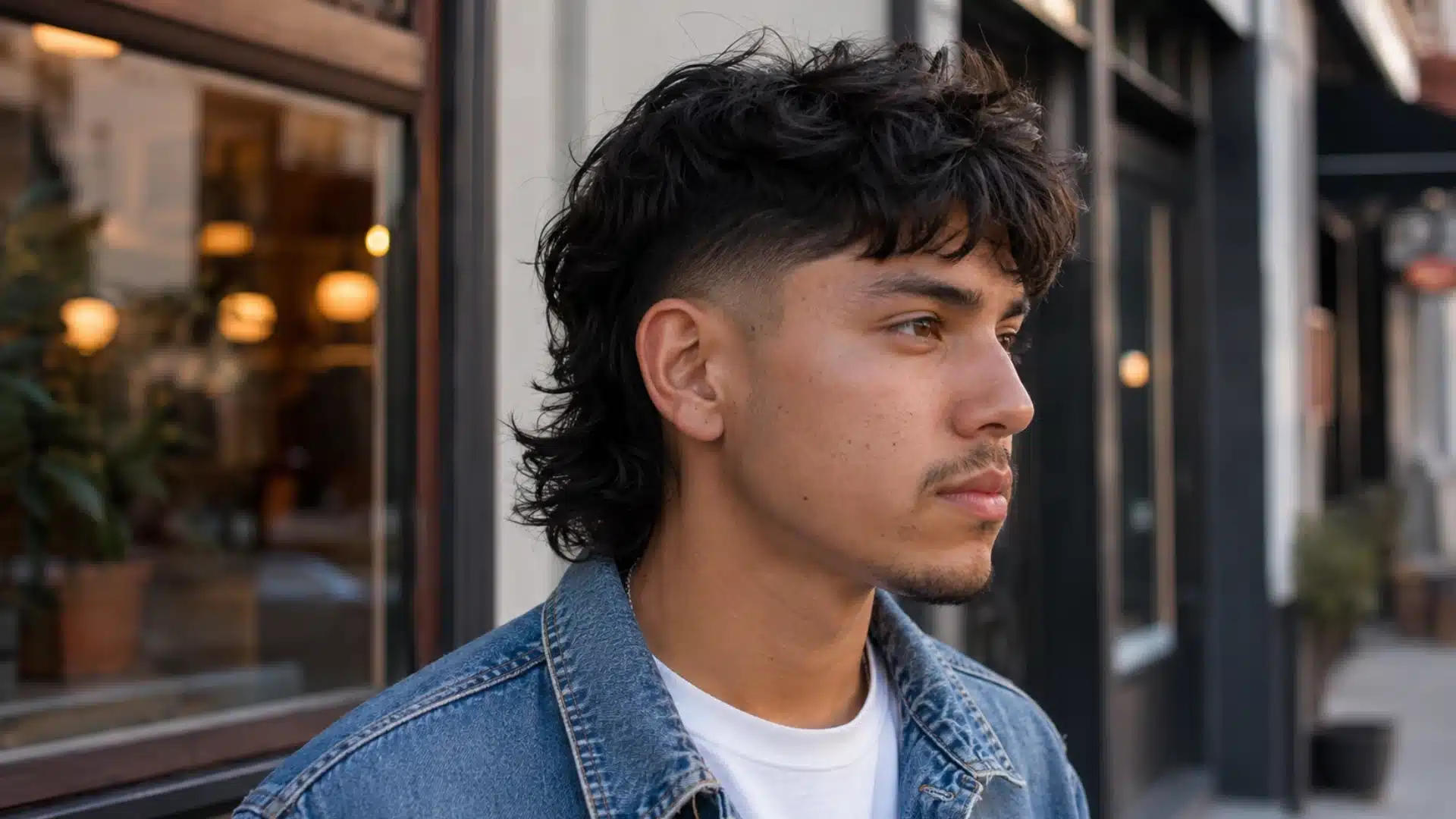
The shaggy mullet with a fade is tousled, layered, and relaxed, making it one of the easiest-looking styles on the list.
It suits most face shapes and hair types because the soft texture keeps it flexible.
Apply light texture cream or curl cream to damp hair, then let it air dry for natural movement and messy definition.
9. Curtain Fringe Mullet Fade
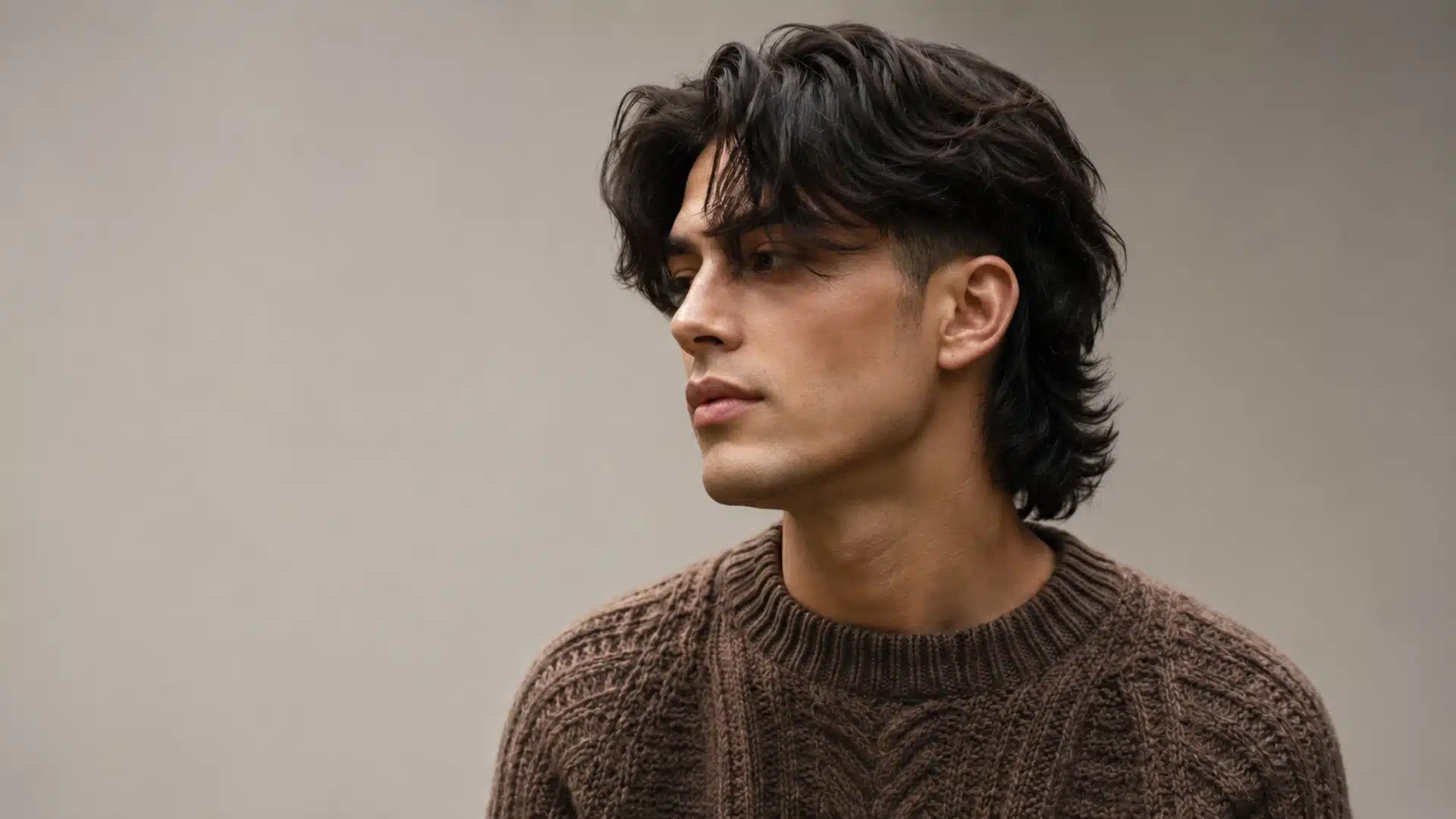
The curtain fringe mullet fade has a center-parted fringe that falls softly on both sides of the face, with faded sides and longer flow at the back.
It feels playful and slightly romantic while softening stronger facial features.
Blow-dry the fringe outward with a round brush, then use sea salt spray for natural texture.
10. Pompadour Mullet Fade

The pompadour mullet fade sweeps the front upward and backward before meeting the longer mullet tail at the back.
It feels more sophisticated than most mullet styles and suits men who want polish with edge.
Use medium-hold paste or gel, then push the center upward with your fingers for natural height and texture.
11. Korean-Inspired Mullet Fade
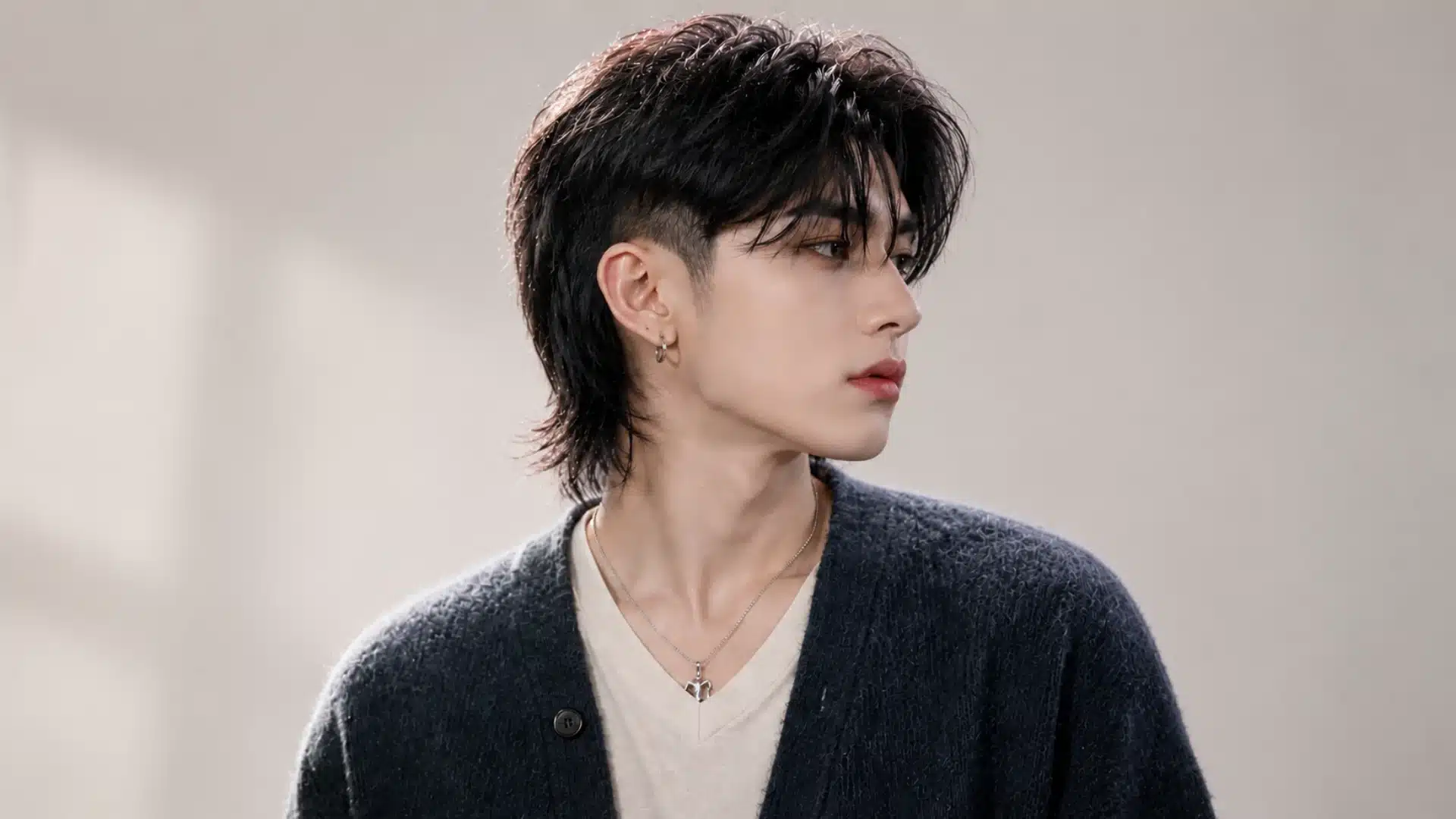
The Korean-inspired mullet fade uses a two-block structure with a longer layered top that curves forward over the forehead and a subtle fade on the sides.
Influenced by K-pop grooming, it feels refined, stylish, and wearable for daily use.
Blow-dry the fringe forward with a round brush and apply lightweight cream for soft movement.
12. Messy Textured Mullet Fade

The messy textured mullet fade keeps the top and back intentionally tousled while the faded sides control the shape.
The messy finish is part of the design, not a styling mistake. It works especially well on thick hair that naturally holds movement.
Work matte clay through dry hair with your fingers for separation and texture.
13. Fluffy Mullet Fade
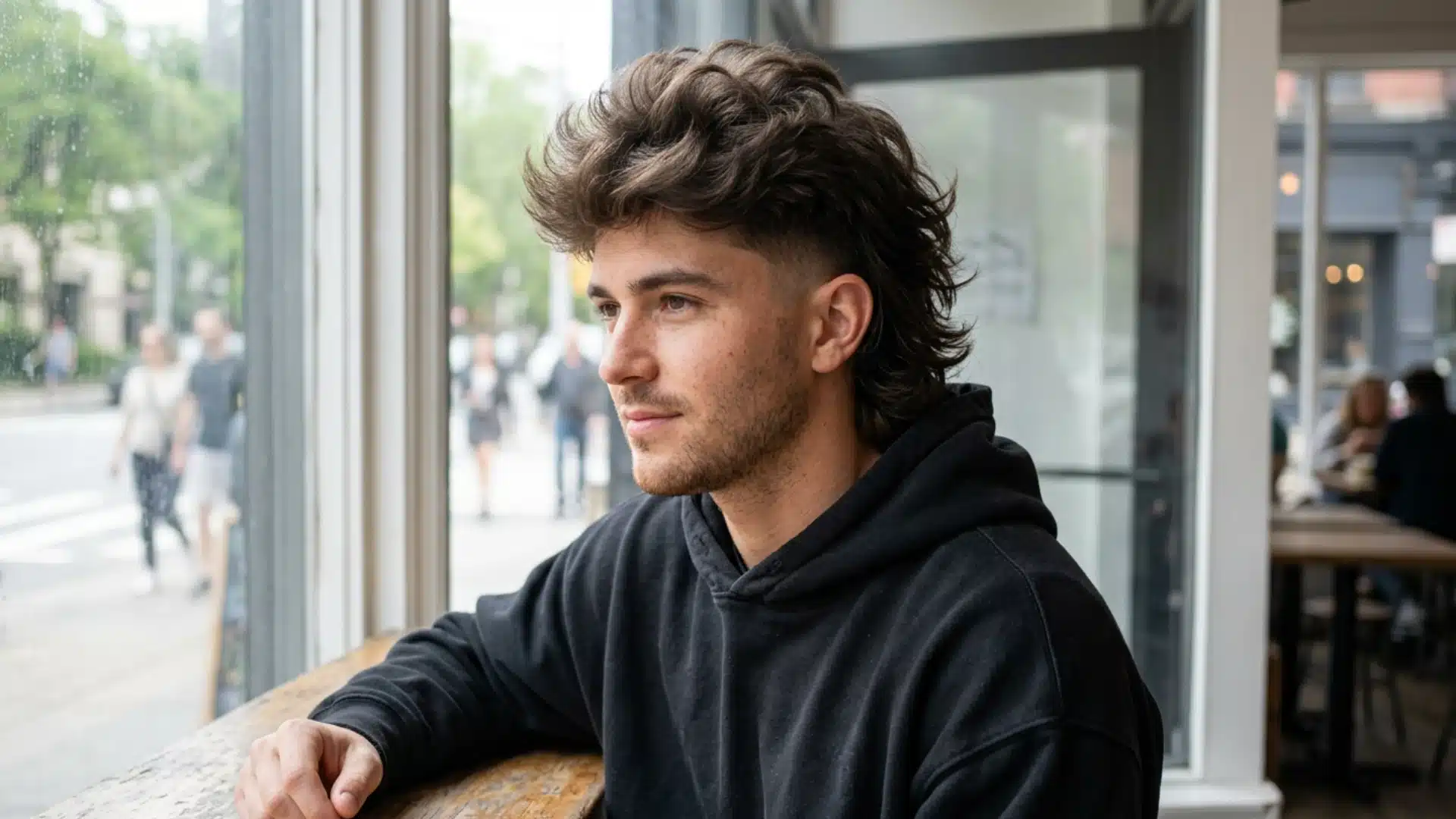
The fluffy mullet fade builds maximum blow-dried volume across the top and crown, with faded sides and a flowing back.
It looks light, airy, and full instead of flat. The style needs proper blow-drying, but the payoff is strong.
Blow-dry upward from the roots with a paddle brush and finish with texture powder.
14. Permed Mullet Fade
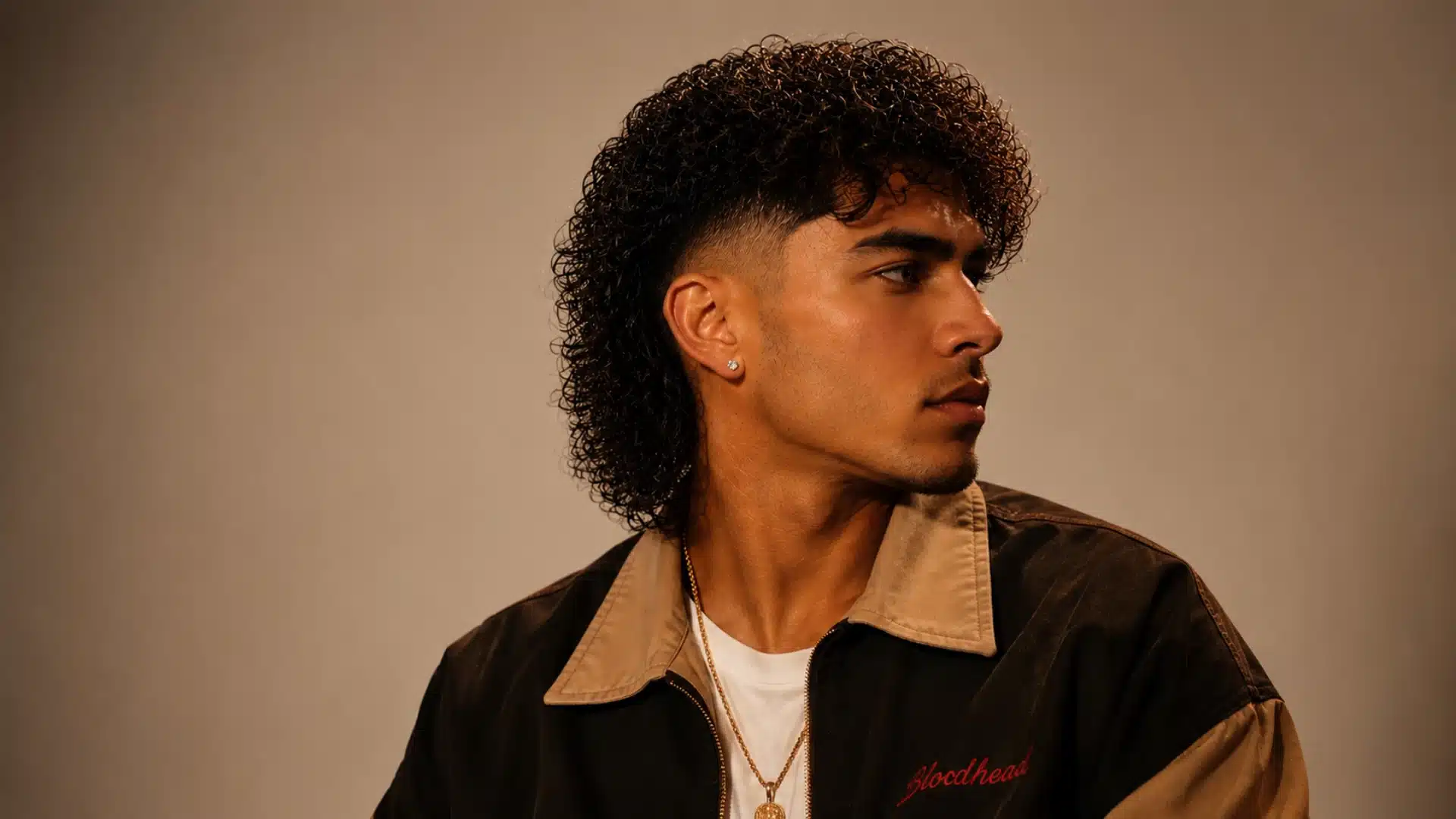
The permed mullet fade adds chemically permed curls to naturally straight hair, giving the cut serious volume, texture, and shape.
The clean fade on the sides keeps everything sharp while the curls add movement through the top and back.
Use curl cream on damp hair, then dry with a diffuser to reduce frizz.
15. Side Part Mullet Fade
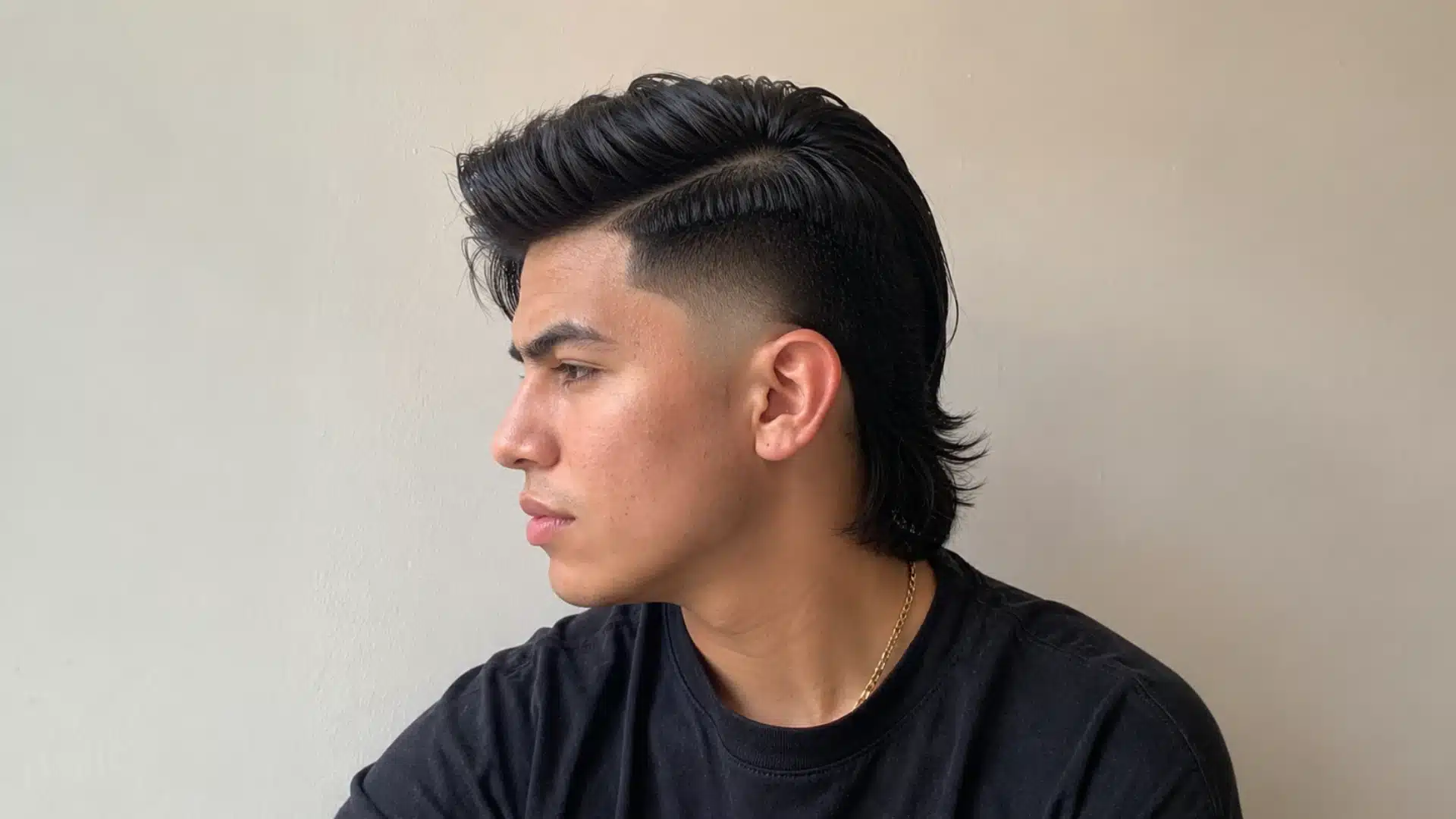
The side part mullet fade pairs a defined top part with a low or mid fade and a subtle mullet tail.
It bridges formal and fashion without looking overdone, giving the cut a polished edge.
Use a fine-tooth comb and medium-hold pomade to keep the part neat and structured throughout the day.
Barber Approved Maintenance Tips for a Mullet Fade
A mullet fade looks sharp only when the shape is maintained. Once the fade blurs and the back grows too heavy, the cut starts to look messy rather than intentional.
These habits make the difference:
- Regular Trims: High and skin fades need touch-ups every 2 to 3 weeks. Low and mid fades can usually last around four weeks.
- Sea Salt Spray: Adds light texture and movement without weighing the top down, especially for wavy, curly, or fine hair.
- Matte Clay: Gives the back section a flexible hold with a natural finish. It keeps movement defined without shine or stiffness.
- Clarifying Shampoo: Use once a week to clear product buildup and keep the faded sides looking clean between barber visits.
- Blow Dryer: Medium heat and a round brush help lift the crown and shape the longer back section.
- Deep Conditioning: Use a hair mask every one to two weeks on the longer back hair to keep it soft, healthy, and manageable.
If you are still deciding between a standard taper and a full fade for the sides, exploring mid-taper fade ideas can help clarify what each option delivers on the sides before you commit to a full mullet cut build.
Conclusion
The mullet with a fade has moved far beyond its throwback reputation.
It now works as one of the most flexible men’s haircuts, with room to look clean, textured, sharp, relaxed, or bold based on the cut and styling.
The real key is choosing a version that suits your hair texture, face shape, and daily routine, rather than blindly following a trend.
A strong fade removes side bulk, adds balance, and gives the longer back a modern shape from every angle.
Which mullet fade would you try first? Drop your pick in the comments and tell us why before your next appointment.
Frequently Asked Questions
Which Fade Lasts the Longest Before Needing Another Haircut?
Low taper fades usually grow out the cleanest and can last around four weeks without looking messy. Skin fades and high fades generally need touch-ups much sooner to maintain sharp contrast.
Can a Mullet Fade Look Professional for Work?
A short mullet with a taper fade or low fade is often considered the safest option for professional settings. Keeping the back shorter and avoiding extreme contrast makes the haircut look more polished.
Does a Mullet Fade Work for Thin Hair?
Yes, especially textured mullet fades and layered versions. Adding choppy texture and volume through the crown can make thin hair appear fuller, while the fade keeps the overall shape clean and balanced.