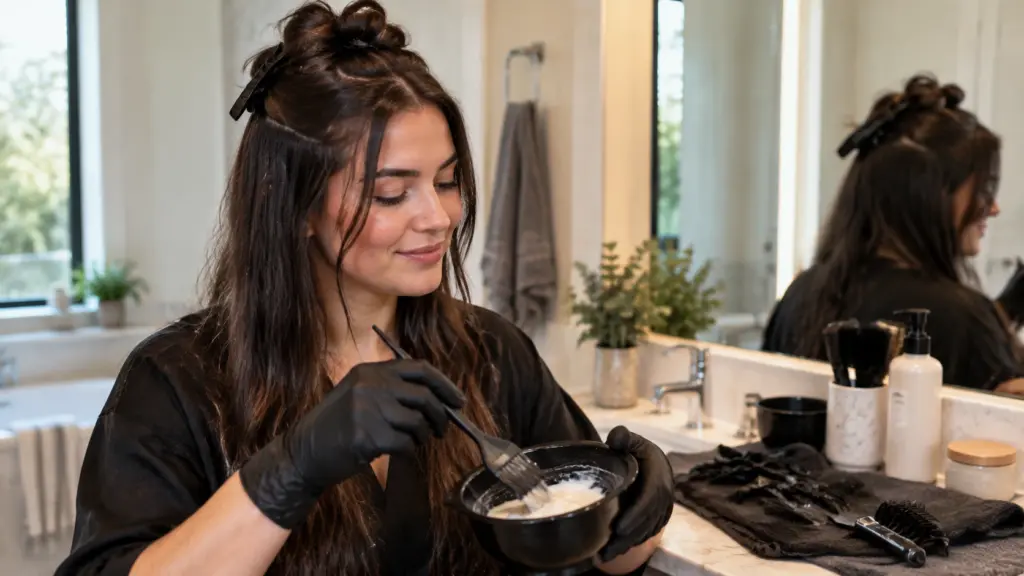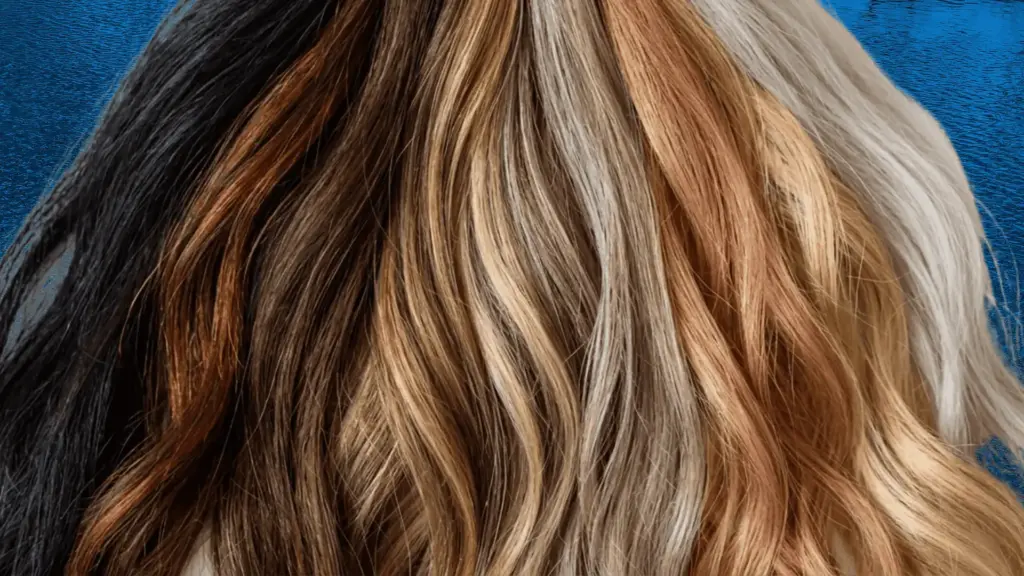
You walk out of the salon loving the color. A few washes later, it’s warm, golden, and not quite what you paid for.
That shift happens to many people, and it’s almost always the same culprit: brassiness. Understanding what toner does to hair is the first step toward stopping that fade in its tracks.
I’ve been doing hair long enough to know that toner is the step most clients don’t think about until something goes wrong.
They associate the result with the bleach or the dye, but honestly, it’s the toner that finishes the job.
It’s what separates a flat, yellowish blonde from the cool, polished shade someone actually wanted when they sat down in the chair.
What is Hair Toner?
Hair toner is a color-adjusting product used to refine the tone of your hair after it has been lightened or colored.
Unlike regular hair dye, toner does not create a new base color. It works on the existing shade to correct unwanted undertones, such as yellow, orange, or dullness.
The science behind it is rooted in basic color theory. On the color wheel, colors that sit directly opposite each other cancel each other out.
Violet cancels yellow. Blue cancels orange. Green cancels red. Toner works by depositing micro-pigments in these opposite shades onto the hair fiber, effectively neutralizing any warm tone that shows through.
This is why choosing the wrong toner for your hair’s current tone can make the situation worse, not better.
In a hair care routine, toner is not used every day. It usually comes into play after services like bleaching or highlights, or when the color starts to fade unevenly.
It serves as a maintenance step to help keep your hair color looking fresh and well-toned.
What Does Toner Do to Hair
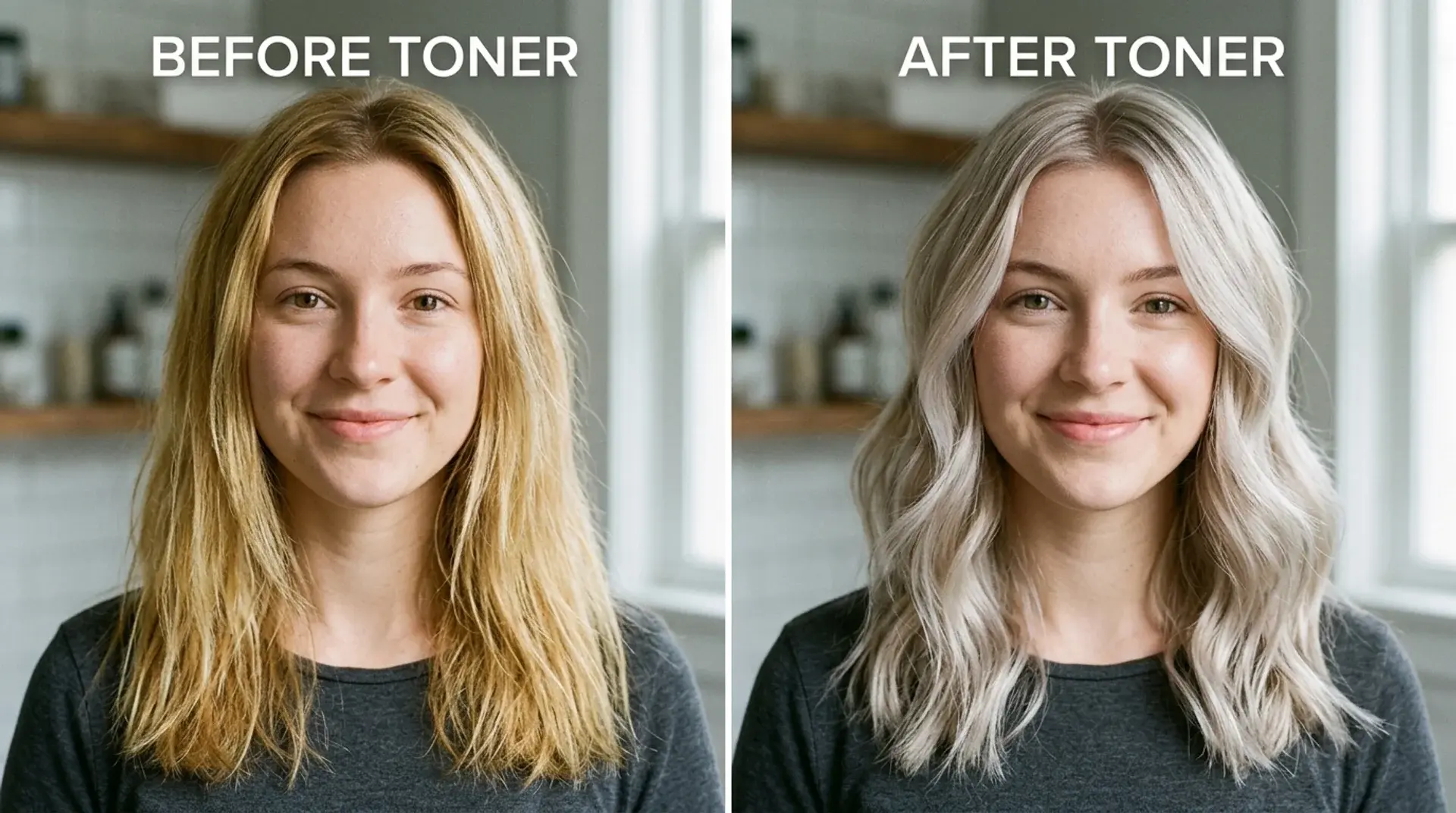
Once applied, the toner begins to adjust the visible tone of your hair almost immediately. The biggest change most people notice is the reduction of brassiness.
- Yellow and orange undertones begin to soften, making the hair look cooler, cleaner, and more balanced.
- Toner also enhances the overall shade by refining how the color appears under different lighting conditions. Blondes look less yellow, brunettes look richer, and highlights blend more smoothly, rather than looking patchy.
- Another noticeable effect is the finish. Hair often appears shinier and more polished after toning, giving it a fresh, salon-like look.
- Instead of dull or uneven color, the hair looks more even, toned, and put together without actually changing the base color.
- It also helps to understand why brassiness happens in the first place. When hair is lightened, bleach removes cool pigments first, leaving behind warm undertones, red, orange, and yellow, still embedded in the shaft.
Over time, UV exposure and oxidation break down whatever cool tones remain, which is why hair that looked ashy right after coloring can look golden or brassy a few weeks later. Hard water minerals accelerate that shift, too. Toner is how you counteract all of it.
In my experience working with clients, those who skip toner after bleaching almost always come back within two weeks, frustrated by the warmth creeping back in. Toner is not a luxury step; it is what actually completes the service.
How Toner and Hair Dye Work Differently
Toner and hair dye are often confused because both change how your hair looks.
The key difference is in depth and permanence. Hair dye uses hydrogen peroxide to alter the pigment inside the hair shaft, changing the hair’s color, sometimes permanently.
Toner, on the other hand, only adjusts the tone of a color that is already there. It cannot lighten hair, cover grays the way dye does, or create a dramatically new shade.
Think of dye as painting a wall and toner as adjusting the finish once the paint has dried.
When Does Your Hair Need Toner?
This table helps you quickly identify when your hair needs toner and which type works best based on the tones you are seeing.
| What you’re seeing | What it means | Toner that helps |
|---|---|---|
| Blonde looks yellow or golden | Warm tones surfacing after bleach | Purple/violet toner |
| Highlights look orange or brassy | Underlying orange pigment showing | Blue toner |
| Brunette looks too warm or reddish | Pheomelanin bleeding through | Blue or green toner |
| Color looks dull, no warmth issue | General fading | Clear or gloss toner |
| Want a soft pastel shade | Creative tone shift | Pastel toner |
Types of Hair Toners You Should Know
Hair toners come in several types, each designed to target a specific undertone or achieve a specific finish. Choosing the right one depends entirely on what your hair currently looks like and what result you want.
- Purple toner is the most widely used. It works best on blonde and platinum hair, neutralizing yellow tones to produce a cooler, more balanced shade. This is the toner behind that clean, icy blonde look you see on many post-bleach results.
- Blue toner targets orange and brassy warmth. It works best on darker blondes, light brunettes, or anyone whose hair has taken on a copper-orange hue after lightening.
- Green toner is less commonly discussed but useful for hair that has gone too red or coppery, particularly in brunettes or people transitioning from red dye. Green sits opposite red on the color wheel and effectively neutralizes that unwanted warmth.
- Clear or gloss toner contains no pigment. It does not correct any tone — it simply adds shine, smoothness, and a polished finish to hair that looks dull but is not brassy. A good option for people who just want a refresh without any color adjustment.
- Pastel toner is used for a creative, soft color effect. It dilutes the intensity of an existing lightened shade and can introduce subtle pink, lavender, or peach tones. Popular for anyone wanting a fashion-forward finish without committing to vivid dye.
- Toning shampoo and conditioner function as at-home maintenance tools. They deposit small amounts of pigment each wash to slow down brassiness. They are gentler and more gradual than a dedicated salon toner, but they work well for upkeep between appointments.
One thing I always tell clients: a toning shampoo is a maintenance tool, not a substitute for an actual toning treatment.
If the brassiness is significant, a purple shampoo will only soften it slightly. A proper toner applied at the right level is what correctly resets the shade.
Step-by-Step Guide to Applying Hair Toner
Hair toner is applied through a simple step-by-step process that adjusts your hair tone and helps achieve a more balanced, polished color.
- Start With Clean, Damp Hair: Hair is washed first to remove buildup so the toner can work evenly.
- Choose the Right Toner: Select a toner based on your current hair tone and the result you want, such as cooling down yellow or orange tones.
- Mix With Developer: In salons, toner is usually mixed with a developer to activate it properly. Most toners use a 10-volume developer, which deposits color without lifting the base. If hair is highly porous from over-bleaching, some stylists opt for a lower volume to prevent over-processing.
- Apply Evenly to Hair: The mixture is applied section by section, either evenly or only to areas that need correction.
- Let It Process: Toner is left on for around 5 to 20 minutes while the color gradually adjusts.
- Monitor the Change: Hair is checked during processing to avoid over-toning or unwanted shades. If left on too long, toner can over-deposit: blonde hair can turn gray, purple, or greenish, while brunettes may end up with a muddy or dull result. The window matters.
- Rinse and Condition: Once the desired tone is achieved, the toner is rinsed out, followed by conditioner.
How Long Does Hair Toner Last on Hair?
Hair toner is not permanent, and its effects usually last anywhere from 2 to 6 weeks. The exact duration depends on how often you wash your hair and how your hair holds color.
Frequent washing can cause toner to fade faster, especially if you use regular shampoos rather than color-safe ones.
Hair porosity plays a bigger role than most people realize. Porous hair, typically hair that has been bleached multiple times or chemically processed, has a more open cuticle, which means it absorbs toner quickly but also releases it faster.
This is why heavily bleached hair may need toning every 3 to 4 weeks, while healthier, less processed hair can hold the tone closer to the 6-week mark.
On the other hand, washing less often helps maintain the toned look for longer.
Hair type also plays a role. Porous or heavily bleached hair tends to lose toner more quickly, while healthier hair may hold the tone slightly longer.
Over time, you may notice the original brassy or warm tones returning. That is usually a sign that the toner has faded and may need refreshing.
Pros and Cons of Using Hair Toner
Hair toner offers multiple benefits when used correctly, but it also comes with trade-offs worth knowing before you commit.
| Pros | Cons |
|---|---|
| Neutralizes yellow, orange, or warm tones effectively | Results are temporary (2–6 weeks) and require maintenance |
| Adds shine and a smoother, more polished finish | Over-toning can result in gray, purple, or muddy tones |
| Refines color to look more even and natural | The wrong toner shade can make hair look dull or off |
| Blends highlight more seamlessly | Highly porous hair loses toner faster |
| Extends fresh salon results without a full recolor | Frequent use without conditioning can cause dryness |
| The low-ammonia formula is gentler than the permanent dye | Toning shampoos alone may not fix significant brassiness |
Can You Use Hair Toner at Home, or Should You Visit a Salon
Both options can work, but the right choice depends on how comfortable you are handling your hair and how much correction your color needs.
At home, toning is more convenient and budget-friendly. Pre-made toning products, such as purple or blue formulas, are easy to use and work well for minor brassiness or maintenance.
If the goal is a quick refresh, at-home toning can do the job. Salon toning, however, offers more precision.
A stylist can properly assess your hair tone, choose the exact formula, and apply it evenly for a more controlled result.
This is especially helpful after bleaching, highlights, or when the color needs significant correction.
In terms of cost, at-home toners typically range from $10 to $30. A professional toning service at a salon generally falls in the $50 to $100+ range, depending on your location and if it is part of a larger color service.
For major corrections, the salon investment is usually worth it. For routine maintenance, at-home options are more than sufficient.
If you are new to toning or dealing with uneven color, a salon visit is usually the safer option. For regular upkeep and small touch-ups, at-home toning works just fine.
Conclusion
Hair color never stays perfect on its own, and that is exactly where toner makes a difference.
If the question “what does toner do to hair?” was on your mind, the answer is simple. It refines your shade, removes unwanted brassiness, and brings your color back to life without a full redo.
If it is blonde turning yellow or brown, picking up warmth, toner helps reset the tone and keep everything looking fresh.
It is not something you need every day, but when your color starts feeling off, it can instantly make a visible difference. Think of it as that quick fix that saves your hair from looking dull or uneven.
Noticed your hair losing its vibe lately? It might just need a toner refresh.
Frequently Asked Questions
Can Hair Toner Damage Your Hair?
Hair toner is generally gentle, but frequent use or strong formulas can cause slight dryness if not followed with proper conditioning.
Can You Use Hair Toner on Uncolored Hair?
Toner works best on pre-lightened or colored hair, but it can slightly adjust natural tones in some cases.
How Soon After Bleaching Can You Apply Toner?
In most cases, toner is applied at the same appointment, right after bleaching and a quick rinse. If your hair feels compromised or overly dry, it’s worth waiting a week or 2 and doing a conditioning treatment first to stabilize the cuticle before toning.
Does Toner Work on Dark Hair that Hasn’t Been Lightened?
Toner has little impact on unbleached dark hair because the natural pigment is too deep for its micro-pigments to shift. To see noticeable results on dark hair, the hair needs to be lightened first. On dark hair with highlights or balayage, toner can work well on the lightened sections while leaving the darker base untouched.