
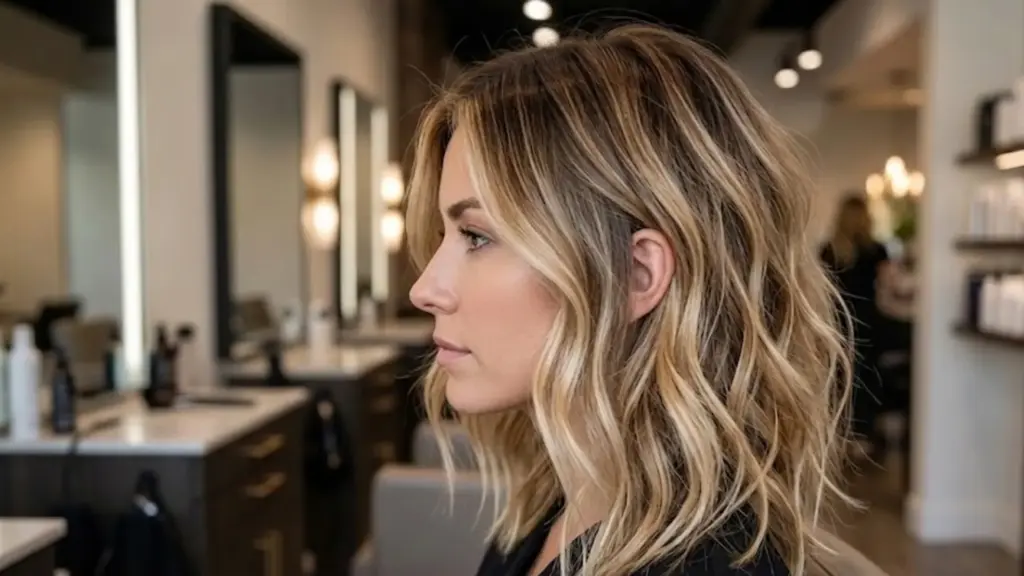
You might catch yourself checking the mirror more often, wondering how to make your color look smooth and natural again.
I’ve had clients sit down in my chair, absolutely convinced they needed a full recolor, only to realize what they actually wanted was a root smudge. Once they see how the technique works, it clicks immediately.
A root smudge is one of the techniques people turn to for this very reason; it helps create a softer transition at the roots, making hair appear more polished between color sessions.
In this blog, you’ll get to know how this technique works, the benefits it can bring, and practical tips for applying it at home or with a stylist.
What is a Root Smudge?
A root smudge is a hair coloring technique that softens the line between natural roots and dyed hair, creating a smooth, blended look.
Unlike a root touch-up, which simply covers the regrowth to match the rest of the hair, a root smudge softens the line between colors, making the hair look more natural and lived-in.
It is different from full hair coloring or highlights because it focuses only on the root area, rather than changing the overall hair shade.
This method helps reduce the stark contrast between natural and dyed hair, making the overall look softer and more polished.
It’s a popular choice for people who want to maintain their hair color longer between salon visits while keeping the style subtle and easy to manage.
How Root Smudge Works
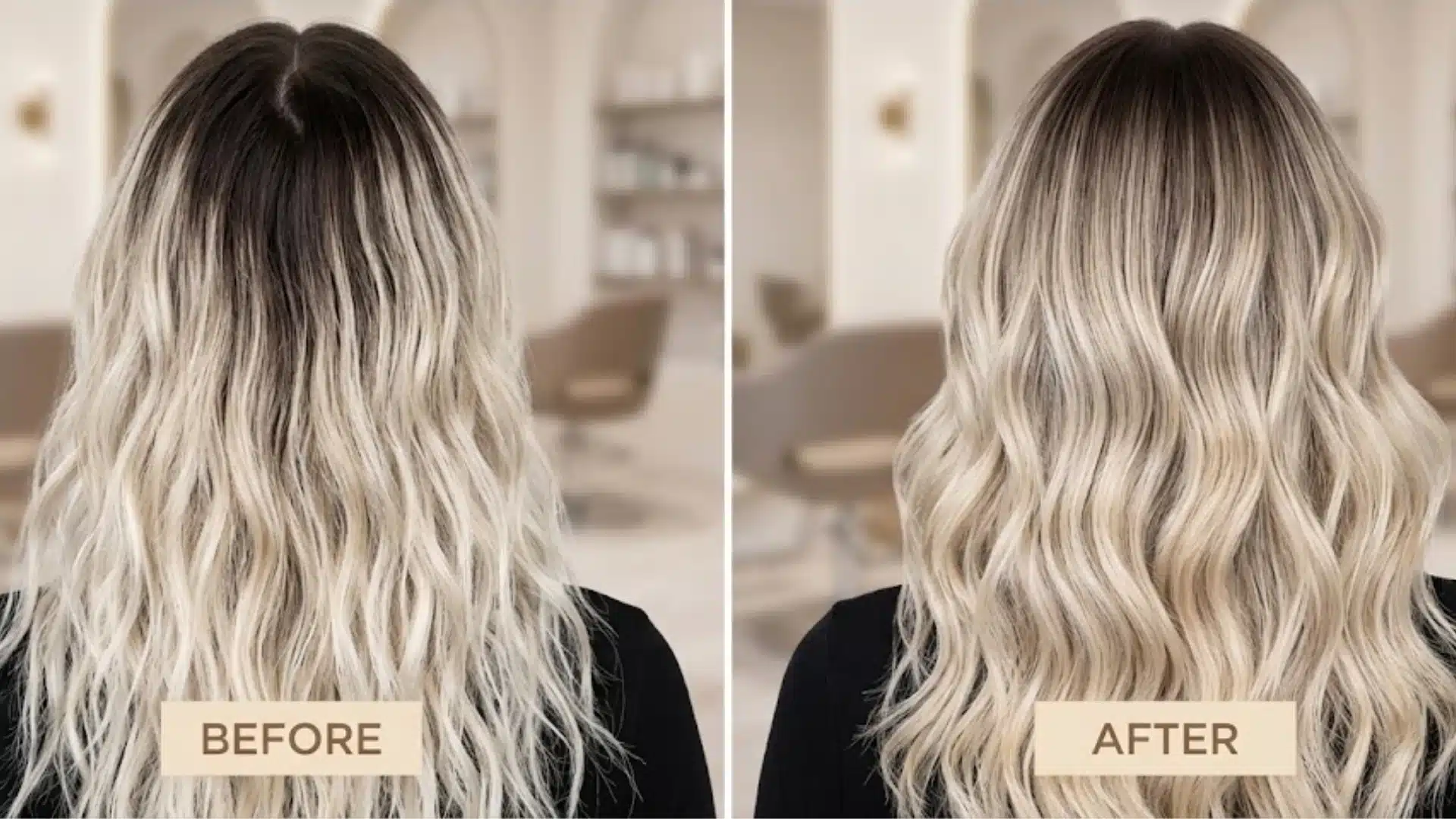
The process of a root smudge starts with applying color directly to the root area and blending it down into the colored hair.
This softens the line between natural regrowth and dyed strands, creating a smooth, gradual transition.
Stylists usually use a brush or a small comb to carefully merge the colors, ensuring there are no harsh edges. Some techniques involve feathering or smudging motions to make the blend appear natural.
The time required can vary depending on hair length, thickness, and the desired effect, but most sessions take around 30 to 60 minutes.
Once finished, the results show softer, more seamless roots with a natural gradient effect.
The hair looks fuller, fresher, and more polished, making the overall color appear continuous and effortless while extending the time between full color touch-ups.
Types of Root Smudges
Root smudges come in different styles to match the look and maintenance level you want. Each type offers a unique effect on how the roots blend with your hair.
If you’ve tried other low-maintenance beauty techniques, like eyebrow tinting for a softer, more defined look, you’ll find root smudging follows a similar logic: small adjustments that cut down on upkeep.
1. Subtle Root Smudge
A subtle root smudge creates a very soft transition between your natural roots and colored hair. It’s ideal for low-maintenance styles and helps make regrowth less noticeable.
The color is lightly applied and blended carefully, so it looks natural and seamless. This type works well for everyday wear and keeps your hair looking fresh without frequent touch-ups.
It’s perfect if you want a barely-there effect that softens the contrast without changing the overall hair look.
This is the go-to option for anyone who wants low-maintenance roots without any visible depth effect.
2. Blended Root Smudge
Blended smudges provide a smoother merge between roots and the rest of your hair. The goal is a seamless gradient that eliminates harsh lines.
It’s more noticeable than a subtle smudge but still maintains a natural finish. This type works well for medium-maintenance hair, offering a polished look while keeping the overall effect soft.
Stylists typically use a brush technique to merge the colors precisely, giving the hair a balanced and even appearance.
3. Bold Root Smudge
A bold root smudge creates a stronger contrast at the roots, adding depth and dimension to the hairstyle. It’s ideal if you want a statement look while still keeping it natural.
The color is applied more prominently and blended to ensure the effect isn’t harsh. This type works well on layered or textured hair, as it emphasizes movement and gives the style more character.
It’s perfect for anyone looking to refresh their hair with a noticeable yet harmonious root effect.
How Long Does a Root Smudge Last?
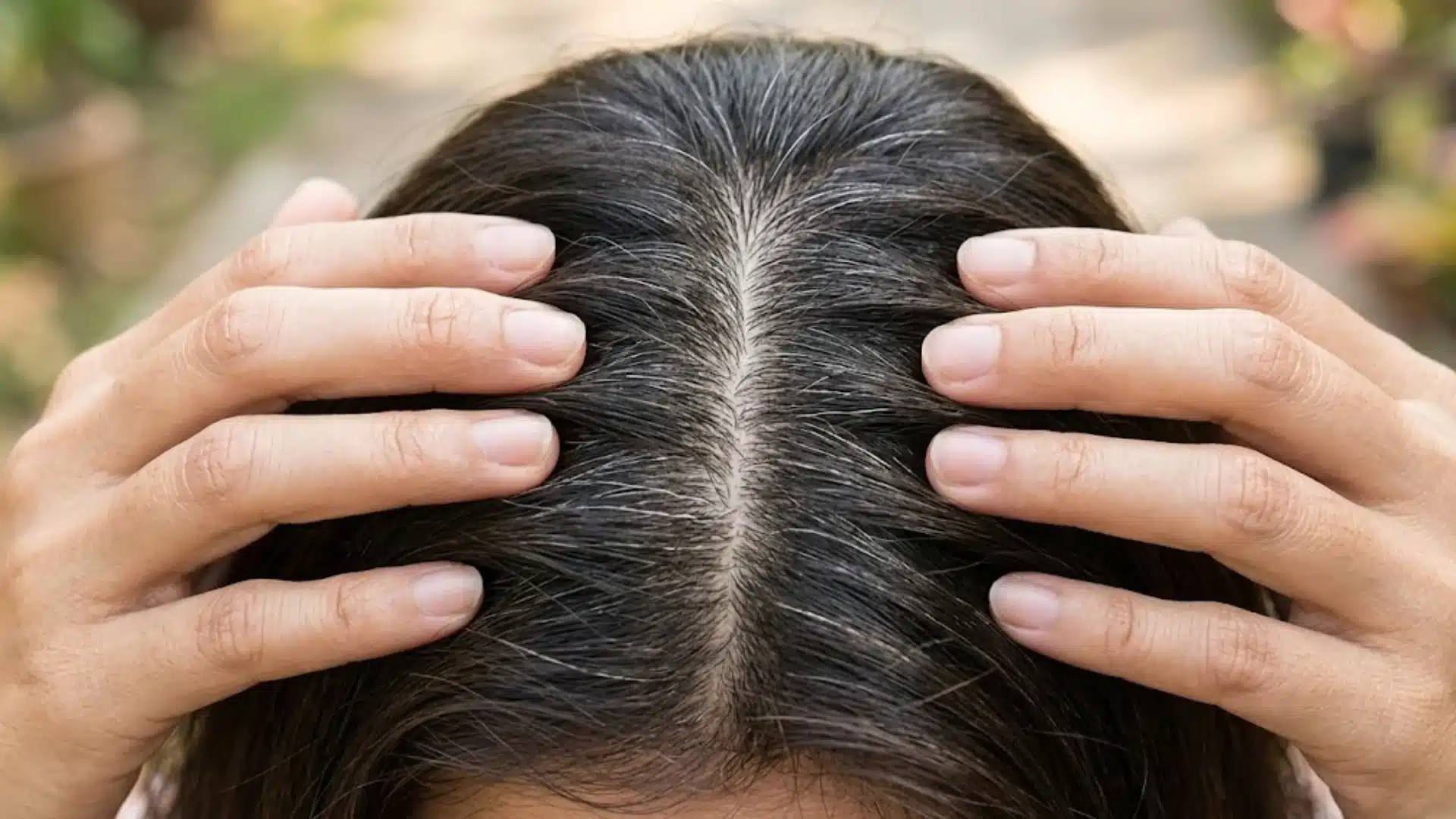
A root smudge can last anywhere from 4 to 8 weeks, depending on several factors. Hair type plays a role; fine or porous hair may fade faster, while thicker hair tends to hold color longer.
The shade used also affects longevity; darker smudges generally last longer than lighter ones.
How often you wash your hair and the type of shampoo and conditioner you use can impact how long the blended effect stays fresh.
Frequent washing or harsh, sulfate-based products may cause quicker fading. Heat styling, sun exposure, and swimming in chlorinated water can also reduce the lifespan of a root smudge.
To keep the effect looking natural, many people schedule touch-ups every 6-8 weeks, but minor blending or at-home fixes can extend the time between professional visits.
Proper care ensures roots stay seamless and hair looks polished.
Benefits of a Root Smudge
A root smudge does more than fix color; it helps your hair look smoother, more natural, and easier to maintain between salon visits.
- Softens regrowth lines: Gently blends the natural roots with dyed hair, reducing harsh lines and creating a softer, more seamless transition that looks polished.
- Creates a natural look: Helps hair appear effortless and lived-in by merging colors smoothly, so the regrowth doesn’t stand out or look artificial.
- Less maintenance than full coloring: Extends the time between full coloring sessions, saving money and effort while keeping hair looking fresh for longer.
- Adds depth and dimension: Enhances the natural movement and texture of hair, giving it a fuller, more dynamic appearance without heavy styling.
- Minimizes noticeable mistakes: Conceals uneven roots or minor regrowth issues, providing a professional, consistent look without frequent salon touch-ups.
Root Smudge vs Root Shadow: What’s the Difference?
This table highlights the key differences between root smudge and root shadow, helping you decide which technique best suits your hair goals and maintenance needs.
| Feature | Root Smudge | Root Shadow |
|---|---|---|
| Definition | A technique that blends natural roots with dyed hair for a soft, seamless transition. | A technique that darkens the root area to create depth and dimension without fully blending. |
| Effect on Hair | Softens the line between regrowth and color for a natural, lived-in look. | Adds contrast and depth, making the hair appear more dimensional and voluminous. |
| When to Choose | Ideal for reducing regrowth visibility and maintaining a subtle, low-maintenance look. | Best when you want to enhance depth or correct lighter roots, creating a shadowed, dimensional effect. |
| Maintenance | Low maintenance; extends the time between full coloring sessions. | Medium maintenance; may require touch-ups to maintain depth and shadow effect. |
| Common Confusion | Often confused with root shadow because both affect the root area and create softer transitions. | It can be mistaken for a root smudge, but the focus is on adding darkness and depth, not blending. |
DIY vs Professional Root Smudge: What You Should Know
In my experience, first-timers almost always get better results from a professional, at least once.
DIY at home can be convenient and cost-effective, letting you refresh your roots on your own schedule. However, it carries risks like uneven blending, mismatched colors, or messy application if you’re not experienced.
Salon application offers expert technique, precise blending, and professional products, ensuring a polished and long-lasting result, though it is more expensive and requires booking an appointment.
You should consider visiting a professional if this is your first root smudge, your hair has multiple tones, or you want a noticeable blended effect without errors.
To maintain results, use sulfate-free shampoos, avoid frequent heat styling, and follow any aftercare instructions from your stylist.
Regular touch-ups or gentle at-home blending can keep the smudge seamless and your hair looking fresh longer.
Root Smudge Aftercare Tips for Healthy Looking Hair
Proper aftercare keeps your root smudge looking fresh longer, protects your hair from damage, and ensures a smooth, natural finish between touch-ups.
If you’re weighing multiple beauty techniques at once, a post like brow lamination vs. microblading shows how these comparison decisions usually come down to the same factors: longevity, maintenance, and finish.
- Use gentle shampoo and conditioner: Opt for sulfate-free and color-safe products to prevent fading and maintain the blended effect.
- Limit heat styling: Minimize use of straighteners, curling irons, and blow dryers to avoid weakening or stripping the color.
- Touch-up frequency: Depending on hair growth and contrast, refresh the root smudge every 6-8 weeks to keep it seamless.
- Protect from sun and chlorine: Wear hats or use UV-protective sprays and rinse hair after swimming to prevent color fading.
- Moisturize regularly: Use deep conditioning treatments or hair masks weekly to maintain softness and shine, keeping hair healthy and vibrant.
Conclusion
By now, you have a clear understanding of how a root smudge works and why it’s becoming a go-to technique for hair maintenance.
It’s all about creating a soft, seamless transition between natural roots and dyed hair, reducing the harsh lines that often appear with regrowth.
Whether you want a subtle refresh or a more polished, blended look, this technique makes hair care easier while keeping your style natural.
Trying a root smudge can save time between salon visits and give your hair a healthier, more lived-in appearance.
Are you curious about how it would look on your hair and which type suits you best? Share your thoughts or experiences in the comments below. We’d love to hear how you keep your roots looking flawless!
Frequently Asked Questions
Can a Root Smudge Work on All Hair Colors?
A root smudge can be applied to most hair colors, including blondes, brunettes, and reds, but the blending technique and product choice may vary to achieve a natural effect.
Will a Root Smudge Damage My Hair?
When done correctly, a root smudge is gentle and causes minimal damage. Using quality color products and proper aftercare keeps hair healthy while maintaining the blended look.
Can I Combine a Root Smudge With Highlights or Balayage?
Yes, a root smudge can complement highlights or balayage by softening regrowth lines and enhancing depth, creating a cohesive and natural appearance throughout the hair.
How Much Does a Root Smudge Cost?
A standalone root smudge typically costs between $50 and $150 at a salon, depending on location, stylist experience, and hair length.