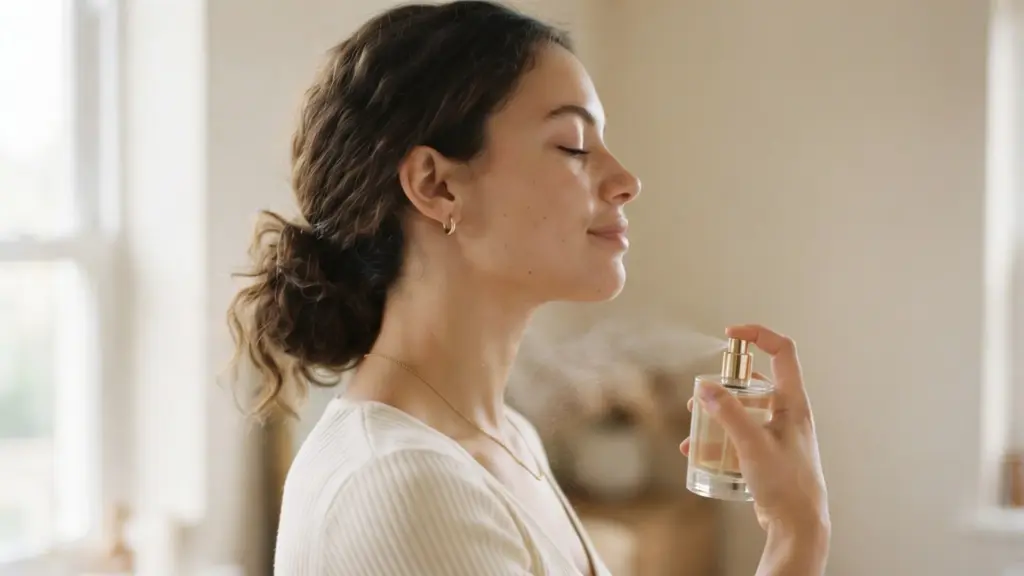
You bought the bottle everyone raved about. By lunch, you can’t smell it at all, and you’re wondering if it ever worked in the first place.
That was me for years, spraying perfume on my wrists and rubbing them together like I was starting a fire, then wondering why the scent disappeared within an hour.
Nobody told me rubbing kills the top notes. Nobody told me dry skin doesn’t hold fragrance the way damp skin does, either. Once I fixed those two things, the same bottle I’d been going through in a month started lasting twice as long.
This guide covers exactly where to spray cologne, how to apply perfume the right way, and the small habits that keep a scent going without turning into a cloud that walks into the room before you do.
Perfume vs. Cologne: What Sets Them Apart
The difference between perfume and cologne comes down to fragrance oil concentration, not where you spray it. That concentration is what decides how long a scent lasts and how many sprays you’ll actually need.
What Is Fragrance Concentration?
Fragrance concentration is the percentage of pure fragrance oil in a bottle relative to alcohol and water. The higher the percentage, the stronger and longer-lasting the scent, and the fewer sprays it needs.
| Type | Fragrance Oil % | Typical Sprays Needed |
|---|---|---|
| Parfum | 20–30% | 1–2 |
| Eau de Parfum | 15–20% | 2–3 |
| Eau de toilette | 5–15% | 3–4 |
| Eau de Cologne | 2–4% | 4–5, plus a touch-up |
When it comes to applying perfume or where to spray cologne, the technique stays the same. Apply to pulse points, skip the rubbing, and let it dry naturally. The main difference is simply the number of sprays and how often you’ll need to reapply.
Where to Spray Perfume and Cologne
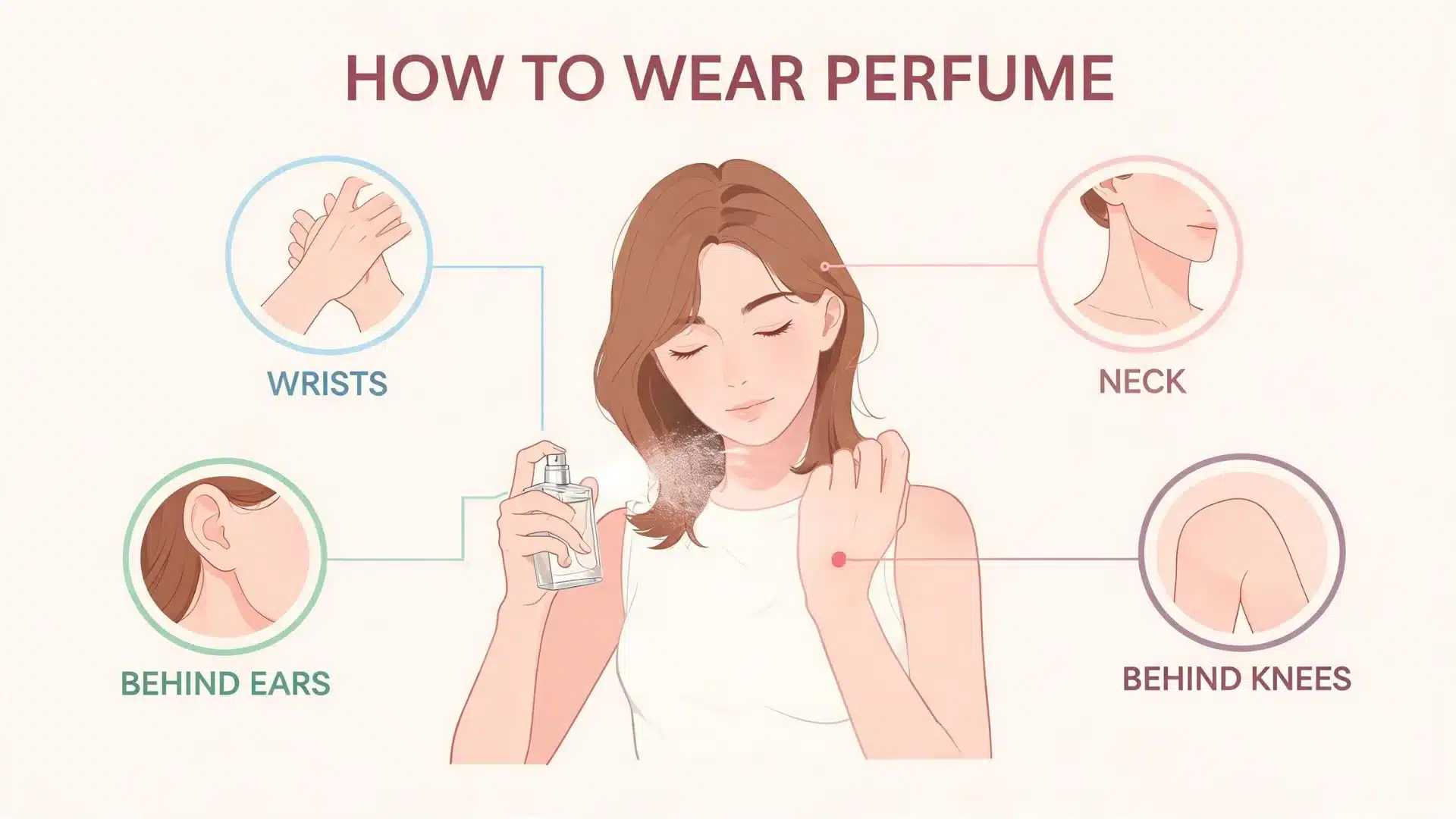
Warm areas of your body hold fragrance the longest because body heat helps the scent release gradually rather than evaporate all at once. Knowing the right spots can improve both longevity and projection without adding extra sprays.
Pulse Points That Hold Scent the Longest
Start with the warmest areas of your body, where fragrance develops fully and stays noticeable without needing too many sprays.
- Wrists: The most common spot for a reason. Spray and let it dry on its own.
- Neck and throat: Strong projection, since this area sits close to your face and moves with you.
- Chest: Fabric and skin both hold scent here, so it works well under a shirt or dress.
Spots Most People Skip
A few lesser-known spots can extend how long a fragrance lingers without adding extra sprays.
- Inner elbows: Warms up gradually through the day and carries scent longer than a quick wrist spray.
- Behind the knees: Good for shorts or dresses, since rising body heat carries the scent with you as you move.
- Hairline: A very light mist here can extend a scent’s presence without overwhelming anyone standing close.
Pulse Points vs. Other Application Areas
Different application areas change how a fragrance lasts, develops, and projects, not just where it sits on your body.
- Pulse points: Best for everyday wear. Warm skin releases fragrance gradually, letting the scent move naturally from top notes to base notes.
- Clothing: Holds fragrance longer than skin because fabric doesn’t contain the oils and enzymes that break scent down. Good for long events or evening wear.
- Hair: Retains scent well, but spray lightly. The alcohol in fragrance can dry out hair over time with frequent direct application.
- Spray-and-walk method: Despite its popularity, most of the fragrance ends up in the air or on the floor instead of on your skin. It’s the least effective application method.
How to Apply Perfume Correctly
Before reaching for another spray, make sure you’re applying your fragrance the right way. These simple steps help every bottle perform better.
Step 1: Choose your pulse point: Spray perfume or cologne on warm areas like the wrists, neck, throat, or chest.
Step 2: Hold the bottle correctly: Keep the bottle about 4 to 6 inches away from your skin for even coverage.
Step 3: Spray directly onto skin: Apply the fragrance to one chosen spot rather than spraying too close or too far away.
Step 4: Let it dry naturally: Do not rub your wrists together. Friction disrupts the top notes, causing the scent to fade faster.
Step 5: Use a light hand: A few well-placed sprays smell cleaner and more refined than overapplying fragrance.
How Many Sprays Do You Actually Need?
For most fragrances, two to four sprays are enough to create a noticeable but balanced scent.
Instead of spraying the same spot multiple times, spread those sprays across two pulse points so the fragrance develops more evenly. The ideal number also depends on the concentration of the fragrance.
Parfum, which contains a higher percentage of fragrance oils, usually needs only one or two sprays to last most of the day.
Lighter options like cologne are less concentrated, so they often benefit from an extra spray or two to achieve a similar presence without becoming overpowering.
How Long Does Perfume Actually Last?
Most perfumes last four to six hours on skin, while parfum concentrations can last eight hours or more. Three things decide where you land in that range: concentration, skin type, and how you applied it.
Oilier skin holds fragrance longer than dry skin, since natural oils slow down evaporation the same way a moisturizer does.
Heat and humidity also speed up how fast a scent moves through its stages, so the same spray can wear differently in summer than in winter.
If you’re reapplying every two hours no matter what you do, the issue is usually concentration or skin prep, not the fragrance itself.
Signs You’re Over-applying
Our nose adapts to fragrance surprisingly fast, a process called nose blindness. Even if you can no longer smell your perfume or cologne, the people around you probably still can. These signs usually mean you’ve applied more than necessary:
- People notice your fragrance before they notice you, especially in enclosed spaces like elevators, offices, cars, or meeting rooms.
- You stop smelling your perfume after an hour and keep reapplying, even though the original scent is still strong to everyone else.
- Coworkers, friends, or family mention your fragrance repeatedly or joke about how strong it is.
- People subtly step back or move farther away during conversations after you’ve applied fragrance.
- Your scent lingers in a room long after you’ve left, making it obvious that you’ve overapplied.
- You receive comments about headaches or sensitivity from people nearby, as strong fragrances can bother those with scent sensitivities.
- Your perfume overpowers food, coffee, or other natural scents, especially in restaurants or shared spaces.
- Your clothes still smell strongly of fragrance several days later, even without another application.
- You can clearly smell your fragrance throughout the day without it getting close to your skin, which often means you’ve used more sprays than necessary.
- You feel the need to keep adding more fragrance every few hours instead of applying the right amount once to clean skin.
A good fragrance should be noticeable only within arm’s length, creating a subtle scent trail rather than filling an entire room.
Prep Your Skin Before You Spray
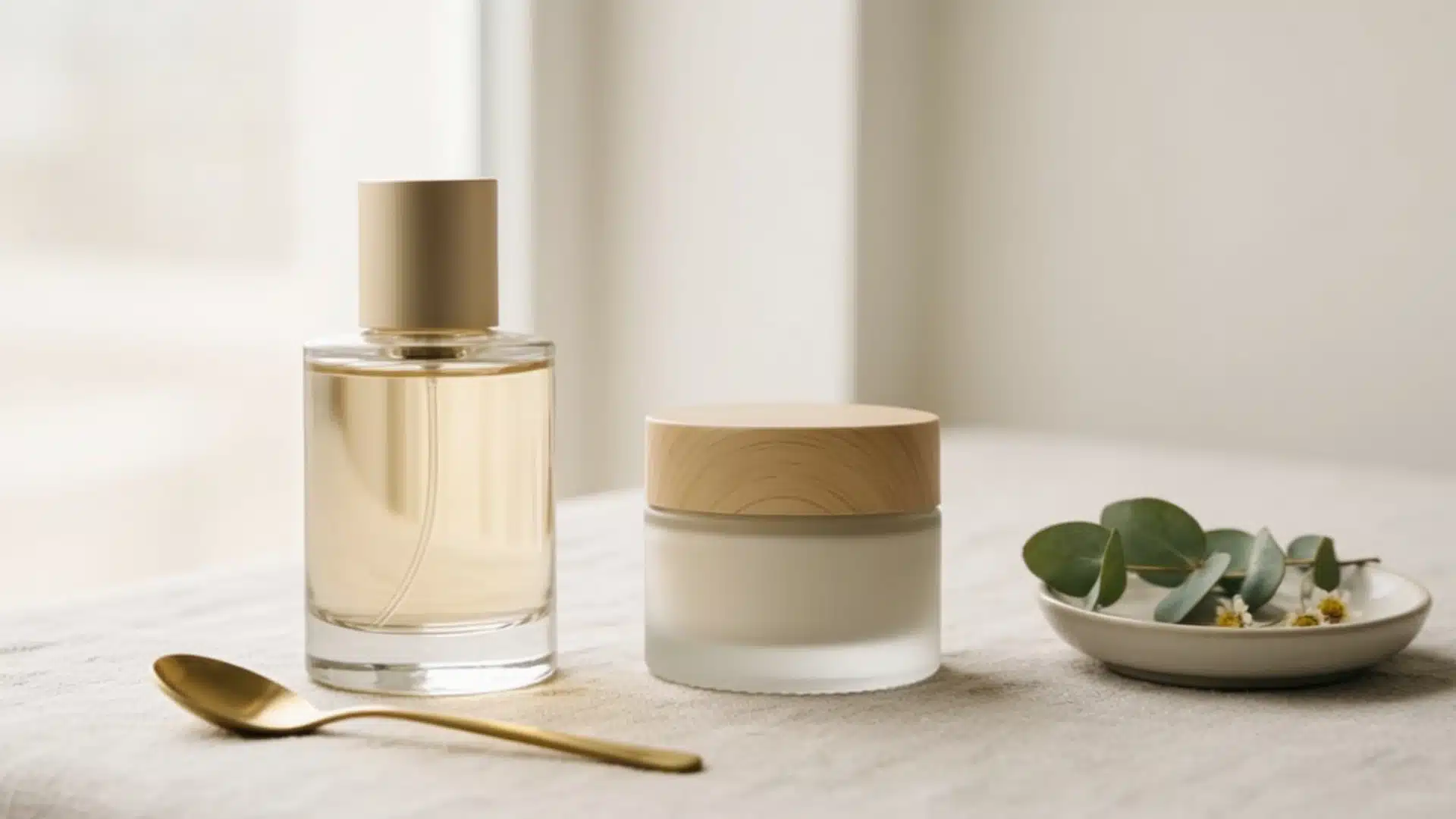
Fragrance clings to hydrated skin far better than dry skin because dry skin has less surface moisture to slow down evaporation.
The best time to spray is right after a shower, when skin is clean and still slightly damp. Applying moisturizer within a few minutes of getting out of the shower works well, and that same window suits fragrance too.
If your wrists and hands run dry, especially in colder months, a good hand cream for rough, dry skin, applied before perfume, gives the scent something to hold on to.
In my clinical experience, skin barrier condition affects fragrance retention as much as the fragrance itself. Dry, compromised skin simply can’t hold onto scent molecules the way hydrated skin does.
I learned this during years of swim coaching, when chlorine stripped every bit of moisture from my skin, and nothing I sprayed on afterward would stick. Unscented lotion first, then perfume, made all the difference.
Some people are sensitive to fragrance ingredients. If you notice redness, itching, or irritation after applying a new perfume, discontinue use and check the FDA’s guidance on fragrance allergens before trying it again.
Applying Fragrance by Skin Type
Dry skin needs a moisture layer first, oily skin holds scent longer on its own, and sensitive skin needs a patch test before a new fragrance goes anywhere near a pulse point.
| Skin Type | How to Apply Fragrance |
|---|---|
| Dry Skin | Apply an unscented lotion first, then spray fragrance while your skin is still slightly damp. This helps lock in the scent and slows evaporation. |
| Oily Skin | Natural skin oils help fragrance last longer, so fewer sprays are needed. One or two sprays on the neck or chest are usually enough. |
| Sensitive Skin | Patch-test any new fragrance on your inner forearm, then wait 24 hours before using it on your pulse points. This helps reduce the risk of irritation. |
Mistakes That Make Perfume Fade Fast
Even the best fragrance won’t perform well if a few simple habits work against it. Avoid these common mistakes to keep your scent lasting longer.
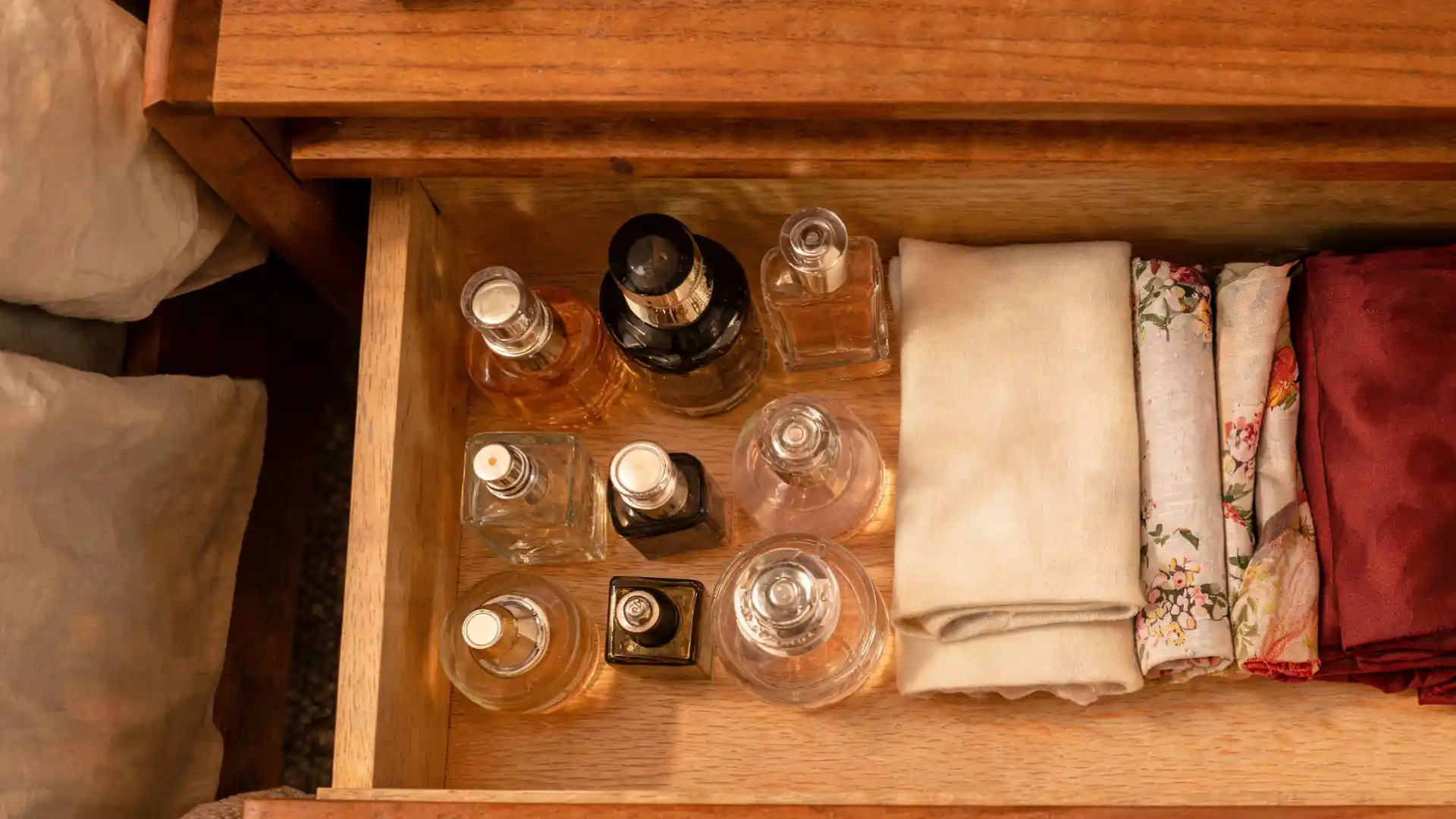
- Don’t store perfume in the bathroom: Heat, humidity, and frequent temperature changes break down fragrance oils faster. Keep your bottle in a cool, dry place, such as a dresser drawer or a closet shelf.
- Don’t rely only on clothing: Fabric can hold fragrance longer, but it won’t let the scent develop naturally the way warm skin does from top to base notes.
- Be careful with light-colored fabrics: Some perfumes can leave stains, so always test a hidden seam before spraying directly onto clothing.
- Choose skin first for everyday wear: Applying fragrance to clean pulse points gives you better scent development, balanced projection, and longer-lasting performance without needing extra sprays.
Layering and Storage for Longer Wear
Matching a scented lotion or body wash to your perfume creates a base layer that helps the fragrance last well past the point where a single spray would have faded.
You don’t need the full product line. Even an unscented lotion applied first gives the perfume oils something to grip.
Keep bottles capped tightly and out of direct sunlight.
A perfume that’s been sitting on a sunny windowsill for a year won’t smell the way it did when you bought it, no matter how many sprays you use.
If you’re not sure where to spray on a given day, start with one wrist and your neck. Adjust from there based on the weather, the setting, and how the fragrance actually smells on your skin once it settles.
That’s the part no bottle label can tell you, and it’s worth paying attention to the next time you spray. Try it tomorrow morning and see how much longer it lasts.
Conclusion
Getting the most from your fragrance isn’t about using more sprays. It’s about knowing where to spray cologne, how to apply perfume, and how to avoid the small mistakes that make a great scent disappear too soon.
From choosing the right pulse points to applying fragrance on moisturized skin and using the right number of sprays, a few simple habits can make the same bottle last longer and smell better throughout the day.
The next time you reach for your favorite fragrance, you’ll know exactly where to spray it and how to apply it for the best results.
Have a favorite fragrance tip or a spray spot that works well for you? Share it in the comments below.
Frequently Asked Questions
Can You Spray Perfume on Your Clothes Instead of Your Skin?
Yes, and it often lasts longer since fabric holds fragrance differently than skin does. Just test a hidden spot first, since some perfumes can stain lighter fabrics.
Does Rubbing Your Wrists Together Really Ruin the Scent?
Yes. The friction and heat break down the top notes faster, so the fragrance you smell in the first few minutes fades sooner than it would if you let it air dry.
How Often Should You Reapply Perfume During the Day?
Most fragrances last four to six hours on the skin. If you want it to carry into the evening, a light reapplication on one pulse point is usually enough rather than a full reapplication.
Is Cologne Applied Differently from Perfume?
Not really. Cologne has a lower concentration of fragrance oil than perfume, so it may need slightly more sprays to reach the same intensity, but the same pulse points and technique apply to both.