

You get the appointment done, feel silky for maybe a week, and then a friend mentions her wax lasted a full month.
It is easy to wonder if you did something wrong, picked the wrong salon, or just have stubborn hair.
So, how long does waxing last? The answer depends on more variables than most people realize, from the body area you waxed to hair growth cycles you cannot see happening under your skin.
Some of it you can control. Some of it you cannot. This blog post breaks down waxing results by area, the right hair length before waxing, and simple habits that can help your skin stay smooth for longer.
What Affects How Long Waxing Results Last?
Several factors can change how long your skin stays smooth after waxing. Some depend on your natural hair growth, while others depend on preparation, technique, and aftercare.
- Body Area: Hair grows faster in some areas than others. Face, underarm, and bikini hair often returns sooner, while legs and arms usually stay smooth for longer.
- Hair Growth Cycle: Waxing removes hairs that are above the skin, but not every hair grows at the same time. This can make early regrowth appear after the first few sessions.
- Hair Texture: Coarse or dark hair may look noticeable sooner than fine or light hair, even when the actual growth speed is similar.
- Waxing Consistency: Regular waxing every 4 to 6 weeks can help hair grow back more evenly, resulting in smoother results over time.
- Aftercare Habits: Exfoliating gently, moisturizing daily, and avoiding shaving between waxes can help reduce ingrown hairs and keep results lasting longer.
How Long Does Waxing Last by Area?
Waxing usually lasts 2 to 6 weeks, but the exact timeline depends on the body area. Hair on the face and underarms often grows back sooner, while legs and arms usually stay smooth longer. The table below shows the typical smooth window for each area.
| Area | Typical Smooth Window |
|---|---|
| Face (lip, chin, brows) | 2 to 3 weeks |
| Underarms | 2 to 4 weeks |
| Bikini and Brazilian | 3 to 4 weeks |
| Legs and arms | 4 to 6 weeks |
| Back and chest | 3 to 5 weeks |
These ranges are based on normal hair growth. If your hair is coarse or grows quickly, regrowth may appear earlier, especially in faster-growing areas.
Waxing Timeline: What to Expect Week by Week
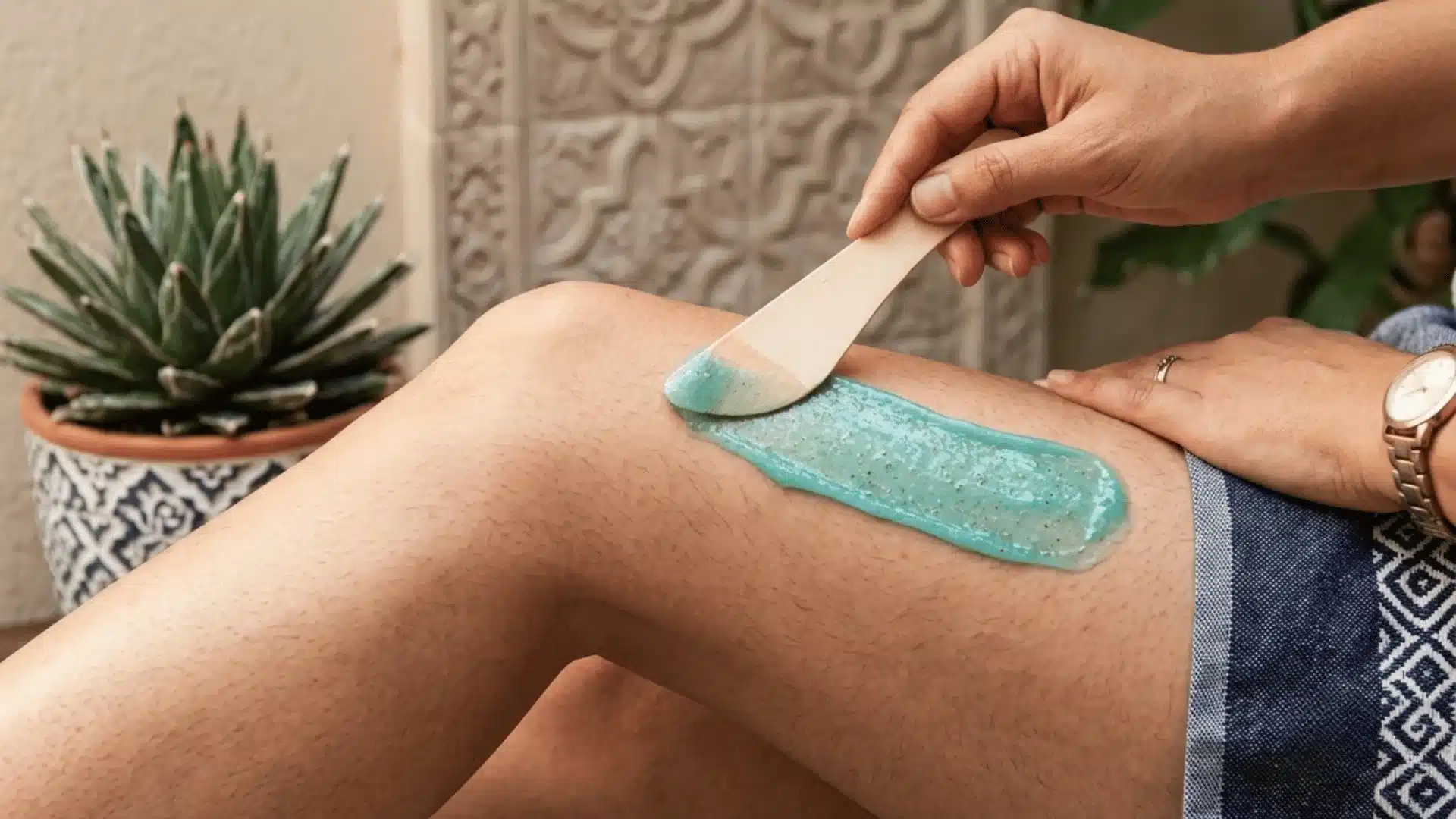
The first few days after waxing usually feel like the payoff, completely smooth with no stubble at all. This early stretch is the same for almost everyone, no matter the area.
Days 1 to 3: Skin Feels the Smoothest
During the first three days, the waxed area usually feels the smoothest because the hair has been removed from the root.
Mild redness, small bumps, or tenderness can happen, especially on the face, underarms, or bikini area.
These reactions should settle within a day or two. Avoid hot showers, tight clothing, heavy lotions, and direct sun during this stage to reduce irritation and help the skin recover properly without extra discomfort.
Weeks 1 to 2: Smoothness Usually Continues
During weeks one and two, most people still feel smooth, but a few small hairs may start to appear.
These are usually hairs that were too short for the wax to grip during the appointment. This does not always mean the wax was done poorly.
It often happens during the first few sessions because not all hairs grow on the same schedule. Keep moisturizing and avoid shaving these early hairs.
Weeks 2 to 4: Regrowth Becomes More Noticeable
By weeks two to four, regrowth often becomes easier to see in faster-growing areas such as the face, underarms, and bikini line.
The hair may look thinner or softer if you wax regularly, but the timing still depends on your natural growth cycle.
This is also when many people start planning their next appointment, especially if they want to maintain a clean, smooth look without visible regrowth.
Weeks 4 to 6: Slower-Growing Areas May Stay Smooth
By weeks four to six, areas like the legs, arms, back, and chest may still look fairly smooth because hair growth is usually slower there.
Some regrowth is normal at this point, but it may not be thick enough to wax again right away.
For the best results, wait until the hair reaches the right length before booking another session, rather than waxing too early.
How Long Should Hair Be to Wax?
Getting the right hair length is key to effective waxing, as it helps the wax grip properly and ensures smoother, longer-lasting results.
| Body Area | Recommended Hair Length | Why It Matters |
|---|---|---|
| Legs and Arms | About ¼ inch (6 mm) | The standard length for most body areas allows the wax to grip hair effectively. |
| Bikini and Brazilian | ¼ to ½ inch (6-12 mm) | Coarser hair benefits from slightly more length for better removal. |
| Face | ⅛ to ¼ inch (3-6 mm) | Facial hair is finer, so shorter lengths are usually sufficient for the wax to grip. |
| Underarms | About ¼ inch (6 mm) | Similar to legs and arms, this length provides the best balance between effective removal and comfort. |
A simple way to check is to gently lift the hair without pinching the skin underneath. If you cannot get a grip on it without pulling at your skin, it likely needs a few more days to grow.
The American Academy of Dermatology recommends trimming hair longer than three-quarters of an inch before your appointment, since overly long hair makes the process messier and more uncomfortable than it needs to be.
When Waxing Results Do Not Last as Long as They Should
If your waxing results fade sooner than expected, the issue may be the waxing process rather than your hair. Technique, product quality, and application all play a role in how effectively hair is removed from the root.
- Using the wrong type of wax: A wax that isn’t suited to the treatment area may fail to grip fine or coarse hairs effectively.
- Poor application technique: Applying wax incorrectly or removing it too quickly can leave behind hairs or cause breakage.
- Inconsistent at-home waxing: DIY waxing often breaks hairs at the surface instead of removing them from the root.
- Old or low-quality wax: Wax that has degraded or been overheated repeatedly may not adhere well to the hair.
If your waxing results consistently last much less than expected, speak with your esthetician or review your at-home technique before assuming your hair grows unusually fast.
Why Your Results Might Be Shorter or Longer than Average
Every hair on your body moves through three growth phases: an active growing phase, a short transition phase, and a resting phase.
Waxing only removes hair that is in the active phase, which is part of why regrowth can feel patchy at first. Over time, as more of your hair syncs up to the same cycle, results tend to even out and last longer.
Hormones play a real role here too. Shifts around your period, pregnancy, or menopause can speed up or slow down regrowth without warning.
Genetics and hair color matter as well, since coarse or dark hair is simply more visible sooner than fine, light hair, even when the actual growth rate is similar.
How to Make Waxing Last Longer
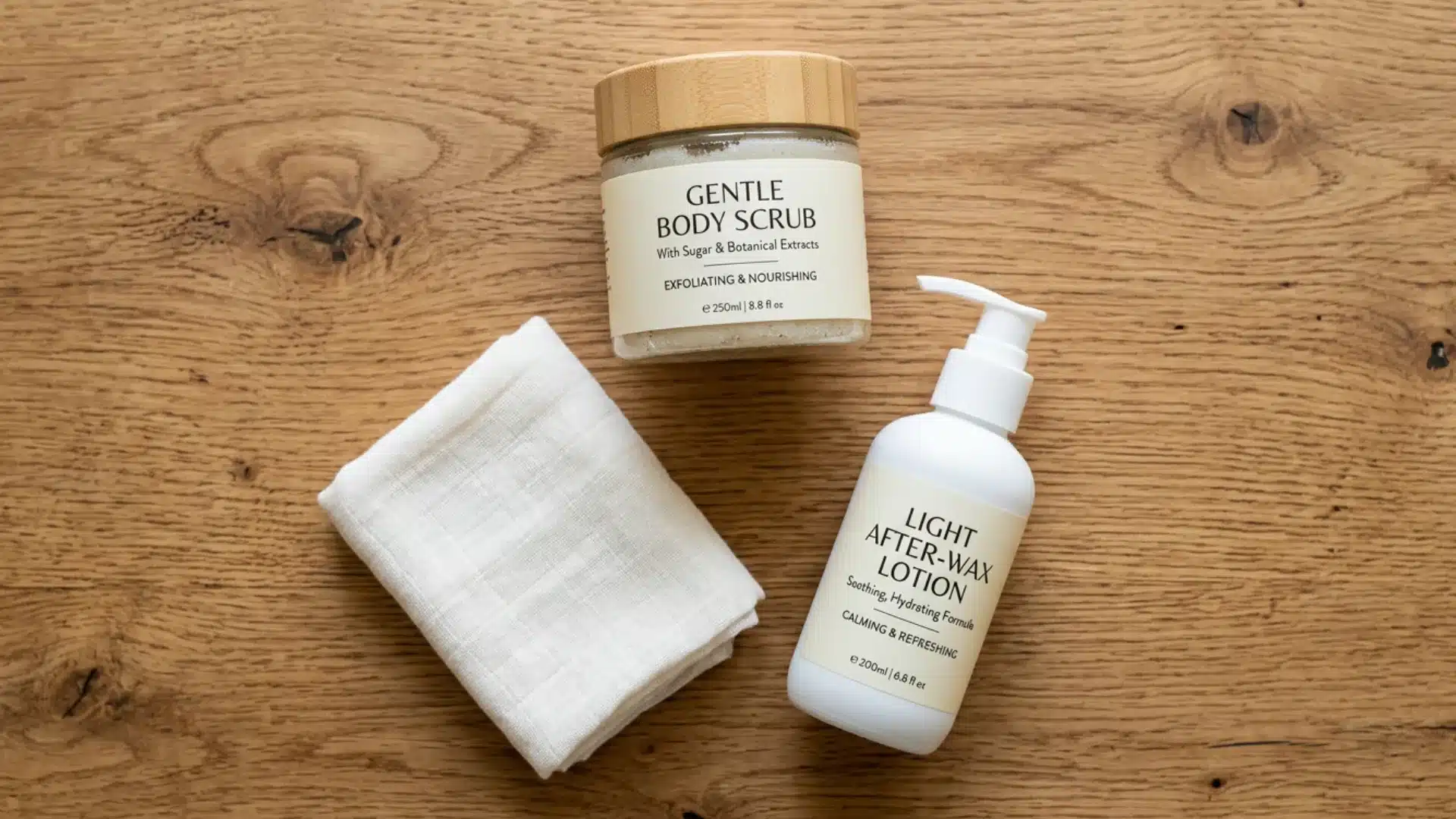
The right aftercare and a consistent routine can help you enjoy smoother skin for longer. These simple habits reduce breakage, minimize ingrown hairs, and keep your hair growth cycle on track.
- Exfoliate two to three times a week: Regular exfoliation removes dead skin cells and helps prevent ingrown hairs.
- Moisturize your skin daily: Hydrated skin supports healthy hair growth and reduces the chance of trapped hairs.
- Avoid shaving between waxes: Skipping the razor keeps your hair growth cycle consistent for longer-lasting results.
- Follow a regular waxing schedule: Waxing every four to six weeks encourages more even regrowth over multiplesessions.
- Avoid heat for the first 24-48 hours: Hot showers, saunas, and direct sun can irritate freshly waxed skin and slow recovery.
Learn how to exfoliate properly around hair removal to keep your skin smoother between waxing sessions.
Does Waxing Reduce Hair Growth Over Time?
Yes, gradually, though it is not a permanent fix. Each time hair is pulled from the root, the follicle takes on minor cumulative stress.
With consistent waxing, many people notice hair growing back finer, sparser, and slower than before they started, because repeatedly removing hair from the root weakens some follicles without eliminating them.
The change is gradual, and results vary based on genetics, hormones, and how consistently you wax.
The hair is still capable of growing back at full strength if you stop waxing for an extended stretch, which is why the softer regrowth people notice is best described as reduced rather than gone.
Signs Your Wax Was Done Properly

A successful wax should leave your skin looking and feeling healthy once the initial redness subsides. These signs indicate that the hair was removed effectively and your skin is healing as expected.
- Smooth, even skin: The treated area should feel smooth within a few hours, with little to no roughness or texture.
- No missed patches: Hair should be removed evenly, without obvious spots where strands were left behind.
- Redness fades quickly: Mild redness should improve within 24 hours, not worsen.
- Healthy-looking skin: There should be no bruising, broken skin, or signs of excessive irritation after the wax.
- Even hair regrowth: New hair should return gradually and evenly rather than in scattered patches or clumps.
If you consistently notice patchy regrowth or skin irritation that lasts more than a couple of days, it may be worth discussing technique or wax type with your esthetician.
Waxing Mistakes That Make Results Fade Faster
Small mistakes before or after your appointment can make your wax seem less effective. Avoid these common habits to help your results last as long as possible.
- Waxing hair that’s too short: Hair shorter than ¼ inch is difficult for the wax to grip, leading to uneven removal and faster regrowth.
- Shaving between appointments: Shaving disrupts the growth cycle, making future waxes less consistent and effective.
- Skipping proper aftercare: Missing exfoliation and moisturizing can increase ingrown hairs and make regrowth more noticeable.
- Waxing irritated or sunburned skin: Damaged skin is more likely to become irritated and take longer to recover after waxing.
- Applying oils or lotions beforehand: Heavy products reduce the wax’s grip, increasing the chance of leftover or broken hairs.
Waxing vs Other Hair Removal Methods: How Long Each Lasts
Waxing lasts longer than shaving but is less permanent than laser hair removal, making it a practical option for smoother skin without daily maintenance for many people.
| Method | Typical duration | Removes from root |
|---|---|---|
| Shaving | 1 to 3 days | No |
| Waxing | 2 to 6 weeks | Yes |
| Sugaring | 3 to 6 weeks | Yes |
| Epilating | 2 to 4 weeks | Yes |
| Laser hair removal | Months between sessions | Targets the follicle directly |
When Should You Avoid Waxing
Certain skin conditions, medications, and treatments can make waxing unsafe or more likely to cause irritation. It’s best to wait until your skin has fully recovered before scheduling an appointment.
- Using retinoids or retinol recently: These ingredients make the skin more fragile and increase the risk of lifting or tearing.
- Taking isotretinoin within six months: This medication significantly raises the risk of skin injury, so waxing is generally not recommended.
- Having a sunburn or fresh tan: Sun-damaged skin is more sensitive and prone to irritation during waxing.
- Dealing with eczema, psoriasis, or open wounds: Waxing over inflamed or broken skin can worsen irritation and delay healing.
- Recovering from cosmetic treatments: Recent chemical peels, microdermabrasion, or laser procedures leave the skin too sensitive for waxing.
When in doubt, it is worth calming irritated skin after any recent treatment before adding waxing.
Conclusion
There is no single number that fits everyone, but knowing your own pattern changes how you plan around it.
Once you have gone through a few cycles, you start to notice your own rhythm, whether that means booking every four weeks like clockwork or knowing your legs can stretch closer to six.
Small habits between sessions, more than any product, tend to make the biggest difference in how long your results actually hold.
Try tracking your own regrowth timeline for your next two appointments and see what pattern shows up.
Drop a comment with how long your results typically last, or pass this along to a friend who is about to try waxing for the first time.
Frequently Asked Questions
Does Waxing Hurt More in Certain Areas?
Yes, areas with thinner skin or denser nerve endings, like the upper lip, underarms, and bikini line, tend to be more sensitive than legs or arms. Pain also tends to decrease with repeated sessions as hair grows in finer and skin gets more used to the process.
Can You Wax Over a Sunburn or Fresh Tan?
Sunburned skin should not be waxed until it has fully healed, since the skin is already compromised and waxing adds further trauma. A fresh spray tan can typically be waxed over gently, but scheduling waxing before rather than after a tan gives more even results.
How Soon Can You Shower After Waxing?
You can shower a few hours after waxing, but keep the water lukewarm rather than hot for the first day. Hot water can irritate freshly opened follicles and increase redness or discomfort.
Is Sugaring Different from Waxing in How Long Results Last?
Sugaring and waxing produce similar results, typically lasting three to six weeks, as they remove hair from the root. The main difference is texture and sensitivity, since sugaring paste tends to be gentler on the skin than traditional wax.