Those tiny white bumps that sit quietly on your cheeks, refuse to pop, and ignore every acne treatment you throw at them have a name, and it is not what you think.
Most people spend months treating milia like whiteheads, reaching for spot treatments that were never designed for this kind of bump.
The frustration is real, and so is the confusion. Milia look like acne, sit in the same spots as acne, but behave completely differently beneath the surface.
I have worked with enough clients to know that the moment someone understands what milia actually are, everything shifts.
The right treatment becomes obvious, the panic fades, and the skin starts to clear. In this blog, you will learn what milia are, why they form, and exactly how to get rid of them.
What are Those White Bumps on Your Face?
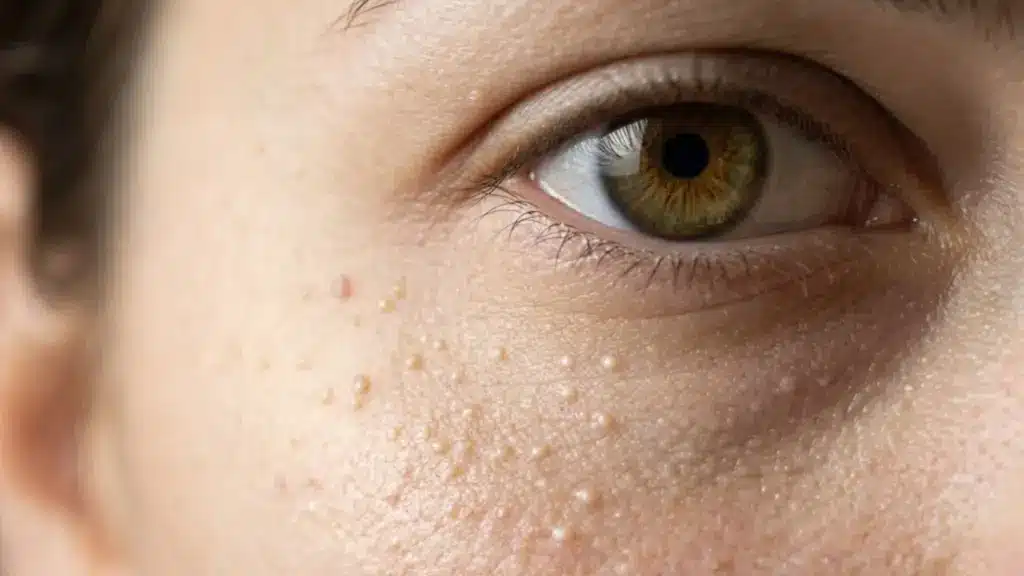
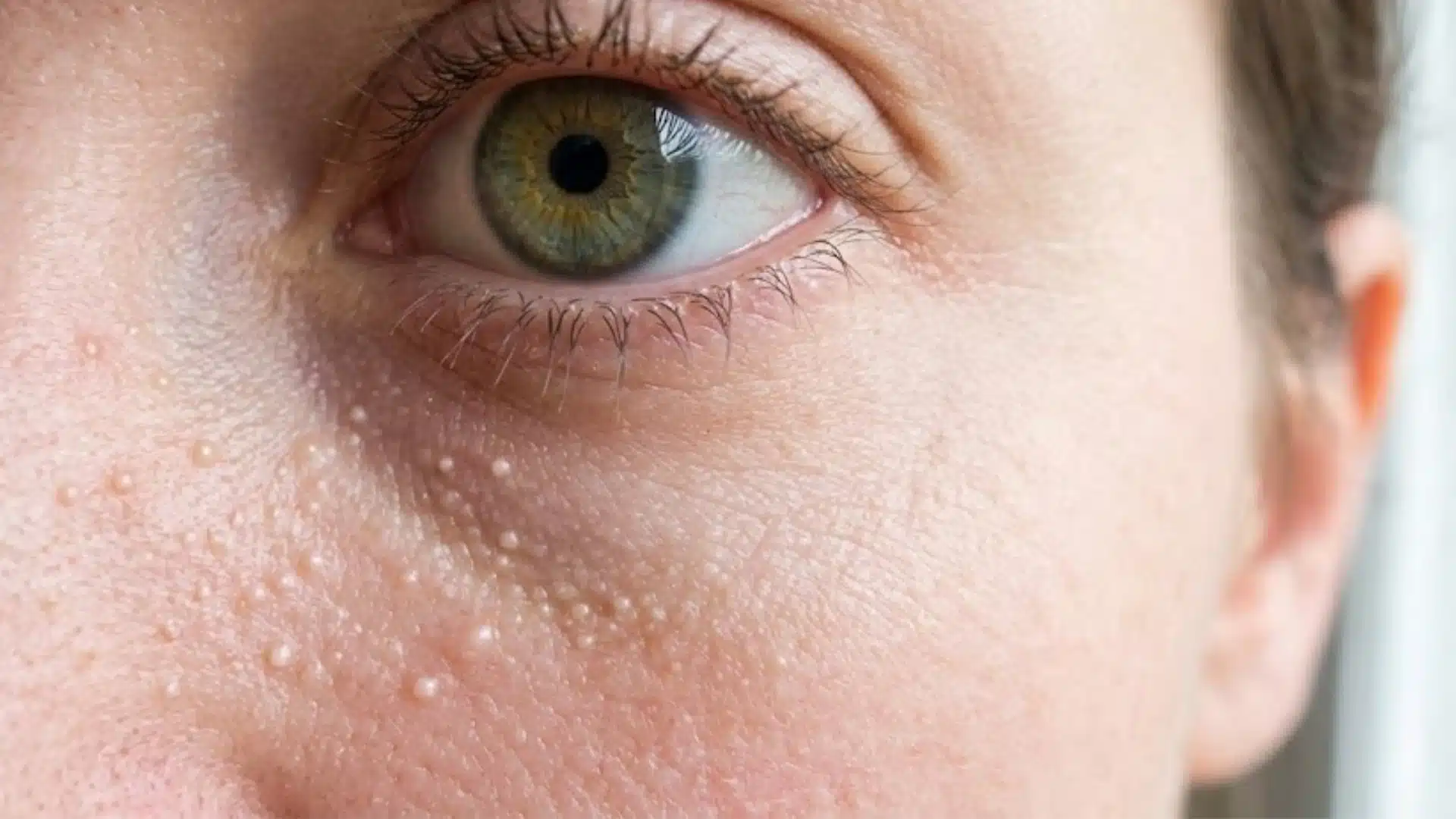
Those small, firm white bumps are called milia. They are tiny keratin cysts that form just beneath the surface of your skin, not inside your pores.
That is the key difference between milia and whiteheads. Whiteheads are a form of acne caused by clogged pores.
Milia have nothing to do with your pores at all.
They appear as smooth, dome-shaped bumps, usually between 1 and 3 millimeters in size, white to pale yellow in color.
You will most often find them around the eyes, cheeks, nose, and chin.
They feel hard to the touch because trapped keratin forms a small cyst. They are harmless, painless, and far more common than most people realize.
Why Do White Hard Bumps on the Face Appear?

Milia form when keratin, a protein found in the skin, becomes trapped beneath the surface.
Instead of shedding naturally, dead skin cells remain under the skin and create small, hard white bumps. While anyone can develop milia, certain factors make them more likely to appear.
- Slow skin shedding that allows dead cells to build up
- Heavy creams, thick moisturizers, or oily skincare products
- Skin injuries such as burns, rashes, blisters, or cosmetic procedures
- Long-term sun damage that thickens and weakens the skin
- Dry skin that can interfere with normal cell turnover
Milia can affect people of all ages, but the causes may differ. In babies, these bumps are very common and usually appear because the skin is still developing.
In adults, milia are more often linked to skincare habits, aging skin, sun exposure, or previous skin damage. Most cases are harmless, but the bumps can be stubborn and may not disappear quickly without treatment.
Milia vs Whiteheads: How to Tell the Difference
Milia and whiteheads can look similar, but their texture, causes, and behavior differ, so knowing the signs helps.
| Point | Milia | Whiteheads |
|---|---|---|
| Texture | Firm, tiny, and hard to the touch | Softer and slightly raised |
| Main cause | Keratin trapped under the skin | Oil, dead skin, and bacteria clog pores |
| Can they pop? | Usually does not pop, even with pressure | May release pus or oil if pressed |
| Redness or pain | Usually no redness, swelling, or pain | Can become red, sore, or inflamed |
| Common look | Small white or yellowish bumps | White-topped clogged pores |
| Best approach | Avoid squeezing and use gentle care | Use acne care and avoid pore-clogging products |
Types of Milia You Should Know About
Not all milia are the same. Knowing which type you are dealing with helps you understand why they appeared and what approach will actually work for your skin.
- Neonatal milia: The most common type, appearing on newborn babies around the nose and cheeks. It resolves on its own within a few weeks and needs no treatment.
- Primary milia: The type most adults experience. Forms when dead skin cells get trapped beneath the surface and cannot be shed normally. Most often appears around the eyes, forehead, and cheeks.
- Secondary milia: They develop after skin trauma, such as burns, blistering, or damage from certain skincare procedures. The skin heals over the injury and traps keratin underneath.
- Milia en plaque: A rarer type that tends to affect women between 40 and 60. Bumps cluster together on a raised patch of skin, usually around the eyelids, cheeks, or jaw.
- Multiple eruptive milia: Another rare type in which groups of cysts develop over weeks to months on the face, upper arms, and abdomen. Unlike other types, these can be itchy, which directly explains those white bumps on the skin that feel uncomfortable rather than just cosmetic.
Can Milia Go Away on Their Own?
In some cases, milia can go away on their own without any treatment. This is especially common in newborns, where the small white bumps are a normal part of skin development.
As the skin matures, the trapped keratin is gradually released, and the bumps often disappear within a few weeks.
Baby milia usually fade naturally and rarely need medical attention. Adult milia, however, tend to be more stubborn.
They can remain for months or even longer because the trapped keratin does not always clear easily from the skin.
Although it may be tempting to remove them at home, picking or squeezing milia is not recommended. Unlike whiteheads, these bumps do not usually pop.
Trying to force them out can irritate the skin, cause redness, and increase the risk of scarring or infection. Gentle skincare and patience are often the safest approach.
How to Treat Milia Safely?
Several treatment options can help reduce or remove milia. The right choice depends on how many bumps are present and how long they have been there.
1. Gentle Exfoliation
Gentle exfoliation can help remove dead skin cells that build up on the surface of the skin. This may improve skin turnover and reduce the chance of new milia forming.
Mild exfoliating products that contain ingredients such as lactic acid or glycolic acid are often preferred because they work without causing excessive irritation.
If you are unsure how often to exfoliate without overdoing it, this guide on exfoliation frequency covers the right approach for different skin types.
Harsh scrubs should be avoided, as they can damage the skin barrier and worsen existing skin concerns. Consistent but gentle exfoliation usually provides the best results over time.
2. Retinoids
Retinoids are vitamin A derivatives that encourage faster skin cell turnover. They help prevent dead skin cells from becoming trapped beneath the skin, which is one of the main reasons milia develop.
Over time, retinoids may help existing bumps become less noticeable while also reducing the risk of new ones forming.
These products can sometimes cause dryness or mild irritation, especially when first introduced. Because retinoids increase sun sensitivity, they are often used alongside daily sunscreen for better skin protection.
3. Light Moisturizers
Using a lightweight moisturizer can help keep the skin hydrated without creating a heavy layer on the surface. Thick creams and rich products may contribute to milia in some people, especially around the delicate eye area.
Lightweight formulas absorb more easily and are less likely to leave residue that can trap dead skin cells.
Hydrated skin also tends to maintain a healthier barrier and better cell turnover. Choosing non-comedogenic products may further reduce the likelihood of future bumps appearing.
4. Sunscreen
Daily sunscreen plays an important role in protecting the skin from sun damage, which can contribute to the development of milia.
Long-term UV exposure may thicken the skin’s outer layer and interfere with the normal shedding of dead skin cells.
A broad-spectrum sunscreen with adequate SPF helps maintain healthier skin and supports other treatments.
Regular sun protection can also prevent irritation and discoloration that sometimes occur after professional milia treatments. Lightweight sunscreen formulas are often the most comfortable for daily use.
5. Dermatologist Extraction
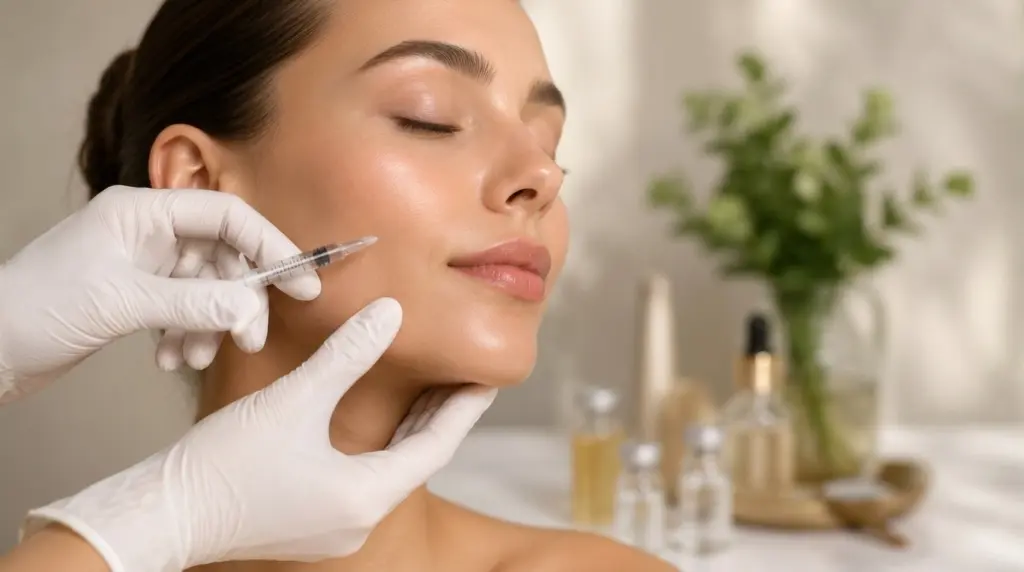
Professional extraction is one of the quickest ways to remove milia. A dermatologist uses a sterile needle or specialized tool to create a tiny opening in the skin and carefully remove the trapped keratin.
The procedure is usually fast and causes minimal discomfort when performed correctly. Unlike squeezing at home, professional extraction lowers the risk of scarring, infection, and skin damage.
This option is often recommended for persistent milia that do not improve with skincare products or home treatments.
6. Chemical Peels, Laser, or Cryotherapy for Stubborn Cases
When milia are widespread or difficult to remove, a dermatologist may recommend advanced treatments. Chemical peels help remove layers of dead skin cells and encourage new skin growth.
Laser treatments target specific areas with precision and may improve stubborn bumps. Cryotherapy uses controlled cold temperatures to treat certain skin concerns, including some cases of milia.
These procedures are generally reserved for persistent cases and should always be performed by a qualified professional to reduce the risk of unwanted side effects.
Disclaimer: Professional treatments should only be performed by a licensed dermatologist or skincare professional. Never attempt to extract milia at home.
Tips for Preventing Milia From Coming Back
Once your skin is clear, keeping it that way comes down to a few steady habits. These are not complicated steps, just small and consistent choices that give your skin the best chance to shed and renew properly.
- Choose Lightweight Products: Use non-greasy moisturizers and skincare products that absorb easily rather than leave a thick layer on the skin.
- Remove Makeup Thoroughly: Clean away makeup, sunscreen, and daily buildup before bed to prevent residue from lingering on the skin.
- Protect Skin From UV Exposure: Daily sun protection helps maintain healthy skin turnover and reduces damage that can contribute to milia formation.
- Check Eye Care Products: Rich eye creams can sometimes be too heavy for delicate skin, so lighter formulas may be a better choice for some people.
- Check your product labels: Look for non-comedogenic on every moisturizer, sunscreen, and makeup product you use regularly.
If milia keep appearing on your forehead specifically, it may also be worth reading about what causes forehead bumps and how to treat them, as the approach overlaps in useful ways.
When Should You See a Dermatologist
You should see a dermatologist if the bumps start spreading or new ones keep appearing. Milia are usually harmless, but sudden changes can mean your skin needs a closer look.
A doctor can confirm whether the bumps are milia or another skin concern. It is also best to get medical advice if the bumps hurt, bleed, change color, or become swollen.
Milia usually do not cause pain, so these signs should not be ignored. Bumps near the eye should be checked carefully, too, since the skin there is delicate and easily irritated.
If home care does not help after several weeks, a dermatologist can suggest safer treatment.
Professional extraction, peels, or other options may be used depending on the case. When you are unsure whether the bumps are milia, getting a proper diagnosis is the safest choice.
Conclusion
Milia are small, firm bumps that form when keratin gets trapped under the skin. They are not the same as pimples, and they usually do not pop or cause pain.
Throughout this guide, we covered why milia appear, how they differ from whiteheads, and why babies and adults can both develop them.
The good thing is that milia are common and usually manageable. Some fade on their own, while others may need gentle skincare or professional treatment.
If white, hard bumps on the face persist for a long time, spread, or appear near the eyes, a dermatologist can safely evaluate them and recommend the right option.
Have you noticed these bumps after using a new cream or skincare product? Share your experience in the comments and tell us what worked for your skin.
Frequently Asked Questions
Are Milia Contagious?
No, milia are not contagious. They do not spread from one person to another through touch, shared towels, or close contact. They form under the skin, so they are not caused by germs passing between people.
Can Diet Cause Milia?
Diet is not usually seen as a direct cause of milia. These bumps are more connected to trapped keratin and skin turnover. Still, a balanced diet can support overall skin health and may help the skin look clearer.
Can Makeup Hide Milia?
Yes, makeup can help soften their appearance for a short time. A light concealer or skin tint may work better than thick layers. Heavy makeup can make texture stand out more, so a thin, smooth finish usually looks more natural.