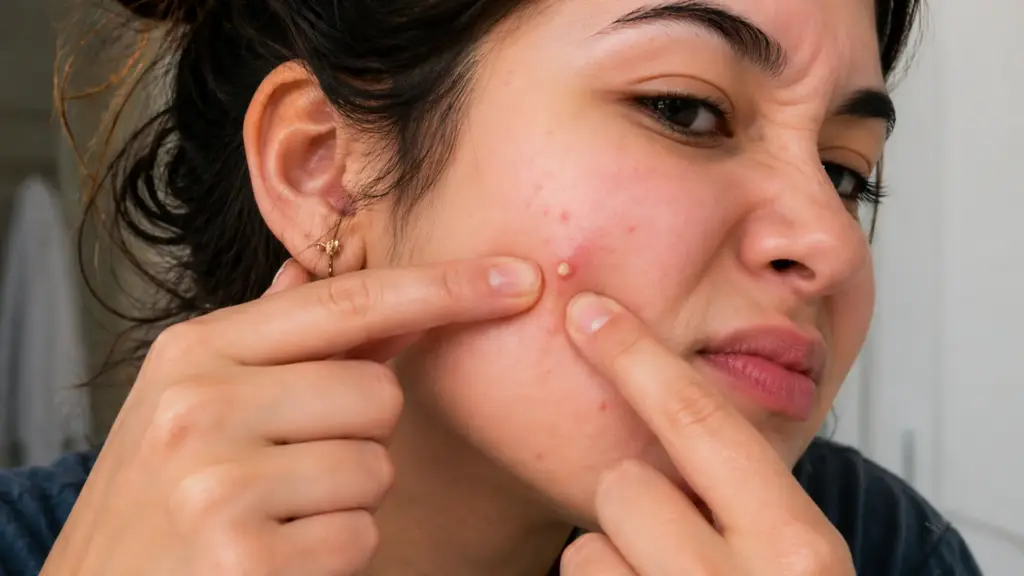
You squeeze a pimple, brace for the usual, and instead get a thin, watery liquid that looks nothing like what you expected.
No white pus. No blood. Just clear fluid, sitting there, and now you’re not sure if you made things worse.
As a licensed aesthetician, I’ve seen this moment catch people off guard more times than I can count.
The instinct is always the same: keep pressing, hoping something more satisfying comes out. That instinct is exactly what causes the damage.
Before you press again, it’s worth understanding what that fluid actually is, why your skin produces it, and what it’s telling you.
Once you know the biology behind it, the right response becomes obvious. Most of the time, your skin is doing something completely right.
What is the Clear Liquid from a Pimple?
The fluid is called serous fluid. It comes from your blood plasma, the liquid portion of blood that does not contain red blood cells.
When skin tissue becomes inflamed, tiny capillaries near the surface become more permeable, allowing plasma to seep into the surrounding tissue. That leakage is the clear fluid you see when clear liquid comes out of a pimple.
Serous fluid carries proteins, antibodies, glucose, and electrolytes to the inflamed area. Its job is to flood the site with everything the skin needs to repair itself.
In some cases, the liquid may also include a small amount of lymph fluid, which the body circulates to help clear waste from inflamed tissue. Either way, neither source signals infection on its own.
This fluid is different from pus. Pus contains white blood cells, bacteria, and dead tissue. It is thick and opaque, a sign that your immune system fought a bacterial infection. Serous fluid has none of that. It is the scaffold, not the battle.
Why Does Clear Liquid Come Out of My Pimple Instead of Pus
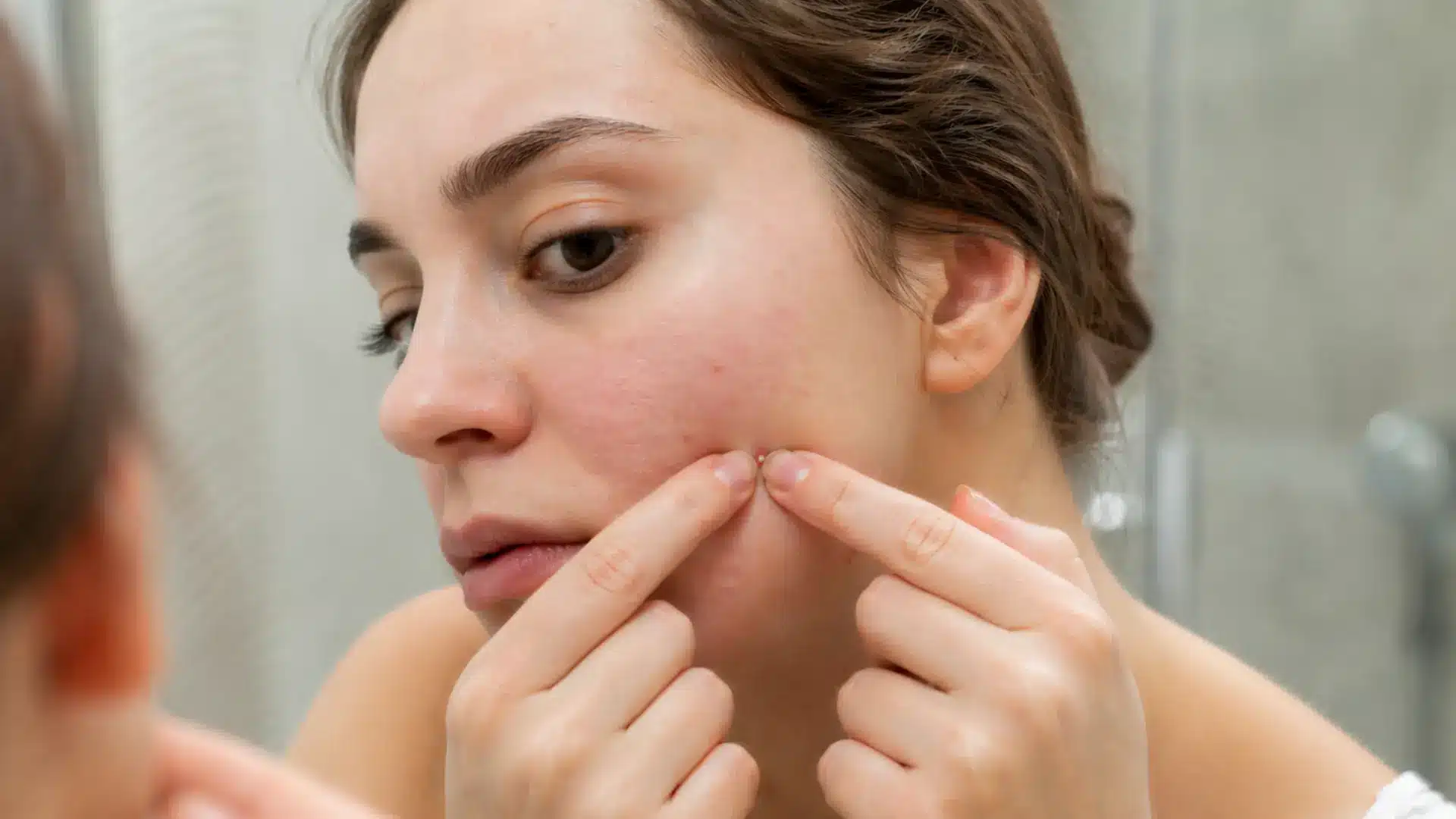
Pimples form when a hair follicle gets blocked by sebum, dead skin cells, and bacteria. Your immune system detects the blockage and sends white blood cells to the area.
The resulting inflammation causes the capillary walls to become more permeable, allowing serous fluid to leak into the tissue. Whether you end up with pus or clear liquid depends on where the pimple is in that process.
A key factor is the presence of Cutibacterium acnes (C. acnes), the bacteria that feed on sebum inside blocked follicles. If C. acnes triggers a full immune response with white blood cell activity, pus forms.
If the follicle is inflamed but bacterial activity remains low, only serous fluid develops, and no pus ever appears.
Hormonal shifts and heavy or pore-clogging skincare products can also push the follicle toward inflammation without triggering a full bacterial response, and occlusive products used in humid climates are a particularly common but overlooked cause, which means clear fluid rather than pus forms.
Common Reasons Clear Liquid Comes Out of a Pimple
Clear liquid coming out of a pimple usually points to one of three things happening at the follicle level:
- The pimple was not ready: Squeezing too early releases fluid because there is no pus yet. The follicle is still inflamed, not infected.
- The pimple was never infected: Clogged pores and inflammation alone can produce clear fluid. No bacterial buildup formed, so no pus develops. This is more common than most people expect, and it does not mean the breakout is less real or less irritated.
- The pimple has already drained: After pus comes out, clear fluid usually signals that the follicle is empty and the skin has started healing.
How to Tell Clear Fluid from Pus
When a pimple opens, the type of fluid it releases can reveal what’s happening beneath the surface. Each type reflects a differentstage of inflammation, infection, or healing. Reading these signs correctly helps avoid overhandling and reduces the risk of scarring.
1. Serous fluid (clear or faintly yellow): Thin and watery in texture. This is a normal response that shows inflammation is present without a strong bacterial infection
2. Pus (white or thick yellow discharge): Dense and opaque in appearance. forms when white blood cells collect in a clogged follicle to fight bacteria, which is a natural immune response
3. Erosanguineous fluid (pale pink or slightly bloody): A mix of clear fluid and a small amount of blood. appears when the area is sensitive, rich in blood vessels, or slightly injured from pressure
4. Infected discharge (greenish, thick, foul-smelling): That pattern warrants a visit to a dermatologist. It can indicate a more serious bacterial infection or an underlying skin condition, like a sebaceous or pilar cyst, which requires professional evaluation rather than at-home treatment
Does Skin Type Change how Often It Happens?
Skin type affects how often fluid-filled pimples appear, with oil levels, skin sensitivity, and barrier strength shaping how the skin reacts to breakouts.
| Skin Type | Effect on Fluid-Filled Pimples |
|---|---|
| General Impact | Oil levels, skin barrier, and sensitivity influence how often fluid appears. |
| Oily Skin | Excess oil clogs pores, increasing pressure and fluid release, especially in the T zone. |
| Dry or Sensitive Skin | A weak barrier leads to irritation-based bumps with fluid, not always from clogged pores. |
| Combination Skin | Oily areas clog easily, while dry areas react with irritation; the pattern varies by location. |
What to Do When a Pimple Leaks Clear Fluid
The most useful thing you can do is stop. The moment you see clear fluid, pressing harder will not reveal anything more. It pushes inflammation deeper, damages the follicle wall, and increases the chance of scarring. Here is what actually helps.
- Stop and cleanse: Wash your hands, then gently clean the area with a mild, noncomedogenic cleanser and lukewarm water. Pat dry. No scrubbing.
- Apply a hydrocolloid patch: These acne patches absorb fluid, protect the area from bacteria, and prevent further touching. They are simple, affordable, and highly effective. I recommend keeping a small pack on hand, they do the job of a dozen steps in one. If you’re unsure about timing or technique, it helps to understand how pimple patches actually work before applying one to an open spot.
- Use a targeted ingredient if needed: Niacinamide at 5 to 10 percent helps reduce redness and supports the skin barrier. A low-strength benzoyl peroxide at 2.5 percent can address bacteria without causing excessive dryness. Both are well-tolerated for most skin types when applied correctly.
- Leave it alone: The skin needs time to repair. Most cases settle within 24 to 48 hours when the area is kept clean and untouched.
What to Avoid When Clear Liquid Comes Out of a Pimple
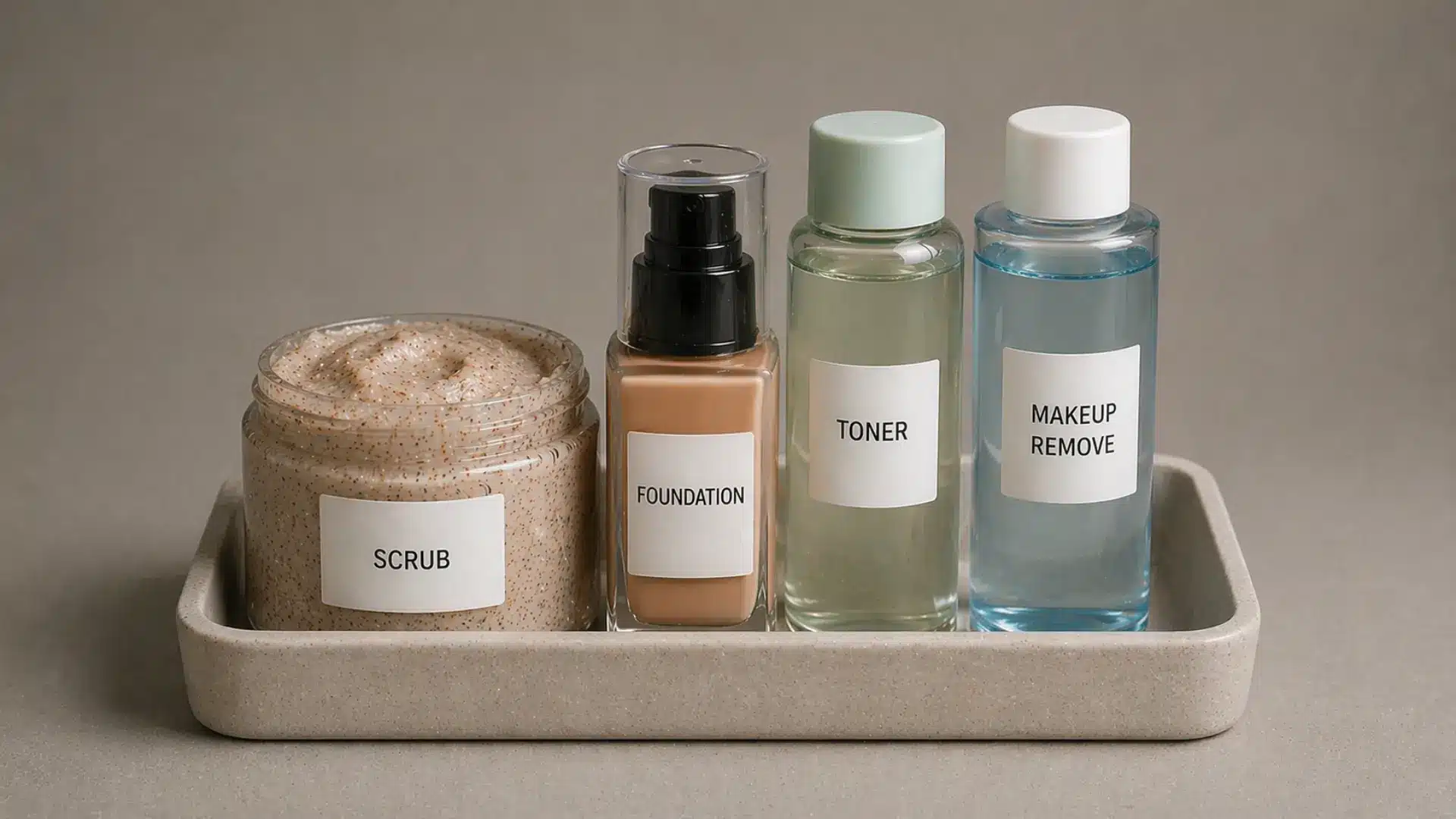
Certain habits can slow healing and worsen irritation. Avoid actions that damage the skin barrier or trap bacteria while the pimple is still open.
- Physical Exfoliants: Using scrubs on an active pimple creates friction that damages the skin surface, delays healing, and increases irritation instead of helping the clogged pore clear properly
- Alcohol Toners: Applying alcohol-based toners strips away natural oils, weakens the skin barrier, and slows down the healing process, leaving the area more prone to dryness and irritation
- Makeup Application: Covering a weeping pimple with makeup traps fluid underneath, introduces bacteria into the open skin, and can significantly increase the chances of infection and delayed recovery
- Picking or Squeezing: Repeatedly touching or squeezing the pimple forces inflammation deeper into the skin, damages the follicle wall, and raises the risk of long-term scarring and discoloration
- Dirty Hands: Touching the area with unclean hands transfers bacteria directly onto sensitive skin, increasing irritation and making it harder for the pimple to heal without complications or infection
Conclusion
Clear liquid coming out of a pimple is not a warning sign. It is serous fluid, your body’s quiet signal that the inflammatory process is running as it should.
The mistake most people make is treating it like a problem to be squeezed out rather than a response to be supported.
Stop at the first sign of it. cleanse gently, apply a hydrocolloid patch, and let the skin close on its own timeline. That single habit change makes a real difference in how quickly a pimple heals and whether it leaves a mark.
If you found this helpful, share it with someone who’s still reaching for a mirror and a squeeze. And if you have a skin concern you’ve been sitting with, drop it in the comments below.
Frequently Asked Questions
Is It Okay to Apply Makeup over a Pimple Leaking Clear Fluid?
It’s better to wait. An open or weeping pimple has a compromised barrier, and applying makeup can introduce bacteria and trap fluid, slowing healing and increasing the risk of scarring. A hydrocolloid patch is a cleaner option for coverage until the skin closes.
Why Does Clear Liquid Keep Coming out After I Thought the Pimple Was Healed?
This usually means the follicle is still slightly open and the skin hasn’t fully closed the wound. It can happen if the area is repeatedly touched or if a new layer of dead skin forms a partial seal over an active follicle. Keep the spot clean and covered, and avoid any pressure.
Does Clear Liquid from a Pimple Mean It Will Leave a Scar?
Not automatically. Serous fluid on its own doesn’t cause scarring. The damage that leads to scars usually comes from repeated squeezing, picking, or pressing. If you leave clear-fluid pimples alone and treat them gently, the risk of scarring is low.