Have you ever wondered why hair that looks perfectly smooth can still feel difficult to style?
Naturally straight, silky strands often come with challenges like flat roots, faster oil buildup, and curls that lose their shape quickly.
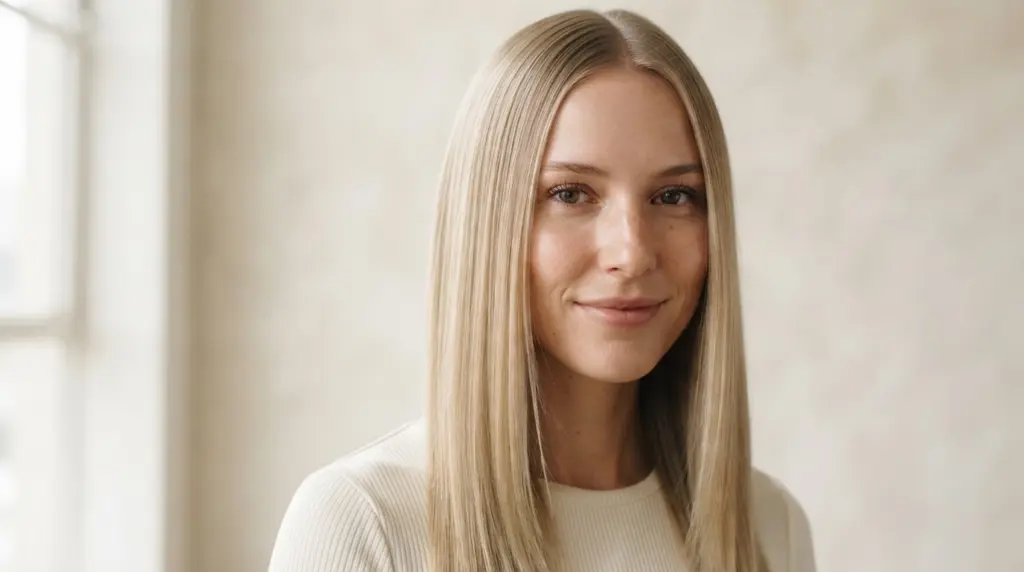
The 1A hair type is the finest and straightest category in the Type 1 hair system, known for its sleek texture and natural shine.
Understanding how this hair structure behaves makes it easier to choose suitable products, create a balanced care routine, and select hairstyles that enhance its natural beauty without weighing it down.
What is 1A Hair Type?
1A hair is the straightest hair category in the Type 1 hair classification system. It naturally falls straight from the roots to the ends, with no visible waves, bends, or curls, a pattern that’s mostly inherited through genetics.
This hair type usually has very fine strands with a smooth surface that reflects light easily, which gives it a naturally glossy appearance.
However, because the strands are straight and lightweight, they often lack natural volume and can become flat or oily faster than other hair textures.
Unlike wavy or curly hair patterns, 1A hair does not create natural bends that add body and texture. This means it often needs lightweight styling techniques to create lift, movement, and longer-lasting hairstyles.
1A Hair Type at a Glance
Before choosing products or styling methods, understanding the basic features of 1A hair helps identify its texture, behavior, and specific needs for easier daily maintenance.
| Feature | 1A Hair |
|---|---|
| Hair pattern | Completely straight |
| Strand texture | Fine, soft, and silky |
| Natural volume | Low |
| Natural shine | High |
| Oil buildup | More noticeable |
| Frizz level | Usually low |
| Styling hold | More difficult |
| Best products | Lightweight formulas |
These characteristics explain why 1A hair requires lightweight care. Matching your routine, including how often you wash, to these traits can help maintain shine, softness, and manageable volume.
Key Characteristics of 1A Hair
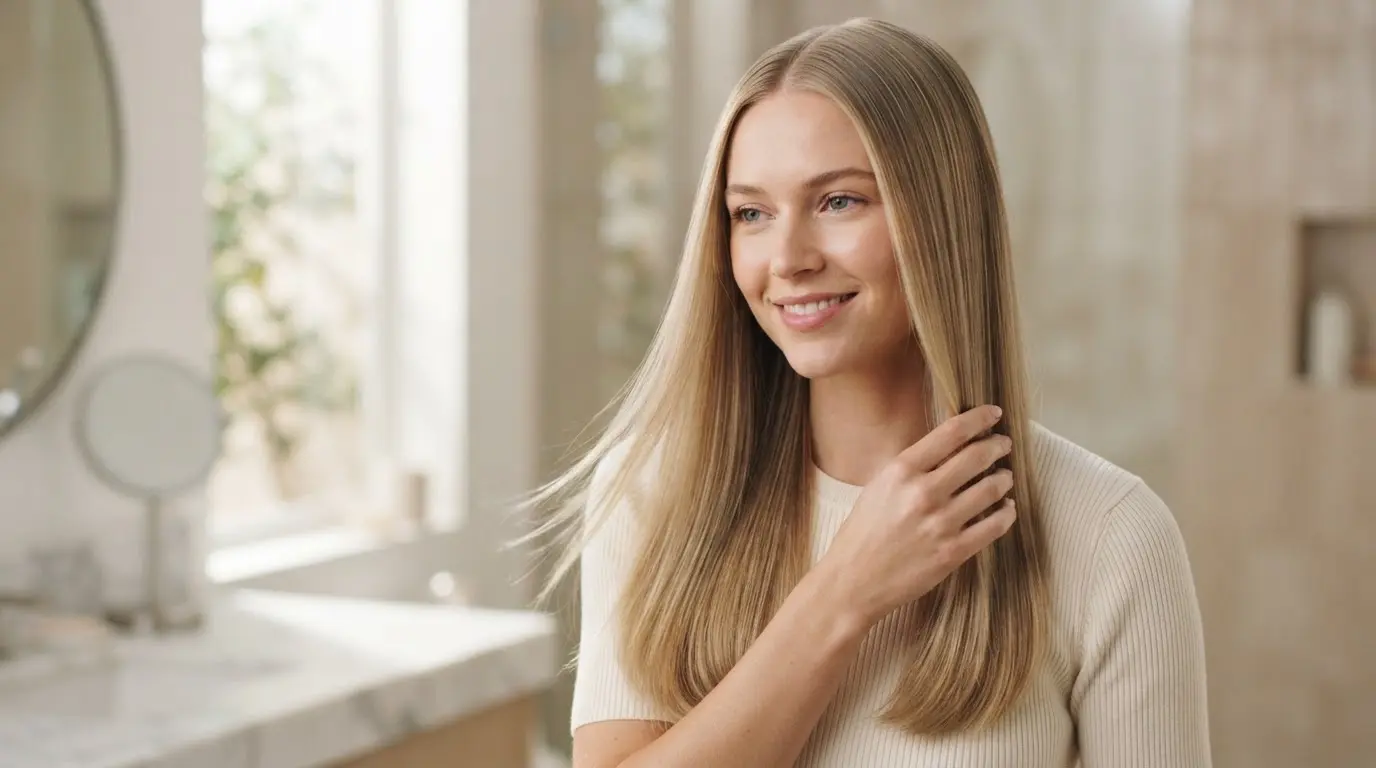
Understanding the main traits of 1A hair helps you choose suitable products, build a better routine, and avoid habits that make your hair look flat, greasy, or difficult to style.
1. Fine Strand Texture
1A hair usually has fine strands that feel soft, smooth, and lightweight. Fine hair refers to the thickness of each individual strand, not the amount of hair on your scalp.
Because these strands are delicate, heavy conditioners, oils, and styling products can easily reduce volume and make the hair appear flat.
2. Naturally Straight Pattern
The most defining feature of 1A hair is its completely straight pattern, with no natural waves, bends, or curls. The outer cuticle layer lies smooth and reflects light well, giving the hair a glossy appearance.
However, this straight structure also means it has less natural texture, making styles like curls and waves harder to maintain.
3. Low Natural Volume
Since 1A hair lacks natural bends or curls, it usually has less lift and body compared with other hair types. The roots can appear flat, especially when exposed to heavy products or excess moisture.
Lightweight volumizing sprays, root-lifting techniques, and suitable haircuts can help create a fuller appearance without adding unnecessary weight.
4. Faster Oil Buildup
Natural scalp oils, produced by sebaceous glands near follicles, can move easily through straight 1A strands because fewer bends slow their movement. This can make the roots appear oily or greasy faster than other textures.
Using lightweight cleansing products and avoiding heavy formulas can help maintain freshness while keeping the hair smooth and healthy.
1A vs 1B vs 1C Hair: Key Difference
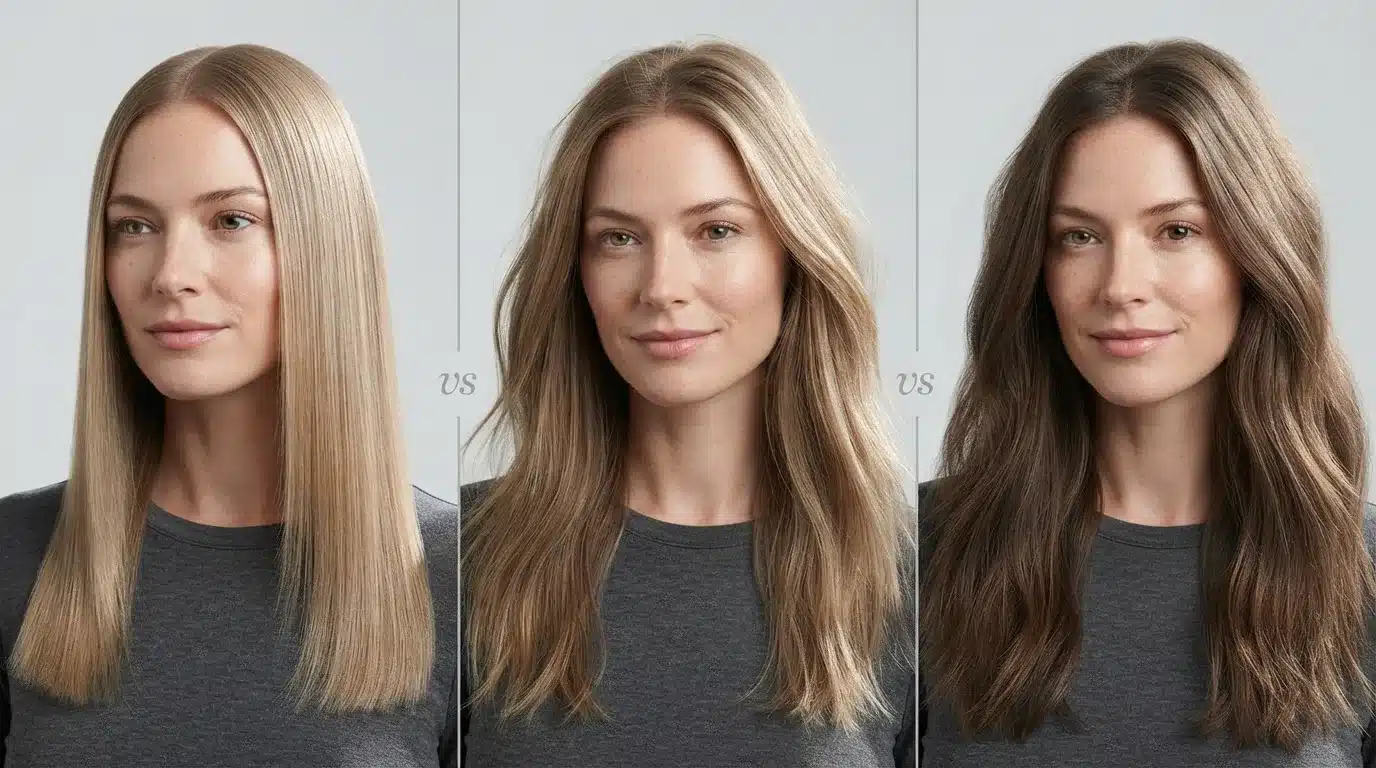
Straight hair is divided into different categories based on texture, strand thickness, natural movement, and styling response. Knowing these differences helps you understand your hair needs and choose suitable products and hairstyles.
| Feature | 1A Hair | 1B Hair | 1C Hair |
|---|---|---|---|
| Pattern | Pin-straight | Straight with slight body | Straight with bends or subtle waves |
| Texture | Fine and silky | Medium texture | Thicker and coarser |
| Volume | Lowest natural volume | Moderate volume | More natural fullness |
| Movement | Very little movement | More body and shape | More texture and bends |
| Styling | Harder to hold curls | Holds styles better | Easier to create texture |
Choosing products based on your straight hair category can make styling easier. While 1A hair needs lightweight support, thicker, more textured strands can often handle more volume-building techniques.
How to Tell If You Have 1A Hair
Identifying 1A hair depends on its natural pattern, strand texture, and how it behaves after washing and styling. These signs can help you determine whether your hair matches this straight, fine-hair category.
You may have 1A hair if:
- Your hair dries completely straight after an air-dry test, without forming natural waves, bends, or curls.
- Strands feel fine and lightweight with a soft texture that can become easily weighed down by heavy products.
- Roots lose volume quickly, and the hair tends to sit close to the scalp after washing.
- Natural oils spread faster through the strands, making the roots look greasy sooner than the ends.
- Curls and waves lose their shape quickly, since these strands sit near the straight end of the curl pattern spectrum, with less natural grip and texture.
- Hair maintains a sleek, shiny appearance due to its smooth surface and naturally straight structure.
Recognizing these characteristics makes it easier to understand 1A hair needs and choose suitable products, styling methods, and routines that maintain its natural smoothness and manageability.
Hair Care Routine for 1A Hair Type
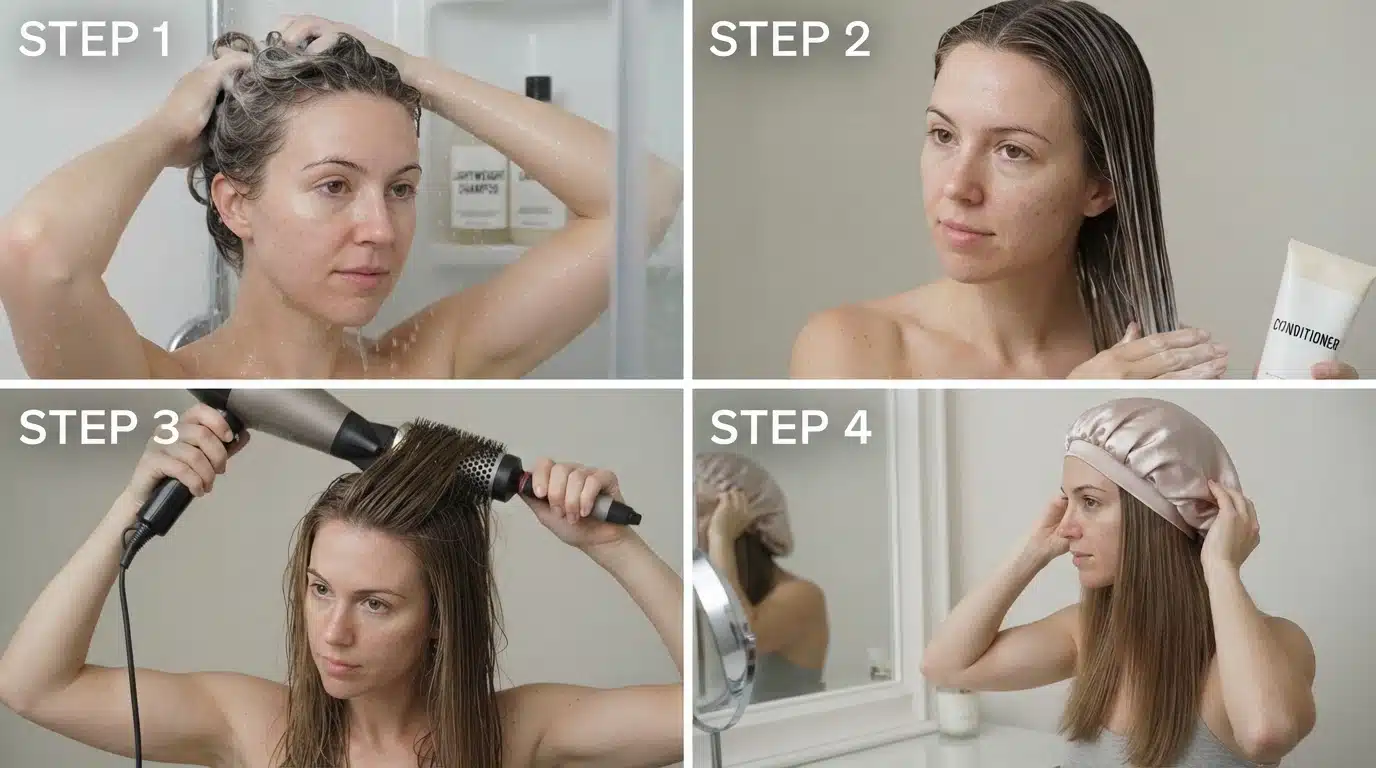
A simple hair care routine helps 1A hair maintain its shine and smooth texture while preventing issues like oil buildup, flat roots, and product heaviness. Lightweight care choices support healthier-looking strands and easier styling.
Step 1: Washing: Use lightweight shampoos to cleanse the scalp and remove oil without leaving residue. Avoid heavy formulas and clarify occasionally to prevent buildup.
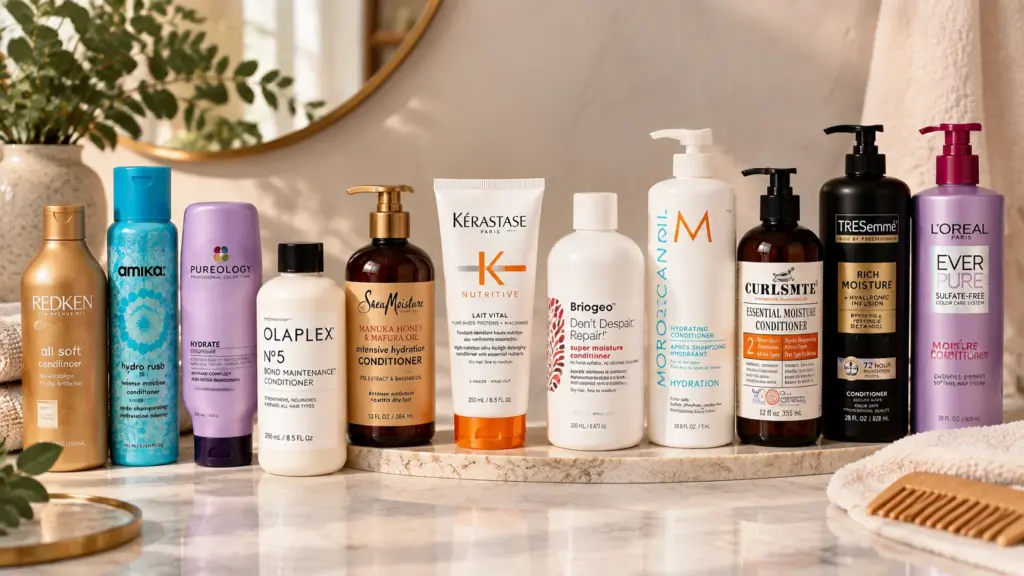
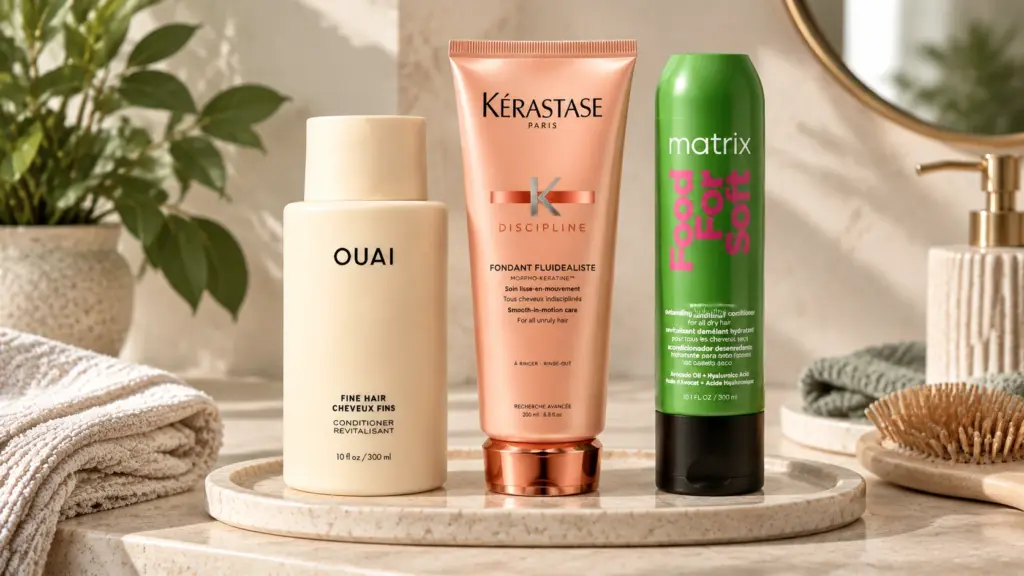
Step 2: Conditioning: Apply conditioner from mid-lengths to ends to keep hair soft without weighing down the roots. Choose lightweight formulas to maintain volume and movement.
Step 3: Drying: Air-dry when possible to reduce heat exposure. When blow-drying, lift the roots with a brush or direct airflow upward for added volume.
Step 4: Night Care: Reduce friction while sleeping with a smoother pillowcase and avoid tight hairstyles to prevent tangles, breakage, and unnecessary tension.
A consistent routine with gentle techniques and lightweight products helps 1A hair stay shiny, manageable, and healthy while preserving its naturally straight appearance.
Best Products for 1A Hair
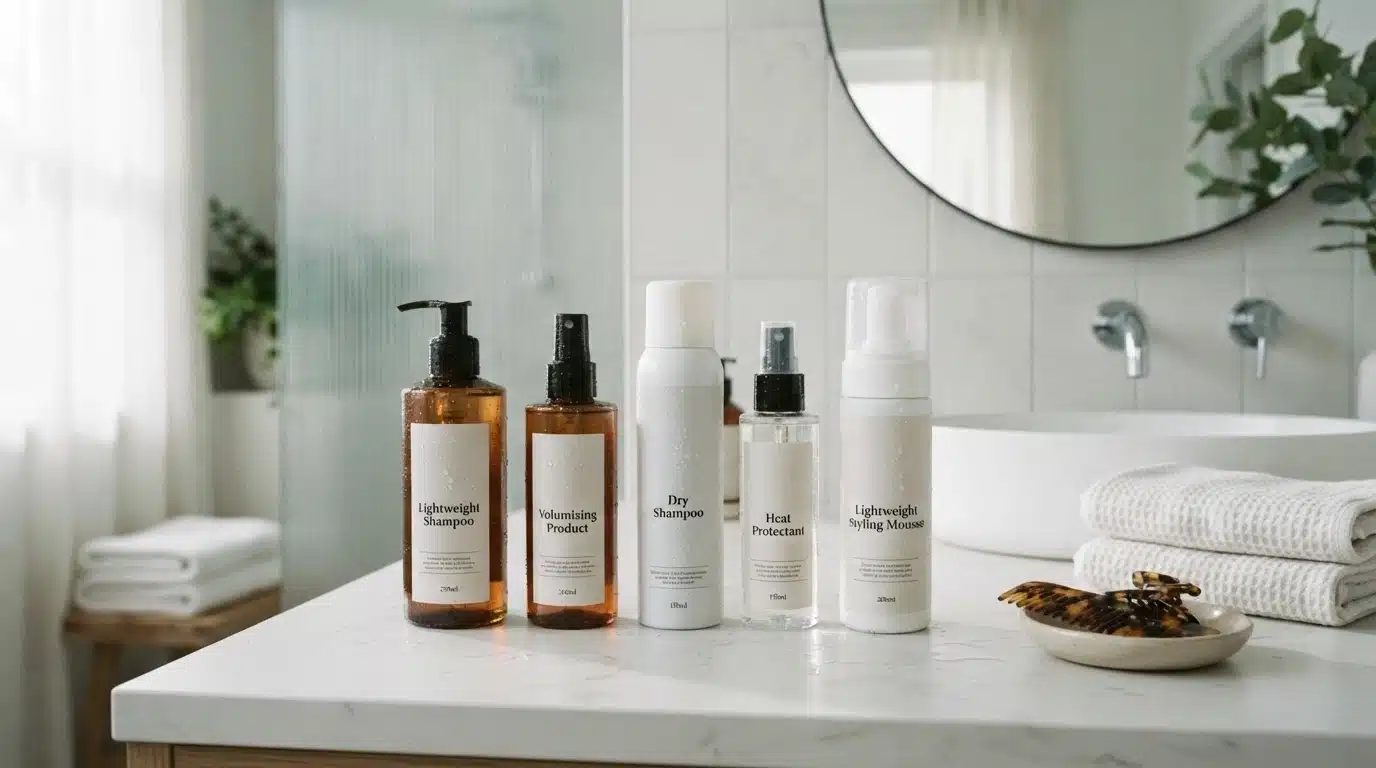
Choosing the right products helps 1A hair maintain its smooth texture, natural shine, and volume. Lightweight formulas provide support and manageability without making fine strands appear flat or greasy.
| Product Type | What It Does | What to Look For |
|---|---|---|
| Lightweight shampoo | Removes oil and buildup while keeping fine strands fresh and balanced. | Gentle cleansing formulas that do not leave heavy residue. |
| Volumizing products | Adds body and lift without making hair stiff or weighed down. | Root-lifting sprays, powders, or lightweight volume formulas. |
| Dry shampoo | Absorbs excess oil and refreshes roots between washes. | Lightweight formulas that add freshness without buildup. |
| Heat protectant | Helps protect fine strands from heat damage during styling. | Lightweight sprays that maintain softness and shine. |
| Styling mousse | Adds texture, flexible hold, and volume while keeping hair smooth. | Lightweight mousses that provide movement without heaviness. |
Using the right products can help 1A hair look fuller, stay manageable, and maintain its naturally sleek appearance without losing softness or shine.
Styling Techniques to Add Volume and Hold to 1A Hair
Styling 1A hair requires lightweight techniques that add texture, volume, and hold without removing its natural smoothness. The right methods can help fine straight strands look fuller and stay styled longer.
- Use lightweight styling products before curling to improve hold, and allow curls to cool completely before touching them so they maintain their shape longer.
- Add texture with mousse, dry shampoo, or texturizing sprays to create movement without making fine strands feel heavy or stiff.
- Lift the roots while drying and avoid applying heavy products near the scalp to prevent flat-looking hair and maintain natural volume.
- Trim hair regularly and choose balanced styling methods that enhance shine, movement, and shape without reducing the softness of 1A strands.
With the right styling approach, 1A hair can achieve better volume, texture, and longer-lasting styles while maintaining its naturally sleek, lightweight appearance.
Can 1A Hair Become Thicker or More Voluminous?
The natural thickness and texture of your hair are mainly determined by genetics, so products cannot permanently change 1A hair into a different hair type. However, the right care routine can improve how full and healthy it appears.
Using suitable haircuts, lightweight volumizing products, and proper styling techniques can create the appearance of more body. Maintaining a healthy scalp, avoiding unnecessary damage, and preventing product buildup can also help fine strands look their best.
Instead of trying to change the natural structure of 1A hair, focus on techniques that enhance its strengths, such as its smooth texture, shine, and sleek appearance.
Mistakes that Can Make 1A Hair Look Flat
Fine straight strands can easily lose volume when exposed to heavy products or harsh styling habits. Avoiding common mistakes helps maintain movement, shine, and a fuller appearance.
- Using heavy oils near roots: Applying thick oils close to the scalp can weigh down fine strands, making 1A hair appear greasy, flat, and lacking natural volume.
- Applying too much conditioner: Excess conditioner can create buildup and reduce movement. Apply lightweight formulas mainly to the ends to keep hair soft without heaviness.
- Over-layering fine hair: Too many layers can remove density from fine strands, making hair look thinner. Choose balanced cuts that maintain fullness and shape.
- Using too many styling products: Multiple products can create residue and make hair feel heavy. Use lightweight formulas and apply only what your strands need.
- Excessive heat styling: Frequent high heat can weaken fine strands, causing dryness and dullness. Use heat protection and gentle temperatures to maintain healthy-looking hair.
Avoiding these mistakes helps 1A hair maintain its natural smoothness, shine, and softness while creating better volume and easier everyday styling.
Final Hair Notes
The 1a hair type has a naturally smooth texture, silky shine, and fine structure that requires lightweight care and thoughtful styling.
From choosing suitable shampoos and products to creating volume, texture, and lasting hairstyles, the right routine can make fine straight hair easier to manage.
If you often struggle with flat roots or styles that lose shape quickly, understanding your hair needs can help you create a routine that works better.
What are your favorite tips or products for managing straight fine hair? Share your experience in the comments below.
Frequently Asked Questions
Is 1A Hair Type Considered Rare?
Yes, 1A hair is considered less common because it has extremely fine, pin-straight strands with little natural wave or volume. Its smooth texture gives it a distinctive appearance.
Can 1A Hair Become Thicker Naturally?
Hair thickness depends mainly on genetics, but proper care can improve its appearance. Lightweight products, suitable haircuts, and healthy routines can help fine strands look fuller.
Does Hair Type Change Over Time?
Yes, hair texture can change due to aging, hormones, health factors, environmental changes, and chemical treatments. However, your natural hair pattern usually remains consistent.
Can 1A Hair Hold Permanent Curls?
1A hair can be curled with styling methods, but its smooth structure often makes curls fall faster. Proper preparation and suitable products can improve curl longevity.