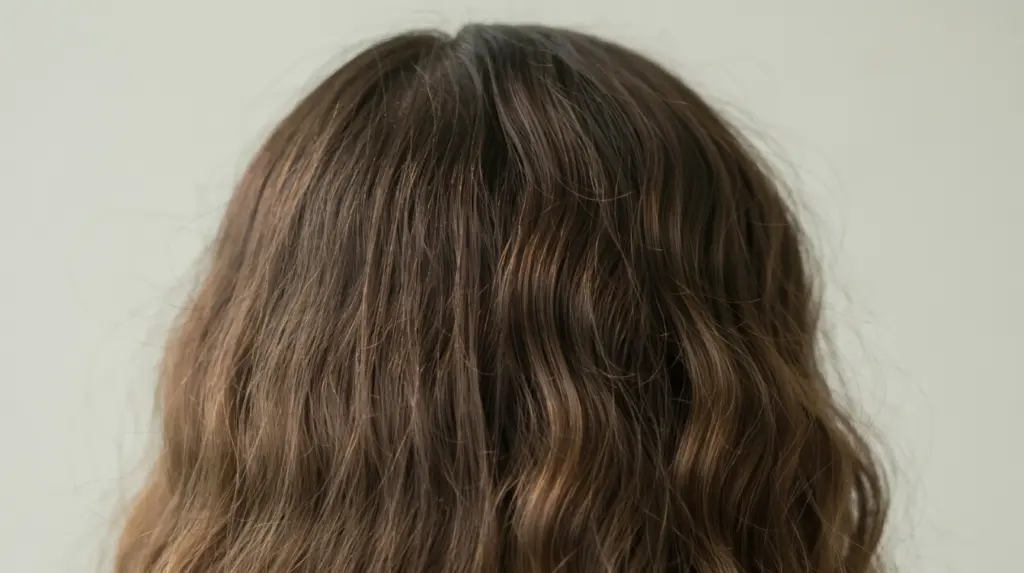
Many people stare at their Hair after a wash and wonder if it falls under 1C or 2A, since the two types often look almost the same on wet strands.
The confusion makes sense: 1C sits at the edge of straight Hair, while 2A carries the first hint of a wave, and both can flatten out or frizz depending on the day.
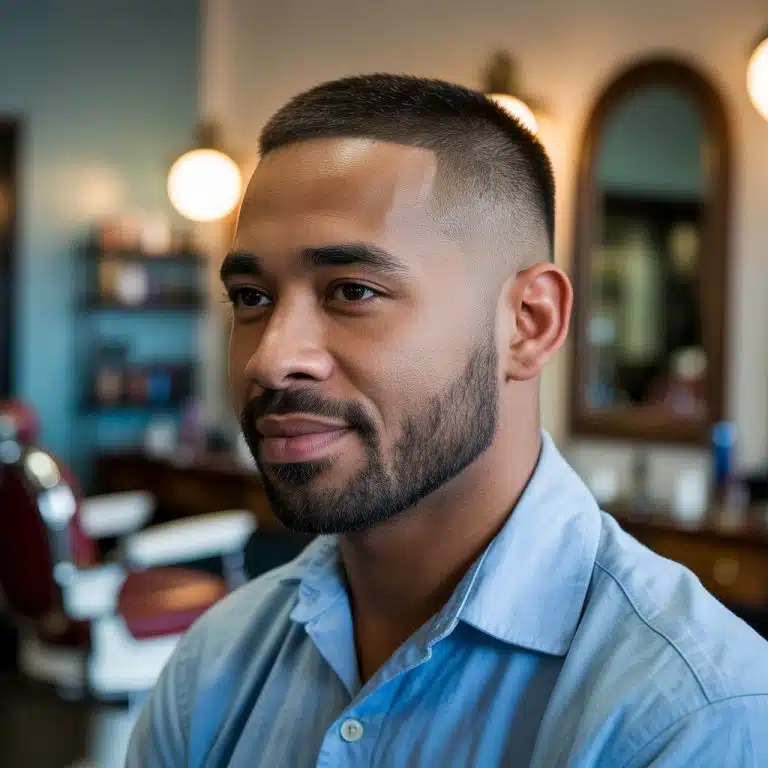
I still remember running my fingers through a client’s “straight” hair in my uncle’s barbershop and finding a stubborn wave right at the nape. Hair rarely commits to one pattern, and that’s the whole reason 1C vs 2A hair trips people up.
What Defines 1C and 2A Hair?
Both 1C and 2A Hair sit between straight and wavy textures, which is why many people find it difficult to identify their natural pattern. The difference becomes easier to notice when you look at how your Hair dries, moves, and responds without styling products.
1C Hair falls at the straight end of the hair typing chart, though it carries small signs that set it apart from fully straight strands. It’s often mistaken for plain straight hair, even though it genuinely holds more texture than expected once you look closely.
2A Hair marks the start of the wavy category, where strands begin to bend into soft, loose shapes instead of lying flat. It can look almost straight when wet, revealing its true wave pattern only once it fully air-dries, which is part of why it surprises so many people.
1C vs 2A Hair: Key Differences

1C and 2A Hair can look similar at first, but their natural pattern, texture, volume, and styling needs create noticeable differences once you know what to look for.
1. Hair Pattern
1C Hair stays mostly straight but has more texture than other straight hair types. It may show slight bends, especially near the ends, but it usually does not form a consistent wave pattern.
2A Hair is the beginning of the wavy category and naturally creates soft, loose S-shaped waves. The wave pattern is usually more visible through the lengths and becomes clearer after air drying.
2. Texture and Thickness
1C Hair is often thicker, denser, and has more natural body compared with other straight textures. It can feel heavier and may need lightweight products to add movement without creating buildup.
2A Hair is often softer and lighter, although strand thickness can vary. Since 2A describes the wave pattern rather than strand size, some people may have fine or coarse 2A Hair.
3. Volume and Movement
1C Hair usually gets volume from its thickness and density rather than a natural wave pattern. It may need styling products or techniques to create extra lift and texture.
2A Hair gets much of its movement from its natural waves. However, heavy creams and oils can weigh down the pattern and make the Hair appear flatter.
4. Frizz Behavior
Both 1C and 2A Hair can become affected by humidity and moisture changes, but the way frizz appears is often different.
1C Hair may look fuller, puffier, or harder to control because of its thicker texture, while 2A Hair may lose wave definition and appear uneven when the natural wave pattern becomes disrupted.
5. Styling Needs
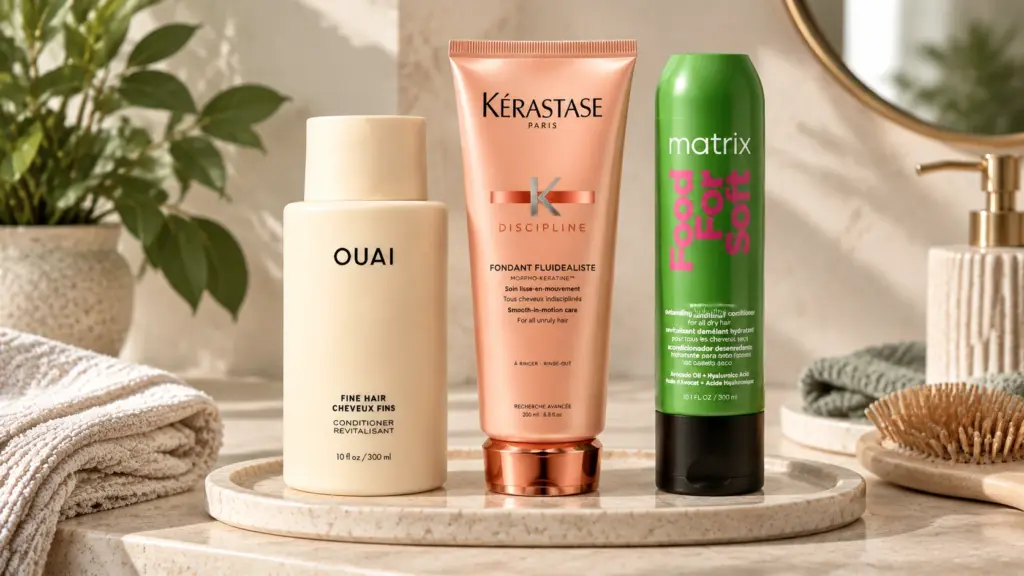
1C Hair usually works well with lightweight volumizing sprays, texturizing products, heat protectants, and softening conditioners that add movement without removing natural body.
2A Hair often benefits from lightweight mousses, wave-enhancing products, leave-in sprays, and gentle drying methods that help maintain its loose wave pattern without adding weight.
Understanding these differences makes it easier to identify your Hair type and choose products that support your natural texture instead of working against it.
How to Tell If Your Hair is 1C or 2A?
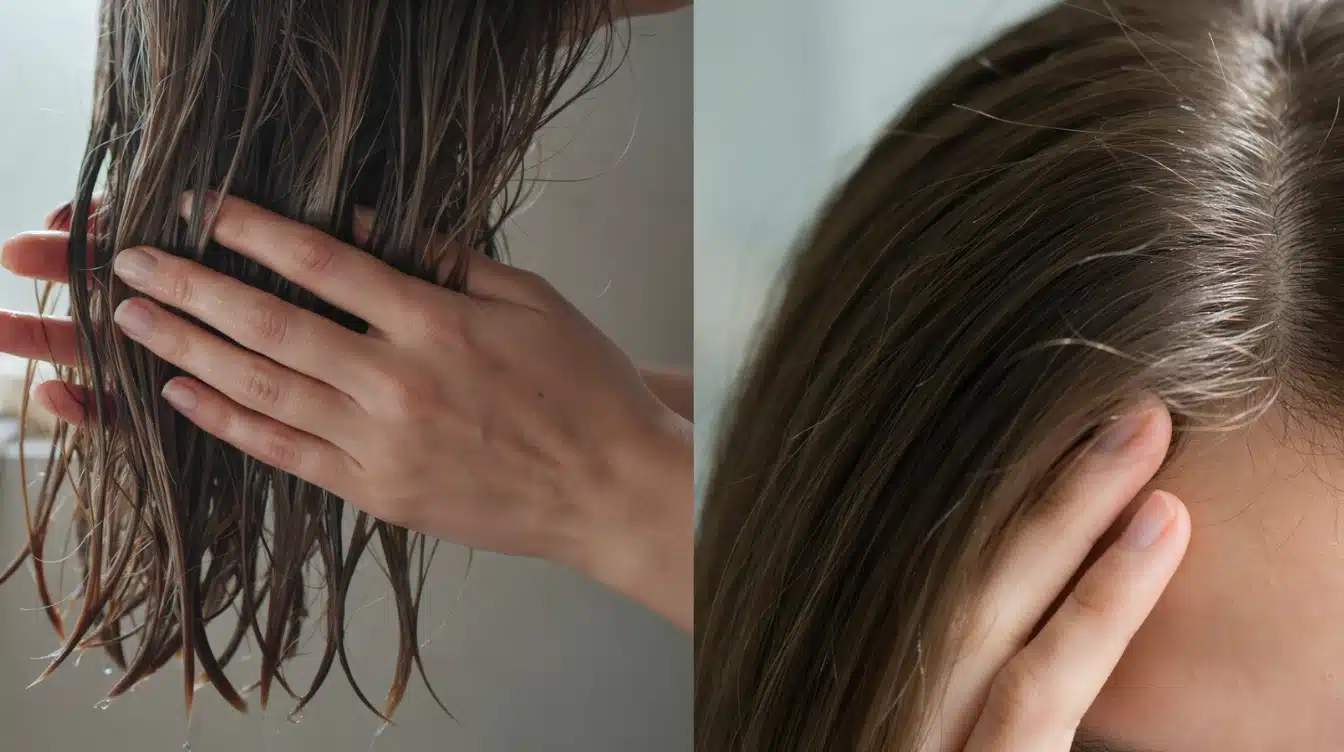
The easiest way to identify your hair type is by watching how your natural texture behaves after washing and drying. The way your hair forms, moves, and reacts to moisture reveals whether it leans closer to 1C or 2A.
- Check How Your Hair Dries Naturally: Let your hair air dry without brushing or heavy products. If it stays mostly straight with slight bends, it is likely 1C. If it forms loose waves through the lengths, it is closer to 2A.
- Look at Your Roots and Length: Check different sections of your hair because patterns can vary. 1C hair usually stays flatter near the roots, while 2A hair may look straight at the scalp but develop waves toward the ends.
- Avoid Judging Wet Hair: Wet hair can hide its true pattern. 2A hair may look straight after washing but reveal waves once dry, so always check your hair in its natural dry state.
- Notice Humidity Changes: Humidity offers extra clues. 1C hair may become fuller without forming waves, while 2A hair may lose definition or show more movement.
- Test the Front Pieces First: In my years cutting hair, the pieces framing the face show the truest pattern, since layers and product buildup weigh down the rest of the head less there. Check these strands before you judge the whole head.
Observing your hair in its natural state is the best way to identify your pattern. Focus on how it dries and behaves instead of relying on one single feature.
Can Your Hair Be Both 1C and 2A?
Yes. Many people carry more than one texture pattern on their head, since hair rarely follows just one pattern from root to end.
- The crown commonly carries a touch more wave, while the nape stays closer to straight, especially with layers cut in or years of heat damage
- Color treatments can shift a strand from a 1C texture toward a 2A pattern, or the other way around
- Seasonal humidity often has the same effect, pushing hair further toward its wavier or straighter end
- How you sleep, including which side you favor or whether you use a silk pillowcase, can also nudge a strand’s pattern over time
In my experience, the crown almost always tells a different story than the nape. Checking a few different areas of your head instead of relying on just one section gives a clearer, more accurate picture of your actual hair type.
Where 1C and 2A Actually Blur into 1B and 2B
Most 1c vs 2a hair confusion doesn’t come from mixing up two clean categories. It comes from Hair sitting closer to a neighboring type that never gets mentioned.
1B falls between 1A and 1C, showing more looseness and slight body without any real bend, while 1C stays flatter with barely any softness.
On the other side, 2B carries a tighter, more defined S-wave than 2A, holding its shape without falling flat as easily. If your Hair keeps testing as “a little of both” in the checks above, it may actually be 1B or 2B rather than 1C or 2A.
Knowing these neighboring types exist stops you from forcing your Hair into a box that never quite fits.
Best Hair Care Routine Tips for Each Type
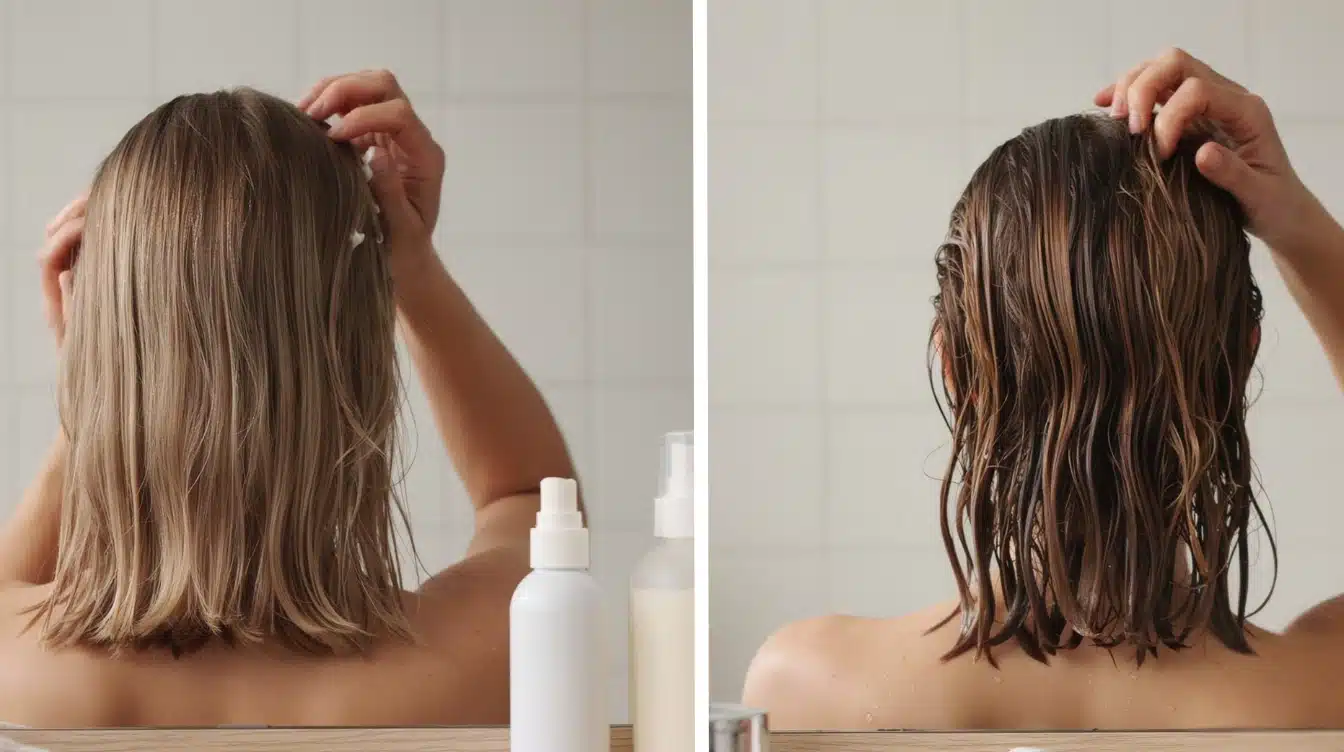
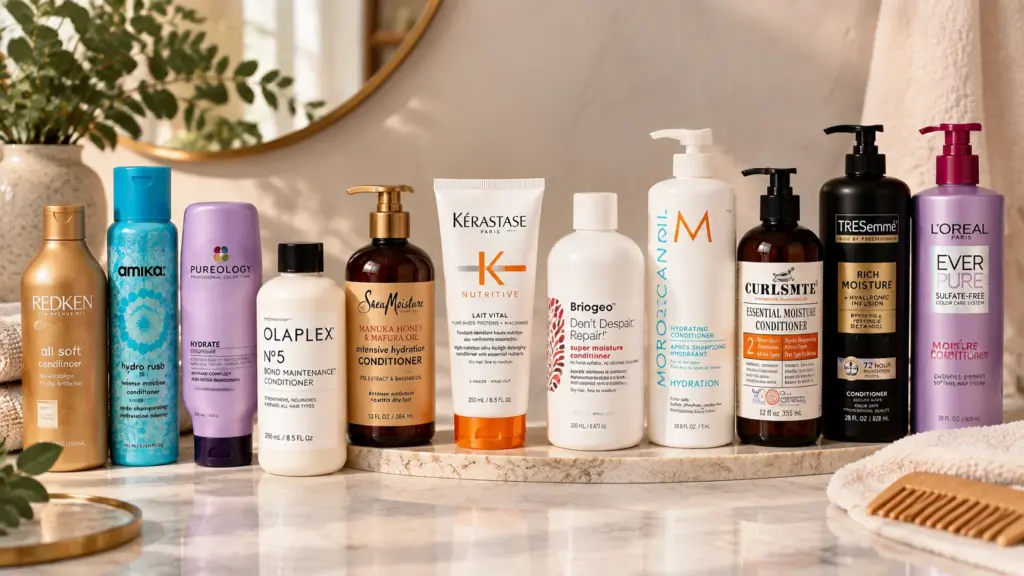
Once you know your pattern, picking the right products makes a bigger difference than most people expect, especially since both 1C and 2A hair tend to respond best to lightweight formulas rather than heavy, rich ones.
For 1C Hair:
- Use light leave-in conditioners instead of heavy creams
- Wash two to three times a week to avoid buildup
- Add a texturizing spray for extra body at the roots
- Apply heat protection before any hot tool use
For 2A Hair:
- Choose a mousse or gel made for loose waves
- Scrunch damp Hair instead of brushing it out
- Skip heavy oils that weigh down the wave pattern
- Air dry when possible, or diffuse on a low setting
These small changes in product choice and daily routine often create the biggest visible difference, since both hair types respond well to lighter formulas and gentler handling once you stop over-treating them.
Common Mistakes when Caring for 1C and 2A Hair
Using unsuitable products or styling techniques can make your natural texture harder to manage. Knowing the common mistakes for each Hair type helps you maintain better volume, movement, and definition.
| Category | 1C Hair Mistakes | 2A Hair Mistakes |
|---|---|---|
| Product Choice | Using too many smoothing products or heavy oils that flatten Hair | Using thick curl products that weigh down waves |
| Moisture Balance | Over-moisturizing and reducing natural volume | Applying too much product that removes wave definition |
| Styling Habits | Treating it like completely flat, straight Hair | Brushing waves after Hair dries |
| Texture Support | Using products that remove natural body | Skipping lightweight products that support waves |
Choosing products and styling methods based on your actual Hair pattern helps your texture look more natural while keeping its volume, movement, and definition balanced.
Final Thoughts
Telling 1C and 2A hair apart comes down to a handful of small, checkable signs: how it dries naturally, how it lifts at the roots, and how it holds up in humidity.
Most confusion happens because hair doesn’t fit neatly into one category from root to end, or because a texture sits closer to a neighboring type like 1B or 2B.
Once you know which pattern you’re genuinely working with, choosing the right products and the right haircut both get a lot less like guesswork.
If you’ve been switching between 1C and 2A formulas without much luck, spend one wash day running through the checks above before buying anything new.
Frequently Asked Questions
Does Hair Length Affect Whether You Have 1C or 2A Hair?
Yes, length can influence how your pattern appears. Longer hair may look straighter because the weight pulls waves down, while shorter cuts can reveal more natural movement and texture.
Can Heat Styling Permanently Change 1C or 2A Hair Patterns?
Frequent heat styling can damage the hair structure and temporarily affect how your natural texture appears. Excessive heat may make waves less defined or create uneven patterns due to dryness and breakage.
Which Hair Type Holds Hairstyles Longer, 1C or 2A?
It depends on the style. 1C hair often holds sleek looks well because of its straighter structure, while 2A hair may hold textured styles better when products support the natural wave.
Is 2A Hair Considered Low-Maintenance?
2A hair can be easy to manage because it does not require heavy styling, but it still needs the right balance of moisture and lightweight products to prevent flatness, frizz, and loss of natural wave definition.