Ever pull a comb through your hair after applying pomade and second-guess what just came out with it?
That reaction is more common than people admit, and it usually shows up right after someone starts using product every day.
The worry snowballs from there: was that normal shedding, or is the pomade actually to blame? Before jumping to conclusions, it helps to separate fact from assumption.
Below, we’ll look at what actually happens when pomade sits on your hair and scalp, where real risks show up, and what’s misplaced blame.
Is Pomade Bad for Your Hair?
On its own, pomade is not bad for your hair. Most formulas use oils, waxes, or water-based conditioning agents designed to coat the hair shaft and hold it in place, not break it down.
The confusion usually comes from mixing up three separate issues: hair loss, hair breakage, and scalp irritation, and telling shedding versus hair loss apart is often the hardest part.
Pomade has not been proven to directly cause permanent hair loss like genetic or hormonal conditions.
It can, in some cases, contribute to breakage or irritation if it’s left on too long, applied too heavily, or paired with poor washing habits. The honest answer depends far more on the person’s routine than on the product itself.
Does Pomade Damage Hair or Cause Hair Loss?
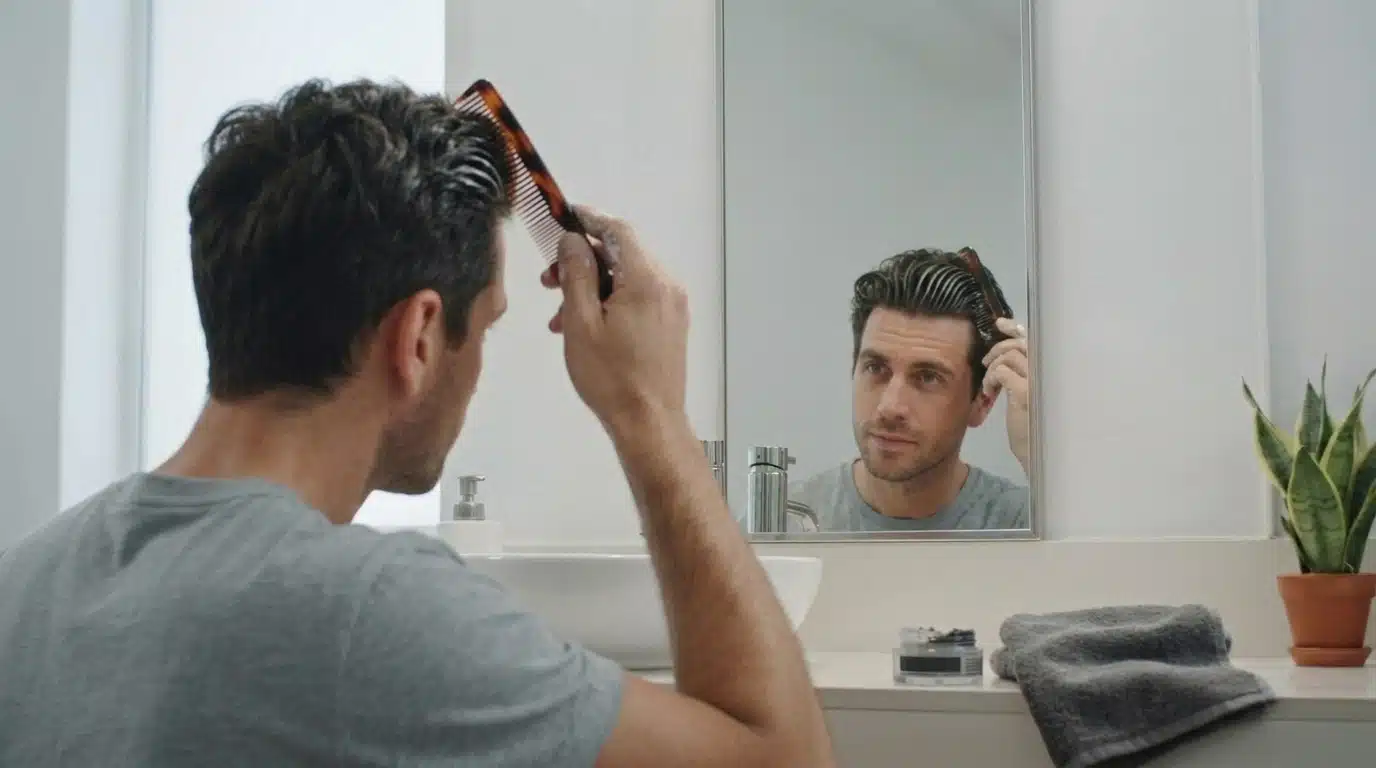
man styling hair with pomade showing realistic scalp and hair texture in bathroom setting. Pomade is designed to coat and style the hair shaft rather than interfere with the biological process responsible for hair growth.
Current evidence does not establish regular pomade use as a direct cause of permanent baldness, the kind tracked in resources on hormonal hair conditions. The concerns associated with styling products are more commonly related to scalp health and hair care practices.
Potential issues include:
- residue accumulating on the scalp and hair
- irritation from fragrance or other ingredients
- dryness that makes strands more prone to breakage
- excessive pulling while creating tight hairstyles
That distinction matters. A product can make hair feel dry, heavy, or difficult to manage without damaging the follicle responsible for producing new hair.
When Pomade May Cause Problems
Most complaints about pomade trace back to a handful of predictable causes. None of them are dramatic, but each one is worth knowing so you can catch a problem early instead of guessing at the cause later.
1. Scalp Buildup and Blocked Follicles
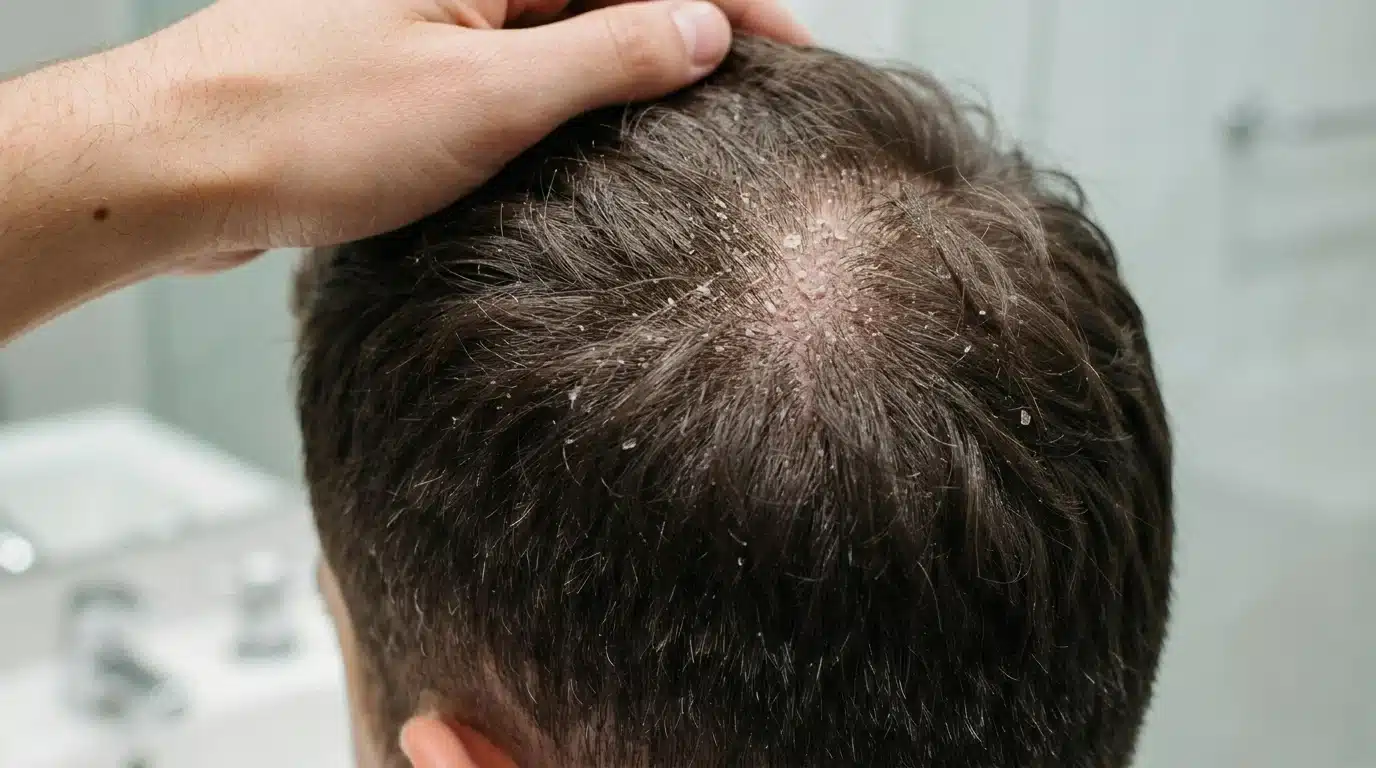
Buildup happens when product residue accumulates faster than your washing routine removes it. Heavy, oil-based pomades are the biggest offenders since they cling to hair and skin rather than rinsing away easily.
Over time, heavy product residue may contribute to clogged pores, scalp bumps, or irritation, especially if it is not washed out properly, and keeping pores clear gets a lot harder the longer buildup sits. Using a thick, oil-based pomade daily without a proper wash afterward is a textbook setup for this kind of buildup.
2. Dryness and Hair Breakage
Some formulas with drying ingredients, such as high amounts of alcohol, may leave hair feeling dry or brittle. The FDA maintains public guidance on certain cosmetic ingredients that can affect hair and skin this way.
Dry hair becomes brittle, and brittle hair is more prone to snapping when you brush, comb, or style it.
This isn’t hair loss from the root; it’s breakage along the strand, which looks similar but has a different cause and a different fix. Switching to a more suitable formula may improve dryness and texture over time.
3. Scalp Irritation and Sensitivity
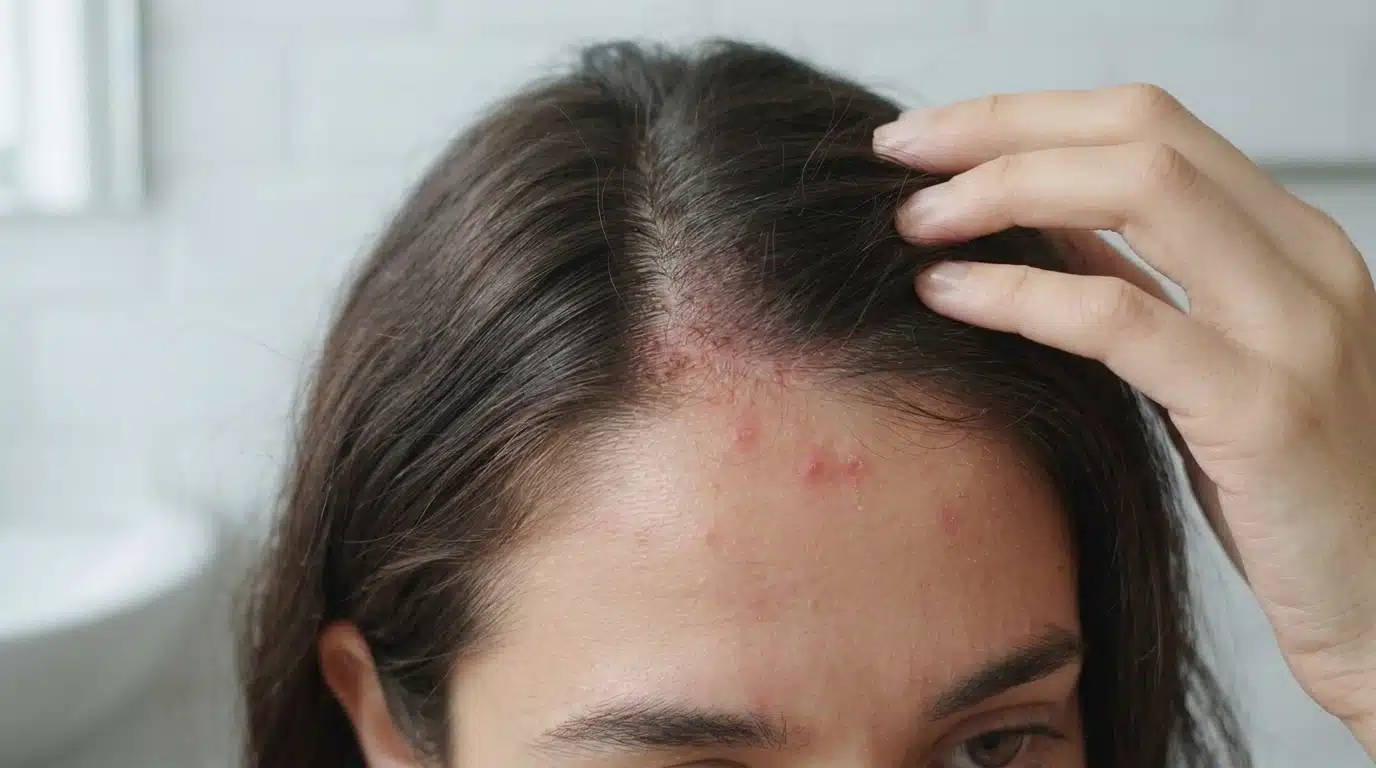
People with sensitive skin or existing scalp conditions, like eczema or dermatitis, may react to fragrances, preservatives, or certain oils in pomade, a pattern consistent with general contact dermatitis reactions.
Symptoms usually show up as redness, itching, or small flare-ups near the hairline. This reaction is about the skin, not the hair strand itself, and it typically clears up once the irritating product is dropped in favor of a gentler, fragrance-light option.
4. Traction From Tight, Daily Styling
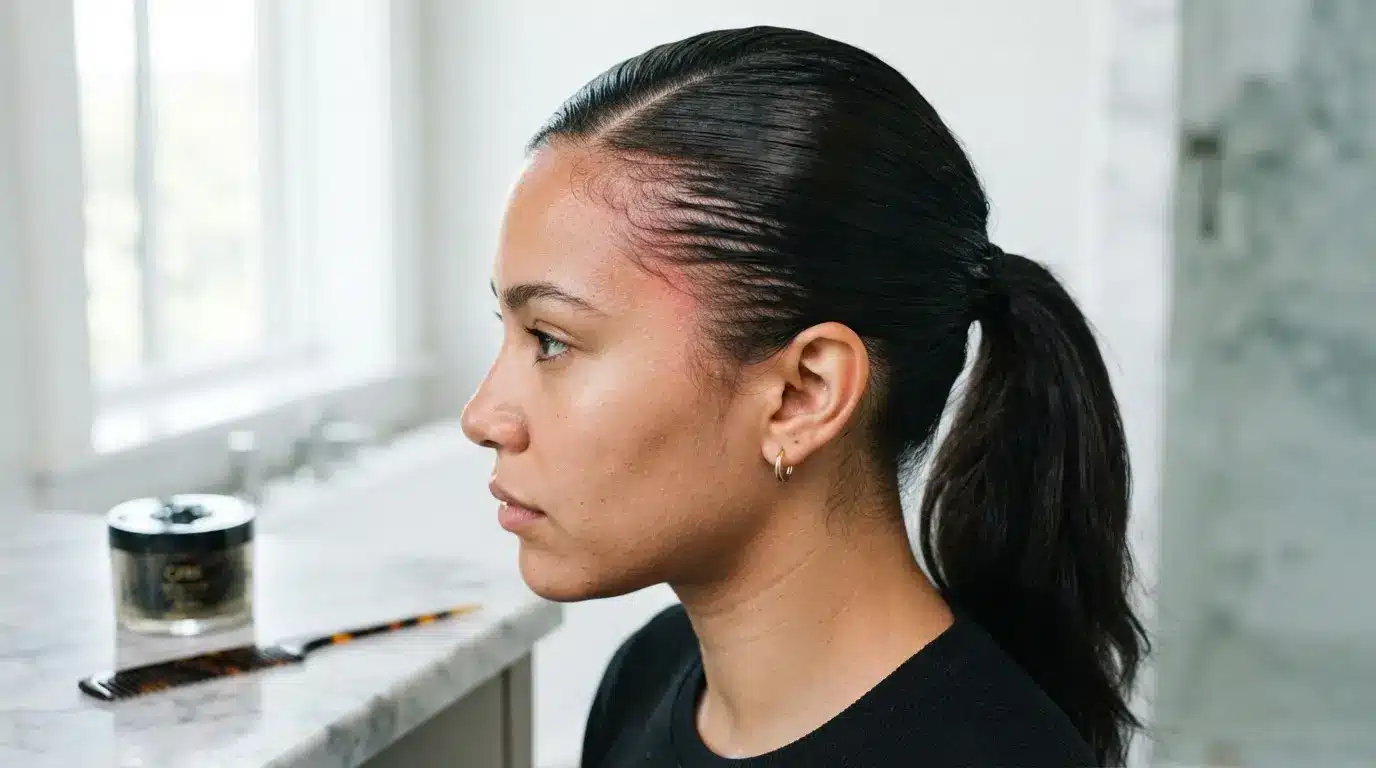
This one isn’t about the product at all. Slicking hair straight back with a hard hold every day pulls tension along the hairline, and repeated pulling can thin hair at the temples over months, regardless of which pomade is used.
In my chair, most “pomade is thinning my hair” worries turn out to be a slick-back held too tight for too long, not the product sitting on the strand. Catching early receding hairline signs helps rule out anything more serious.
Loosening the part, switching up the style through the week, or leaving a little more give at the hairline takes the tension off without giving up the finish
Comparing Pomade Types And Risks
Not all pomades behave the same way, and the base ingredient makes a real difference in how easy a product is to wash out and how likely it is to cause buildup. Here’s how the three main types stack up.
Oil-based pomade offers strong hold and shine but can be harder to wash out. Repeated use without proper cleansing may cause residue, especially on fine or oily hair.
Water-based pomade rinses out more easily and usually feels lighter, making it suitable for frequent use. Still, some formulas may contain ingredients that cause dryness or irritation.
Wax-based pomade provides texture and medium to strong hold. It can feel heavy on fine hair and may make strands stiff if too much is applied.
Choosing the right pomade depends on your hair type, scalp condition, and styling routine. Using less product and washing regularly helps reduce most common risks
Pomade vs. Other Styling Products
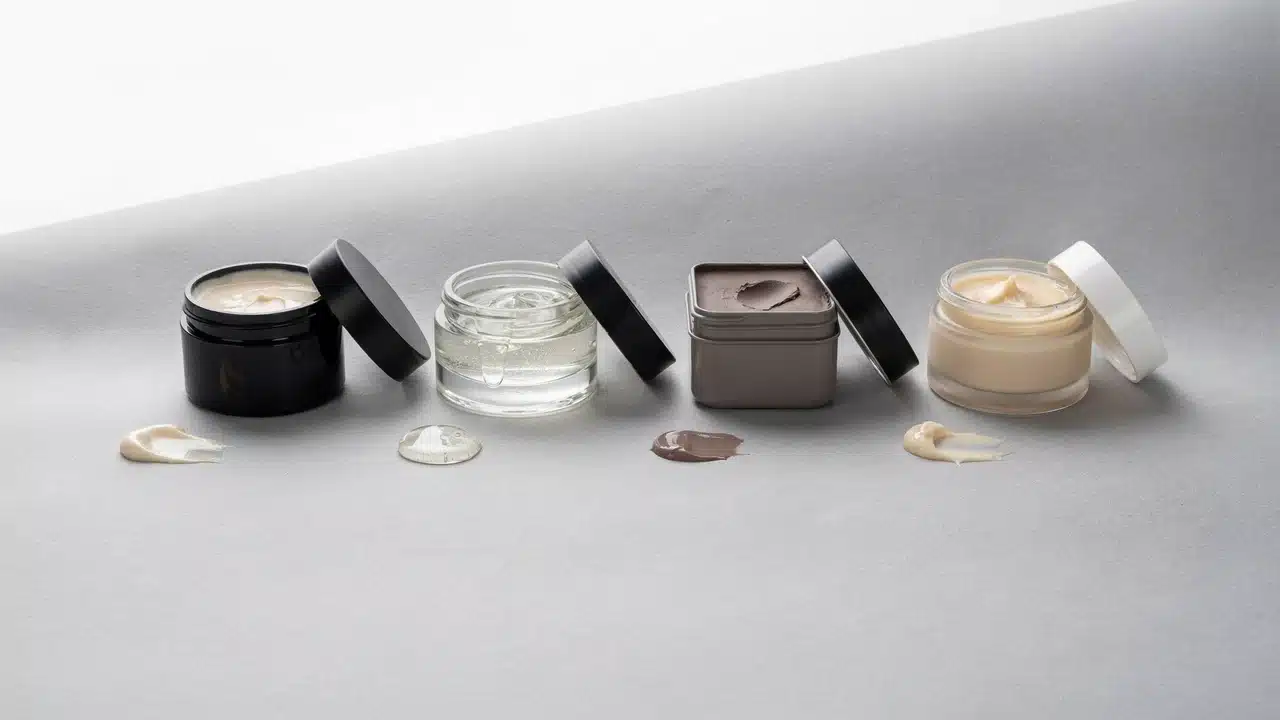
Pomade isn’t the only styling product on the shelf, and it’s worth seeing how it stacks up against the other common options before you commit to one.
| Product | Finish | Hold | Washability |
|---|---|---|---|
| Pomade | Shine to matte, depending on type | Medium to strong | Varies by base ingredient |
| Gel | High shine, can look wet | Strong, can flake if overused | Easy, rinses out well |
| Clay | Matte, textured | Medium | Easy, low residue |
| Wax | Matte to semi-matte | Medium to strong | Moderate, needs shampoo |
After comparing the main styling options, the right choice depends on your hair type, preferred finish, and how often you style.
Who Should Be More Careful with Pomade?
Most people can use pomade without problems, but some situations call for extra caution. Consider changing your product or routine if you:
- regularly develop pimples around the hairline
- experience itching or redness after application
- have persistent scalp dermatitis
- notice considerable residue between washes
- have very dry or fragile hair
- regularly wear tightly pulled hairstyles
- see increasing breakage while styling
A lighter formula, smaller amount, looser hairstyle, or improved cleansing routine may resolve mild product-related problems. However, continued hair loss should not automatically be blamed on styling products.
Choosing the Right Pomade For Your Hair
The right pomade depends on your hair type, scalp condition, and styling needs. Selecting the right formula can help you get the desired look while reducing issues like heaviness or buildup.
| Hair Type/Scalp | Recommended Pomade Type | Why It Works |
|---|---|---|
| Fine hair | Lightweight water-based pomade | Adds hold without making hair look flat or weighed down |
| Thick or coarse hair | Oil-based pomade | Provides stronger control for heavier hair types |
| Sensitive or dandruff-prone scalp | Fragrance-light, water-based pomade | May feel lighter and reduce the chance of irritation |
| Curly or textured hair | Light wax or water-based pomade | Helps define curls while keeping a natural feel |
Choosing a pomade that fits your hair and scalp needs can make styling easier while helping prevent common concerns like excess product buildup or discomfort.
When Hair Loss Needs a Dermatologist
Pomade is unlikely to explain every type of thinning. Consider seeing a dermatologist if you notice:
- rapidly increasing shedding
- bald or patchy areas
- a steadily receding hairline
- scalp pain or persistent inflammation
- scaling that does not improve
- thinning that continues after changing your styling routine
A dermatologist can distinguish common forms of hair loss from breakage or scalp irritation and recommend treatment based on the underlying cause.
Final Judgement
Turns out the fear around pomade is bigger than the actual risk. A little attention to the type you choose, how much you apply, and how well you rinse it out covers most of what matters.
So the next time you catch a stray hair in your comb, you’ll know what’s worth worrying about and what isn’t.
Keeping your hair looking sharp doesn’t have to mean guessing at what’s safe; it just takes a bit of know-how.
If you’ve noticed buildup or irritation lately, check your pomade’s base ingredient against the breakdown above; switching formulas is often a simpler fix than giving up on pomade entirely.
Frequenty Asked Questions
Does Pomade Cause Dandruff?
No. Dandruff comes from fungal or skin-related causes, not styling products. Pomade may worsen flakes if buildup mixes with existing scalp conditions, but it doesn’t cause them.
Can You Apply Pomade To Wet Hair?
Not ideally. Most formulas work best on towel-dried, slightly damp hair. Applying to soaking wet hair dilutes the product and weakens both hold and finish.
Is Pomade Suitable For Curly Hair?
Yes, especially lighter water-based or wax formulas. They add definition and control frizz without the stiffness heavier oil-based pomades can leave on curl patterns.
Does Pomade Expire Over Time?
Yes. Most pomades last 12 to 24 months unopened. Changes in smell, texture, or separation signal it’s time to replace the product.