Chlorine and sun taught me more about frizz than any product label ever did, coaching swimmers whose hair fought hydration all season.
A conditioner that leaves hair soft but still frizzy isn’t doing its full job, since frizz shows up when hair loses moisture faster than it can hold it.
The best conditioner for frizzy hair works differently. It repairs the outer layer of each strand, locks in hydration, and calms flyaways before humidity undoes your styling.
Ahead are seven picks across different textures and budgets, plus the routine and habits that quietly work against smooth hair. If frizz keeps returning, one of these best hair conditioner picks may be the step you are missing.
What Causes Frizz, and How the Right Conditioner Fixes It
Frizz happens when the outer layer of the hair strand, called the cuticle, lifts instead of lying flat. A raised cuticle lets moisture in and out too easily, so hair swells in humid air and dries out in dry air.
Heat styling, coloring, and rough towel drying all make this worse over time. I saw this constantly with clients straight from the pool. Chlorine and sun roughen the hair surface the same way they roughen skin, faster than most routines account for.
A good conditioner smooths that cuticle layer back down and refills the hair with moisture it has lost. Rinse-out conditioners give daily softness and make hair easier to detangle.
Leave-in conditioners add ongoing protection through the day, especially in humidity. Deep conditioning treatments go further, targeting hair that is very dry or damaged and needs more than a quick rinse.
My rule with any new conditioner is simple. Patch test it first, give it two weeks, then check in. I track how hair feels by day three and again by day seven, then adjust the amount or how often I use it from there. If you towel-dry roughly or skip conditioner after a hot shower, you are undoing some of that work before it even starts.
How I Picked These Conditioners
Chlorine and sun taught me more about frizz than any product label ever did, coaching swimmers whose hair fought hydration all season. Frizz happens when the hair cuticle lifts instead of lying flat, letting moisture swing in and out with humidity.
The best conditioner for frizzy hair smooths that cuticle back down and refills lost moisture. My rule with any new conditioner: patch test it, track how hair feels by day three and day seven, then adjust.
I chose these seven picks for ingredient transparency, fit for a real hair concern, and wide availability, checking marketing claims against ingredient lists rather than the label alone.
Best Conditioner for Frizzy Hair: Picks At a Glance
Conditioner | Best for | Price tier | Key ingredient |
|---|---|---|---|
Redken Frizz Dismiss | Thick, coarse, humidity-prone hair | Mid-range | Anti-frizz micro-oil blend |
Olaplex No. 5 | Damaged, color-treated, or bleached hair | Premium | Bond-building complex |
Briogeo Farewell Frizz | Curly and wavy textures | Mid-range | Rosehip, argan, coconut oil |
Moroccanoil Hydrating | Normal to dry hair | Mid-range | Argan oil |
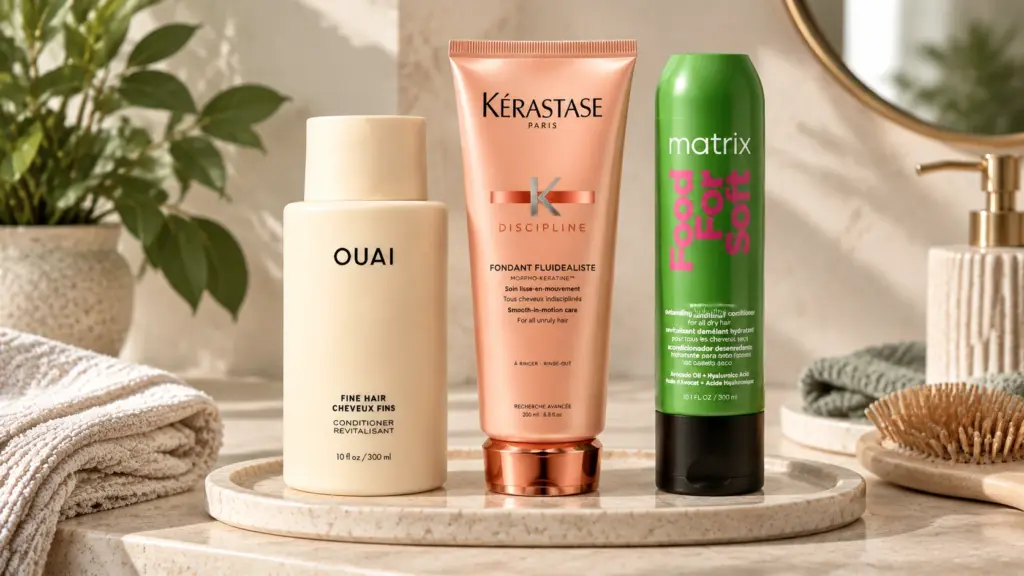
Kerastase Discipline | Thick, unruly, humidity-sensitive hair | Premium | Smoothing conditioning agents |
Matrix Food For Soft | Dry, tangled, everyday hair | Budget | Shea butter |
OUAI Fine Hair | Fine hair that frizzes easily | Mid-range | Keratin, lightweight conditioning agents |
Best Conditioner for Frizzy Hair
The right conditioner can transform frizzy hair by improving hydration, smoothness, and manageability. These expert-curated picks include formulas designed for dry, damaged, curly, and daily frizz concerns.
1. Redken Frizz Dismiss Conditioner
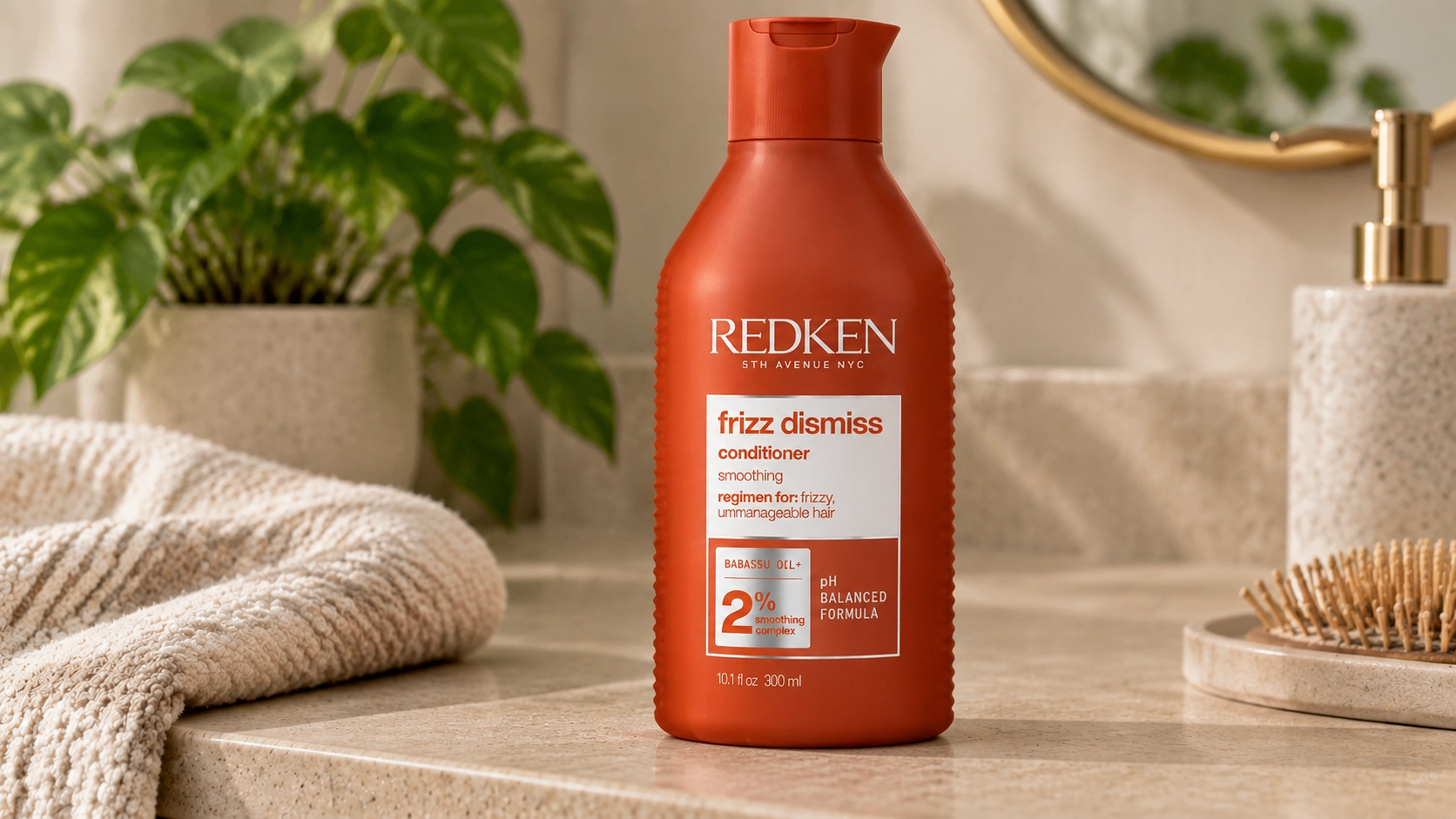
Redken Frizz Dismiss Conditioner targets the kind of frizz that shows up in humid weather or thick, coarse hair. Its anti-frizz micro-oil blend coats each strand to block out the excess moisture that causes flyaways in the first place.
Stylists often recommend it for hair that feels rough by midday, since the formula is built to hold up through humidity rather than just soften hair in the shower.
2. Olaplex No. 5 Bond Maintenance Conditioner
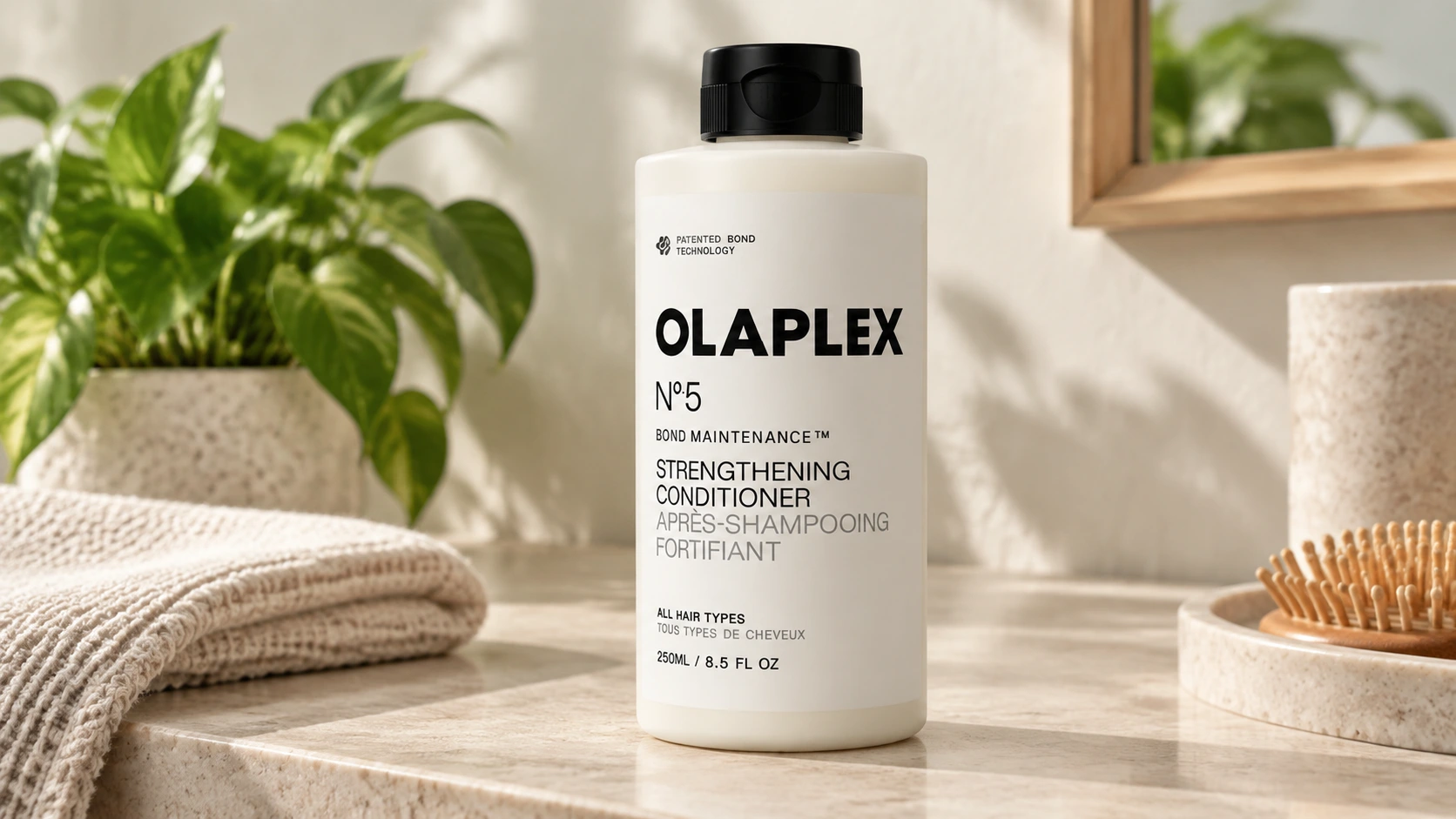
Olaplex No. 5 Bond Maintenance Conditioner uses the same bond-repairing approach as Olaplex’s professional treatments, reformulated for at-home rinse-out use. That makes it a strong option if your frizz comes from damage, bleaching, or frequent coloring rather than dryness alone.
Pairing it with Olaplex No. 3 before shampooing tends to compound the repair effect, which is why many stylists recommend using the two together
3. Briogeo Farewell Frizz Smoothing Conditioner
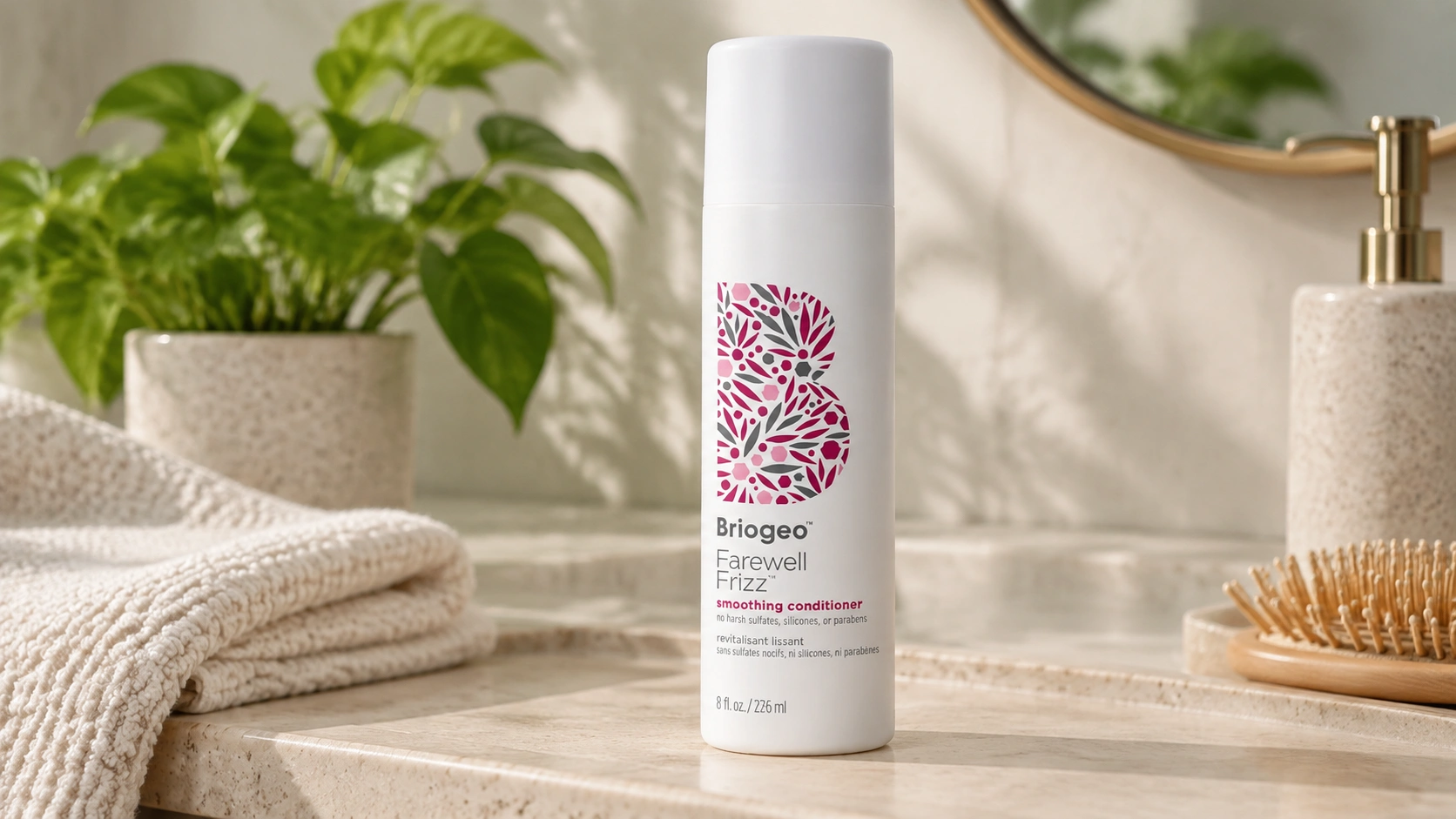
Briogeo Farewell Frizz Smoothing Conditioner leans on rosehip, argan, and coconut oils to hydrate without weighing curls down, which is the balance curly and wavy hair usually needs. Too much oil can leave curls limp; too little leaves them dry, and this formula aims for the middle ground.
Curl-focused reviewers frequently point to easier detangling as the standout benefit, which matters more for curly textures than straight hair, since that’s where curly hair care routines take the most time
4. Moroccanoil Hydrating Conditioner
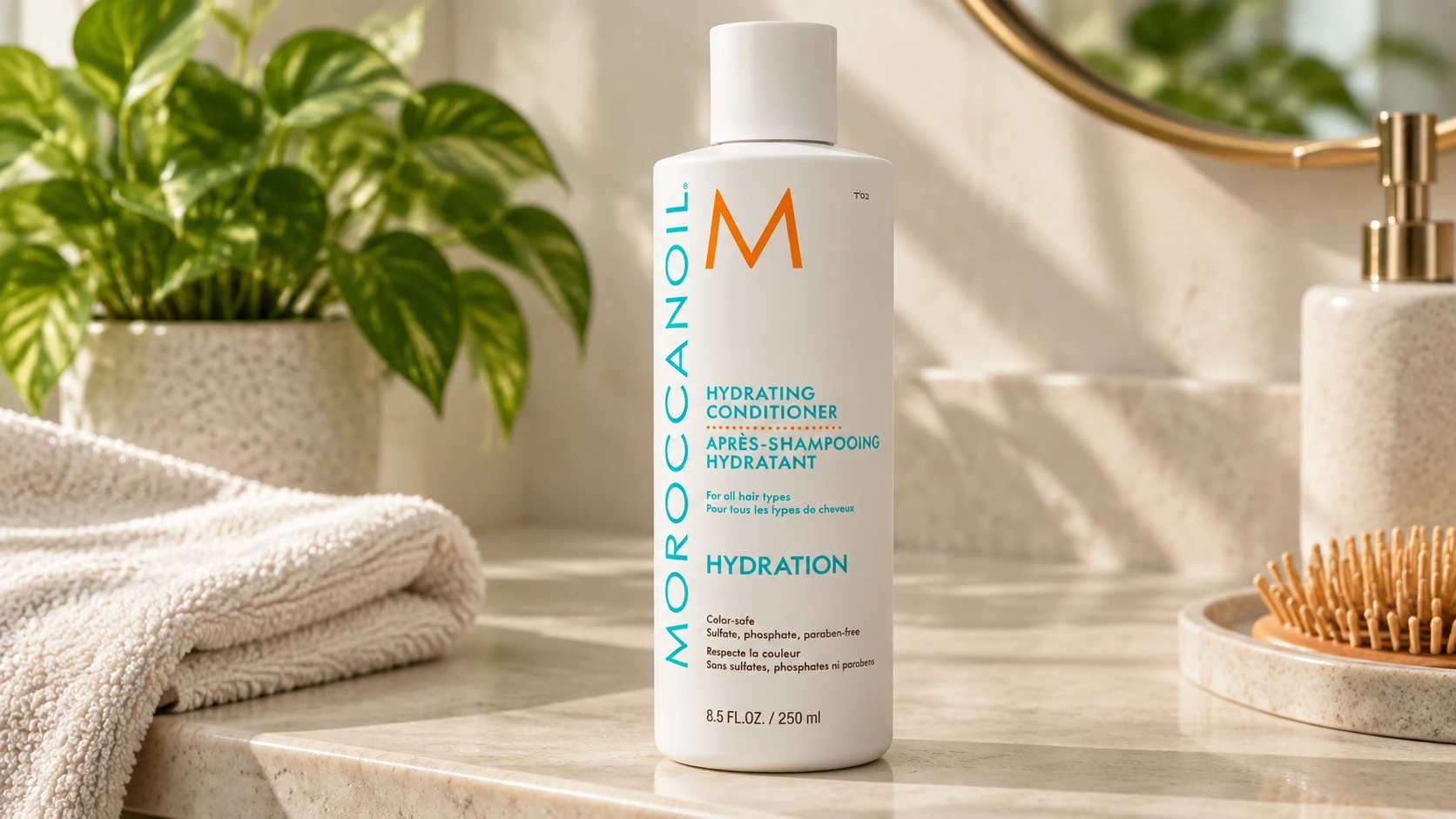
Moroccanoil Hydrating Conditioner uses argan oil to restore softness to hair that has lost moisture from everyday wear, not heavy chemical damage. It works well as a daily conditioner for normal to dry hair that just needs consistent upkeep.
Because the formula is on the lighter side, it suits people who want smoother hair without a strong scent or heavy residue, which is what keeping hair soft daily should feel like.
5. Kérastase Discipline Smoothing Conditioner
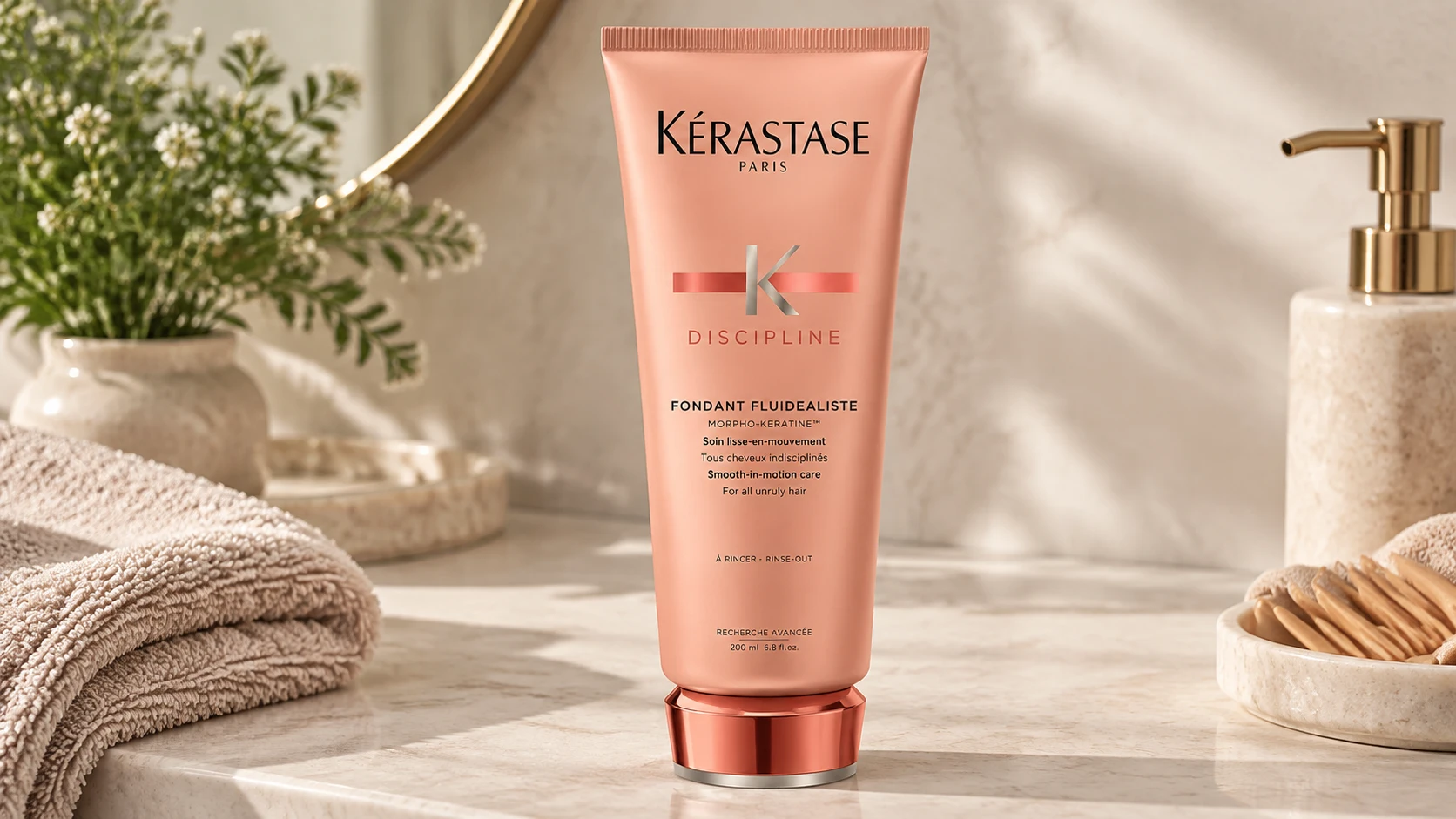
Kérastase Discipline Smoothing Conditioner is aimed at hair that puffs up and resists styling, not just hair that feels dry. The smoothing formula adds control and flexibility so styles hold longer in humid conditions.
This one sits at a higher price point, so it tends to make the most sense for thick or very unruly hair rather than mild, occasional frizz.
6. Matrix Food for Soft Detangling Hydrating Conditioner
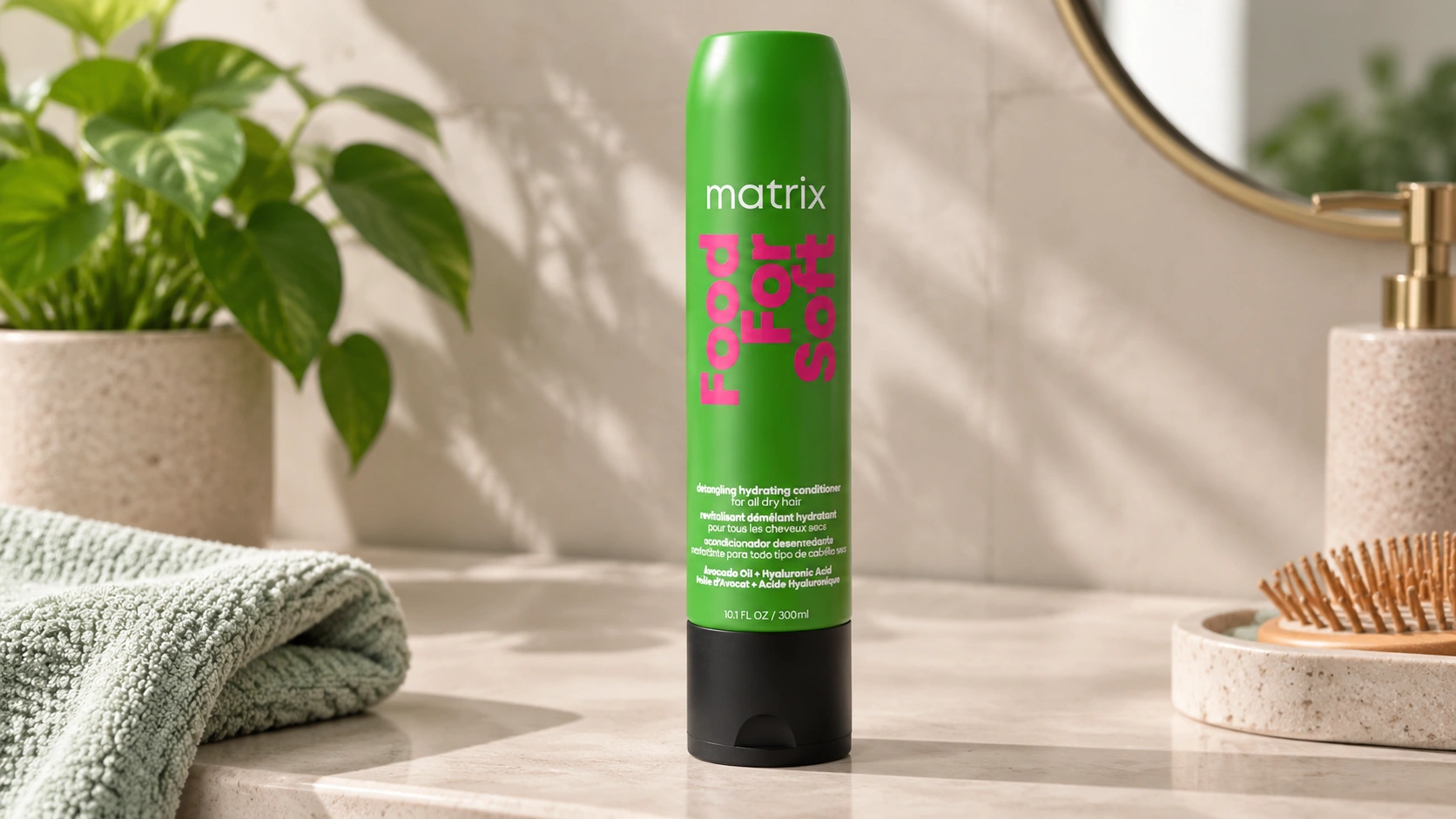
Matrix Food for Soft Detangling Hydrating Conditioner is a straightforward, budget-friendly option built around shea butter for daily hydration and easier detangling.
It does not have the targeted anti-frizz technology of pricier picks, but for dry, tangled hair that just needs more softness, it does the job without a complicated routine.
It is a reasonable starting point if you are not yet sure how much of your frizz is about damage versus plain dryness, especially if pool time and chlorine’s skin effects are part of the picture.
7. OUAI Fine Hair Conditioner
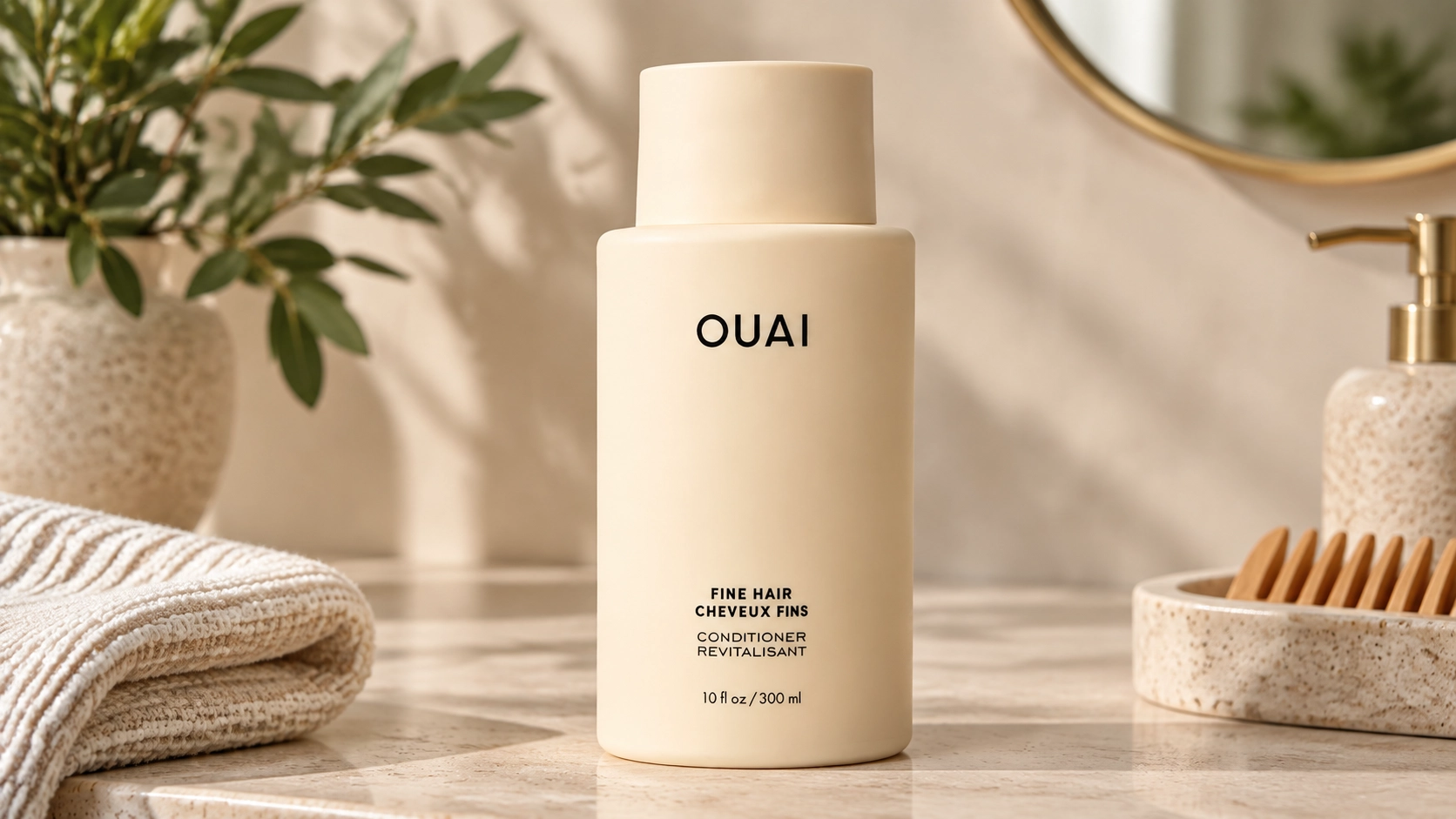
OUAI Fine Hair Conditioner is formulated for people who need moisture without the heaviness that weighs fine hair flat. Keratin and lightweight conditioning agents soften strands and calm dryness-related frizz while leaving roots and lengths with some lift.
Fine-haired users often find that heavier anti-frizz conditioners backfire by flattening hair, which is exactly the problem this formula is built to avoid.
These seven picks cover different causes of frizz, from dryness and chemical damage to fine hair that cannot handle heavy formulas. The best hair conditioner for you depends less on the brand name and more on which of these causes matches your hair.
How to Choose the Right Conditioner for Your Hair Type
The ideal conditioner depends on your hair’s specific needs, texture, and the cause behind frizz. Matching the formula to your concern helps improve softness, moisture balance, and overall manageability.
Hair concern | Conditioner type |
|---|---|
Dry and rough hair | Hydrating conditioner |
Curly frizz | Moisture-rich conditioner |
Heat damage | Repair conditioner |
Fine frizz | Lightweight conditioner |
Humidity problems | Anti-frizz formula |
Note: Choosing based on your hair concern helps avoid heavy formulas while providing targeted frizz control and hydration.
Finding the right match can make your routine more effective by addressing the reason behind frizz. A suitable conditioner supports smoother, healthier-looking hair.
How to Use Conditioner Correctly for Less Frizz
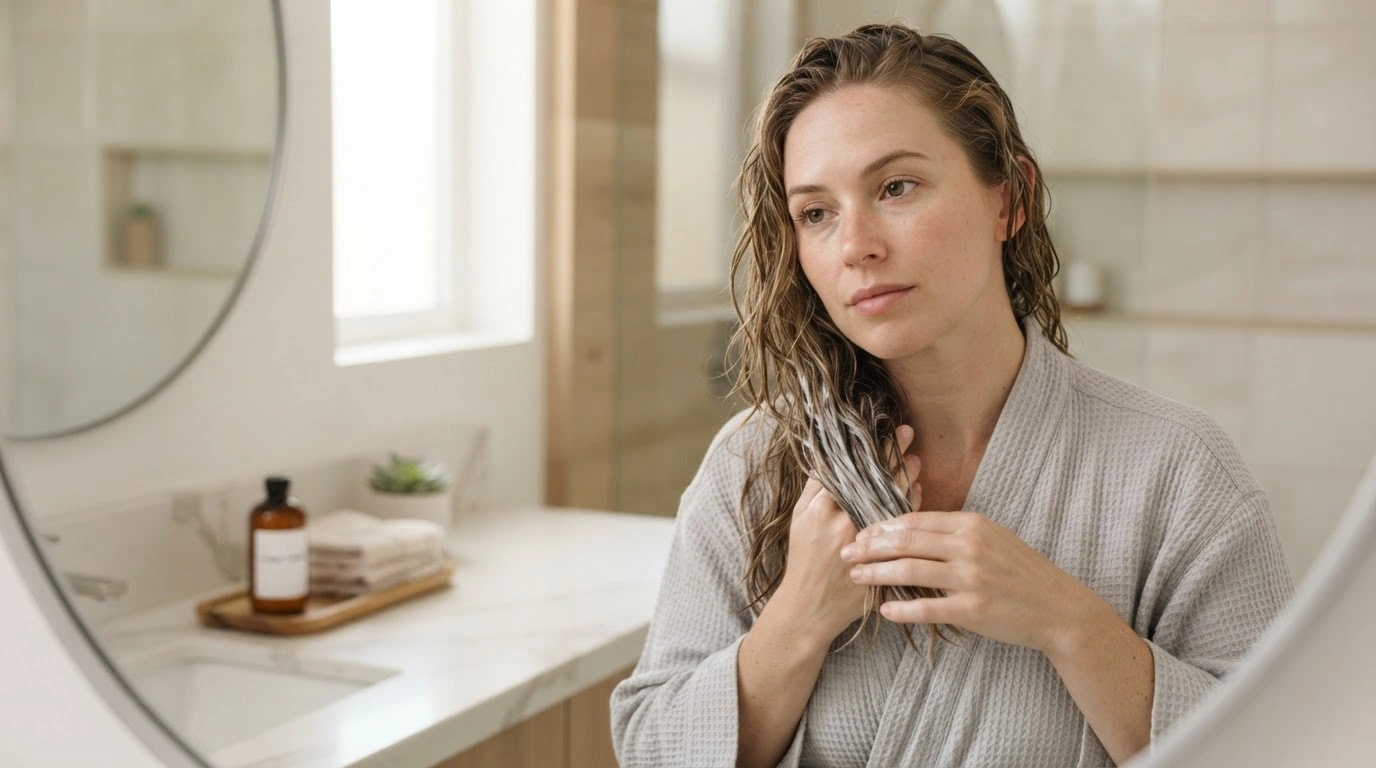
Using conditioner properly helps improve hydration, smoothness, and frizz control. A consistent routine allows conditioning ingredients to work better on your hair.
Step 1: Apply After Shampooing: Apply conditioner after you rinse the shampoo completely. Remove excess water first so the formula spreads evenly across damp strands.
Step 2: Focus on Mid-Lengths and Ends: Apply conditioner from the mid-lengths to ends, where dryness and damage are most common. Avoid the roots to prevent heaviness.
Step 3: Leave It for the Recommended Time: Leave the conditioner on for the time recommended on the label. This allows moisturizing ingredients to soften and smooth the hair.
Step 4: Rinse Properly: Rinse thoroughly to remove excess product. Proper rinsing helps prevent buildup that can make hair feel dull or heavy.
Step 5: Add Leave-In Protection When Needed: Use a lightweight leave-in conditioner on damp hair for extra moisture, frizz control, and protection during styling.
A proper conditioning routine helps keep hair softer, smoother, and more manageable with regular use.
Ingredients That Help vs. Ingredients to Watch
Not every conditioner ingredient works the same way for every hair type. Knowing what helps and what backfires makes it easier to pick a formula that actually fits your hair.
Worth looking for:
- Argan oil softens dry strands and improves smoothness without leaving hair greasy.
- Shea butter gives rich hydration to dry or coarse hair and improves flexibility.
- Keratin and proteins strengthen weakened strands and help with breakage and uneven texture.
- Glycerin pulls moisture into the hair, which supports softer strands over time.
- Ceramides help reinforce the hair surface for a smoother, more polished look.
Use with caution:
Not every frizz-fighting ingredient works for every hair type. Matching formulas to your texture helps prevent heaviness or buildup.
- Heavy formulas on fine hair can weigh down thin strands and flatten volume.
- Too much protein can leave certain hair types feeling stiff or brittle.
- Buildup-prone ingredients can leave residue that affects softness and movement over time.
- Mismatched formulas reduce effectiveness even if the ingredients themselves are good ones.
Once you know which ingredients suit your hair, checking labels becomes second nature. A quick glance can save you from buying something that looks promising but works against you.
Common Conditioner Mistakes that Can Make Hair Frizzier
Small mistakes in your conditioning routine can reduce results and make hair appear rougher or harder to manage. Avoiding these habits helps keep strands smoother and healthier-looking.
- Applying conditioner on the scalp: Can create buildup and make roots look greasy or weighed down.
- Using too little product: May leave dry areas untreated and prevent proper hydration throughout the hair.
- Skipping deep conditioning: Can reduce moisture support for severely dry, damaged, or frizz-prone hair.
- Overwashing hair: Frequent washing may remove natural oils and increase dryness that contributes to frizz.
- Using products that are too heavy: Rich formulas can flatten fine hair and make strands feel coated.
Choosing the right amount, formula, and routine helps your conditioner work effectively while keeping frizz under control.
Final Wash
Choosing the best conditioner for frizzy hair comes down to matching the formula to what is actually causing your frizz, whether that is dryness, damage, humidity, or fine strands that cannot handle heavy products.
The picks above cover those different needs, and the routine, ingredient, and mistake-avoidance tips fill in the rest of the picture so the product is not doing all the work alone.
Testing a few formulas against your hair type and climate is still the most reliable way to find your match, since no single best hair conditioner works the same for everyone.
Try one of these picks for a few weeks, then let me know in the comments which one tamed your frizz.
Frequently Asked Questions
Can conditioner completely remove frizz from hair?
Conditioner cannot permanently remove frizz, but the right formula can improve hydration, smoothness, and manageability while reducing the appearance of flyaways.
How often should I use a deep conditioner for frizzy hair?
Deep conditioning frequency depends on how dry or damaged your hair is. Many people see the best results using a treatment weekly or every other week.
Does silicone help or hurt frizzy hair?
Silicone can smooth the hair surface and reduce frizz in the short term, but it can also build up over time and make hair look dull if you skip a clarifying shampoo now and then. For most people, you don’t need to avoid silicone outright. It is something to balance with occasional buildup removal.
Can I use the same conditioner on color-treated or keratin-treated hair?
Not always. Bond-repairing formulas like Olaplex No. 5 are generally safe for color-treated hair, but keratin-treated hair often needs sulfate-free, low-heat products to avoid stripping the treatment early. Check your treatment’s aftercare instructions before switching conditioners; it’s worth the extra minute.