I logged my first fade as a teen apprentice in my uncle’s London barbershop, and the same rule has guided every cut since: work with the client’s real morning, not whatever look is trending online.
Scrolling through photos and still not finding cute hairstyles for teen girls that fit your own routine is a familiar problem in my chair.
Below, I have grouped teenage hairstyle looks by effort level, with notes on length, texture, face shape, and occasion, plus a time chart, styling hacks, and haircare habits that keep every look holding up past first period.
Quick Reference: Find Your Look in Seconds
This is the table I wish I could hand every client before they even sit down.
Effort Level | Time | Best For | Try These |
|---|---|---|---|
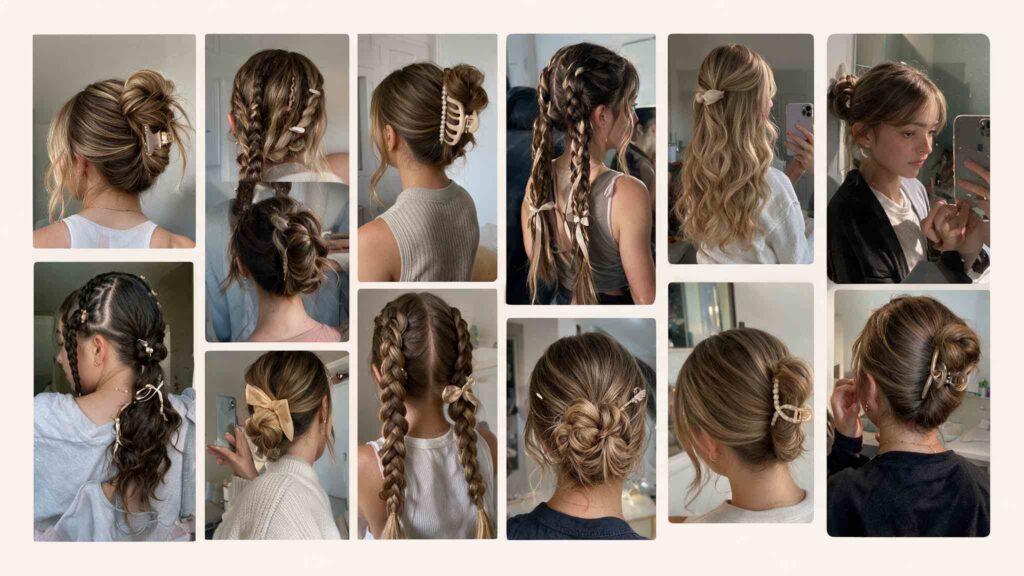
Rushed morning | Under 5 min | Overslept school days | High ponytail, claw clip updo, messy bun |
Everyday variety | 5 to 10 min | Regular school days | Space buns, bubble braid, half up styles |
A bit more polish | 10 to 15 min | Photo days, practice, sports | French braid, Dutch braid, crown braid, fishtail |
Special occasion | 20 min or more | Dances, prom, family events | Braided crown updo, chignon, Hollywood waves |
How to Pick the Right Hairstyle for You
In my chair, I ask four questions before touching a single strand. My craft comes down to precision: the small choices in cut and shape that decide whether a look survives once you leave the mirror.
- What does your hair actually do? A pixie cut cannot turn into a braid overnight, so length rules out some options immediately.
- How does your hair hold a curl or a braid? Curly and coily hair often needs different products and techniques than straight hair.
- What does your week look like? A style that falls apart during gym class will not survive a full school week.
- What is the occasion? A school style and a prom updo are solving two different problems.
Mix relaxed styles in with your tighter ones. Wearing tight hairstyles every single day can pull on the hairline over time, which is exactly what the American Academy of Dermatology Association has warned about.
Easy Cute Hairstyles for Teen Girls to Try Fast
Easy hairstyles solve the problem I hear most from teens in my chair: looking put together without spending twenty minutes in the bathroom before school. I picked these twenty for speed and reliability over complexity.
1. Classic Messy Bun
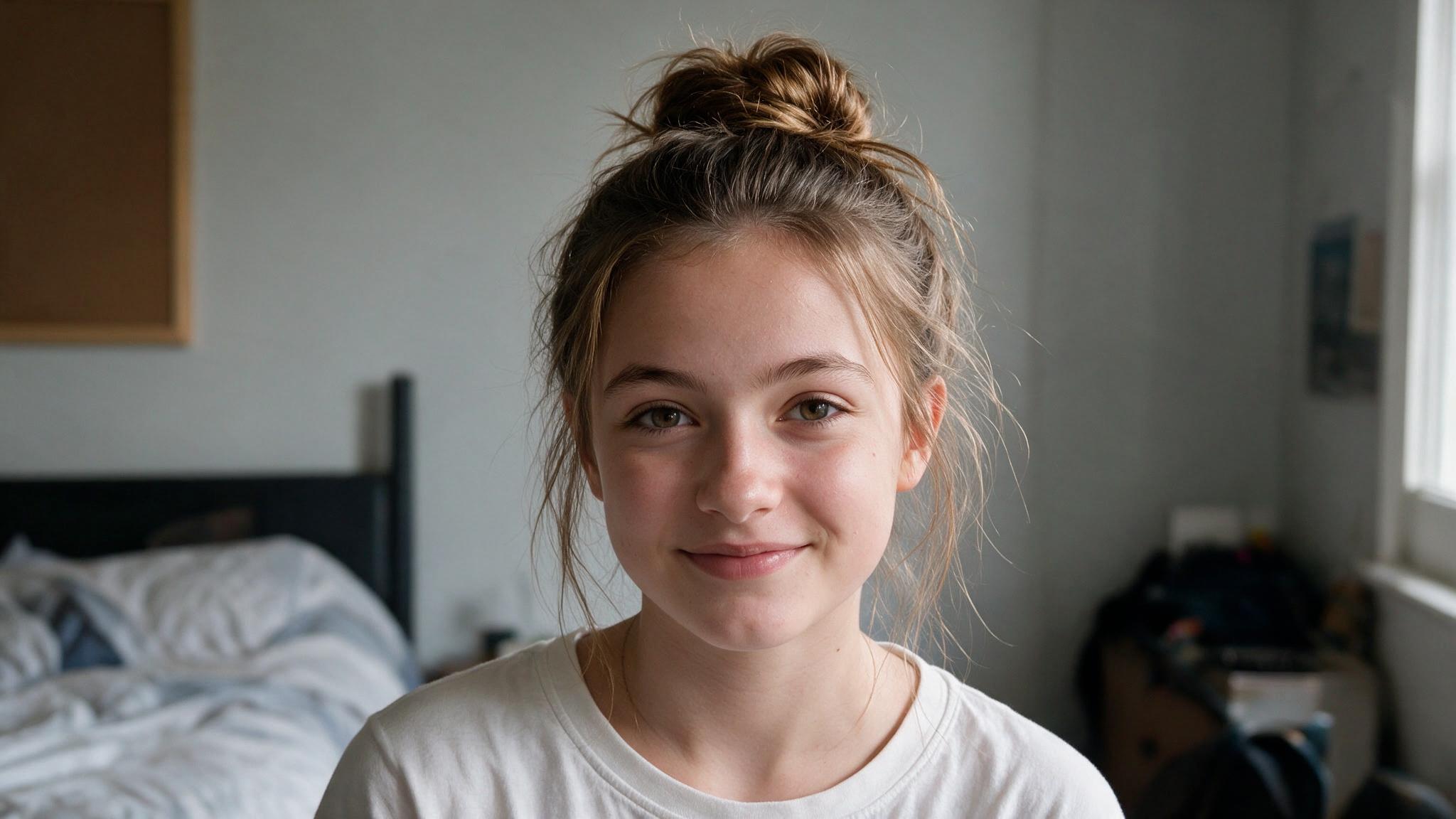
A messy bun stays one of the fastest options for busy school mornings, since it only takes gathering hair into a loose knot at the crown or nape. It works well on second-day hair and hides frizz easily, making it a reliable backup style rather than something reserved only for bad hair days, and it barely needs a mirror to check.
- Length: Medium to long hair works best
- Texture: Straight, wavy, or thick hair holds shape well
- Face shape: Flatters round and oval faces especially
- Lifestyle: Ideal for busy mornings and active days
- Occasion: Everyday school or casual wear
2. High Ponytail
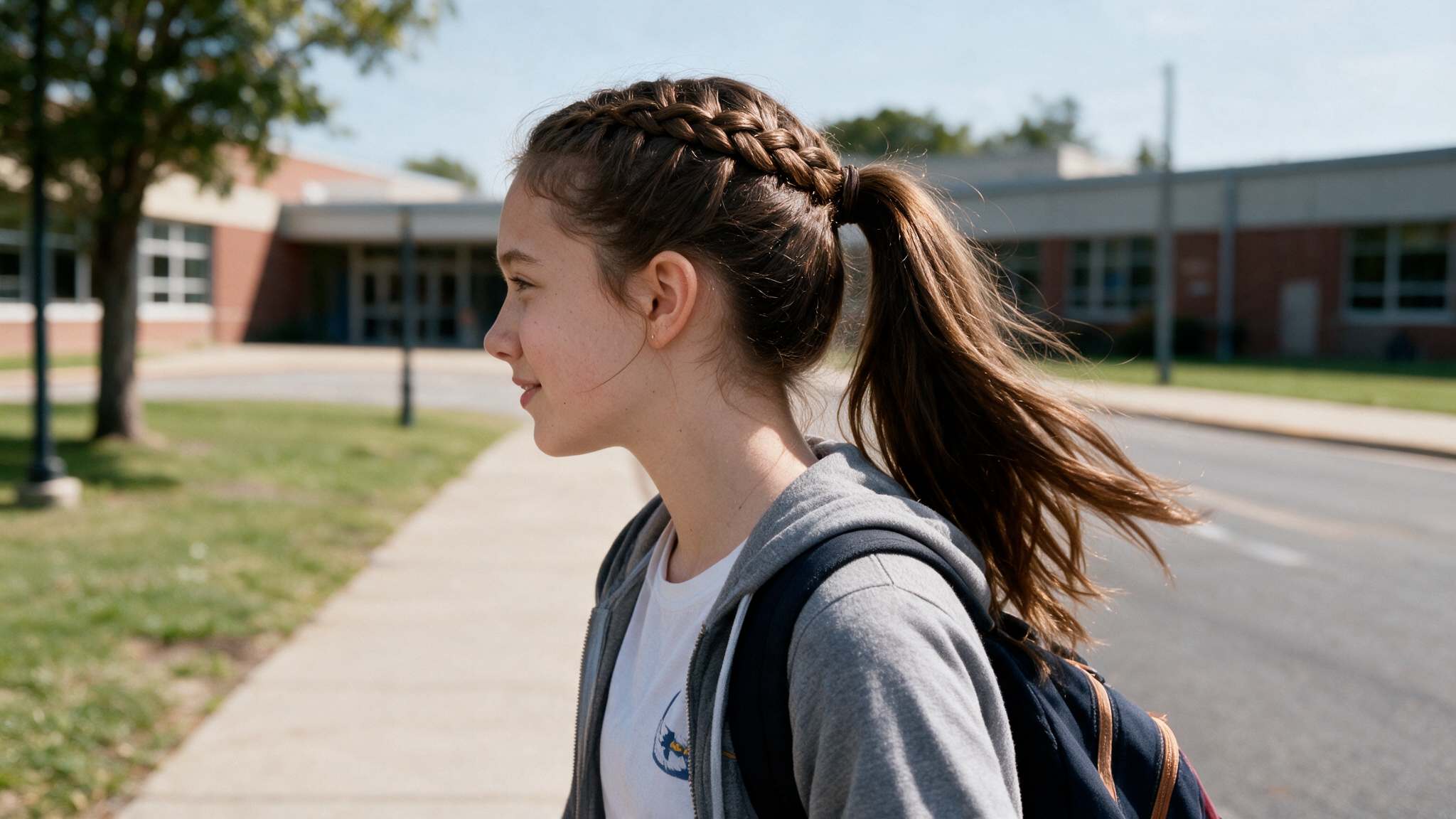
A high ponytail pulls hair off the face in seconds. It keeps hair off the neck during warmer months or gym class, and it pairs with almost any outfit. It is the first fix I show any client who’s running behind.
- Length: Shoulder length to long hair
- Texture: Straight or wavy hair holds the sleekest shape
- Face shape: Best on oval and heart-shaped faces, since the pulled-back top opens up the forehead
- Lifestyle: Great for sports and active schedules
- Occasion: School, gym class, or casual outings
3. Bubble Braid
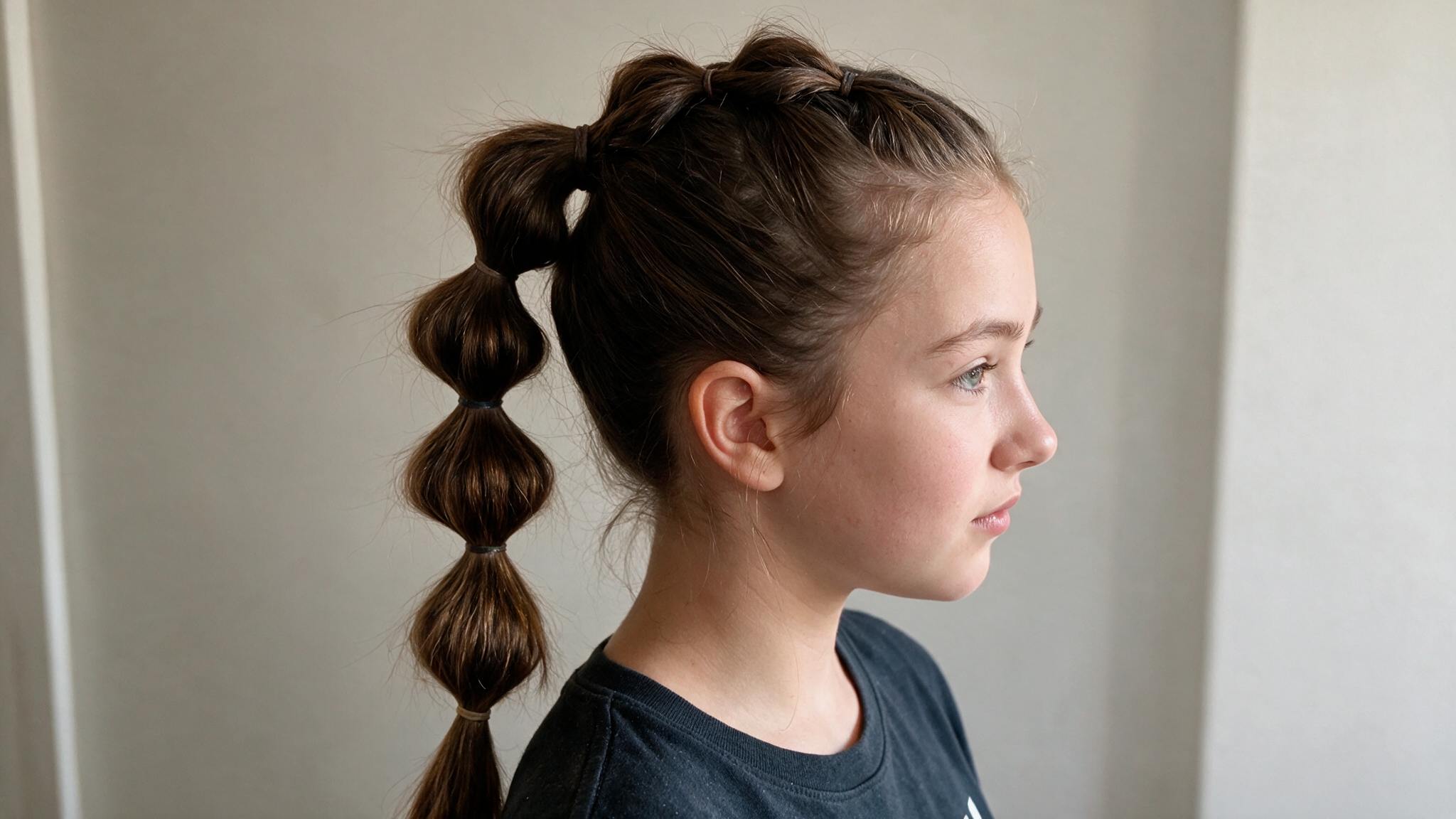
A bubble braid uses small hair ties spaced along a ponytail to create rounded sections that look far more intentional than the two minutes it actually takes. It photographs well and adds texture without requiring any braiding skill at all, and it works even on hair that usually resists holding a shape.
- Length: Medium to long hair
- Texture: Straight or wavy hair shows the bubble shape best
- Face shape: Suits most face shapes
- Lifestyle: Good for school or weekend plans
- Occasion: Casual outings and photo-friendly days
4. Half-Up Half-Down Style
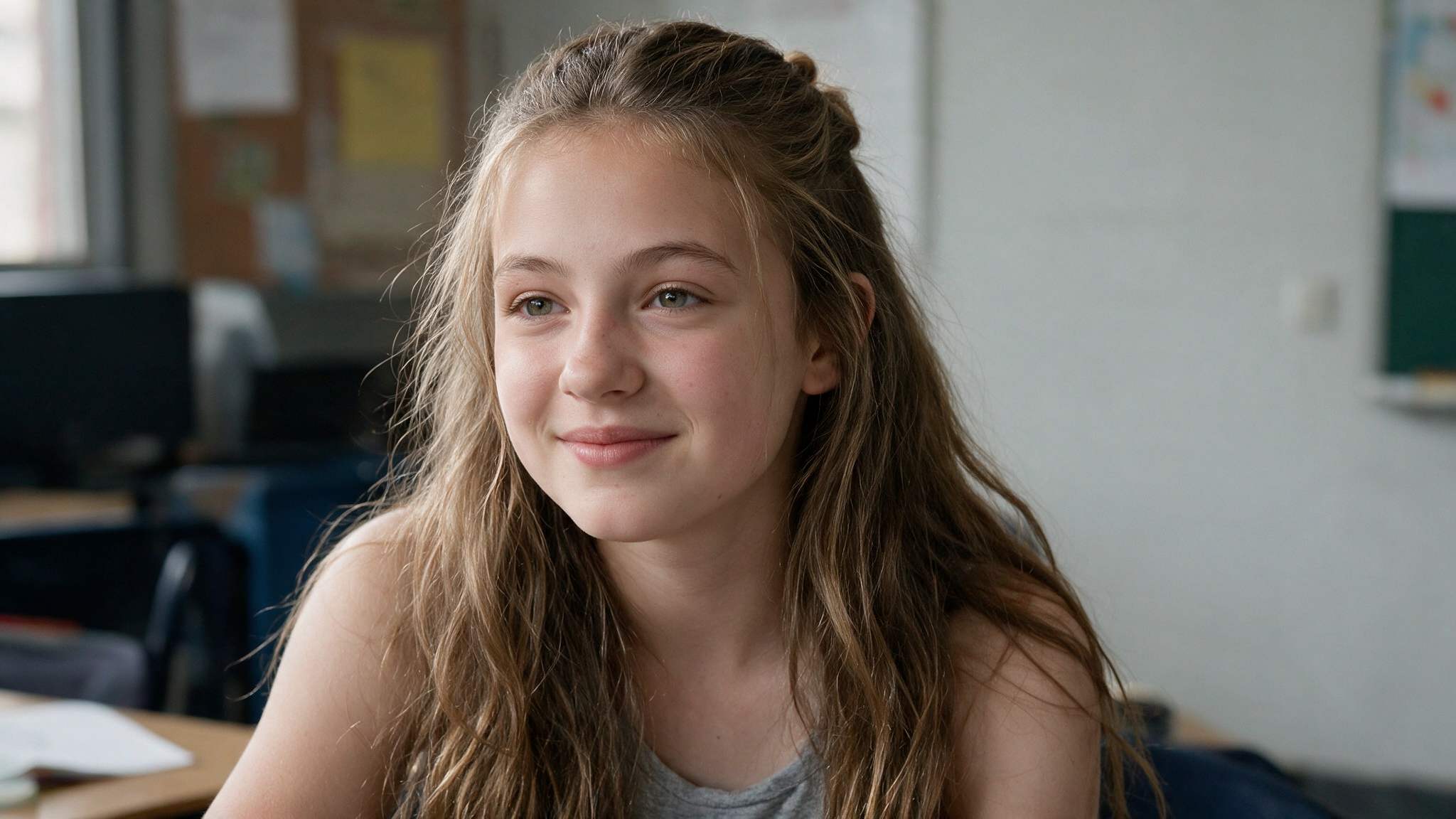
Pulling the top section back while leaving the rest down keeps hair out of the face without committing to a full updo. Dress it up with a clip or keep it simple with an elastic. I suggest this one most when a client cannot decide between an updo and wearing it down.
- Length: Medium to long hair
- Texture: Works on straight, wavy, and curly hair alike
- Face shape: One of the few styles that genuinely works on every face shape, since half the hair still frames the jawline
- Lifestyle: Versatile for school, errands, or events
- Occasion: Everyday wear or light dress up
5. Claw Clip Updo
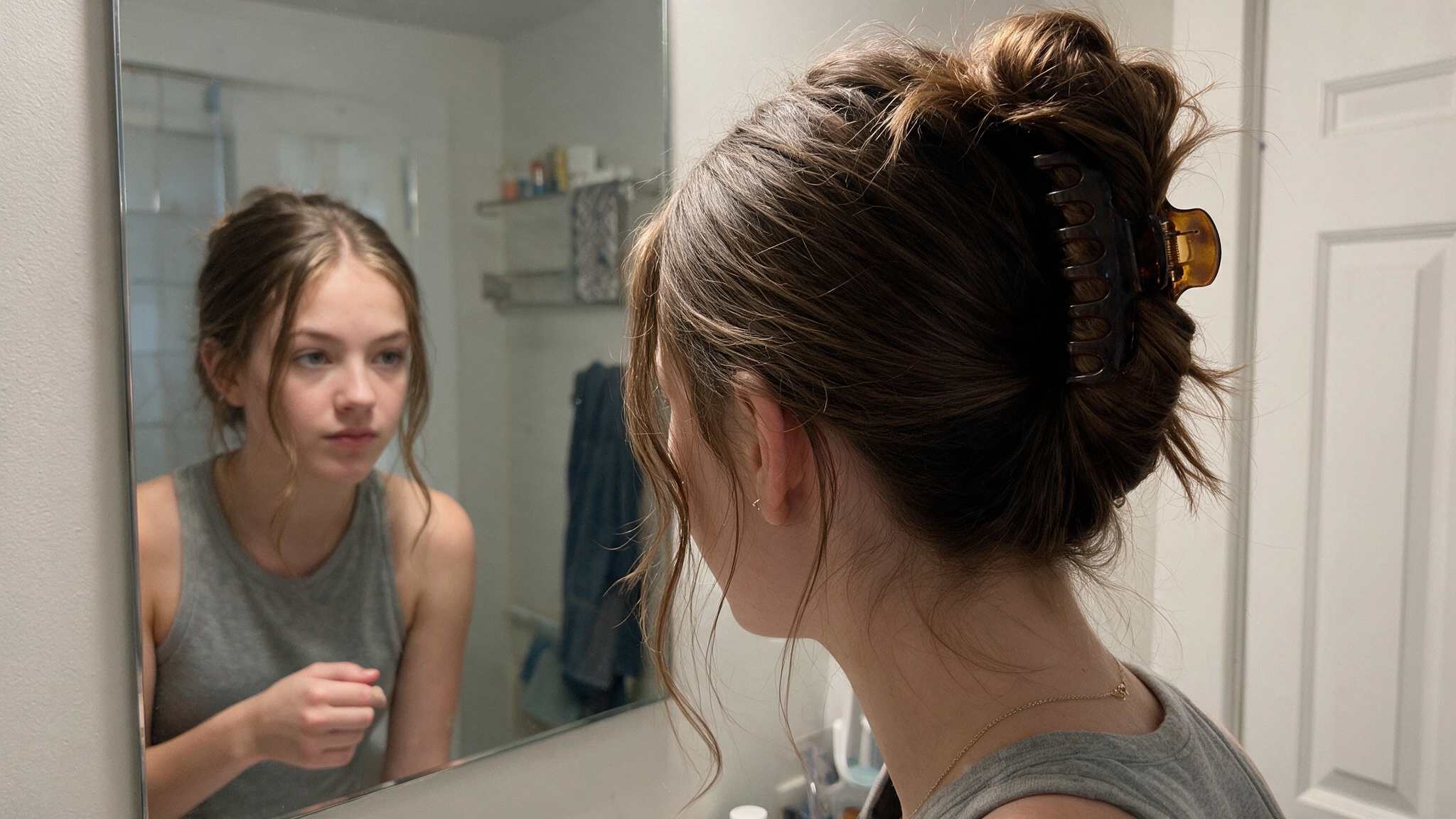
A claw clip twists hair up in one motion, which makes it possibly the fastest style on this list. Modern claw clips double as an accessory, so the result looks finished even on the laziest mornings.
I find that gripping the clip’s teeth into slightly damp or textured hair, not freshly washed hair, makes the hold last twice as long.
- Length: Medium to long hair
- Texture: Works best on straight to wavy hair
- Face shape: Suits round and oval faces well
- Lifestyle: Perfect for rushed mornings
- Occasion: Everyday school or casual settings
6. Space Buns
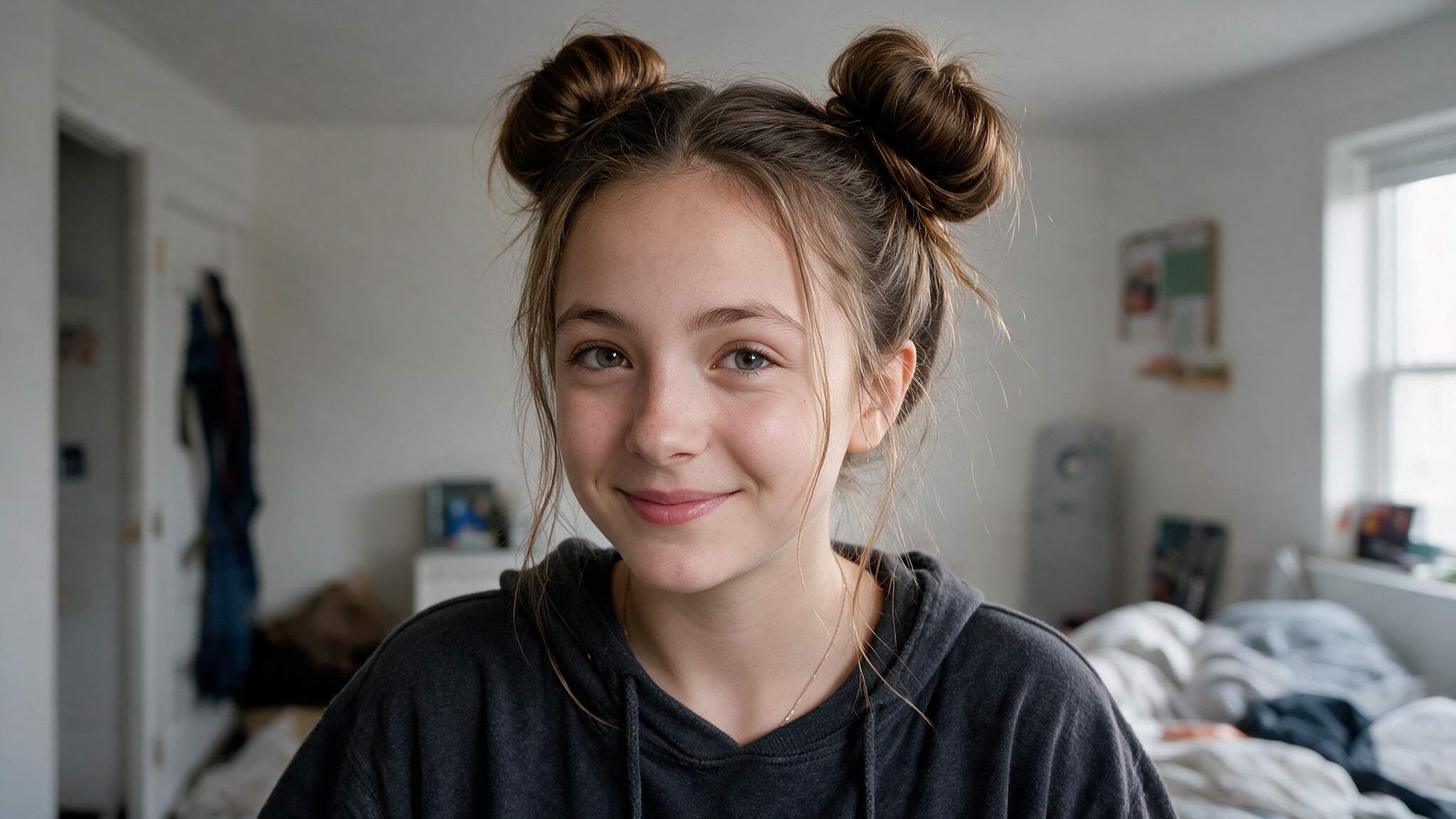
Space buns split hair into two sections and twist each into its own bun, creating a playful look that has become popular again through social media trends. They take slightly longer than one bun but still stay simple enough for a school morning, and they work particularly well for themed events.
- Length: Medium to long hair
- Texture: Holds well on straight and wavy hair
- Face shape: Flatters heart and oval faces
- Lifestyle: Fun for casual or creative days
- Occasion: School, weekends, or events
7. Low Bun
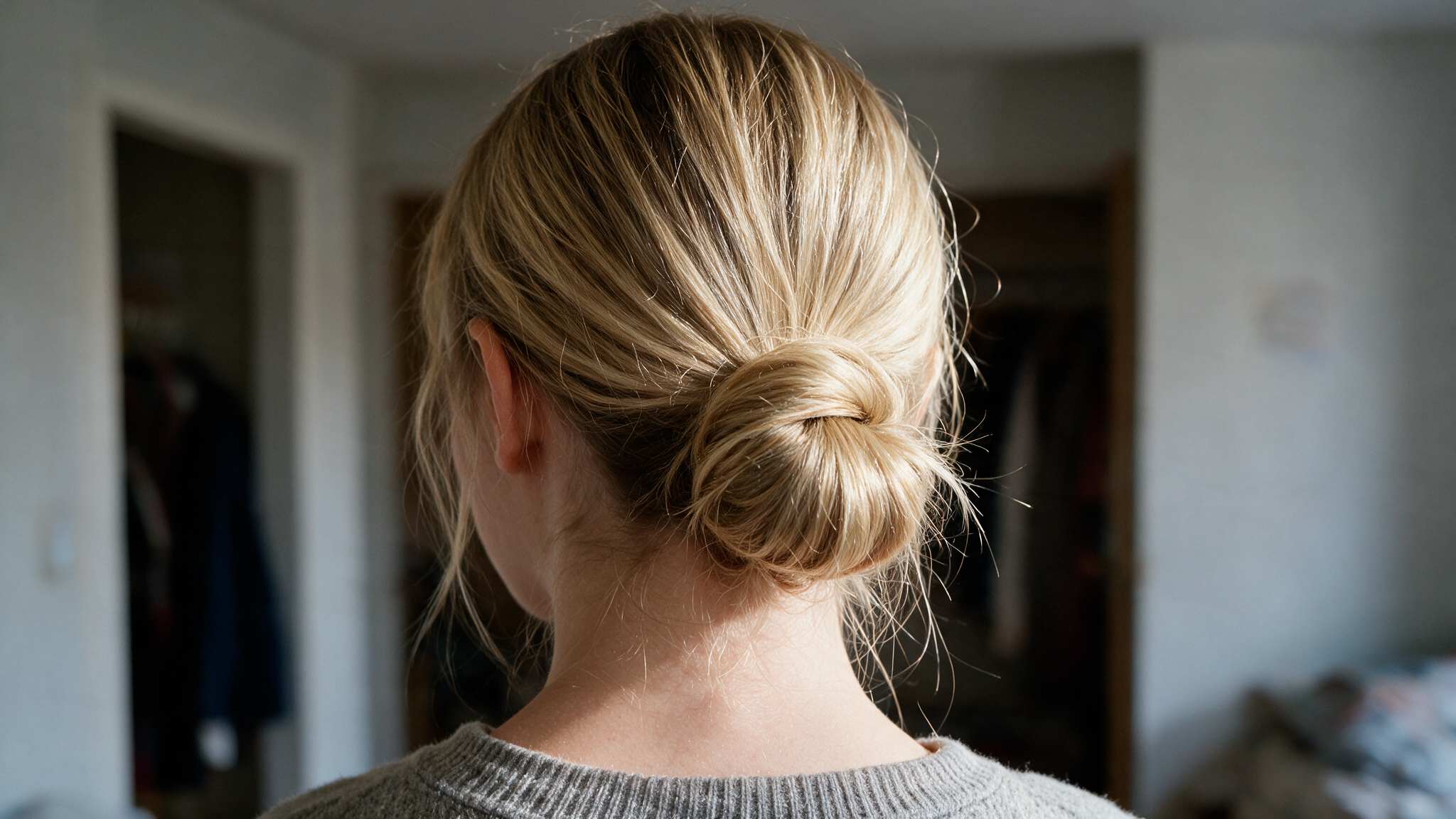
A low bun sits at the nape of the neck for a cleaner, more polished look than a messy topknot. It works especially well when hair needs one more day before washing, and finding your ideal wash frequency matters more for hold than the bun itself. I point second-day hair toward this one before anything else on the list.
- Length: Medium to long hair
- Texture: Straight or slightly wavy hair smooths best
- Face shape: Complements most face shapes
- Lifestyle: Good for second-day hair routines
- Occasion: School or slightly dressier occasions
8. Headband Curls (Heatless)
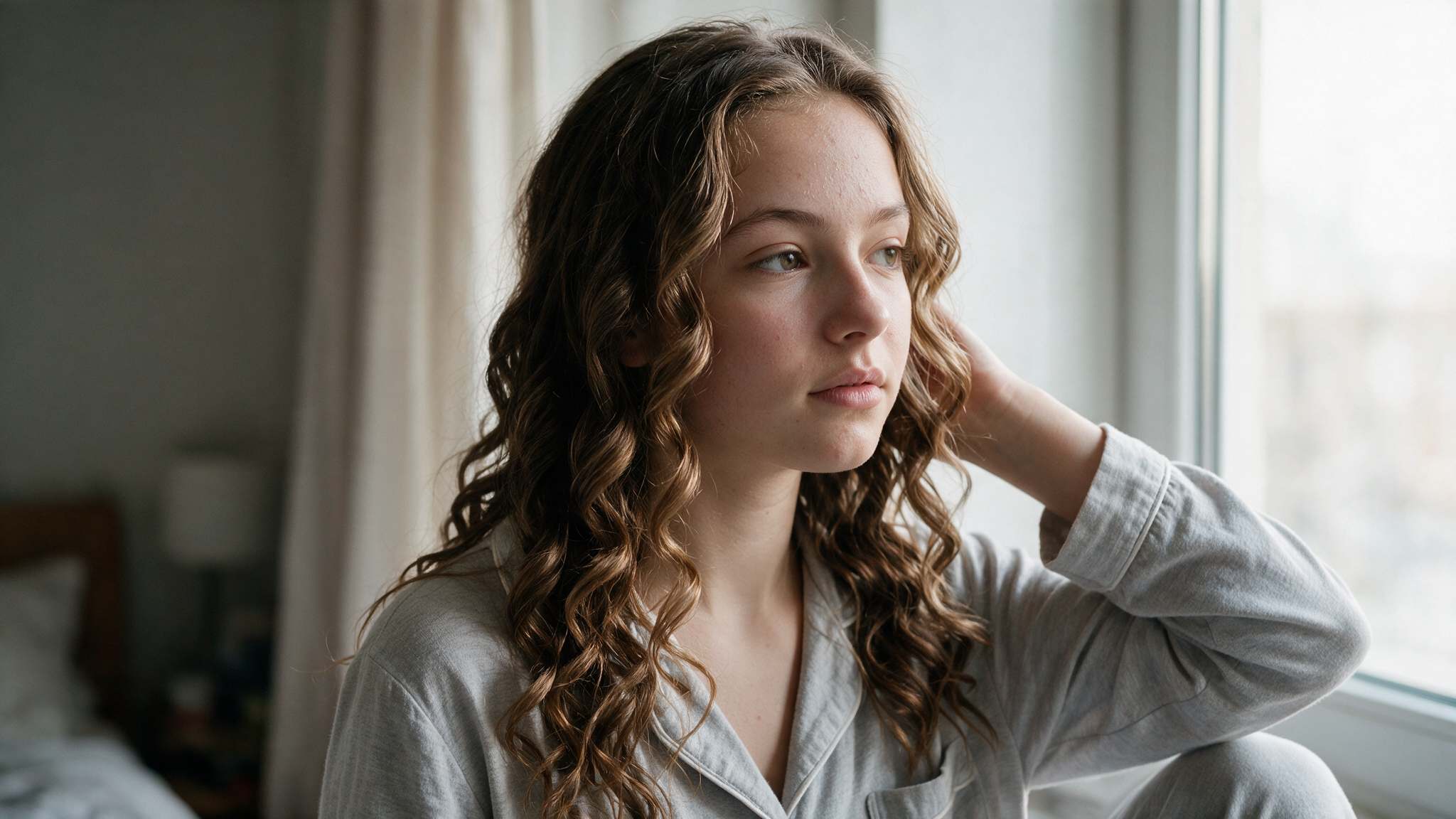
Wrapping damp hair around a headband overnight creates soft curls by morning without any heat tool involved. It takes a few extra minutes before bed but saves significant time the next morning, plus it avoids the damage that daily heat styling can cause over time, a trade many teens find worthwhile.
- Length: Medium to long hair
- Texture: Works best on straight to wavy hair
- Face shape: Suits oval and long face shapes
- Lifestyle: Great for protecting hair health long-term
- Occasion: Everyday wear or special occasions
9. Overnight Heatless Waves
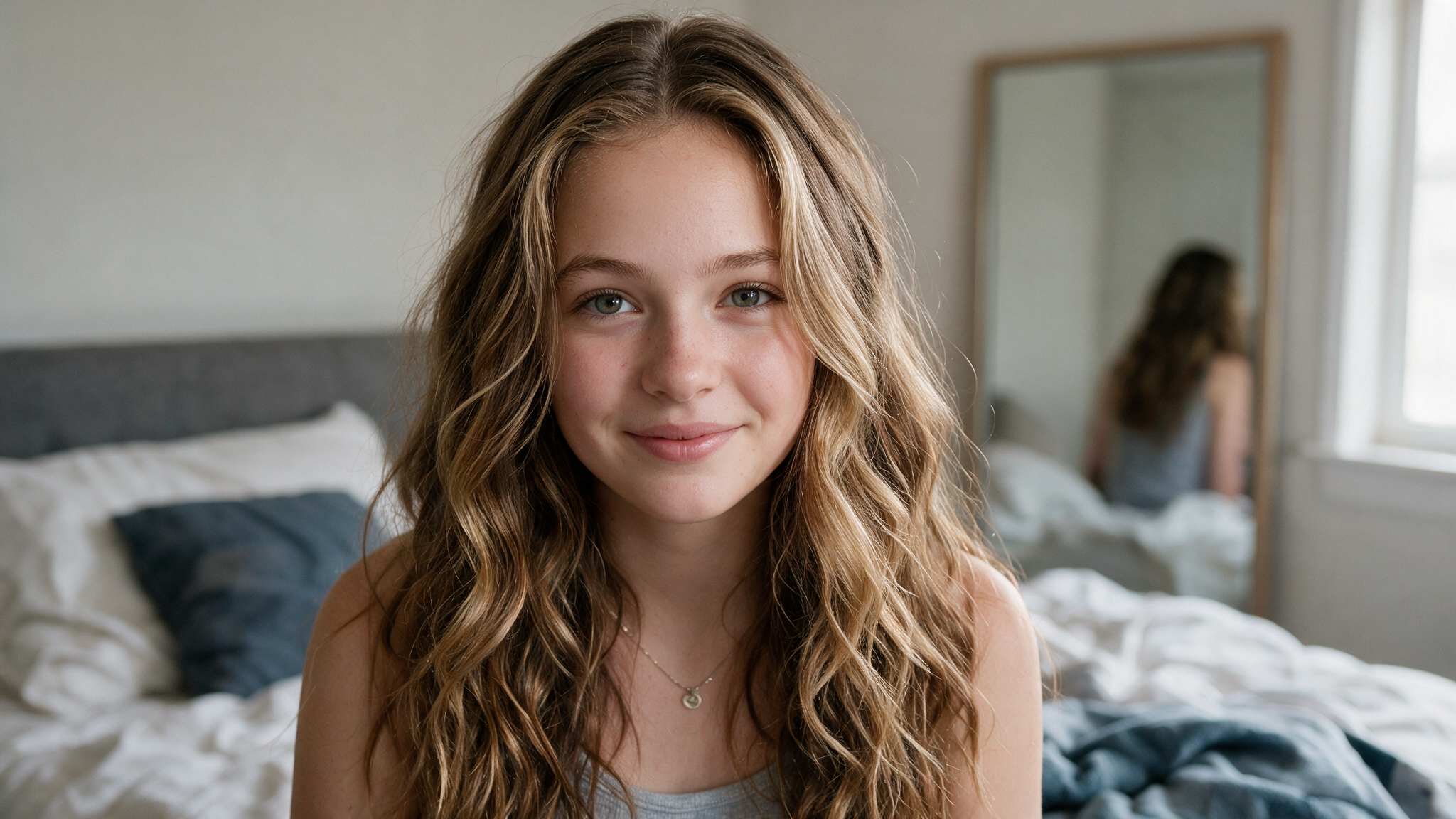
Similar to headband curls, this method uses braids or twists worked into damp hair before bed to create waves by morning. It requires zero morning effort beyond releasing the braids, making it ideal for anyone who values sleep over styling time, especially during busy exam weeks or early school starts.
- Length: Medium to long hair
- Texture: Straight and fine hair benefits most from added texture
- Face shape: Flatters round and square faces
- Lifestyle: Perfect for busy school weeks
- Occasion: Everyday casual styling
10. Simple Side Braid
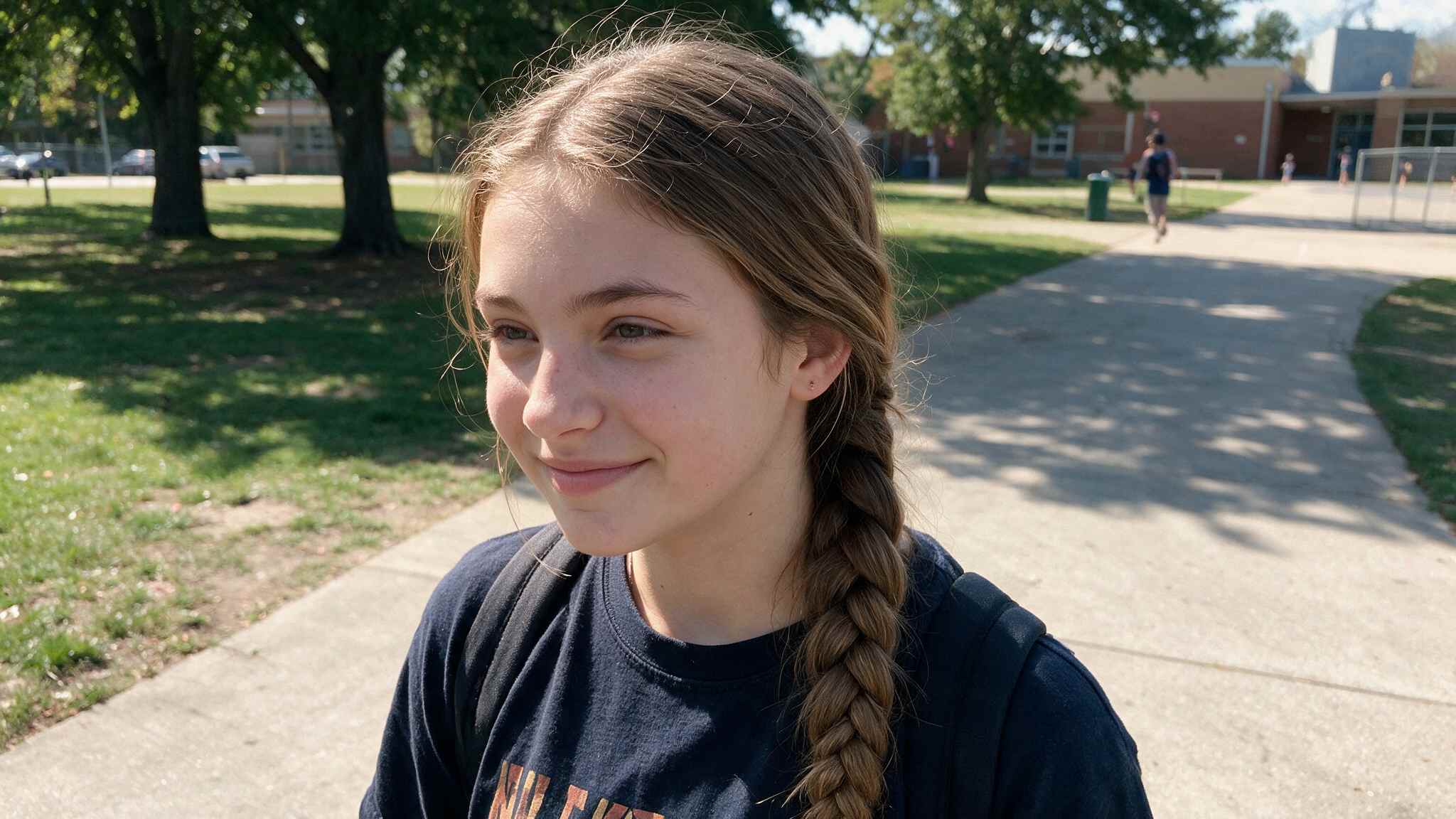
A single braid pulled over one shoulder takes minimal skill while still looking put together. It works especially well for keeping hair contained during sports or outdoor activities without needing a mirror to check the result, and it stays comfortable even after several hours of continuous movement.
- Length: Medium to long hair
- Texture: Straight, wavy, or curly hair all braid easily
- Face shape: Suits most face shapes
- Lifestyle: Reliable for active or busy days
- Occasion: School, sports, or casual outings
11. Double Buns
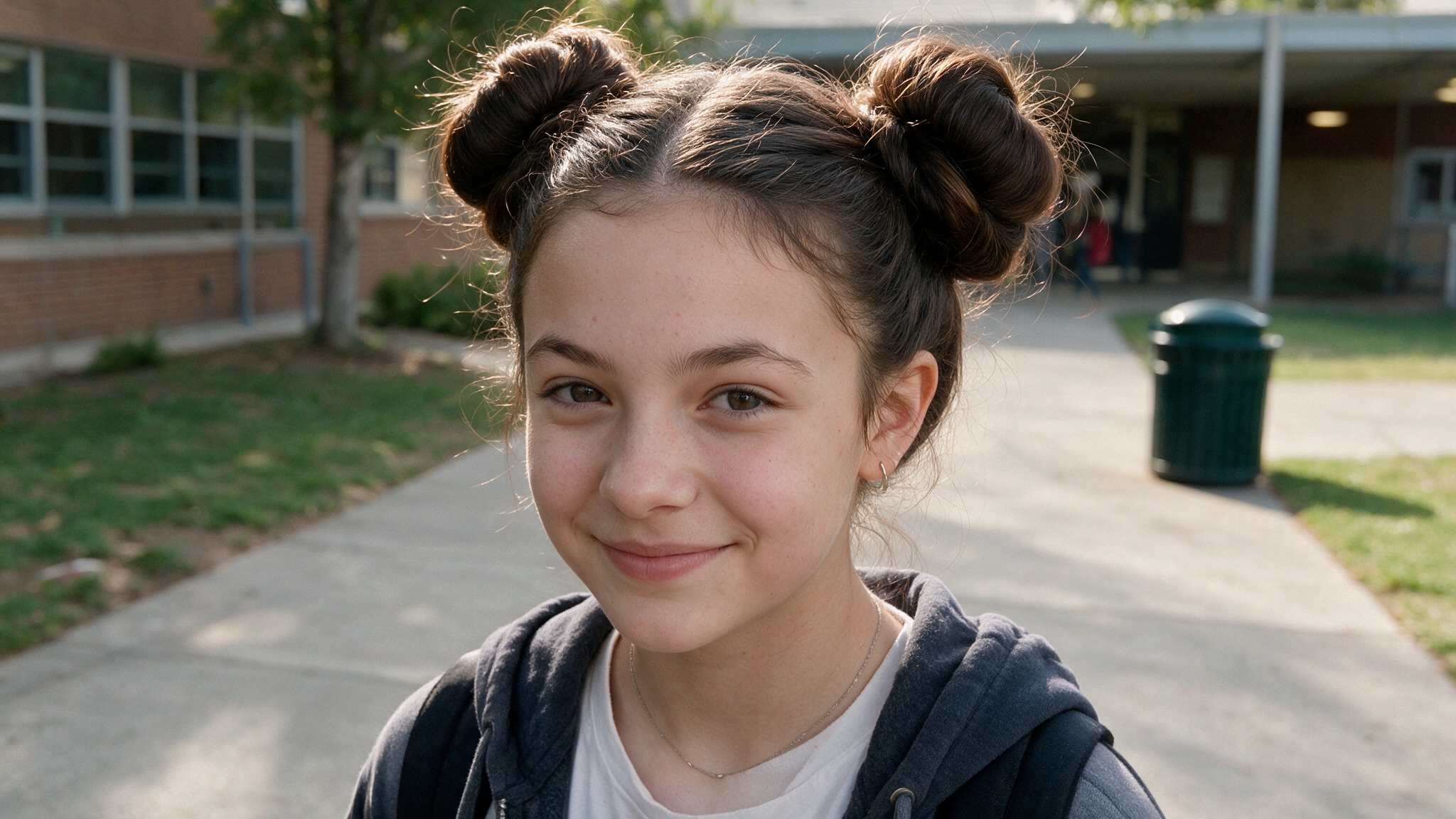
Two smaller buns positioned higher on the head create a neater variation of space buns, often finished tighter for a more polished look. They keep hair completely off the face and neck, which makes them popular for hot weather, and they still photograph well for casual social posts.
- Length: Medium to long hair
- Texture: Straight and wavy hair hold the shape cleanly
- Face shape: Works well on heart and oval faces
- Lifestyle: Ideal for hot weather or active days
- Occasion: School or casual weekend wear
12. Fishtail Braid
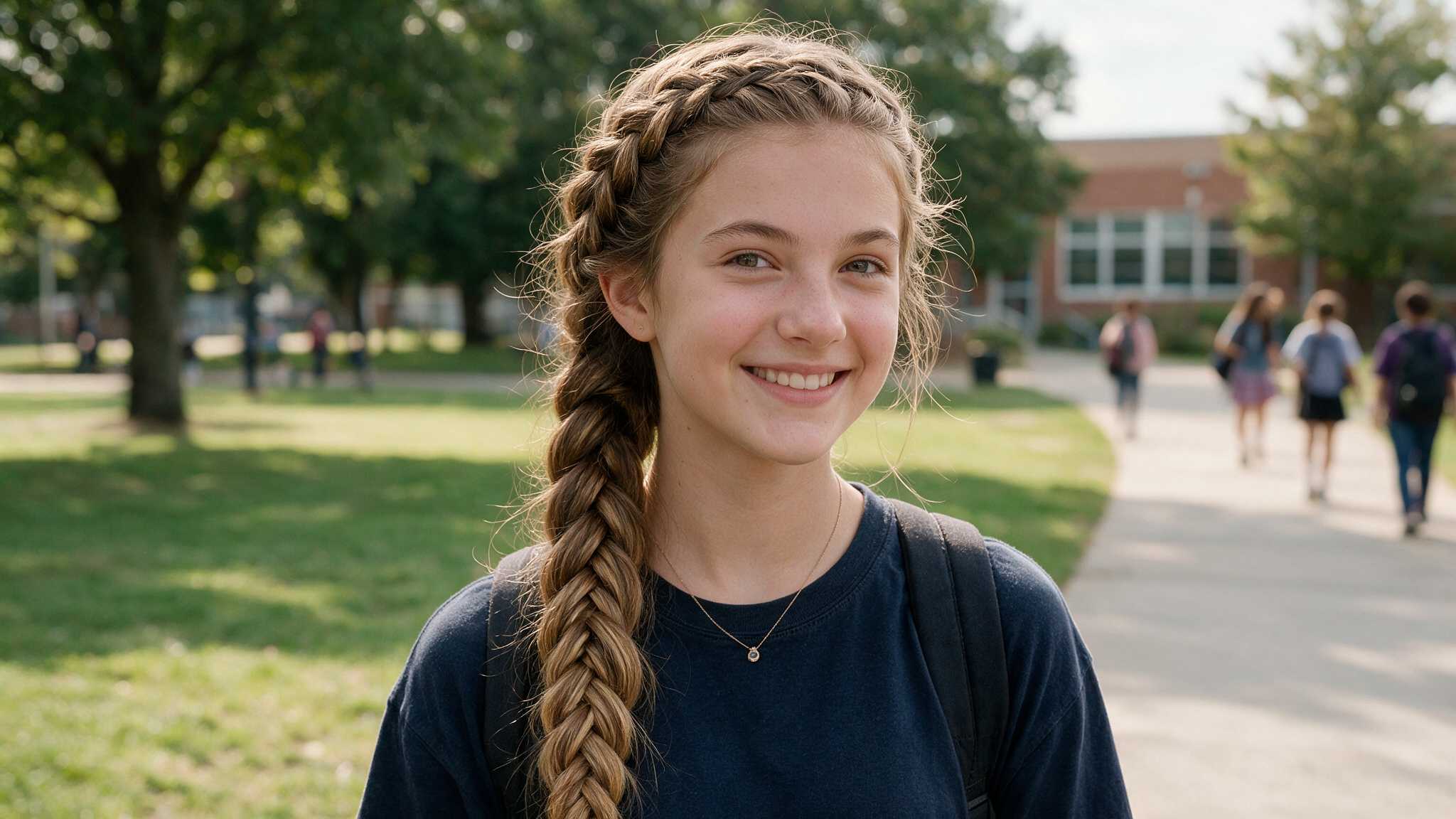
A fishtail braid uses two sections instead of three, creating a woven look that appears more complex than the technique actually requires once practiced a few times. It holds well all day without touch-ups, making it a solid choice for longer school days or field trips.
- Length: Medium to long hair
- Texture: Straight to wavy hair defines the pattern best
- Face shape: Flatters oval and long faces
- Lifestyle: Good for all-day wear without adjustments
- Occasion: School, casual outings, or light events
13. French Braid
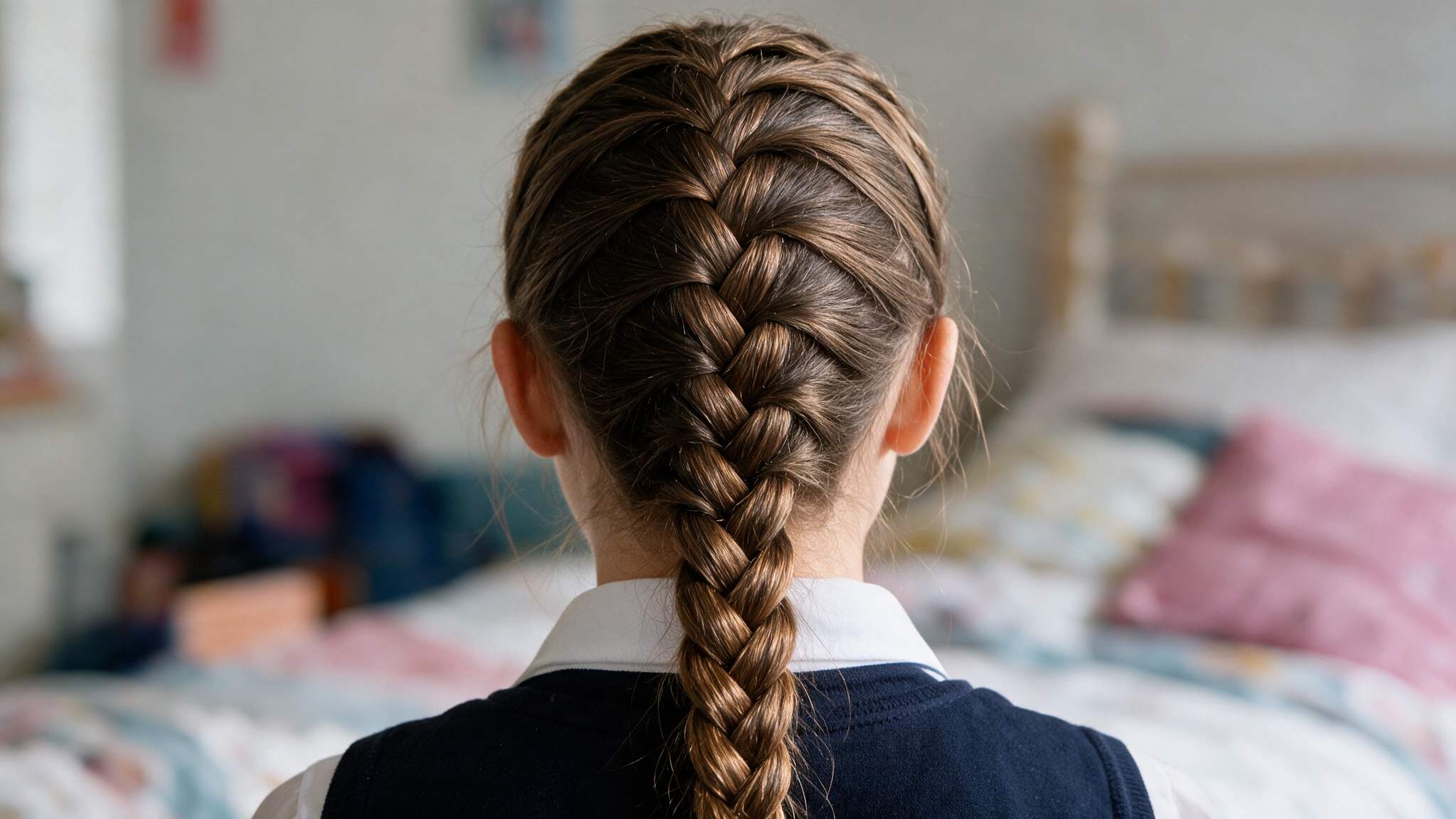
A French braid incorporates hair gradually from the sides as it moves down the head, keeping flyaways better controlled than a standard braid. It takes a little more practice initially but becomes quick once the motion feels familiar, and it remains one of the most requested braid styles among teens overall.
- Length: Medium to long hair
- Texture: Works on straight, wavy, and curly textures
- Face shape: Suits most face shapes
- Lifestyle: Great for sports or humid weather
- Occasion: School, practice, or everyday wear
14. Dutch Braid
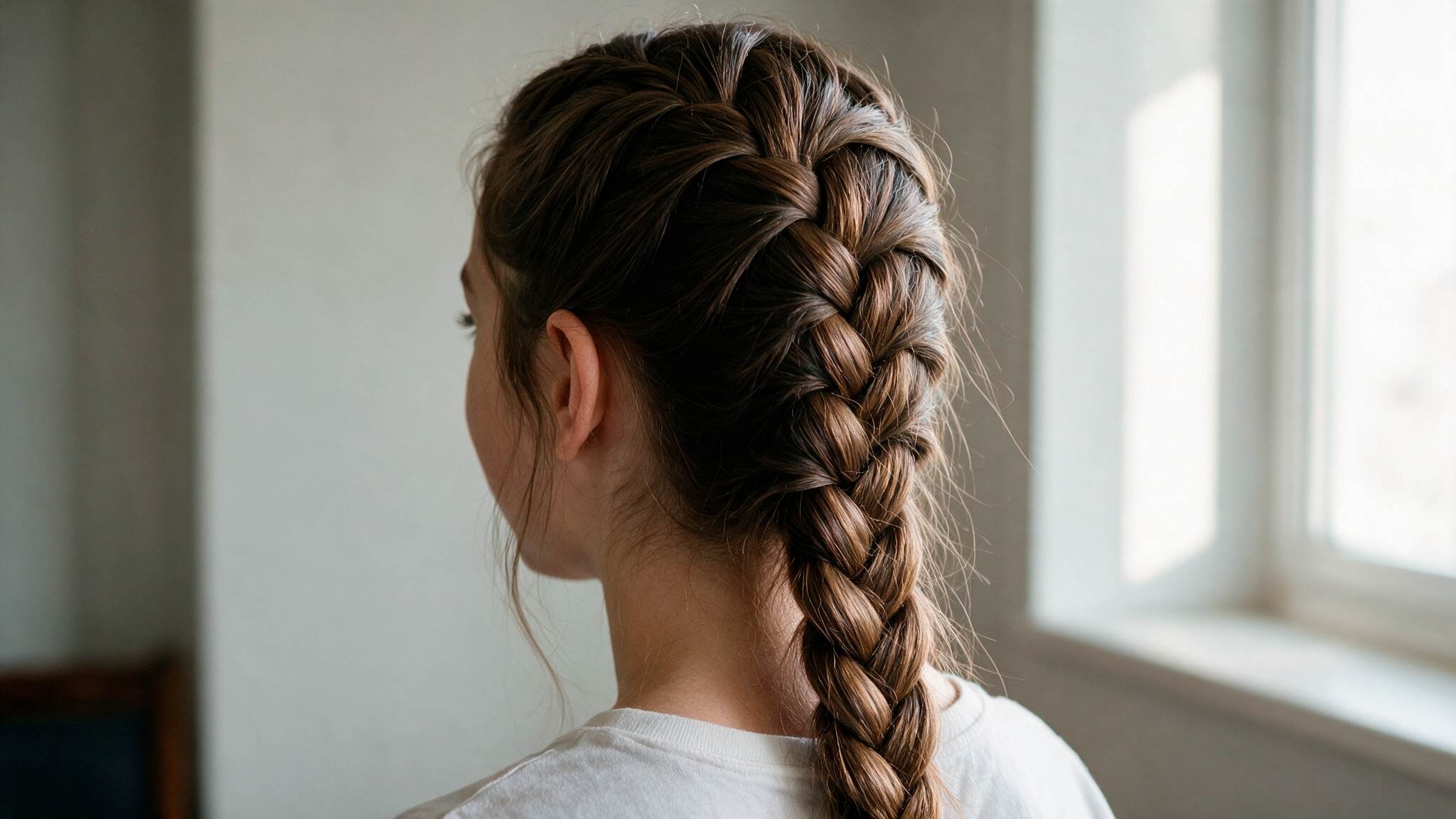
Sometimes called an inverted French braid, a Dutch braid crosses sections underneath rather than over, making the braid sit on top of the hair rather than blending into it. The raised effect adds more visible texture and dimension, giving a slightly bolder look than a standard French braid overall.
- Length: Medium to long hair
- Texture: Holds especially well on thick or wavy hair
- Face shape: Flatters round and square faces
- Lifestyle: Useful for staying neat through busy days
- Occasion: School, sports, or casual events
15. Crown Braid
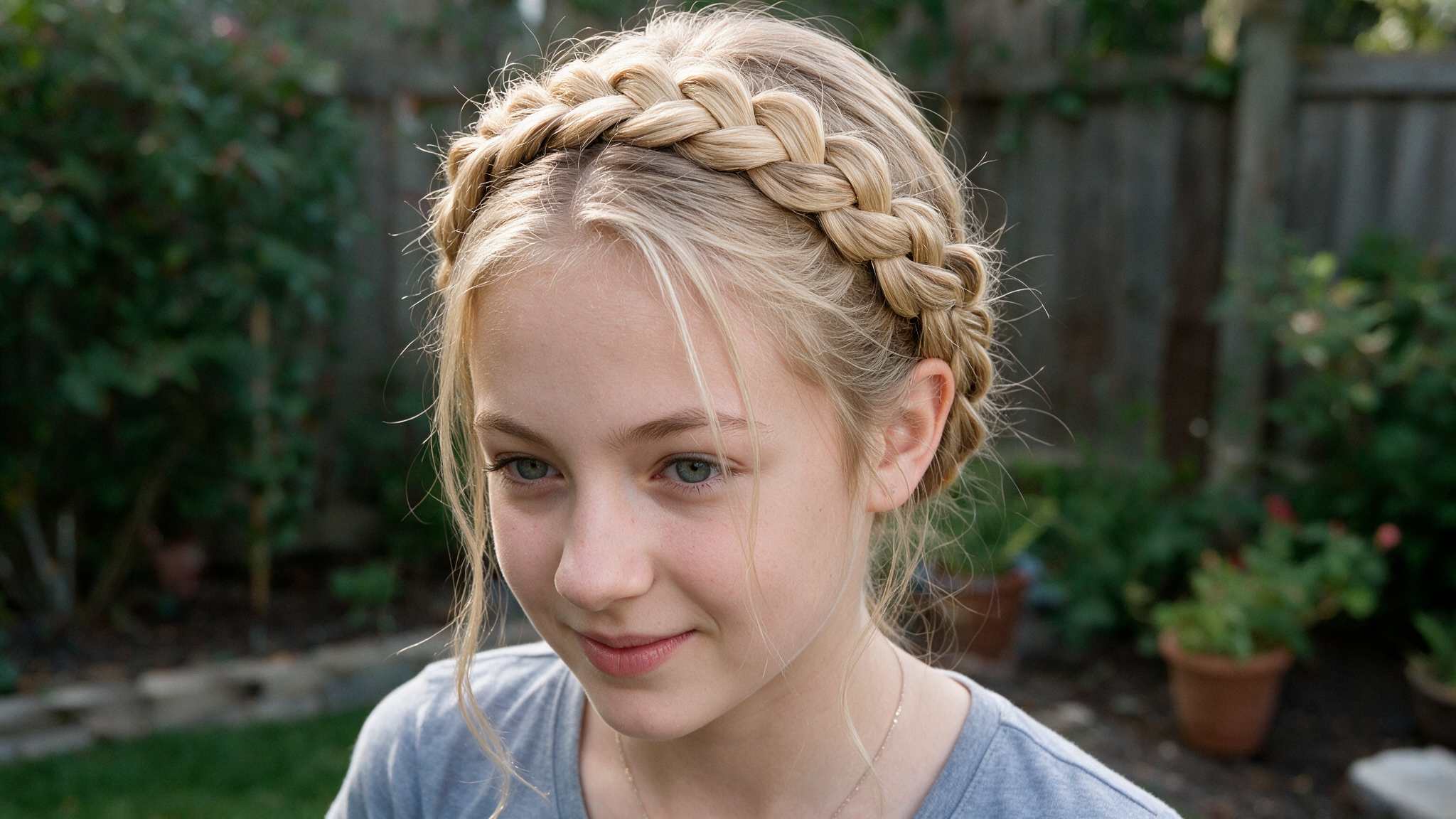
A crown braid wraps one or two braids around the head like a halo, keeping hair fully off the face and neck. It looks more elaborate than a single braid but mainly just takes patience rather than advanced skill, making it approachable for anyone willing to practice a few times.
- Length: Medium to long hair
- Texture: Works on straight, wavy, or curly hair
- Face shape: Flatters heart and oval faces
- Lifestyle: Good for hot weather or active plans
- Occasion: School, events, or photo days
16. Braided Ponytail
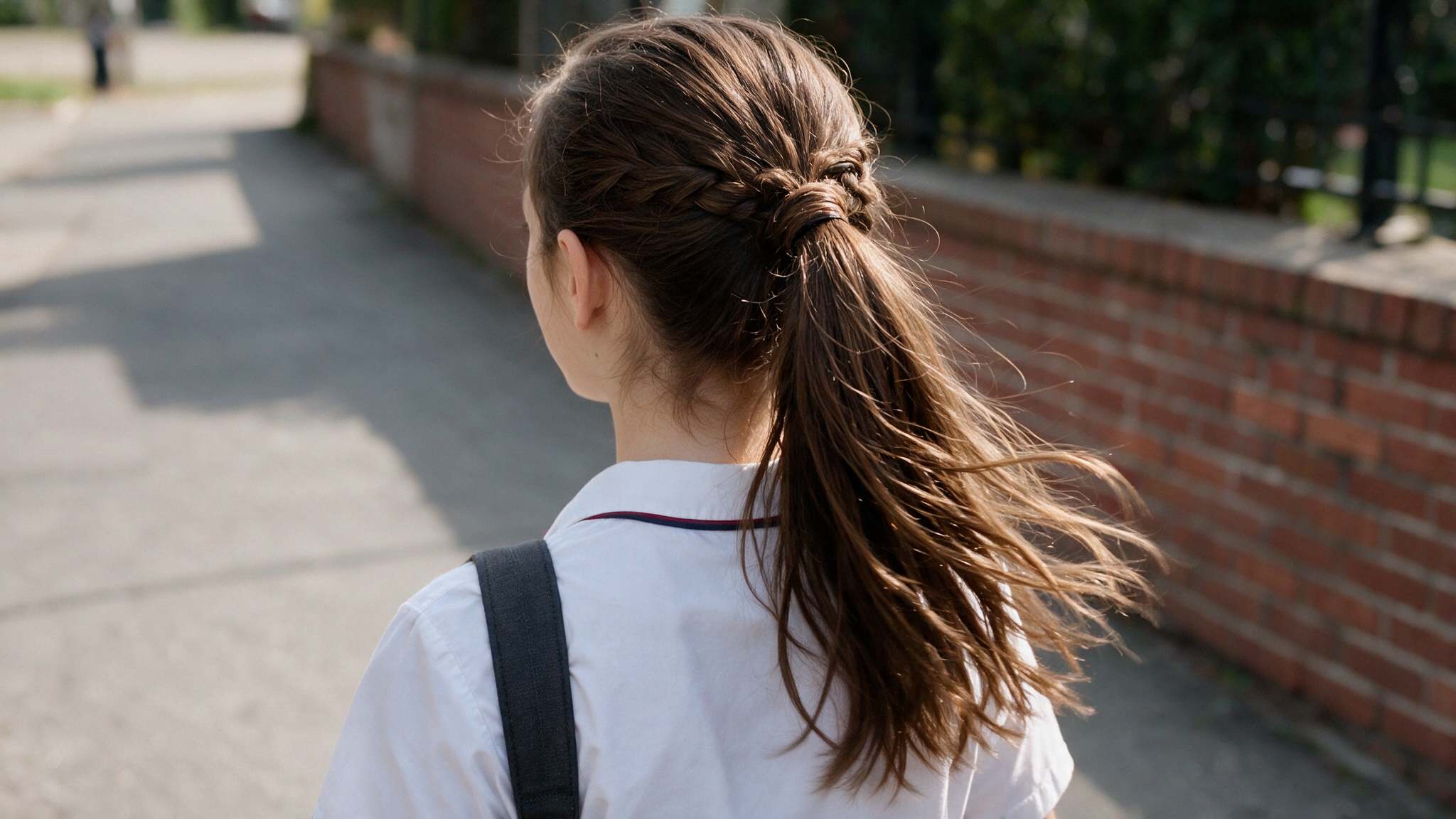
Wrapping a small braid around the base of a ponytail hides the elastic and adds a finished detail without much extra effort. It turns a basic ponytail into something that looks slightly more considered for the same amount of time, which makes it a favorite quick upgrade among busy teens.
- Length: Medium to long hair
- Texture: Straight or wavy hair works cleanly
- Face shape: Suits most face shapes
- Lifestyle: Simple upgrade for busy mornings
- Occasion: School or casual everyday wear
17. Half-Up Twisted Style
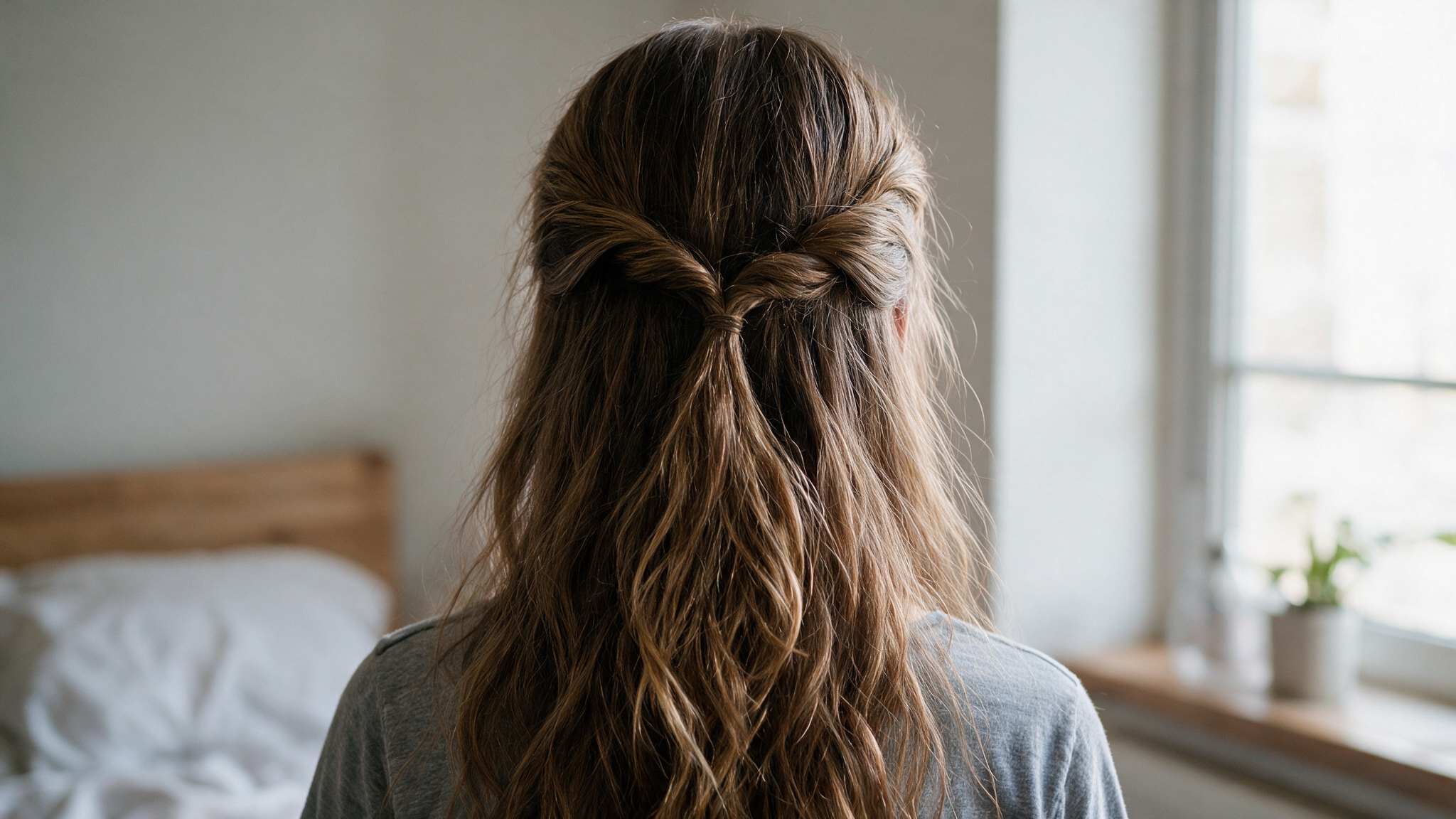
Instead of a plain half-up ponytail, twist the two side sections back before securing them to add texture without a full braid. It stays simple enough for a rushed morning while looking slightly more finished than a plain elastic, offering a small but noticeable upgrade in presentation.
- Length: Medium to long hair
- Texture: Works well on straight, wavy, and curly hair
- Face shape: Flattering on nearly every face shape
- Lifestyle: Great for everyday variety without extra time
- Occasion: School, casual outings, or light events
18. Curly Ponytail
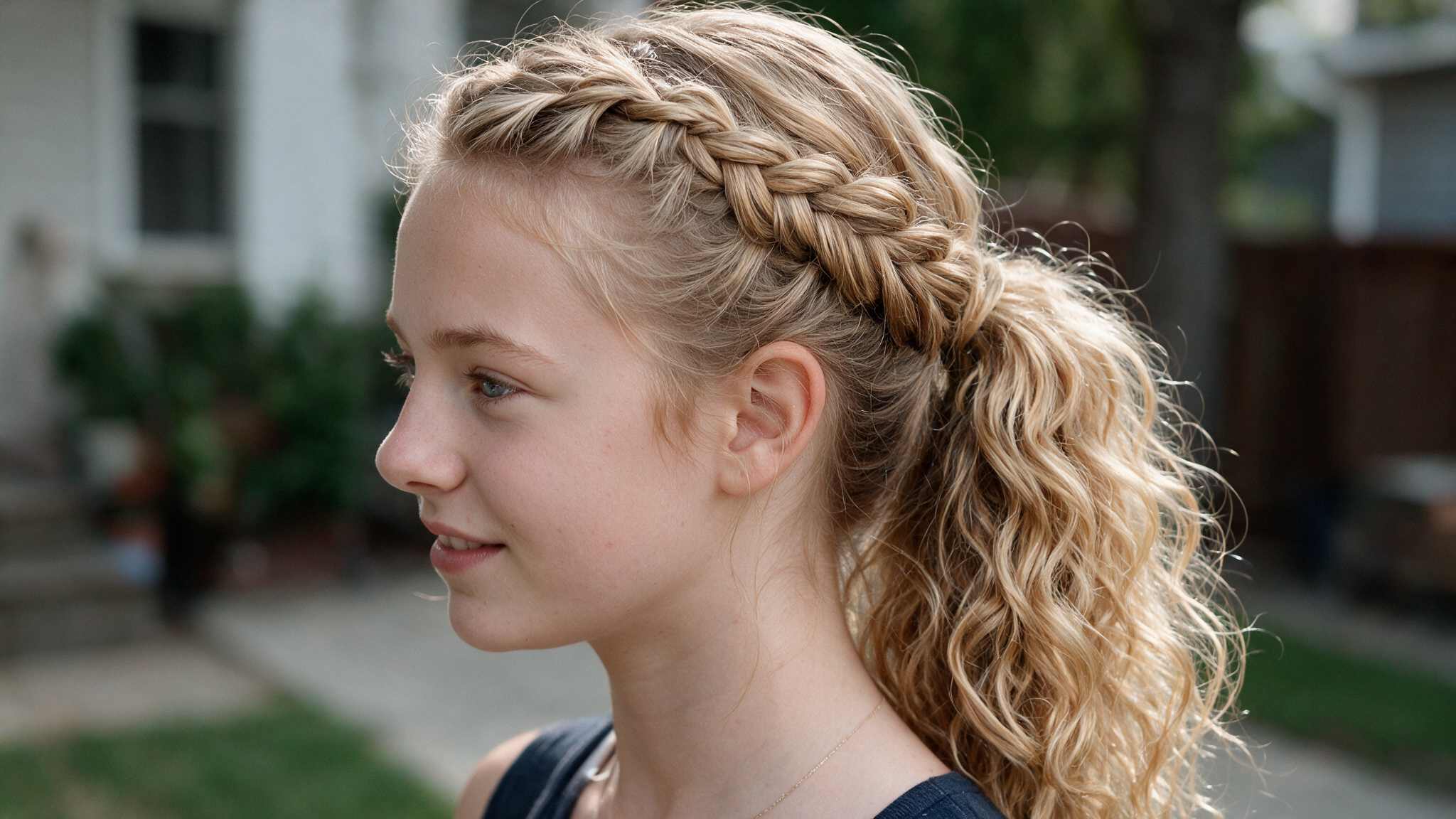
For naturally curly hair, gather the curls into a ponytail while damp and let them dry undisturbed to keep the curl pattern intact, since curl and wave patterns behave differently once dry. I always tell curly clients to skip touching it while it dries, since that is the step that undoes the whole thing.
- Length: Medium to long curly hair
- Texture: Best suited specifically for curly and coily textures
- Face shape: Flatters most face shapes
- Lifestyle: Low daily effort once the routine is set
- Occasion: School, everyday wear, or casual events
19. Bantu Knots
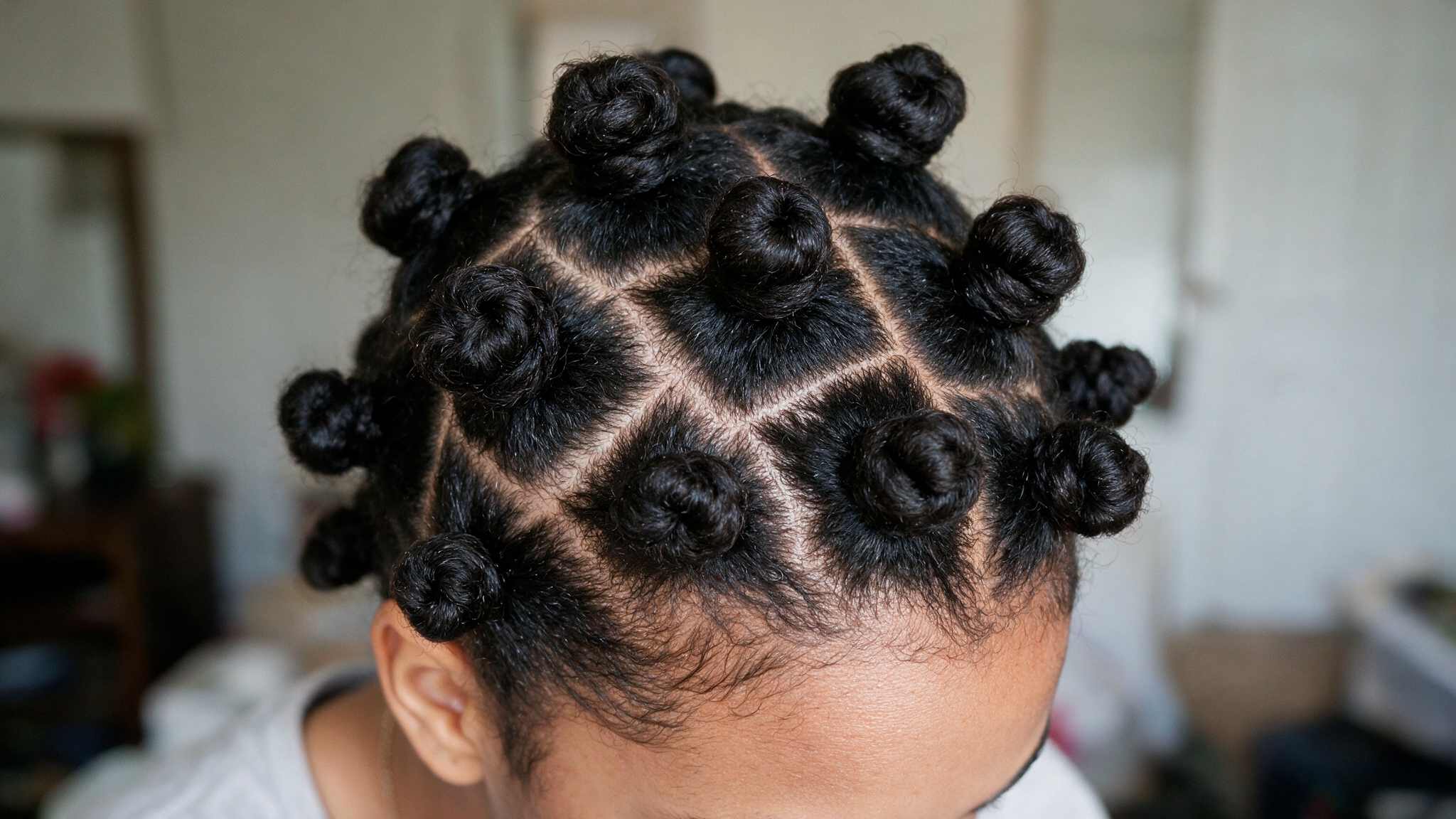
Bantu knots involve sectioning hair and twisting each piece into a small coiled knot against the scalp, a traditional protective style particularly suited to coily and curly hair textures. Left in overnight, they can also create defined curls once released the next morning, doubling their practical value.
- Length: Short to medium curly or coily hair
- Texture: Best suited to curly, coily, and textured hair
- Face shape: Works on most face shapes
- Lifestyle: Doubles as a protective overnight style
- Occasion: School, everyday wear, or as a curl-setting method
20. Twist-Out Style
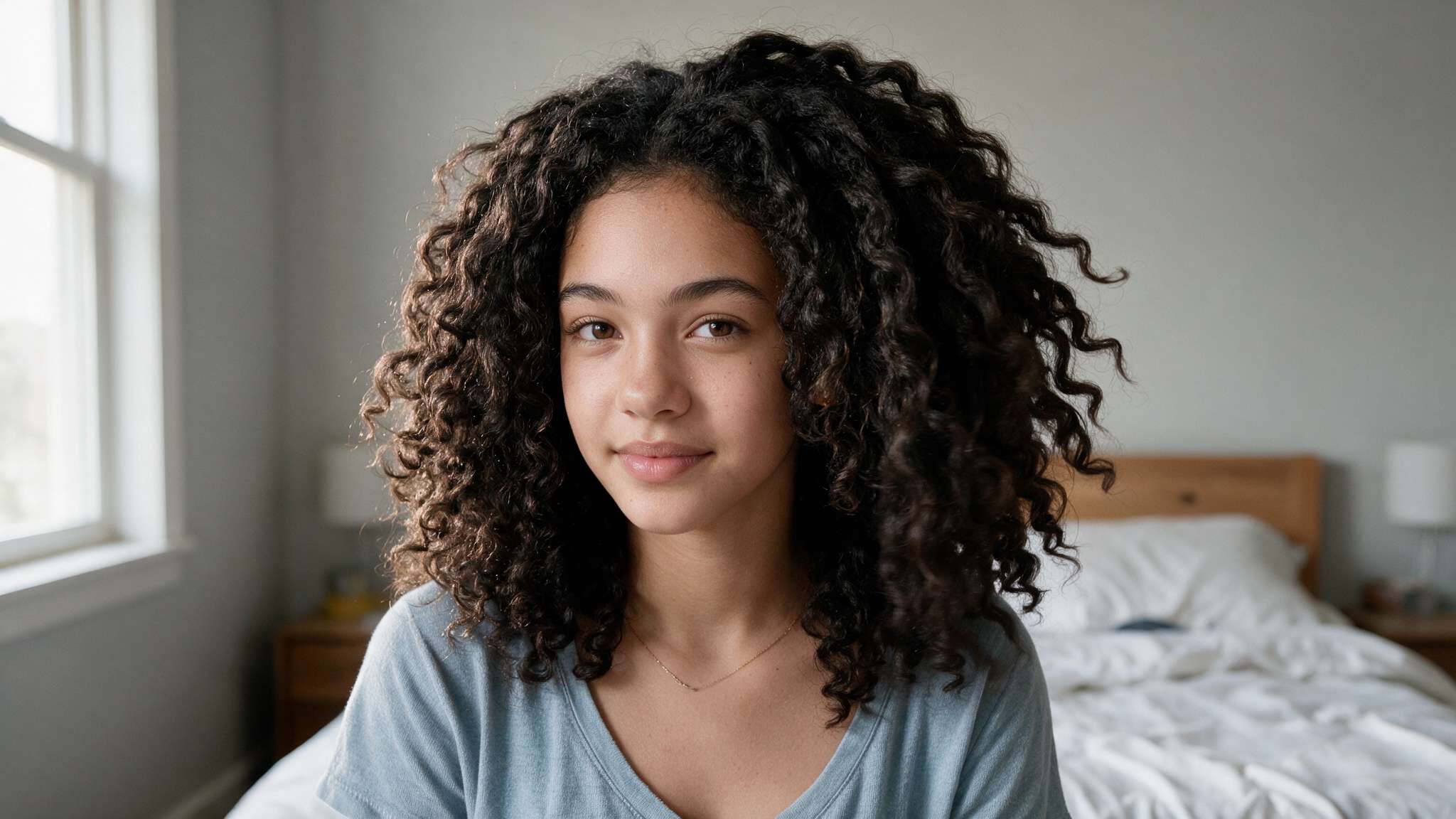
A twist out involves twisting sections of damp hair and separating them once dry to reveal a defined, voluminous wave.
Getting this to look right night after night comes down to a steady curly hair care routine more than the twisting technique itself. It is one of my go-to recommendations for anyone trying to cut back on heat tools without losing volume.
- Length: Short to medium natural hair
- Texture: Best suited to curly and coily textures
- Face shape: Flatters most face shapes
- Lifestyle: Supports healthy natural hair routines
- Occasion: Everyday wear or special occasions
These hairstyles cover most everyday situations I hear from the ones sitting in my chair – from rushed mornings to sports practice – without requiring special tools or advanced technique to pull off consistently.
Trendy Cuts and Special-Occasion Hairstyles
Once the basics feel routine, the following styles offer more noticeable change. Some are actual cuts I have done hundreds of times; others are looks reserved for events worth extra preparation time.
21. Pixie Cut
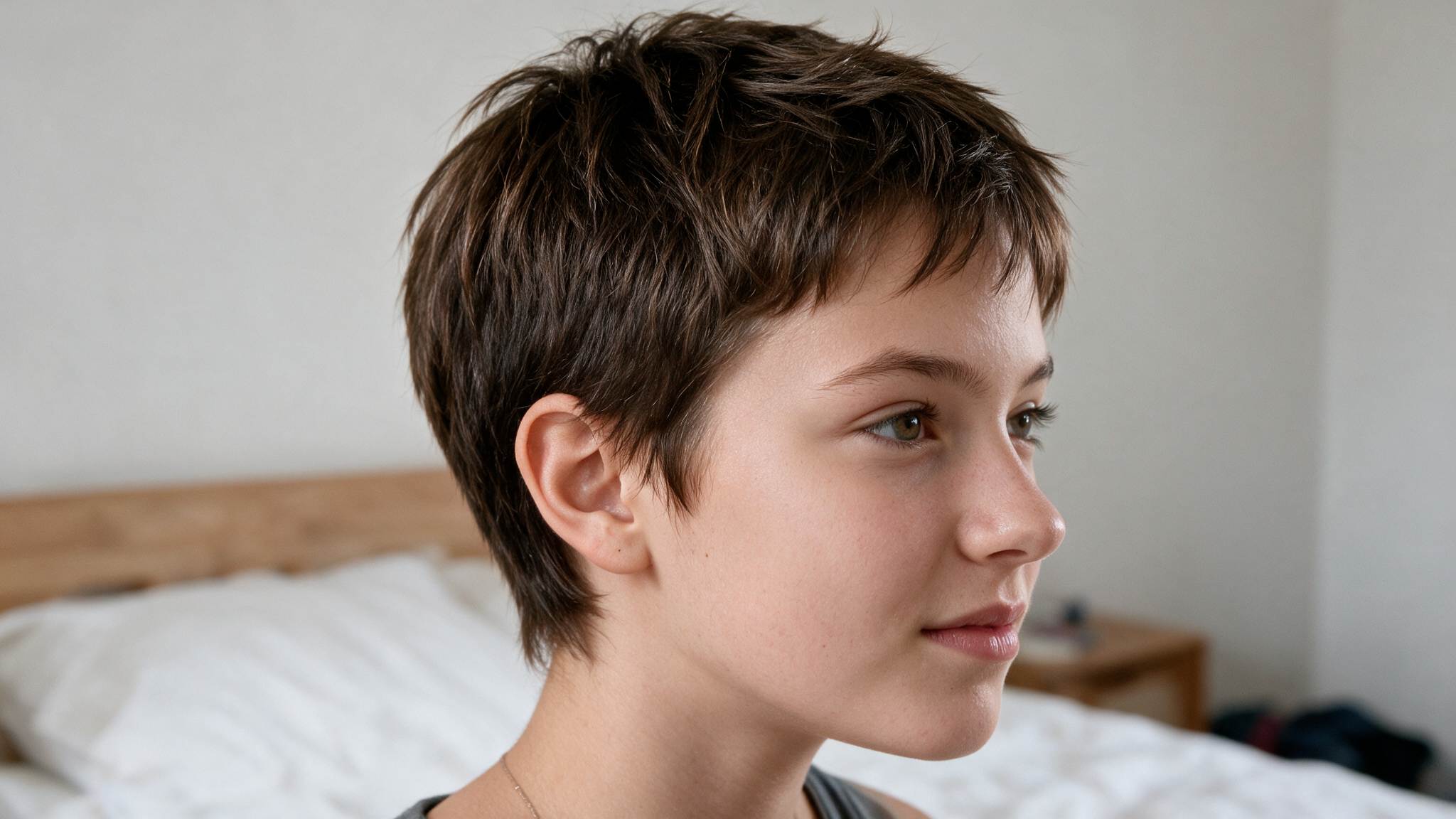
A pixie cut trims hair close to the head, cutting daily styling time down to almost nothing once the cut is done. I warn clients wanting this bold a change to book more frequent trims, since a pixie grows out of shape faster than longer cuts.
- Length: Short hair by definition
- Texture: Works well on straight to wavy textures
- Face shape: Flatters oval and heart faces especially
- Lifestyle: Ideal for low daily maintenance lifestyles
- Occasion: Everyday wear and a strong style statement
22. Classic Bob
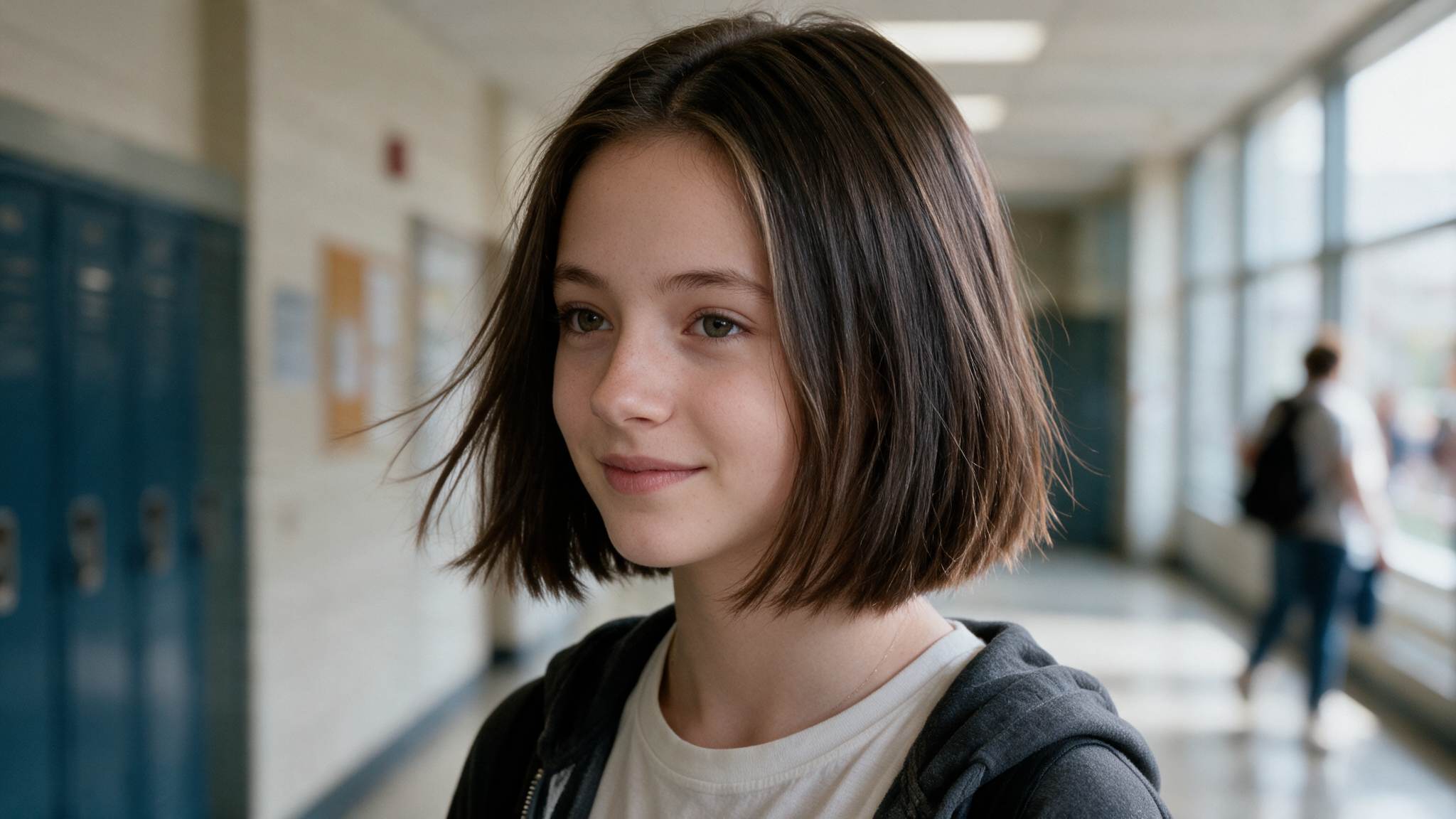
A classic bob sits around jaw length and remains one of the most requested teen cuts in my chair, mostly because it looks polished with almost no styling effort. It adapts easily to both casual school days and slightly dressier occasions without much extra work on your part.
- Length: Chin-to-jaw length
- Texture: Suits straight and slightly wavy hair best
- Face shape: Flatters oval and heart faces
- Lifestyle: Great for low-maintenance daily routines
- Occasion: School, everyday wear, or casual events
23. Layered Bob
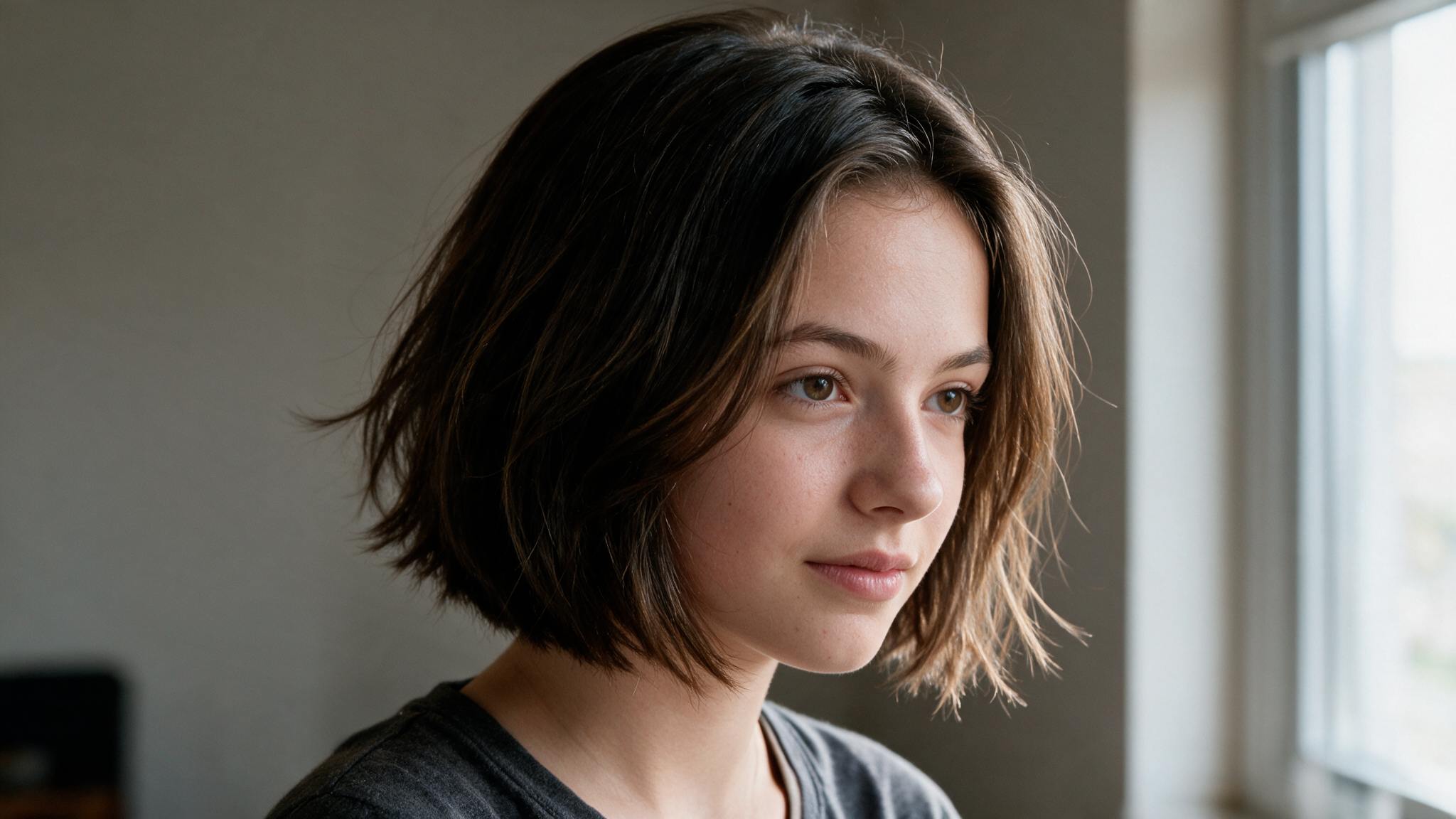
Adding layers to a bob adds movement and volume that a blunt cut alone doesn’t provide, especially for finer hair types that can look flat otherwise. I use layers specifically to make styling more forgiving, since imperfect waves blend in rather than standing out.
- Length: Chin to shoulder length
- Texture: Especially helpful for fine or thin hair
- Face shape: Flatters round and square faces
- Lifestyle: Good for low daily effort with texture
- Occasion: School, everyday wear, or casual outings
24. Wavy Bob
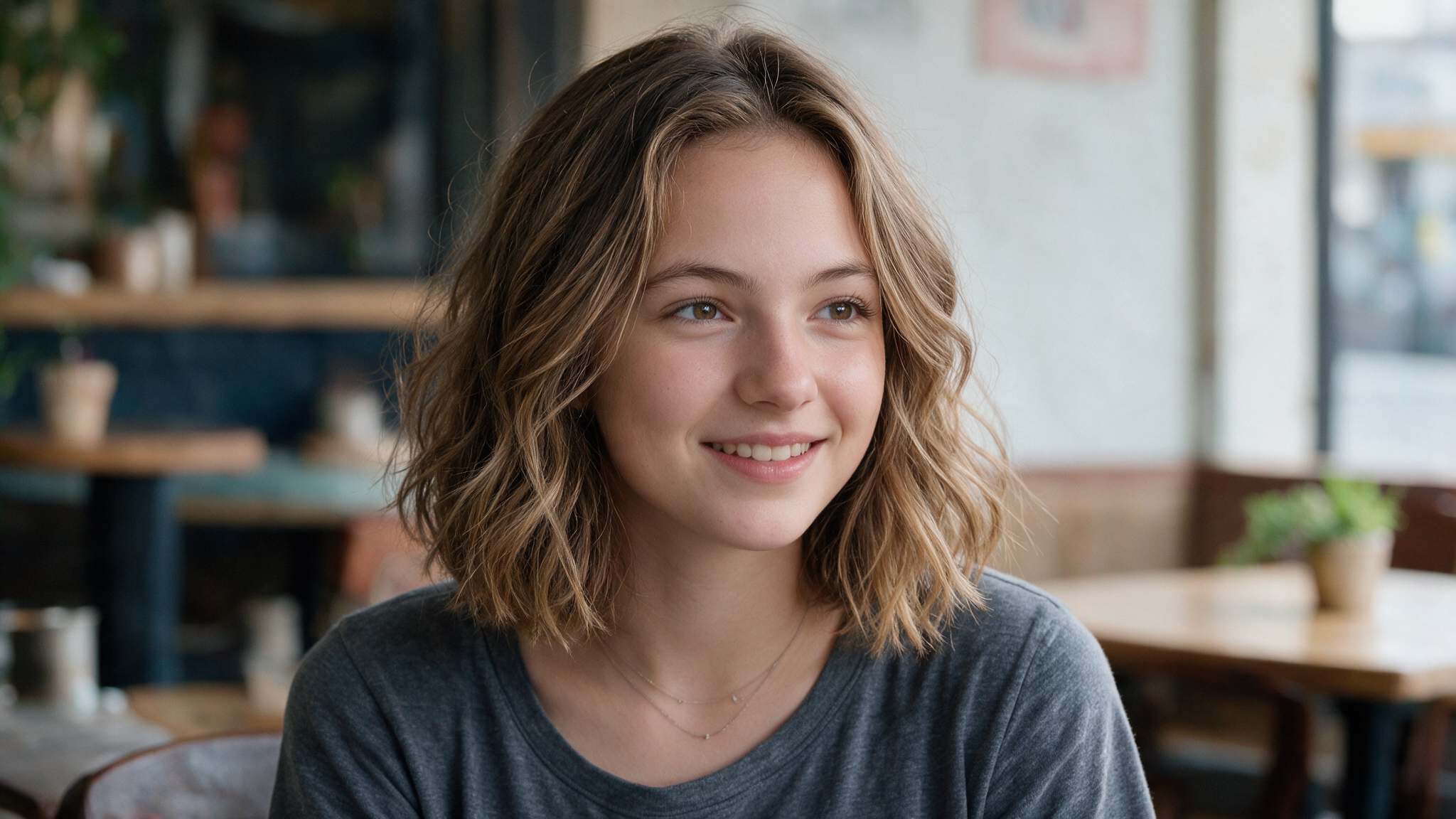
A wavy bob pairs a mid-length cut with loose waves, either natural or lightly styled, for a relaxed look rather than an overly polished one. I recommend this cut to clients who already have natural wave, since there is movement to work with and shape around.
- Length: Chin to shoulder length
- Texture: Best suited to naturally wavy or textured hair
- Face shape: Flatters most face shapes
- Lifestyle: Fits casual, low-effort lifestyles well
- Occasion: Everyday wear or casual social occasions
25. Curtain Bangs
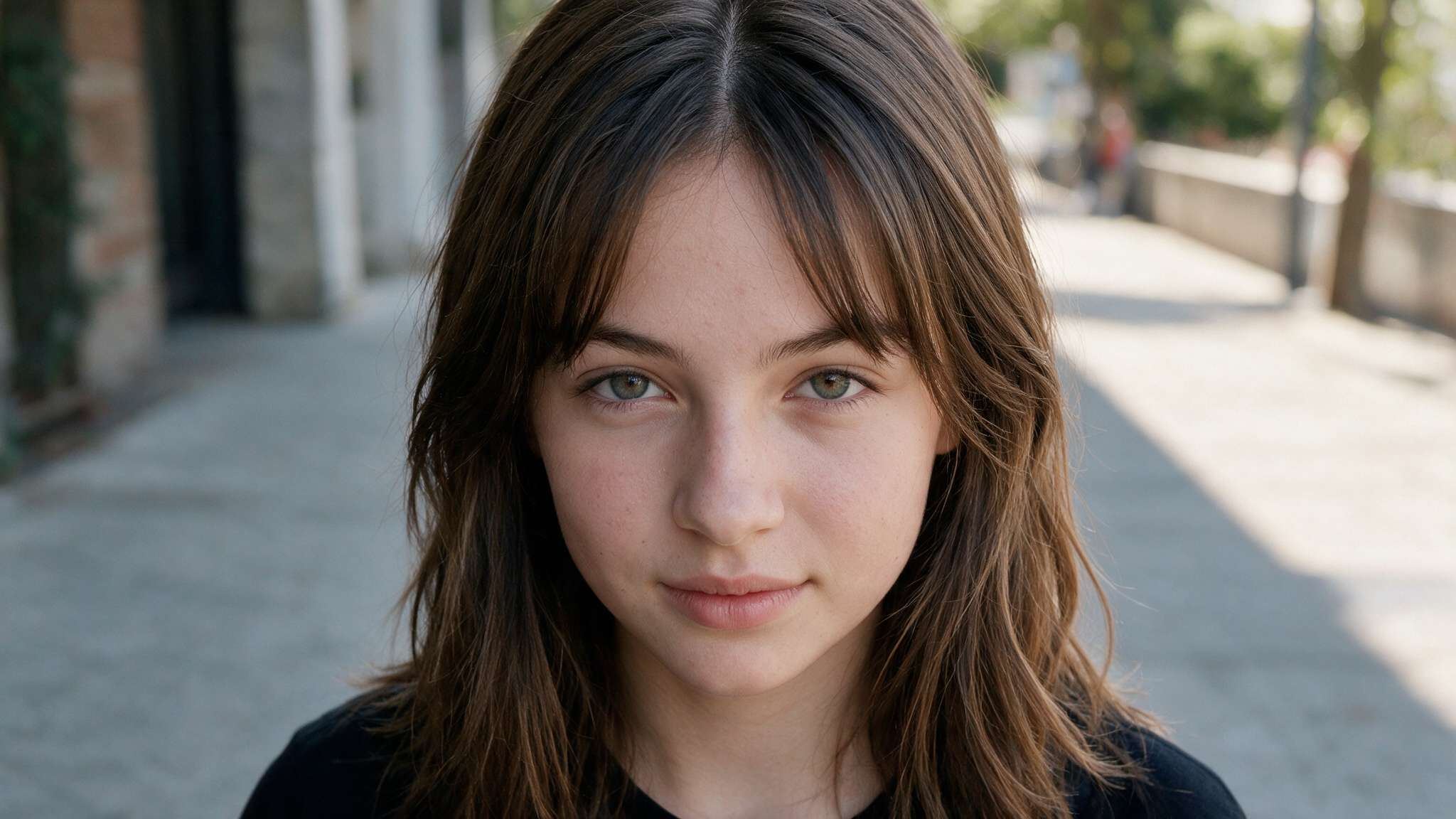
Curtain bangs part in the center and sweep to either side, framing the face without the commitment of a full fringe. They work with most existing hairstyles and haircuts, making them a popular add-on for teens exploring a smaller change first.
- Length: Works with any length
- Texture: Suits straight, wavy, and curly textures alike
- Face shape: Especially flattering on round and square faces
- Lifestyle: Low daily maintenance once grown in properly
- Occasion: Everyday wear across most occasions
26. Butterfly Cut
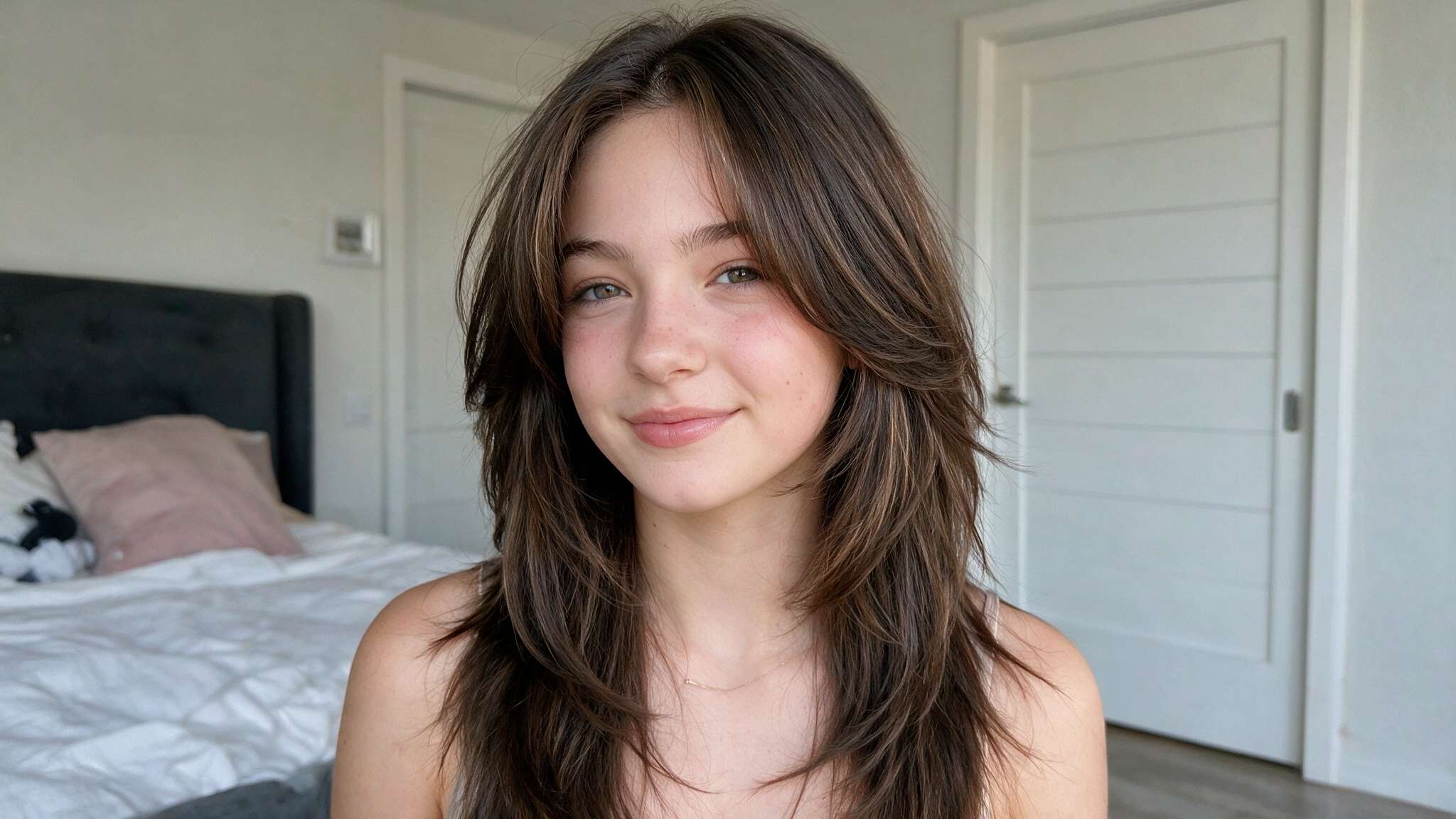
A butterfly cut combines heavy layering around the face with longer length underneath, creating a dramatic, voluminous silhouette that became especially popular through social media trends. It is a cut I plan carefully in stages, since getting the layer placement wrong flattens the whole effect.
- Length: Medium to long hair
- Texture: Works best on straight to wavy hair with body
- Face shape: Flatters oval and heart faces
- Lifestyle: Good for teens wanting volume without daily effort
- Occasion: Everyday wear and photo-friendly occasions
27. Wolf Cut
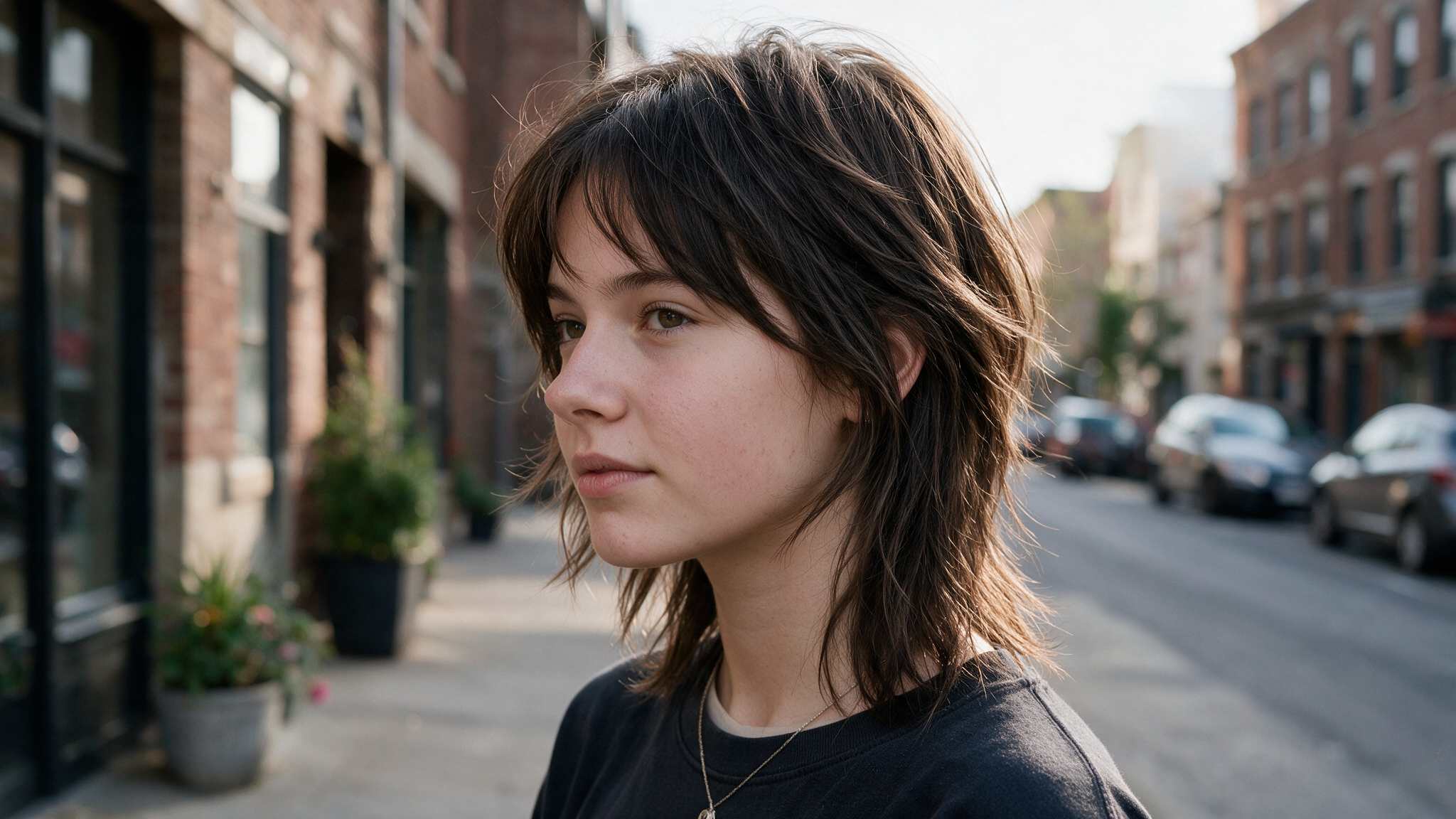
The wolf cut blends a shag with a mullet-inspired shape, with heavy layers, texture, and a slightly messy finish that looks intentional rather than undone. I always block extra time for this one on the schedule, since uneven layering shows immediately and there is no shortcut around a steady hand.
- Length: Short to medium length
- Texture: Best suited to straight or wavy textures with texture
- Face shape: Flatters round and long faces
- Lifestyle: Great for teens who prefer a lived-in daily look
- Occasion: Everyday wear and casual social settings
28. Shoulder-Length Layers
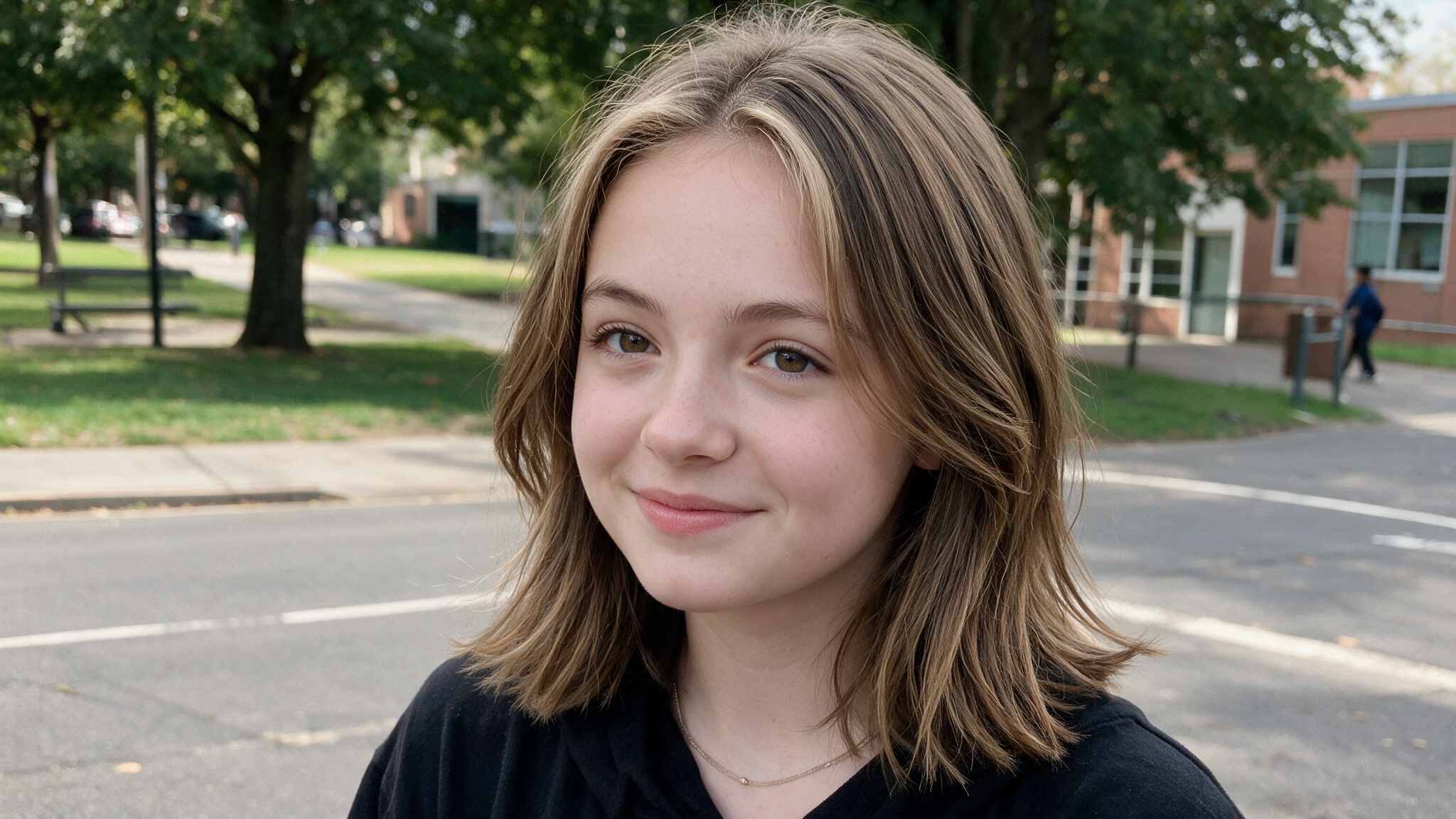
Shoulder-length layers sit at a length that works for both down styles and simple updos, offering flexibility that shorter or much longer cuts do not provide as easily. The added layers keep the ends from looking blunt or heavy, especially for thicker hair types that need extra movement.
- Length: Shoulder length specifically
- Texture: Works especially well on thick or wavy hair
- Face shape: Flatters most face shapes
- Lifestyle: Versatile for both quick and dressed-up days
- Occasion: School, everyday wear, or casual events
29. Long Layers
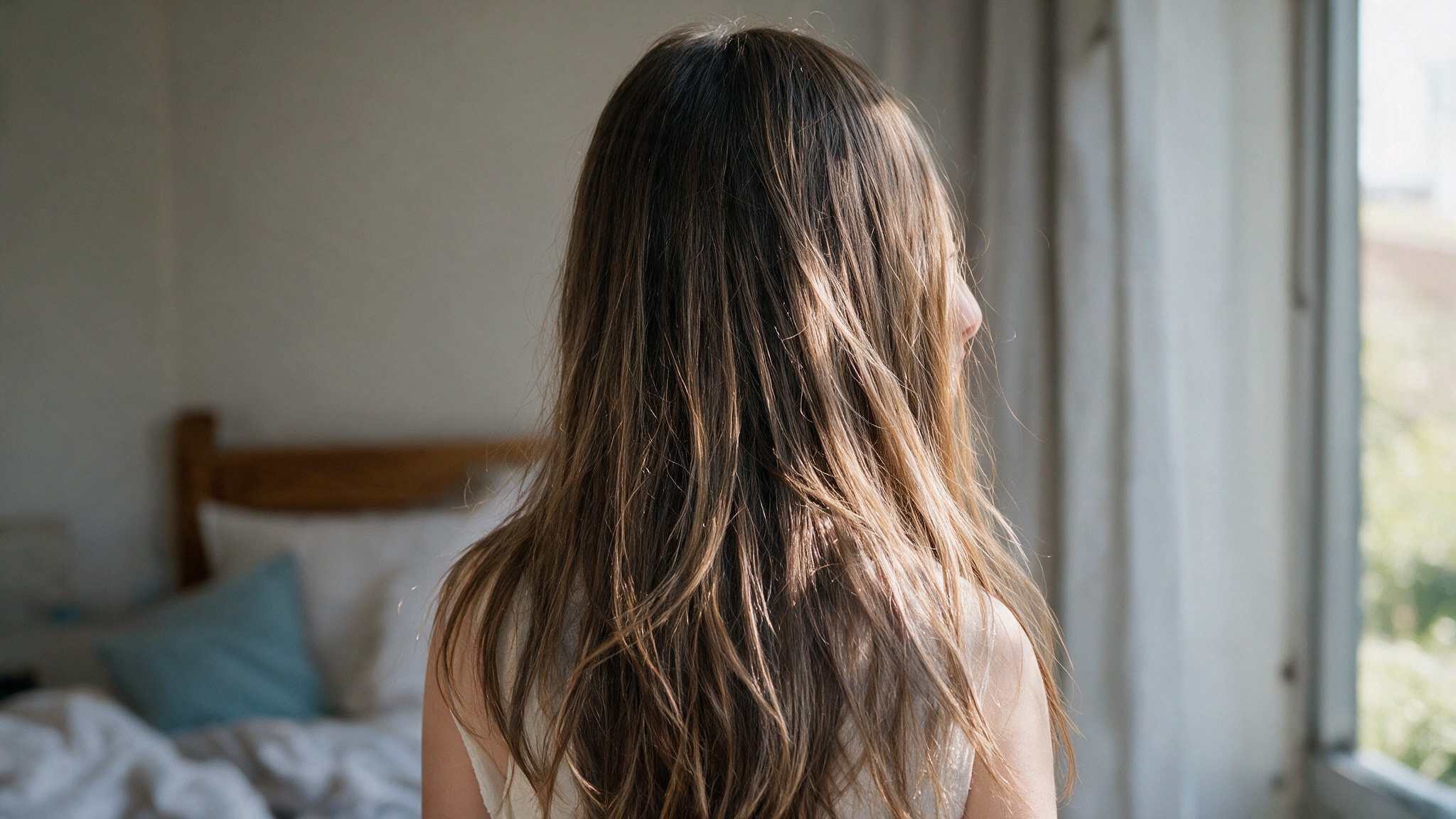
Long layers keep overall length while removing bulk, which stops hair from looking heavy or shapeless as it grows out. This is the cut I reach for whenever a client’s thick hair is fighting them more than it is helping them.
- Length: Long hair, past shoulder length
- Texture: Ideal for thick or coarse hair needing weight removed
- Face shape: Flatters heart and square faces by softening the jawline
- Lifestyle: Good for versatile daily and occasion styling
- Occasion: Everyday wear or special occasions alike
30. Beach Waves
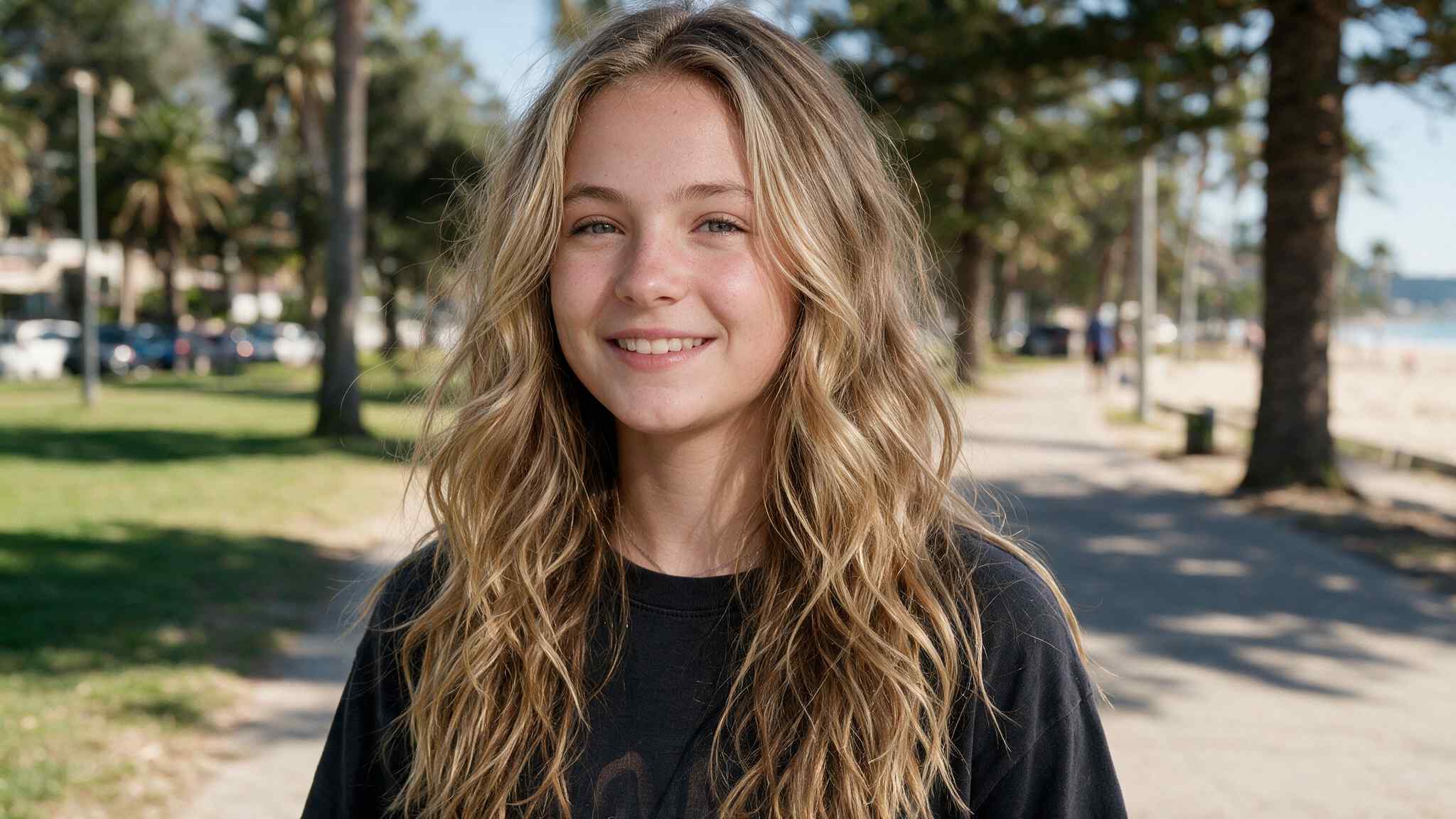
Beach waves create a relaxed, slightly undone wave pattern using either a curling wand held loosely or braids worn overnight. The look reads as effortless rather than overly styled, which is part of why it remains consistently popular among teens across different seasons and trends.
- Length: Medium to long hair
- Texture: Works on straight, wavy, or loosely curly hair
- Face shape: Flatters most face shapes
- Lifestyle: Fits casual, relaxed daily routines
- Occasion: School, weekends, or casual social events
31. Loose Curls
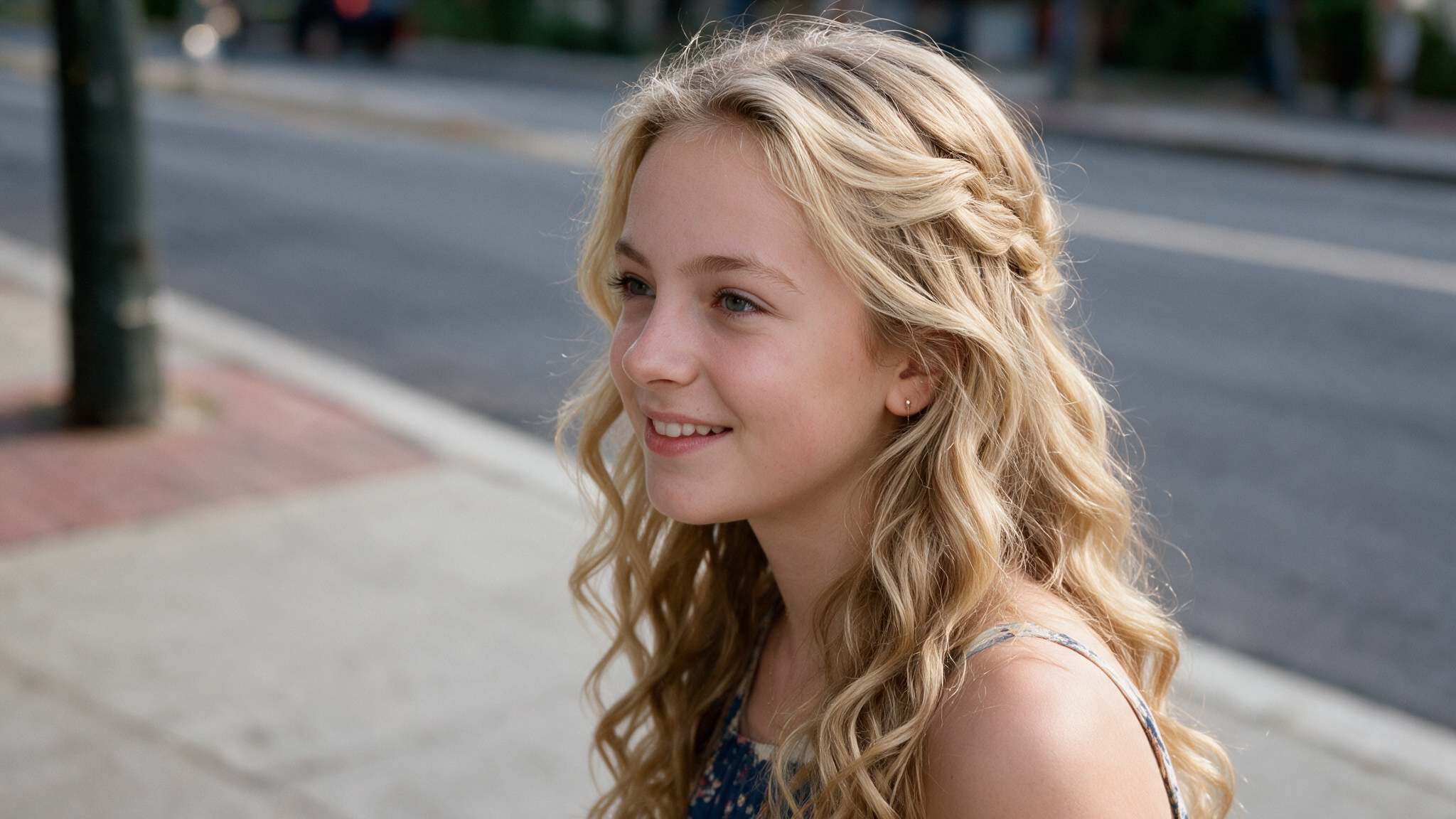
Loose curls use a larger curling iron barrel or an overnight method to create soft, wide waves rather than tight ringlets. My dressier teen clients ask for this one over tighter curls almost every time, since it reads as put together rather than costume-like.
- Length: Medium to long hair
- Texture: Best on straight to wavy hair for defined shape
- Face shape: Flatters oval and heart faces
- Lifestyle: Good for occasions needing a polished finish
- Occasion: Events, photos, or dressier school days
32. Soft Waves
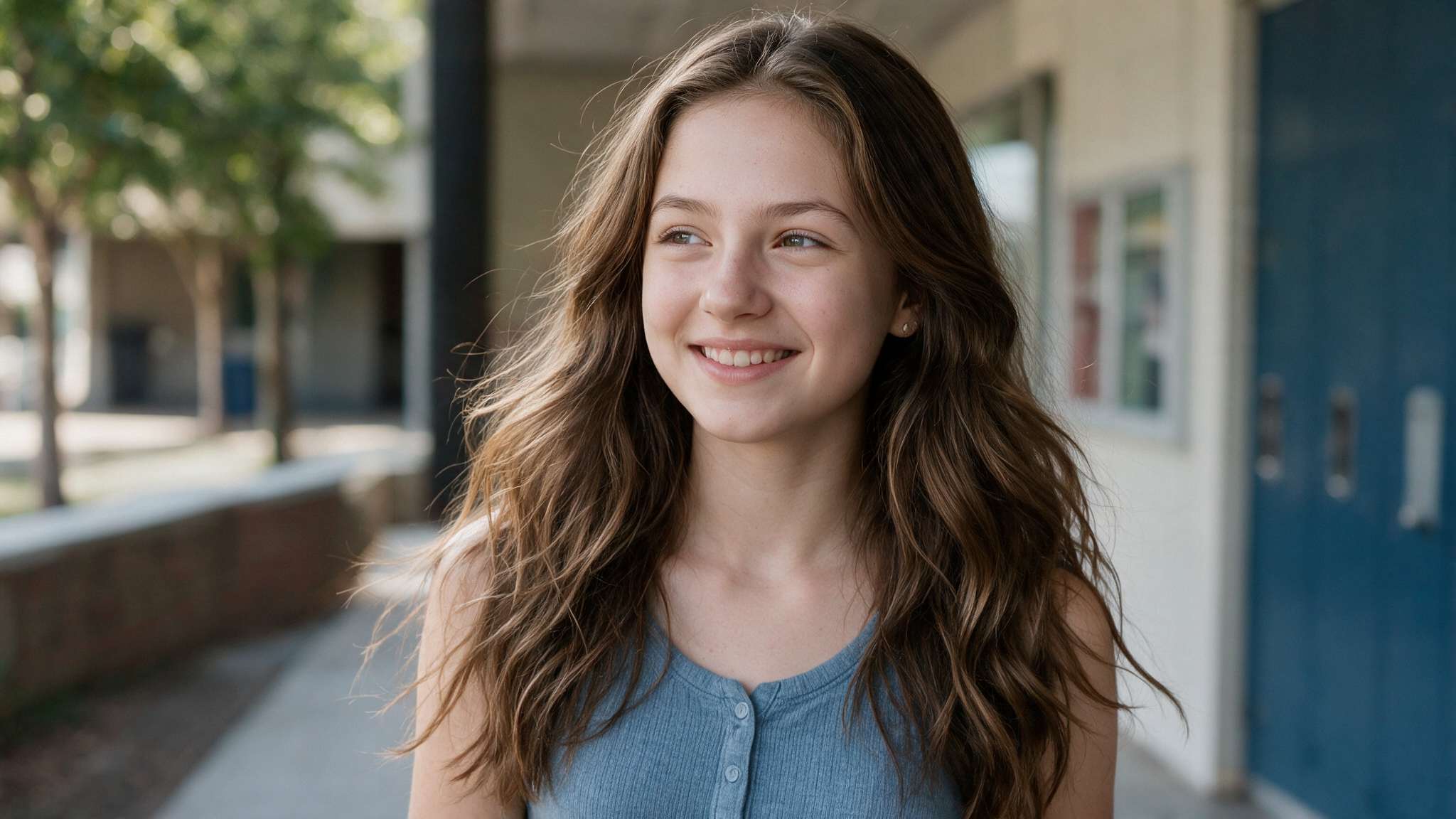
Soft waves sit between beach waves and defined curls, offering gentle movement without heavy texture or an overly styled appearance. They work well as a base for accessories or as a finished look entirely on their own for more relaxed events, requiring only moderate styling time overall.
- Length: Medium to long hair
- Texture: Works on straight and wavy hair especially well
- Face shape: Flatters most face shapes
- Lifestyle: Suits both relaxed and slightly formal settings
- Occasion: School events, gatherings, or casual outings
33. Braided Crown Updo
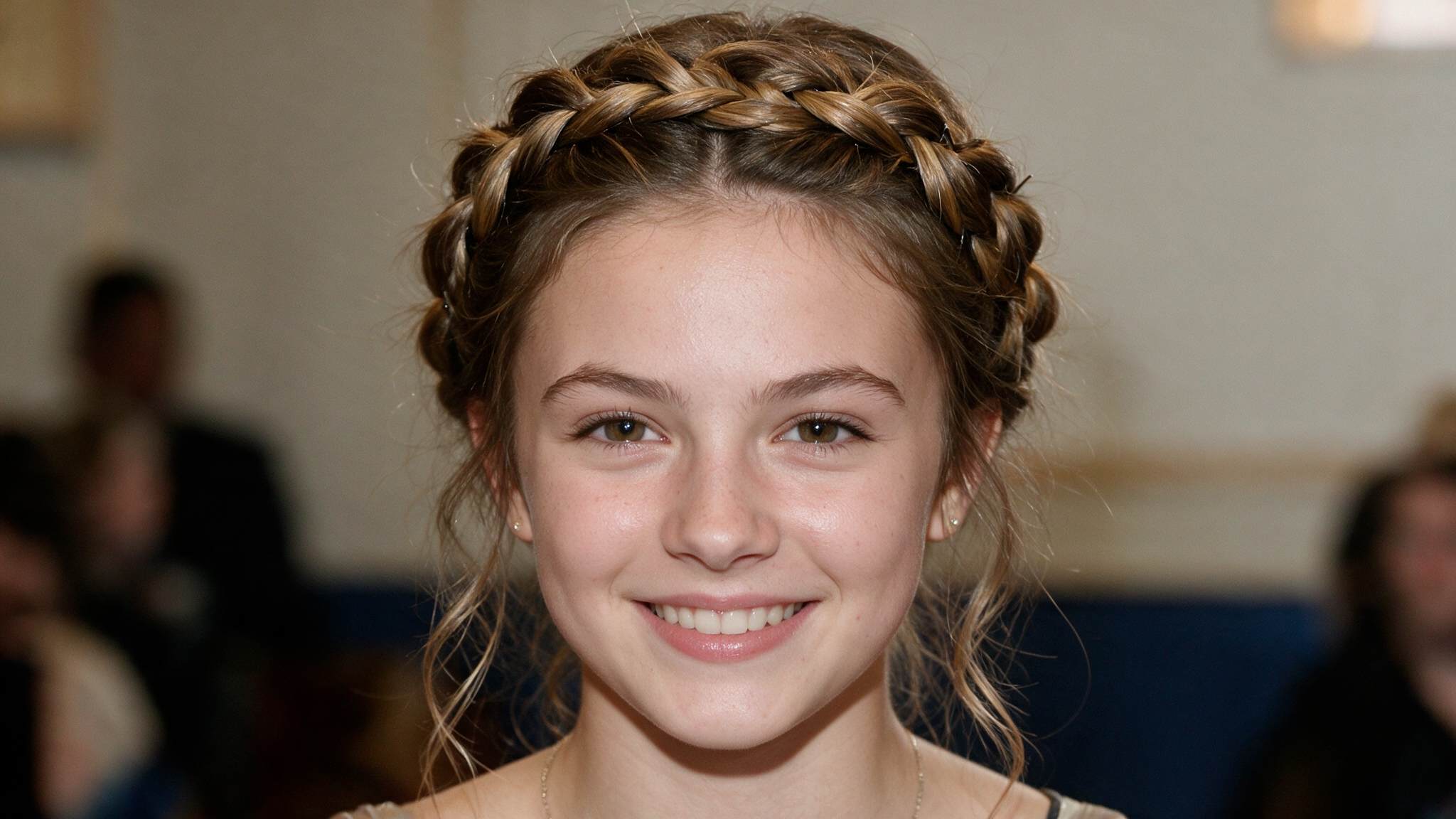
A braided crown updo wraps thicker braids fully around the head for a more formal look than a casual crown braid, often finished with pins to control flyaways. It looks polished without requiring professional styling experience, though it takes practice to perfect.
- Length: Medium to long hair
- Texture: Best suited to thick or textured hair for fullness
- Face shape: Flatters heart and oval faces
- Lifestyle: Reserved for occasions worth the extra styling time
- Occasion: Formal events, dances, or photo occasions
34. Chignon
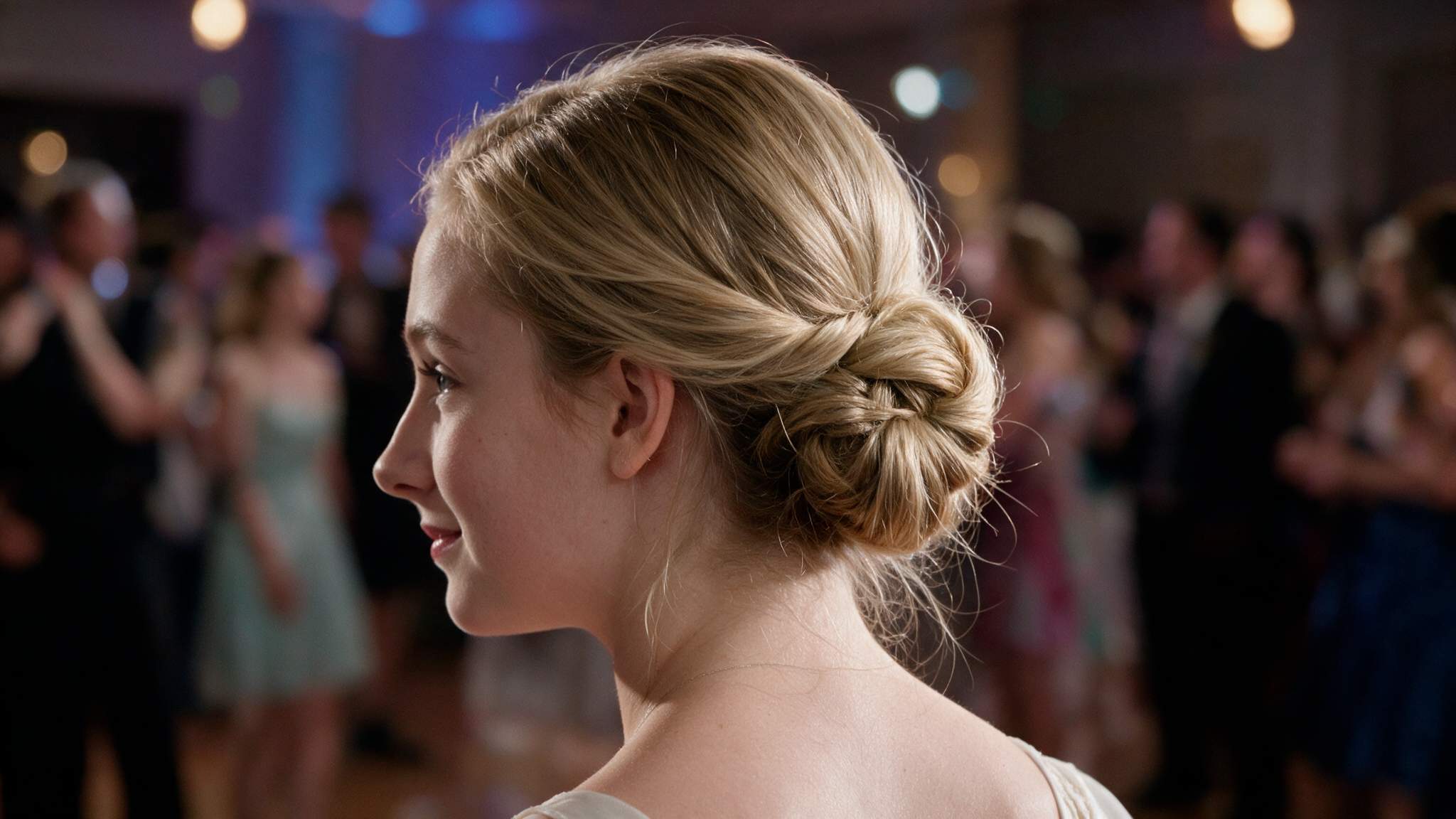
A chignon gathers hair into a low, twisted knot at the nape, creating a refined look often associated with formal events rather than everyday wear. It stays neat through hours of movement, making it practical for long event days, and it pairs well with simple accessories or none at all.
- Length: Medium to long hair
- Texture: Works best on straight to wavy hair
- Face shape: Flatters most face shapes
- Lifestyle: Best suited to occasions requiring a polished look
- Occasion: Formal events, dances, or family gatherings
35. Hollywood Waves
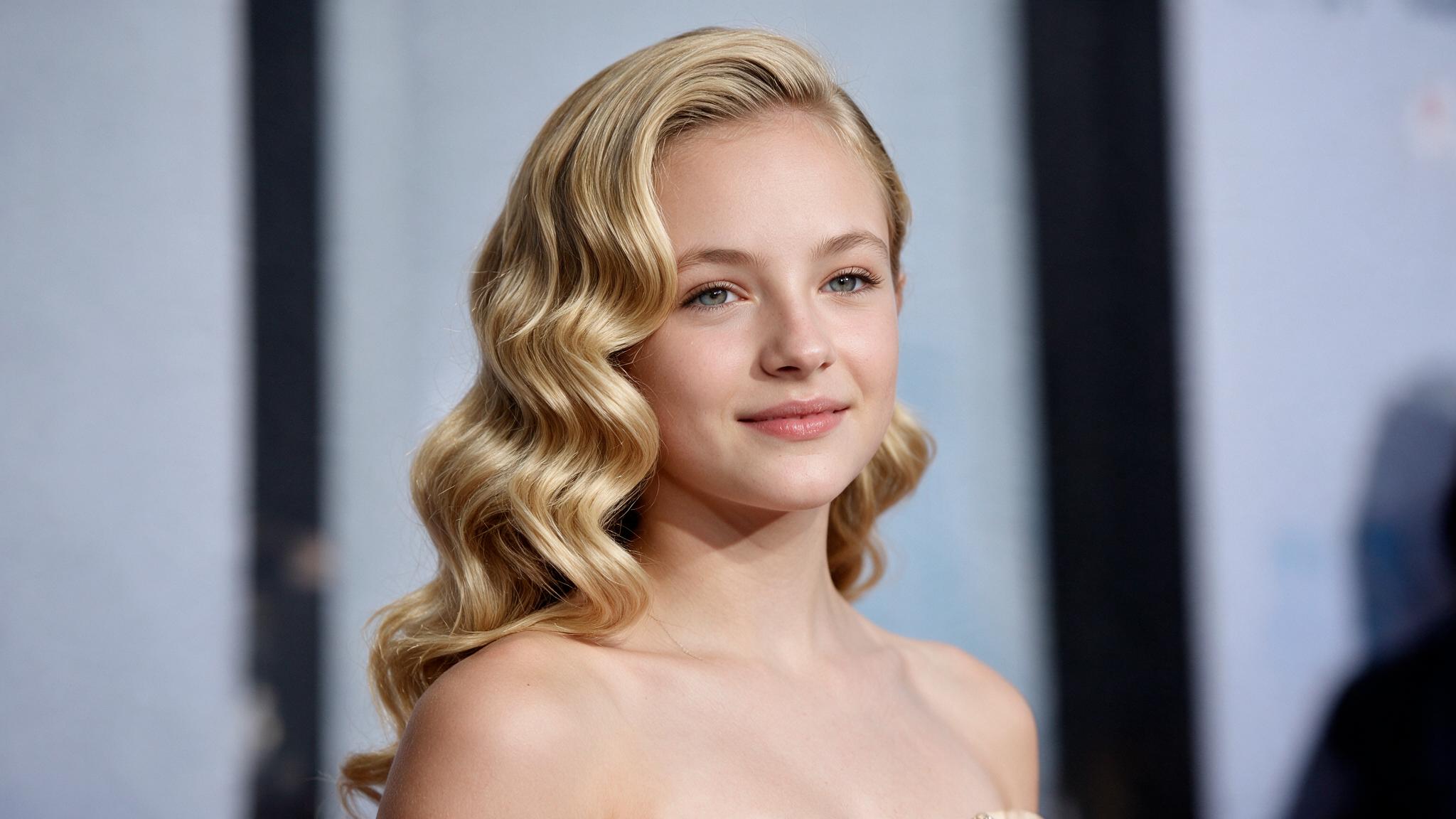
Hollywood waves create tight, defined S-shaped curls set close to the head, a look that traces back to 1930s finger waving and has resurfaced through prom and formal styling trends. The technique takes more time than looser waves but delivers a distinctly glamorous result.
- Length: Medium to long hair
- Texture: Best on straight to slightly wavy hair
- Face shape: Flatters oval and heart faces especially
- Lifestyle: Reserved for occasions worth extra preparation time
- Occasion: Prom, formal dances, or special photo events
36. Sleek High Ponytail (Formal)
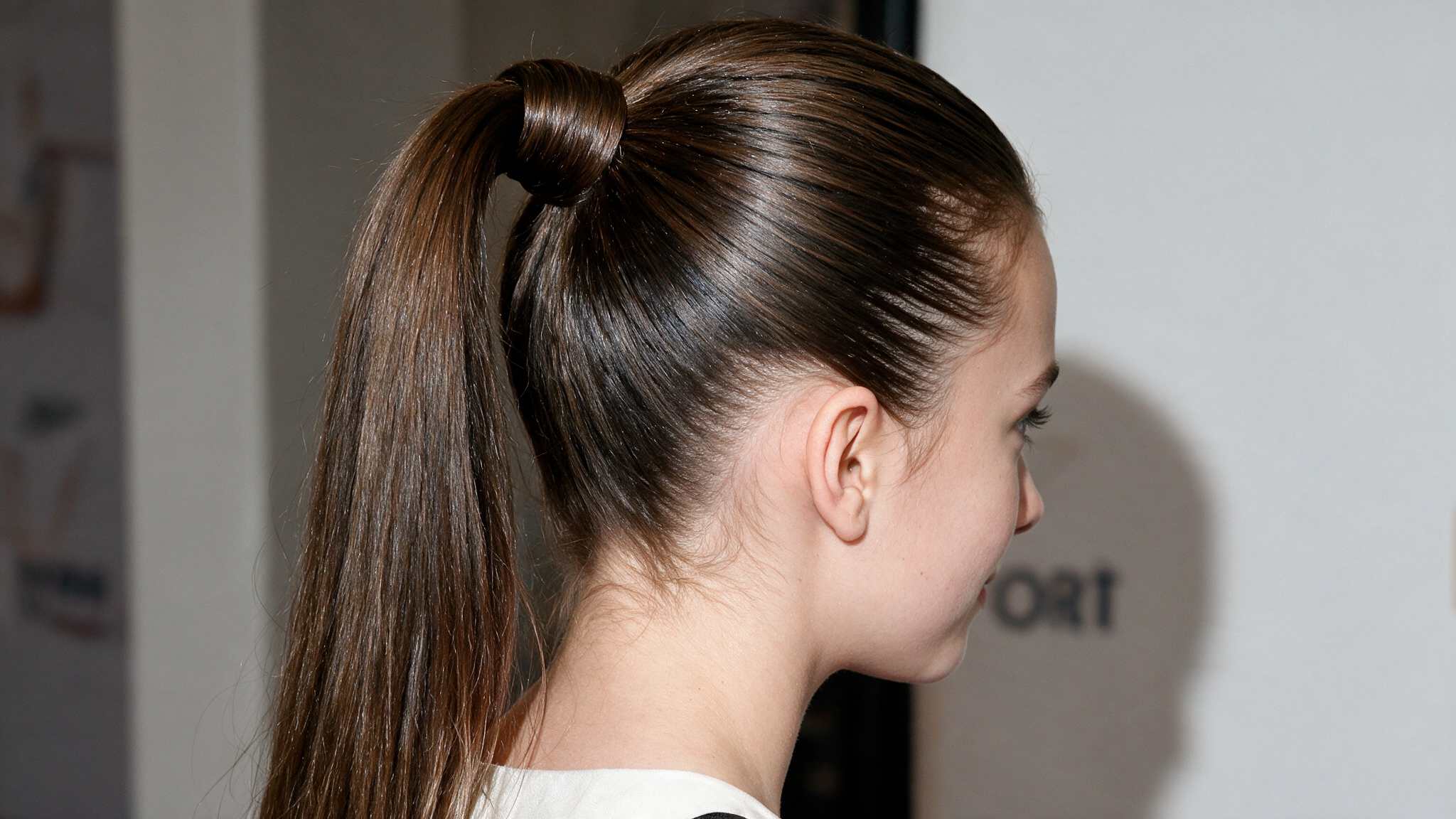
Taking the everyday high ponytail and smoothing it completely with gel or a flat iron turns a casual style into a polished formal option. Adding a wrapped section of hair around the base finishes the look for more dressed-up occasions, giving it a noticeably more finished result overall.
- Length: Medium to long hair
- Texture: Works best on straight or straightened hair
- Face shape: Flatters most face shapes
- Lifestyle: Suited to occasions worth extra styling effort
- Occasion: Formal events, dances, or performances
37. Braided Updo With Accessories
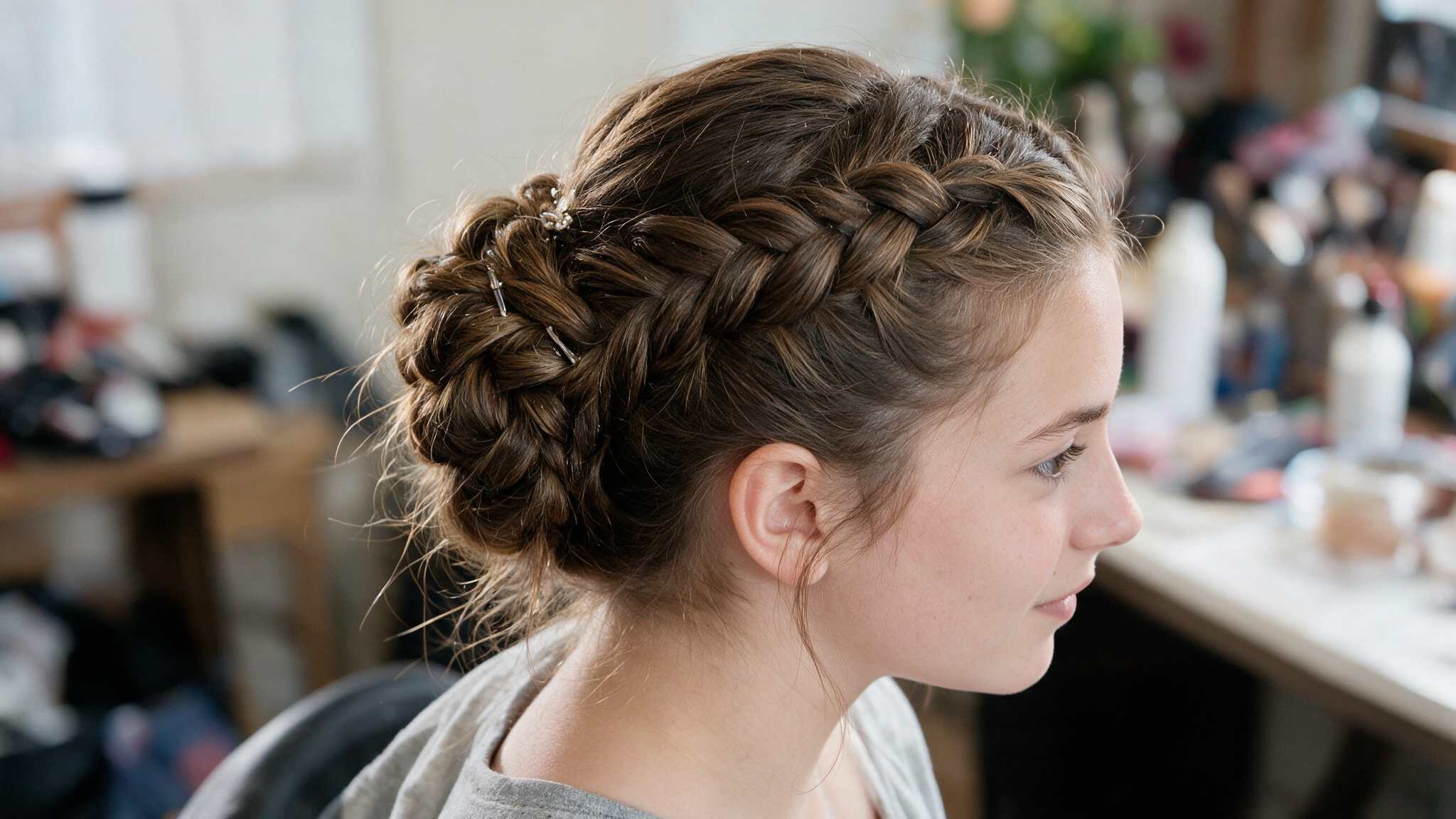
Combining a braided base with pins, pearls, or small clips creates a customizable updo that shifts from simple to elaborate depending on how many accessories you add. I keep a small tin of pins and clips in my kit purely for this one, since it is the easiest way to make one braid look like three different styles across a school year.
- Length: Medium to long hair
- Texture: Works on straight, wavy, or curly hair alike
- Face shape: Flatters most face shapes, since the accessories draw attention away from proportion
- Lifestyle: Best for occasions worth extra preparation time
- Occasion: Formal events, dances, or celebrations
From everyday cuts you can request at your next salon visit to elegant formal updos you can style at home for special occasions, these styles bring together a variety of looks for different hair types, events, preferences, and effort levels.
Talking to Your Stylist: How to Ask for These Looks
Half the disappointing haircuts I fix in my chair started with a photo and nothing else. A photo shows the finished shape, not the cutting technique or the hair type behind it, so it leaves out exactly what your stylist needs to know.
- Bring one or two reference photos, but say out loud what you actually want copied: the length, the fringe, or the layering, not necessarily all three.
- Describe your hair’s real behavior, not its appearance on a good day. “It frizzes by 3pm” tells a stylist more than “it’s wavy.”
- Ask how much daily styling the cut needs before you commit. A wolf cut and a blunt bob take very different amounts of morning effort.
- If you are between two teenage hairstyle looks, ask your stylist which one grows out better, since that often matters more than which looks better on day one.
DIY at Home Versus Booking a Salon Visit
Most of the everyday styles in this list- the buns, braids, and ponytails- are ones I actively encourage clients to practice at home rather than book an appointment for. But a few things are worth a proper visit rather than a video tutorial.
Do It Yourself | Book a Professional |
|---|---|
Buns, ponytails, braids, twists, heatless curls | Any structural cut: pixie, wolf cut, butterfly cut, curtain bangs |
Loose curls or waves with a wand you already know how to use | Hollywood waves or Bantu knots the first time, since technique errors are hard to fix alone |
Simple updos for school or weekends | Formal updos for prom or a wedding, where hold has to last all day |
If you are unsure which side of that line a style falls on, that is exactly what a consultation is for. A five-minute chat before booking saves you both a wasted appointment.
Hairstyle Hacks for Busy Teen Mornings
Managing hair on a tight school-morning schedule usually comes down to a few repeatable habits I share with every client, like planning ahead, keeping simple tools nearby, and choosing styles that save time without looking rushed.
- Prep hair the night before using braids or a headband for heatless texture by morning
- Keep a small kit of clips, ties, and pins in a bag for quick fixes
- Learn two or three go-to styles well enough to do them without a mirror
- Wash hair on a schedule that lines up with busier mornings, not just whenever due
- Keep dry shampoo on hand to stretch a style an extra day without a redo
I have watched a short rotation of reliable styles save more time than constantly hunting for something new, ever since my own apprentice days behind the chair. Find two or three looks that work with your routine and repeat them.
Haircare Tips to Keep These Styles Healthy
Cute hairstyles hold up better on healthy hair, so I pair styling advice with a few simple care habits that keep hair strong, manageable, and ready for everyday looks without adding unnecessary stress.
- Use heat protectant spray: reduces damage from hot tool contact
- Avoid extremely tight daily styles: protects the hairline from tension
- Detangle from ends upward: prevents breakage near the roots
- Trim every eight to twelve weeks: stops split ends from spreading further up the strand
- Add moisture for curly or coily hair: prevents the dryness these textures are more prone to
I explain these in plain steps to every client, because clinical guidance on hair breakage backs up what I see in the chair: healthy hair holds a style longer than damaged hair does, and it makes every look on this list easier to create, maintain, and enjoy with less daily effort.
Final Thoughts
Finding the right look comes down to matching a style to your hair and your schedule, not just whatever looks best in a photo.
I built this list of cute hairstyles for teen girls around the same principle I use in my chair every single day: precision that lasts well past the mirror moment.
Notes on length, texture, and occasion sit inside each entry so you can choose a cut that suits your life, not the algorithm. Pairing the right style with solid haircare habits keeps hair looking good without constant repair later.
Try one this week, and check out my other articles for more ideas worth trying next.
Frequently Asked Questions
How Often Should Teens Switch Up Their Hairstyle?
There is no fixed rule, but rotating two or three reliable styles through the week tends to work better than reaching for something new every day. It protects hair from repeated tension in the same spots and still keeps mornings varied.
What Is a Good Hairstyle for a School Picture Day?
A half-up, half-down style or a low bun photographs well because it keeps hair off the face without flattening the crown. Avoid anything brand new on picture day itself, since untested styles are more likely to slip by the time the photo is taken.
Does Layering Help Thick Hair Feel Lighter?
Layering hair, even slightly, generally reduces perceived thickness and adds movement, which makes thick hair feel lighter and easier to manage during daily styling.
Can a Salon Recreate a Specific Haircut From a Photo?
Many barbers and stylists can recreate cuts like the wolf cut or butterfly cut from a photo, though results vary based on your natural hair texture and density.
Do Heatless Styles Actually Work on Thick Hair?
Yes, though thick hair usually needs to be damp rather than soaking wet before braiding or wrapping it, and it needs a few extra hours to dry fully overnight. Thin hair sets faster but loses the wave sooner during the day.