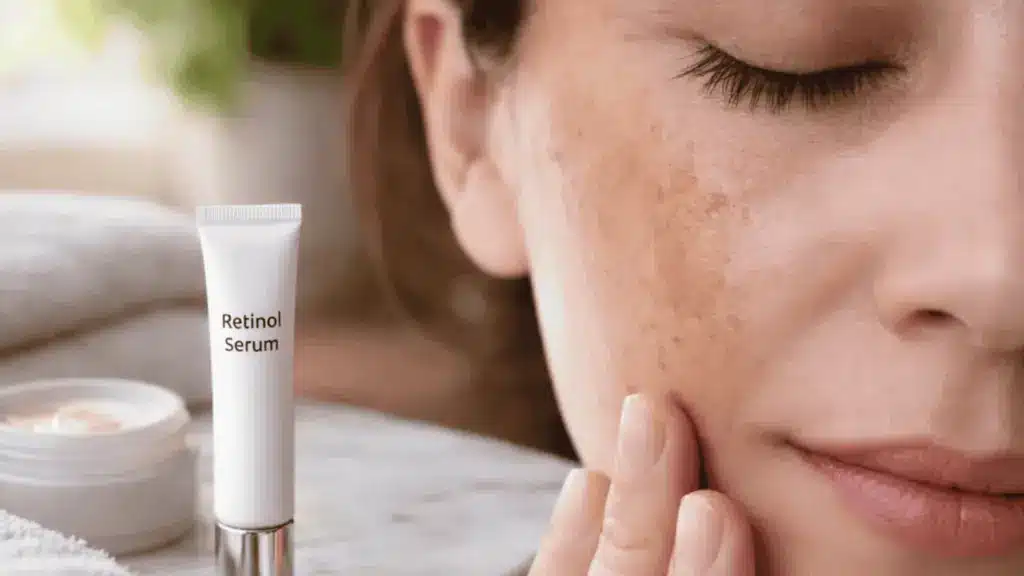
Dark spots can sit on your skin for months and make your face look tired, older, and uneven, even when the rest of your skin feels fine.
I have seen this happen after acne, sun damage, and hormonal changes, and you may be dealing with the same thing now.
That is why so many people ask, “Does retinol help with dark spots?” and can it really fade hyperpigmentation over time.
I will be telling you how retinol works on dark spots, which marks respond best, how long results take, and how to use it safely.
But before getting into the results and routine, let’s first understand what dark spots are and why they show up in the first place.
What Are Dark Spots and Why Do They Form?
Dark spots, also called hyperpigmentation, occur when your skin produces excess melanin in certain areas.
Melanin is the pigment that gives skin its natural color. When something triggers overproduction, you get uneven patches that appear darker than the rest of your complexion.
Dark spots can develop due to sun damage to your skin. However, the sun is just 1 of several common triggers.
The 3 most common causes include:
- Acne scars: Irritated acne and cystic acne can leave pigmented spots that look red, deep purple, or brown long after the blemish has healed.
- Sun exposure: Years of UV damage cause melanin to build up in concentrated areas, forming what many people call age spots or sunspots.
- Hormonal changes: Hormonal shifts during pregnancy or menstruation can trigger excess melanin production.
Other factors include skin injuries, certain medications, and inflammatory conditions such as eczema. Knowing the cause matters because it directly affects how well retinol will work on your specific spots.
Does Retinol Help with Dark Spots & How?
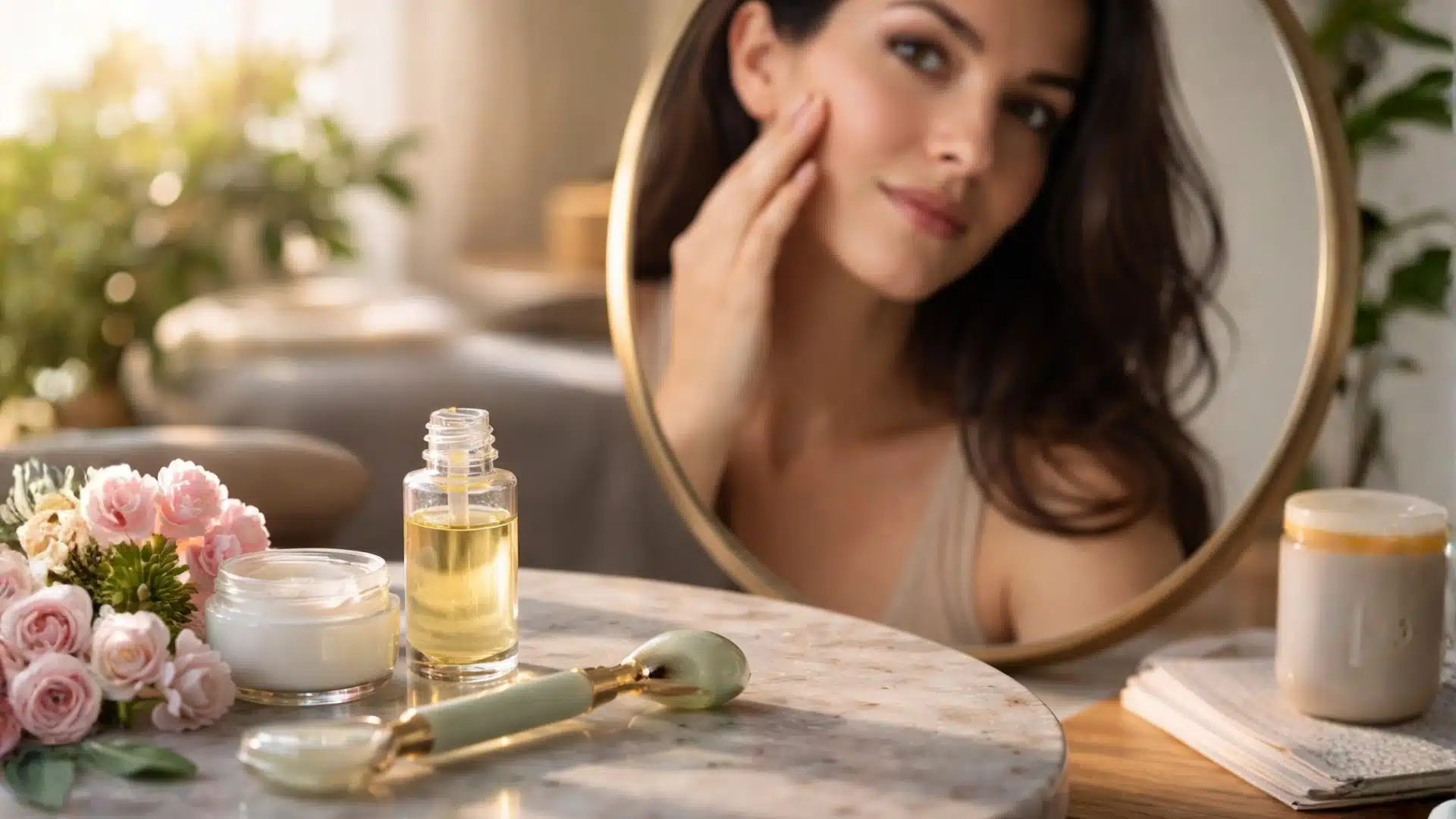
So, for those who are still wondering, “Does Retinol help with dark spots?” The answer is a big yes.
Retinol is a Vitamin A derivative from the retinoid family. It works at a cellular level, not just on the surface of your skin. This is what makes it so effective.
Retinol supports cell turnover, which is the rate at which your skin renews itself.
As a child, your skin replaces itself roughly every month. In adults in their 40s and 50s, this cycle slows to about 45-60 days. When old, pigmented cells sit on the surface too long, dark spots become more visible.
People using retinoids for blackheads often notice that their skin tone improves as well.
This is because faster cell turnover doesn’t just clear clogged pores but also helps fade lingering acne‑related dark marks over time.
Retinol speeds up this renewal process. Because retinol speeds up the skin renewal process, it’s a great ingredient for fading hard-to-treat spots.
But it does more than exfoliate. Retinol also reduces the production of tyrosinase, an enzyme that plays a key role in melanin formation.
By slowing the activity of that enzyme, retinol limits the amount of new pigment your skin produces.
On top of that, retinol boosts collagen production. Collagen promotes skin cell turnover, which helps peel and fade away dark spots.
More collagen also means firmer, more resilient skin overall.
So retinol fights dark spots on 3 fronts at the same time: faster cell turnover, reduced melanin production, and increased collagen.
Which Types of Dark Spots Respond Best to Retinol?
Not all dark spots are created equal. Retinol works better on some types than others.
1. Post-Inflammatory Hyperpigmentation (PIH)
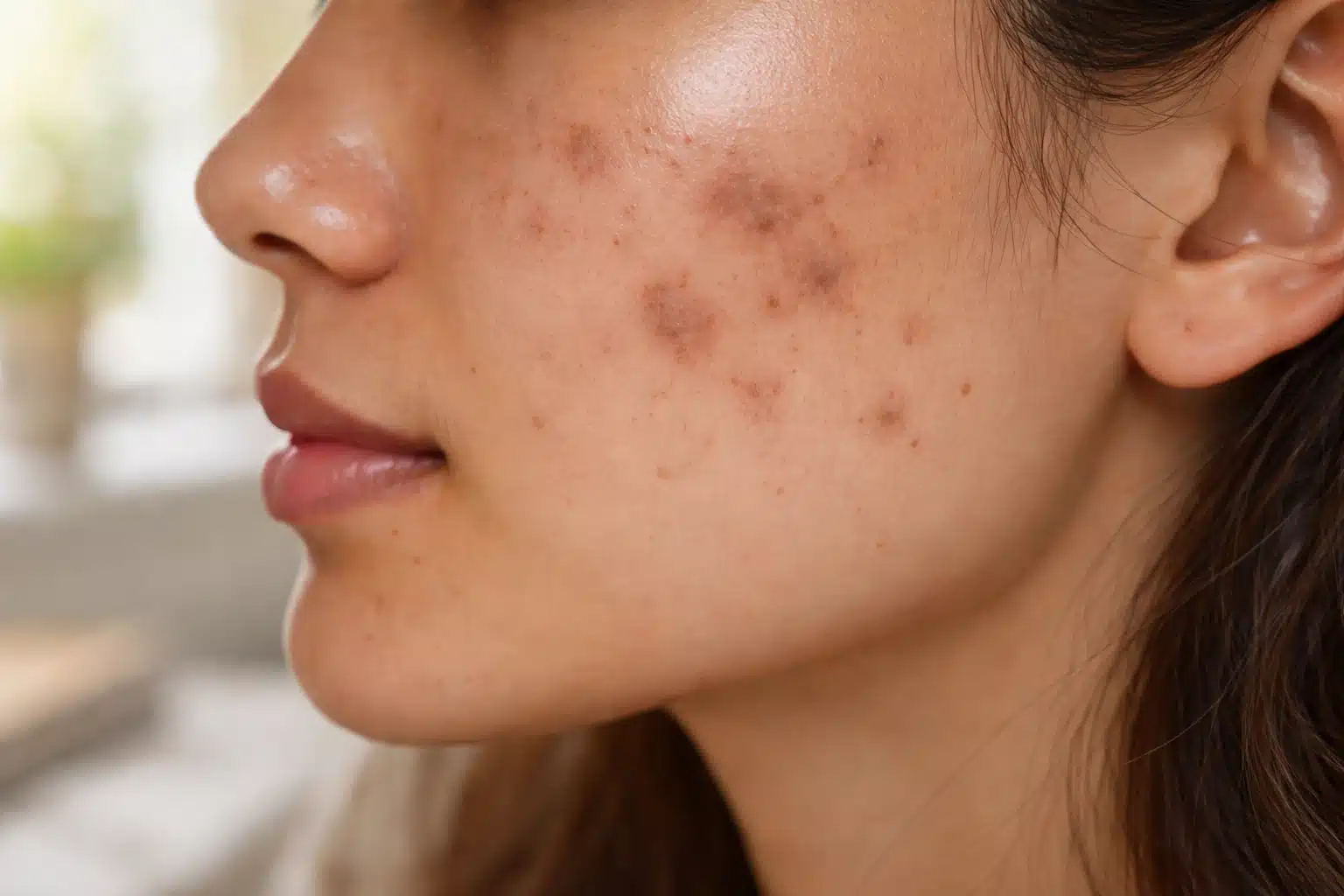
PIH, or post-inflammatory hyperpigmentation, is a skin condition marked by dark patches that appear after acne lesions, cuts, burns, or skin irritation.
These spots develop due to inflammation and excess melanin production, presenting as flat, brown areas on the skin’s surface.
Retinol, a vitamin A derivative, is one of the most effective treatments for PIH, as it boosts skin cell turnover and enhances skin texture and tone.
Regular use of retinol, along with sun protection, can significantly improve the appearance of PIH over time. If you’ve noticed that retinol also softens freckles, you’re not alone.
2. Sunspots and Age Spots
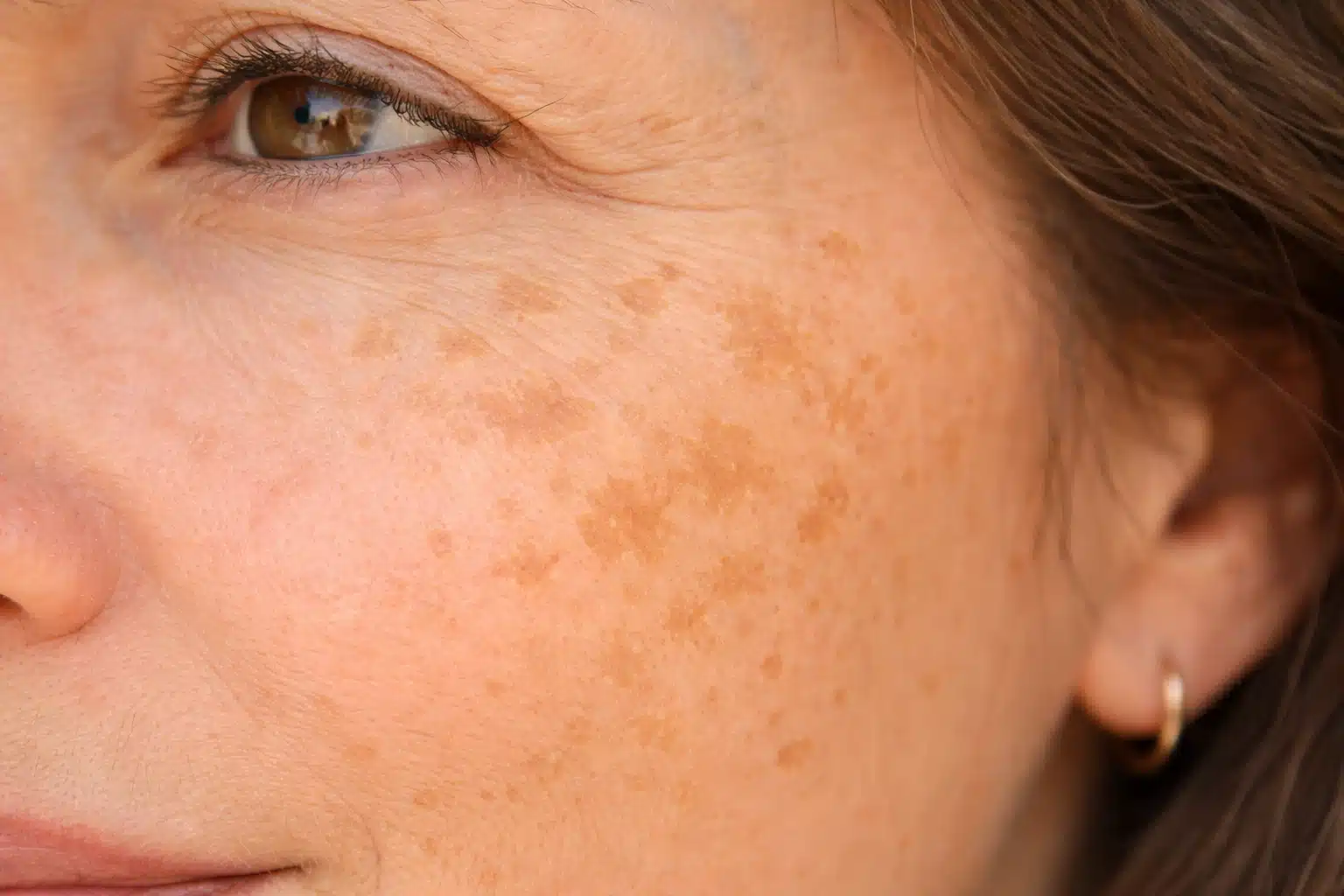
Years of UV exposure can cause flat, brown patches on the skin called sunspots or age spots, most often on sun-exposed areas such as the face, hands, and arms. These spots can increase with age.
Retinoid derivatives of Vitamin A are effective in treating sunspots by promoting skin cell turnover and evening out pigmentation.
Although results may take time and require consistent use, retinoids are generally effective for sunspots and age spots.
Post-inflammatory hyperpigmentation (PIH) often responds more quickly to retinol, while sunspots may need longer, consistent treatment to show noticeable fading.
Studies and clinical experience show that retinoids help fade small pigmented spots by speeding up cell turnover, which is why many dermatologists recommend them alongside strict sun protection.
3. Melasma
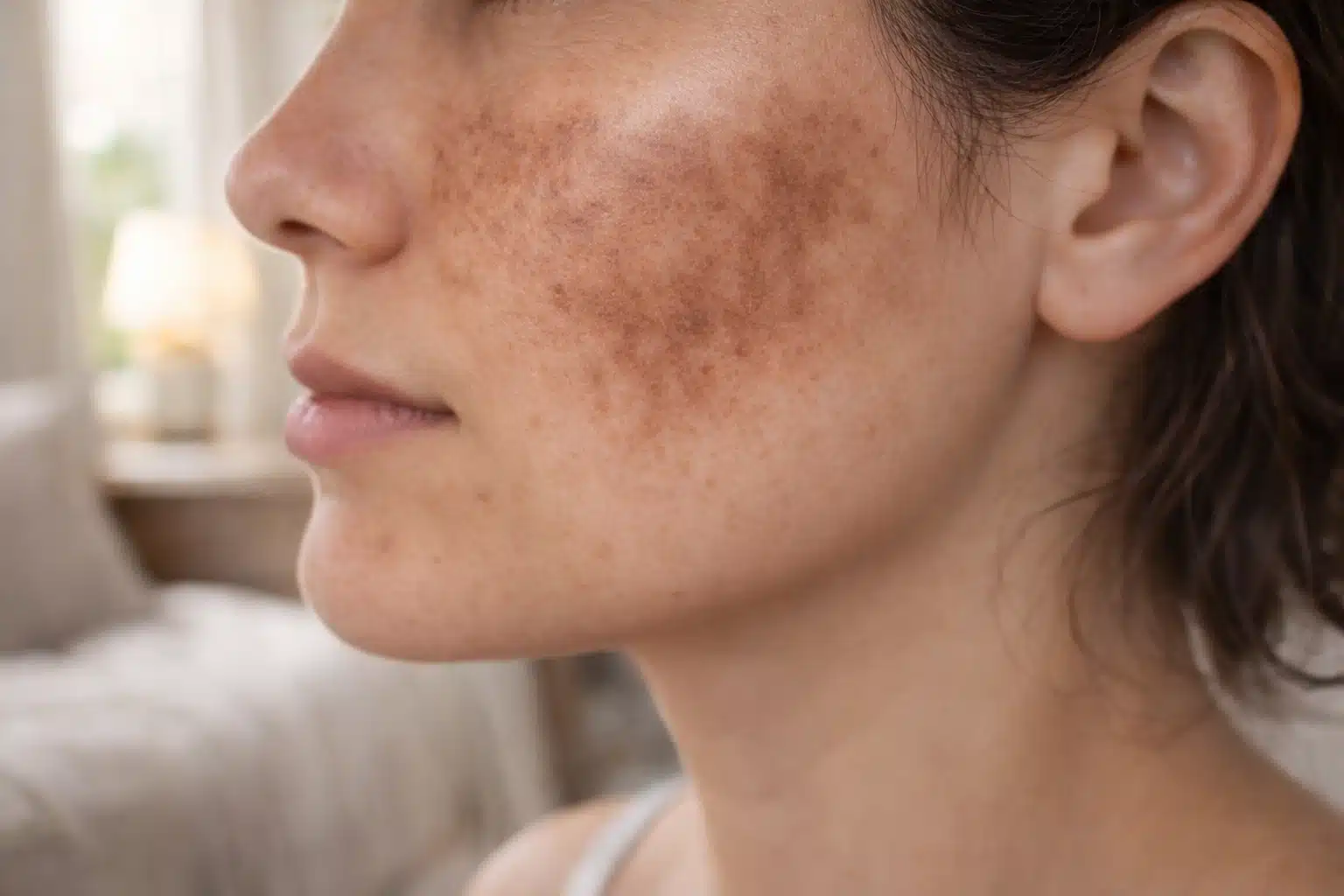
Melasma is a complex skin condition influenced by hormonal changes, often triggered during pregnancy, hormonal birth control, or hormone replacement therapy.
It appears as symmetrical brown or gray-brown patches on the face, particularly on the cheeks, forehead, nose, and chin.
While retinol, a vitamin A derivative, can help fade pigmentation, it is usually not enough on its own.
A comprehensive approach is recommended, including daily use of broad-spectrum sunscreen to protect against UV rays and incorporating pigment-blocking ingredients like hydroquinone, azelaic acid, or kojic acid.
Combining these strategies can significantly improve the appearance of melasma.
4. Deeper Dermal Pigmentation
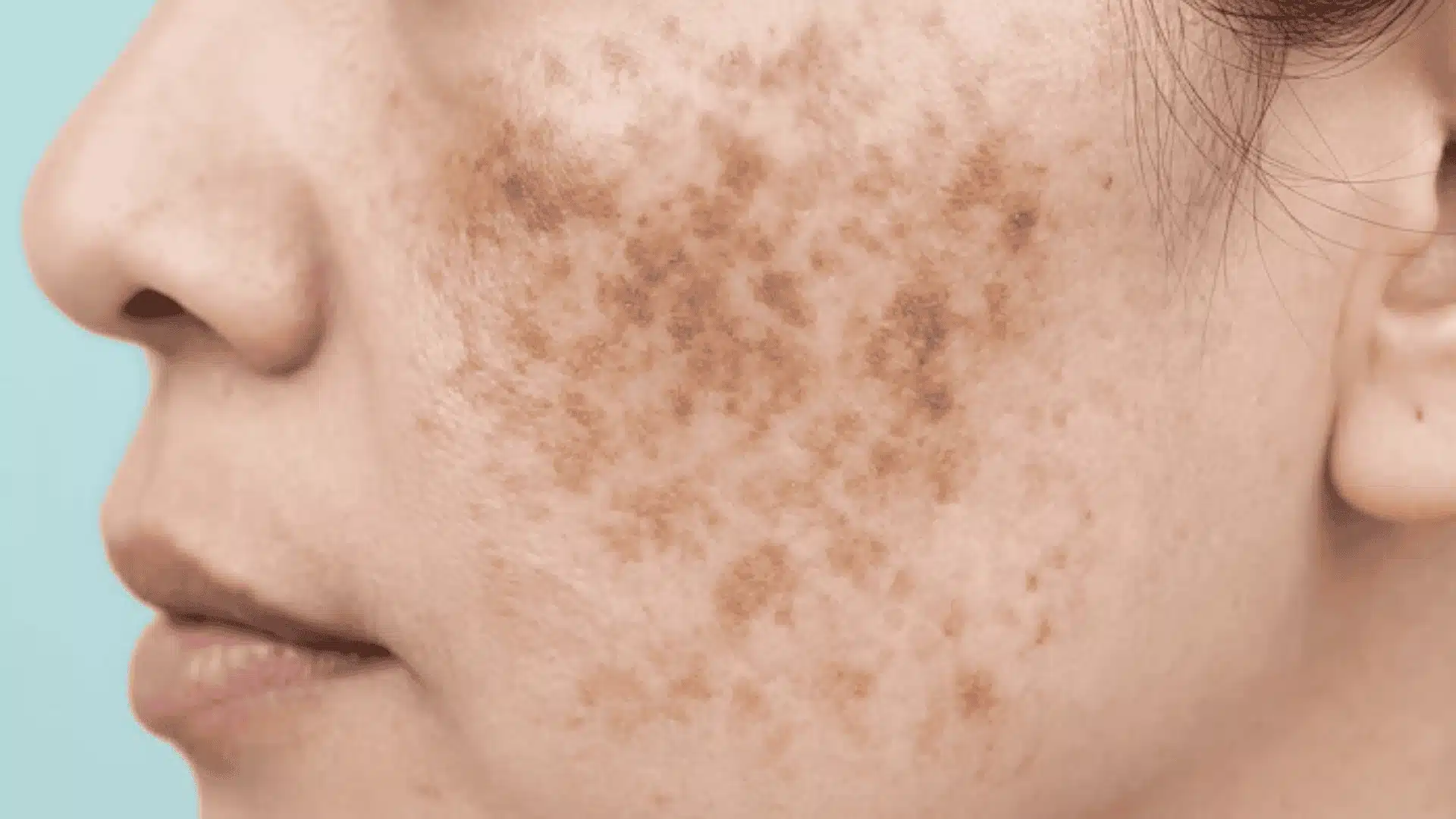
Retinol is effective for various skin concerns, including pigmentation, but it may not address deeper dermal issues. When pigmentation lies beneath the surface, professional treatments may be necessary.
Chemical peels can exfoliate and promote cell turnover, while laser therapy precisely targets and breaks down deeper pigmentation.
Consulting a dermatologist can help determine the best personalized treatment for your specific pigmentation issue.
How to Use Retinol for Dark Spots the Right Way?
Getting results with retinol depends heavily on how you use it. Follow these steps carefully.
- Start Low, Go Slow: Start with a concentration of 0.025% to 0.05%, applying it 2 to 3 nights per week initially. Gradually increase frequency as your skin adjusts without irritation.
- Apply Only at Night: Retinol breaks down in sunlight, so apply it at night. Retinoids also increase skin sensitivity to sunlight, making morning sunscreen essential.
- Pea-Sized Amount: Use a small amount on dry skin after cleansing to avoid rapid absorption and irritation.
- Follow Up With Moisturizer: Retinol can initially cause dryness and flaking. A moisturizer with hyaluronic acid or niacinamide can help alleviate these effects.
- Wear SPF 30+: Sunscreen is essential for managing dark spots like melasma and hyperpigmentation, as retinol can worsen these conditions without it. Fresh skin cells are more vulnerable to UV damage.
A well‑structured morning–night split, retinol at night, and broad‑spectrum SPF plus antioxidants in the morning helps max out dark‑spot fading while minimizing irritation and UV damage.
How Long Does Retinol Take to Fade Dark Spots?
Patience is everything with retinol. Overnight results do not happen, and that is completely normal.
Retinol takes some time to show its effects. On average, it can take 4 to 6 weeks to see initial changes. For dark spots specifically, most dermatologists recommend waiting 8 to 12 weeks of consistent use before judging results.
The best results for stubborn spots take 6 to 12 months of regular use. The same general timeline applies to deep sunspots and older marks.
One important thing to know: mild irritation, a sensitive feeling, and dry, flaky skin often show up in the first 2 to 4 weeks.
This “retinol adjustment phase” is normal. Push through it gently, and your skin will adapt.
What Ingredients Pair Well with Retinol?
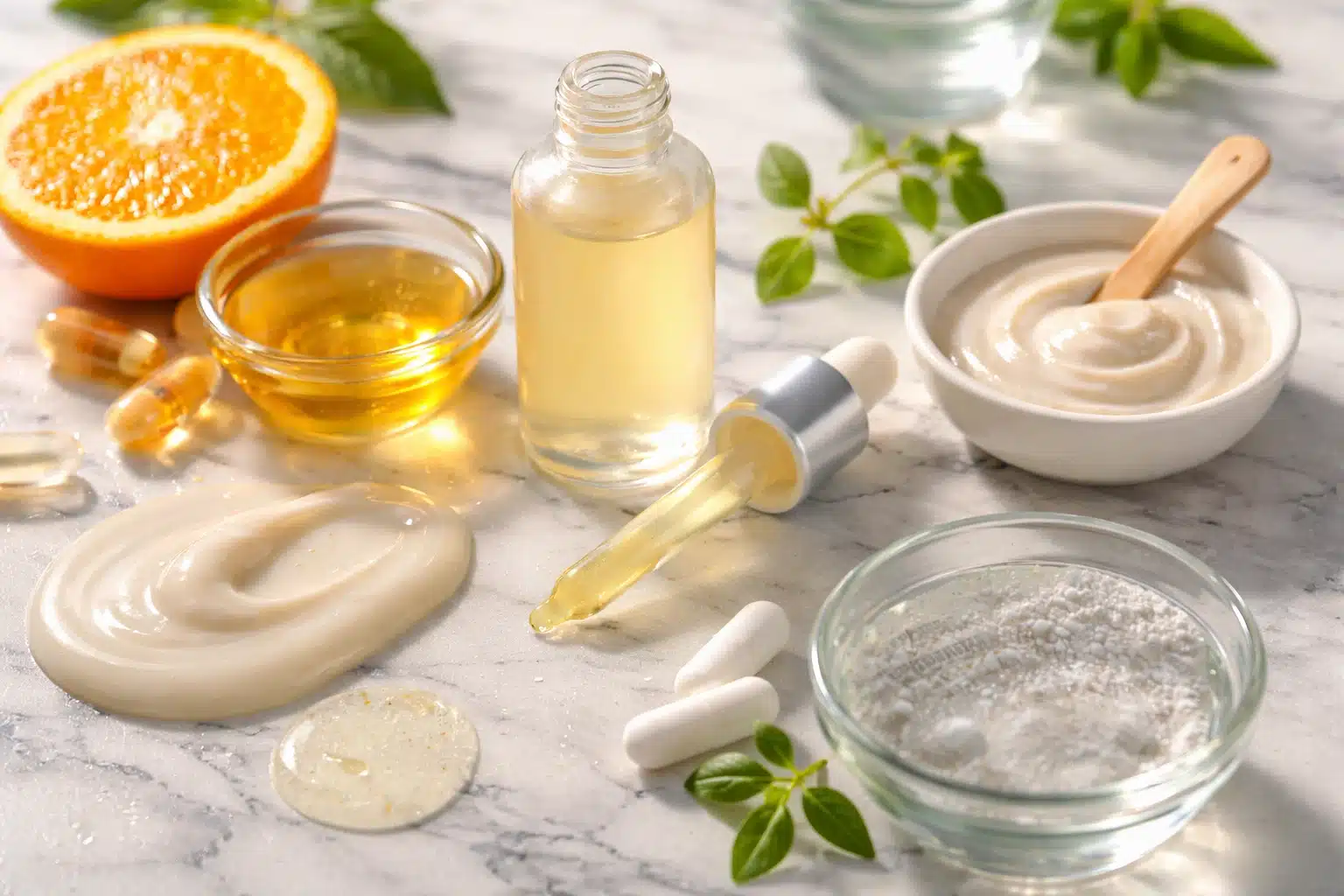
Retinol works even better when paired with the right supporting ingredients.
- Niacinamide calms redness and strengthens the skin barrier. It pairs very well with retinol because it helps reduce irritation.
- Hyaluronic acid pulls moisture into the skin, combating the dryness retinol can cause.
- Vitamin C can help lighten dark spots and reduce fine lines. Use vitamin C in the morning and retinol at night for the best combo.
- Sunscreen (SPF 30+) is the backbone of any retinol routine.
Avoid using retinol on the same nights as AHAs, BHAs, or benzoyl peroxide. Layering too many actives at once leads to irritation, which can trigger more pigmentation.
Common Mistakes to Avoid With Retinol
Even the best ingredient can backfire if used incorrectly.
- Using too much, too soon: Jumping into a high concentration or applying it every night right away overwhelms your skin. Start with a low percentage and build up gradually over weeks.
- Skipping sunscreen: Retinol accelerates cell turnover. This reveals fresh, new skin that is highly sensitive to sunlight. Without SPF, UV exposure can further darken your spots.
- Mixing too many activities: Combining retinol with strong acids or benzoyl peroxide on the same night can damage your skin barrier. Alternate active ingredients on different evenings instead.
- Giving up too early: Results take 8 to 12 weeks. Stopping at week 3 when you do not see changes means missing the window when retinol really starts working.
When to See a Dermatologist Instead?
Retinol addresses many dark spot concerns at home. But some situations need professional attention.
If your spots are very deep, cover large areas of your face, or have not improved after 6 months of consistent retinol use, a dermatologist can offer stronger options.
IPL (Intense Pulsed Light) treatments target the dark-pigmenting cells without damaging the regular skin cells. Chemical peels and laser therapy are also effective.
Also, always get new or changing dark spots checked by a professional.
A spot that changes in shape, size, or color could be something more serious than typical hyperpigmentation.
What Comes After Retinol: Maintaining Your Results
Once your dark spots start fading, your work is not done. Maintenance is key.
Continue using retinol regularly, even after your spots have cleared. Keep using your pigment blocker and retinol throughout the year, not just after summer.
Daily sunscreen remains your best defense against new spots forming.
Pair it with antioxidants, such as vitamin C, during the day. At night, keep retinol in your routine at whatever concentration your skin tolerates well.
If you want additional support, products with azelaic acid or tranexamic acid can help with long-term pigment control alongside retinol.
Conclusion
So, does retinol help with dark spots? The answer is a strong yes.
It speeds up cell renewal, reduces melanin production, and boosts collagen all at once. That trio makes it one of the most effective at-home ingredients for fading hyperpigmentation.
The key is patience and consistency. Start with a low concentration, protect your skin with sunscreen daily, and give it at least 8 to 12 weeks to show results.
If your spots are stubborn or deep, a dermatologist can take things to the next level. I would love to hear about your experience with retinol.
Have you tried retinol for dark spots? Drop your thoughts in the comments below.
Frequently Asked Questions
Can Retinol Make Dark Spots Worse at First?
Yes. In the first few weeks, retinol speeds up the movement of pigmented cells to the surface. This can make spots look temporarily darker. This is a normal part of the process and usually improves within 4 to 6 weeks.
Is Vitamin C or Retinol Better for Dark Spots?
For dark spots, I usually lean toward Vitamin C first because it directly helps reduce pigmentation by slowing down melanin production.
Retinol is still useful, but it works differently by speeding up skin cell turnover, which helps fade spots over time rather than targeting pigment directly.
Is Retinol Safe for Dark Skin Tones?
Retinol is safe for all skin tones. However, people with darker skin should be extra cautious. Irritation from retinoids can sometimes trigger more hyperpigmentation. Starting low and going slow is especially important.
What Do Koreans Use Instead of Retinol?
Korean skincare tends to avoid high-strength retinol and instead focuses on gentler, barrier-friendly anti-aging ingredients.
These often include retinal, which works faster than standard Vitamin A, along with bakuchiol, peptides, ginseng, and adenosine for gradual and balanced results.