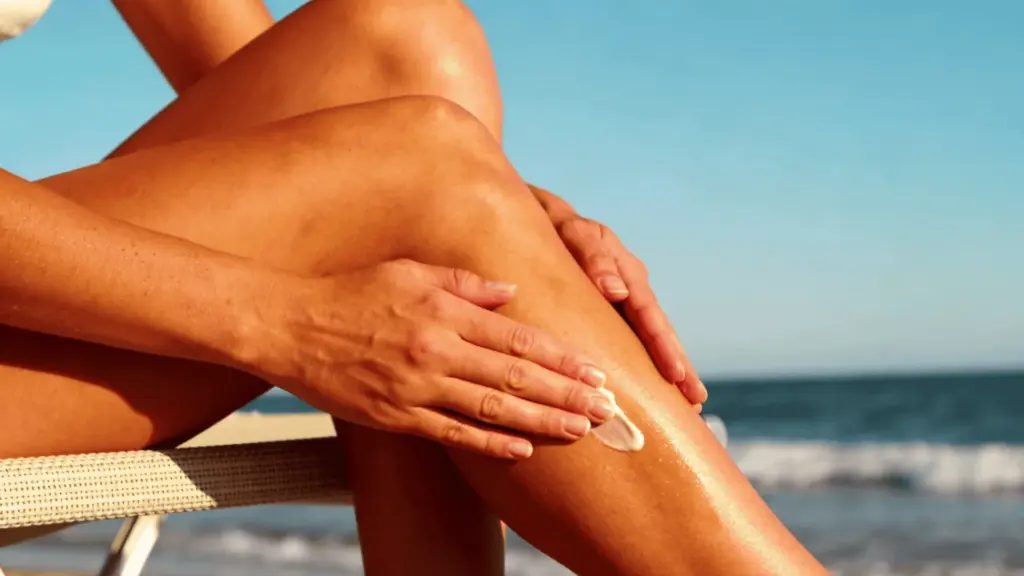
The first time I seriously tried to get a proper tan, I spent close to four hours lying in the afternoon sun with no sunscreen and ended up with burnt shoulders and almost no color on my legs.
Learning how to tan quickly in the sun is less about how long you stay outside and more about how you approach each session.
Skin responds to sunlight in a specific, predictable way, and once you understand it, getting an even, natural color becomes far less hit-or-miss.
Whether your skin is fair and slow to develop color or you simply want better results from the time you’re already spending outside, these tips cover timing, preparation, and aftercare in a way that actually works.
How Sun Tanning Works on Skin?
Sun tanning occurs when skin responds to ultraviolet radiation from sunlight. UV rays stimulate melanocytes, the cells that produce melanin.
Melanin acts as a natural pigment that gives skin its color and helps protect deeper layers from sun damage. When exposed to sunlight, the body increases melanin production, leading to the skin darkening over time.
Skin tone plays a major role in how quickly tanning happens. How quickly this happens depends largely on how much natural melanin your skin already contains.
Lighter skin contains less melanin, so tanning may take longer, and the risk of redness can be higher. Gradual, controlled sun exposure allows melanin to build gradually, leading to a more even tan.
Gradual, consistent exposure gives melanin time to build at a pace the skin can handle. Pushing past that threshold too quickly tends to result in sunburn rather than a tan.
Factors that Affect How Fast Skin Tans
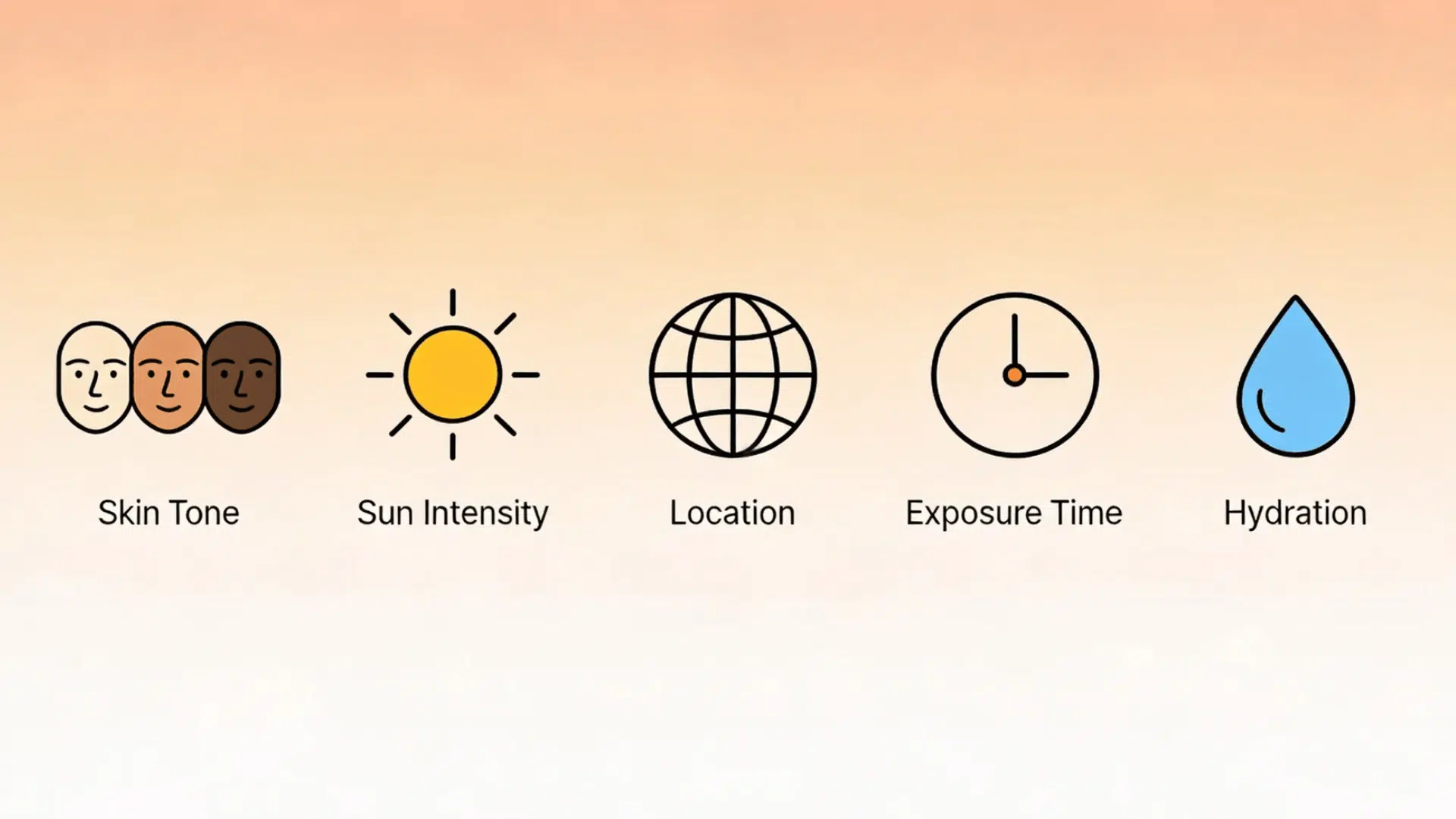
Several natural and environmental factors influence how quickly skin develops color under sunlight. Understanding these factors helps set realistic expectations and supports safer tanning habits.
- Skin Tone and Melanin Levels: Skin with higher melanin content usually tans faster because the pigment responds quickly to UV exposure. Lighter skin often requires more gradual sun exposure.
- Time of Day and Sun Intensity: Sun strength changes throughout the day. Midday sunlight contains stronger UV rays, which can affect how quickly skin darkens.
- Geographic Location and Climate: Areas closer to the equator often receive more sunlight, which may lead to faster tanning than in cooler or northern regions.
- Duration of Sun Exposure: Short and consistent sun sessions help skin gradually develop color, while very long exposure increases the risk of irritation.
- Skin Preparation and Hydration: Clean, moisturized, and well-hydrated skin often develops a smoother and more even tan.
Once these factors are understood, the next step is applying safe tanning habits that help skin develop color faster
How to Tan Quickly in the Sun Safely?
Getting a deeper color faster doesn’t mean longer sessions. It means the smarter ones. These habits make a measurable difference.
- Start with Short Sun Sessions: Begin with 20-30 minutes and gradually increase the duration over several days. Rushing past this step is one of the most common reasons tans turn uneven or end in burns.
- Choose the Right Time of Day: Late-morning or mid-afternoon sunlight can support tanning while reducing the risk of harsh exposure during peak sun hours. Midday sun is the harshest window, not the most efficient one.
- Rotate Body Position Regularly: Turning the body every 15-20 minutes helps sunlight reach different areas evenly and prevents uneven tanning.
- Keep Skin Hydrated: Moisturized skin tans more smoothly and holds color longer than dry skin. It’s a small thing that genuinely shows in the result.
- Use Sunscreen with Moderate SPF: A moderate sunscreen with at least SPF 30 offers protection from harmful rays while still allowing skin to develop a gradual color.
- Take Breaks Between Sun Sessions: Short breaks in the shade (around 10-15 minutes) help cool the skin and allow it to adjust to sunlight without overheating.
How to Get Tan Fast with Proper Skin Preparation?
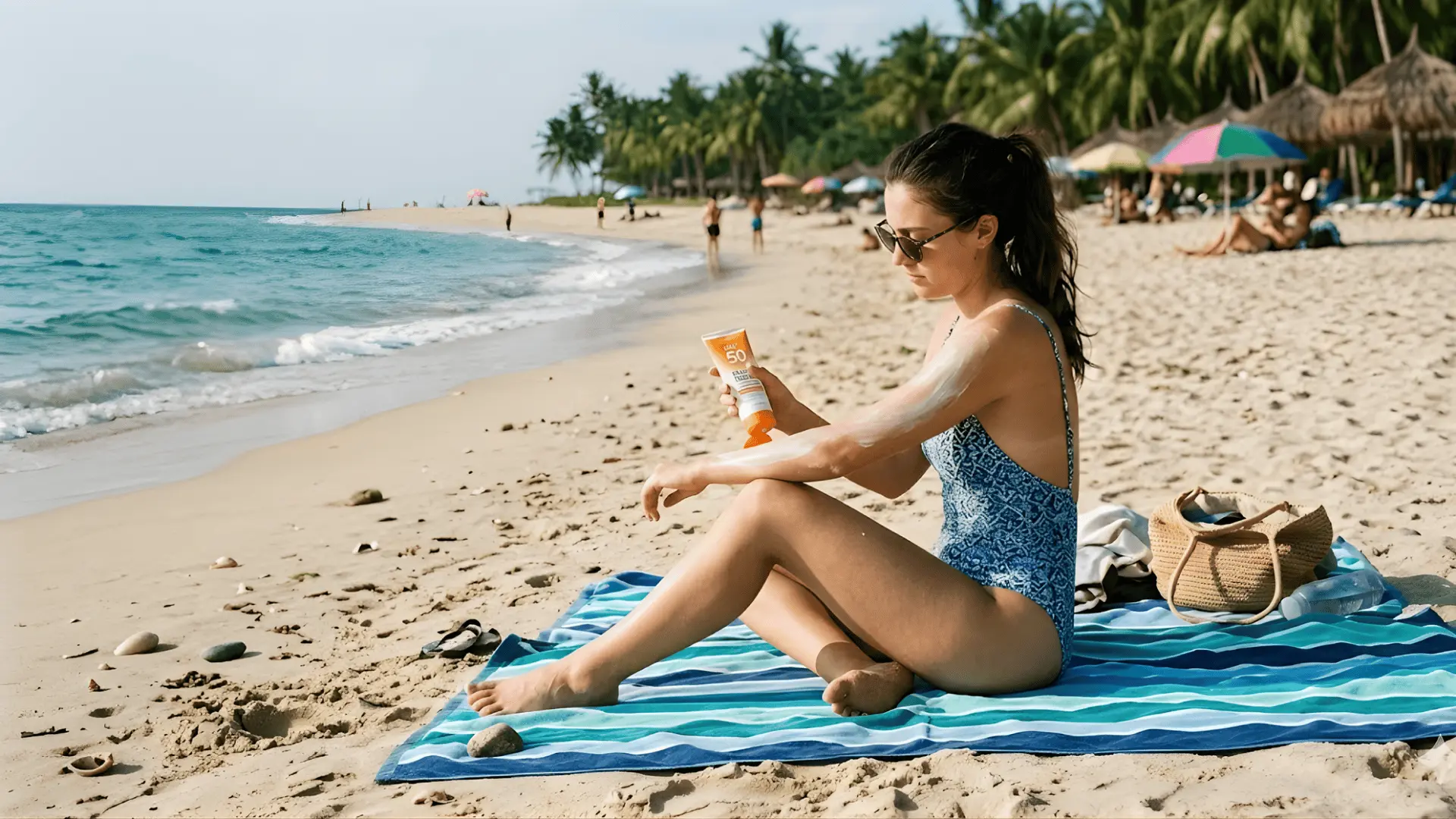
Preparing skin before sun exposure can improve how evenly and quickly a tan develops. Proper preparation helps remove surface buildup and allows sunlight to affect the skin more evenly.
Gentle exfoliation before tanning removes dead skin cells that may block smooth color development. This step helps create a cleaner surface so the tan appears more even.
Clean skin also plays an important role. Removing oils, dirt, and leftover products helps sunlight reach the skin without interference.
Hydration is another key factor, since well-hydrated skin tends to tan more smoothly and maintain color longer.
Applying a lightweight moisturizer before sun exposure can support skin balance and reduce dryness. When skin is prepared properly, tanning often appears more even, natural, and consistent.
When skin is properly prepared, the tan tends to develop faster, look more even, and stay visible longer, which is ultimately the goal when trying to get a tan fast.
Best Natural Ways to Support Faster Tanning
Certain daily habits can help skin respond better to sunlight and support a smoother tanning process.
- Eat foods rich in beta-carotene and lycopene: Carrots, sweet potatoes, and mangoes support skin health. Lycopene-rich foods, such as tomatoes, watermelon, and pink grapefruit, may offer additional natural support against UV-related oxidative stress on the skin.
- Stay well-hydrated: Drinking enough water throughout the day keeps skin from drying out in the sun, which affects how evenly color develops and how quickly it fades afterward.
- Maintaining Healthy Skin Care Routines: Regular cleansing, gentle exfoliation, and moisturizing help keep the skin smooth and ready for sun exposure.
- Increase exposure time gradually: Adding a few minutes per day across the week gives skin time to adjust. Color tends to build more evenly this way, and the result lasts longer.
Common Mistakes that Slow Down Tanning

Several common habits can prevent skin from developing a quick and even tan. Spending too much time in direct sunlight is one of the biggest mistakes.
Long exposure (more than 2-3 hours) can irritate the skin and lead to redness instead of gradual color development. Skipping sunscreen completely is another issue.
Protection helps control UV exposure and supports safer tanning rather than increasing the risk of burns.
Uneven tanning can also occur when body position is not changed regularly. Areas that receive more sunlight may darken faster than others.
Hydration is often overlooked as well. Dry skin may tan unevenly and lose moisture during sun exposure.
Tanning in the harshest midday sunlight can also cause irritation, making it harder for the skin to develop a smooth, healthy tan.
If you’d prefer to skip UV exposure entirely, learning about spray tanning before and after is a useful starting point; it offers a controlled, even result without sun time.
After-Sun Care: Locking in Your Tan
What you do after each session affects how well the color settles and how long it stays visible.
Applying a moisturizer or after-sun lotion within an hour of coming indoors helps skin recover, reduces dryness, and supports an even finish as the tan develops over the following 24 to 48 hours.
Aloe vera gel works well if the skin feels warm or slightly tight after a session; it soothes without interfering with color development.
Avoid exfoliating products for at least 48 hours after a sun session, as scrubbing the outer skin layer too soon can strip color before it has fully formed.
Drinking water and staying hydrated after time outdoors also supports skin recovery, especially on warmer days when dehydration happens quickly.
Signs of Healthy Tanning vs Skin Damage
Knowing the difference between normal tanning and overexposure helps you catch problems early, before they become harder to manage.
| Healthy Tanning Signs | Signs Of Skin Damage |
|---|---|
| Mild warmth on the skin after sun exposure | Strong redness or burning sensation |
| Gradual and even color change over time | Skin turning bright red shortly after sun exposure |
| Skin remains soft and hydrated | Dry, tight, or irritated skin |
| Tan develops slowly across multiple sessions | Rapid color change followed by discomfort |
| No pain or sensitivity when touching skin | Peeling, flaking, or painful areas |
How Long Does It Usually Take to Tan in the Sun?
The time required to develop a visible tan in the sun varies depending on skin tone, sun strength, and the duration of exposure.
People with naturally darker skin often notice color changes faster because higher melanin levels respond quickly to sunlight.
Those with lighter skin may need more time and should be more cautious, as the skin can turn red before a tan appears.
Sunlight intensity also plays a role. Warmer climates or strong summer sunlight may produce quicker results compared to cooler regions or cloudy conditions.
Instead of staying in the sun for long periods, short and consistent sessions often help skin build color gradually. This approach supports a more even tan while lowering the chances of irritation or overexposure.
If you’re wondering about how long a natural tan stays visible once it develops, that depends on your skin type, hydration habits, and how much you exfoliate, but most sun tans begin to fade within 7 to 10 days.
Conclusion
Achieving a natural tan does not require endless hours in the sun. A faster result often comes from smart preparation, balanced exposure, and consistent skin care habits.
Understanding how skin responds to sunlight, choosing the right time for sun sessions, and maintaining hydration can make a noticeable difference in how evenly color develops.
Gradual tanning sessions also help maintain skin comfort while allowing the tan to build over time.
Simple steps such as proper skin preparation, moderate sun protection, and regular breaks support a healthier tanning routine.
When these habits become part of the process, achieving a smooth, natural glow becomes much easier. With the right approach, sunny days can help develop a smooth and well-balanced tan without discomfort.
Have a favorite sun tanning tip or experience to share? Drop it in the comments and join the conversation.
Frequently Asked Questions
Does Tanning Oil Actually Help You Tan Faster, and Is It Safe?
Tanning oils can speed up tanning by intensifying UV exposure, but most lack proper SPF protection. This increases the risk of burns and long-term skin damage. If used, choose one with at least SPF 15 and keep exposure time short.
Can You Tan Through a Window or on a Cloudy Day?
You can tan on cloudy days since up to 80 percent of UV rays still reach your skin. Through a window, tanning is minimal because glass blocks most UVB rays, though UVA still passes through.
Can Certain Medications Make Tanning Faster or Riskier?
Yes, some medications like antibiotics, antihistamines, and retinoids increase skin sensitivity to sunlight. This can lead to quicker burning or irritation. Always check labels or consult a doctor before sun exposure.
Is There a Difference Between UVA and UVB Rays when It Comes to Tanning?
UVB rays trigger melanin production and are mainly responsible for tanning. UVA rays penetrate deeper, causing skin aging and damage. A balanced approach limits excessive UVA exposure while allowing controlled UVB exposure.
Why Does a Tan Look Darker the Day After Sun Exposure?
After sun exposure, melanin continues to oxidize for up to 48 hours. This process deepens the skin color, so the tan appears darker the next day rather than immediately after being in the sun.