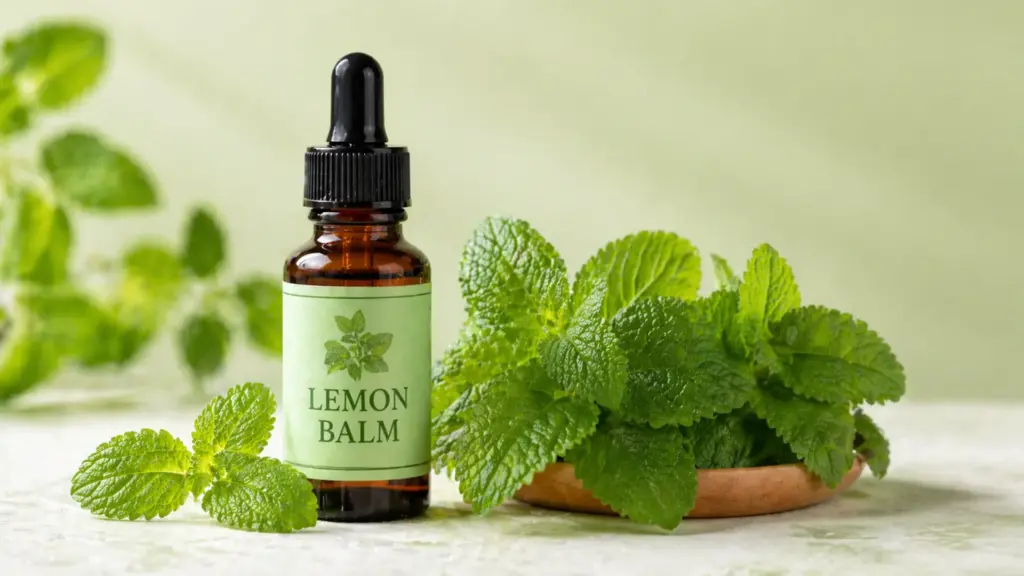
Lemon balm has become a common ingredient in skincare made for sensitive, stressed, or acne-prone skin.
I’ve seen it appear more often in toners, serums, facial mists, and herbal creams because of its anti-inflammatory and antioxidant properties.
Many clients start asking about it after dealing with products that leave the skin dry, tight, or reactive. I usually notice the interest grows after stronger actives like retinol or exfoliating acids become too irritating for regular use.
Unlike harsher ingredients that can overwhelm the skin barrier, lemon balm is often used to calm redness, reduce irritation, and support recovery.
The growing attention around it raises an important question: what are the real benefits of lemon balm for skin, and what does the research actually say about how it works?.
What is Lemon Balm?
Lemon balm, scientifically known as Melissa officinalis, is a perennial herb from the mint family. It has been used in traditional European and Middle Eastern medicine for over 2,000 years, originally for fevers, wound healing, and nerve-calming.
Today, it appears in topical skincare products ranging from toners and creams to essential oils, primarily for its anti-inflammatory, antibacterial, and antioxidant properties.
The plant’s leaves contain several bioactive compounds, rosmarinic acid, caffeic acid, ferulic acid, tannins, and eugenol, each contributing to its skin-supportive effects.
Rather than acting as a single-target ingredient, lemon balm works across several concerns at once, which is part of why it fits well into routines focused on balance rather than correction.
Key Lemon Balm Benefits for Skin
Lemon balm doesn’t do one thing exceptionally well; it does several things consistently well. That’s exactly what makes it useful for people who want steady improvement without juggling a complicated routine. Look at what to actually expect from it.
1. Soothes Irritation and Calms Redness
Lemon balm has natural anti-inflammatory properties that help quiet skin that’s easily triggered, whether by weather, hormonal shifts, sensitivity to other products, or minor skin conditions like eczema and rosacea.
Applied regularly, it reduces surface redness and helps skin recover from flare-ups faster, without adding any additional stress to an already reactive complexion.
This is one of the most consistent lemon balm benefits for skin that clients with sensitive skin notice first, not a dramatic change, but a gradual steadiness.
Skin that used to flare every few days starts staying calmer between episodes. It’s a quiet shift, but over a few weeks it becomes noticeable.
It also works well after procedures or treatments that temporarily make the skin reactive. The herb’s soothing effect helps the skin return to a balanced state more quickly than it would on its own.
2. Controls Oil and Clears Breakouts
Lemon balm helps regulate sebum production without stripping the skin, which is a more useful approach to oil control than most people expect from a botanical ingredient.
Rather than drying the skin out and triggering a compensatory oil response, it helps the skin find a more stable baseline. Over time, that means fewer breakouts, less surface shine, and a more consistently balanced feel throughout the day.
Its natural astringent quality also helps tighten pores and reduce the buildup of oil and debris that leads to blackheads.
For anyone dealing with recurring congestion in the T-zone or chin, consistently using lemon balm toners after cleansing can make a visible difference in how clear the skin looks week to week.
There’s also an antibacterial dimension; lemon balm may help reduce the bacterial environment on the skin’s surface that contributes to acne.
It won’t clear severe breakouts the way a prescription treatment would, but for mild to moderate acne-prone skin, it provides multi-angle support without the harshness.
3. Delivers Antioxidant Protection Against Daily Damage
Every day, the skin is exposed to UV radiation, pollution, and environmental stress that generate free radicals, unstable molecules that break down skin cells and collagen over time.
Lemon balm is rich in antioxidants, including caffeic acid and ferulic acid, that help neutralize this damage before it accumulates and shows up as dullness, uneven texture, or premature fine lines.
What makes lemon balm’s antioxidant profile particularly useful is that it also offers a degree of UV protection at the cellular level. It doesn’t replace SPF, but used alongside sunscreen, it adds a layer of cellular defense that everyday skincare products rarely provide.
For anyone whose skin takes a visible hit from city living or frequent sun exposure, dullness, uneven tone, and slow healing, this is one of the more practical lemon balm benefits for skin to build around.
4. Refines Pores and Improves Skin Texture
Lemon balm has a natural tightening effect on pores, which over time contributes to a smoother, more refined skin surface.
This isn’t an instant pore-erasing result; it’s a gradual improvement that comes from consistent use, reducing the oil and congestion that make pores appear larger in the first place.
After 6–8 weeks of regular use of a toner or cream, most people with oily or combination skin notice the skin looks less congested and feels more even-textured.
This benefit is also why lemon balm pairs well with other gentle exfoliants or clarifying ingredients.
It handles the oil and bacterial environment while the exfoliant clears dead skin cells; together, they create better conditions for consistently clearer, smoother skin without either ingredient having to work as hard.
5. Supports the Skin Barrier Without Disrupting It
One of the more underrated lemon balm benefits for skin is simply that it helps without causing harm in the process.
A lot of effective skincare ingredients, acids, retinoids, and strong actives work by creating a controlled stress response in the skin.
That can produce results, but it also comes with a disruption period: dryness, peeling, and increased sensitivity. Lemon balm takes a different path.
Its antioxidant and anti-inflammatory compounds support the skin’s natural moisture-retaining and self-regulating functions rather than overriding them.
This means it can be used daily, layered with most other products, and applied to sensitive areas without the risk of compromising the barrier that keeps everything else working.
Over months of consistent use, skin tends to become more resilient overall, better at handling environmental stress, more balanced in its oil production, and less reactive to triggers that previously caused flare-ups.
For anyone who has been stuck in a cycle of strong treatments that improve one thing while making something else worse, lemon balm is often the reset ingredient that finally lets the skin stabilize.
If you’re dealing with persistent breakouts and wondering whether professional treatment might help, it’s worth reading up on what an acne facial treatment actually involves before booking one.
Active Compounds in Lemon Balm and Their Role in Skin Care
Lemon balm stands out in skin care because it doesn’t rely on a single hero ingredient. Its effectiveness comes from a blend of naturally occurring compounds that work together to target multiple skin concerns at once.
Below is a clear breakdown of the key active compounds and what they actually do for the skin:
| Compound | What It Does for Skin | Best For |
|---|---|---|
| Rosmarinic Acid | Helps reduce inflammation and redness while offering antibacterial support. Assists in calming active breakouts and promotes smoother healing with less visible marks. | Acne-prone, sensitive, reactive skin |
| Caffeic Acid | Acts as an antioxidant that protects against environmental stress, such as pollution and UV exposure. Supports the skin barrier and improves overall skin balance. | Dull, stressed, uneven skin |
| Ferulic Acid | Strengthens antioxidant defenses and helps protect skin cells from UV-related damage. Also improves the effectiveness of other antioxidants in formulations. | Sun-exposed, aging, environmentally stressed skin |
| Tannins | Provide a natural tightening effect that helps refine pores and control excess oil. Leaves skin feeling smoother and more even-textured. | Oily and combination skin |
| Eugenol | Offers antimicrobial support to help maintain a cleaner skin surface. Also has mild soothing properties that reduce minor irritation. | Acne-prone, irritation-prone skin |
How to Use Lemon Balm in Your Skincare Routine
Lemon balm doesn’t require a full routine overhaul. It fits into most existing setups, and the right form depends on your skin type and what you’re trying to address.
- Toners: Best used after cleansing and before moisturizer. Particularly useful for oily and combination skin, it helps control excess oil while keeping the surface calm throughout the day.
- Creams and spot treatments: Better suited for dry, irritated, or sensitive areas. A lemon balm cream applied to a reactive patch delivers more concentrated relief without affecting the rest of the face.
- Lemon balm tea rinse: A cooled, strongly brewed tea applied with a cotton pad works as a mild, low-commitment introduction, useful if you want to see how your skin responds before investing in a formulated product.
- Essential oil (diluted): Always dilute before applying to skin. A 1% concentration in a carrier like jojoba oil is safe for regular use and absorbs well without clogging pores. Never apply the essential oil neat.
- Patch test first: Test on your wrist or behind the ear and wait 24 hours before full-face application, regardless of product form.
Pairing lemon balm with a barrier-supporting moisturizer tends to give the best results, particularly if you’re also managing dryness or sensitivity alongside oiliness.
What to Expect from Lemon Balm
Lemon balm is not a fast-acting ingredient. Most people who use it consistently in a toner or cream start noticing steadier skin within 4–6 weeks: less reactive, more balanced, and fewer breakouts in oily-prone areas.
Visible improvements to texture and pore appearance tend to take longer, usually 2–3 months of regular use.
If you’re expecting dramatic before-and-after changes, this probably isn’t the ingredient for that. What it does offer is steady, cumulative improvement without the disruption period that stronger activities often come with.
For skin that needs to settle down before it can improve, that’s often exactly the right starting point.
Conclusion
Lemon balm can be a useful addition to skincare routines focused on redness, irritation, oil control, or early signs of aging. Its active compounds help support the skin barrier while providing antioxidant and antimicrobial benefits.
Results usually come from steady use rather than quick fixes. Starting with a toner or cream that matches your skin type and patch testing first can help avoid unnecessary irritation.
For ongoing skin conditions or persistent sensitivity, it’s best to speak with a dermatologist before adding new ingredients, even gentle botanical ones.
If lemon balm has been part of your skincare routine, share what worked well and what did not. Real experiences often help others make more informed choices.
Frequently Asked Questions
Does Lemon Balm Help with Fungal Acne?
Lemon balm has mild antimicrobial properties, but there is limited evidence showing effectiveness against fungal acne. It may support overall skin balance but should not replace targeted antifungal treatments.
Can Lemon Balm Be Used Daily on The Skin?
Yes, lemon balm can be used daily when applied in a diluted or formulated product. Its gentle nature makes it suitable for regular use without disrupting the skin barrier.
Can Lemon Balm Be Mixed with Other Skincare Ingredients?
Yes, lemon balm works well with most skincare ingredients, including moisturizers and mild actives. It is often used to balance stronger formulations and reduce irritation.