That tight, itchy pull at the roots is hard to ignore. I know because I spent months reaching for the wrong product before I understood what was actually happening at my scalp.
A dry scalp and dandruff look nearly identical, but they need completely different treatments. Pick the wrong one and you’ll either strip your scalp bare or leave a fungal issue completely untreated.
In this blog, I’m covering what actually causes a dry, flaky scalp, how to tell it apart from dandruff at home, and which treatments genuinely move the needle. I’ll also tell you when seeing a dermatologist is the smarter call.
What is Dry Scalp or Dandruff
This is the step most people skip, and it’s the most important one. Treating dandruff when you actually have a dry scalp means adding antifungal agents to skin that’s already stripped of moisture. You don’t want that.
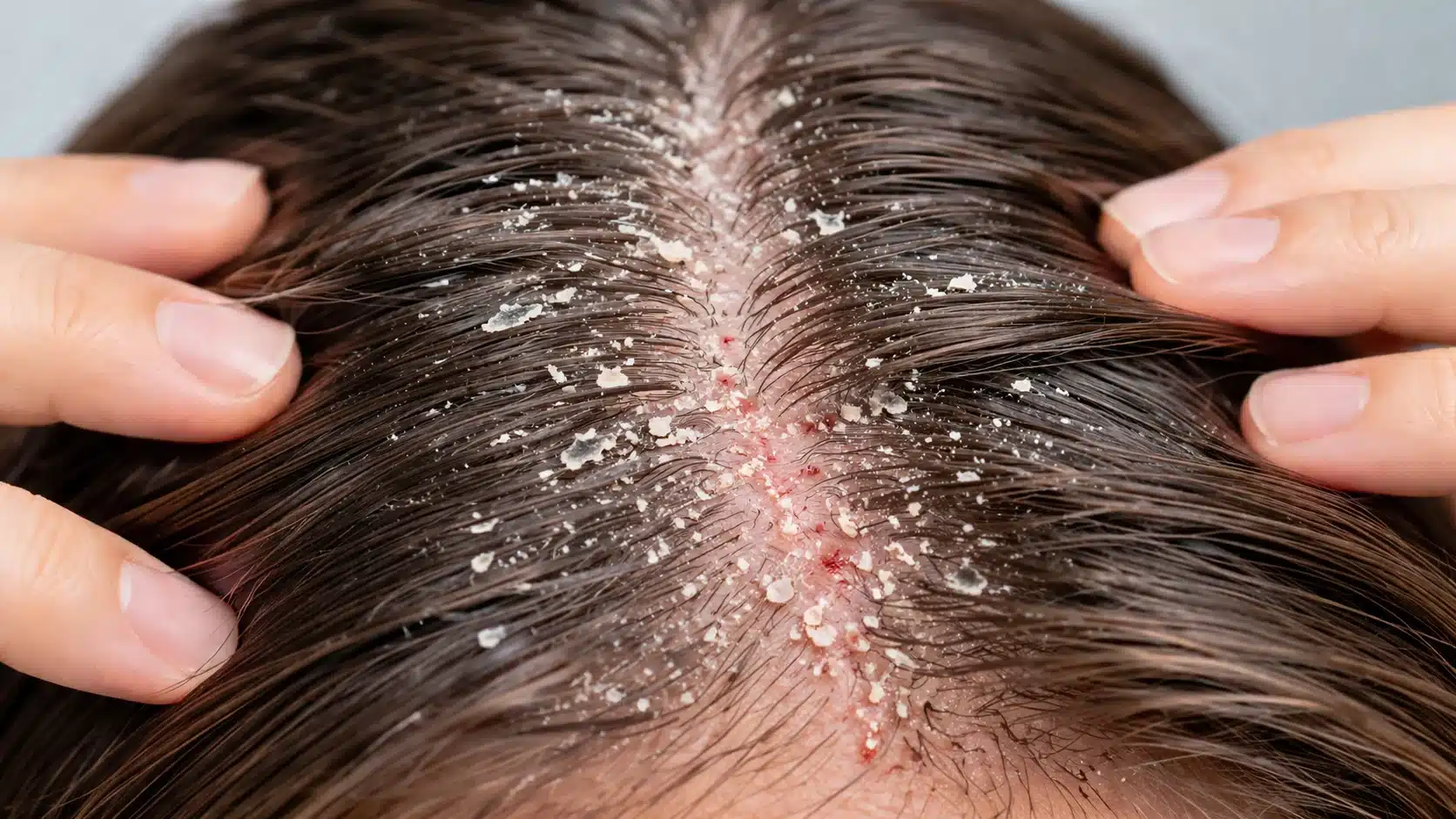
The clearest way to tell the difference is to look at the flakes. Dry scalp flakes are small, white, and dry, and they fall off easily after scratching.
The scalp feels tight and worsens in cold or dry weather. Dandruff flakes are larger, sometimes yellowish or greasy, and tend to stick to the hair shaft. The scalp may look slightly red or oily.
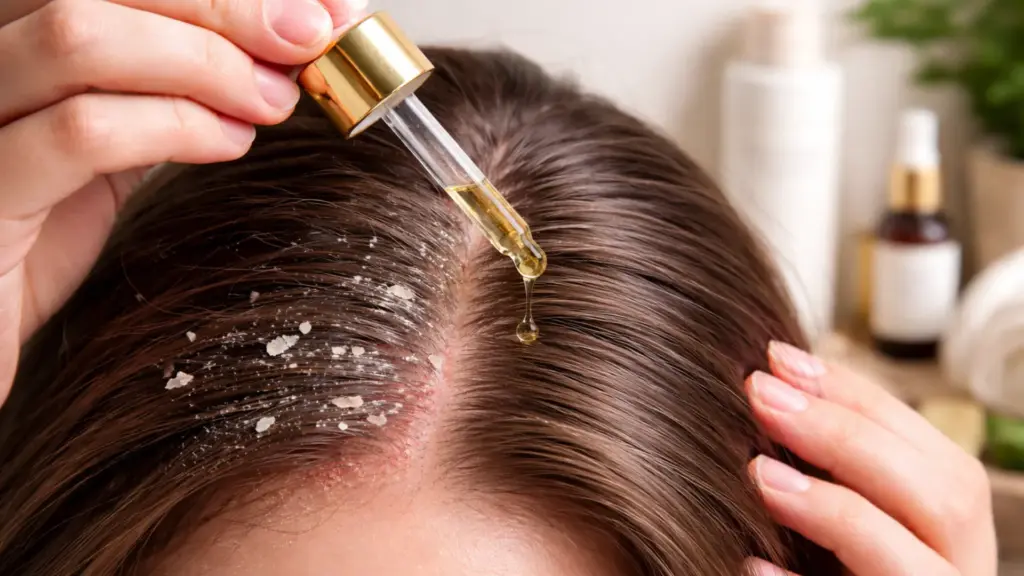
One quick home test: apply a few drops of jojoba oil to your scalp at night and shampoo gently the next morning. If flaking reduces, it’s likely dry scalp. Dandruff won’t budge from moisture alone. It’s not a clinical diagnosis, but it’s a reliable first indicator.
What Causes a Dry, Flaky Scalp
Several factors can contribute to a dry scalp, and in many cases, more than one cause is involved at the same time.
- Environmental factors: Cold air, low humidity, and indoor heating create a humidity deficit throughout the day. Hot shower water makes it worse by breaking down the skin’s lipid layer and pulling moisture out.
- Hair products: Strong sulfates like sodium lauryl sulfate strip the scalp’s moisture barrier, especially with daily washing. Product buildup from styling creams, alcohol-based dry shampoos, and heavy conditioners applied too close to the roots can also trigger irritation and flaking.
- Age and genetics: Sebum production decreases over time, which makes the scalp naturally drier as you get older. People with sensitive skin are more prone to product-triggered scalp reactions, since the skin’s barrier is already thinner and less forgiving of harsh ingredients.
- Diet: Low levels of omega-3 fatty acids, zinc, biotin, and vitamin A can compromise the scalp’s barrier function. Foods like salmon, walnuts, eggs, and leafy greens are a good place to start if dryness keeps recurring despite topical changes.
Best Dry Scalp Treatments That Actually Work
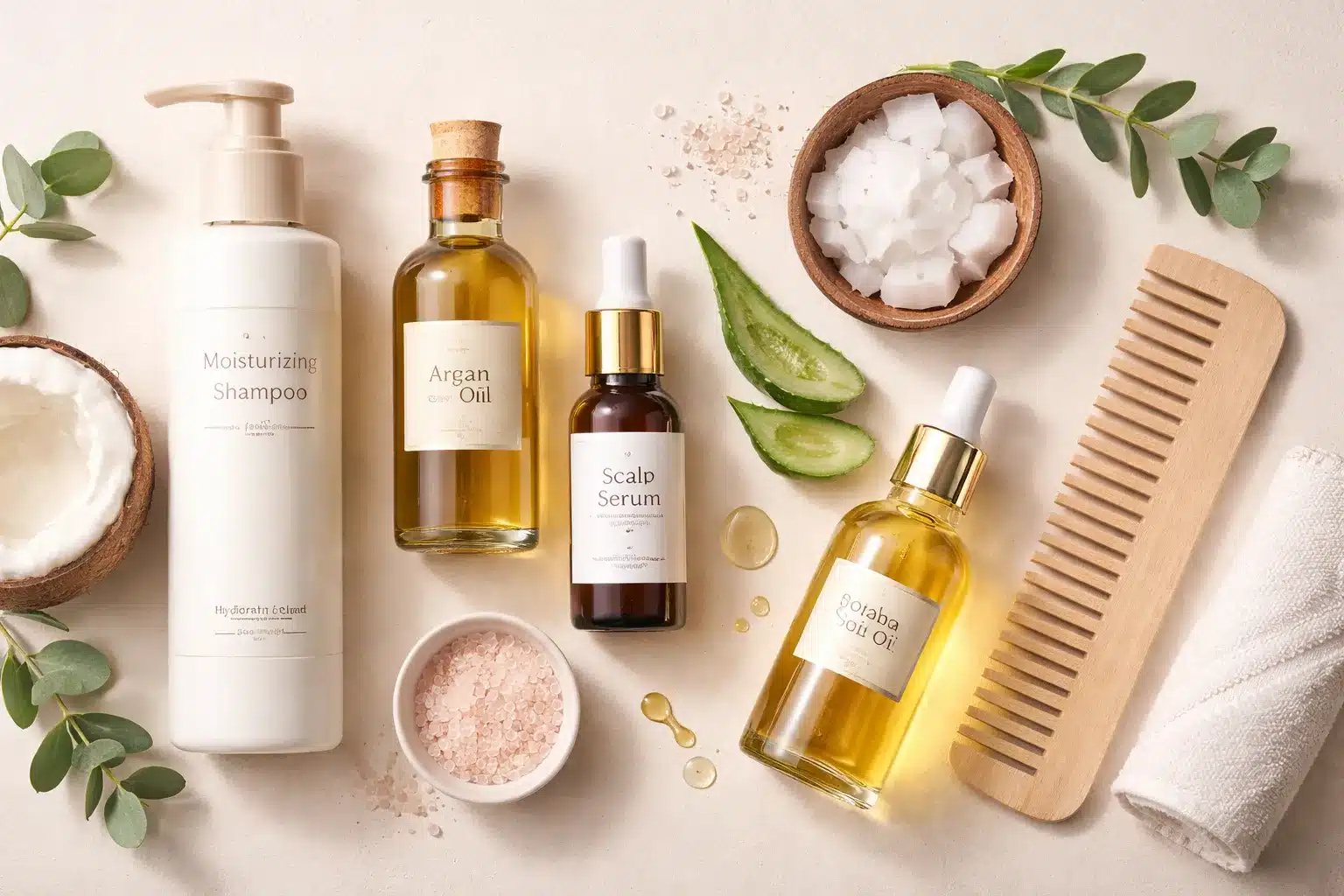
Dry scalp treatment usually works best with a combination of simple changes and consistent care. The right approach depends on what is causing the dryness and irritation.
Switch to a Gentle, Sulfate-Free Shampoo
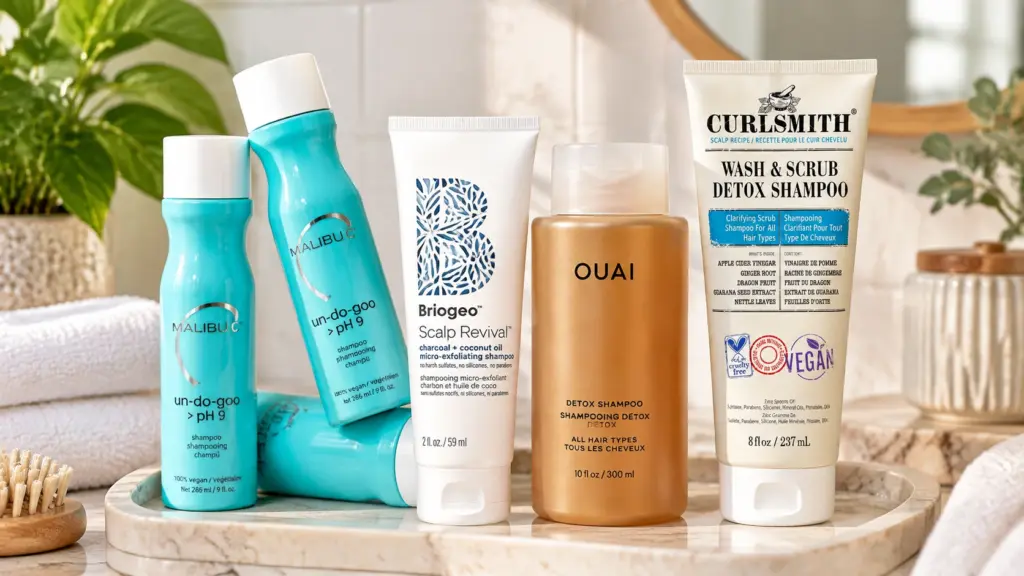
This is usually the first thing to try. Look for sulfate-free shampoos with hydrating ingredients like glycerin, aloe vera, ceramides, or hyaluronic acid.
These clean without stripping the scalp’s natural oils. If you’ve been using a clarifying or anti-dandruff shampoo daily, that alone might be the culprit. Those formulas are designed for oil control, not moisture retention.
For color-treated hair, this matters even more. Colored hair is more porous and moisture-sensitive, so look specifically for sulfate-free, color-safe formulas, and avoid anything with high alcohol content near the top of the ingredient list.
Wash Your Hair Less Often
If you wash daily, scale back to every two or three days. Frequent washing, even with a gentler formula, disrupts the scalp’s natural moisture balance.
The scalp needs time between washes to rebuild its protective oil layer. Two to three washes per week is a reasonable middle ground for most hair types.
Turn Down the Shower Temperature
Hot water is one of the most overlooked contributors to scalp dryness. The lipids that protect your scalp’s moisture barrier don’t withstand heat well.
Washing with lukewarm water, not cold but not scalding either, keeps the scalp from losing hydration every wash day. It takes about a week to adjust, but the difference in how your scalp feels is noticeable.
Try an Overnight Oil Treatment
This is one of the more effective home remedies for persistent dryness that doesn’t respond to shampoo changes alone.
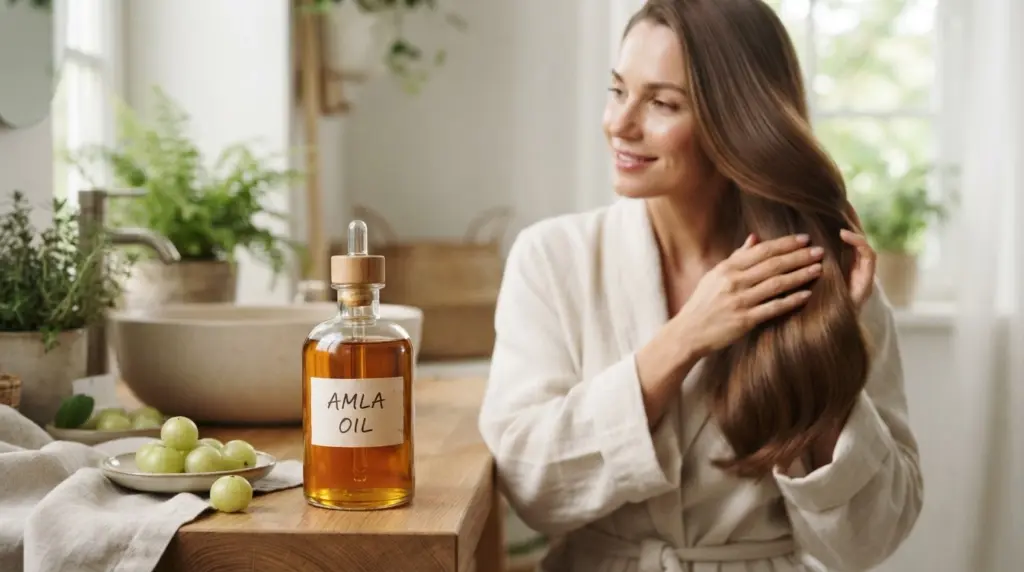
Apply a small amount of oil to the scalp before bed, massage it in gently, and rinse out in the morning with a mild shampoo.
The best options are coconut oil, jojoba oil, or argan oil. Coconut oil has antifungal and moisturizing properties. Jojoba oil absorbs well without clogging follicles. Argan oil is the lightest option, ideal for fine hair.
One thing I tell clients: use less than you think you need. A dime-sized amount for the whole scalp is enough. Focus the application on the driest areas rather than coating everything.
Use Aloe Vera Directly on the Scalp
Pure aloe vera gel works well as a short-term soothing treatment. It has anti-inflammatory properties that calm irritation, and it’s also a solid moisturizer that doesn’t leave a heavy residue.
Apply a small amount to the scalp, leave it on for 20 to 30 minutes, then rinse.
Make sure you’re using 100% pure aloe. Formulas with alcohol listed high in the ingredient list will further dry the scalp, which is the opposite of what you need. Store-bought pure aloe gel works fine; you don’t need a fresh leaf.
A couple of applications per week can reduce itching while the underlying routine changes take effect.
Add a Weekly Scalp Mask or Treatment
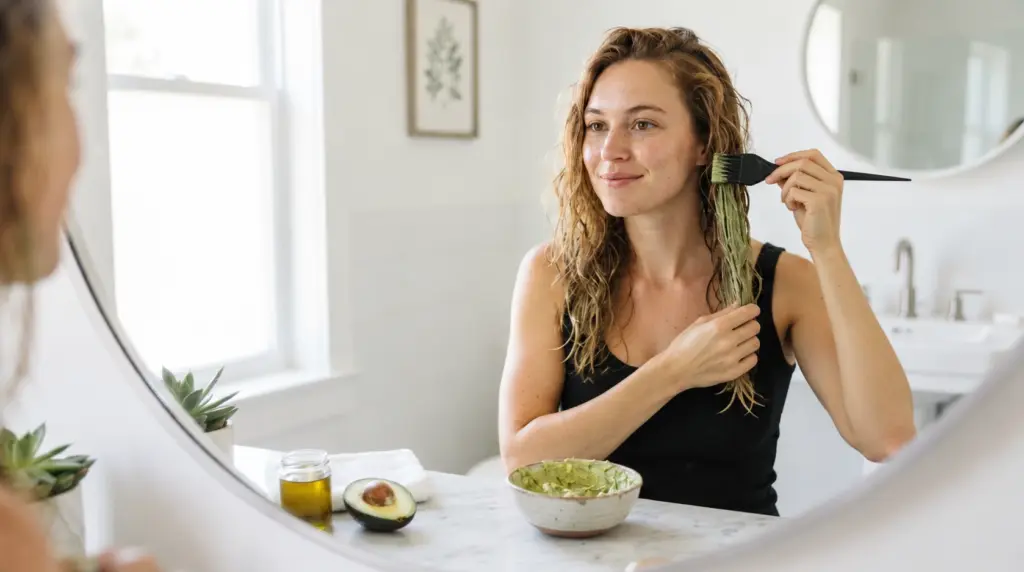
If your scalp is consistently dry, a weekly scalp mask adds a layer of hydration that shampoo alone can’t provide. Look for masks with shea butter, panthenol, hyaluronic acid, or oat extract.
Apply to the scalp, work through the roots, and leave on for 10 to 15 minutes before rinsing. Applying the mask to damp rather than soaking-wet hair generally helps the ingredients absorb better.
Seasonal Scalp Care: Winter vs. Summer
Dry scalp tends to be a seasonal complaint, and if yours follows a pattern, adjusting your routine around it is smarter than reacting every time it flares.
| Feature | Winter | Summer |
|---|---|---|
| Main trigger | Cold outdoor air + indoor heating strips moisture from the scalp all day long | Heat, sweat, and product buildup on the scalp are often mistaken for returning dryness |
| Additional risk | Low indoor humidity accelerates overnight moisture loss from skin and scalp | UV exposure dries out the scalp the same way it dries out your face and shoulders |
| Shampoo adjustment | Pull back on clarifying shampoos. Switch to richer, moisturizing formulas | Wash more frequently if needed, but keep using a gentle sulfate-free formula |
| Treatment to add | Add the overnight oil treatment to your weekly routine to compensate for moisture loss | Rinse hair immediately after swimming in chlorinated pools, as chlorine strips protective oils fast |
| Helpful extra step | Run a humidifier in your bedroom, which slows moisture loss from your skin overnight | Covering the scalp in prolonged sun exposure, a hat goes further than most people think |
When to See a Dermatologist for a Flaky Scalp
Most cases clear up within 2 to 3 weeks with consistent routine changes. If they don’t, it’s worth getting a professional look.
A dermatologist can rule out conditions that mimic dry scalp but need different treatment, including seborrheic dermatitis, scalp psoriasis, eczema, or tinea capitis.
See a dermatologist if you notice any of the following:
- Persistent or worsening flaking after a month of home treatment
- Patches of redness or visible inflammation
- A scalp that feels swollen or painful to the touch
- Flaking accompanied byhair thinning or shedding
Treatment options may include corticosteroid creams, salicylic acid treatments, or prescription medicated shampoos unavailable over the counter.
In my experience, clients who wait too long often end up with compounded issues. If something feels persistently wrong, an earlier diagnosis is always the faster path to relief.
A Simple Dry Scalp Routine to Follow
A steady routine usually works better than constantly switching between treatments. Giving the scalp a few weeks to adjust makes it easier to see which products and habits are actually helping.
- Wash two to three times a week using a gentle, sulfate-free shampoo. Use only lukewarm water, not hot.
- On non-wash days, skip alcohol-based dry shampoos. These add dryness at the root and can worsen buildup.
- Once a week, the night before wash day, apply a small amount of coconut, jojoba, or argan oil to the scalp. Massage in gently, leave overnight, and rinse out in the morning.
- Once a week, on a wash day, apply a scalp mask or deep conditioning treatment for 10 to 15 minutes before rinsing.
- Keep styling products away from the scalp for now, especially those with alcohol or synthetic fragrance listed among the first five ingredients.
- Give it three full weeks before evaluating what’s working. The scalp needs time to rebuild its natural barrier.
Conclusions
Dry scalp becomes easier to manage once the real cause is identified. Although dry scalp and dandruff can look similar, they need different treatments.
Using the wrong products can make irritation worse rather than improve it.
Simple changes, like switching to a sulfate-free shampoo, washing less often, lowering water temperature, and using weekly oil treatments, can help restore moisture over time.
Consistency matters more than trying multiple products at once. Give your scalp a few weeks to adjust before expecting major results.
If dryness or irritation continues after a month, it’s best to see a dermatologist. What has helped your scalp the most? Share your experience in the comments below
Frequently Asked Questions
How Long Does It Take to See Improvement with Home Treatments?
Most people notice a noticeable difference within 2 to 3 weeks of consistent changes: switching shampoo, reducing wash frequency, and lowering water temperature. If there’s no improvement after four weeks, consider seeing a dermatologist to confirm the diagnosis.
Can Drinking More Water Fix a Dry Scalp?
Hydration plays a supporting role but won’t fix a dry scalp on its own. Topical treatments, such as changing your shampoo, reducing hot-water exposure, and adding a moisture treatment, address the root cause more directly. That said, consistent under-hydration shows up in the skin, including the scalp.
Does a Dry Scalp Cause Hair Loss?
A dry scalp itself doesn’t directly cause hair loss, but persistent scratching from itchiness can damage hair follicles over time and lead to shedding. Keeping the scalp moisturized reduces the urge to scratch and protects the follicle environment.